
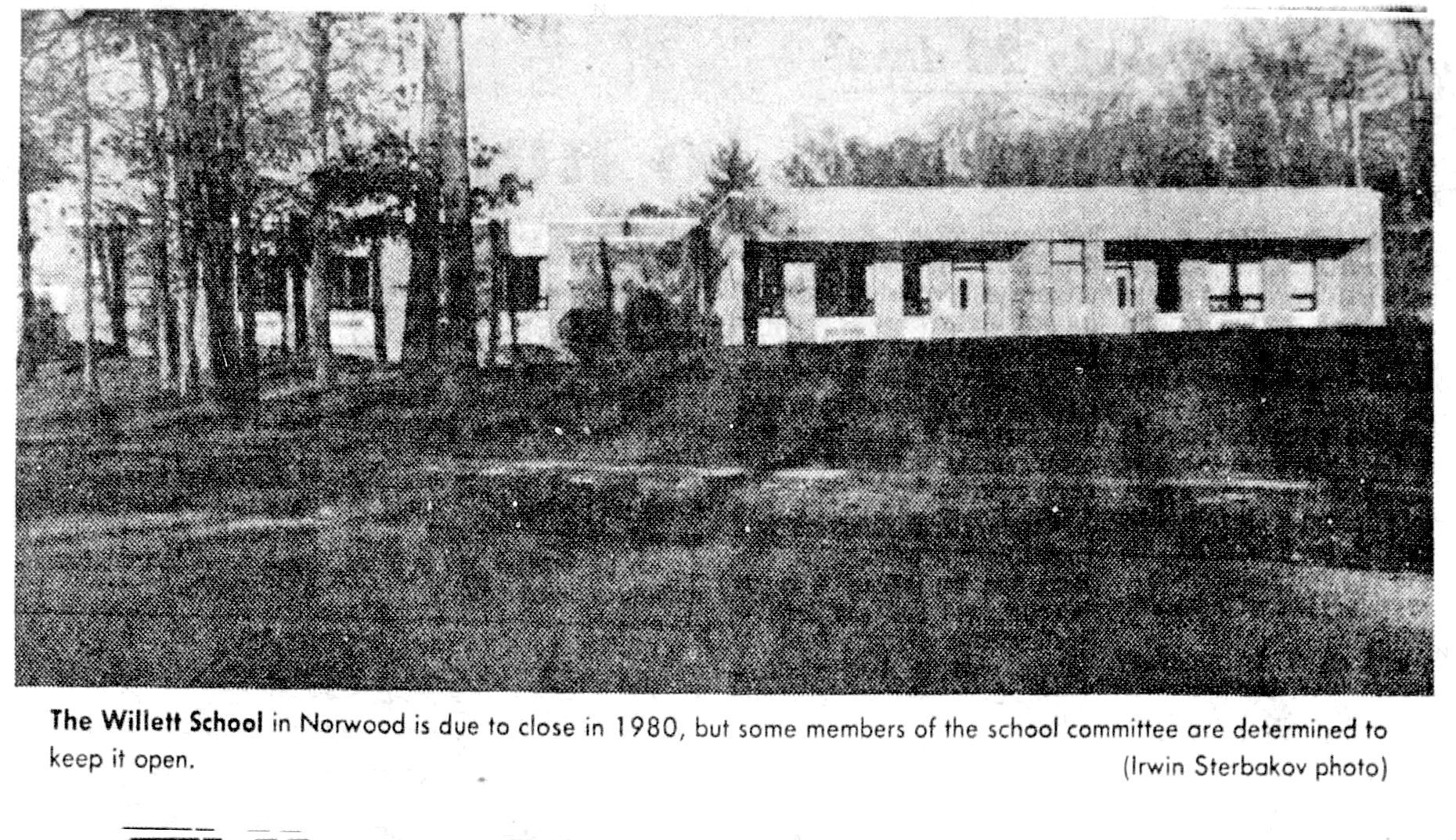
Recall-Elected Committeemen Thomas DiFrancia and Charles C. Saraca Propose Absorbing Pupils Into Cleveland, Balch, Callahan, Prescott, and Oldham Ahead of Monday Public Hearing
NORWOOD – A dramatic proposal to close two elementary schools rather than one in September 1979 emerged during a marathon Norwood School Committee meeting on Wednesday night, November 29, 1978, as newly elected recall members Thomas DiFrancia and Charles C. Saraca urged shutting down both the Willett and Guild schools simultaneously. Reported in The Patriot Ledger on Thursday, November 30, 1978, the session—attended by roughly 65 parents and lasting until midnight after an executive session until 9:15 p.m. on two confidential pupil personnel matters—centered on Superintendent Dr. Louis J. Taris’s long-awaited seven-school consolidation study.
DiFrancia and Saraca, both elected in the September 5 recall election on an economy platform, introduced their double-closing plan after Taris outlined single-school closing scenarios. Under their calculations using projected September 1979 enrollments, Willett School students would be absorbed into the 22-classroom Cleveland School, while Guild School students would be redistricted among Balch, Callahan, Prescott, and Oldham—leaving five classrooms to spare for other educational activities without raising pupil-teacher ratios. DiFrancia urged closing both buildings in 1979 “to get it over this year once and for all,” arguing that closing just one school would inevitably be followed by a second closure within two or three years.
Although Superintendent Taris opposed a double closing—warning that larger class sizes would push pupil-teacher ratios upward, create academic deficiencies requiring costly remediation in upper grades, and overlook uneven grade-by-grade seat distribution—he joined Chairwoman Rudith M. Berkowitz and two colleagues in praising DiFrancia and Saraca’s analytical effort and agreed to begin a formal cost analysis of the two-school option immediately.
Taris’s administration report evaluated all seven elementary schools “for the sake of consistency,” confirming that Prescott, Oldham, and Cleveland were virtually excluded from closure while Balch, Callahan, Guild, and Willett remained the four viable candidates:
- Balch School closure: Would split students between Willett (Sumner-Union Street area), Cleveland (Dean-Pleasant Street area), and Guild (South Norwood proper), requiring four or five extra buses—partly because Taris agreed with committee member Joan H. Cuff that walking under the railroad bridge up Washington Street would be hazardous for South Norwood children.
- Callahan School closure: Would divide students between Oldham and Guild (or Cleveland and Willett) and add roughly four extra buses.
- Guild or Willett closure: Closing Guild would send walkers to Cleveland and bused riders to Willett; closing Willett would shift students to Cleveland or split walkers and Windsor Gardens pupils between Cleveland and Guild.
Engineering evaluations ordered by Taris also revealed sharp differences in heating and ventilation upkeep: $68,000 recommended to rehabilitate Callahan’s HVAC system, $20,000 to update Guild’s system, and $60,000 to reconstruct the inefficient system at the Winslow central administration building, while Balch’s system was rated in good condition and the all-electric Willett School required no evaluation. Taris stressed that public input remained vital ahead of a heavily anticipated 7:30 p.m. Monday public hearing at Junior High South, two days before his formal recommendation to the committee.
Source: The Patriot Ledger • Thursday, November 30, 1978 • Norwood Elementary School Consolidation Study
“Input from the public is of major consequence, too.”
| 1978 School Heating-Ventilation Engineering Estimates | 1978 Est. Cost | Est. 2026 Value |
|---|---|---|
| Callahan School HVAC Rehabilitation | $68,000 | $328,400 |
| Winslow School (Administration) System Reconstruction | $60,000 | $289,800 |
| Guild School Heating-Ventilation Update | $20,000 | $96,600 |
*Equivalent purchasing power based on U.S. Bureau of Labor Statistics CPI data.
| Closing Option | Reassignment Plan, Busing & Facility Notes |
|---|---|
| Double Closing (Willett + Guild) DiFrancia & Saraca Proposal |
Willett moves into Cleveland; Guild divides among Balch, Callahan, Prescott, and Oldham with 5 classrooms to spare; Supt. Taris agrees to run a cost analysis. |
| Balch School Closure HVAC Rated in Good Shape |
Splits students among Willett, Cleveland, and Guild; requires 4–5 extra buses due to unsafe walk under Washington St. railroad bridge. |
| Callahan School Closure $68,000 HVAC Rehab Needed |
Divides pupils between Oldham and Guild (or Cleveland and Willett) and requires roughly 4 extra school buses. |
| Guild or Willett Single Closure Willett All-Electric; Guild $20k HVAC |
Guild closure sends walkers to Cleveland and bused pupils to Willett; Willett closure shifts students to Cleveland or splits walkers/Windsor Gardens between Cleveland and Guild. |
Archival Note: This article has been dynamically reconstructed from the original public record print archives of the Patriot Ledger
-
School Committee Warns of Political Firestorms Over Forthcoming School Closing Study-October 21, 1981

Praising the progress of a long-range school planning study, Norwood School Committee members warned that recommendations regarding school closures could spark emotional political debates in January.
-
School Committee to Study Possibility of Closing Junior High School-July 22, 1981

The Patriot Ledger reported on July 22, 1981, that the school committee in Norwood was planning to establish a long-range school planning committee to study the possibility of closing a junior high school. The committee saw no chance of a junior high closing until 1984 at the earliest but believed that starting the planning process…
-
Proposition 2 1/2 Puts Willett School Closing on Hold-November 6, 1980

Facing potential budget reductions of up to $1 million from Proposition 2 1/2, Norwood school officials have placed the scheduled closure of Willett Elementary School on hold pending a comprehensive K-12 system review.
-
School Committee Deadlocks 3-3 on Reopening Willett School Closing Debate-November 16, 1979
Norwood’s School Committee deadlocked 3-3 on reopening the Willett School closing debate, lowered school thermostats to 65 degrees, and reviewed three handicapped accessibility options for Norwood High School.
-
Willett School Closing Vote Stands-November 8, 1979
In a tense 4-2 vote, the Norwood School Committee rejected a motion to rescind the planned 1980 closure of the Willett School, confirming student reassignments to Cleveland and Prescott schools despite parent opposition.
-
Willett School Closing Next Year Not a Sure Thing as School Committee Debates Postponement-November 5, 1979
Amid debate over enrollment and real estate concerns, Norwood officials and candidates clash over whether to delay the scheduled June 1980 closure of the Willett School.
-
Norwood Weighs Closing of 2 Elementary Schools-December 6, 1978

The Norwood school committee will discuss closing two elementary schools at tonight’s meeting at the Junior High School South Auditorium. School Supt. Louis J. Taris expected to recommend closing both the Willett and Aaron Guild schools. Town meeting members ordered a reduction of elementary school buildings last June due to declining enrollments. (All articles originally…
-
Norwood School Committee Weighs Double Closing of Willett and Guild Elementary Schools for 1979-November 30, 1978
School Committee members Thomas DiFrancia and Charles C. Saraca urged closing both the Willett and Guild schools in 1979 after Superintendent Louis J. Taris presented Norwood’s seven-school consolidation studies in November 1978.
-
Norwood Teachers Association Proposes Closing Winslow Administration Building Instead of Neighborhood Schools-November 17, 1978
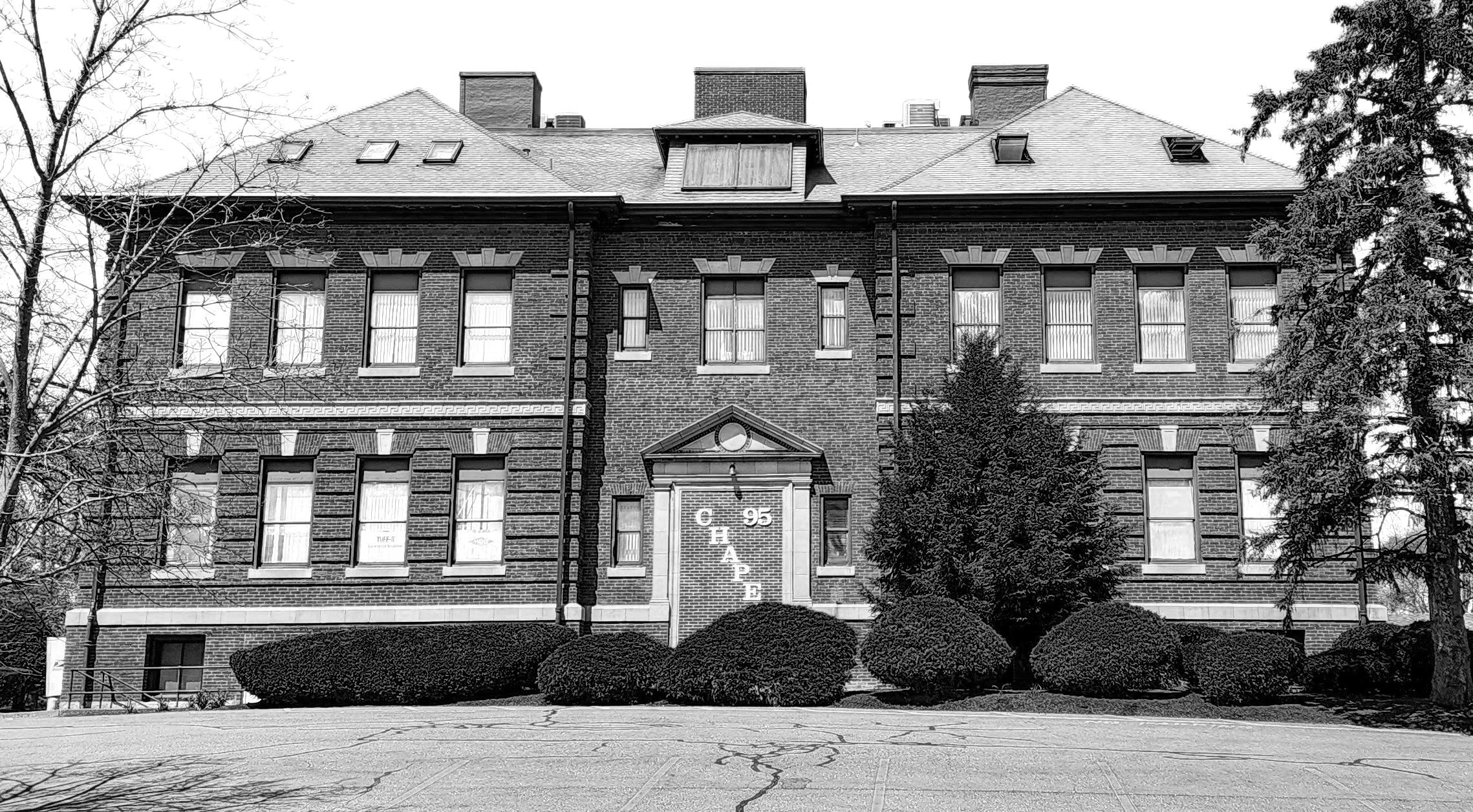
Separately on Thursday, November 16, the Norwood Teachers Association (NTA) entered the town’s heated school-consolidation debate by unanimously endorsing a plan to close and sell the two-story brick Winslow School central administration building on Chapel Street rather than shutting down any of Norwood’s seven elementary schools in 1979. Ahead of a December 4 public hearing…
-
School Housing Needs Committee Proposes Staggered Elementary School Closings in Norwood-November 3, 1978
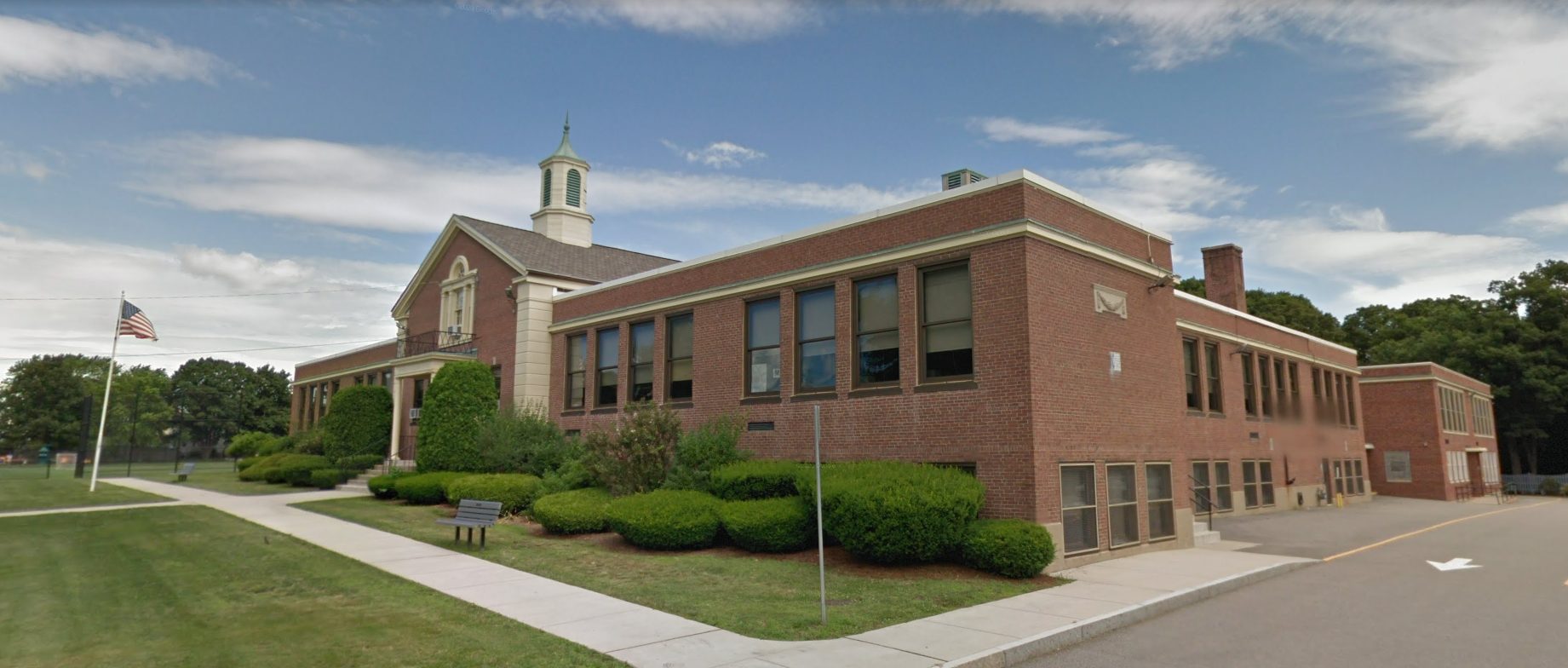
Pushing a staggered timeline to address declining enrollment, Norwood’s housing needs committee recommended closing Callahan School in 1979, Balch in 1981, and a third school by 1983.
Discover more from Norwood Historical Society
Subscribe to get the latest posts sent to your email.