
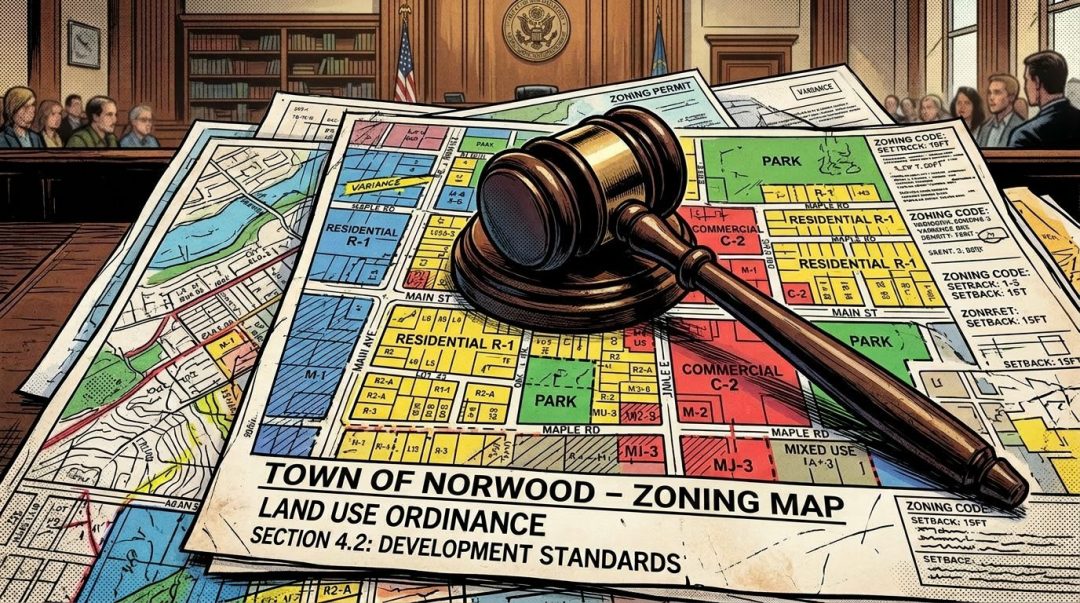
On the evening of July 16, 1973, Memorial Hall became the stage for a contentious public hearing hosted by the Norwood Planning Board
The meeting drew approximately 50 local residents to debate the proposed rezoning of a 26-acre parcel of land situated off Route 1-95. The proposal, which sought to rezone the site to accommodate the construction of 288 condominium units, mirrored the intensity and arguments observed during three previous unsuccessful attempts to develop the same tract. The project proponent, Milton developer Thomas J. Geraghty, was represented by Norwood attorney John J. C. Herlihy, who passionately argued that condominiums represented the most appropriate and sustainable use for the property. Despite the developer’s efforts, the Norwood Planning Board found itself deeply divided regarding the recommendation they should provide to Town Meeting.
The deliberation within the board grew heated when member Thomas F. Cavanaugh moved to issue a negative recommendation, a move intended to prevent the developer from bringing the proposal before the Town Meeting for a fourth time. The vote resulted in a stalemate, with Thomas F. Cavanaugh and Thomas A. Riolo favoring the rejection, while E. William Bamber and Francis Wisgirda voted against it. Chairman James T. O’Sullivan ultimately cast the deciding vote, siding with the latter pair to keep the issue alive, though the board stopped short of issuing a formal favorable recommendation. The procedural complexity deepened as Francis Wisgirda sought clarification on state Chapter 40A, Section 8, regarding whether this session’s report would constitute a “final report” capable of allowing reconsideration of an issue previously defeated within a two-year window. Thomas F. Cavanaugh expressed sharp frustration over these procedural delays, characterizing the board’s decision to consult Town Counsel as a “dereliction of duty,” though he later moved to petition the state attorney general for an official interpretation.
During the presentation, John J. C. Herlihy described the planned development, to be named “Valleyview Park,” as a complex of Colonial-style buildings containing one and two-bedroom units. He emphasized that the developer would assume full responsibility for private streets and utilities, and he offered assurances that traffic would not transit through the neighboring Norton Drive, reserving it only for emergency use by the fire department. Addressing community concerns about school crowding, he noted that the exclusion of three-bedroom units would mitigate the influx of new students. Furthermore, he highlighted an estimated $400,000 in annual tax revenue as a primary benefit to Norwood. However, local skepticism remained high. Residents questioned the affordability of the units, which were projected to cost between $30,000 and $50,000, while Norton Drive resident Thomas DiFrancia voiced vigorous opposition, stating, “These people have had their chance. We fought them and beat them, fairly and squarely.”
Additional concerns were raised by Neil J. Reardon and Leonard Rentel, both residents of Norton Drive, who cited existing heavy traffic on Neponset Street and the potential for increased population density to negatively affect the crime rate. Planning Board member Thomas F. Cavanaugh added his own voice to the opposition, stating, “One thing this town doesn’t need is more apartments,” and noting the presence of existing vacancies in local complexes. Despite this, some public figures stood in favor; notably, former Registrar of Motor Vehicles Clement A. Riley endorsed the condominium plan, and real estate broker Edward E. J. Runci defended the concept as the “best and highest use” for the property owned by Harry Schofield. Following the heated exchange, residents queued to enter their names into the official record, with the majority registering their opposition to the Valleyview Park development.
Archival Note: This article has been dynamically reconstructed from the original public record print archives of the Patriot Ledger
More…
-
Selectmen Demand Good Faith Deposit for Winslow School Sale-June 13, 1981
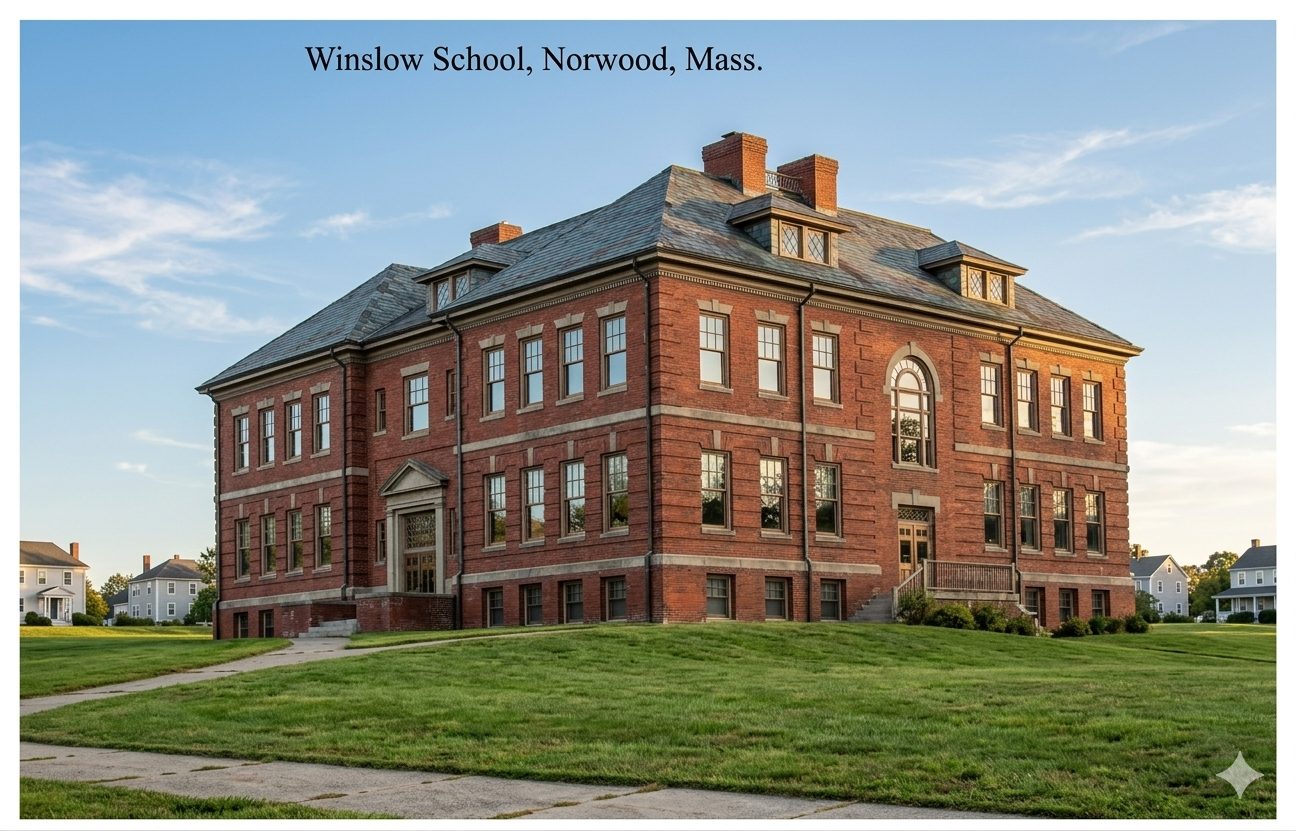
Board Votes 4-1 to Protect Town Interests Against Developer’s Office Condominium Project as blue Law Video Games Approved The Board of Selectmen have voted 4-1 to formally demand an $8,000 cash deposit from the prospective buyers of the former Winslow School to legally bind a proposed $325,500 real estate purchase. Town Counsel Justin C. Barton…
-
Winslow Office Plan Gets Official Backing-June 9, 1981
Norwood officials clear the path to transform the closed Winslow School into professional office condominiums, winning broad neighborhood support.
-
Proposed $3 Million Caldor Shopping Center on Route 1 Clears Zoning Board of Appeals-September 10, 1980
The Zoning Board of Appeals unanimously approves the proposed $3 million Caldor shopping center on Route 1, subject to strict traffic safety conditions and state DPW review.

-
Conservation Commission Faces Angry Residents Over Proposed Washington Street Auto Body Shop-August 8, 1979
Amid fierce opposition from South Norwood homeowners concerned over Hawes Brook flooding and pollution hazards, the Norwood Conservation Commission reviewed safety plans for a proposed auto body shop on Washington Street.

-
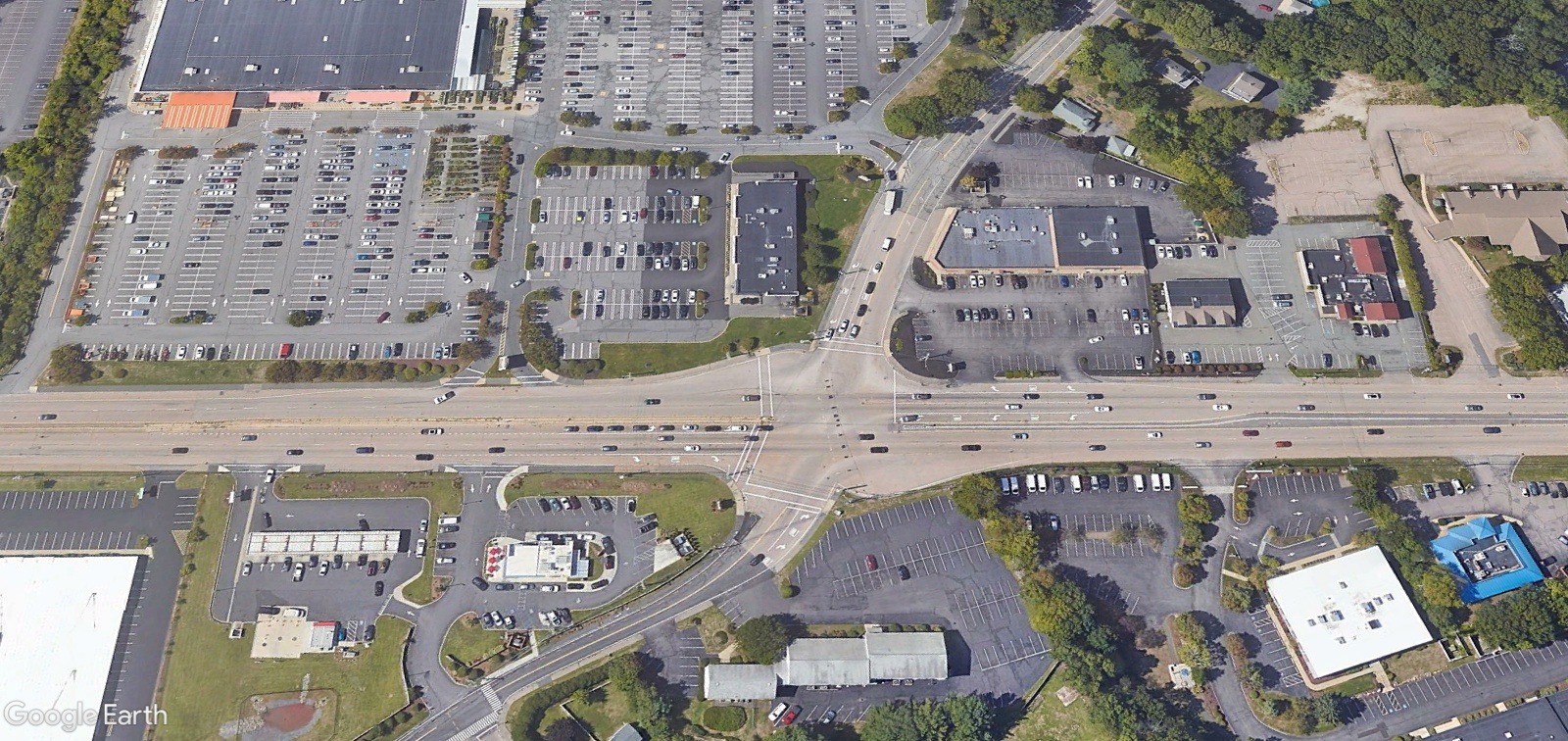
Zoppo Realty Trust Petitions for Rezoning at Route 1 and Union Street-July 17, 1979
The planning board heard initial plans for a potential small industrial park, though a final decision was deferred to allow for feedback from Walpole residents.
-
Selectmen Postpone Decision on Norwood Police Towing Contract-July 11, 1979
Towing Controversy Continues On July 11, 1979, the ongoing controversy regarding police department towing contracts returned to the forefront of local governance as Norwood selectmen held a public hearing regarding an application by A. Civitarese & Sons, owners of the South Norwood Exxon station. The town currently contracts with 17 authorized towers to manage requests…

-
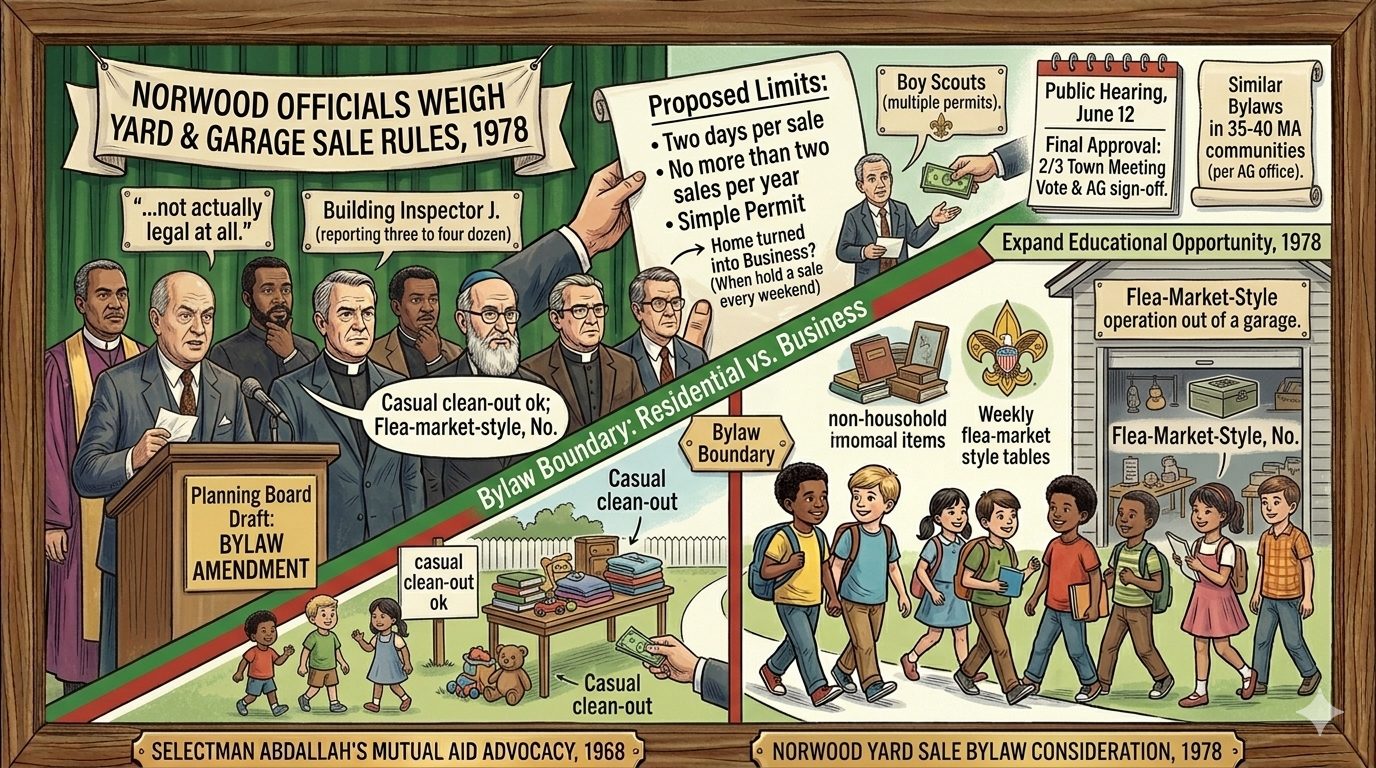
Norwood Considers Limits on Yard and Garage Sales-This Day in Norwood History-May 27, 1978
Did you know that backyard yard sales were technically illegal in Norwood under a strict reading of 1970s zoning laws? To resolve a wave of neighbor complaints about perpetual weekend flea markets, town officials stepped in to draft a new permit system. Discover how close Norwood came to capping your summer garage sale finds.
-
Polaroid Corp Granted Trailer Permit by Norwood Zoning Board-August 17, 1977
The Norwood Zoning Board of Appeals has granted a special permit to Polaroid Corp for temporary trailers despite opposition from local neighbors.

-
Norwood Aged Housing Project Gets Approvals-July 19, 1977
The zoning board of appeals made a pivotal decision on the evening of July 19, 1977, unanimously granting a special exception and two variances to permit the construction of a proposed 72-unit housing project for the elderly at 52 Dean Street. This development, spearheaded by Richard R. Vazza of West Roxbury, aimed to provide affordable…

-
Burger King Proposal Revived for Route 1 Site of Art Johnson’s Food Stand-July 29, 1976
A revived Burger King proposal for the Route 1 and Everett Street site of Art Johnson’s food stand faced review by the Norwood planning board.
Discover more from Norwood Historical Society
Subscribe to get the latest posts sent to your email.