
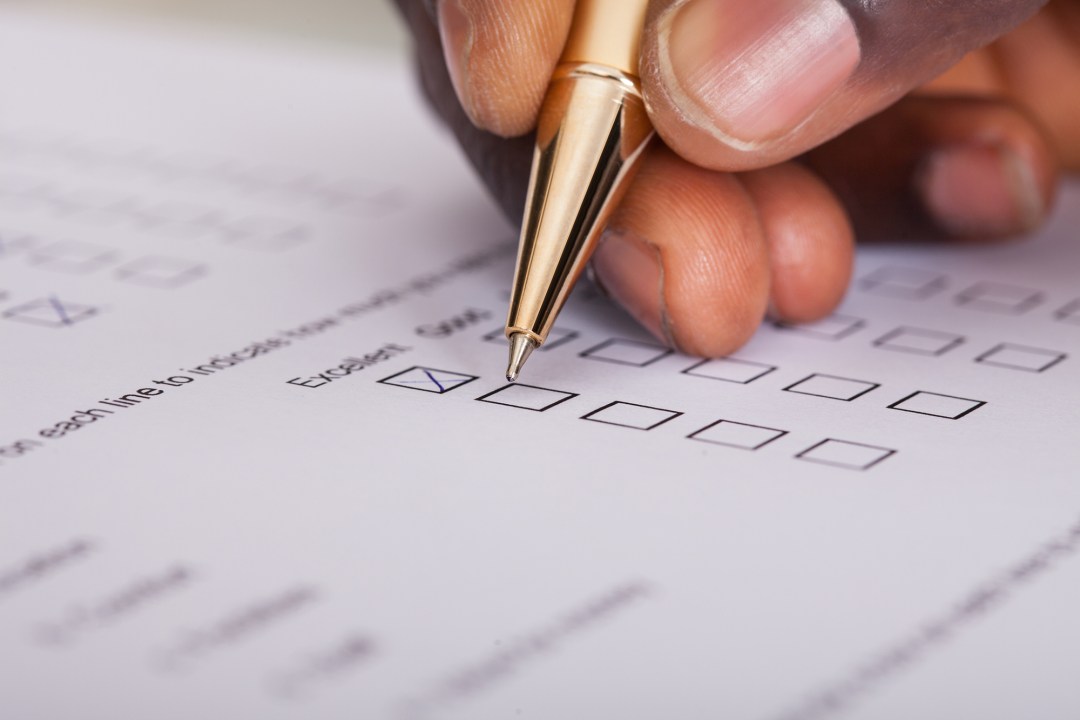
800 Residents Averaging 21 Years in Town Criticize Once-a-Month Rubbish Pickup, Rising Utility Costs, and Dean-Washington Traffic
NORWOOD – Norwood residents overwhelmingly called for improvements to police operations, more frequent rubbish collection, expanded youth and senior recreation, and relief from rising utility bills in a comprehensive community attitude survey presented to the Norwood Board of Selectmen on Tuesday night, November 20, 1973, by the Norwood Jaycees. Reported in The Patriot Ledger on Wednesday, November 21, 1973, the findings were compiled from roughly 800 completed questionnaires—an 18 percent response rate out of 4,500 surveys distributed town-wide—whose respondents had lived in Norwood for an average of 21 years, giving the results what Jaycees members called “a fairly accurate barometer as to how residents feel about their town.”
Top-ranking areas cited for municipal improvement included:
- Police Department & Law Enforcement (67%): Nearly two-thirds of respondents commented on police services—the majority unfavorably—urging higher department morale, additional night patrolmen (especially in South Norwood), stricter traffic enforcement, tougher court sentencing for youthful offenders, a teenage curfew, and curbs on group loitering. Following the presentation by Jaycees member Allen Howard, Selectmen Chairman William F. Butters instructed Town Manager John P. Mogan to provide the Jaycees with a copy of a recently completed professional study of the Norwood Police Department to assist their ongoing police-community relations efforts.
- Once-a-Month Trash Collection & Recycling: Ranking second in citizen criticism was Norwood’s once-a-month rubbish collection schedule. Respondents broadly urged more frequent pickups, greater emphasis on recycling, and construction of a town incinerator.
- Youth & Elderly Recreation (Over 50%): More than half of surveyed residents cited a shortage of recreational opportunities for youth—calling repeatedly for a teenage drop-in center, additional playgrounds with evening hours, a year-round ice skating rink, and better upkeep of natural skating ponds—followed closely by calls for expanded senior citizen recreation.
- Public Utilities, Traffic & Town Services: A majority of comments on public utilities complained that electricity, telephone, and water rates had skyrocketed while service quality declined. Residents also identified the Dean Street–Washington Street intersection as Norwood’s worst traffic bottleneck, opposed Norwood Airport expansion, requested expanded outpatient services at Norwood Hospital, sought more parks and picnic areas, urged stricter zoning and building-code enforcement, and criticized welfare abuse, School Committee bickering, high property taxes, and inadequate public transit.
- Town Government Satisfaction (42% Dissatisfied): Only 42 percent expressed dissatisfaction with overall town governance, though critics urged better communication among officials and citizens, reduced “politics” at Town Meeting, barring town employees from serving as Town Meeting members, and greater participation by younger residents.
In a companion mini-survey of 150 Norwood High School seniors, 95 percent backed establishing a teen drop-in center, 80 percent favored stricter conservation controls, and 75 percent felt Norwood police treated teenagers unfairly—findings presented alongside an announcement by Jaycees member David N. House that the organization was also spearheading a statewide campaign to educate youth on the dangers of venereal disease.
Archival Note: This article has been dynamically reconstructed from the original public record print archives of the Patriot Ledger
More Town Meeting Stories
-
School Committee Decisions on Budgets, Dress Codes, and Regional Programs-June 19, 1970
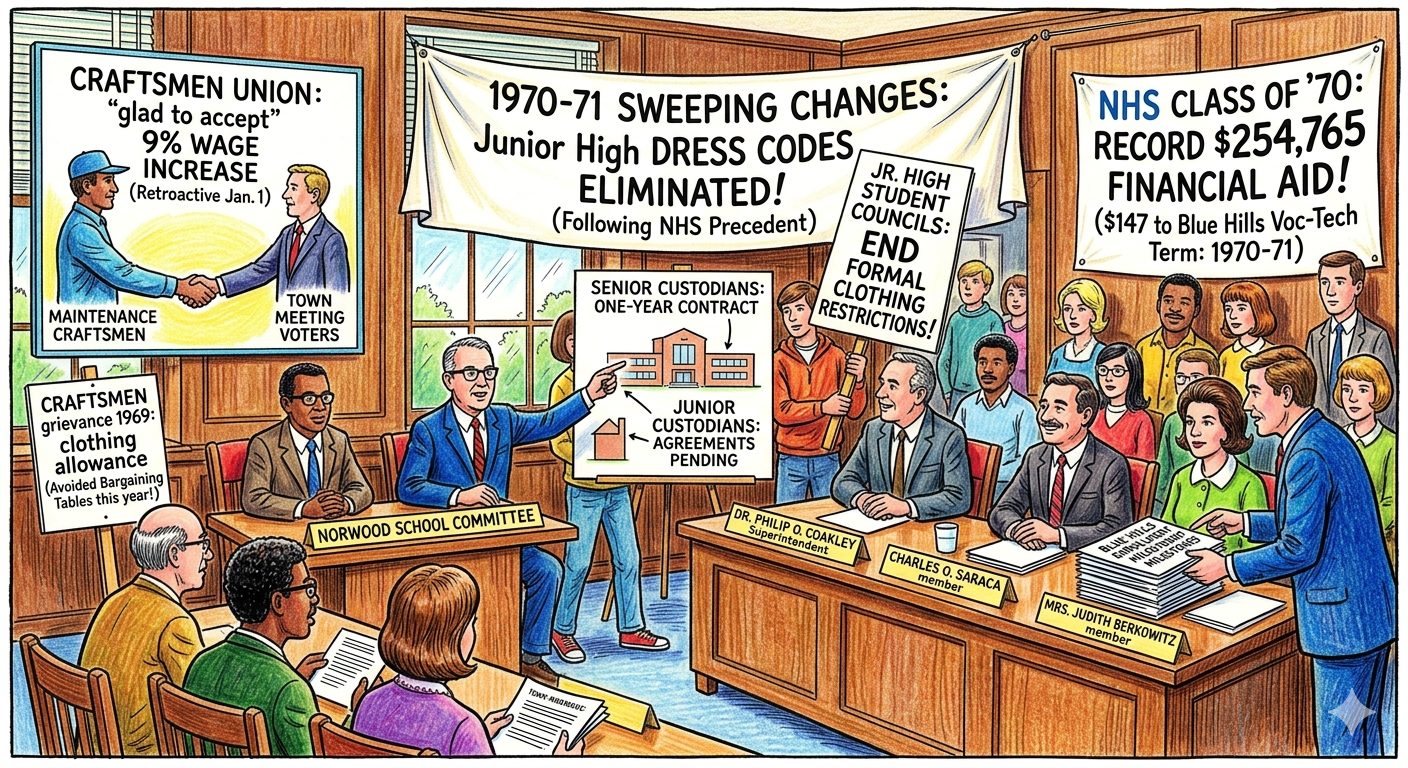
From student dress code victories to union wage matching, a busy school board session redefines Norwood education.
-
Saraca Defends School Salary Request-June 19, 1969
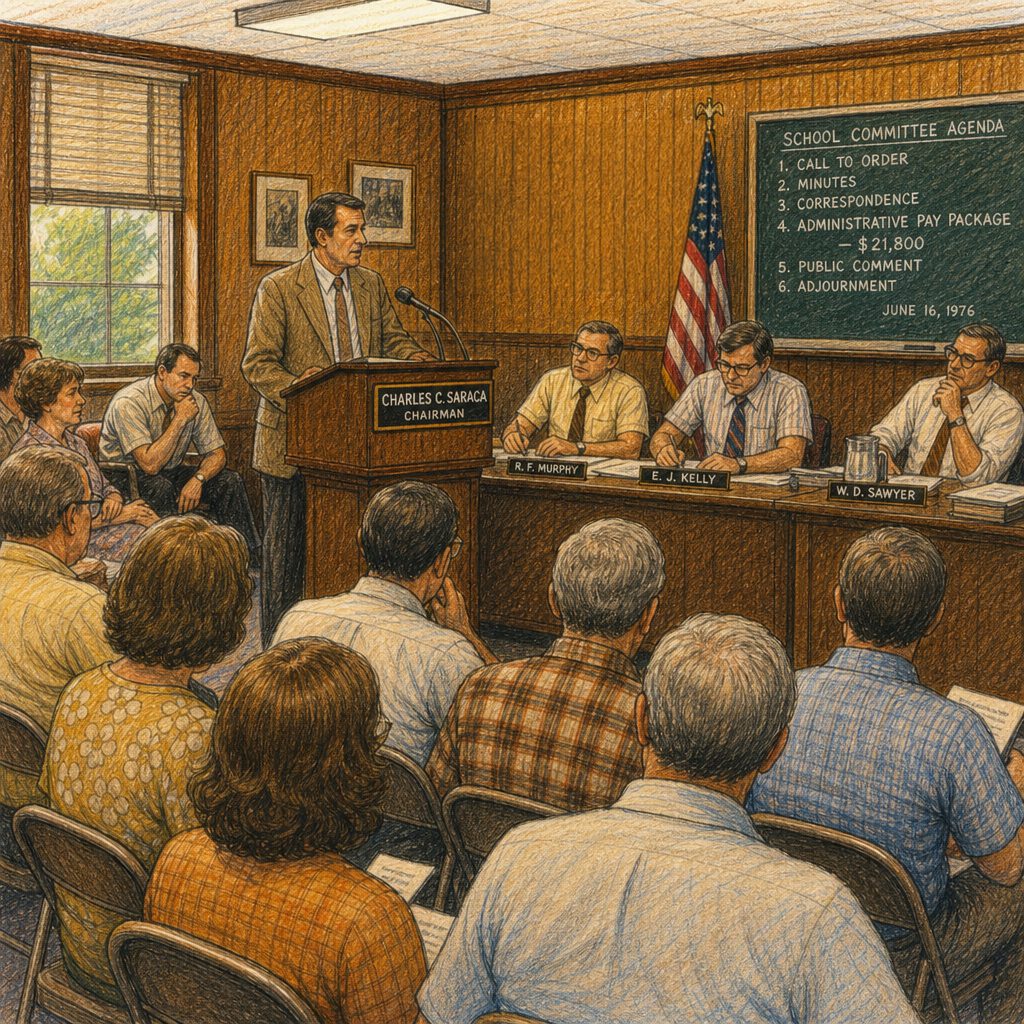
A contentious public hearing surfaces underlying frustrations over closed-door collective bargaining laws.
-
Town Meeting Approves Precinct Voting Plan and Polaroid Utilities Funding-September 10, 1968
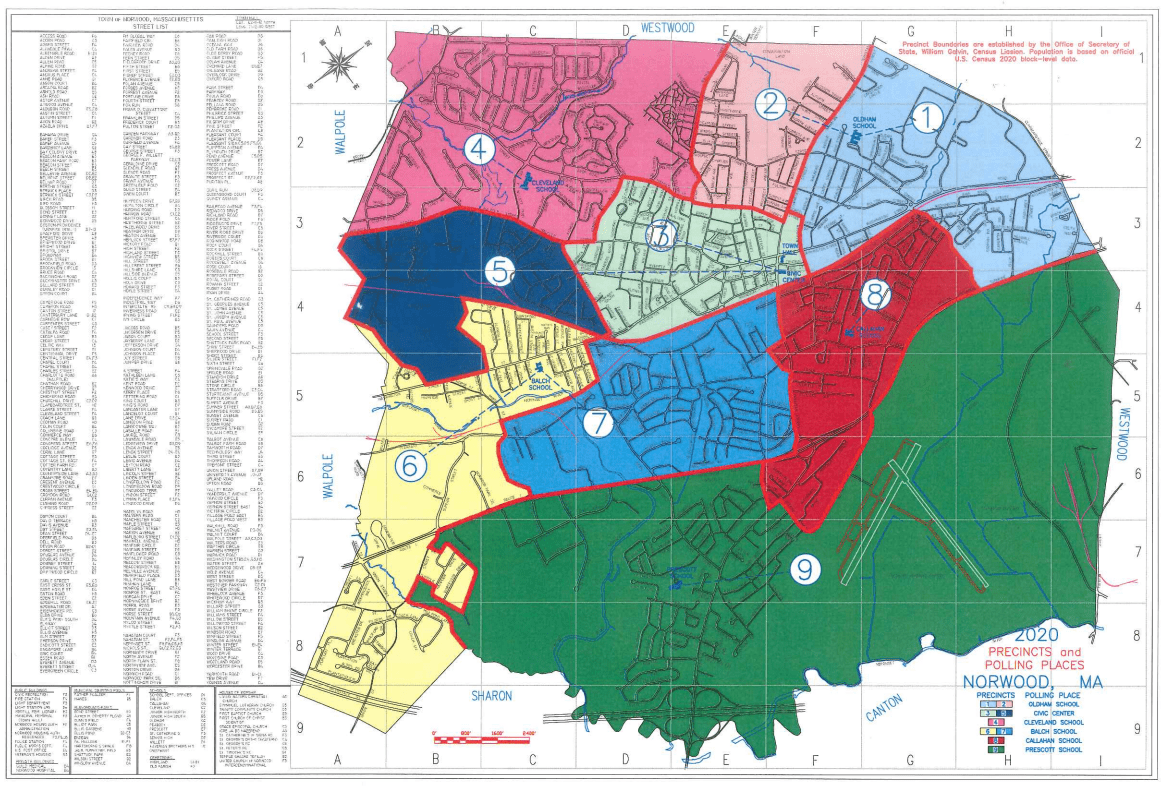
Norwood town meeting approves a new six-district precinct voting plan, authorizes $105,000 for Polaroid utility lines, and establishes manufacturing buffer zones.
-
Norwood Voters To Consider Lighting Funds-June 26, 1968

The Finance Commission backs the utility expansion alongside a $163,000 sewer construction article, while the town master plan is deferred.
-
Norwood Planners To Postpone Article On Master Plan-June 25, 1968
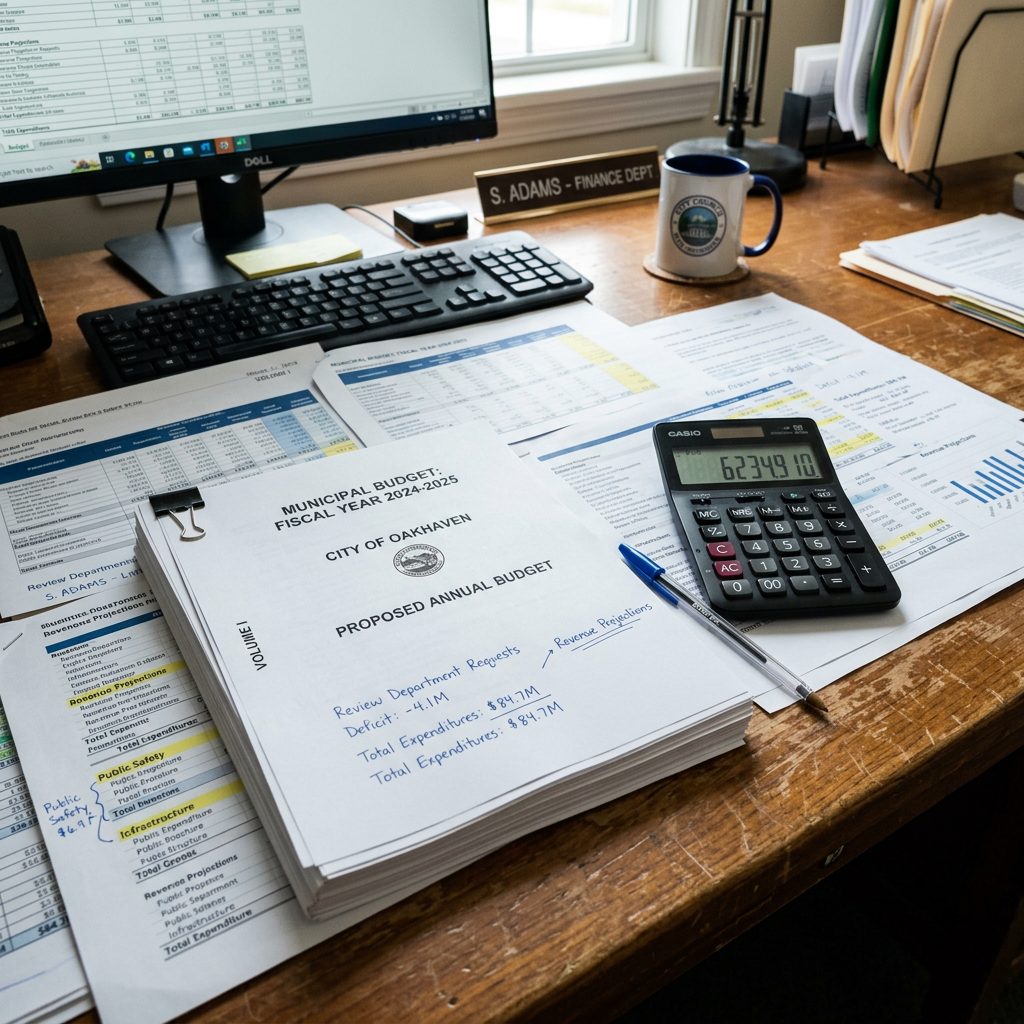
Planners vote unanimously to defy a Finance Commission veto, taking an eight-thousand-dollar intersection study request straight to town meeting.
-
School Committee Custodial Payroll Test Awaits Town Counsel Ruling Amid Wage Dispute-August 22, 1967

Town Accountant Bartley W. Connolly deferred action on school custodial payrolls containing disputed wage increases, turning to Town Counsel Walter J. Gotovich for a ruling amid a fiscal autonomy standoff.
-
Norwood Voters To Act On 12‑Article Warrant-July 25, 1967
Norwood residents debated parking, schools, cemetery expansion, and land transfers at a 1967 town meeting.
-
542 New Voter Registrations Ensure Town Meeting Redistricting Plan for September-August 16, 1966
Driven by a Democratic Town Committee registration push, 542 new voters brought Norwood’s total to 13,436, triggering September town meeting redistricting for a 201-member assembly.
-
Norwood Meeting Bill Passes-July 27, 1966
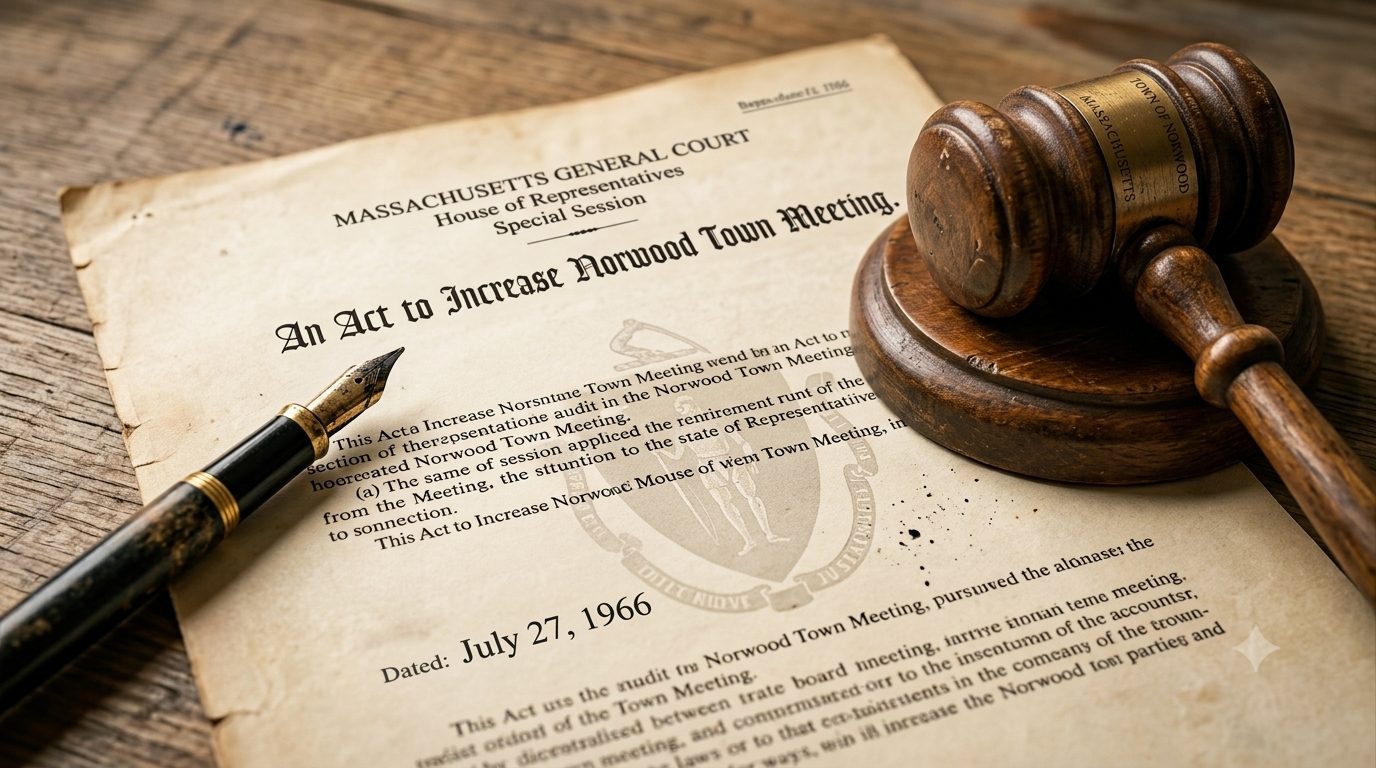
The Massachusetts Legislature passed a bill spearheaded by Rep. William Butters to expand Norwood town meeting membership from 200 to 300.
-
Skating Rink Proposal Going to Town Meeting-This Day in Norwood History-January 31, 1963
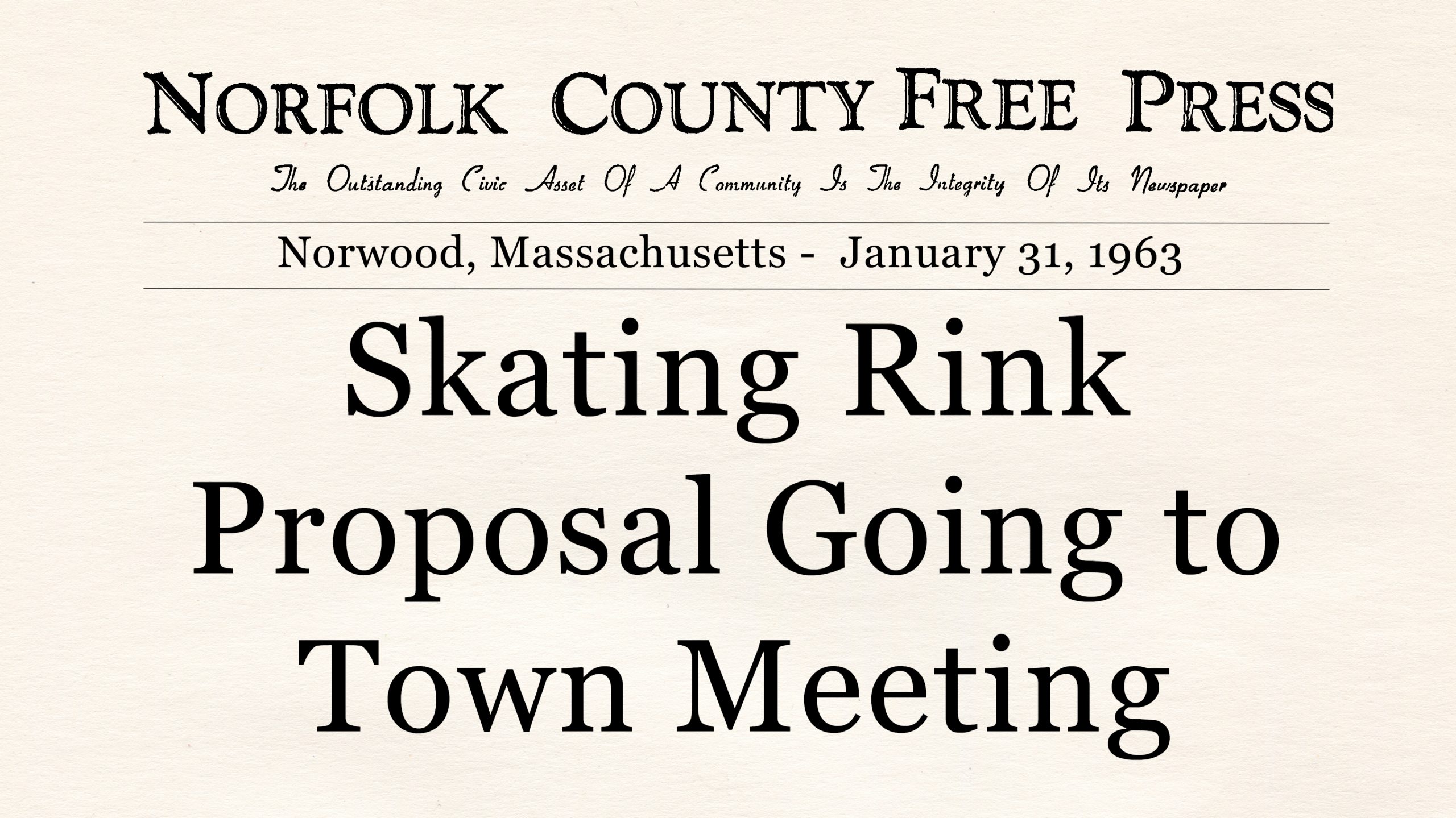
The Board of Selectmen Tuesday in a meeting with the Skating Rink Study Committee, initiated steps aimed at preparing an article for the next Special Town Meeting. It is expected that the Town will be asked to appropriate funds for construction of the proposed rink at the Father McAleer playground. The estimated construction cost in…
Discover more from Norwood Historical Society
Subscribe to get the latest posts sent to your email.