

Civic Chapter Combines Youth Recognition and One-on-One Court Mentoring With Town-Wide 3-D Health Screening
NORWOOD – Norwood’s active chapter of the Jaycees had three major community initiatives underway in November 1971—two dedicated to mentoring and celebrating local teenagers, and a third designed to protect the health of residents of all ages across the town. Reported in The Patriot Ledger on Friday, November 19, 1971, chapter director Mark Brim detailed the scope of the civic organization’s autumn campaigns, led by the Ten Outstanding Norwood Youth (TONY) awards program.
Created to recognize local boys and girls between the ages of 13 and 19 “who display a high degree of constructive concern for their community, homes, churches and fellow men,” the TONY program was set to award certificates of merit during a December 9 morning assembly at Norwood Senior High School. Cosponsored by McDonald’s—with local restaurant manager Jerry Lyons sitting on the final judging panel—the Jaycees sought nominations from 37 local organizations and community leaders engaged in youth work, drawing 50 nominations in total, including several teenagers nominated “as many as six times” by different neighbors and civic groups. Once Brim gathered resumes from nominees, a Jaycees screening committee would select finalists whose applications would go before a seven-member panel of prominent residents: Lyons, Selectmen Chairman John F. Lydon, Recreation Director Kevin Dixon, Jaycees President Charles S. Sulkala, Norwood Senior High School Principal John F. Monbouquette, Mrs. Frank S. Clem of the Women’s Community Committee, and the Rev. Joseph McDermott of St. Catherine’s Church, a board member of the Pulse youth hotline.
Brim praised Senior High administrative assistant for student affairs George Usevich as “a great asset” for introducing the program to faculty advisers and organizing the school-wide morning assembly. Calling the initiative “the best thing to hit the town’s youth as far as I’m concerned,” Brim expressed hope that teenagers would embrace the recognition seriously rather than with cynicism, explaining that the awards were designed to highlight positive teen citizenship amid turbulent headlines: “It shows people see and appreciate what they (the teenagers) do. There is much too much negative publicity in the form of radical militant activists. We’re trying to show the very many good kids in town; there’s no reason why the majority who are good should suffer for what a few others do.”
In a second youth-oriented effort, three Jaycee members—among them chapter president Sulkala and Norwood junior high school teacher Stephen R. Hemman—were completing training through the Norfolk County court system to serve as volunteer probation officers. Rather than juggling heavy caseloads, each volunteer would be assigned to mentor a single first-time youth offender from Norwood in a personal, supportive relationship while drawing on guidance from veteran county probation officers whenever needed. “The first offender is at a turning point,” Brim noted, pointing out that attentive mentoring could keep a teenager from falling into repeat offenses or incarceration. “Where the court’s probation officer has as many as 50 to 75 youths assigned to him, the Jaycee probation officer will have only one. The youth wouldn’t get the impersonal approach he would from an officer with 75 kids to keep track of.” Brim characterized the program’s ideal as a “big brother situation” where a teenager in crisis could call his assigned Jaycee mentor at any hour.
The third major campaign highlighted by Brim was the town-wide Diabetes Detection Drive (3-D Program), conducted during National Diabetes Week in collaboration with the New England Diabetes Association, Norwood Hospital, and seven sponsoring local drugstores: Hospital Pharmacy, Garner’s, Liggett’s, Nahatan-Walgreen, Windsor, Walpole Street, and South Norwood Pharmacy. Every Norwood household received a 3-D screening kit enclosed inside its municipal electric light bill, containing step-by-step testing instructions, a specially treated strip of test paper, and a pre-addressed envelope with an identification tag for mailing samples back to the Norwood Hospital Clinical Laboratories. While each household received one kit by mail, extra kits were made available free of charge at the seven sponsoring pharmacies. Project chairman Robert Crawford explained that the drive served as an early community-wide screening tool—and that anyone whose test paper returned a positive reading would be notified promptly and advised to undergo a comprehensive medical evaluation with a physician.
Archival Note: This article has been dynamically reconstructed from the original public record print archives of the Patriot Ledger
More…
-
Norwood Honors Rhodes Scholar Mary Elizabeth Cleary-July 15, 1981
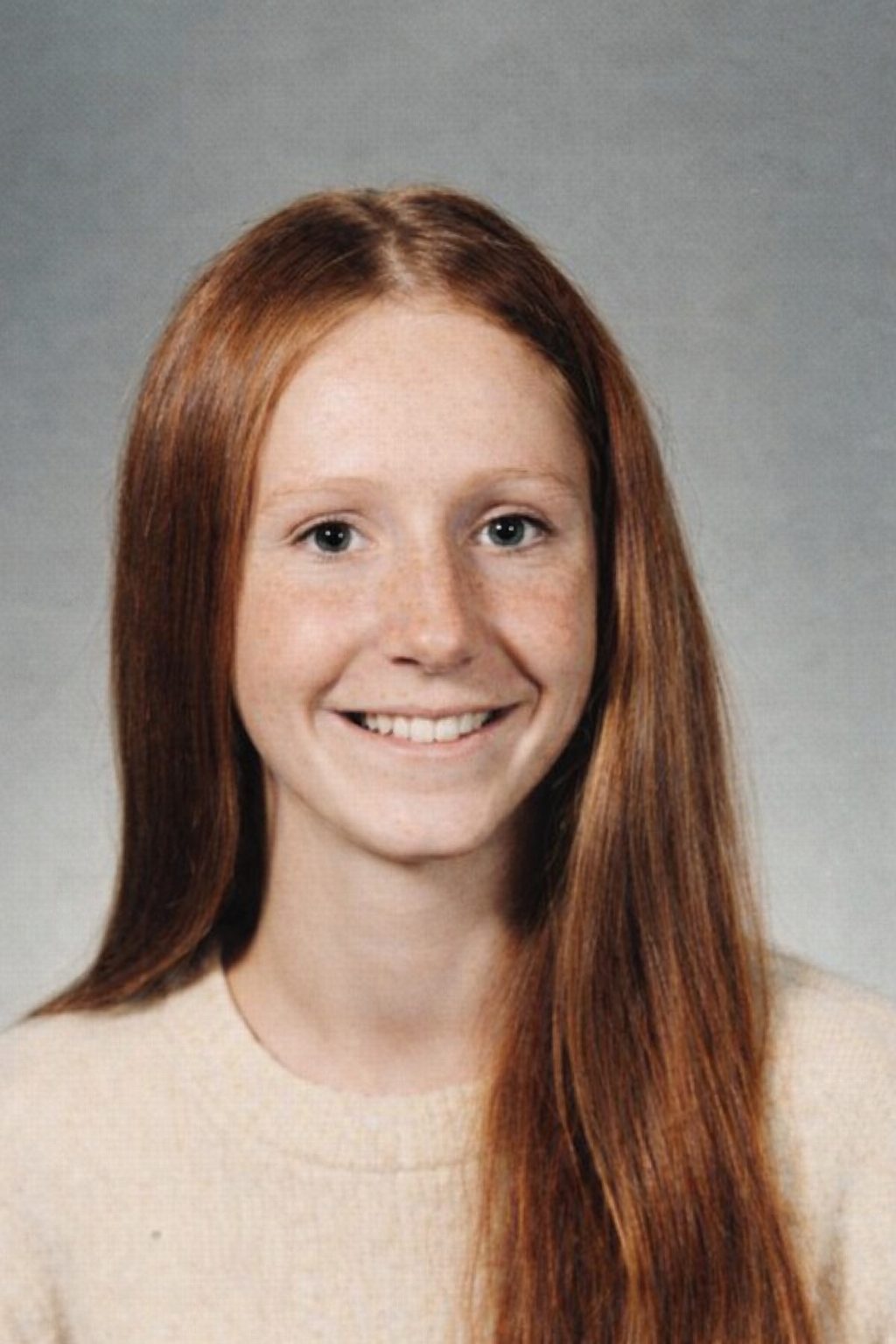
A Norwood High School alumna and Dartmouth graduate, Mary Elizabeth Cleary received a town plaque for her exceptional academic achievements.
-
Peabody School Celebrates 169 Graduates-June 17, 1981
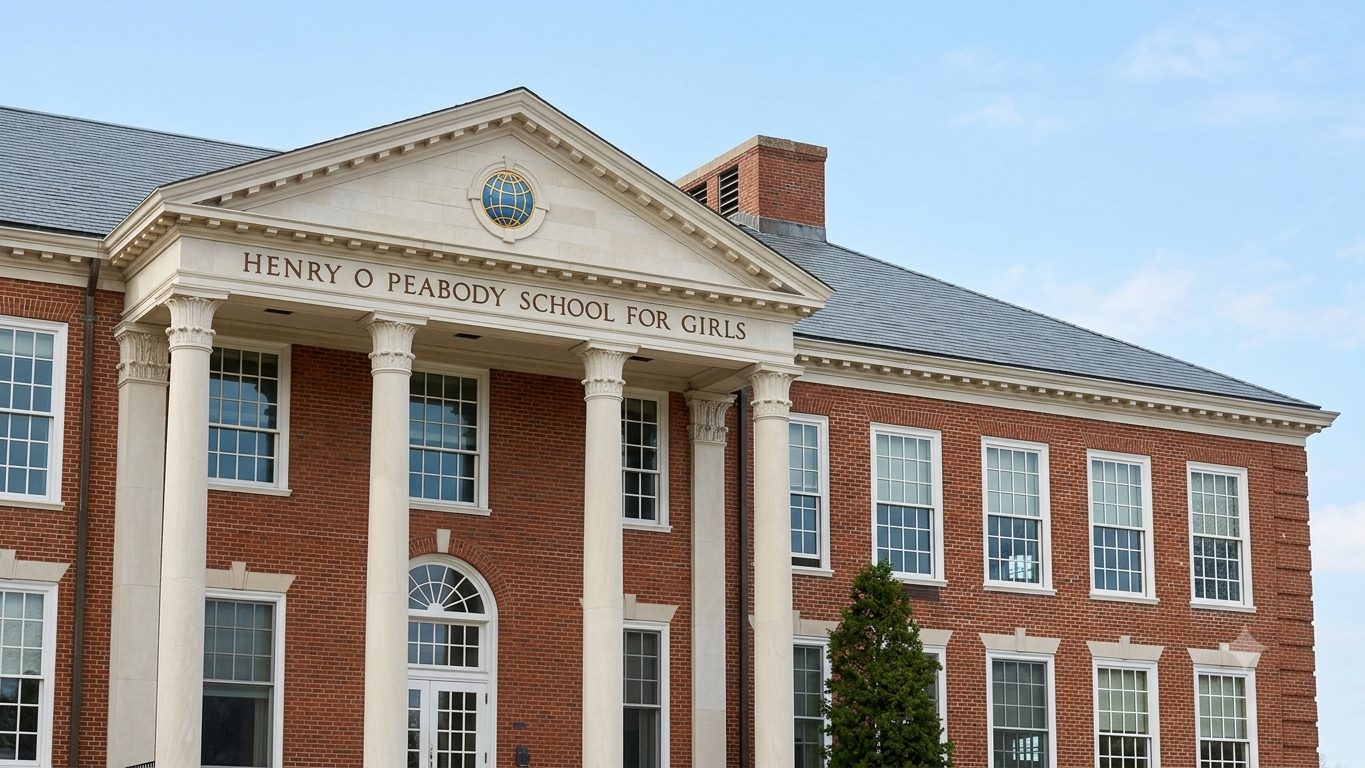
The Peabody School in Norwood recently held a commencement ceremony at the South Junior High School, honoring a class of 169 graduates. The cohort, comprised of both seniors and post-graduate students, gathered to mark the culmination of their vocational training. The guest speaker for the evening was Martin Martinian, a regional program officer for Title…
-
Norwood High Students Elect New Class And Council Leaders-July 1, 1977

Norwood High School elected new senior, junior, and student council leaders, highlighting the school’s commitment to student involvement and leadership.
Discover more from Norwood Historical Society
Subscribe to get the latest posts sent to your email.