
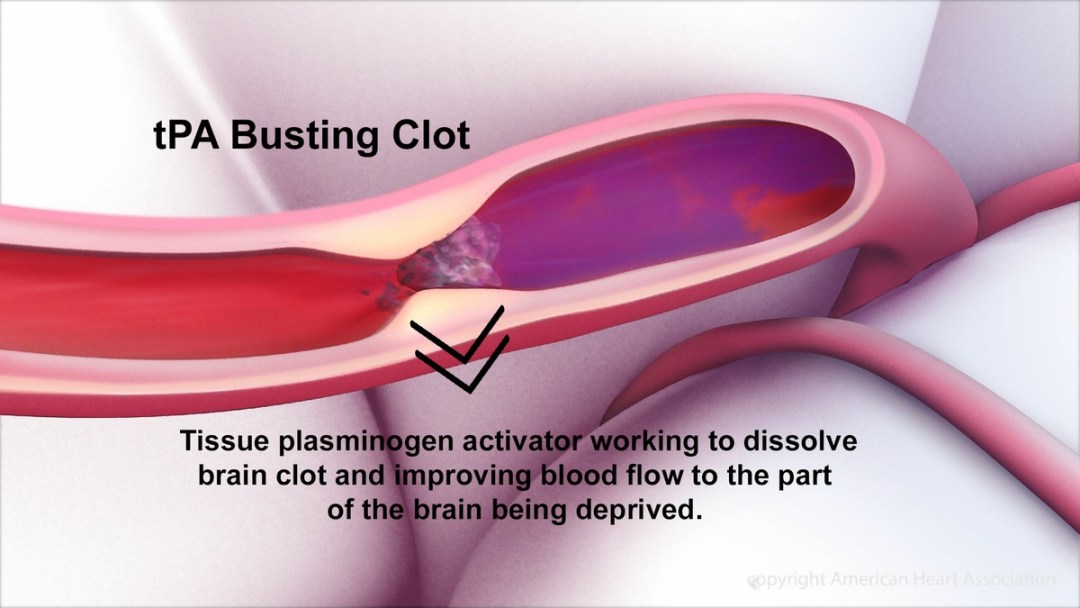
FDA Approves Genetically Engineered Clot-Dissolving Protein Tested Locally Under Cardiologist Dr. John Cadigan III
NORWOOD – Marking a monumental milestone in modern cardiology, the federal Food and Drug Administration (FDA) officially approved the use of a revolutionary emergency heart attack drug on Friday, November 13, 1987. Clinically tested on patients at Norwood Hospital and Brockton Hospital, the breakthrough medication—known as TPA (tissue plasminogen activator)—was hailed by local medical leaders as a historic leap forward.
“This therapy is an absolutely revolutionary treatment. It’s the equivalent to curing cancer,” declared Dr. John Cadigan III, a Norwood Hospital cardiologist who served as the coordinator of the clinical trials at the facility. Unlike traditional treatments that merely managed the aftermath of a cardiac event, TPA works by triggering the body’s natural enzymes to dissolve blood clots blocking coronary arteries, halting the progression of a heart attack in its tracks.
Local Trial Success, National Medical Acclaim, and Administration Guidelines
Only three Boston-area community hospitals were chosen to participate in the clinical trials: Norwood Hospital, Brockton Hospital, and Emerson Hospital in Concord. Since trials commenced in November 1986, 35 patients received TPA at Norwood Hospital. According to Dr. Cadigan, a remarkable percentage of the 29 patients who survived their heart attacks showed zero detectable tissue damage to the heart muscle and experienced none of the major bleeding side effects previously associated with clot-dissolving therapies.
Nationally, health leaders praised the milestone:
- FDA Commissioner Frank E. Young characterized approval of the genetically engineered protein—developed by South San Francisco-based Genentech Inc.—as a major advance in managing coronary heart disease, noting it could save 10 to 30 percent of first-time heart attack victims depending on how quickly treatment is administered. Comparing a blocked coronary artery to a plugged pipe, Young emphasized, “The faster the plug is dissolved, the faster you restore blood to the heart.”
- Dr. Howard Morgan, president of the American Heart Association, stressed that TPA significantly reduces heart muscle damage and mortality if administered within the first few hours after symptom onset.
- Dr. James H. Sammons, executive vice president of the American Medical Association, expressed gratification that the drug had successfully transitioned from laboratory research to bedside application.
Medical experts underscored that the treatment’s efficacy depends heavily on prompt action. Dr. Cadigan and federal officials urged individuals experiencing classic heart attack symptoms—such as chest constriction and pain radiating down the left arm—to seek emergency medical care immediately without waiting or denying symptoms. Genentech officials indicated that TPA would arrive in hospital emergency rooms nationwide within two to three weeks, priced in line with international markets at approximately $2,000 per treatment.
TPA Clinical Trial & FDA Approval Overview
Drug & Trial Specifications
- Date: Saturday, November 14, 1987
- Medication: TPA (Tissue Plasminogen Activator)
- Developer: Genentech Inc. (South San Francisco)
- Norwood Trial Count: 35 patients treated since Nov. 1986
Key Medical Leaders
- Norwood Trial Coordinator: Dr. John Cadigan III
- FDA Commissioner: Dr. Frank E. Young
- AHA President: Dr. Howard Morgan
- AMA Executive VP: Dr. James H. Sammons
Archival Note: This article has been dynamically reconstructed from the original public record print archives of the Patriot Ledger
More Norwood Hospital Stories
-
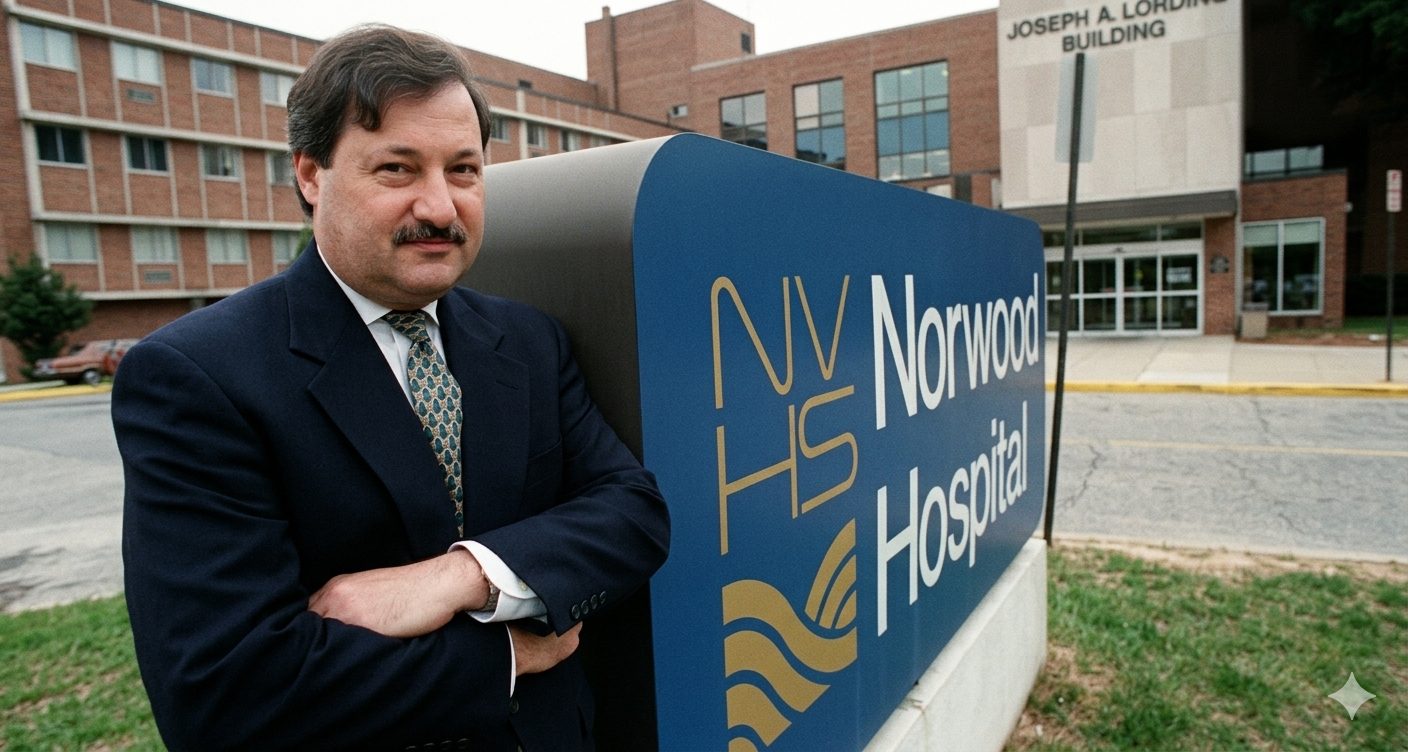
Norwood Hospital Lays Off 35 Employees and Implements Budget Cuts-August 24, 1985
Citing $5 million in unpaid patient bills and declining revenues, Norwood Hospital laid off 35 employees, shuttered a 28-bed wing, and froze capital projects to stabilize its budget.
-
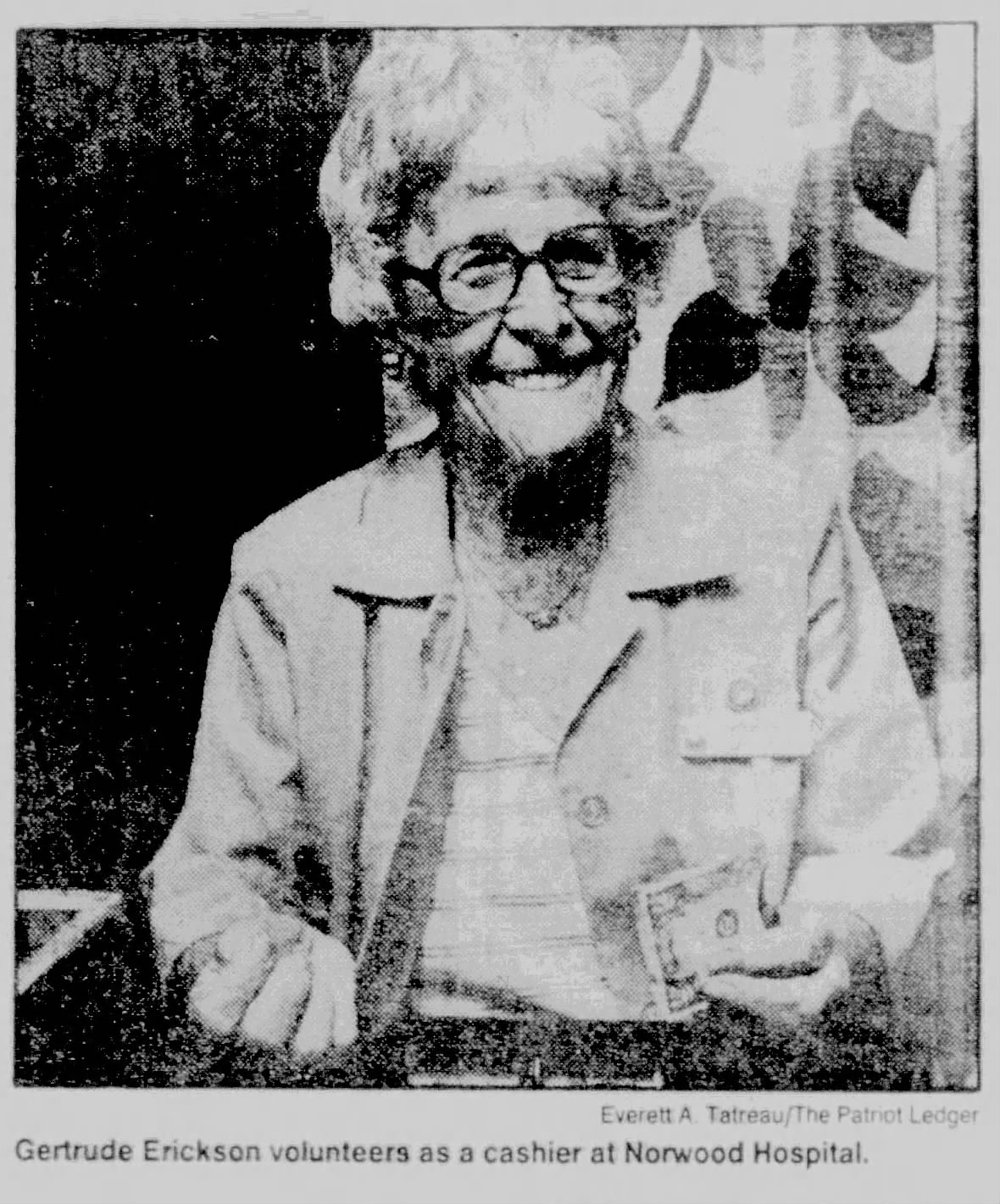
Eighty-Year-Old Volunteer Gertrude “Gertie” Erickson Celebrated as a Beloved Institution at Norwood Hospital-August 22, 1985
Known as the whistling cashier, 80-year-old Gertrude Erickson is celebrated for her 13 years of dedicated volunteer service at Norwood Hospital’s coffee shop.
-
Owner of Norwood Site Says He Was Unaware of Gravel Removal-July 24, 1985
The Norwood Zoning Board of Appeals clashed with property owner Paul C. Balboni over unpermitted gravel excavation at a University Avenue site flagged by Building Inspector John Grover.

-
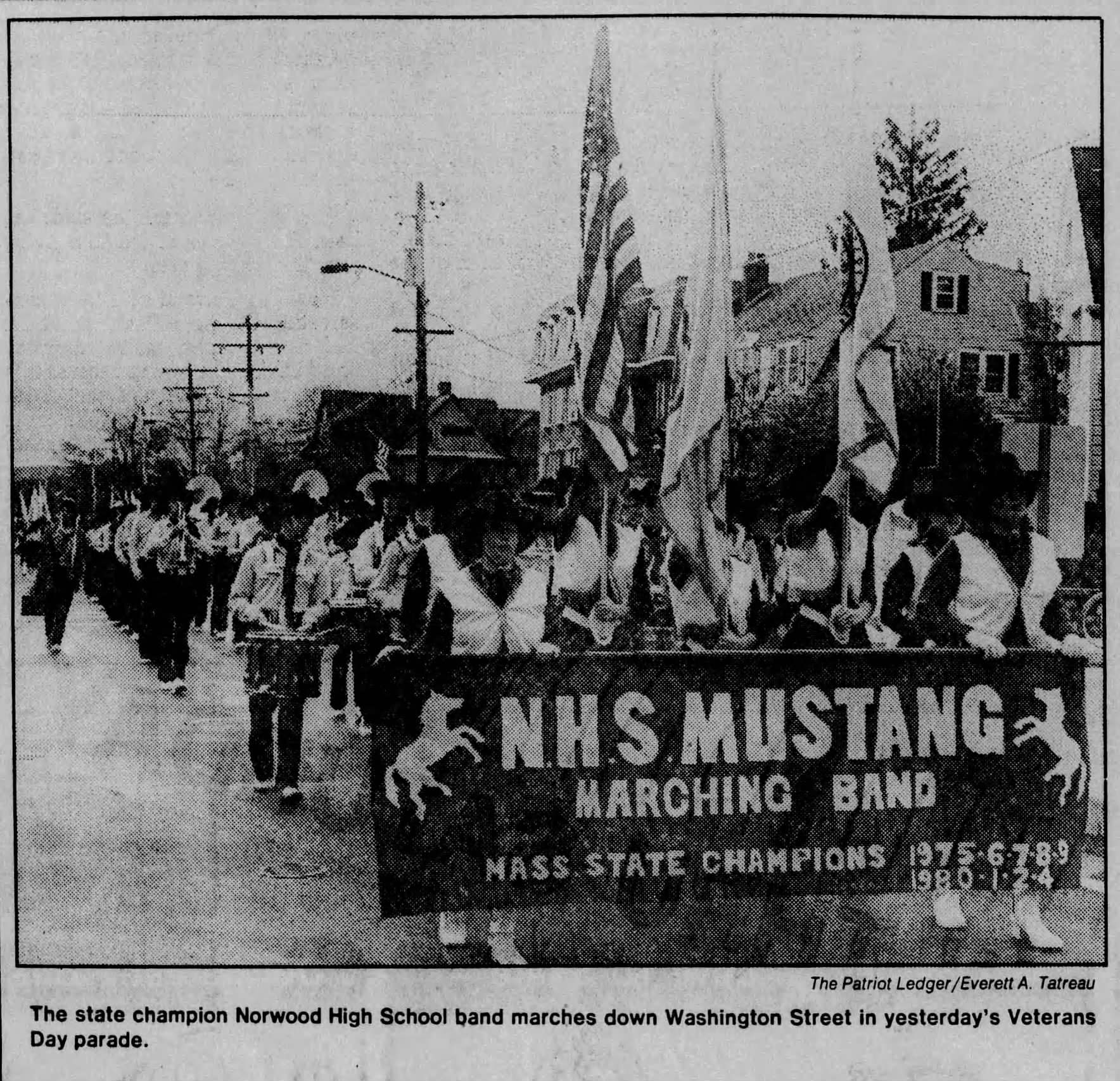
Norwood Pays Tribute with Postponed Veterans Day Parade in Unseasonably Warm Weather-November 13, 1984
Approximately 1,000 residents lined Washington Street for Norwood’s rescheduled 1984 Veterans Day parade, featuring the state champion Mustang Marching Band and tributes at the Town Common.
-
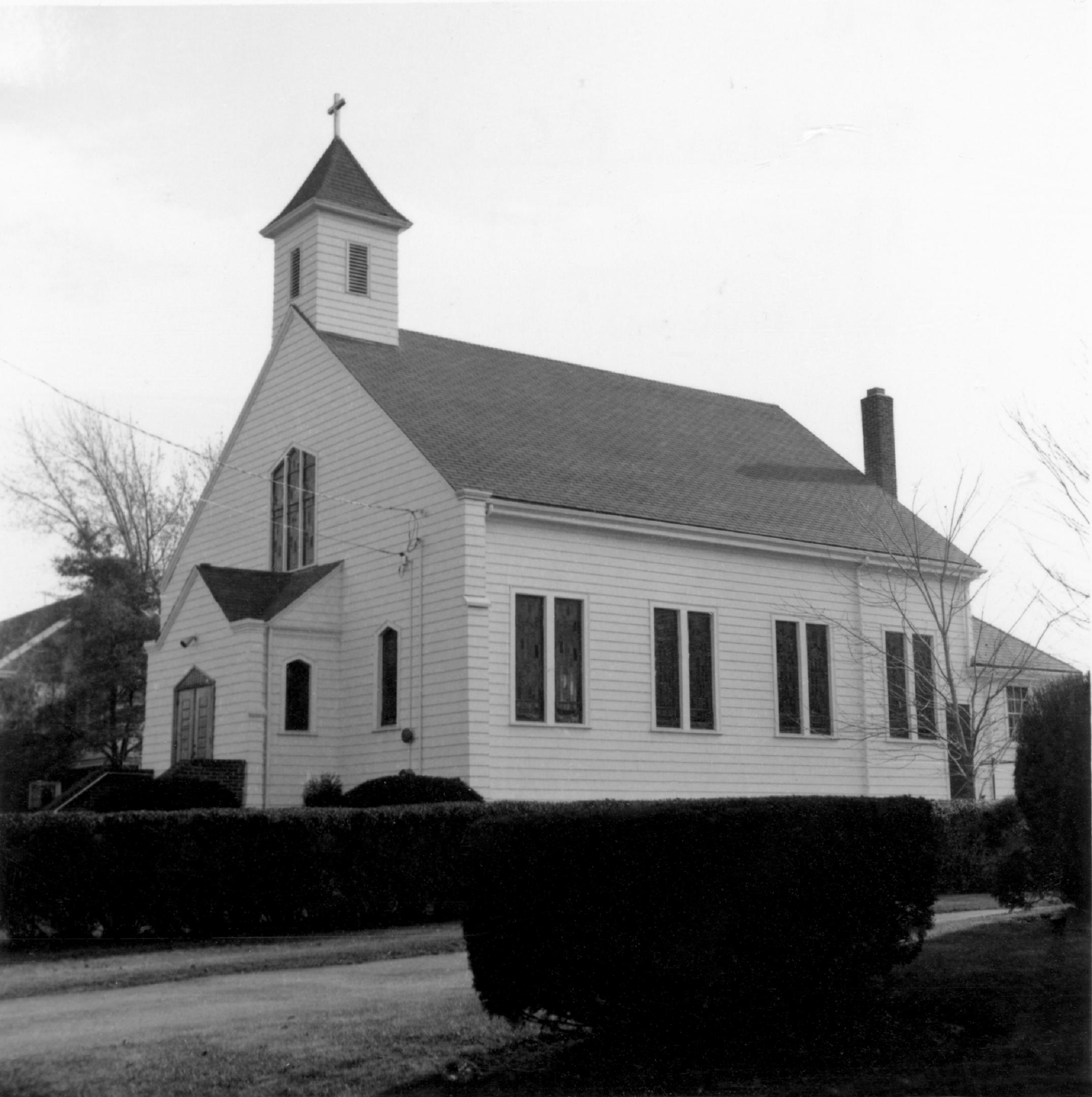
Rev. Daniel J. Crowley Appointed New Parish Administrator of St. Peter’s Church-August 22, 1984
Following the lengthy absence of Rev. Thaddeus A. Saja due to illness, Norwood Hospital chaplain Rev. Daniel J. Crowley has been appointed as the new administrator of St. Peter’s Church in South Norwood.
-
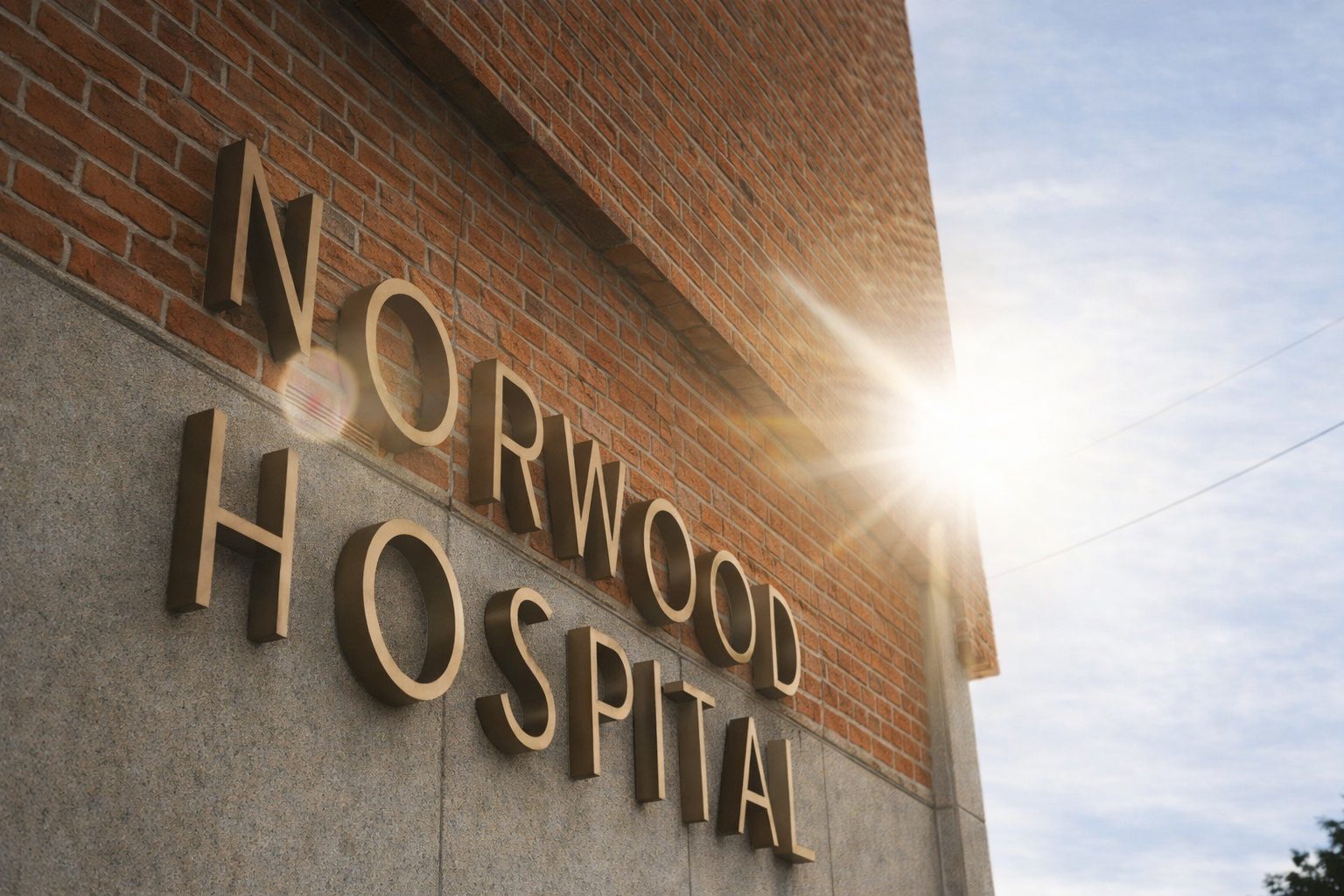
Norwood Hospital Expects Completion of New $18.4 Million Building by November-August 2, 1983
Norwood Hospital announced that construction on its massive new $18.4 million five-level building on the former Civic Center site is slated for completion in November, with patient admissions beginning in January.Norwood Hospital announced that construction on its massive new $18.4 million five-level building on the former Civic Center site is slated for completion in November,…
-
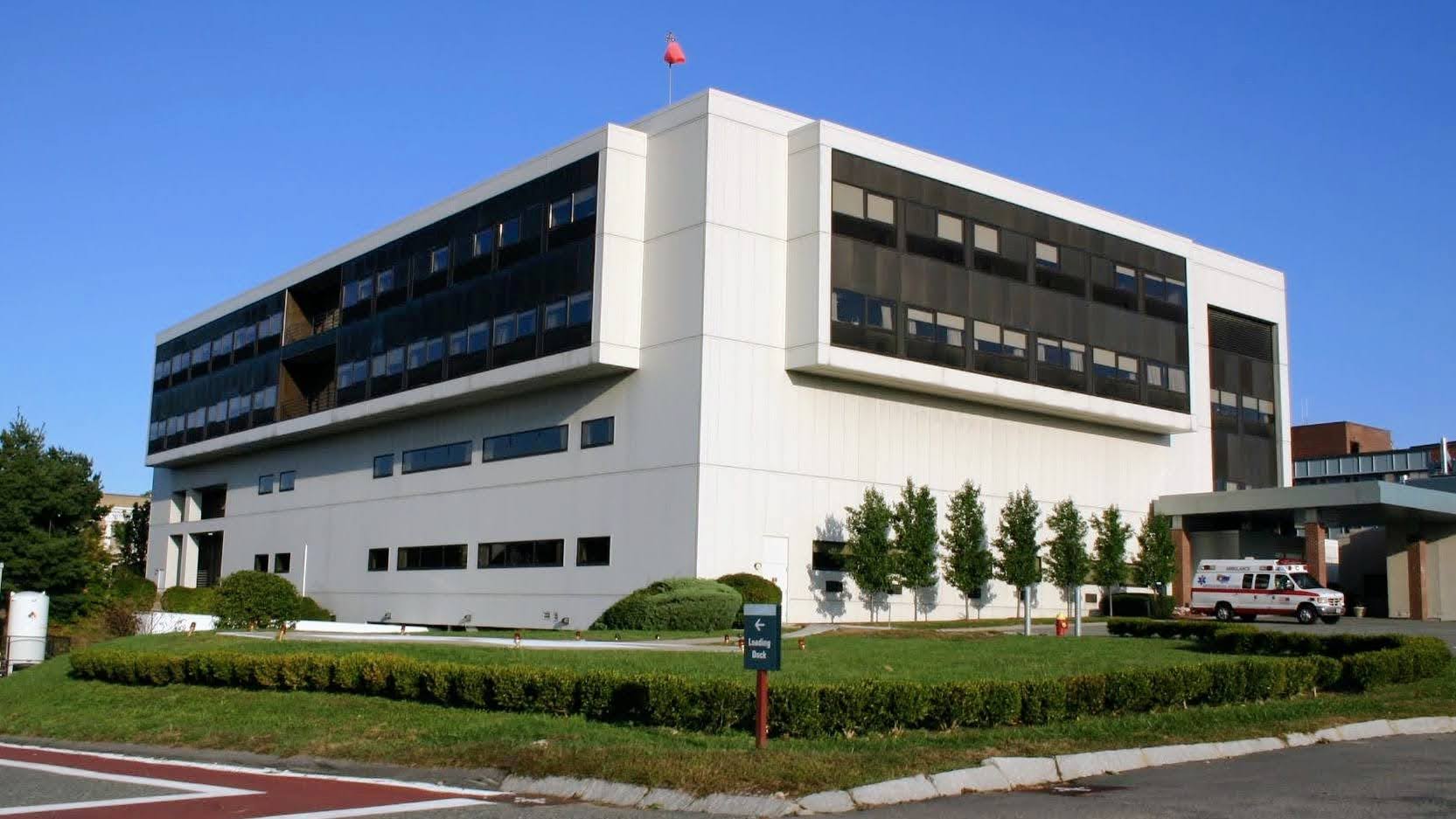
Norwood Hospital’s Response to PCBs Case Praised-July 29, 1983
Norwood Hospital addressed community concerns regarding the effects of toxic wastes. The hospital’s swift action and provision of facilities for sampling blood from residents earned praise from State Health Commissioner Bailus Walker Jr. In a letter to David Kinzer, president of the Massachusetts Hospital Association, Walker emphasized the importance of hospitals taking proactive measures to…
-
Norwood Hospital Warned About Incinerator Standards – July 14, 1983
Norwood was abuzz with news of a local institution facing scrutiny from state and local authorities regarding its incinerator standards. Norwood Hospital, a stalwart presence in the community for decades, found itself at the center of a controversy that would test its commitment to environmental responsibility. The hospital was under pressure to update its incinerator…

-
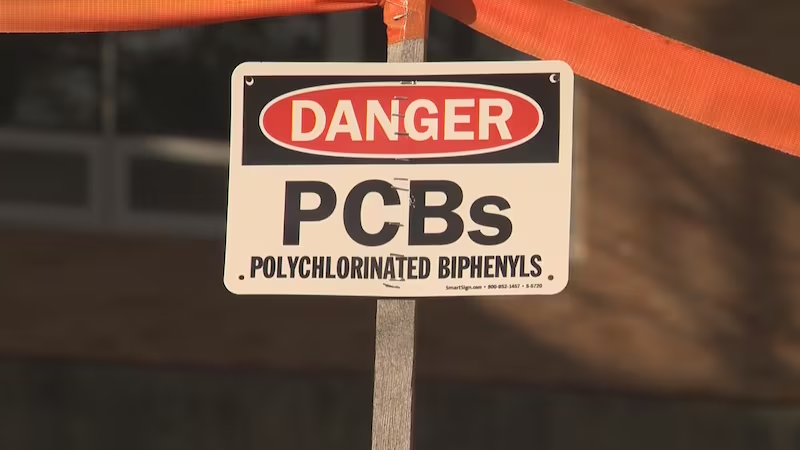
Norwood Residents Begin PCB Blood Testing Program-July 12, 1983
State health officials launched the screening program to analyze the health impact of toxic chemical exposure following soil contamination cleanup.
-
New England Home for Little Wanderers Fights to Keep Norwood Foster Program for Teenage Girls-October 15, 1982
Facing a cease and desist order from the building inspector, the New England Home for Little Wanderers appeals to keep its teenage foster home on Walpole Street.
Discover more from Norwood Historical Society
Subscribe to get the latest posts sent to your email.