
FDA Approves Genetically Engineered Clot-Dissolving Protein Tested Locally Under Cardiologist Dr. John Cadigan III
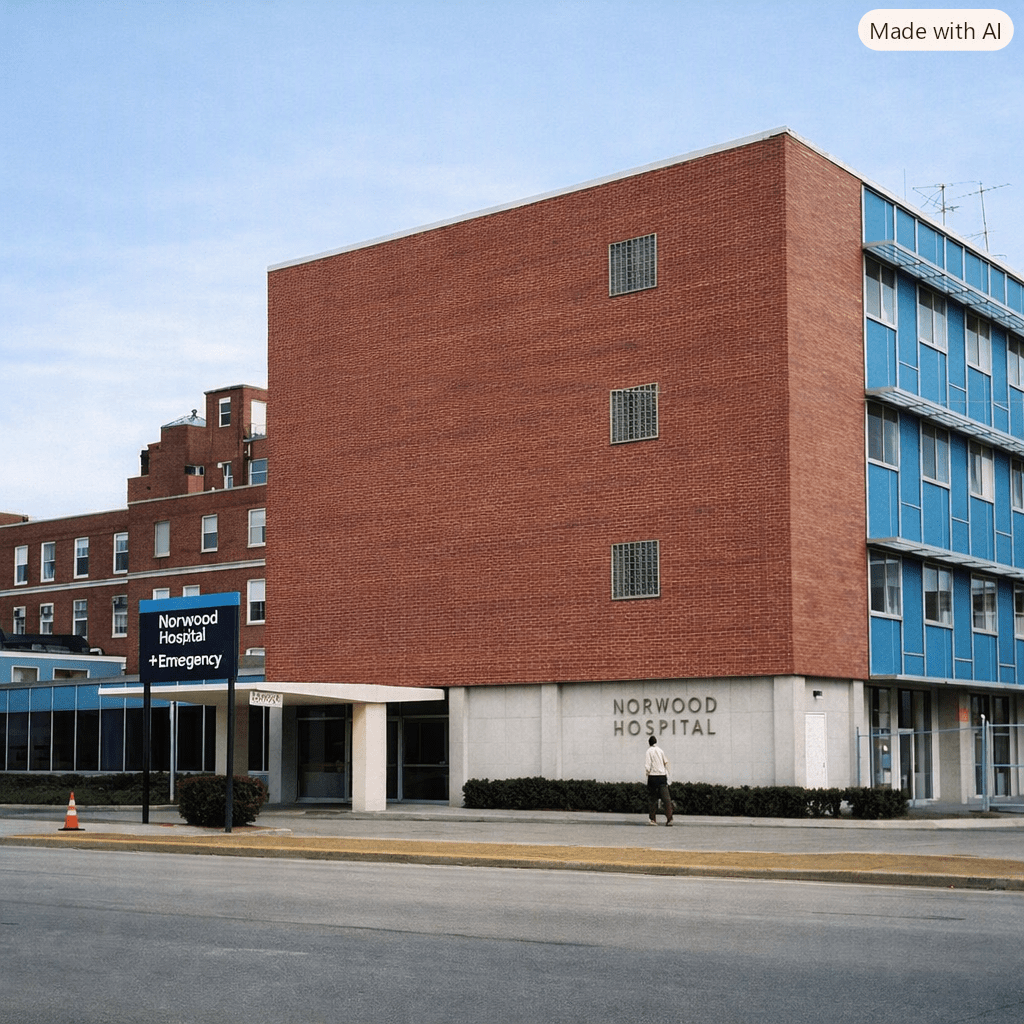
NORWOOD – Marking a monumental milestone in modern cardiology, the federal Food and Drug Administration (FDA) officially approved the use of a revolutionary emergency heart attack drug on Friday, November 13, 1987. Clinically tested on patients at Norwood Hospital and Brockton Hospital, the breakthrough medication—known as TPA (tissue plasminogen activator)—was hailed by local medical leaders as a historic leap forward.
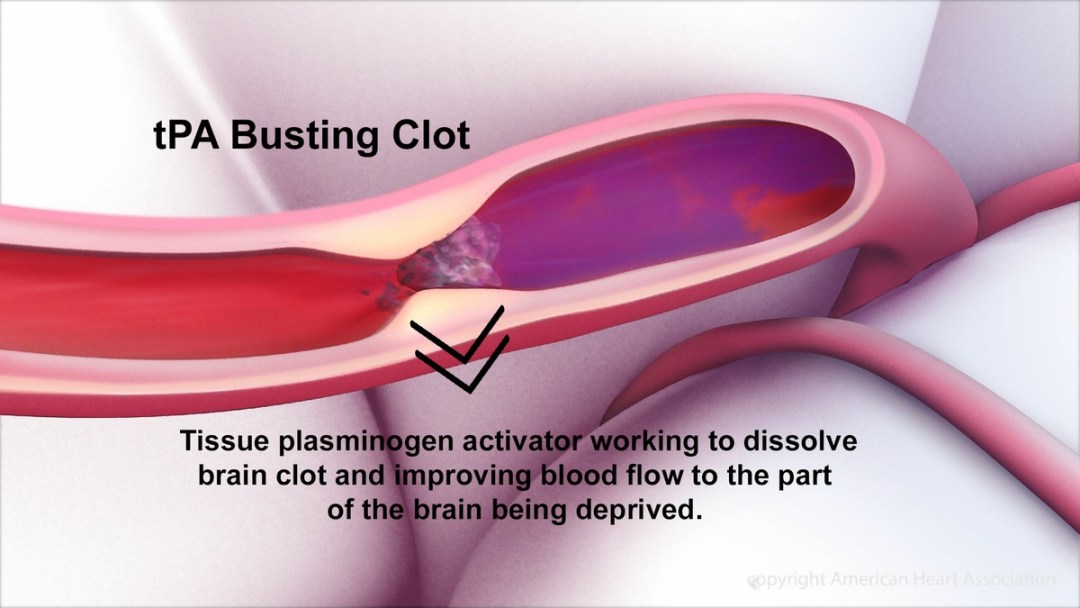
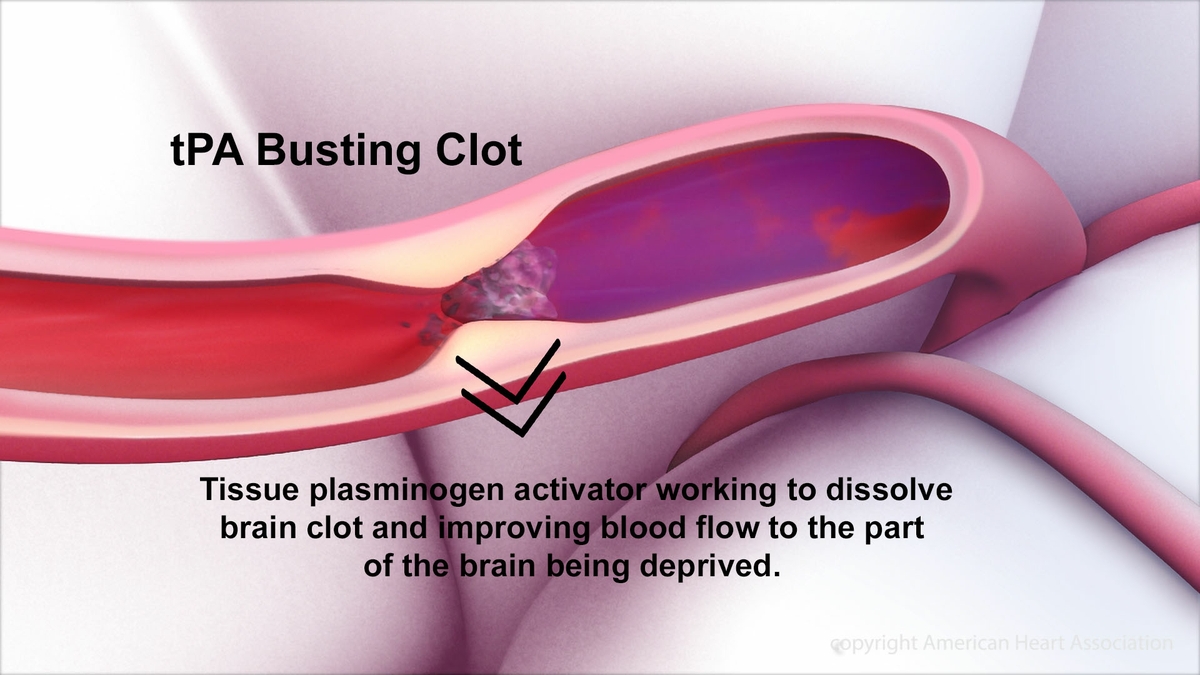
“This therapy is an absolutely revolutionary treatment. It’s the equivalent to curing cancer,” declared Dr. John Cadigan III, a Norwood Hospital cardiologist who served as the coordinator of the clinical trials at the facility. Unlike traditional treatments that merely managed the aftermath of a cardiac event, TPA works by triggering the body’s natural enzymes to dissolve blood clots blocking coronary arteries, halting the progression of a heart attack in its tracks.
Local Trial Success, National Medical Acclaim, and Administration Guidelines
Only three Boston-area community hospitals were chosen to participate in the clinical trials: Norwood Hospital, Brockton Hospital, and Emerson Hospital in Concord. Since trials commenced in November 1986, 35 patients received TPA at Norwood Hospital. According to Dr. Cadigan, a remarkable percentage of the 29 patients who survived their heart attacks showed zero detectable tissue damage to the heart muscle and experienced none of the major bleeding side effects previously associated with clot-dissolving therapies.
Nationally, health leaders praised the milestone:
- FDA Commissioner Frank E. Young characterized approval of the genetically engineered protein—developed by South San Francisco-based Genentech Inc.—as a major advance in managing coronary heart disease, noting it could save 10 to 30 percent of first-time heart attack victims depending on how quickly treatment is administered. Comparing a blocked coronary artery to a plugged pipe, Young emphasized, “The faster the plug is dissolved, the faster you restore blood to the heart.”
- Dr. Howard Morgan, president of the American Heart Association, stressed that TPA significantly reduces heart muscle damage and mortality if administered within the first few hours after symptom onset.
- Dr. James H. Sammons, executive vice president of the American Medical Association, expressed gratification that the drug had successfully transitioned from laboratory research to bedside application.
Medical experts underscored that the treatment’s efficacy depends heavily on prompt action. Dr. Cadigan and federal officials urged individuals experiencing classic heart attack symptoms—such as chest constriction and pain radiating down the left arm—to seek emergency medical care immediately without waiting or denying symptoms. Genentech officials indicated that TPA would arrive in hospital emergency rooms nationwide within two to three weeks, priced in line with international markets at approximately $2,000 per treatment.
TPA Clinical Trial & FDA Approval Overview
Drug & Trial Specifications
- Date: Saturday, November 14, 1987
- Medication: TPA (Tissue Plasminogen Activator)
- Developer: Genentech Inc. (South San Francisco)
- Norwood Trial Count: 35 patients treated since Nov. 1986
Key Medical Leaders
- Norwood Trial Coordinator: Dr. John Cadigan III
- FDA Commissioner: Dr. Frank E. Young
- AHA President: Dr. Howard Morgan
- AMA Executive VP: Dr. James H. Sammons
Archival Note: This article has been dynamically reconstructed from the original public record print archives of the Patriot Ledger
More Norwood Hospital Stories
-
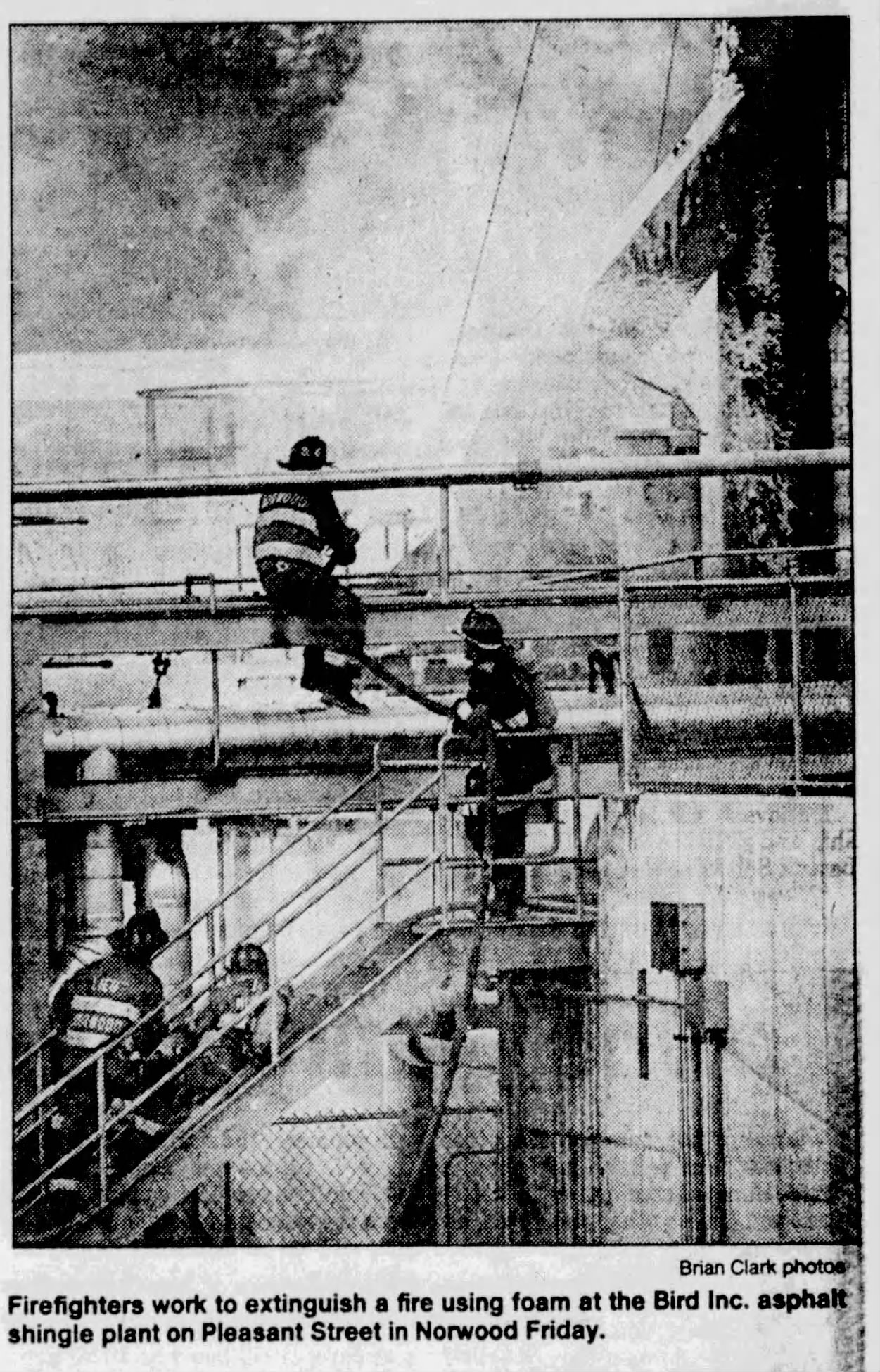
Fire Hits Norwood Bird Inc. Shingle Plant on Pleasant Street-November 11, 1995
Quick action by Norwood firefighters and mutual aid crews from surrounding towns extinguished a three-alarm fire at the Bird Inc. shingle plant on Pleasant Street after thermal oil tanks exploded Friday afternoon.
-
Second-Generation Officer Paul Bishop Praises Norwood’s Community Services and Quality of Life-September 22, 1994
Second-generation police officer Paul Bishop and local families highlight Norwood’s excellent municipal services, schools, and community pride.

-
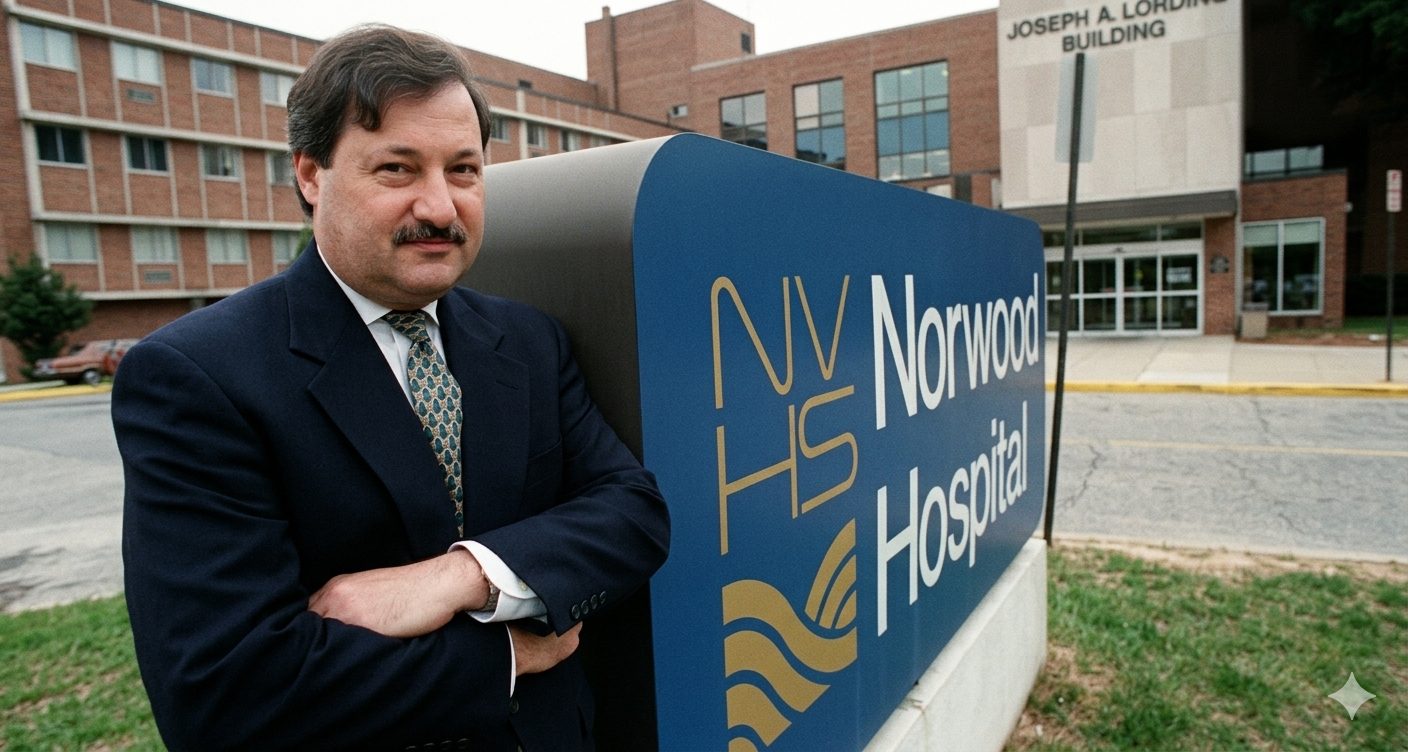
Norwood Hospital Cuts 84 Staff Jobs-This Day in Norwood History-May 1, 1994
On May 1, 1994, the community of Norwood awoke to sobering news: Norwood Hospital—long one of the region’s most stable employers—announced the elimination of 84 staff positions, a 10‑percent reduction in its workforce. The cuts reflected a seismic shift underway in American health care, one that would reshape hospitals across Massachusetts and the nation. The…
-
Norwood Hospital Opens Innovative Breast Evaluation Center-October 26, 1992
Norwood Hospital launched its new Breast Evaluation Center, bringing together an oncologist, surgeon, radiologist, and radiation therapist to provide rapid, affordable diagnoses in a single visit.

-
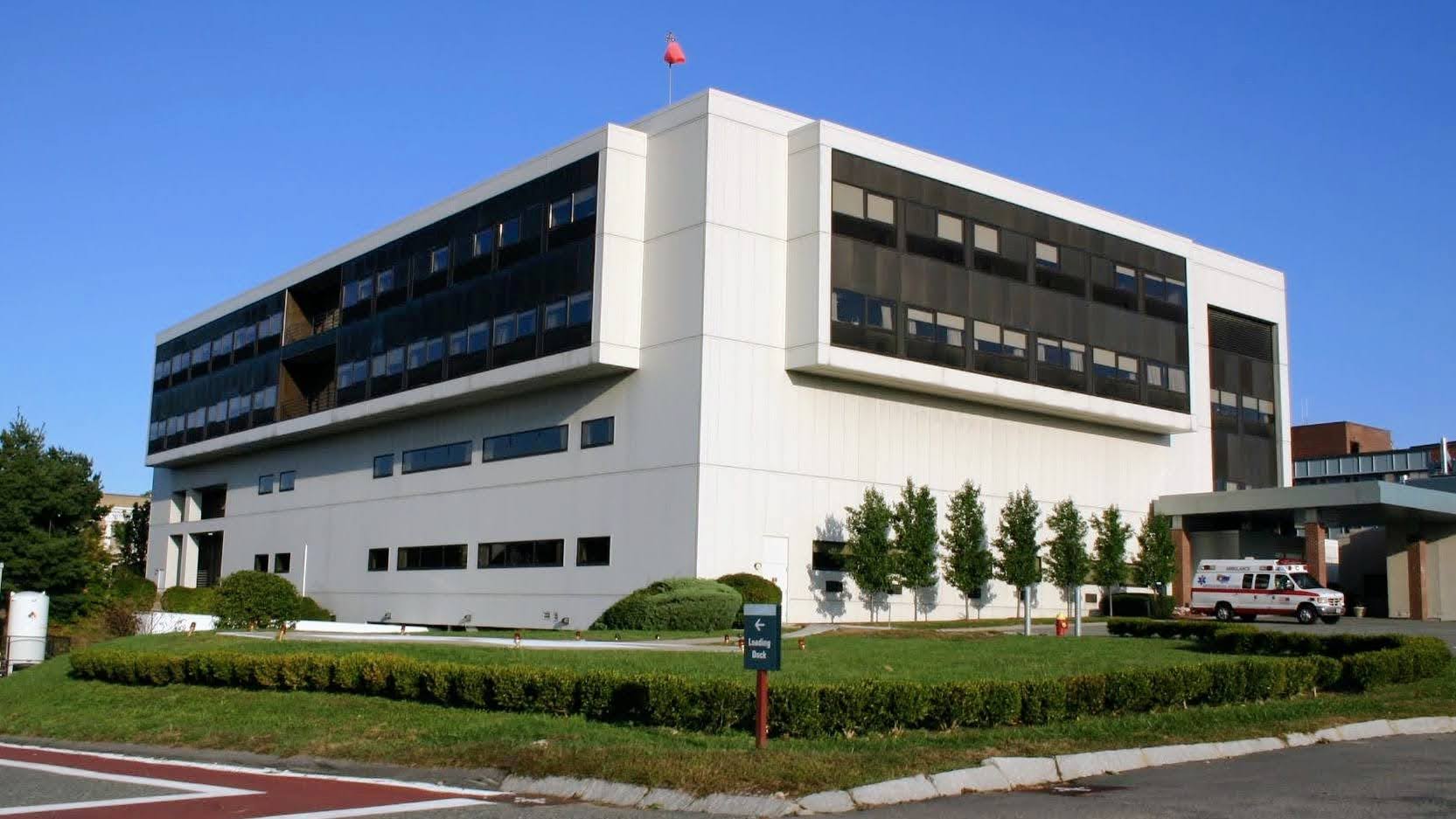
Norwood Hospital Released Man Later Accused of Murder-July 3, 1992
In the wake of a tragic incident that shook the community, Norwood Hospital officials addressed public concerns regarding the discharge of Steven Stivaletta, a patient who was later accused of murdering his grandmother. Frank Niro, the new president of Neponset Valley Health Systems-the entity that owns Norwood Hospital-offered the hospital’s first public explanation regarding the…
-
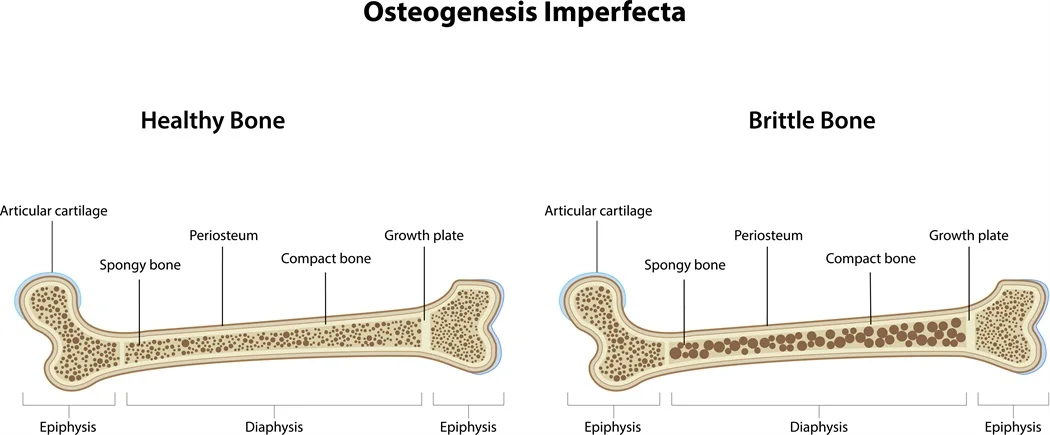
Breaking the Silence on Brittle Bone Disorder-This Day in Norwood History-June 28, 1991
A Norwood family’s national custody battle over a rare bone disorder inspires a new library support group to protect innocent parents.
-
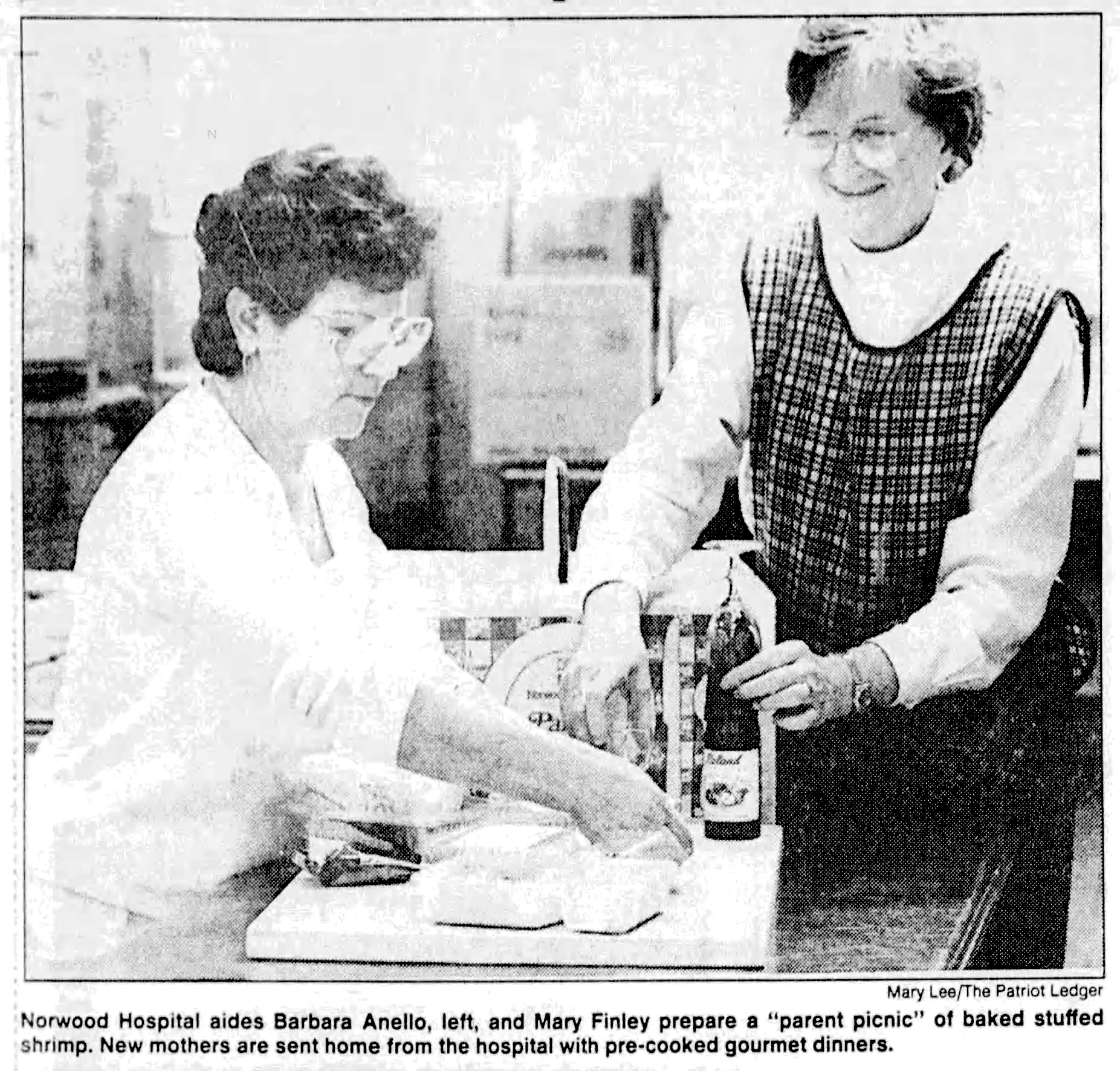
Norwood Hospital Introduces “Parent Picnic” Take-Home Gourmet Dinners for New Parents-October 16, 1989
When Joanne Bartucca checked out of the maternity wing at Norwood Hospital weeks ago, she left with two precious bundles of joy: newborn Paul Mario Bartucca (weighing in at 11 pounds, 5 ounces) and a complete gourmet dinner for two packed in an insulated basket. To ease the transition home for exhausted new parents, Norwood…
-
Norwood Hospital Among Pioneer Medical Centers in Clinical Trials of Revolutionary Heart Attack Drug TPA-November 14, 1987
Following successful clinical trials at Norwood Hospital under Dr. John Cadigan III, the FDA approved the breakthrough clot-dissolving heart attack drug TPA.
-
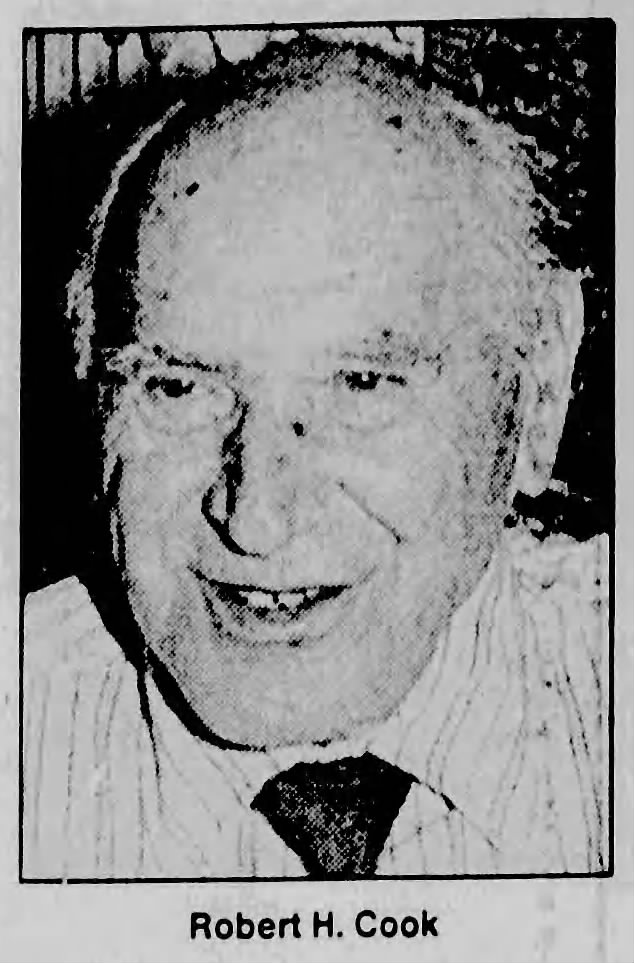
Robert H. Cook, Former Norwood Area Chamber of Commerce President and Boston Edison Union Pioneer, Dies at 87-October 16, 1987
Remembering Robert H. Cook, a dedicated Norwood civic leader, longtime Chamber of Commerce executive secretary, and influential utility union organizer.
-
Norwood Hospital Temporarily Closes 28-Bed Unit Due to Low Seasonal Occupancy-September 5, 1985
Norwood Hospital officials announced the temporary shutdown of a 28-bed medical-surgical unit yesterday, taking nearly 10 percent of the facility’s total bed capacity offline in response to a seasonal drop in patient census. Administrator Bruce Komiske firmly rejected notions that the closure signaled underlying financial instability, describing the move as a routine cost-saving measure frequently…
Discover more from Norwood Historical Society
Subscribe to get the latest posts sent to your email.