
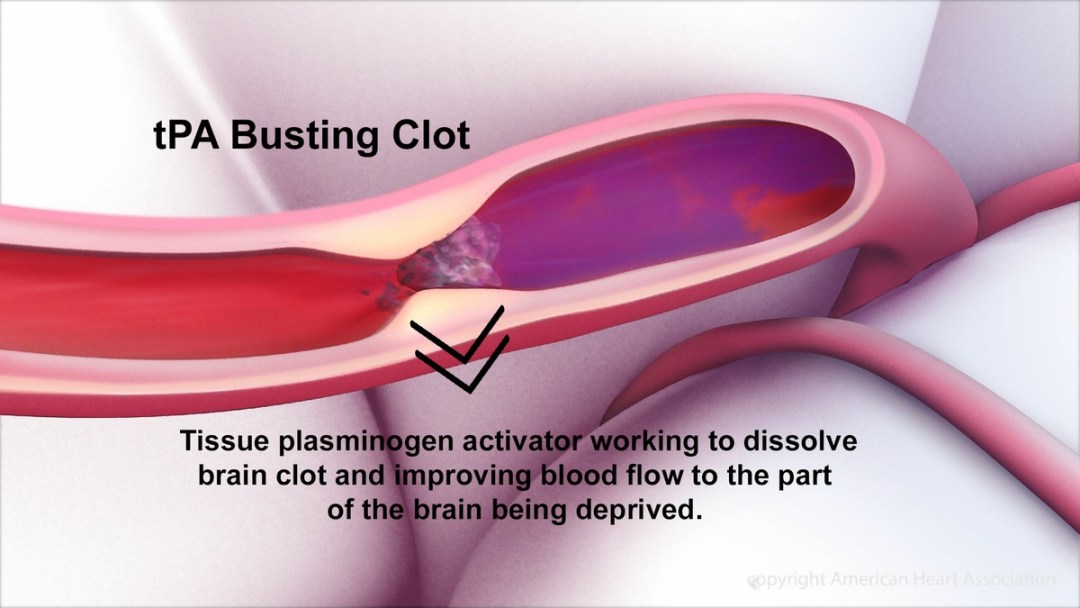
FDA Approves Genetically Engineered Clot-Dissolving Protein Tested Locally Under Cardiologist Dr. John Cadigan III
NORWOOD – Marking a monumental milestone in modern cardiology, the federal Food and Drug Administration (FDA) officially approved the use of a revolutionary emergency heart attack drug on Friday, November 13, 1987. Clinically tested on patients at Norwood Hospital and Brockton Hospital, the breakthrough medication—known as TPA (tissue plasminogen activator)—was hailed by local medical leaders as a historic leap forward.
“This therapy is an absolutely revolutionary treatment. It’s the equivalent to curing cancer,” declared Dr. John Cadigan III, a Norwood Hospital cardiologist who served as the coordinator of the clinical trials at the facility. Unlike traditional treatments that merely managed the aftermath of a cardiac event, TPA works by triggering the body’s natural enzymes to dissolve blood clots blocking coronary arteries, halting the progression of a heart attack in its tracks.
Local Trial Success, National Medical Acclaim, and Administration Guidelines
Only three Boston-area community hospitals were chosen to participate in the clinical trials: Norwood Hospital, Brockton Hospital, and Emerson Hospital in Concord. Since trials commenced in November 1986, 35 patients received TPA at Norwood Hospital. According to Dr. Cadigan, a remarkable percentage of the 29 patients who survived their heart attacks showed zero detectable tissue damage to the heart muscle and experienced none of the major bleeding side effects previously associated with clot-dissolving therapies.
Nationally, health leaders praised the milestone:
- FDA Commissioner Frank E. Young characterized approval of the genetically engineered protein—developed by South San Francisco-based Genentech Inc.—as a major advance in managing coronary heart disease, noting it could save 10 to 30 percent of first-time heart attack victims depending on how quickly treatment is administered. Comparing a blocked coronary artery to a plugged pipe, Young emphasized, “The faster the plug is dissolved, the faster you restore blood to the heart.”
- Dr. Howard Morgan, president of the American Heart Association, stressed that TPA significantly reduces heart muscle damage and mortality if administered within the first few hours after symptom onset.
- Dr. James H. Sammons, executive vice president of the American Medical Association, expressed gratification that the drug had successfully transitioned from laboratory research to bedside application.
Medical experts underscored that the treatment’s efficacy depends heavily on prompt action. Dr. Cadigan and federal officials urged individuals experiencing classic heart attack symptoms—such as chest constriction and pain radiating down the left arm—to seek emergency medical care immediately without waiting or denying symptoms. Genentech officials indicated that TPA would arrive in hospital emergency rooms nationwide within two to three weeks, priced in line with international markets at approximately $2,000 per treatment.
TPA Clinical Trial & FDA Approval Overview
Drug & Trial Specifications
- Date: Saturday, November 14, 1987
- Medication: TPA (Tissue Plasminogen Activator)
- Developer: Genentech Inc. (South San Francisco)
- Norwood Trial Count: 35 patients treated since Nov. 1986
Key Medical Leaders
- Norwood Trial Coordinator: Dr. John Cadigan III
- FDA Commissioner: Dr. Frank E. Young
- AHA President: Dr. Howard Morgan
- AMA Executive VP: Dr. James H. Sammons
Archival Note: This article has been dynamically reconstructed from the original public record print archives of the Patriot Ledger
More Norwood Hospital Stories
-
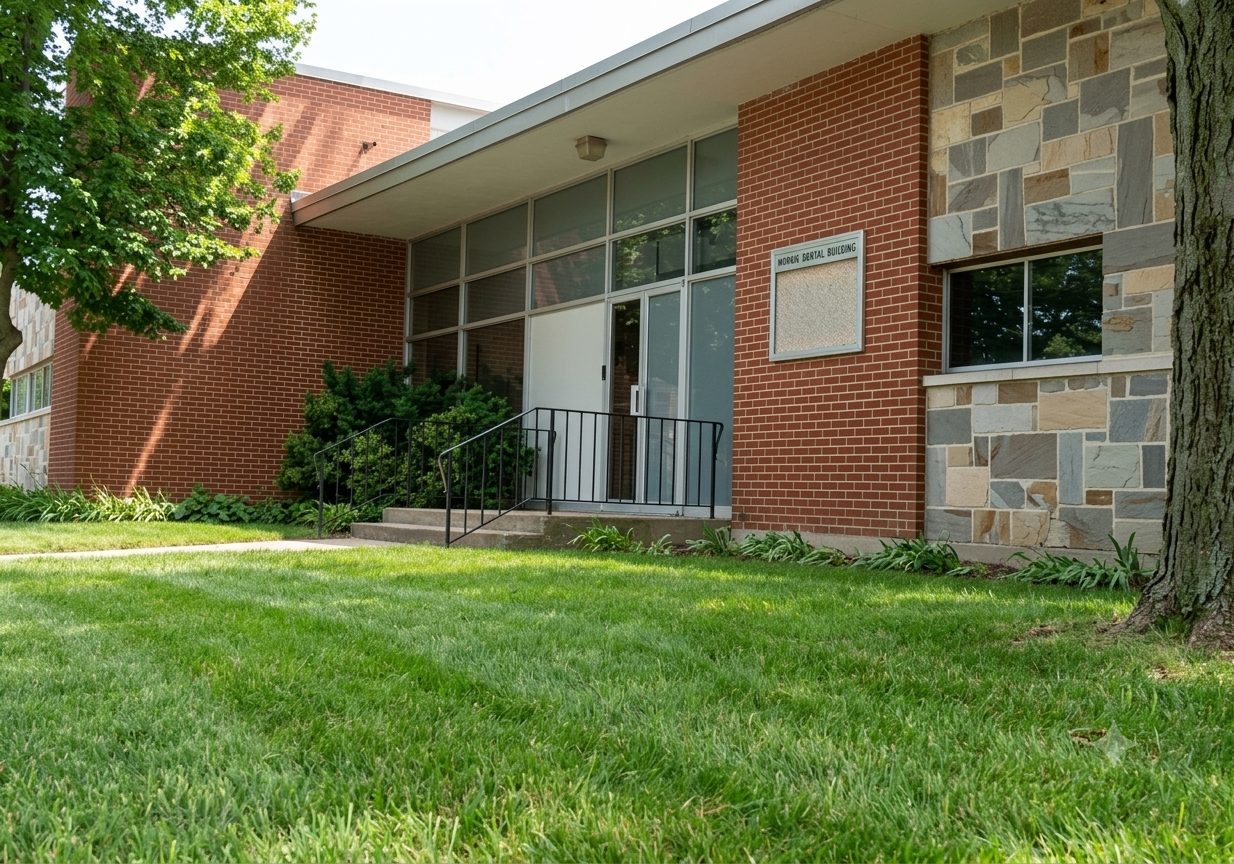
Medical Building Still Empty-July 8, 1977
Discover the story behind 480 Washington Street, once the town’s premier medical hub in 1959, and the 1977 efforts to reconcile its high market price with local demand for office space.
-
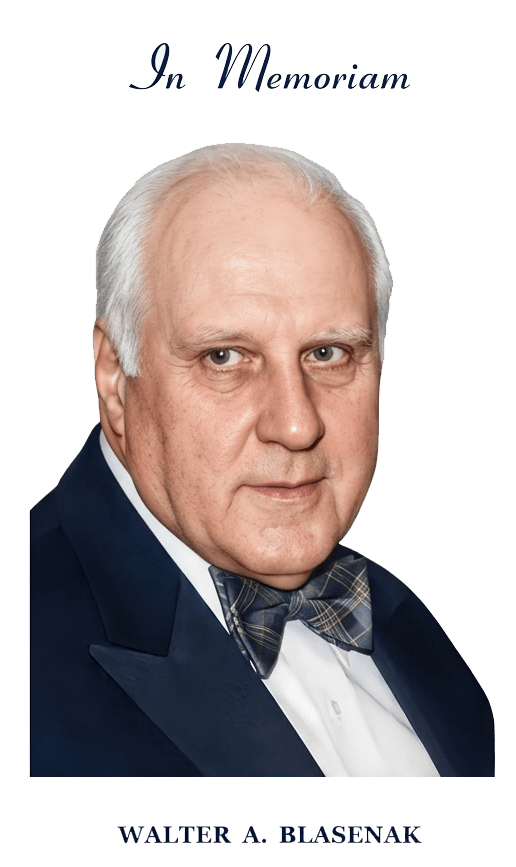
In Memoriam – Walter Blasenak
Former Norwood Town Manager, Dead At 71 Funeral services will be held Wednesday at 2 p.m. at the United Church of Norwood for Walter A. Blasenak, who was Norwood town manager for more than 14 years, from 1957 to 1971. Mr. Blasenak, 71, of 28 Nottingham Dr., died in Norwood Hospital yesterday after a long…
-
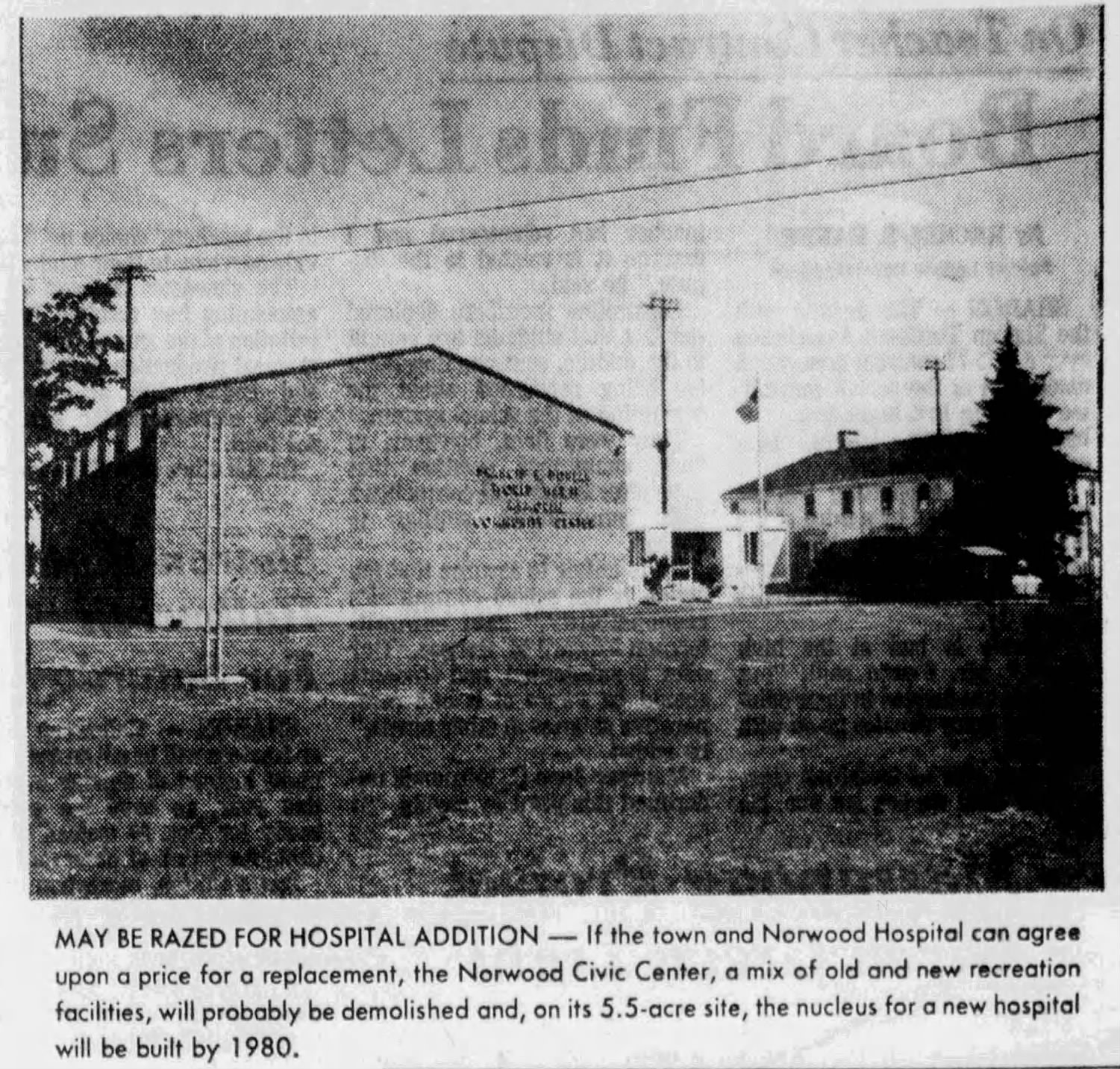
Norwood Hospital Trustees Approve $25 Million Expansion Plan Involving Civic Center Site-October 28, 1976
Norwood Hospital trustees adopted a $25 million expansion plan to add 100 beds and upgrade medical facilities on the Civic Center site, pending town meeting approval and state permits.
-
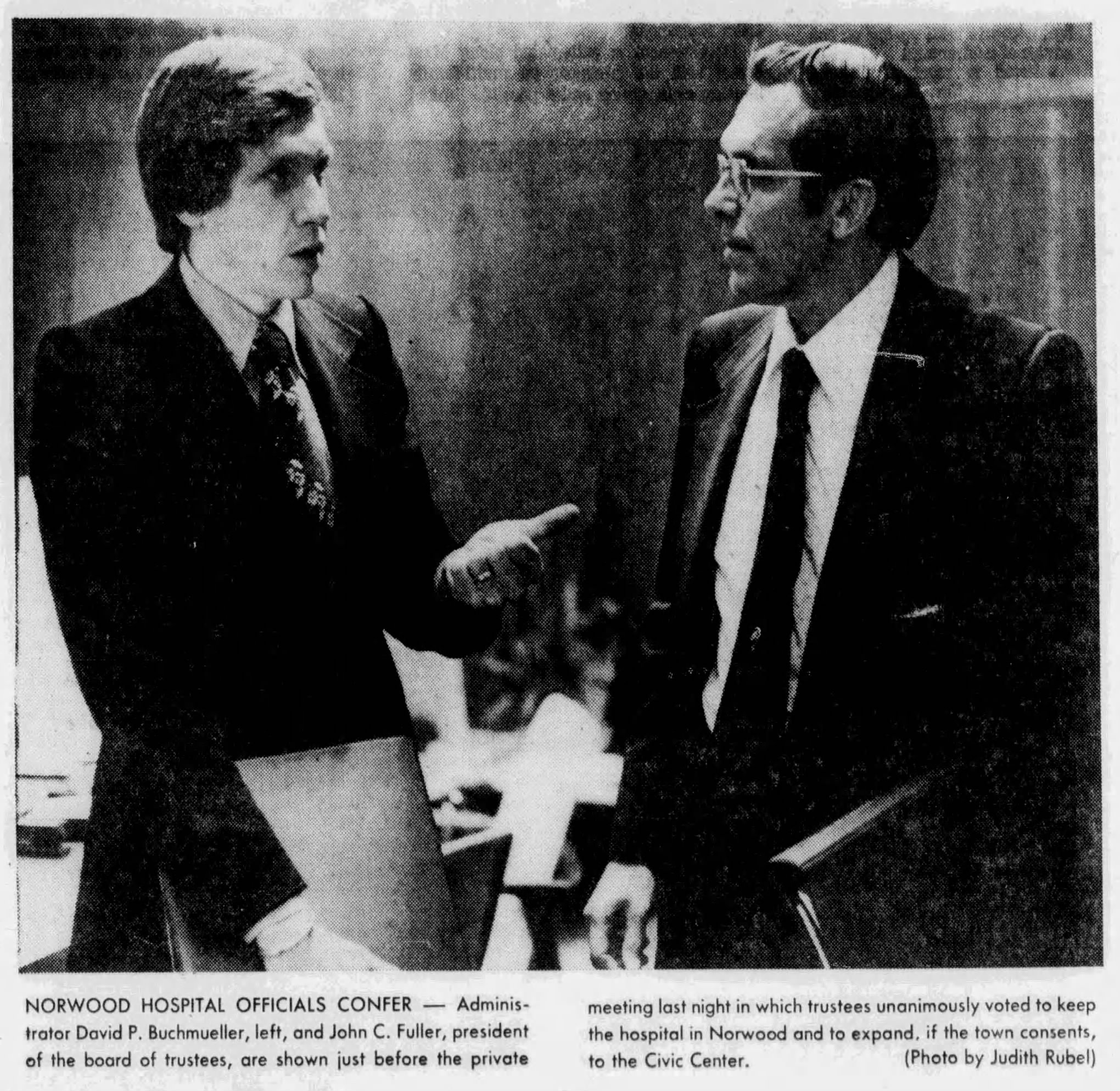
Norwood Hospital Trustees Unanimously Vote to Pursue Civic Center Site for $25 Million Expansion-October 28, 1976
Reporting for The Patriot Ledger, Barry N. Smith details Norwood Hospital trustees unanimously voting to seek the Civic Center site for a $25 million expansion project.
-
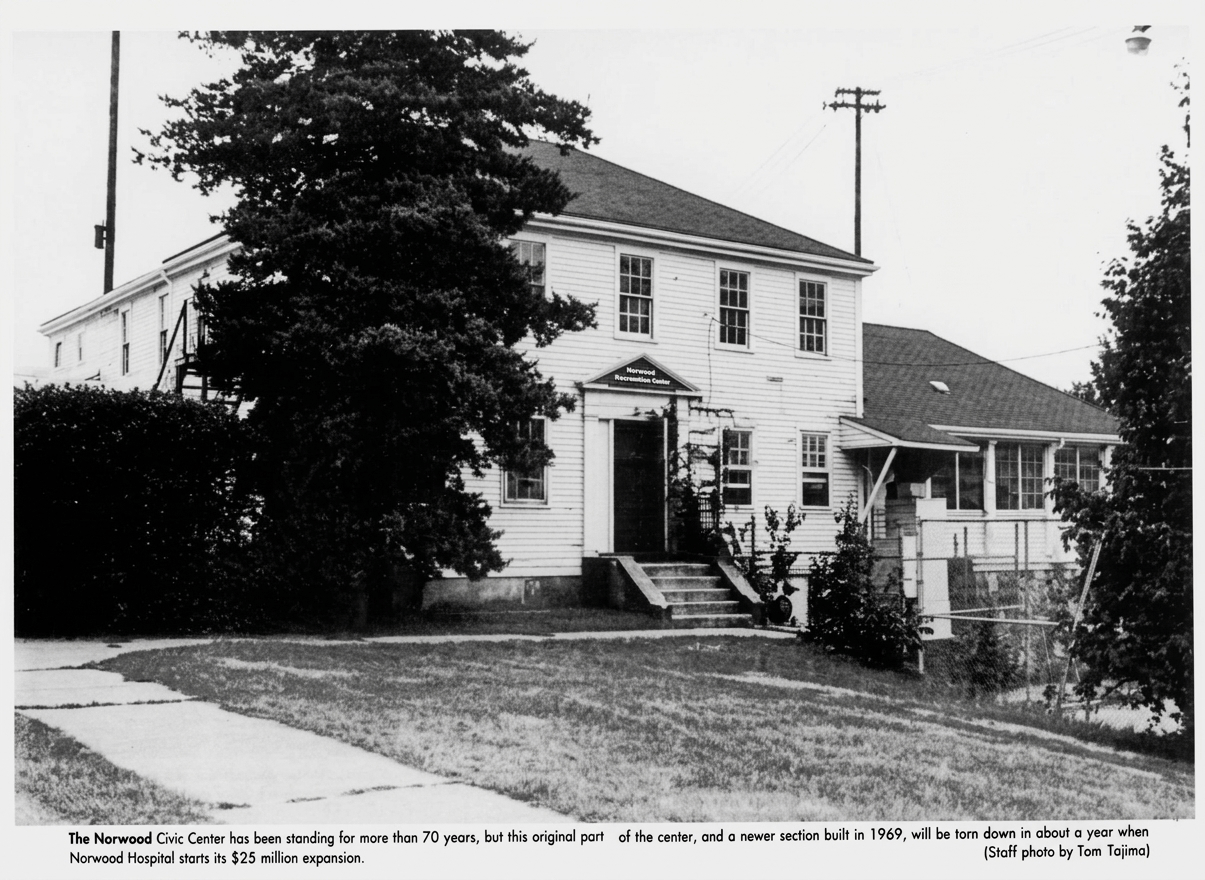
Town Counsel Clarifies Legal Path for Norwood Hospital Purchase of Civic Center Property-October 27, 1976
Town Counsel Justin C. Barton confirmed no legal barrier prevents selling the Civic Center to Norwood Hospital, resolving questions over veterans’ fund memorial trusts.
-
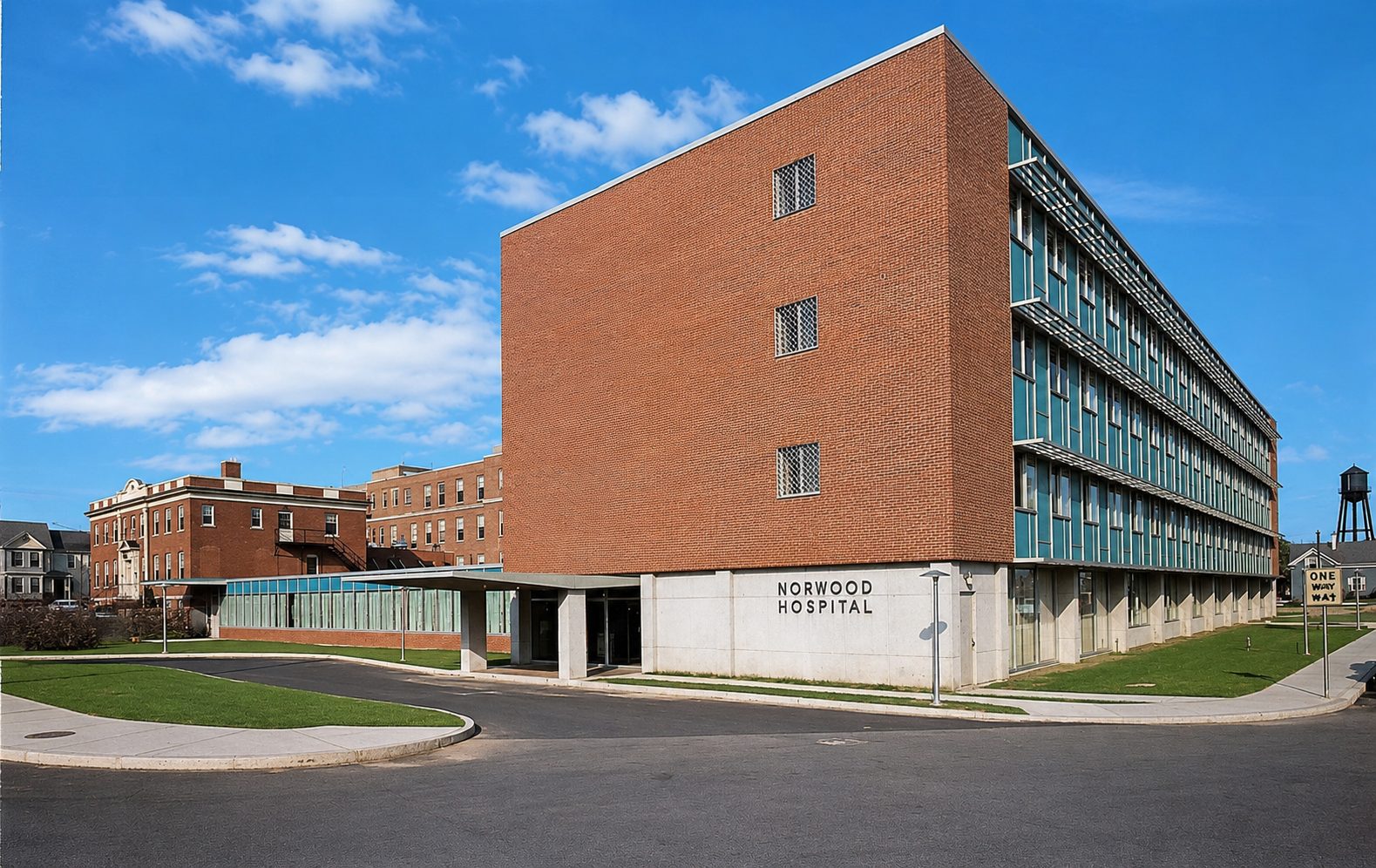
Norwood Hospital Expansion Appraisal Backed for Civic Center Site-October 19, 1976
Town Study Committee Backs Civic Center Appraisal-October 19, 1976 Moving one step closer to a definitive decision regarding the future of Norwood Hospital, the town’s hospital study committee recommended last night that selectmen authorize an independent architectural appraisal of the Civic Center property. Meeting with hospital leadership—including board of trustees president John Fuller, vice president…
-
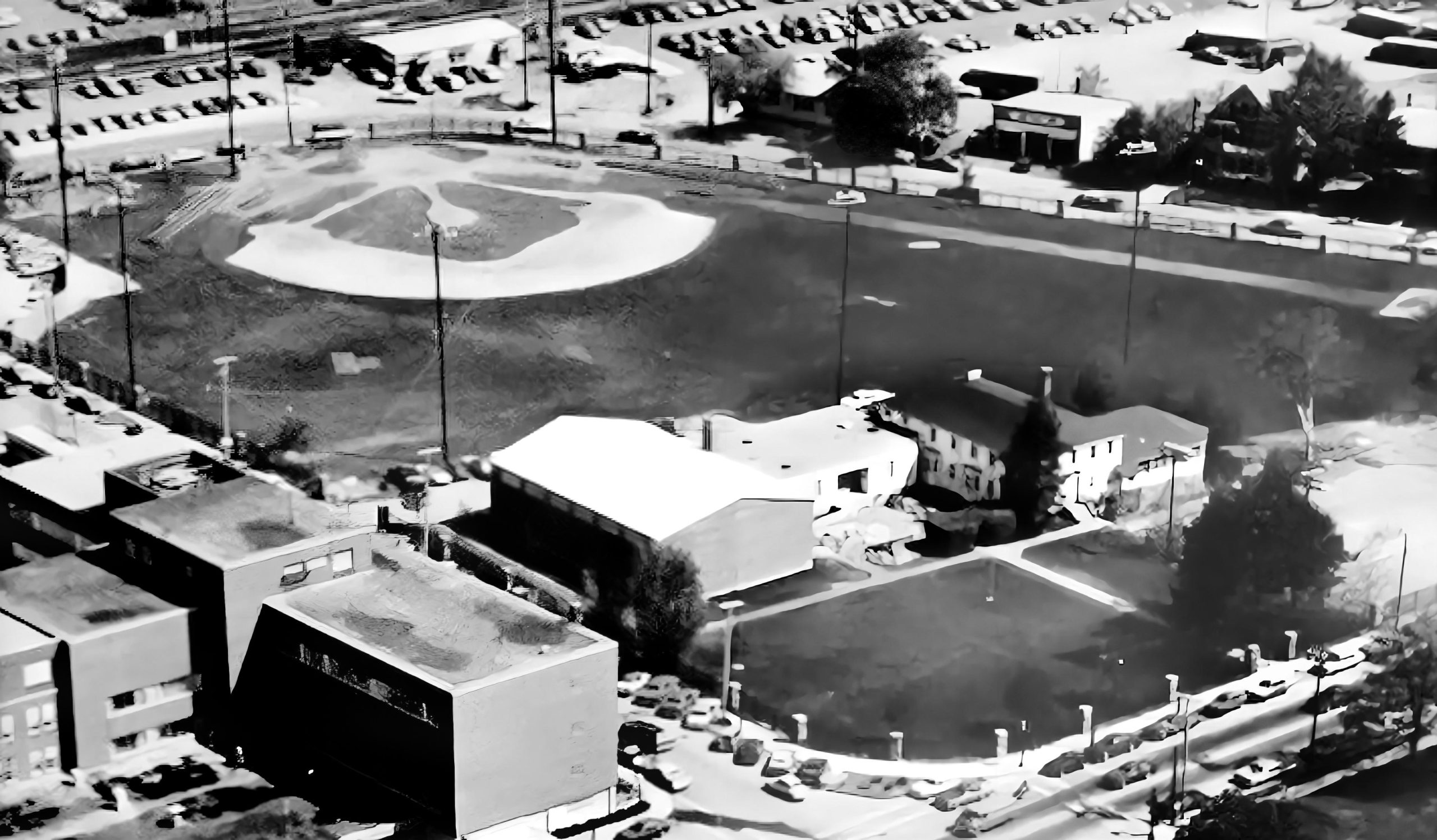
Norwood Hospital Weighs Civic Center Expansion, Light Meter Tampering Under Investigation, MDC Wastewater Plant Sites Debated-September 17, 1976
Norwood Hospital trustees prepare for an October 27 decision on acquiring the Civic Center site for expansion, while town officials investigate light meter tampering and review MDC wastewater plant sites.
-
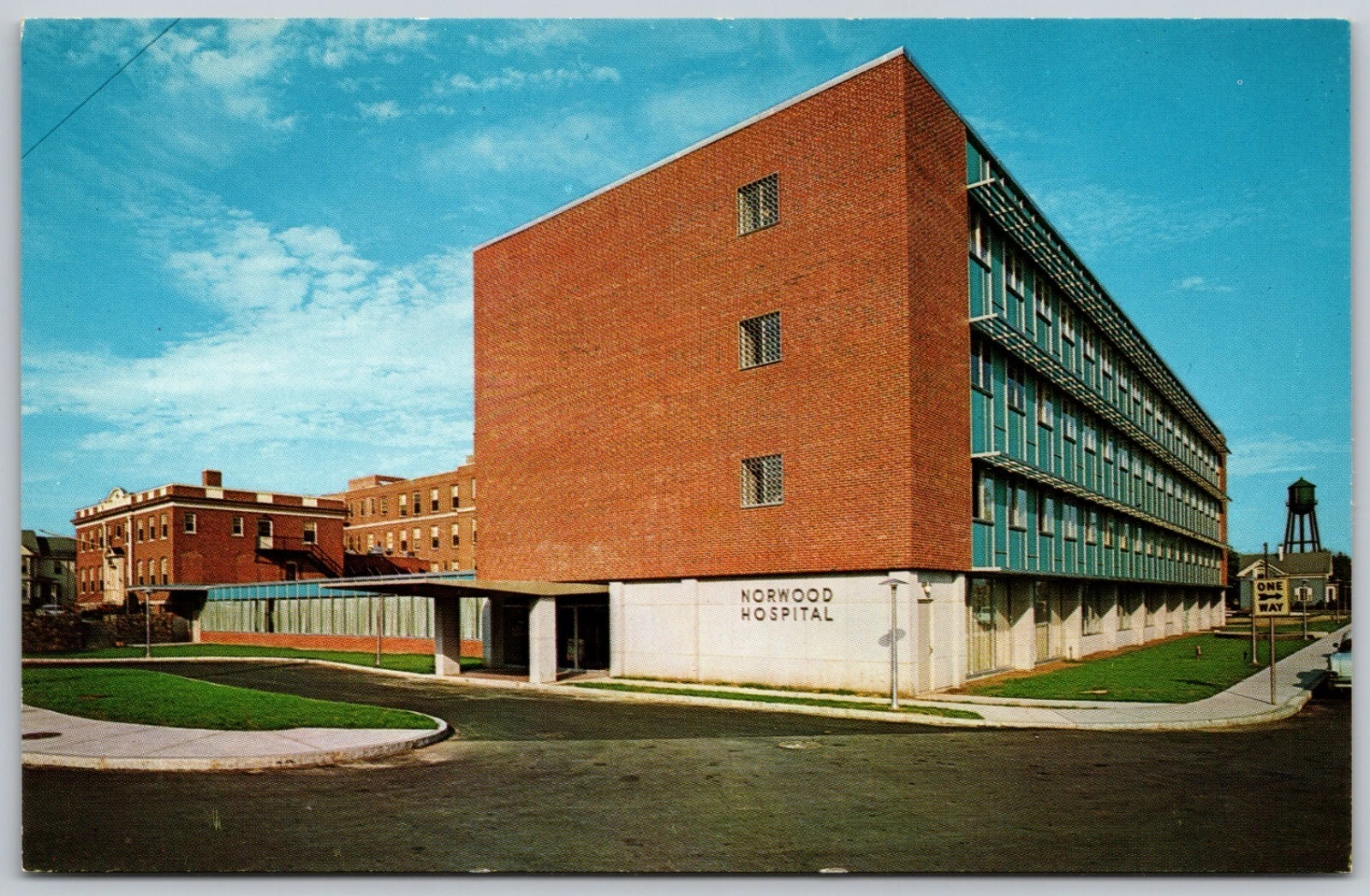
Lofty Solution Possible For Hospital Expansion-September 5, 1975
Norwood Airport officials reveal that 1973 changes to flight path glide slopes may allow Norwood Hospital to build higher on its current site, challenging relocation theories.
-
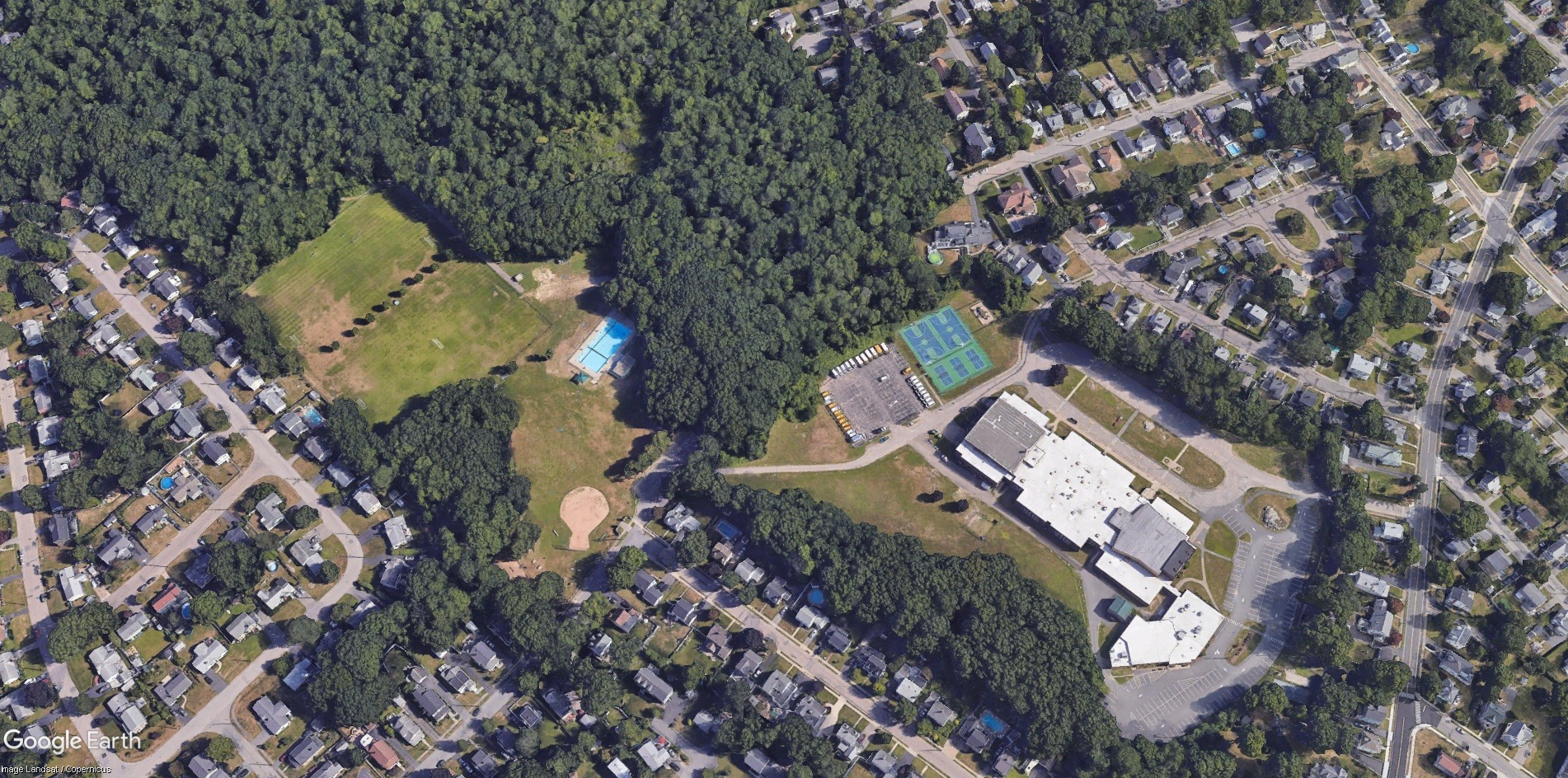
Hospital Study Committee Recommends Four Alternate Sites for Recreation Complex-August 17, 1976
If Norwood Hospital expands onto the Civic Center site, a study committee recommended four alternate locations for a new recreation complex, prioritizing an Olympic pool and comprehensive athletic facilities.
-
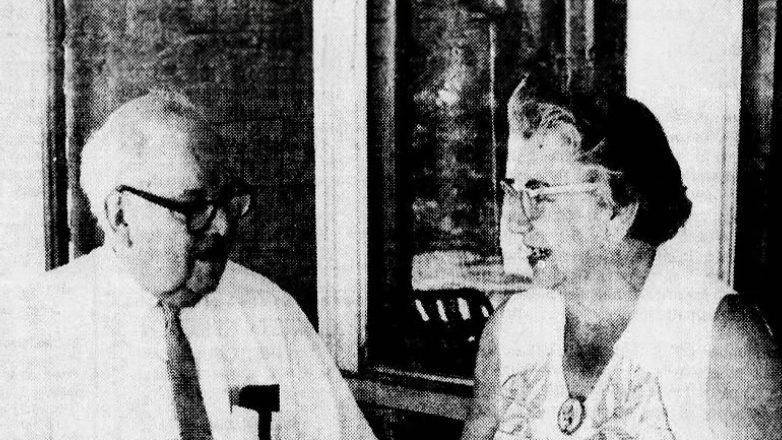
Volunteer Margaret Kennedy Brings Joy to Homebound Residents Through Meals on Wheels-August 6, 1976
At 75 years old, Norwood Meals on Wheels volunteer Margaret Kennedy dedicates her retirement to helping homebound seniors, veterans, and local community organizations.
Discover more from Norwood Historical Society
Subscribe to get the latest posts sent to your email.