
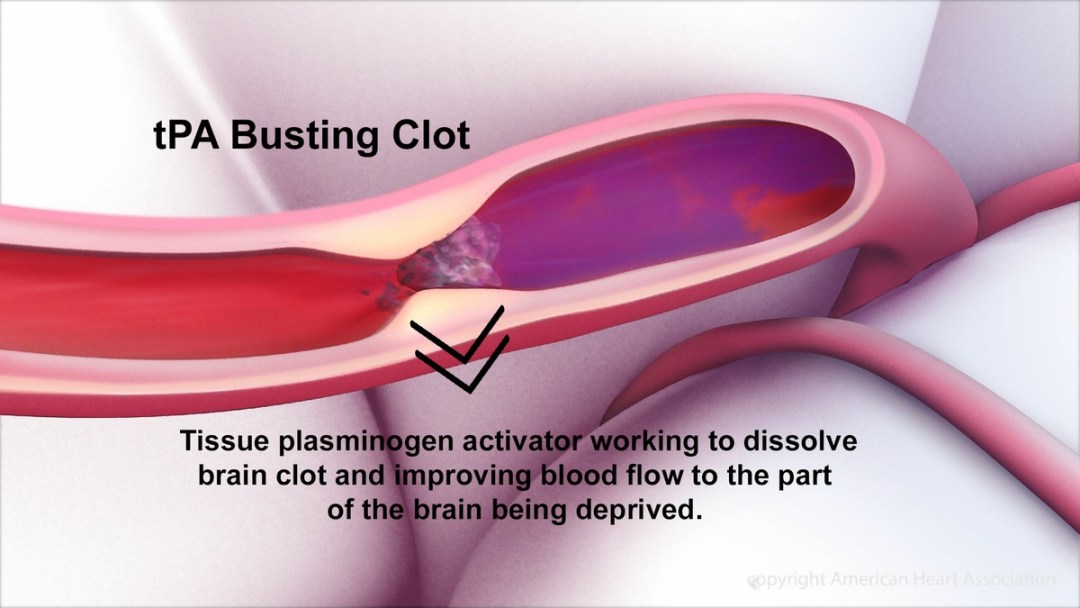
FDA Approves Genetically Engineered Clot-Dissolving Protein Tested Locally Under Cardiologist Dr. John Cadigan III
NORWOOD – Marking a monumental milestone in modern cardiology, the federal Food and Drug Administration (FDA) officially approved the use of a revolutionary emergency heart attack drug on Friday, November 13, 1987. Clinically tested on patients at Norwood Hospital and Brockton Hospital, the breakthrough medication—known as TPA (tissue plasminogen activator)—was hailed by local medical leaders as a historic leap forward.
“This therapy is an absolutely revolutionary treatment. It’s the equivalent to curing cancer,” declared Dr. John Cadigan III, a Norwood Hospital cardiologist who served as the coordinator of the clinical trials at the facility. Unlike traditional treatments that merely managed the aftermath of a cardiac event, TPA works by triggering the body’s natural enzymes to dissolve blood clots blocking coronary arteries, halting the progression of a heart attack in its tracks.
Local Trial Success, National Medical Acclaim, and Administration Guidelines
Only three Boston-area community hospitals were chosen to participate in the clinical trials: Norwood Hospital, Brockton Hospital, and Emerson Hospital in Concord. Since trials commenced in November 1986, 35 patients received TPA at Norwood Hospital. According to Dr. Cadigan, a remarkable percentage of the 29 patients who survived their heart attacks showed zero detectable tissue damage to the heart muscle and experienced none of the major bleeding side effects previously associated with clot-dissolving therapies.
Nationally, health leaders praised the milestone:
- FDA Commissioner Frank E. Young characterized approval of the genetically engineered protein—developed by South San Francisco-based Genentech Inc.—as a major advance in managing coronary heart disease, noting it could save 10 to 30 percent of first-time heart attack victims depending on how quickly treatment is administered. Comparing a blocked coronary artery to a plugged pipe, Young emphasized, “The faster the plug is dissolved, the faster you restore blood to the heart.”
- Dr. Howard Morgan, president of the American Heart Association, stressed that TPA significantly reduces heart muscle damage and mortality if administered within the first few hours after symptom onset.
- Dr. James H. Sammons, executive vice president of the American Medical Association, expressed gratification that the drug had successfully transitioned from laboratory research to bedside application.
Medical experts underscored that the treatment’s efficacy depends heavily on prompt action. Dr. Cadigan and federal officials urged individuals experiencing classic heart attack symptoms—such as chest constriction and pain radiating down the left arm—to seek emergency medical care immediately without waiting or denying symptoms. Genentech officials indicated that TPA would arrive in hospital emergency rooms nationwide within two to three weeks, priced in line with international markets at approximately $2,000 per treatment.
TPA Clinical Trial & FDA Approval Overview
Drug & Trial Specifications
- Date: Saturday, November 14, 1987
- Medication: TPA (Tissue Plasminogen Activator)
- Developer: Genentech Inc. (South San Francisco)
- Norwood Trial Count: 35 patients treated since Nov. 1986
Key Medical Leaders
- Norwood Trial Coordinator: Dr. John Cadigan III
- FDA Commissioner: Dr. Frank E. Young
- AHA President: Dr. Howard Morgan
- AMA Executive VP: Dr. James H. Sammons
Archival Note: This article has been dynamically reconstructed from the original public record print archives of the Patriot Ledger
More Norwood Hospital Stories
-
Aaron Guild School Leased to Norwood CETA Consortium and EdCo for One Year-August 1, 1979
Norwood selectmen voted unanimously to lease the closed Aaron Guild School for one year to the Norwood CETA Consortium and the Educational Collaborative of Greater Boston (EdCo) for $148,000.

-
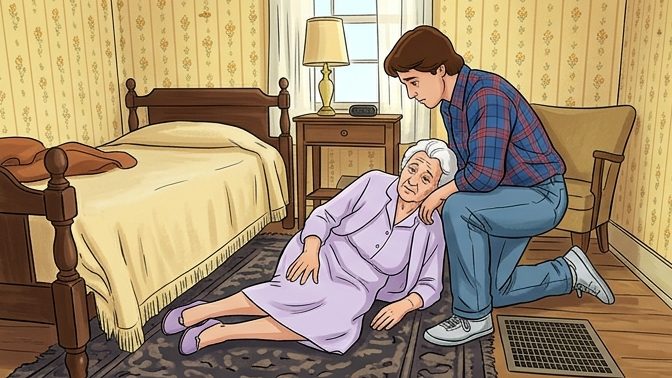
Rescued by Neighbor: Norwood Woman Survives 5-Day Ordeal-July 9, 1979
Discover the heroic story of Jim Rossetsky, an orderly at Norwood Hospital, who discovered his 65-year-old neighbor injured in her bedroom after she had been trapped for five days.
-
Norwood Couple Questions Legality of New Access Road Built Next to Their Sumner Street Home-August 8, 1978
Anita and Joseph Fraone questioned the legality of a new bulldozer-cleared access road beside their 99 Sumner St. home during a Norwood Planning Board meeting.
-
Hazardous Shooting Incident On Route 1-July 22, 1978
On July 22, 1978, Stephen Pacheco was sought after a van was struck by gunfire near the Norwood-Canton exit.

-
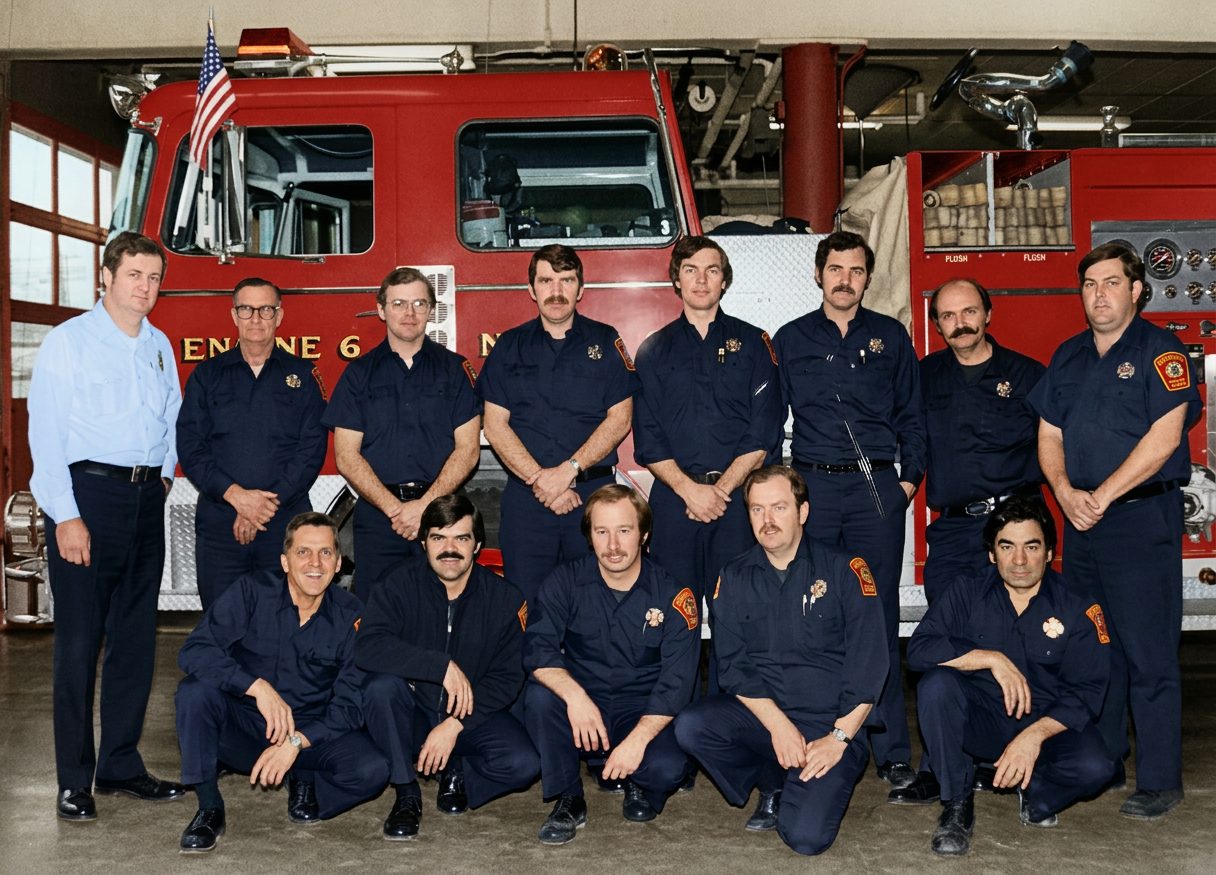
Norwood Selectmen Uphold Fire Department Staffing Levels Amid Labor Disputes-July 12, 1978
Fire Department Manning Shifts and Physical Exam Standoff On July 12, 1978, the Norwood Board of Selectmen stepped directly into a complex municipal and labor dispute, voting 3–1 to reaffirm a long-established minimum manning policy of 13-man shifts within the Norwood Fire Department. The decision effectively determined that any budgetary economies or cost-cutting measures targeted…
-
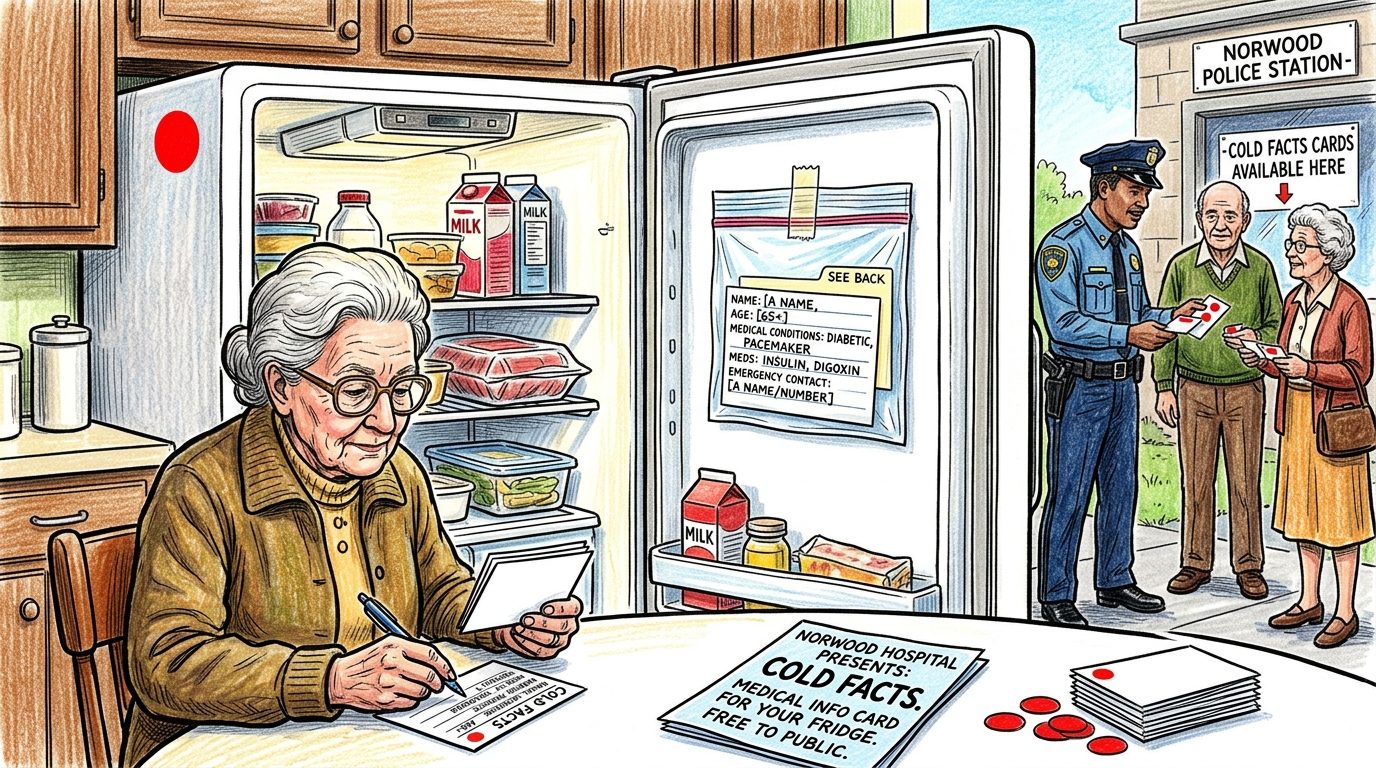
Some Cold Facts Could Save A Life-June 20, 1978
Norwood Hospital distributes free emergency medical indicators via local police stations and senior hubs.
-
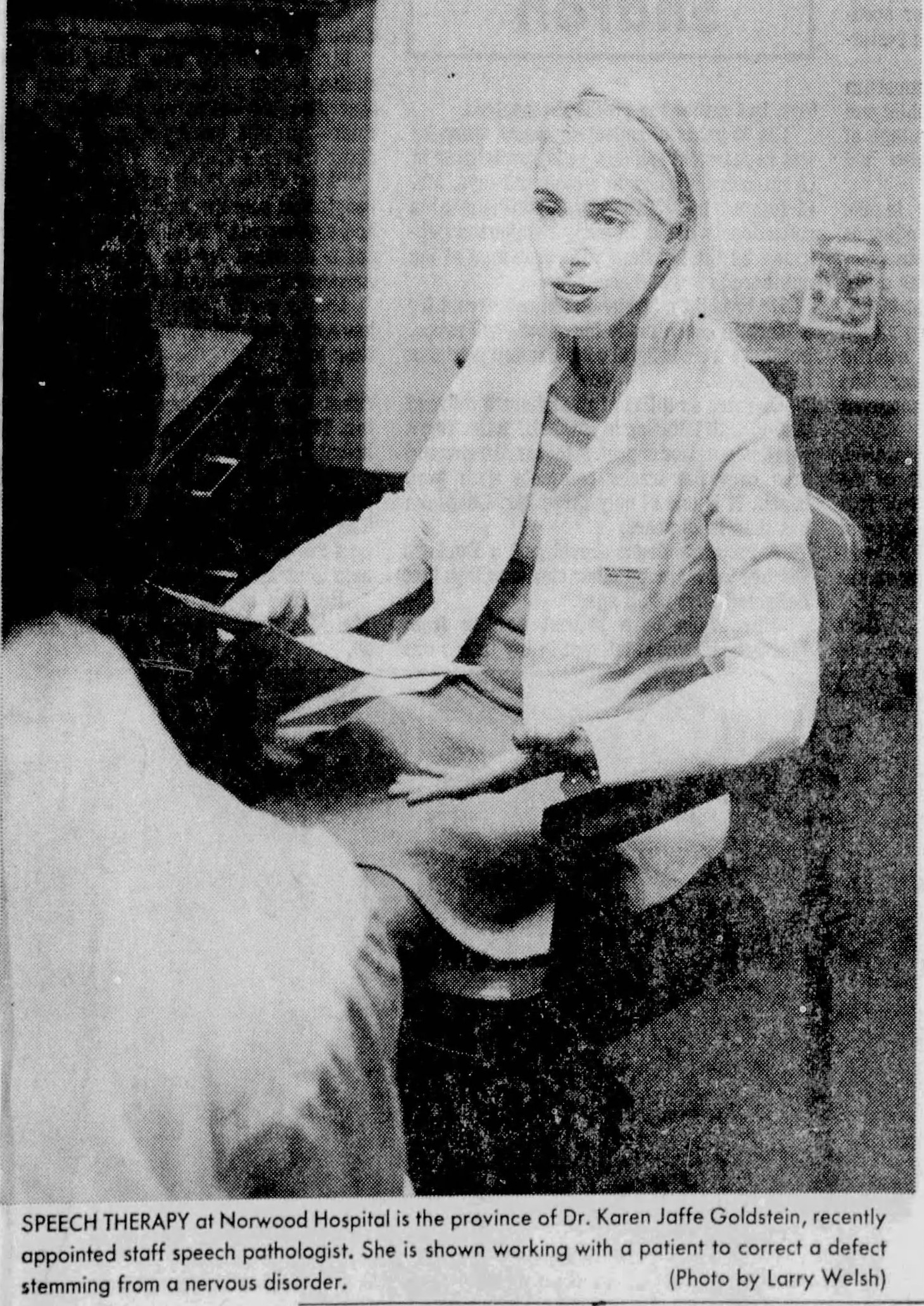
Dr. Karen Jaffe Goldstein Joins Norwood Hospital Staff as Speech Pathologist-October 31, 1977
Newly appointed Norwood Hospital speech pathologist Dr. Karen Jaffe Goldstein is helping stroke, neurological, and cleft palate patients recover their ability to communicate.
-
Citizens’ Group Keeps Recall Threat “On Hold” Awaiting Action on Civic Center Replacement-September 9, 1977
Opposition leaders Ambrose J. Kelly and Jeannette M. Troiano state that a recall petition drive against Norwood selectmen remains an active option if replacement Civic Center plans stall.

-
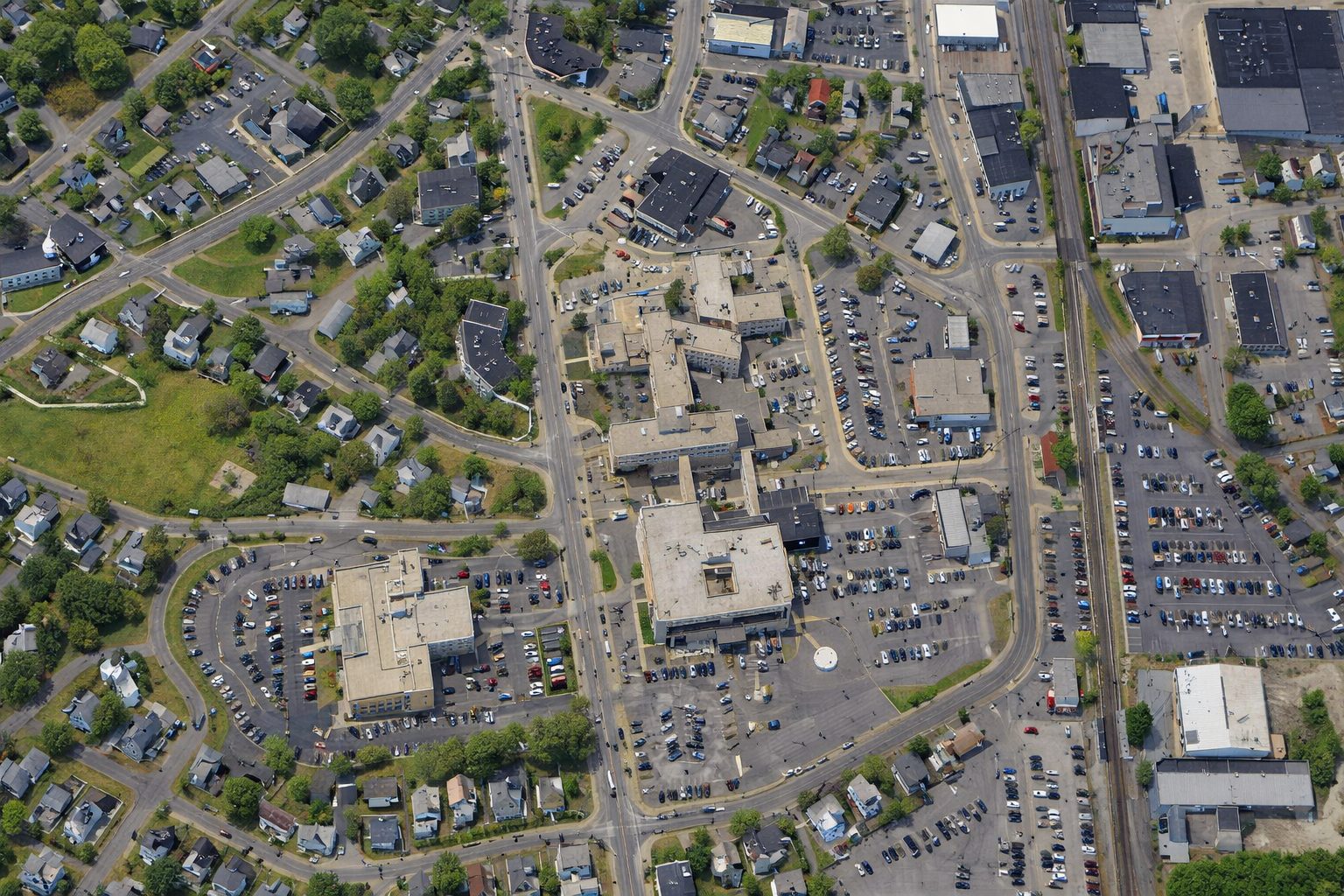
Norwood Hospital Outlines Traffic Solutions for Linden Street-July 11, 1977
Norwood Hospital Expansion and Linden Street Traffic ⠀ On July 11, 1977, Norwood Hospital administration addressed growing concerns among Linden Street residents regarding how future hospital expansion might disrupt local traffic patterns. With the hospital moving forward with its acquisition of Winter Street—which previously provided a thoroughfare between the hospital and the town civic center—residents…
-
Legionnaire’s Disease Case Confirmed-July 9, 1977
Discover how local medical professionals successfully identified and treated a rare case of Legionnaire’s Disease in 1977, confirming the effectiveness of erythromycin treatment.

Discover more from Norwood Historical Society
Subscribe to get the latest posts sent to your email.