
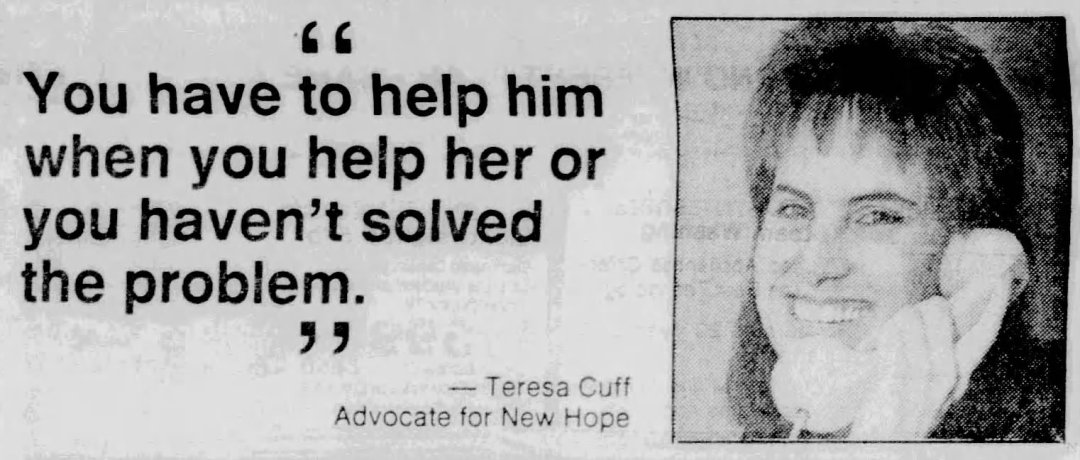
Shelter Program Director Egidia Vergano and Norwood Advocate Teresa Cuff Detail Six Years of Crisis Hotlines, Family Counseling, and Safe Refuge for Battered Women and Children
NORWOOD – Outwardly, their households often appeared quiet and stable to neighbors and extended relatives, yet behind closed doors many local women endured years of physical and emotional abuse before reaching out for assistance. Reported in The Patriot Ledger on Thursday, November 28, 1985, by staff reporter Paul Karon, staff members at New Hope—a six-year-old nonprofit agency operating offices in Norwood Center, Attleboro, and Taunton—outlined how their newly opened walk-in office at 681 Washington Street was providing confidential counseling, legal guidance, and emergency shelter for battered women and their children.
Speaking from the new Washington Street facility, New Hope shelter program director Egidia Vergano and Norwood area advocate Teresa Cuff emphasized how daunting it remained for survivors to break years of silence. “It takes an awful lot of courage to pick up a phone and call a stranger and talk about a problem they may have kept a secret for years,” Vergano said. Left unaddressed, she warned, domestic violence frequently escalated into severe depression, family dissolution, emotional trauma among children, fatal injuries, or suicides brought on by prolonged psychological strain.
Cuff noted that community walk-in centers and crisis lines played a vital role precisely because women often met disbelief or isolation when they confided in relatives or friends. “A lot of times, the women would not be believed,” Cuff explained, adding that viewing abuse strictly as a private “family problem” deterred many victims from seeking outside intervention. “It saddens me to think that there are still women out there who do not know that there are hot lines and walk-in centers,” Vergano added. Across its first six years, New Hope’s three hotlines had fielded more than 9,000 calls from women ranging in age from 18 to 80, offering anonymous emotional support and legal referrals, while its emergency shelter had housed approximately 830 women and children over five years when staying at home proved unsafe.
Drawing on their clinical and advocacy experience, Vergano and Cuff described how abuse typically began with harsh words or intimidation before progressing to physical violence, driven by a desire for power and total control. Vergano observed that social conditioning left many men without nonviolent outlets for anger or frustration—noting that alcohol was involved in more than 90 percent of cases—and stressed that domestic abuse crossed every racial, economic, and social boundary. “It’s not even that all batterers are rotten or no-good,” Vergano said. “That’s how they have learned to control—or not control—their emotions.”
Because violence often repeated across generations—Vergano cited three-year-old children arriving at the shelter already mimicking their fathers’ verbal hostility toward their mothers—New Hope counselors sought to treat the entire family unit whenever possible, offering counseling for abusive partners alongside survivors and children. “You have to help him when you help her, or you haven’t solved the problem,” Cuff emphasized. While acknowledging that women frequently hesitated to leave their homes out of love or financial dependence—“The primary reason a woman will stay in that kind of situation is love. The second reason is money—women feel they cannot afford to leave”—Vergano underscored the organization’s core mission: “We’re not anti-family. We’re just anti-violence.”
(Note: Multi-column newsprint OCR transpositions and pull-quote formatting across the clipping—including OCR symbol artifacts around the pull quote and narrow column line breaks—have been cleanly restored into continuous narrative order.)
Source: The Patriot Ledger • Thursday, November 28, 1985 • Byline: Paul Karon
“We’re not anti-family. We’re just anti-violence.”
Archival Note: This article has been dynamically reconstructed from the original public record print archives of the Patriot Ledger
-
Bicentennial Commission Dedicates Plaque Honoring Past and Present Town Selectmen in Memorial Hall Ceremony-October 15, 1976
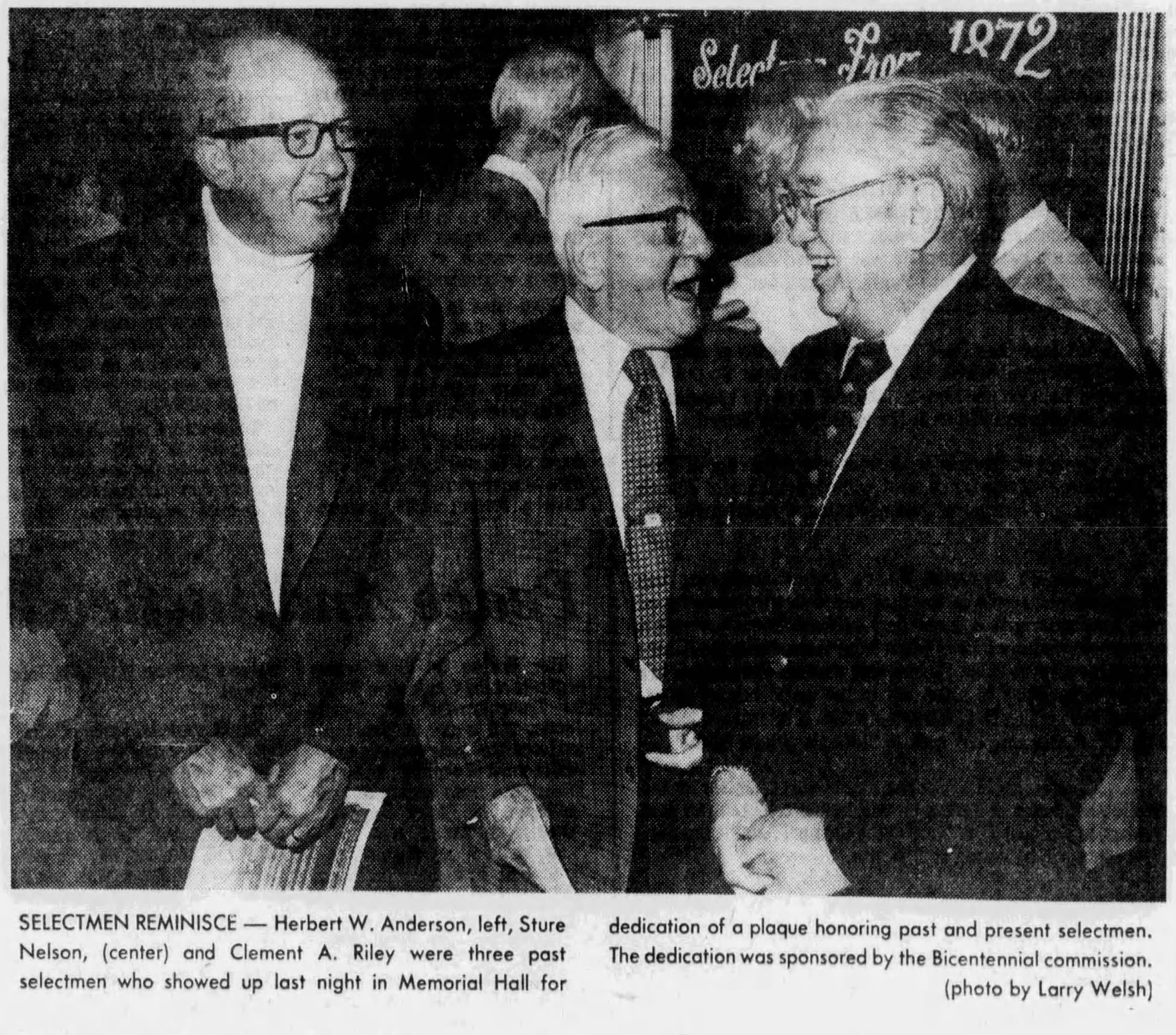
Former Norwood selectmen gather at Memorial Hall for a Bicentennial plaque dedication, sharing memories of town history, budget advice, and decades of municipal service.
-
1950’s Aerial Photo of Downtown Norwood Center
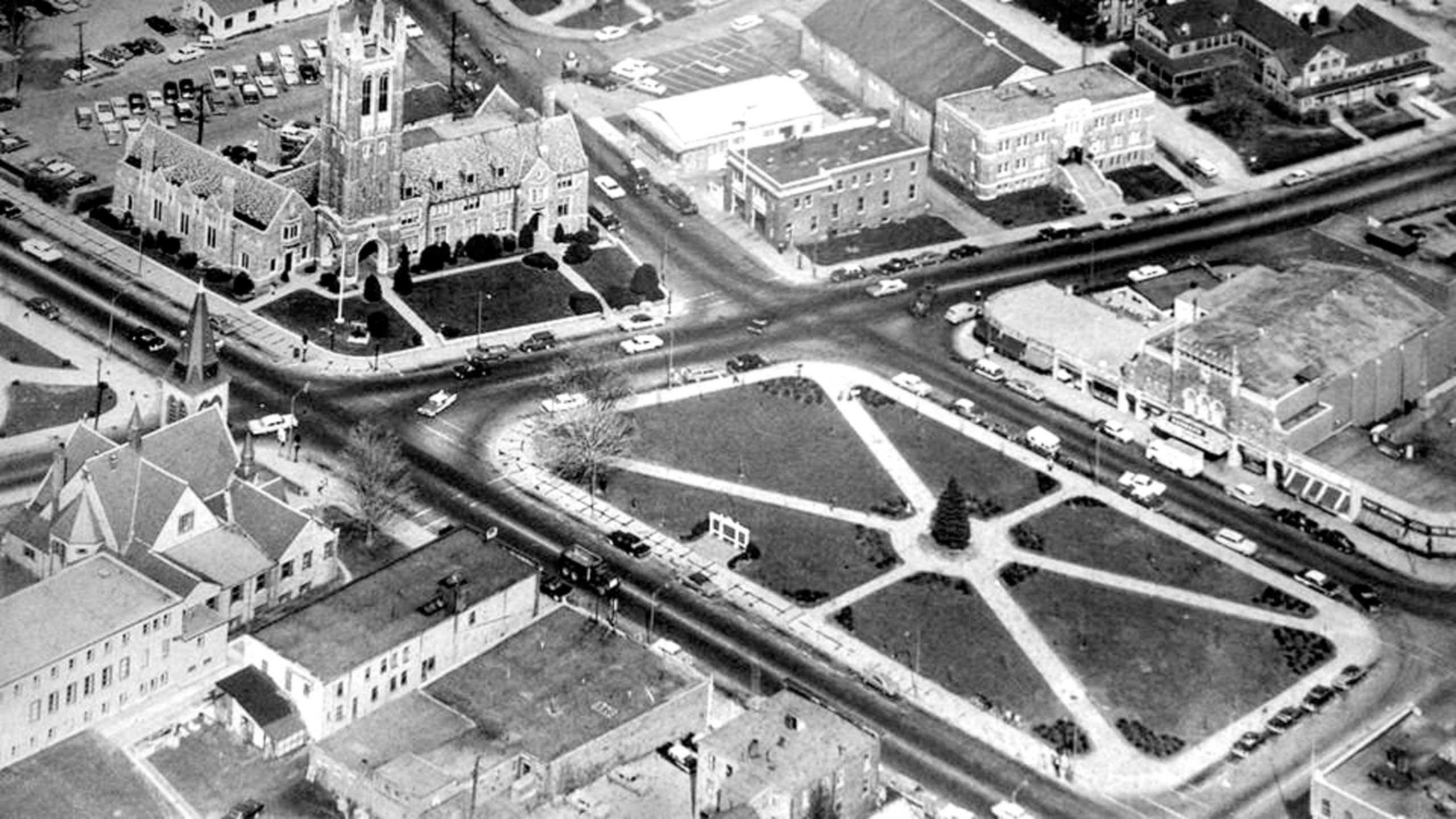
This 1950’s aerial photo shows the downtown area of Norwood and includes the Norwood Town Common, Town Hall, The old Norwood Police and Fire Building (now the OCC), the Norwood Armory (now the Norwood Civic Recreation center), and the Norwood Theater. Below is roughly the same view today, courtesy of Google Earth. The intersection of…
-
1943 Treasury Department Citation – Awarded To the E.J. Shattuck Elementary School
Discover more from Norwood Historical Society Subscribe to get the latest posts sent to your email. Type your email… Subscribe
-
Four Norwood Men With Army Air Force in Pecos, Texas-This Day In Norwood History-March 4, 1943
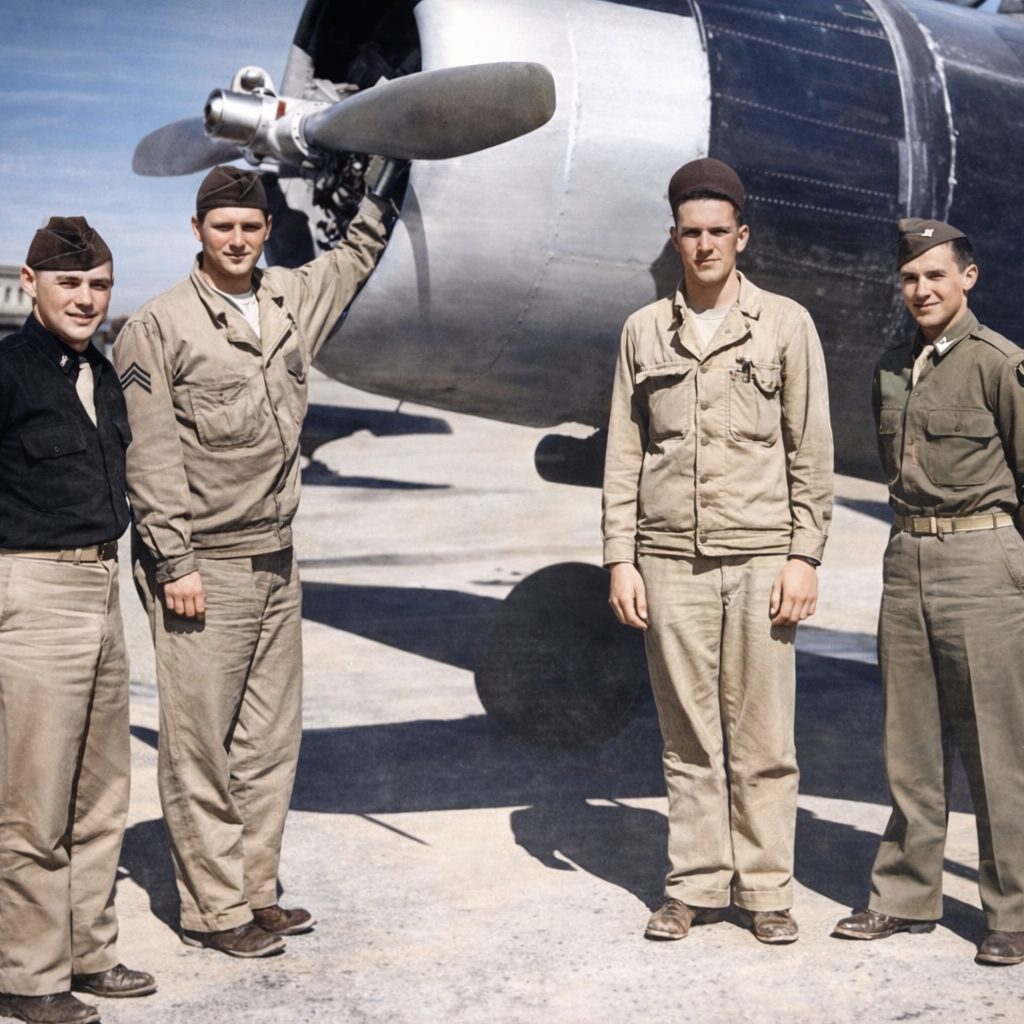
This clipping from the March 3, 1943 edition of the Norwood Messenger shows four Norwood men all serving with the Army Air Force at Pecos Army Air Field, Pecos, Texas. Pictured above with the BT 1 3A Training ships on the flying line – from left to right: Lt. John G. Rizzo, former manager…
-
Uncle Ezra’s History Book; Unique Series Honors Town’s 75th Anniversary-This Day in Norwood History-July 3, 1937
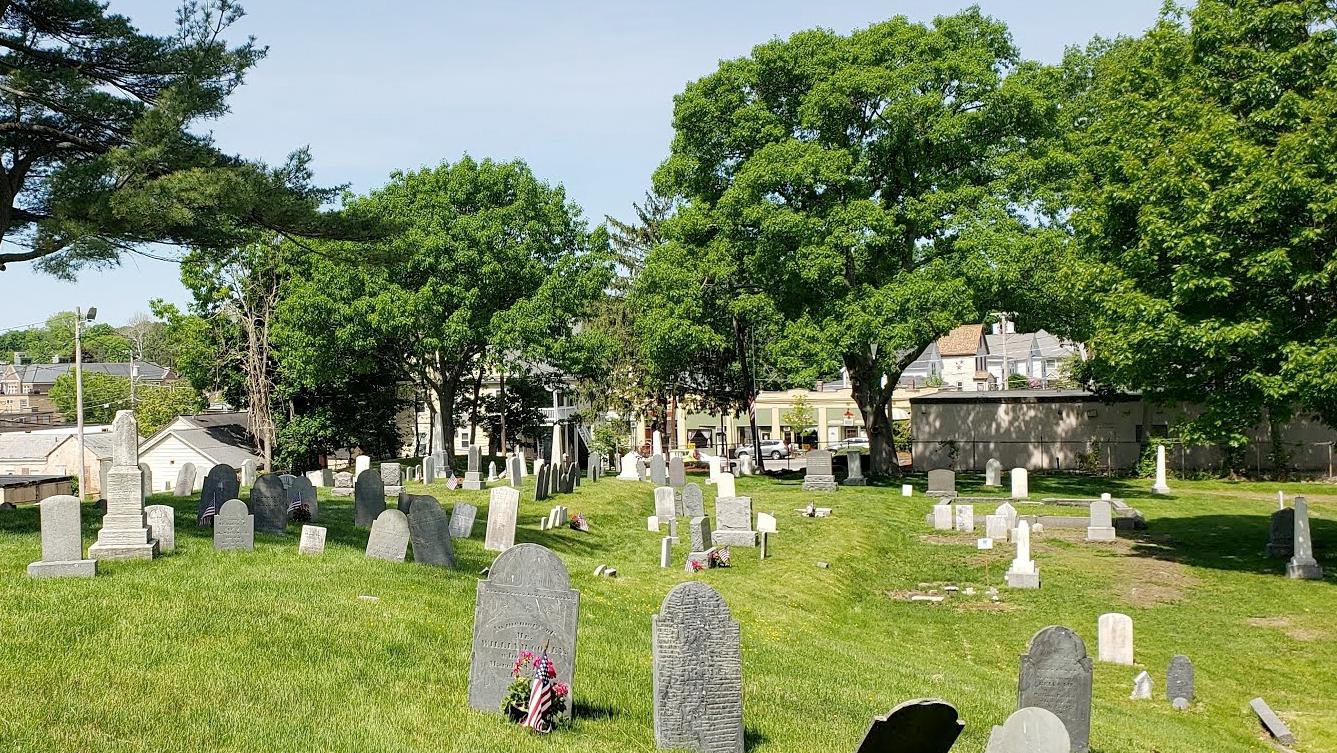
This Day in Norwood History-July 3, 1937-Uncle Ezra’s History Book “Uncle Ezra” (Win Everett) tells a story about the origin of the first burial ground in the South Parish of Dedham, Old parish Cemetery.
-
Norwood Up To Date-October 14, 1898
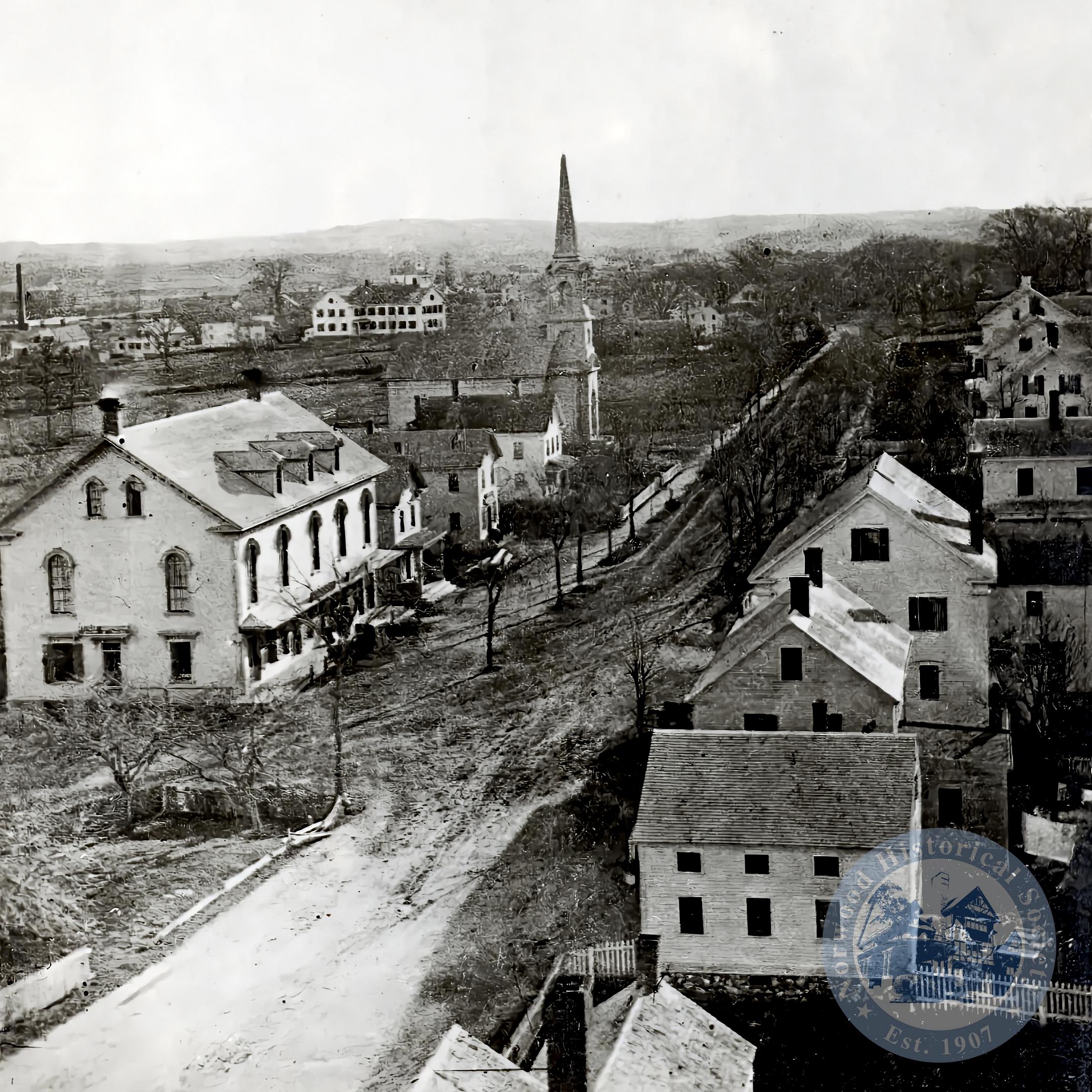
Examining the rapid growth, healthfulness, excellent railroad access, and premier institutions of Norwood, Massachusetts, in an October 1898 town profile.
-
Washington No. 7 Fire House Held a Special Place In Norwood History
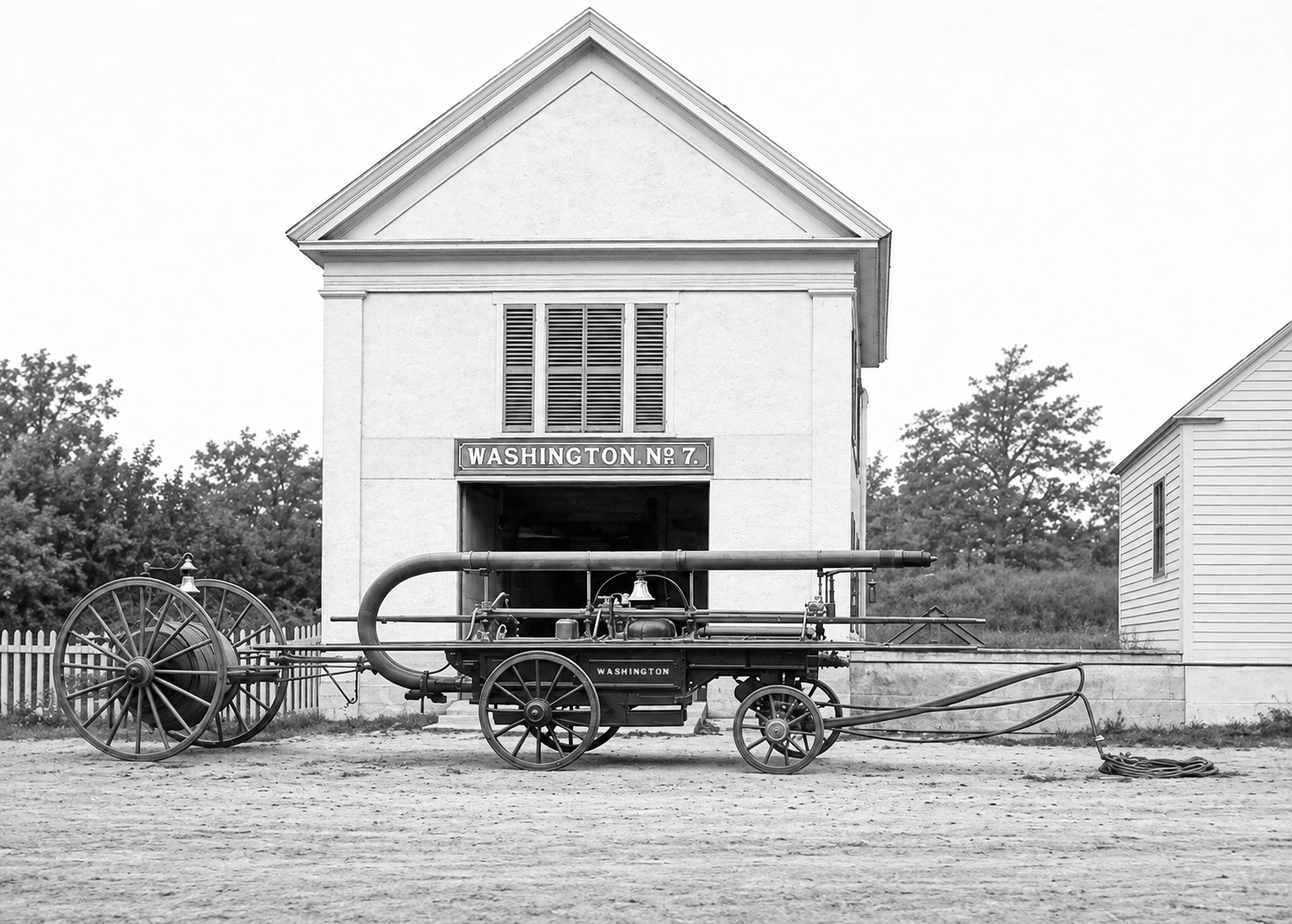
Explore the historical journey from early colonial sawmill disputes with Dedham to the dramatic firehouse rebellions and high school controversies that led to Norwood’s official incorporation in 1872.
Discover more from Norwood Historical Society
Subscribe to get the latest posts sent to your email.