

On July 5, 1978, the town of Norwood faced significant internal challenges involving its public safety personnel and the integrity of the most recent town election. A labor dispute regarding physical health standards for firefighters and a legal challenge over election ballots simultaneously occupied town officials and local courts.
Acting Fire Chief Robert Capeless Jr. initiated a contentious program requiring all members of the fire department to submit to physical examinations and participate in a physical conditioning routine. The order met with immediate resistance, as the entire work crew refused to comply. Chief Capeless argued that a “preventative and maintenance physical program” was necessary for the safety and readiness of the department. He sought consultation with the Board of Selectmen to discuss his next steps, which he indicated could include seeking intervention from the Civil Service Commission, the state Labor Relations Board, or the Norfolk Superior Court.
The firefighters’ union, led by attorney William Lafferty, countered that the order constituted an invasion of privacy and asserted that the Chief lacked the legal authority to impose such requirements. Lafferty maintained that, under state law, physical examinations were only required during original appointments or promotions, not as a condition of ongoing employment. The dispute highlighted a deepening tension between departmental management and the workforce over the scope of administrative oversight.
Simultaneously, the political landscape remained unsettled due to an ongoing lawsuit concerning the recent town election. Unsuccessful selectman candidate William Butters, who had lost the election to Selectman Mary Fox by a margin of five votes, had filed suit to contest the validity of 12 ballots. Butters sought a summary judgment to have the ballots invalidated, which he believed would change the election results. Norfolk Superior Court Judge Henry Chmielinski informed the parties—including Butters’ attorney, Stephen Kravetz, and Norwood Town Counsel Justin C. Barton—that he intended to rule on the validity of the ballots as a matter of law. The judge’s pending decision was expected to be a final determination on the outcome of the seat, marking a tense period for the local democratic process.
Archival Note: This article has been dynamically reconstructed from the original public record print archives of the Patriot Ledger
More Norwood Fire Stories
-
Spectacular Roof Blaze Threatens New Roll-Land-This Day in Norwood History-July 12, 1958
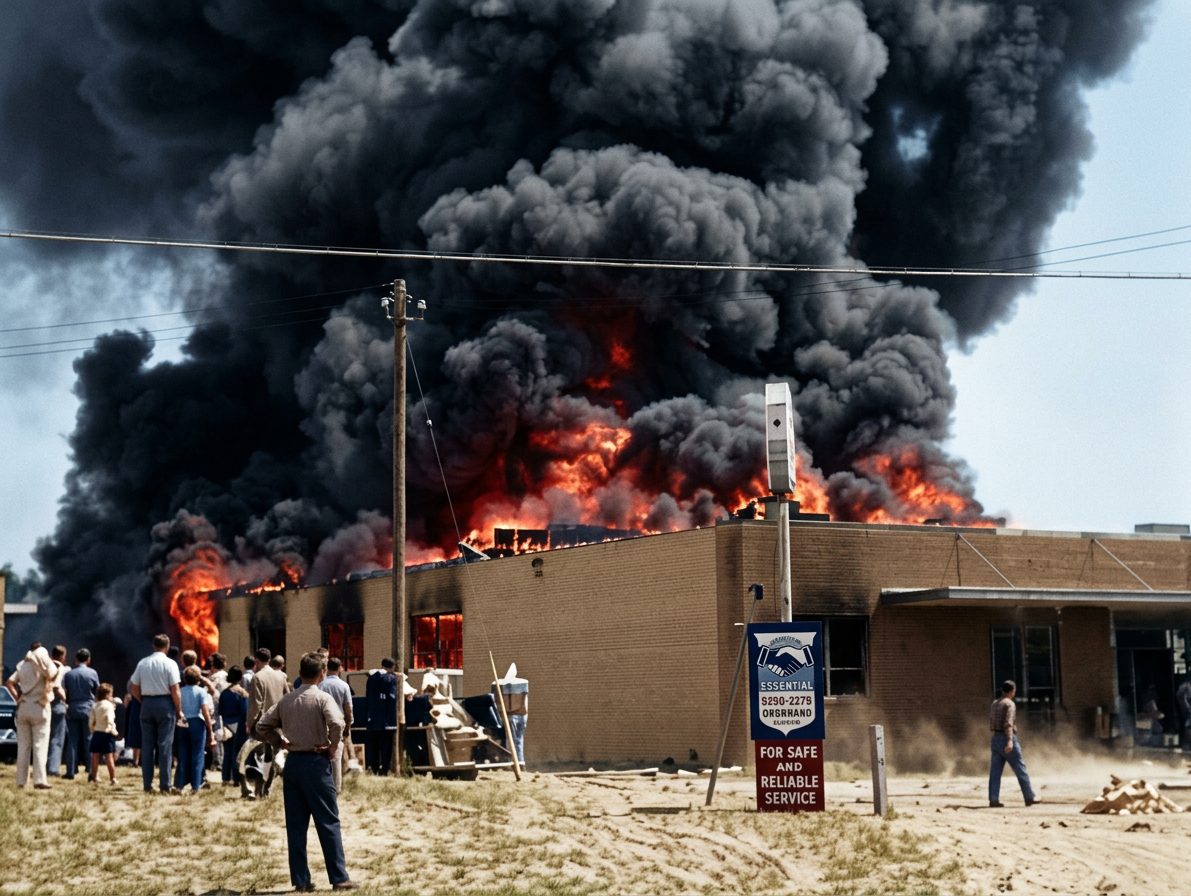
This Day in Norwood History-July 12, 1958-Spectacular Roof Blaze Threatens New Roll-Land
-
Garage Fire-August 15, 1957
Damage estimated at $400 was caused to this two-car garage In the rear of 98 Casey Street, owned by Thomas Conley, on Monday night. A carelessly tossed cigarette Is blamed for the fire. No cars were In the garage at the time. (McLean Photo) (All articles originally appeared in the Norwood Messenger unless otherwise noted)…
-
Lumber Co. Fire Probed By State-July 6, 1953
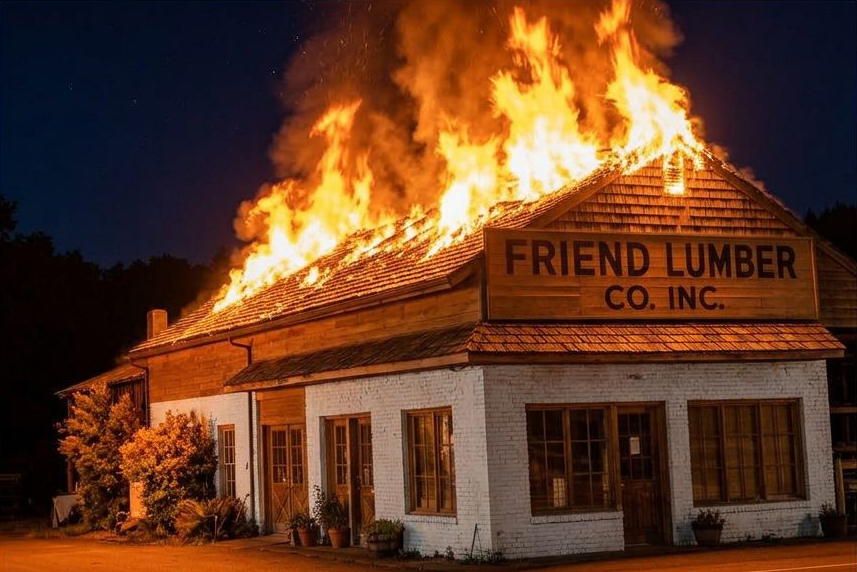
State Fire Marshal investigators are probing the cause of a $100,000 fire that gutted the Friend Lumber Company on Route 1 early Sunday.
-
Deputy Chief Louis F. Parker Dies Directing Men at Norwood Fire-March 10, 1953
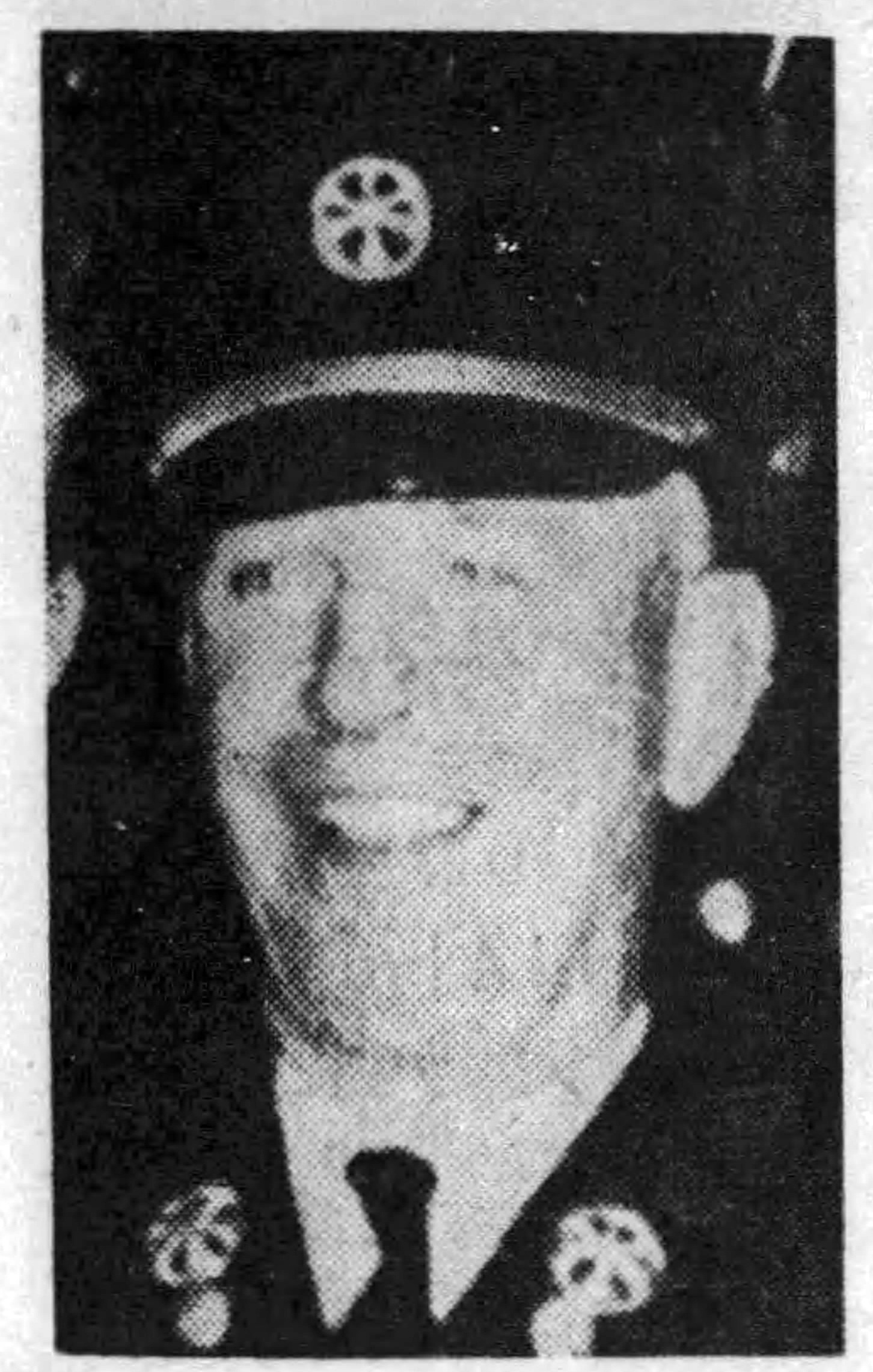
Three Others Hurt as Blaze Damages Bird & Son Plant STRICKEN AT BLAZE—Deputy Chief Louis F. Parker. NORWOOD, March 10 — Deputy Fire Chief Louis F. Parker, 56, collapsed and died while directing operations during a general alarm fire about 3 this afternoon at the Bird & Son plant here. The veteran of 25 years…
-
Firebug Sought in 2 Norwood Blazes-May 1, 1951
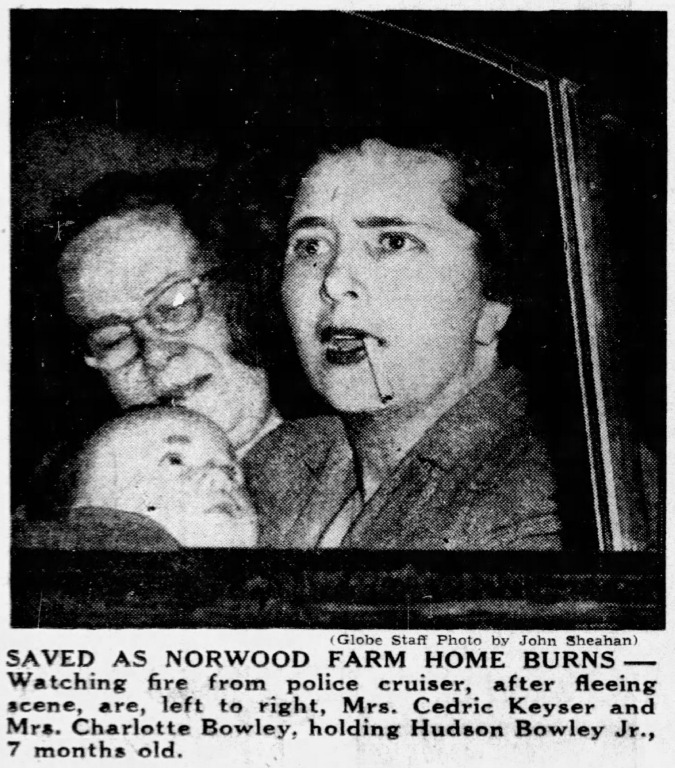
Fire Chief Alonzo Earle today expressed the opinion that “a firebug’ set the two fires on the Forbes estate and the Whittemore Coal Company early this morning. All police officers were called on duty to search the town for a suspect. Three buildings and at least eight head of a herd of 60 cattle were…
-
5 Towns Battle $35,000 Blaze at Norwood Plant-March 3, 1950
Firemen from five towns battled a blaze which gutted the wool shoddy plant of the C W Wool Company, off Lenox st., in near-zero temperatures early this morning, causing damage estimated at $35,000. 1 The fire in the 90-foot long one-story brick structure was discovered about 3 a. m. by patrolmen Frank Walsh and Richard.…
-
Cow Barn Destroyed In Spectacular Fire At Endean Farm-Loss $15,000-This Day in Norwood History-June 30, 1949

This Day in Norwood History-June 30, 1949-Cow Barn Destroyed In Spectacular Fire At Endean Farm-Loss $15,000
-
Cigarette Blamed For General Alarm Fire At Norwood VFW Quarters-This Day In Norwood History-March 10, 1949
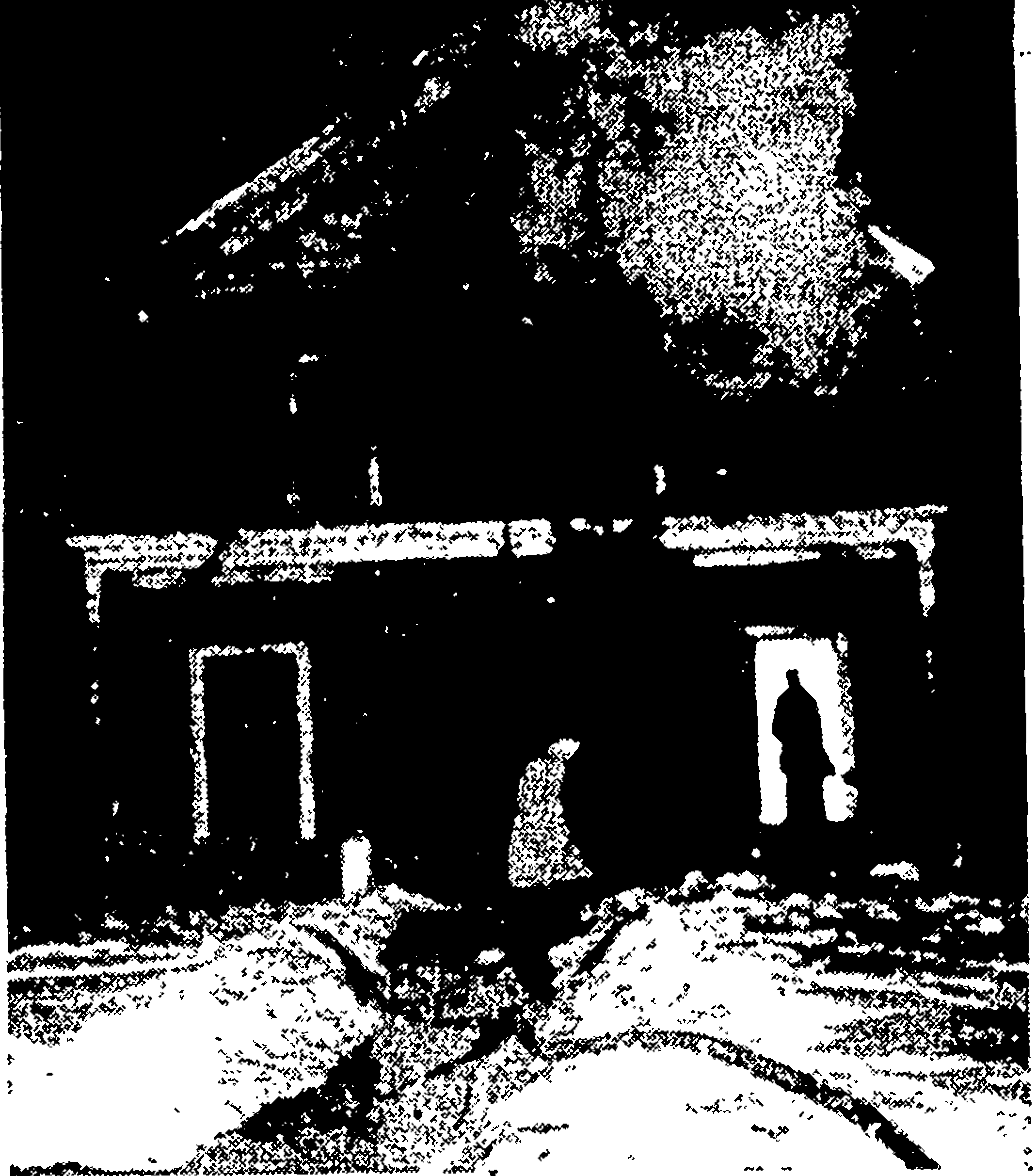
A carelessly tossed cigarette caused the general alarm fire that gutted the interior of the VFW headquarters on Railroad Avenue early Saturday morning, at which three firemen were injured, none seriously, Fire Chief Alonzo N. Earle announced this week. The firemen injured were Leo Storme who suffered a cut on the left hand Timothy Balfour,…
-
Norwood Fire Sweeps V. F. W. Home; 2 Hurt-This Day In Norwood History-March 5, 1949
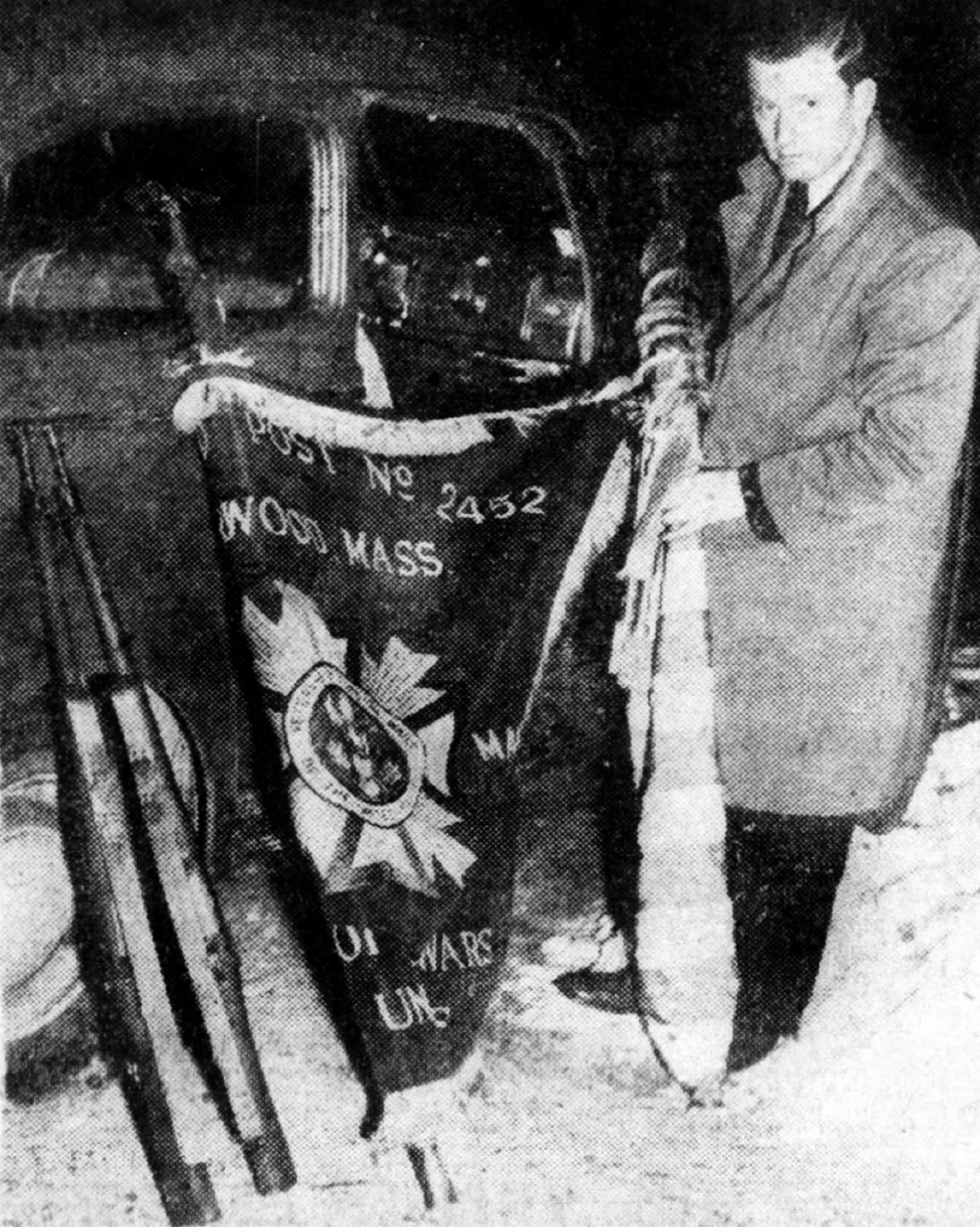
V. F. W..COMMANDER Joseph Paduck shown with Norwood Post’s colors and other property he saved when fire wrecked headquarters this morning. NORWOOD, March 5—Two firemen were injured and several families were driven from nearby dwellings as a general alarm fire destroyed the 2 1/2 -story wooden home of Norwood Post. V. F. W., at 85…
-
All Bowling Alleys Saved In $10,000 Sport Center-This Day in Norwood History-February 24, 1948

Quick Work By Firemen Confines Blaze To One Part Of Structure The quick action of the Norwood Fire Department was credited with preventing damage to the alleys at the Norwood Sport Center which was burned to the extent of an estimated $10,000 Sunday night. The fire which is believed to have started in the basement,…
Discover more from Norwood Historical Society
Subscribe to get the latest posts sent to your email.