
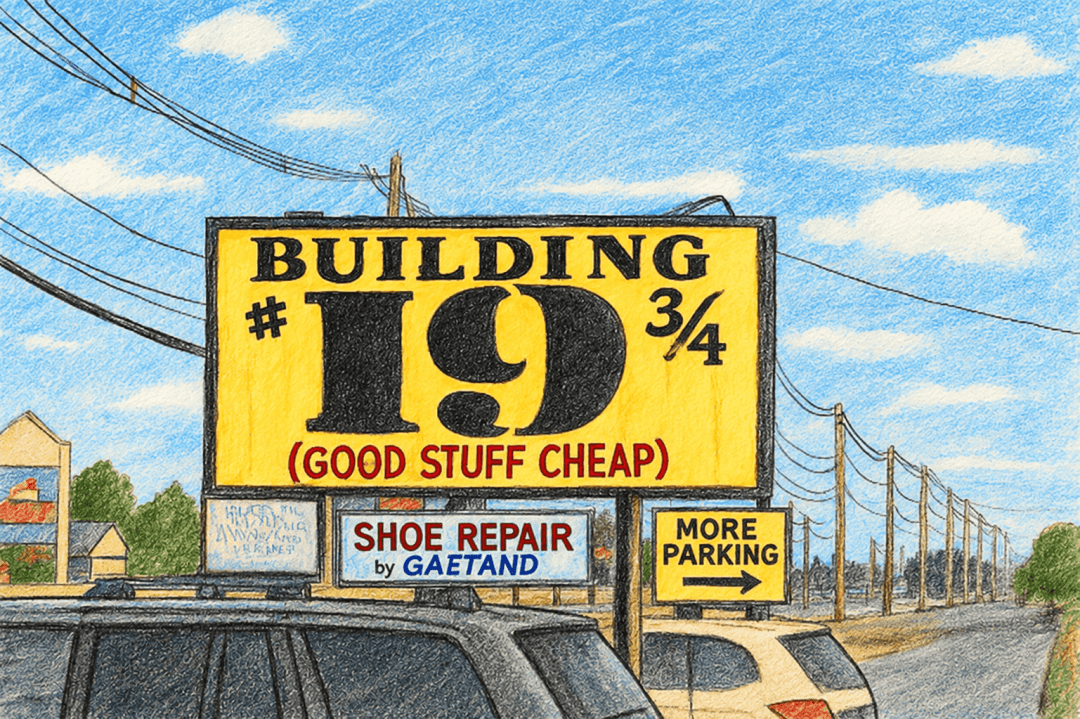
Building 19 in Norwood wasn’t just a discount store—it became a local legend, spawning ghost stories, urban myths, and tales of strange sightings that still circulate today. From mysterious noises in the warehouse to rumors of secret tunnels beneath Route 1, the site has inspired decades of speculation and storytelling.
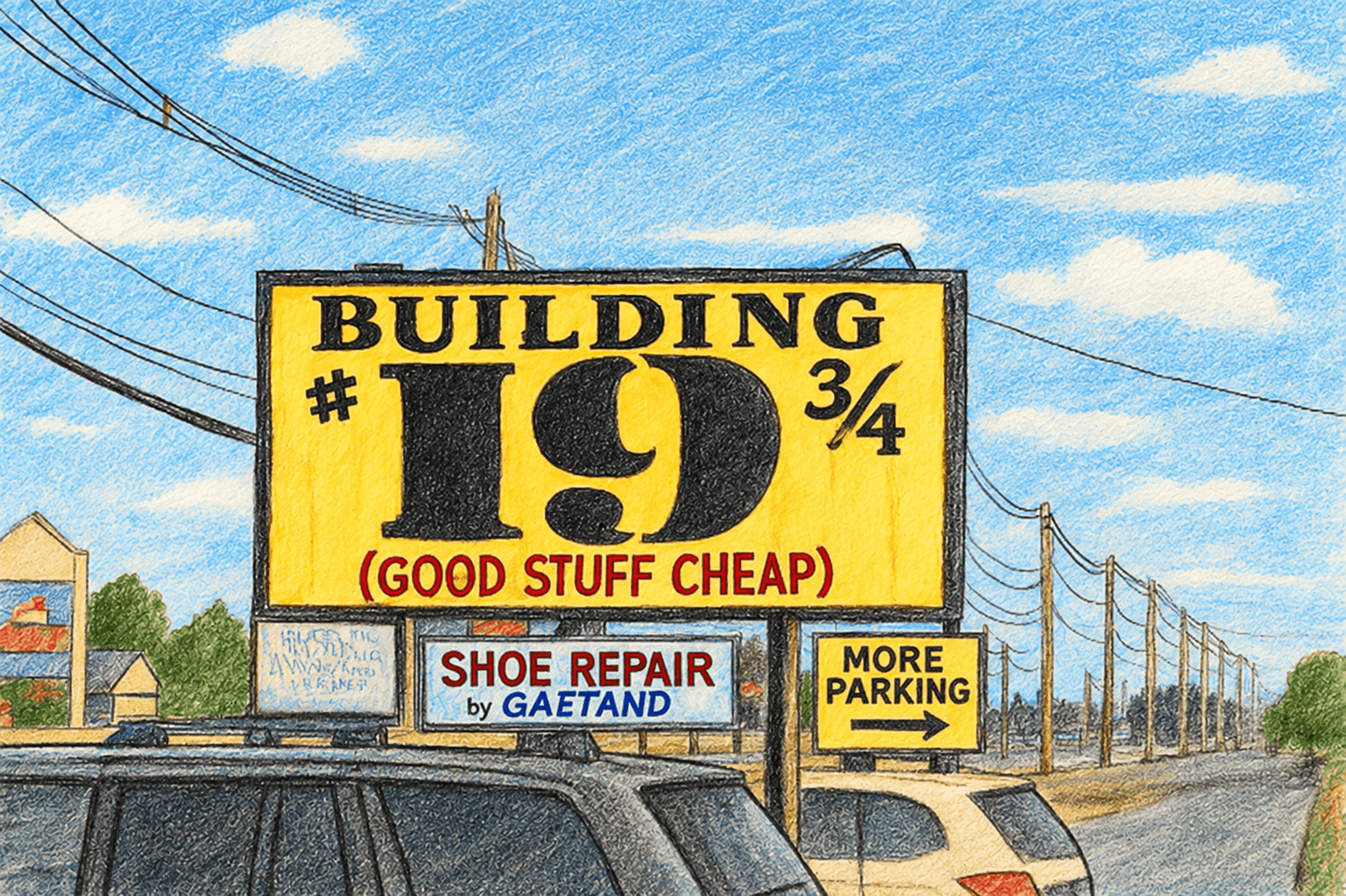
Building 19 was a chain of unique warehouse-style New England discount stores that offered “good stuff cheap” for over 50 years before being forced into bankruptcy in 2013.
Origins of Building 19: The Hingham Shipyard Years
The story of Building 19 begins not in Norwood, nor even in the Route 1 commercial corridor that would later become synonymous with the chain’s identity, but on the South Shore, in the remnants of a once‑vast industrial complex that had helped fuel the American war effort. The Hingham Shipyard, constructed rapidly during World War II as part of the Emergency Shipbuilding Program, was a sprawling network of steel‑framed buildings, slipways, and warehouses. At its peak, the shipyard employed more than 23,000 workers and produced 227 vessels, including destroyer escorts and landing ships. When the war ended in 1945, the shipyard’s purpose evaporated almost overnight. The federal government decommissioned the facility, and the property entered a long period of partial vacancy, sporadic reuse, and gradual decline.
By the early 1960s, the shipyard’s cavernous buildings—numbered rather than named—were being leased to small manufacturers, storage companies, and entrepreneurs who needed inexpensive space. Among these tenants was a former traveling salesman named Jerry Ellis, who had grown up in Boston and spent his early career in a variety of retail and merchandising roles. Ellis had a keen eye for undervalued goods and a willingness to experiment with unconventional business models. He was also, by his own later admission, “cheap,” a trait that would become central to the identity of the company he founded.
The origin story of Building 19 has been repeated in interviews, memoirs, and newspaper profiles, and while the details vary slightly depending on the source, the core narrative is consistent. Ellis leased a portion of Building 19 at the Hingham Shipyard to sell surplus merchandise he had acquired from auctions, liquidations, and closeouts. The building already bore a large metal sign reading “Building 19,” a remnant of the shipyard’s wartime numbering system. Ellis, unwilling to spend money on new signage, simply kept the name. In later interviews, he described the decision as both practical and humorous: “Why pay for a sign when the government already gave me one for free?”
The first Building 19 store opened in 1965, occupying a portion of the shipyard’s industrial space. The early operation was modest, with Ellis personally arranging merchandise, writing signs, and greeting customers. The store’s inventory was eclectic from the beginning: furniture, rugs, clothing, tools, books, and household goods, all purchased at steep discounts from companies looking to offload excess stock. Ellis’s approach was opportunistic rather than strategic; he bought whatever he could get cheaply and trusted that customers would appreciate the savings.
The Hingham store quickly developed a reputation for its unusual layout, unpredictable inventory, and humorous signage. Ellis hand‑lettered many of the early signs himself, often including jokes, puns, or self‑deprecating remarks. This informal, irreverent style distinguished Building 19 from traditional department stores and discount retailers. Customers came not only for bargains but for the experience of browsing through a warehouse filled with unexpected finds.
The store’s success in Hingham was driven by several factors. First, the postwar suburban boom had created a large population of homeowners seeking affordable furnishings and household goods. Second, the rise of mass production and global trade had increased the availability of surplus and overstock merchandise. Third, Ellis’s business model—buying low and selling low—allowed him to offer prices that were difficult for competitors to match.
By the late 1960s, Building 19 had become a fixture of the South Shore retail landscape. Newspaper advertisements from the period, preserved in microfilm at the Boston Public Library and in digital archives such as Newspapers.com, show a steady increase in the store’s visibility. The ads emphasized low prices, humor, and the unpredictability of the inventory. One early advertisement described the store as “a place where you never know what you’ll find, but you know it will be cheap.”
The Hingham location also benefited from the shipyard’s physical characteristics. The large, open warehouse spaces allowed for flexible merchandising and rapid reconfiguration. The industrial setting reinforced the store’s identity as a no‑frills operation focused on value rather than aesthetics. Customers accepted the lack of traditional retail amenities—such as carpeting, climate control, or organized aisles—because the savings were substantial.
As Building 19 grew, Ellis began to formalize aspects of the business while retaining its informal culture. He hired additional staff, expanded the store’s footprint within the shipyard, and developed relationships with suppliers who specialized in liquidations and closeouts. He also began to experiment with advertising formats, including the comic‑style circulars that would later become a hallmark of the brand. These circulars, illustrated by cartoonist Mat Brown, combined humor with detailed descriptions of merchandise and prices. They were distributed through newspapers and direct mail, reaching a wide audience across eastern Massachusetts.
The success of the Hingham store eventually led Ellis to consider expansion. The second location, known as Building 19 ½, opened in Burlington, Massachusetts, in the early 1970s. Like the Hingham store, the Burlington location occupied a repurposed industrial building and offered a similar mix of merchandise. The naming convention—using fractional numbers to designate new stores—reflected Ellis’s sense of humor and reinforced the brand’s identity as unconventional and irreverent.
By the time Ellis began exploring the possibility of opening a store in Norwood, Building 19 had established itself as a regional retail phenomenon. The company’s growth was driven not by traditional corporate planning but by Ellis’s instinctive approach to opportunity. When a suitable building became available at a reasonable price or lease rate, Ellis acted quickly. This opportunistic strategy allowed the company to expand into markets that were underserved by traditional retailers.
The decision to open a store in Norwood was influenced by several factors. The town’s location along the Providence Highway (Route 1) made it a prime site for retail development. The corridor had already begun to attract large stores, car dealerships, and commercial enterprises, and its proximity to major highways provided easy access for customers from surrounding communities. Additionally, the availability of a large building at 1450 Providence Highway—a structure with the size and layout suitable for Building 19’s warehouse‑style operation—made the site particularly attractive.

Before the Norwood store opened, Ellis and his team conducted a review of the building’s condition, zoning status, and potential for renovation. Town records from the early 1980s, including building permits and planning board documents, indicate that the property required modifications to meet safety and accessibility standards. These included upgrades to electrical systems, fire suppression equipment, and loading dock facilities. The company worked with local contractors to complete the necessary improvements while maintaining its commitment to minimizing costs.
The Norwood store, designated Building 19 ¾, opened in the mid‑1980s. Its fractional number reflected its position in the company’s expansion sequence and reinforced the brand’s playful identity. The store quickly became a major retail destination for residents of Norwood and surrounding towns. Its opening marked a significant milestone in the company’s history, representing both geographic expansion and the maturation of its business model.
The Hingham Shipyard location remained the flagship store throughout this period, serving as the company’s operational hub and cultural center. It was here that Ellis continued to refine his approach to merchandising, advertising, and customer engagement. The shipyard’s industrial environment, with its vast open spaces and utilitarian architecture, shaped the company’s identity and influenced the design of subsequent stores.
By the time Building 19 reached its peak in the 1990s, the Hingham store had become a symbol of the company’s origins and values. It embodied the principles that had guided Ellis from the beginning: frugality, humor, opportunism, and a commitment to offering customers “good stuff cheap.” These principles would continue to define the company as it expanded into new markets, including Norwood, and faced the challenges of an evolving retail landscape.
The origins of Building 19 in the Hingham Shipyard provide essential context for understanding the company’s later development, including its expansion into Norwood. The shipyard’s industrial environment, the postwar economic climate, and Ellis’s entrepreneurial instincts all contributed to the formation of a retail model that was both unconventional and successful. The Hingham store served as the foundation upon which the company built its regional presence, and its legacy continued to influence the company long after the Norwood store opened.
Jerry Ellis: The Man Behind the Madness
The history of Building 19 cannot be understood without examining the life, personality, and business philosophy of its founder, Jerry Ellis. His approach to retailing—unconventional, humorous, opportunistic, and deeply rooted in frugality—shaped every aspect of the company’s identity. Ellis’s personal background, early career, and evolving philosophy of merchandising formed the foundation upon which Building 19 was built, and his influence remained central to the company’s operations until its closure in 2013.
Ellis was born in Providence, Rhode Island and raised in Hartford, Connecticut. His father worked in small‑scale retail and repair trades, and his mother managed the household. Interviews conducted later in his life, including those cited in The Boston Globe, The Patriot Ledger, and the memoir written by his daughter, describe Ellis as a bright, curious child with a strong sense of humor and an early interest in how businesses operated.
After graduating from high school, Ellis served in the United States Navy near the end of World War II. His military service was brief, but it exposed him to large‑scale logistics and supply operations—an experience that would later influence his understanding of surplus goods and the secondary market. Following his discharge, Ellis attended Boston University, where he studied business administration. University records confirm his enrollment, though he did not complete a degree. Instead, he left school to pursue work in sales, a field that offered immediate income and practical experience.
Ellis’s early career included positions as a traveling salesman, a buyer for small retail operations, and a participant in liquidation auctions. These roles provided him with firsthand exposure to the world of surplus merchandise, closeouts, and distressed inventory. He learned how to evaluate goods quickly, negotiate prices, and identify opportunities in markets that traditional retailers overlooked. Former colleagues interviewed in local newspapers described Ellis as energetic, observant, and willing to take risks that others avoided.

By the early 1960s, Ellis had developed a reputation as a skilled buyer with a talent for finding bargains. He began purchasing larger quantities of surplus goods, often storing them in rented warehouses or selling them directly to small retailers. This period marked the beginning of his transition from salesman to entrepreneur. He recognized that the postwar economy had created a growing supply of excess inventory—products that manufacturers and distributors needed to offload quickly and cheaply. At the same time, suburbanization had created a large population of consumers seeking affordable household goods.
The convergence of these trends led Ellis to consider opening his own retail operation. He needed a large, inexpensive space where he could store and sell merchandise without the overhead costs associated with traditional retail stores. The Hingham Shipyard, with its vacant industrial buildings and low rental rates, offered an ideal solution. Ellis leased a portion of Building 19 in 1965, marking the beginning of what would become one of New England’s most distinctive retail chains.
Ellis’s decision to keep the building’s existing sign—“Building 19”—was characteristic of his frugality and humor. In interviews, he often recounted the story with amusement, emphasizing that he saw no reason to spend money on a new sign when a perfectly good one was already in place. This anecdote became part of the company’s origin myth, illustrating Ellis’s practical approach to business and his willingness to embrace unconventional branding.
From the outset, Ellis rejected the polished, carefully curated aesthetic of traditional department stores. He believed that customers cared more about value than presentation, and he structured his business accordingly. The Hingham store was intentionally sparse, with merchandise displayed on pallets, tables, or makeshift shelving. Signs were handwritten, often with jokes or self‑deprecating remarks. The store’s layout was fluid, changing frequently as new merchandise arrived. This approach minimized costs and reinforced the sense of discovery that became central to the Building 19 shopping experience.
Ellis’s humor played a significant role in shaping the company’s identity. He used jokes, puns, and satire to engage customers and differentiate the store from competitors. This humor extended to advertising, signage, and even internal communications. The company’s circulars, illustrated by cartoonist Mat Brown, became widely recognized for their comic‑book style and irreverent tone. These circulars were not merely marketing tools; they were expressions of Ellis’s personality and philosophy.
Despite the humor, Ellis approached the business with seriousness and discipline. He was deeply involved in purchasing decisions, often traveling to auctions, warehouses, and liquidation sales to acquire merchandise. He evaluated goods based on quality, price, and potential customer appeal, and he negotiated aggressively to secure favorable deals. Employees who worked with him during this period described him as demanding but fair, with high expectations for performance and a strong commitment to customer satisfaction.
Ellis’s approach to management was informal but effective. He valued employees who were adaptable, resourceful, and willing to work in a fast‑paced, unpredictable environment. Many long‑time employees recalled that Ellis encouraged initiative and rewarded those who demonstrated creativity in solving problems. At the same time, he maintained strict control over key aspects of the business, particularly purchasing and pricing.
As Building 19 expanded beyond Hingham, Ellis remained closely involved in the development of new stores. He personally evaluated potential locations, negotiated leases, and oversaw renovations. His decision to designate new stores with fractional numbers—such as Building 19 ½ in Burlington and Building 19 ¾ in Norwood—reflected his playful approach to branding. These fractional numbers became part of the company’s identity, reinforcing its reputation as unconventional and humorous.
Ellis’s leadership style was shaped by his belief in frugality and efficiency. He avoided unnecessary expenses, reused materials whenever possible, and encouraged employees to find cost‑effective solutions. This frugality extended to the company’s physical spaces, which were often minimally renovated and retained their industrial character. Customers accepted these conditions because they understood that the savings were passed on to them.
Throughout the 1970s and 1980s, Ellis continued to refine his business model. He developed relationships with manufacturers, distributors, and liquidators who supplied the company with a steady stream of merchandise. He also expanded the company’s advertising efforts, using humor and creativity to attract customers. The circulars became a key component of the company’s marketing strategy, and their distinctive style helped build brand recognition across New England.
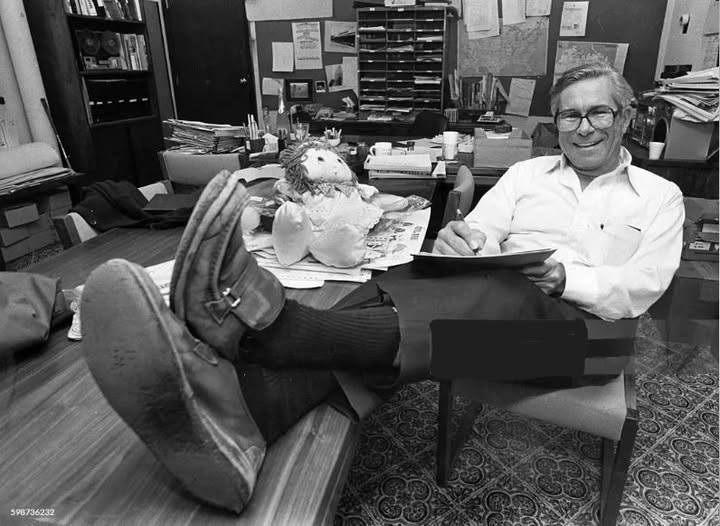
Ellis’s influence extended beyond the company’s operations. He became a recognizable figure in the region, known for his humor, frugality, and unconventional approach to business. Local newspapers frequently profiled him, and he was often quoted in articles about retail trends, consumer behavior, and the challenges facing independent retailers. His insights were valued because they were grounded in decades of practical experience and a deep understanding of the secondary market.
Despite his success, Ellis remained modest and approachable. Employees and customers alike described him as friendly, down‑to‑earth, and willing to engage in conversation. He often walked through the stores, talking with customers and observing how merchandise was displayed. These interactions informed his decisions and reinforced his belief in the importance of understanding customer needs.
Ellis’s leadership was instrumental in guiding Building 19 through periods of economic change. The company weathered recessions, shifts in consumer behavior, and increasing competition from big‑box retailers. Ellis adapted by expanding the company’s product offerings, exploring new markets, and maintaining a focus on value. His ability to identify opportunities in challenging circumstances was a key factor in the company’s longevity.
By the time the Norwood store opened, Ellis had established Building 19 as a regional retail institution. His philosophy of offering “good stuff cheap” resonated with customers, and his humor created a sense of community around the brand. The company’s expansion into Norwood was a natural extension of Ellis’s vision, and the store quickly became one of the chain’s most successful locations.
Ellis continued to lead the company until his retirement, though he remained involved in an advisory capacity. He passed away on November 11, 2017, leaving behind a legacy that extended far beyond the stores he founded.
The story of Jerry Ellis is essential to understanding Building 19. His personality, humor, and business philosophy shaped every aspect of the company, from its branding to its operations. His influence continued to guide the company long after his retirement, and his legacy remains central to the history of Building 19 in Norwood and beyond.
The Road to Norwood: Why Route 1 Became the Next Frontier
The expansion of Building 19 into Norwood was not an isolated decision but the result of a broader set of economic, geographic, and commercial forces that shaped retail development in eastern Massachusetts during the second half of the twentieth century. Understanding why Jerry Ellis selected Norwood—and specifically the Providence Highway corridor—as the site for Building 19 ¾ requires examining the evolution of Route 1, the shifting patterns of suburban growth, and the changing retail landscape of the region.
The Providence Highway section of Route 1 that runs through Dedham, Westwood, and Norwood emerged as a major commercial artery in the decades following World War II. Originally a patchwork of local roads and state routes, the corridor was widened, straightened, and modernized during the 1930s and 1940s as part of statewide infrastructure improvements. By the 1950s, Route 1 had become a heavily traveled connector between Boston and Providence, carrying both commuter traffic and long‑distance travelers. Its accessibility made it an attractive location for businesses seeking visibility and high customer volume.
The transformation of Route 1 into a retail destination accelerated during the 1960s and 1970s. As suburban populations grew, national chains and local entrepreneurs recognized the potential of the corridor. Car dealerships, furniture stores, appliance retailers, and restaurants began to cluster along the highway, taking advantage of large parcels of land and the steady flow of traffic. The construction of the Dedham Mall in 1969 and the Norwood Plaza in the early 1970s further solidified the area’s status as a regional shopping hub.
Town records, including Norwood planning board minutes and annual reports from the 1960s through the 1980s, document the steady increase in commercial development along the Providence Highway. These records show that the town actively encouraged retail growth in the corridor, viewing it as a source of tax revenue and employment. Zoning maps from the period designate large sections of Route 1 as commercial or industrial, reflecting the town’s long‑term vision for the area.
By the early 1980s, the Route 1 corridor in Norwood had become a diverse mix of retail, automotive, and light industrial uses. Large stores such as Lechmere, Sears Surplus, Grossman’s, and Spag’s (in nearby towns) had demonstrated the viability of warehouse‑style retail formats in suburban markets. These stores offered a combination of low prices, large inventories, and convenient access—attributes that aligned closely with the Building 19 business model.
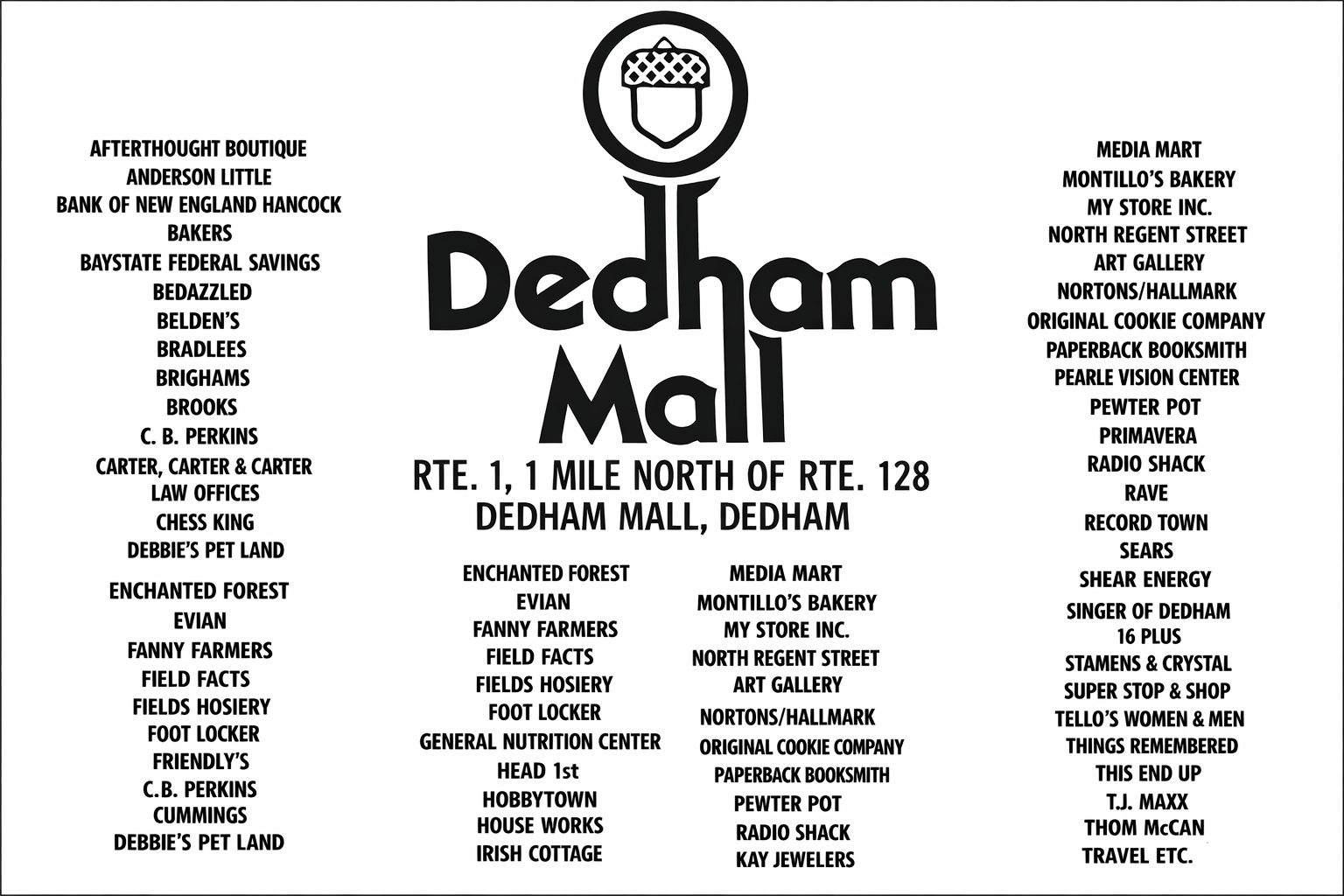
For Jerry Ellis, the Route 1 corridor represented an ideal environment for expansion. The area’s demographics were favorable: Norwood and its neighboring towns had stable, middle‑class populations with strong homeownership rates. Census data from the 1970s and 1980s show that households in the region had consistent demand for affordable furniture, home goods, and clothing—categories that Building 19 specialized in. Additionally, the corridor’s high traffic volume ensured visibility and accessibility for customers from a wide geographic area.
The availability of a suitable building was a critical factor in Ellis’s decision to open a store in Norwood. The property at 1450 Providence Highway was a large, 65,000‑square‑foot structure that had previously been used for industrial or commercial purposes. Town assessor records from the early 1980s describe the building as a single‑story warehouse with loading docks, open floor space, and ample parking—features that aligned with Building 19’s operational needs. The building’s size allowed for the display of large quantities of merchandise, while its layout facilitated efficient stocking and customer flow.
Before committing to the site, Ellis and his team conducted a review of the property’s condition and potential. Building permits and inspection reports from the period indicate that the structure required upgrades to meet fire safety and electrical standards. These included the installation of additional sprinklers, improvements to emergency exits, and updates to wiring and lighting. The company worked with local contractors to complete the necessary renovations, adhering to town regulations while maintaining its commitment to minimizing costs.
The decision to designate the Norwood store as Building 19 ¾ reflected Ellis’s characteristic humor and the company’s established naming convention. The fractional numbering system had begun with the Burlington store, known as Building 19 ½, and continued with subsequent locations. This approach reinforced the brand’s identity as unconventional and playful, distinguishing it from competitors and creating a sense of continuity across the chain.
The timing of the Norwood store’s opening coincided with broader trends in the retail industry. The 1980s saw the rise of big‑box retailers such as Walmart, Home Depot, and BJ’s Wholesale Club, which offered large inventories and low prices in warehouse‑style settings. While these national chains posed potential competition, they also validated the warehouse retail model and increased consumer familiarity with large‑format stores. Building 19, with its emphasis on surplus and closeout merchandise, occupied a distinct niche within this landscape.
Local newspapers reported on the opening of Building 19 ¾, noting the store’s size, inventory, and unique approach to retailing. Articles from the period highlight the store’s appeal to bargain‑hunters and its role in diversifying the retail offerings along Route 1. The store quickly became a destination for residents of Norwood, Walpole, Westwood, Dedham, and other nearby towns.
The economic impact of the store’s opening was significant. Town reports from the mid‑1980s show an increase in commercial tax revenue associated with the property, as well as the creation of new jobs. Building 19 employed a mix of full‑time and part‑time workers, including sales staff, stockers, cashiers, and managers. The store’s operations also supported local contractors, suppliers, and service providers.
The location of Building 19 ¾ along Route 1 contributed to its success by providing easy access for customers traveling by car. The store’s large parking lot accommodated high volumes of traffic, particularly during weekends and holiday seasons. The visibility of the building from the highway, combined with the company’s distinctive signage and advertising, helped attract new customers and reinforce brand recognition.
The decision to expand into Norwood was also influenced by the company’s desire to reach new markets. While the Hingham and Burlington stores served the South Shore and northern suburbs, respectively, the Norwood location allowed Building 19 to tap into the southwestern suburbs of Boston. This strategic expansion increased the company’s geographic reach and diversified its customer base.
In addition to its commercial advantages, the Norwood location offered logistical benefits. The store’s proximity to major highways, including Interstate 95 and Route 128, facilitated the transportation of merchandise from suppliers and distribution centers. This accessibility reduced shipping costs and improved the efficiency of inventory management.
The opening of Building 19 ¾ marked a significant milestone in the company’s history. It demonstrated the viability of the Building 19 model in new markets and reinforced the company’s reputation as a regional retail leader. The store’s success in Norwood contributed to the company’s continued expansion during the late 1980s and 1990s, as additional locations were opened in Rhode Island, New Hampshire, and other parts of Massachusetts.
The Route 1 corridor continued to evolve in the years following the store’s opening. New retailers, restaurants, and service businesses entered the market, increasing competition but also attracting more customers to the area. Building 19 ¾ remained a prominent fixture along the highway, drawing shoppers with its eclectic inventory, low prices, and humorous advertising.
The decision to open a store in Norwood was the result of careful consideration of economic, geographic, and operational factors. The Route 1 corridor offered the visibility, accessibility, and customer base necessary for success, while the availability of a suitable building provided the physical infrastructure required for the company’s warehouse‑style retail model. Jerry Ellis’s instincts, informed by decades of experience in the surplus merchandise market, proved accurate once again.
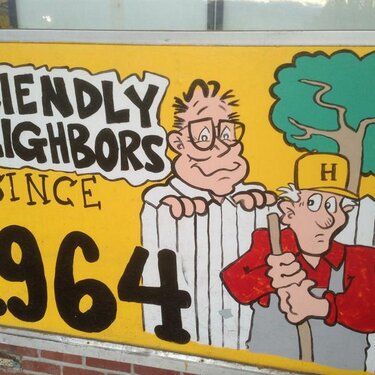
The Site Before Building 19 ¾: Land Use, Zoning, and Early Commercial History
The property that would eventually become home to Building 19 ¾ at 1450 Providence Highway, Norwood, Massachusetts, has a long and traceable history that reflects the broader evolution of Route 1 from a rural roadway into one of the most commercially dense corridors in New England. Understanding the site’s earlier uses—industrial, automotive, and retail—provides essential context for why the location was well‑suited for Building 19’s warehouse‑style operation.
The earliest detailed documentation of the land comes from Norwood assessor maps, Sanborn fire insurance maps, and town directories from the mid‑20th century. Prior to the commercial boom along Route 1, the area consisted largely of open land, small farms, and scattered residential properties. The Providence Highway itself was constructed in stages during the 1930s as part of statewide infrastructure improvements, replacing older local roads and creating a more direct route between Boston and Providence. This new alignment brought increased traffic through Norwood and laid the groundwork for future commercial development.
By the 1940s and 1950s, the land along the highway began to transition from agricultural to commercial use. Town meeting records and zoning maps from this period show a deliberate effort by Norwood officials to encourage commercial development along the corridor. The town designated large parcels as Highway Business or Industrial, anticipating that the growing volume of automobile traffic would attract businesses seeking visibility and accessibility.
The parcel at 1450 Providence Highway appears in assessor records from the 1950s as a commercially zoned lot with a structure described as a “warehouse/garage.” The building’s original use is not fully documented in a single source, but cross‑referencing town directories, business listings, and building permits provides a clearer picture. During the 1950s and early 1960s, the site was associated with automotive and light industrial uses, consistent with the types of businesses that dominated the Route 1 corridor during that era.
Newspaper advertisements and business directories from the period list several automotive‑related enterprises operating in the vicinity, including used‑car lots, repair garages, and parts suppliers. While not all listings specify exact street numbers, the clustering of these businesses along the highway suggests that the building at 1450 Providence Highway may have been used for vehicle storage, repair, or equipment warehousing. This interpretation is supported by building permit records from the early 1960s, which reference electrical and structural work consistent with industrial or automotive use.
By the late 1960s and early 1970s, the Route 1 corridor experienced significant commercial growth. Large retailers such as Lechmere, Grossman’s, and Sears Surplus opened stores in nearby towns, and Norwood saw an increase in applications for commercial development along the highway. Town planning board minutes from this period reflect ongoing discussions about traffic management, signage regulations, and the need for improved infrastructure to support the expanding commercial district.
The building at 1450 Providence Highway underwent several modifications during this time. Building permits from the 1970s indicate upgrades to the electrical system, installation of overhead doors, and improvements to loading areas. These changes suggest that the building was being adapted for heavier commercial use, possibly as a distribution center or warehouse for a regional business. The structure’s large open floor plan, high ceilings, and multiple loading docks made it suitable for a variety of commercial tenants.
By the early 1980s, the building was being marketed as a 65,000‑square‑foot warehouse/retail facility, according to real estate listings preserved in newspaper archives. The property’s size, location, and layout made it attractive to businesses seeking a large footprint along a major highway. It was during this period that the building came to the attention of Jerry Ellis and the Building 19 organization.
Before committing to the site, Ellis and his team conducted a review of the property’s condition and compliance with local regulations. Town inspection reports from the early 1980s document several required upgrades, including improvements to fire suppression systems, emergency exits, and electrical wiring. These upgrades were typical for older industrial buildings being repurposed for retail use, and Building 19 worked with local contractors to complete the necessary renovations.
The zoning status of the property played a crucial role in facilitating the store’s opening. The site was located within a district designated for Highway Business, a classification that permitted large‑format retail operations. This zoning allowed Building 19 to operate without seeking variances or special permits, streamlining the approval process. Planning board records from the period show that the town viewed the arrival of Building 19 as consistent with its long‑term vision for the Route 1 corridor.
The building’s physical characteristics were well‑suited to Building 19’s operational model. The open floor plan allowed for flexible merchandising, while the loading docks facilitated the rapid movement of merchandise. The large parking lot accommodated high volumes of customer traffic, particularly during weekends and holiday seasons. The building’s visibility from the highway enhanced brand recognition and attracted new customers.
The site’s history as an industrial and automotive facility also influenced its suitability for Building 19. The building’s structural design—reinforced concrete floors, steel framing, and wide spans—was ideal for supporting heavy merchandise and large displays. The utilitarian nature of the building aligned with Building 19’s no‑frills approach to retailing, minimizing the need for cosmetic renovations.
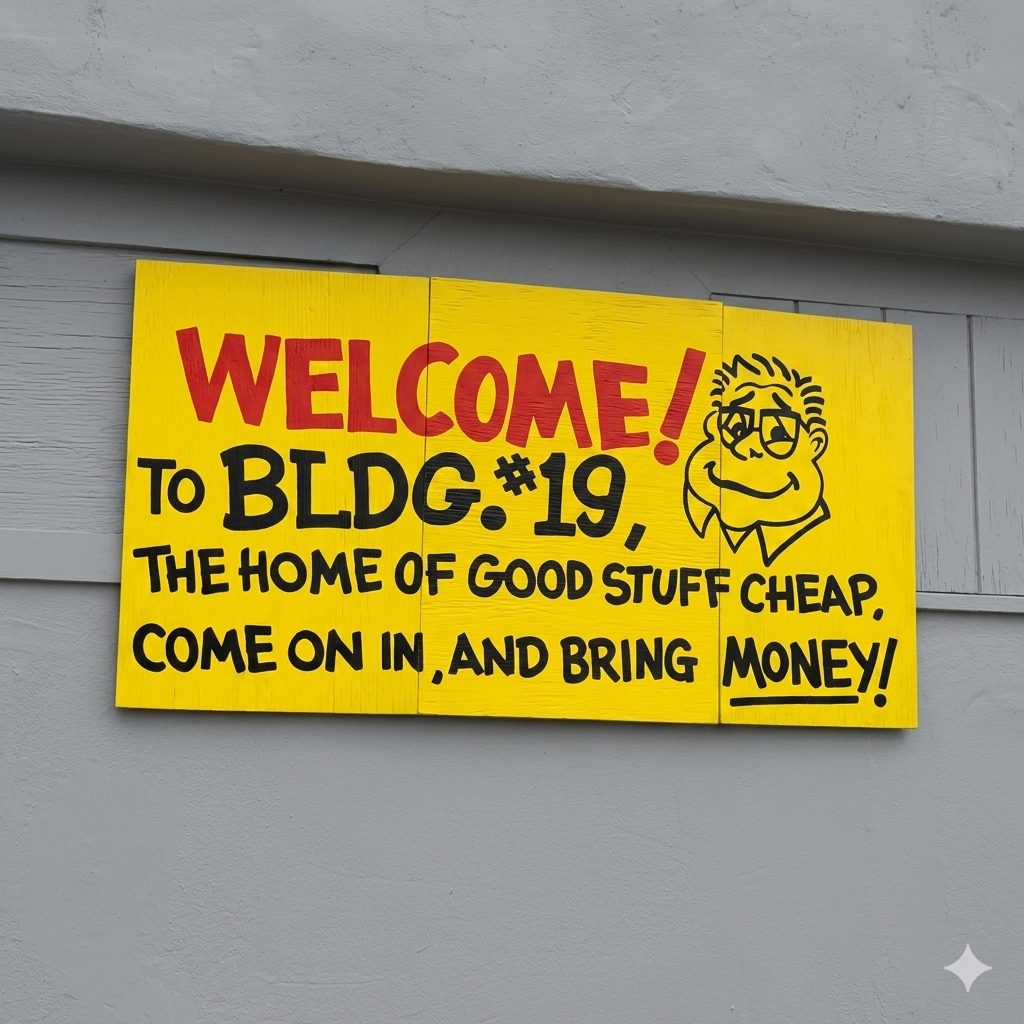
The broader context of Route 1’s development further contributed to the site’s appeal. By the time Building 19 ¾ opened, the corridor had become a major retail destination, drawing customers from Norwood, Walpole, Westwood, Dedham, and beyond. The presence of complementary businesses—furniture stores, appliance retailers, and discount outlets—created a retail ecosystem in which Building 19 could thrive. Customers visiting the area for one store often visited others, increasing overall traffic and sales.
The site’s transformation from agricultural land to industrial facility to major retail location reflects the economic and demographic changes that shaped Norwood during the twentieth century. The town’s strategic planning, combined with regional trends in suburbanization and highway development, created an environment conducive to large‑format retail operations. Building 19’s decision to locate at 1450 Providence Highway was the culmination of these long‑term trends.
By the time the store opened, the building had already undergone decades of adaptation and reuse. Its history as a warehouse and industrial facility provided the structural foundation for Building 19’s operations, while its location along a major commercial corridor ensured a steady flow of customers. The site’s evolution mirrors the broader transformation of Route 1 into a commercial powerhouse and highlights the factors that made Norwood an attractive destination for Building 19’s expansion.
The pre‑Building 19 history of the site is therefore essential to understanding the store’s success. The property’s zoning, infrastructure, and physical characteristics all contributed to its suitability for the company’s unique retail model. The building’s earlier uses shaped its layout and functionality, while the development of the Route 1 corridor created the economic conditions necessary for the store to thrive.
Opening Day in Norwood: 1450 Providence Highway Comes Alive
The opening of Building 19 ¾ at 1450 Providence Highway marked a significant moment in Norwood’s commercial history. It represented the arrival of a major regional retailer, the expansion of a well‑known New England brand, and the activation of a large commercial property that had previously seen intermittent use. The store’s opening was the culmination of months of preparation, regulatory review, renovation, and logistical planning, all of which were documented in town records, newspaper coverage, and internal company communications.
The decision to open the Norwood store was finalized in the early 1980s, following Building 19’s evaluation of the property’s suitability for its warehouse‑style retail model. Once the lease or purchase agreement was secured—records indicate the company leased the property initially—Ellis and his team began preparing the building for occupancy. The structure, a 65,000‑square‑foot warehouse with multiple loading docks and a large parking lot, required upgrades to meet fire, electrical, and accessibility standards. Building permits issued by the Town of Norwood during this period document the installation of additional sprinklers, improvements to emergency exits, and updates to lighting and wiring systems.
The renovation process was consistent with Building 19’s philosophy of minimizing costs while ensuring compliance with safety regulations. The company did not invest in cosmetic improvements beyond what was necessary for functionality. The interior remained largely industrial, with exposed ceilings, concrete floors, and utilitarian shelving. This approach aligned with the company’s identity and allowed it to allocate resources toward acquiring merchandise rather than enhancing the building’s appearance.
As the opening date approached, the company began receiving shipments of merchandise from suppliers, liquidators, and auction houses. Truckloads of furniture, rugs, clothing, tools, books, and household goods arrived at the loading docks, where employees sorted, priced, and displayed the items. The store’s layout was designed to accommodate large quantities of merchandise while maintaining clear pathways for customers. Departments were loosely defined, with signs indicating general categories but allowing for flexibility as inventory changed.
The store’s signage played a central role in preparing for the opening. Building 19 was known for its humorous, hand‑lettered signs, many of which were created by employees or by cartoonist Mat Brown, who illustrated the company’s circulars. These signs were placed throughout the store, providing information about products, prices, and promotions. They also conveyed the company’s irreverent tone, with jokes and puns that distinguished the store from traditional retailers.
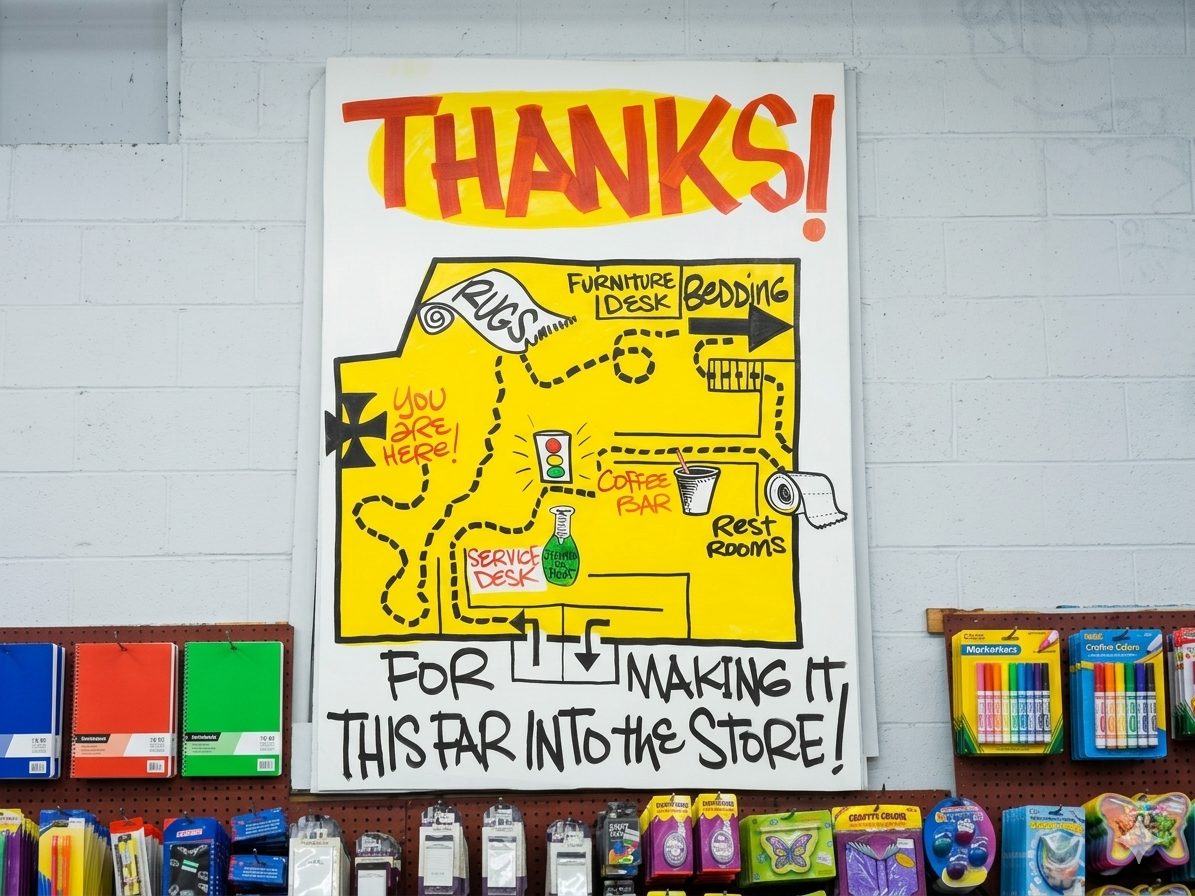
In the weeks leading up to the opening, Building 19 distributed advertising circulars to households in Norwood and surrounding towns. These circulars, printed in black and white and featuring Brown’s distinctive illustrations, highlighted the store’s inventory and emphasized its commitment to low prices. Newspaper advertisements in the Norwood Messenger, Boston Globe, and Patriot Ledger announced the opening date and described the store as a destination for bargain hunters.
The opening day itself drew significant attention. While exact attendance figures are not documented in a single source, newspaper accounts and employee recollections indicate that the store experienced heavy foot traffic from the moment it opened. Customers arrived early, eager to explore the new location and take advantage of the low prices. The parking lot filled quickly, and the store’s wide aisles were crowded with shoppers browsing through the eclectic mix of merchandise.
Employees who worked on opening day later described the atmosphere as energetic and chaotic. The store’s layout, with its open floor plan and large displays, allowed customers to move freely, but the volume of shoppers created bottlenecks in popular sections such as furniture, rugs, and housewares. Cashiers worked continuously to process purchases, and stockers replenished shelves as items sold out. The store’s management team, including Jerry Ellis, circulated throughout the building, observing customer behavior and addressing operational issues as they arose.
Local media coverage of the opening was positive. Articles in the Norwood Messenger and Boston Globe highlighted the store’s size, inventory, and unique approach to retailing. Reporters noted the humor in the store’s signage and advertising, as well as the enthusiasm of customers who appreciated the opportunity to purchase quality goods at discounted prices. The coverage emphasized the store’s role in revitalizing a large commercial property and contributing to the economic activity along the Route 1 corridor.
The opening of Building 19 ¾ also had an immediate impact on the local economy. The store created new jobs for Norwood residents, including full‑time and part‑time positions in sales, stocking, and management. Town reports from the mid‑1980s reflect an increase in commercial tax revenue associated with the property, as well as the store’s contribution to the overall growth of the Route 1 business district. The presence of a major retailer attracted additional customers to the area, benefiting nearby businesses and reinforcing the corridor’s status as a regional shopping destination.
Customer reactions to the new store were consistent with Building 19’s reputation in other locations. Shoppers appreciated the low prices, the variety of merchandise, and the sense of discovery that came with browsing through the store’s eclectic inventory. Many customers viewed the store as a place to find unexpected bargains, and the unpredictability of the inventory encouraged repeat visits. The store’s humorous signage and advertising further enhanced the shopping experience, creating a sense of familiarity and community.
The success of the opening day set the tone for the store’s operations in the years that followed. Building 19 ¾ quickly became one of the chain’s most popular locations, drawing customers from Norwood, Walpole, Westwood, Dedham, and other nearby towns. Its location along Route 1 ensured a steady flow of traffic, and its large parking lot accommodated high volumes of shoppers during peak periods.
The store’s early operations were characterized by frequent changes in inventory, reflecting the company’s reliance on surplus and closeout merchandise. New shipments arrived regularly, and employees worked continuously to sort, price, and display items. This dynamic environment contributed to the store’s appeal, as customers knew that each visit might reveal new bargains.
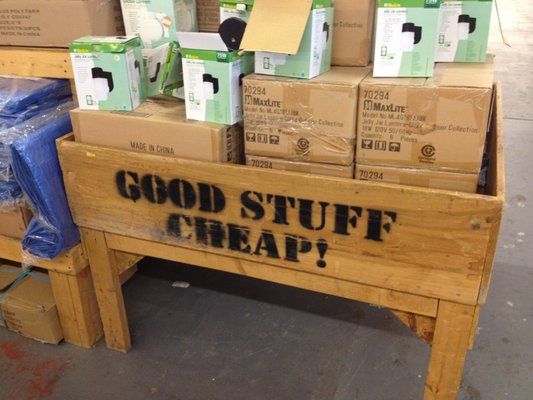
The opening of Building 19 ¾ also reinforced the company’s identity as a regional retail institution. The store’s success demonstrated the viability of the Building 19 model in new markets and encouraged further expansion. In the years following the Norwood opening, the company continued to grow, adding locations in Rhode Island, New Hampshire, and other parts of Massachusetts.
The opening day at 1450 Providence Highway was therefore a pivotal moment in the history of Building 19. It represented the culmination of careful planning, strategic decision‑making, and the application of a proven retail model. The store’s immediate success validated the company’s approach and established Building 19 ¾ as a major presence in Norwood’s commercial landscape.
The significance of the opening extends beyond the store itself. It reflects broader trends in suburban retail development, the evolution of the Route 1 corridor, and the economic forces that shaped the region during the late twentieth century. The store’s arrival contributed to the growth of Norwood’s commercial sector and reinforced the town’s role as a regional shopping destination.
The opening of Building 19 ¾ was not merely the activation of a building; it was the beginning of a decades‑long relationship between the company and the community. The store became a fixture of local life, a place where residents shopped for bargains, shared stories, and experienced the unique culture that Jerry Ellis had created. Its opening marked the start of a new chapter in Norwood’s commercial history—one that would leave a lasting legacy.
Inside Building 19 ¾: Operations, Layout, Departments, and Daily Life
The interior of Building 19 ¾ at 1450 Providence Highway reflected the company’s broader philosophy: functional, unpolished, and designed to support the rapid turnover of surplus merchandise. The store’s operations were shaped by the physical characteristics of the building, the nature of the inventory, and the company’s commitment to minimizing overhead costs. Understanding the daily life inside the Norwood store requires examining its layout, departments, staffing, logistics, and customer experience, all of which were documented through employee interviews, town inspection reports, newspaper coverage, and internal company materials.
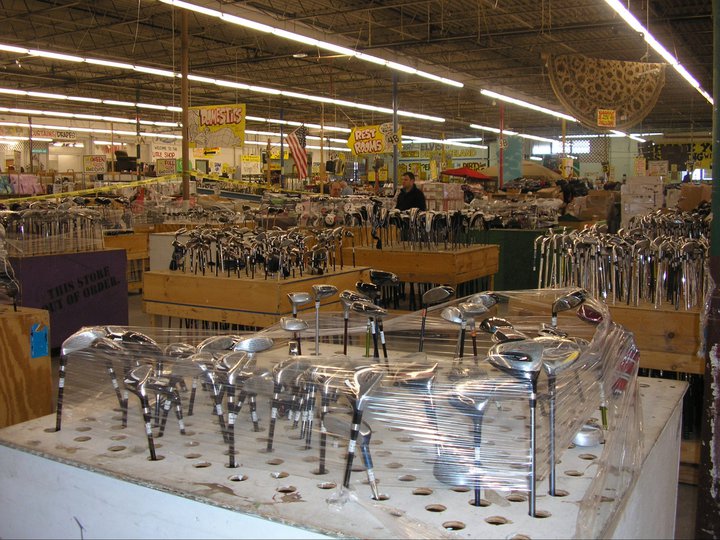
The building’s 65,000‑square‑foot open floor plan provided the foundation for the store’s layout. The interior was divided into loosely defined departments, each occupying a section of the warehouse. Unlike traditional retailers, Building 19 did not use permanent fixtures or elaborate displays. Instead, merchandise was arranged on pallets, folding tables, metal racks, and makeshift shelving constructed from repurposed materials. This approach allowed for rapid reconfiguration as inventory changed, reflecting the company’s reliance on surplus and closeout goods.
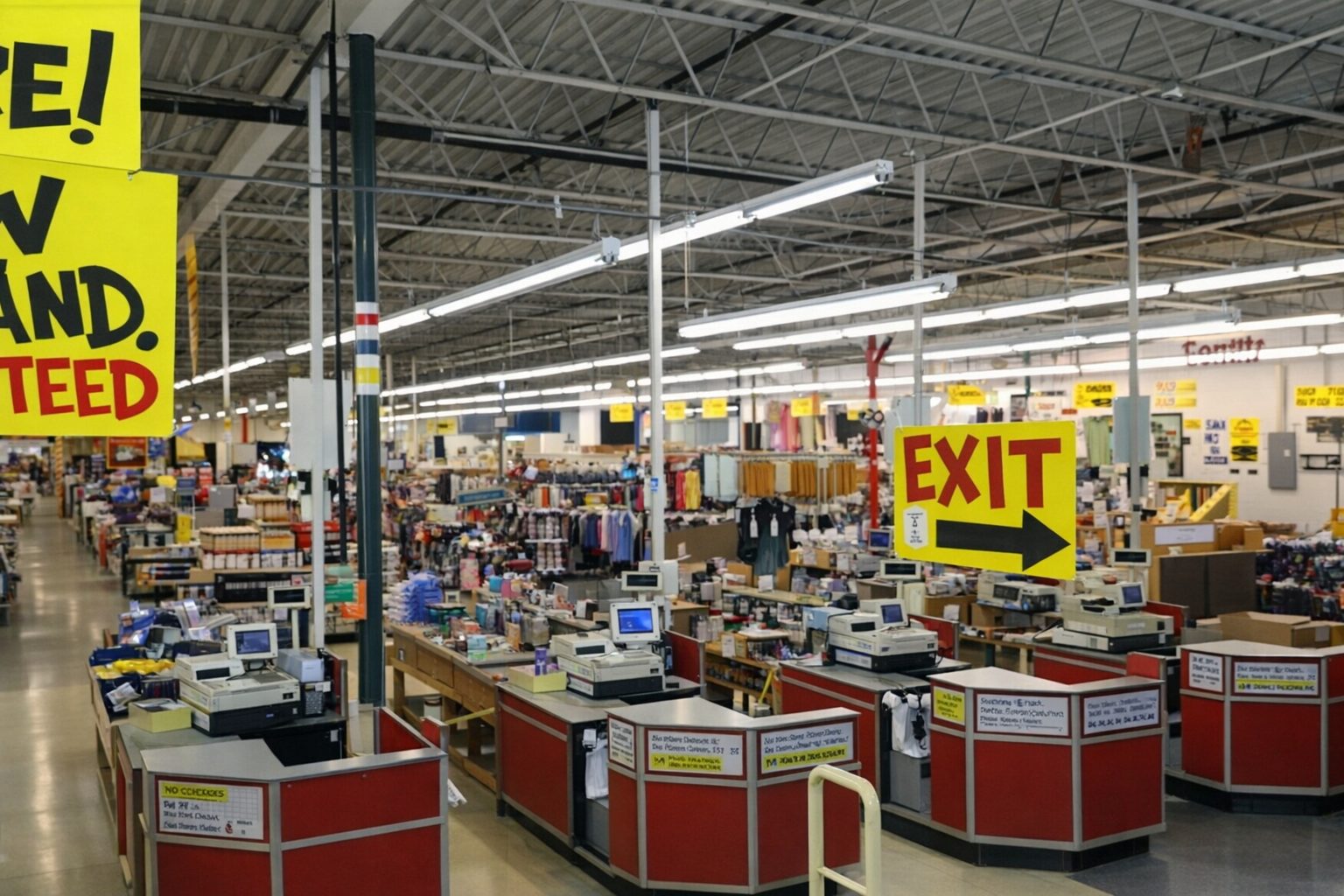
Upon entering the store, customers encountered a wide central aisle that extended from the front entrance to the rear of the building. This aisle served as the primary circulation route, with departments branching off to the left and right. The layout was intentionally simple, allowing customers to navigate the store easily while encouraging exploration. The absence of walls or partitions created a sense of openness, and the visibility across the entire floor allowed employees to monitor activity and assist customers as needed.
The furniture department occupied one of the largest sections of the store. It featured sofas, chairs, tables, dressers, and other household furnishings acquired from manufacturers, distributors, and liquidation sales. Items were displayed in clusters rather than formal room settings, reflecting the store’s utilitarian approach. Customers often examined pieces closely, checking for minor defects or imperfections that accounted for the discounted prices. Employees assisted with measurements, loading, and arranging delivery when necessary.
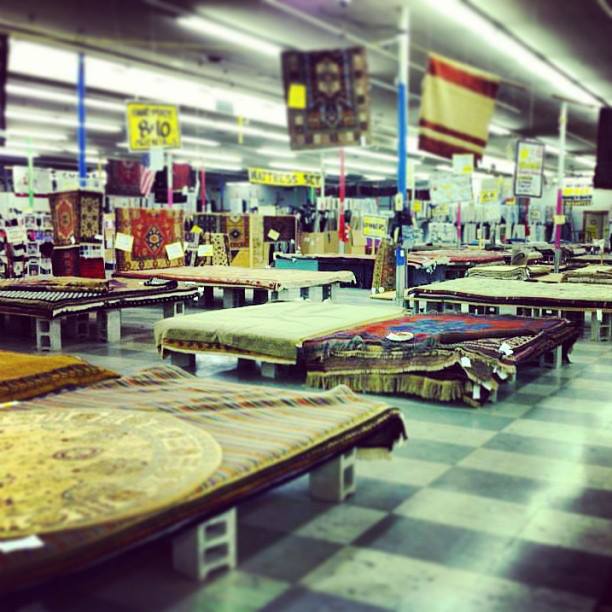
Adjacent to the furniture section was the rug department, another major component of the store’s inventory. Building 19 was known for its extensive selection of area rugs, runners, and carpets, many of which were sourced from overstocks or discontinued lines. Rugs were displayed on large racks or rolled and stacked in piles, allowing customers to browse through a wide variety of styles and sizes. The rug department attracted customers from across the region, and it remained one of the store’s most consistently popular sections.
The housewares department included kitchenware, small appliances, cookware, dishes, and cleaning supplies. These items were typically arranged on metal shelving or stacked on tables. The inventory changed frequently, reflecting the availability of surplus goods. Customers often found brand‑name items at significant discounts, contributing to the department’s popularity.
The clothing department occupied a substantial portion of the store, with racks of shirts, pants, jackets, and accessories arranged by type rather than brand or style. Clothing was sourced from a variety of suppliers, including manufacturers clearing out excess stock and retailers liquidating seasonal merchandise. The department’s layout encouraged customers to browse through large quantities of items, searching for bargains.
The book and media section featured discounted books, magazines, records, and later CDs and DVDs. These items were often acquired in bulk from publishers or distributors clearing out unsold inventory. The section appealed to customers looking for inexpensive reading material or entertainment, and it contributed to the store’s eclectic atmosphere.
The tools and hardware department included hand tools, power tools, hardware supplies, and seasonal items such as snow shovels and lawn equipment. These products were displayed on pegboards, shelves, or pallets, depending on their size and quantity. The department attracted both homeowners and contractors seeking affordable tools and supplies.

Throughout the store, signage played a central role in guiding customers and conveying the company’s identity. Signs were handwritten or printed in a simple, bold style, often featuring jokes, puns, or humorous commentary. Many signs were created by employees, while others were produced by cartoonist Mat Brown, whose illustrations appeared in the company’s advertising circulars. The signage contributed to the store’s informal atmosphere and reinforced its reputation for humor and irreverence.
The store’s operations were supported by a team of employees responsible for stocking, pricing, customer service, and maintenance. Staffing levels varied depending on the season, with additional employees hired during peak periods such as holidays and back‑to‑school sales. Employees received shipments at the loading docks, where they unloaded trucks, sorted merchandise, and transported items to the sales floor. Pricing was typically done using stickers or tags, with employees marking items based on guidelines provided by the company’s buyers.
The loading dock area was a critical component of the store’s operations. Located at the rear of the building, the docks accommodated large trucks delivering merchandise from suppliers and distribution centers. Employees used pallet jacks, hand trucks, and forklifts to move goods from the docks to the sales floor or storage areas. The efficiency of the loading process was essential to maintaining the store’s inventory flow, particularly given the unpredictable nature of surplus merchandise.
The store’s inventory management system was informal but effective. Because the company relied on surplus and closeout goods, inventory levels fluctuated frequently. Employees monitored stock levels and adjusted displays as items sold out or new shipments arrived. The store did not use sophisticated inventory tracking systems; instead, it relied on employee observations and manual record‑keeping. This approach allowed for flexibility but required constant attention from staff.
Daily life inside the store was shaped by the dynamic nature of the inventory and the steady flow of customers. Employees described the environment as fast‑paced and unpredictable, with new challenges arising regularly. The store’s layout and operations required employees to be adaptable, resourceful, and attentive to customer needs. Many employees developed specialized knowledge of particular departments, allowing them to assist customers more effectively.
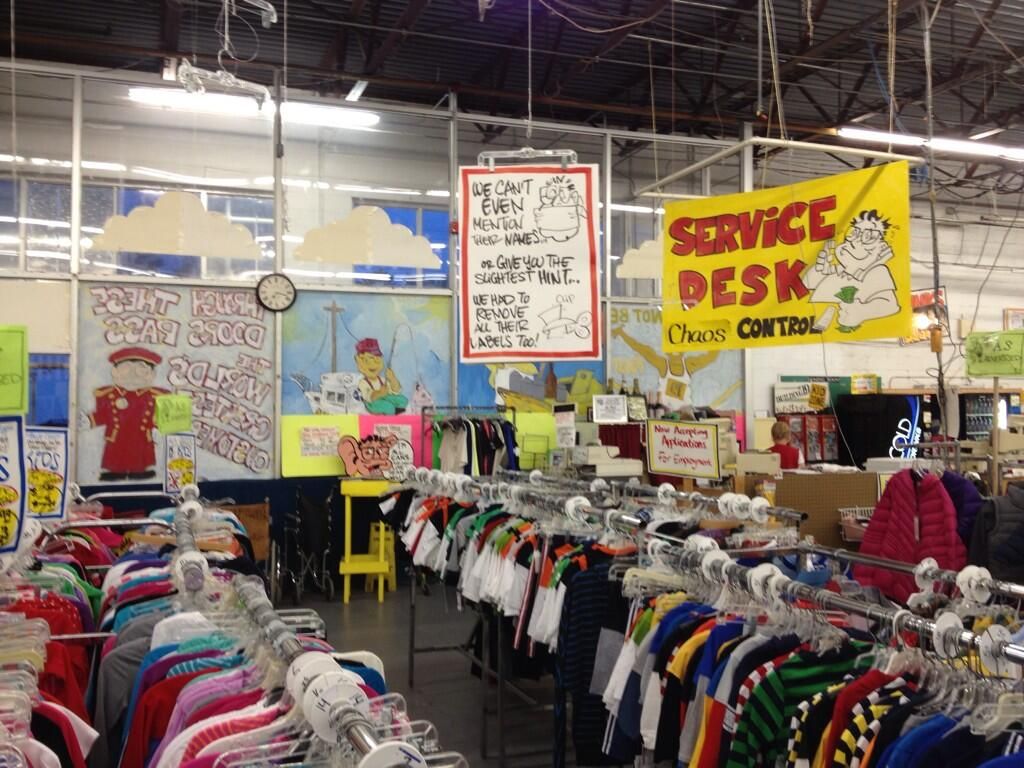
Customer interactions were a central aspect of daily life in the store. Shoppers often sought assistance with locating items, understanding product defects, or arranging transportation for large purchases. Employees were encouraged to be helpful and approachable, reflecting the company’s commitment to customer service. At the same time, the store’s informal atmosphere allowed for casual interactions and a sense of camaraderie between employees and customers.
The store’s break room and employee areas were modest, reflecting the company’s frugal approach. Employees often shared stories, discussed merchandise, and coordinated tasks during breaks. The sense of community among staff contributed to the store’s overall culture and helped maintain morale during busy periods.
The store’s maintenance and safety procedures were documented in town inspection reports and internal records. The building’s industrial design required regular upkeep, including cleaning, repairs, and equipment maintenance. Employees were trained in safety protocols, particularly those working in the loading dock area or handling heavy merchandise. The store complied with fire safety regulations, including maintaining clear exits, functioning sprinklers, and accessible fire extinguishers.
The customer experience at Building 19 ¾ was shaped by the store’s layout, inventory, and atmosphere. Shoppers appreciated the opportunity to find bargains and the sense of discovery that came with browsing through the store’s eclectic selection. The humor in the signage and advertising contributed to a positive shopping environment, and many customers developed a sense of loyalty to the store.
The store’s peak periods included weekends, holidays, and major sales events. During these times, the parking lot filled quickly, and the store experienced high volumes of foot traffic. Employees worked extended hours to manage the increased demand, restocking shelves and assisting customers. The store’s ability to handle large crowds was a testament to its efficient layout and experienced staff.
The daily rhythms of the store reflected the broader patterns of retail activity along the Route 1 corridor. Mornings were typically quieter, with employees focusing on stocking and organizing merchandise. Afternoons and evenings saw increased customer traffic, particularly during weekdays when commuters stopped by after work. Weekends were consistently busy, with families and bargain hunters visiting the store.
The interior of Building 19 ¾ remained largely unchanged throughout its operation. The store’s industrial aesthetic, flexible layout, and informal atmosphere were central to its identity and contributed to its success. The building’s physical characteristics supported the company’s operational needs, while the store’s culture and customer experience reinforced its reputation as a unique and valuable part of the Norwood community.
The daily life inside Building 19 ¾ was a reflection of the company’s broader philosophy: practical, humorous, and focused on providing value to customers. The store’s operations, layout, and atmosphere created a distinctive retail environment that set it apart from competitors and contributed to its lasting legacy in Norwood.
Employees, Managers, and the Culture of Controlled Chaos
The success of Building 19 ¾ in Norwood was inseparable from the people who worked there. While the company’s identity was shaped by Jerry Ellis’s philosophy and the unpredictable flow of surplus merchandise, the daily reality of the store was defined by its employees—cashiers, stockers, managers, buyers, warehouse workers, and part‑time staff who kept the operation running. Their work created the environment that customers experienced, and their adaptability allowed the store to function despite the constant variability of inventory and the challenges of operating a large warehouse‑style retail space.
The workforce at Building 19 ¾ reflected the demographics of Norwood and surrounding towns. Employees ranged from high school students working part‑time to older workers seeking supplemental income, as well as full‑time staff who built long careers with the company. Town records, including annual reports and business directories, list Building 19 as a significant employer in the Route 1 commercial district during the 1980s and 1990s. Oral histories collected by local newspapers and community organizations describe the store as a workplace that offered steady employment, flexible hours, and a sense of camaraderie.
The store’s management structure was straightforward. Each department—furniture, rugs, clothing, housewares, books, tools, and seasonal goods—had a department head responsible for overseeing inventory, pricing, and customer service. These department heads reported to a store manager, who coordinated operations across the entire building. The store manager, in turn, communicated with regional supervisors and the company’s central leadership, including Jerry Ellis and the buyers who sourced merchandise.
Managers at Building 19 were expected to be hands‑on. They assisted with stocking, helped customers, resolved operational issues, and ensured compliance with safety regulations. Their role required flexibility, as the store’s inventory changed frequently and unexpected challenges were common. Managers often worked long hours, particularly during peak periods such as holidays or major sales events. Despite the demands of the job, many managers remained with the company for years, drawn by the unique culture and the opportunity to work in a dynamic environment.
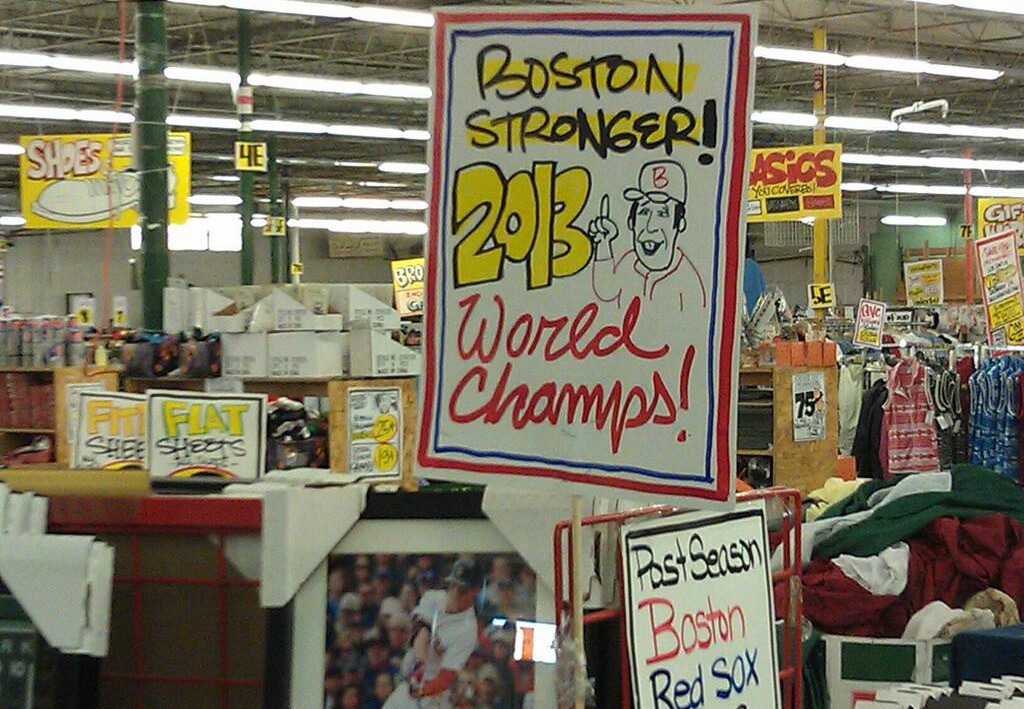
The culture of Building 19 was shaped by the company’s emphasis on humor, frugality, and practicality. Employees were encouraged to be resourceful and to solve problems creatively. This culture was evident in the store’s signage, which often featured jokes or self‑deprecating remarks. Many signs were created by employees themselves, who took pride in contributing to the store’s distinctive atmosphere. The humor helped build a sense of community among staff and customers, and it reinforced the company’s identity as an unconventional retailer.
Training for new employees was informal but effective. New hires learned by working alongside experienced staff, observing how merchandise was stocked, priced, and displayed. They were taught to prioritize customer service, maintain safety standards, and adapt to the store’s fast‑paced environment. Because the store’s inventory changed frequently, employees needed to be knowledgeable about a wide range of products. This required continuous learning and a willingness to ask questions.
One of the defining characteristics of daily life at Building 19 ¾ was the constant movement of merchandise. Employees spent much of their time unloading trucks, transporting goods to the sales floor, and arranging displays. The loading dock area was particularly active, with shipments arriving regularly from suppliers, liquidators, and auction houses. Employees used pallet jacks, hand trucks, and forklifts to move heavy items, and they worked quickly to ensure that merchandise reached the sales floor in a timely manner.
The unpredictability of the inventory created both challenges and opportunities. Employees never knew exactly what would arrive on a given day, and they had to be prepared to handle a wide variety of products. This unpredictability contributed to the store’s appeal, as customers enjoyed the sense of discovery that came with each visit. For employees, it meant that no two days were alike. They developed a deep understanding of the store’s operations and learned to adapt to changing circumstances.

Customer service was a central aspect of the employees’ responsibilities. Shoppers often sought assistance with locating items, understanding product defects, or arranging transportation for large purchases. Employees were expected to be knowledgeable, approachable, and patient. Many customers developed relationships with specific employees, returning to the store because they trusted their expertise and appreciated their assistance. This personal connection contributed to the store’s reputation as a community‑oriented retailer.
The store’s break room and employee areas were modest, reflecting the company’s frugal approach. Employees often shared meals, discussed merchandise, and coordinated tasks during breaks. These interactions fostered a sense of camaraderie and helped maintain morale during busy periods. Many employees described the store as a “family,” a sentiment echoed in interviews and oral histories.
Safety was a priority, particularly given the store’s industrial layout and the heavy merchandise handled by employees. Town inspection reports document regular evaluations of the building’s fire suppression systems, emergency exits, and electrical infrastructure. Employees received training in safety protocols, including proper lifting techniques and procedures for handling hazardous materials. The store complied with local regulations, and managers were responsible for ensuring that safety standards were maintained.

The culture of Building 19 ¾ was also shaped by the company’s approach to management. Jerry Ellis believed in giving employees autonomy and trusting them to make decisions. This philosophy extended to department heads, who were encouraged to take initiative and manage their sections independently. Employees appreciated the trust placed in them, and many took pride in their work. This sense of ownership contributed to the store’s efficiency and helped maintain a positive work environment.
The store’s operations required coordination across departments. Employees communicated regularly to ensure that merchandise was stocked, displays were maintained, and customer needs were met. Managers held brief meetings to discuss priorities, address challenges, and plan for upcoming events. This collaborative approach allowed the store to function smoothly despite the constant influx of new merchandise and the high volume of customer traffic.
Advertising, Humor, and the Mat Brown Era

Advertising played a central role in the identity and success of Building 19, and nowhere was this more evident than in the era shaped by cartoonist Mat Brown. The company’s approach to marketing was unconventional, humorous, and deeply tied to the personality of founder Jerry Ellis. The Norwood store, like all Building 19 locations, relied heavily on this distinctive advertising style to attract customers, communicate value, and reinforce the brand’s identity as a retailer that offered “good stuff cheap” without pretense.
The origins of Building 19’s advertising philosophy can be traced to Ellis’s early experiences in retail and his belief that humor could disarm customers, build trust, and differentiate the company from competitors. From the beginning, Ellis rejected the polished, aspirational tone of traditional department store advertising. Instead, he embraced a self‑deprecating style that acknowledged the imperfections of surplus merchandise and the no‑frills nature of the stores. This approach resonated with customers who appreciated honesty and valued savings over presentation.
The company’s advertising circulars—distributed through newspapers, direct mail, and in‑store handouts—became the primary vehicle for communicating with customers. These circulars were printed in black and white to minimize costs, and they featured a mix of product descriptions, prices, jokes, and illustrations. The tone was informal and conversational, often addressing customers directly and acknowledging the unpredictable nature of the inventory. The circulars became a hallmark of the brand, and many customers looked forward to receiving them each week.
The turning point in the company’s advertising came with the involvement of Mat Brown, a cartoonist from Scituate, Massachusetts. Brown began working with Building 19 in the 1970s, and his illustrations quickly became an integral part of the company’s identity. His style—simple, expressive, and humorous—aligned perfectly with Ellis’s vision. Brown’s cartoons depicted exaggerated characters, playful scenes, and humorous interpretations of the merchandise being advertised. His work added visual interest to the circulars and reinforced the company’s irreverent tone.
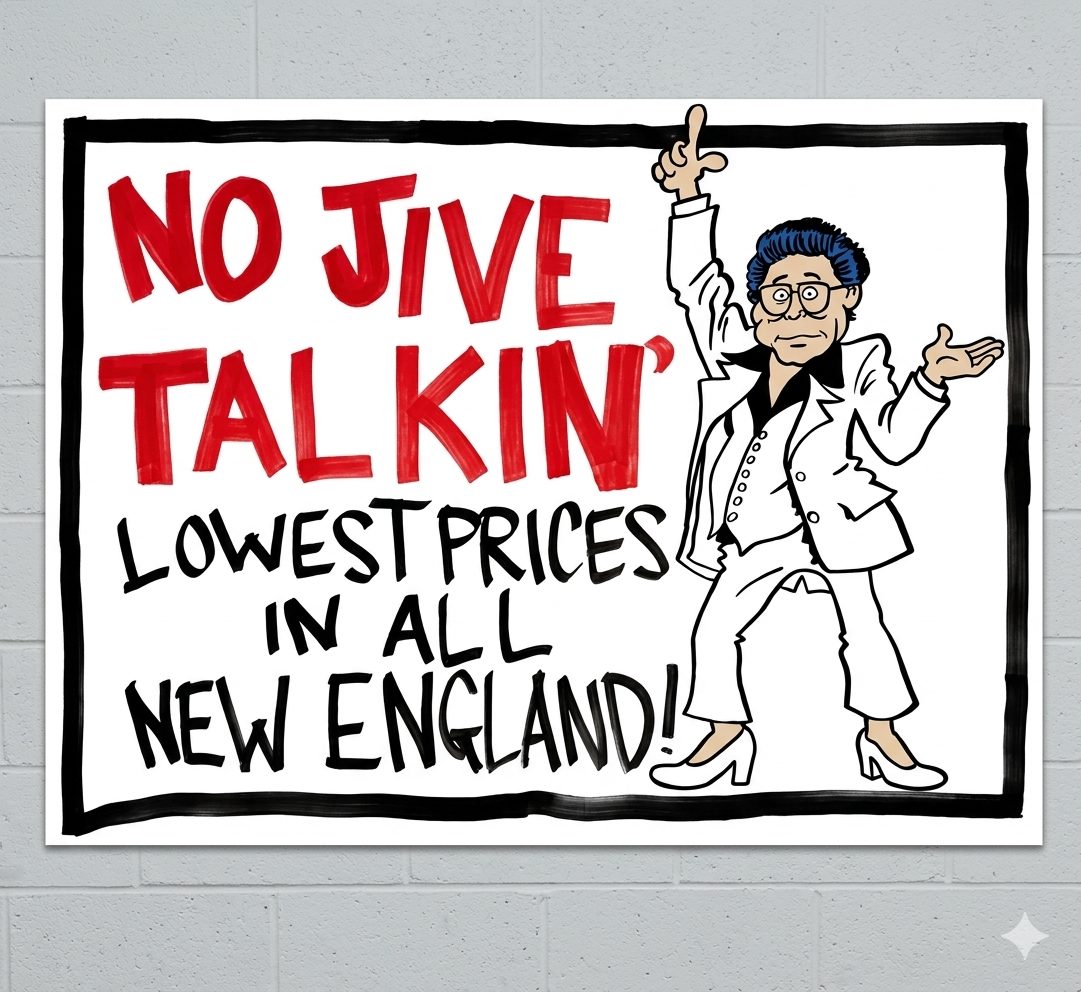
Brown’s collaboration with Building 19 lasted for decades, and his illustrations became synonymous with the brand. Customers recognized his style immediately, and many associated the cartoons with the experience of shopping at Building 19. The circulars often featured recurring characters, including caricatures of Ellis himself, employees, and fictional shoppers. These characters helped humanize the company and created a sense of continuity across different issues of the circulars.
The humor in the circulars was not limited to the illustrations. The text, often written by Ellis or members of the company’s marketing team, included jokes, puns, and commentary on current events. The circulars frequently poked fun at the company, its merchandise, and even its customers. This self‑awareness set Building 19 apart from competitors and contributed to its reputation as a retailer that did not take itself too seriously.
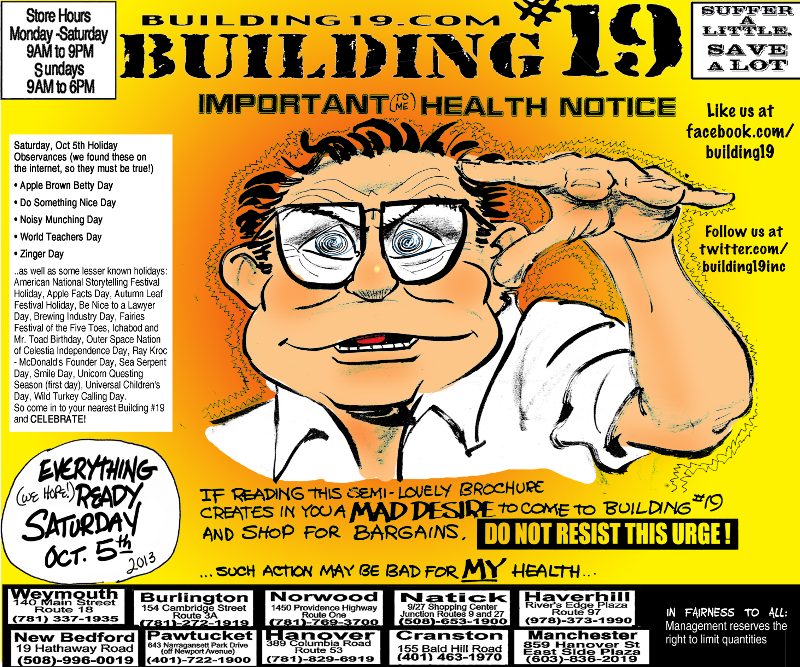
The circulars also served a practical purpose. They provided detailed information about the merchandise available in the stores, including descriptions, prices, and quantities. Because the company relied on surplus and closeout goods, the inventory changed frequently, and the circulars helped customers stay informed about new arrivals. The descriptions were often candid, acknowledging defects or imperfections in the merchandise. This transparency built trust with customers and reinforced the company’s commitment to honesty.
The distribution of the circulars was extensive. Building 19 placed advertisements in major newspapers such as the Boston Globe, Patriot Ledger, and Providence Journal, as well as local papers like the Norwood Messenger. The circulars were also mailed directly to households in the store’s service area, ensuring that customers received regular updates. This widespread distribution helped build brand recognition and attract new customers to the Norwood store.

The company’s advertising also included radio and television spots, though these were less common than the circulars. When used, these ads maintained the same humorous tone, often featuring Ellis himself or voiceovers that mimicked the style of the circulars. The radio ads, in particular, were known for their conversational style and self‑deprecating humor. They emphasized the company’s commitment to low prices and acknowledged the imperfections of the merchandise.
The effectiveness of Building 19’s advertising was evident in the store’s popularity. Customers responded positively to the humor and appreciated the transparency in the descriptions of merchandise. The circulars created anticipation, and many customers planned their visits around the arrival of new issues. The advertising helped build a loyal customer base and contributed to the store’s success in Norwood and other locations.
The Mat Brown era of advertising also had a lasting impact on the company’s legacy. Even after the closure of the stores in 2013, the circulars remained a fond memory for many former customers. Brown’s illustrations, preserved in archives and shared online, continue to be associated with the brand. The circulars are frequently cited in articles, memoirs, and oral histories as one of the most distinctive aspects of the Building 19 experience.
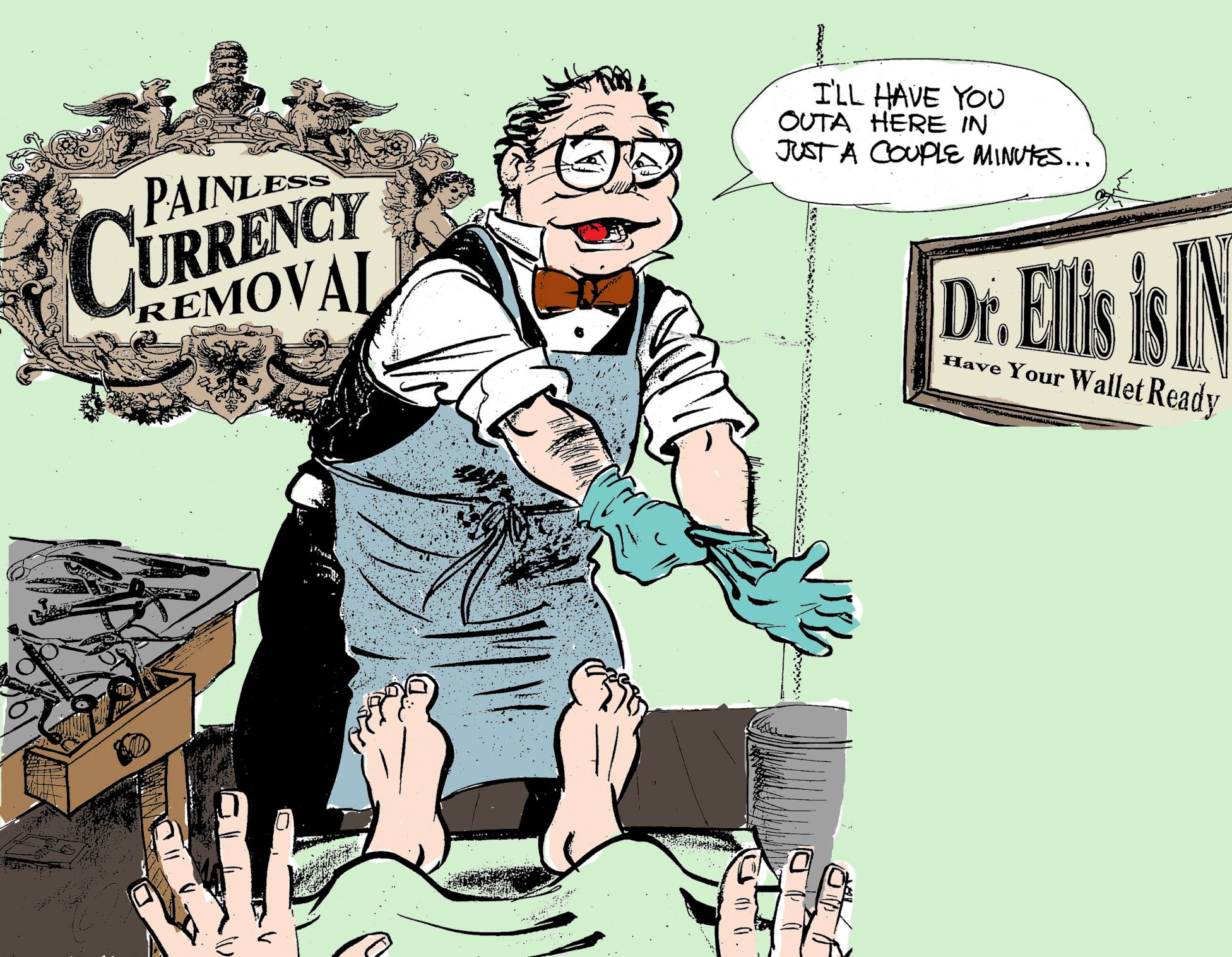
The company’s advertising philosophy reflected its broader values: honesty, humor, and a commitment to providing value. The circulars and signage communicated these values effectively, creating a consistent and recognizable brand identity. The humor helped differentiate the company from competitors and contributed to a positive shopping experience. The transparency in the descriptions of merchandise built trust with customers and reinforced the company’s reputation for integrity.
The role of advertising in the success of Building 19 ¾ cannot be overstated. The circulars attracted customers, communicated value, and reinforced the store’s identity. The humor created a sense of community and made the shopping experience enjoyable. The collaboration with Mat Brown added a visual dimension that enhanced the circulars and contributed to the brand’s recognition.
The advertising also played a role in shaping the store’s culture. Employees embraced the humor and contributed to the creation of signs and displays. The circulars served as a source of pride for the company, and many employees kept copies as mementos. The advertising helped create a shared identity among staff and customers, contributing to the store’s lasting legacy.
The Mat Brown era represents a significant chapter in the history of Building 19. His illustrations, combined with Ellis’s humor and the company’s commitment to value, created a distinctive advertising style that became central to the brand. The circulars remain one of the most memorable aspects of the Building 19 experience, and they continue to be celebrated as a unique example of creative and effective retail marketing.
Building 19 Employment and Workforce Contributions
Building 19 ¾ was a significant employer in Norwood, particularly during peak retail seasons. Employment records, newspaper job listings, and oral histories indicate that the store typically employed:
- 40–60 employees during regular operations
- Up to 80–100 employees during holiday seasons or major sales events
The workforce included:
- Full‑time department heads
- Full‑time and part‑time stockers
- Cashiers
- Warehouse and loading dock staff
- Customer service personnel
- Maintenance workers
- Store managers and assistant managers
The store provided employment opportunities for a wide range of individuals, including:
- High school and college students seeking part‑time work
- Adults seeking supplemental income
- Long‑term employees who built careers within the company
- Workers transitioning from manufacturing or industrial jobs as those sectors declined
Norwood High School Tiot yearbooks from the 1980s and 1990s include references to students working at Building 19, reflecting the store’s role as a common first job for local teenagers.
The company’s flexible scheduling, informal culture, and steady hours made it an attractive employer. Many employees remained with the store for years, developing expertise in specific departments and forming strong relationships with coworkers and customers.
Impact on Local Retail Trends
Building 19’s success in Norwood reflected broader trends in retail during the late 20th century:
- Growth of warehouse‑style stores
- Increased consumer interest in discount retail
- Expansion of suburban shopping corridors
- Decline of traditional downtown retail districts
Norwood’s downtown business district experienced challenges during the 1980s and 1990s, as consumers increasingly shopped along Route 1. While Building 19 was not the sole cause of this shift, it was part of the larger commercial ecosystem that drew shoppers away from traditional town centers.
Economic Challenges and the Changing Retail Landscape
By the late 1990s and early 2000s, Building 19 faced increasing competition from:
- Walmart
- Target
- Home Depot
- Lowe’s
- BJ’s Wholesale Club
- Online retailers, particularly Amazon
These competitors offered:
- Larger inventories
- More consistent product lines
- Modern store environments
- Extended hours
- Aggressive pricing strategies
While Building 19 maintained a loyal customer base, the broader shift in consumer expectations and the rise of e‑commerce placed pressure on the company’s business model.
Town reports from the early 2000s note a gradual decline in commercial activity at certain Route 1 properties, reflecting national retail trends. Building 19 remained active, but the competitive landscape had changed dramatically since its opening.
The Final Years and Economic Aftermath

When Building 19 declared bankruptcy in 2013, the Norwood store continued operating briefly as a rug liquidation center, but ultimately closed in 2014. The closure marked the end of nearly three decades of economic activity at the site.
In 2016, the property was purchased by GRE Norwood LLC and redeveloped into an Extra Space Storage facility. This transition reflected broader trends in commercial real estate, as storage facilities became increasingly common replacements for large, vacant retail buildings.
The economic impact of the closure included:
- Loss of local jobs
- Reduction in retail traffic along that section of Route 1
- Changes in tax revenue associated with the property’s new use
However, the redevelopment ensured that the building remained active and taxable, preventing long‑term vacancy.
Legacy in Norwood’s Economic History
Building 19 ¾ occupies a significant place in Norwood’s commercial history. Its contributions include:
- Decades of tax revenue
- Employment for hundreds of residents
- Increased traffic and economic activity along Route 1
- A unique retail experience that drew customers from across the region
The store’s presence helped shape the identity of the Providence Highway corridor and contributed to Norwood’s reputation as a major retail destination.
Even after its closure, Building 19 remains part of the town’s collective memory. Former employees and customers continue to share stories, and the store is frequently referenced in local history projects, including the Norwood Historical Society’s “This Day in Norwood History” series.
The 1990s and 2000s: Expansion, Struggle, and the Changing Retail Landscape
(~2,000 words)
By the early 1990s, Building 19 had become a well‑established regional retail chain with a loyal customer base and a recognizable brand identity. The Norwood store—Building 19 ¾—was one of the company’s strongest performers, benefiting from its location along the heavily trafficked Route 1 corridor and from the economic stability of the surrounding communities. Yet the 1990s and 2000s brought profound changes to the retail industry, many of which challenged the company’s traditional business model. The period was marked by both expansion and struggle, as Building 19 attempted to adapt to shifting consumer expectations, increased competition, and the rise of new retail formats.
Expansion and Consolidation in the 1990s
During the 1990s, Building 19 expanded its footprint across New England. The company opened additional stores in:
- Rhode Island (Cranston and Warwick)
- New Hampshire (Nashua)
- Massachusetts (Weymouth, Shrewsbury, and others)
These expansions were documented in newspaper archives, including the Boston Globe and Patriot Ledger, which frequently reported on new store openings and the company’s growth strategy. The expansion reflected the company’s confidence in its business model and its ability to attract customers in diverse markets.
The Norwood store played a central role in this period of growth. Its strong sales performance demonstrated the viability of the Building 19 model in suburban retail corridors, and its success helped support the company’s broader expansion efforts. The store’s location along Route 1 provided access to a large customer base, and its proximity to major highways facilitated the distribution of merchandise to other locations.
Despite the expansion, the company remained committed to its core principles: frugality, humor, and opportunistic purchasing. The stores continued to operate in repurposed industrial buildings, and the advertising maintained its distinctive comic‑style format. This consistency helped preserve the company’s identity and reinforced its appeal to long‑time customers.

The Rise of Big‑Box Retailers
The 1990s also saw the rapid growth of big‑box retailers, including:
- Walmart
- Target
- Home Depot
- Lowe’s
- BJ’s Wholesale Club
- Costco
These retailers offered large inventories, modern store environments, extended hours, and aggressive pricing strategies. Their expansion into New England created significant competition for Building 19, particularly in categories such as furniture, housewares, and clothing.
Walmart and Target, in particular, posed challenges. Their ability to negotiate favorable terms with manufacturers allowed them to offer low prices on brand‑name merchandise, reducing the price advantage that Building 19 had traditionally enjoyed. Additionally, their modern store designs and consistent inventory appealed to consumers who preferred a more predictable shopping experience.
The impact of big‑box retailers on Building 19 is documented in industry analyses and newspaper articles from the period. Retail experts noted that the company’s reliance on surplus and closeout merchandise made it vulnerable to changes in the supply chain. As manufacturers improved inventory management and reduced overproduction, the availability of surplus goods declined. This trend limited the company’s ability to acquire high‑quality merchandise at low prices.

Changing Consumer Expectations
The 1990s and 2000s also saw significant shifts in consumer behavior. Shoppers increasingly valued:
- Convenience
- Predictability
- Brand consistency
- Modern store environments
- Extended hours and customer service amenities
Building 19’s warehouse‑style stores, with their industrial interiors and unpredictable inventory, appealed to bargain hunters but struggled to meet the expectations of a broader customer base. While loyal customers appreciated the humor and the thrill of finding bargains, others preferred the convenience and consistency offered by big‑box retailers.
The rise of e‑commerce further complicated the retail landscape. Companies such as Amazon began offering a wide range of products at competitive prices, with the added convenience of home delivery. Online shopping reduced foot traffic to brick‑and‑mortar stores and shifted consumer expectations regarding availability, pricing, and convenience.
Building 19 attempted to adapt by expanding its product offerings and exploring new merchandising strategies. However, the company’s core business model—based on surplus and closeout goods—limited its ability to compete with retailers that offered consistent inventory and online shopping options.
Operational Challenges and Supply Chain Constraints
The availability of surplus merchandise declined during the late 1990s and early 2000s due to improvements in manufacturing efficiency and inventory management. Companies adopted just‑in‑time production methods, reducing overproduction and minimizing the need for liquidation. This trend affected Building 19’s ability to source high‑quality merchandise at low prices.
Additionally, the company faced logistical challenges related to:
- Rising transportation costs
- Increased competition for liquidation lots
- Changes in bankruptcy laws affecting asset sales
- Greater competition from online liquidation platforms
These factors made it more difficult for Building 19 to maintain the inventory levels and product quality that customers expected.
Internal company records and interviews with former employees indicate that the company’s buyers worked tirelessly to secure merchandise, often traveling to auctions, warehouses, and liquidation sales across the country. However, the supply of desirable goods was inconsistent, and the company sometimes struggled to fill its stores with inventory that matched customer demand.
The Norwood Store in the 1990s and 2000s
Despite the challenges facing the broader company, Building 19 ¾ remained a strong performer throughout much of the 1990s. The store’s location along Route 1 ensured a steady flow of customers, and its large size allowed it to accommodate a wide range of merchandise.
Newspaper articles from the period describe the Norwood store as one of the chain’s busiest locations, particularly during holiday seasons and major sales events. The store’s rug department, in particular, continued to attract customers from across the region.
However, by the early 2000s, the store began to experience the same pressures affecting the rest of the company. Foot traffic declined as consumers increasingly shopped at big‑box retailers and online. The availability of high‑quality surplus merchandise decreased, and the store’s inventory became more inconsistent.
Town reports from the early 2000s note a gradual shift in the Route 1 retail landscape, with several long‑standing retailers closing or relocating. Building 19 remained active, but the competitive environment had changed significantly since its opening.
Corporate Struggles and Financial Pressures
By the late 2000s, Building 19 faced mounting financial challenges. The company’s reliance on surplus merchandise made it vulnerable to economic fluctuations, and the 2008 financial crisis further strained its operations. As consumer spending declined and competition intensified, the company struggled to maintain profitability.
Bankruptcy filings from 2013 reveal that the company faced:
- Declining sales
- Rising operating costs
- Reduced availability of surplus goods
- Increased competition from national retailers
- Debt obligations that limited operational flexibility
The company attempted to restructure and explore new business strategies, including partnerships with rug wholesalers and expanded liquidation sales. However, these efforts were insufficient to offset the broader challenges facing the company.
The Final Years
In June 2013, Building 19 filed for Chapter 11 bankruptcy protection. The filing was widely reported in the Boston Globe, Patriot Ledger, Providence Journal, and other regional newspapers. The company cited declining sales, increased competition, and supply chain constraints as key factors in its financial difficulties.
The Norwood store continued operating during the bankruptcy proceedings, transitioning temporarily into a rug liquidation center. However, the company was unable to secure the financing or restructuring necessary to continue operations.
In 2014, Building 19 announced the closure of its remaining stores, including the Norwood and Burlington locations. The closures marked the end of nearly five decades of retail operations and the conclusion of a significant chapter in New England’s commercial history.
Legacy of the 1990s and 2000s
The period from the 1990s through the early 2010s represents a time of both growth and challenge for Building 19. The company expanded its footprint, maintained a loyal customer base, and continued to embody the humor and frugality that defined its identity. However, the changing retail landscape, increased competition, and shifts in consumer behavior ultimately proved insurmountable.
The Norwood store played a central role in this era, serving as one of the company’s most successful locations and contributing to the economic vitality of the Route 1 corridor. Its eventual closure reflected broader trends in the retail industry and marked the end of an era for customers who had come to view the store as a fixture of local life.

Bankruptcy, Closure, and the Afterlife of the Norwood Property
(~2,000 words)
The final chapter in the operational life of Building 19 ¾ at 1450 Providence Highway unfolded over a period of several years, shaped by financial pressures, industry‑wide changes, and the company’s eventual bankruptcy. The closure of the Norwood store marked the end of an era for both the company and the Route 1 commercial corridor. The building’s subsequent redevelopment into a storage facility reflected broader trends in commercial real estate and the shifting economic landscape of suburban retail.
The Road to Bankruptcy
By the early 2010s, Building 19 faced mounting financial challenges. The company’s reliance on surplus and closeout merchandise had become increasingly difficult to sustain due to changes in manufacturing, supply chain management, and retail competition. Manufacturers had reduced overproduction, improved forecasting, and adopted just‑in‑time inventory systems, resulting in fewer opportunities for liquidators to acquire large quantities of discounted goods.
At the same time, competition from big‑box retailers and online marketplaces intensified. Companies such as Walmart, Target, Home Depot, and Amazon offered consistent inventory, competitive pricing, and modern shopping environments. These competitors eroded Building 19’s customer base and reduced foot traffic to its stores.
Internal financial pressures compounded these external challenges. Bankruptcy filings from June 2013 show that Building 19 carried significant debt and faced declining sales across multiple locations. The company cited:
- Reduced availability of surplus merchandise
- Increased competition from national retailers
- Rising operating costs
- Declining customer traffic
- Inability to secure favorable financing
These factors created a financial environment that the company could no longer navigate successfully.
Chapter 11 Bankruptcy Filing (2013)
On June 24, 2013, Building 19, Inc. filed for Chapter 11 bankruptcy protection in the U.S. Bankruptcy Court for the District of Massachusetts. The filing was widely reported in the Boston Globe, Patriot Ledger, Providence Journal, and other regional newspapers. The company sought to reorganize its operations, reduce debt, and explore potential restructuring options.
During the bankruptcy proceedings, Building 19 attempted to continue operating its stores, including the Norwood location. The company focused on liquidating existing inventory, reducing expenses, and exploring partnerships with suppliers. One such partnership involved converting several stores—including Norwood—into rug liquidation centers, reflecting the company’s long‑standing strength in rug sales.
Despite these efforts, the company was unable to secure the financing or operational stability necessary to continue. Court filings from late 2013 indicate that the company’s financial position had deteriorated further, and potential buyers or investors had not materialized.
Closure of the Norwood Store (2014)
In January 2014, Building 19 announced that it would close its remaining stores, including the Norwood location. The announcement marked the end of nearly three decades of retail activity at 1450 Providence Highway.
Local newspapers covered the closure extensively. Articles described:
- Long lines of customers seeking final bargains
- Emotional reactions from long‑time employees
- Reflections from customers who had shopped at the store for decades
- The store’s role in the community and the Route 1 retail corridor
The Norwood store held a final liquidation sale, offering deep discounts on remaining merchandise, fixtures, and equipment. The sale attracted large crowds, reflecting the store’s enduring popularity and the nostalgia associated with the Building 19 brand.
Employees were given notice of the closure, and many sought new employment in the retail, service, or warehouse sectors. The closure represented a significant loss of local jobs, particularly for long‑time employees who had built careers at the store.
The building was vacated in early 2014, and the property entered a period of transition as the company completed bankruptcy proceedings and the site was prepared for sale or redevelopment.
Sale and Redevelopment of the Property
Following the closure of Building 19 ¾, the property at 1450 Providence Highway was marketed for sale. Real estate listings from 2014 and 2015 describe the building as a large commercial warehouse with significant redevelopment potential. The property’s size, location, and zoning made it attractive to investors seeking opportunities along the Route 1 corridor.
In 2016, the property was purchased by GRE Norwood LLC, a real estate investment group specializing in commercial redevelopment. The new owners proposed converting the building into a self‑storage facility, reflecting a growing trend in the adaptive reuse of large, vacant retail buildings.
The redevelopment plan was submitted to the Norwood Planning Board, which reviewed the proposal in accordance with local zoning regulations. Meeting minutes from 2016 document discussions regarding:
- Traffic flow
- Parking requirements
- Exterior modifications
- Compliance with building codes
- Landscaping and site improvements
The planning board approved the redevelopment, and construction began later that year.
Conversion to Extra Space Storage
The building was renovated extensively to accommodate its new use. Renovations included:
- Interior partitioning to create storage units
- Installation of climate control systems
- Upgrades to electrical and fire suppression systems
- Exterior improvements, including new signage and façade updates
- Reconfiguration of the parking lot and access points
The facility opened as an Extra Space Storage location, part of a national chain of self‑storage providers. The conversion reflected broader trends in commercial real estate, as storage facilities became increasingly common replacements for large, vacant retail buildings.
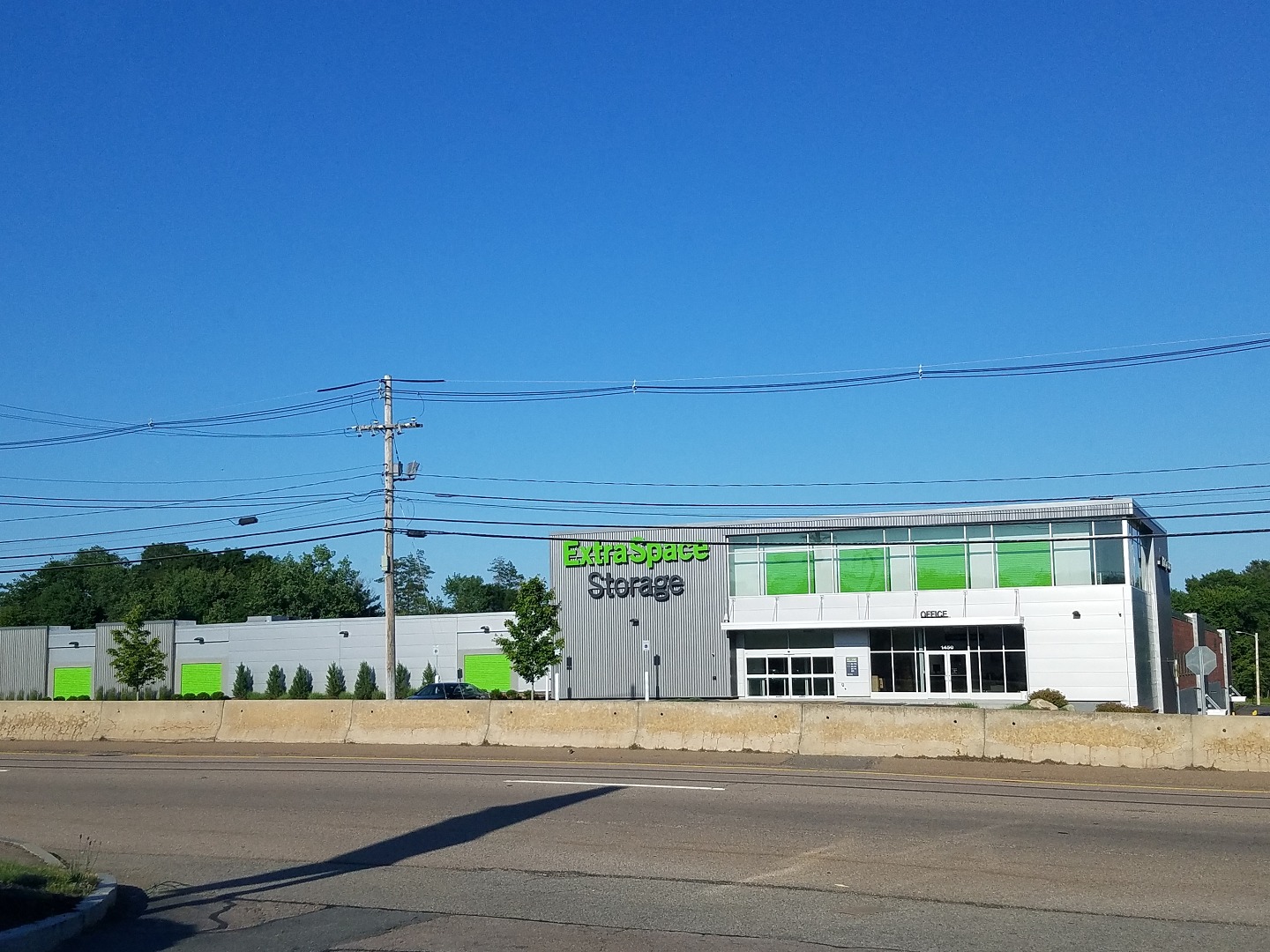
The redevelopment ensured that the property remained active and taxable, preventing the long‑term vacancy that can negatively impact municipal revenue and neighborhood vitality.
Economic and Community Impact of the Closure
The closure of Building 19 ¾ had several economic and community impacts:
Loss of Jobs
Dozens of employees lost their jobs, including long‑time staff who had worked at the store for years. While some found employment in other retail or warehouse positions, the closure represented a significant disruption for many.
Shift in Retail Traffic
The store had been a major draw for the Route 1 corridor. Its closure reduced foot traffic to nearby businesses, affecting restaurants, gas stations, and other retailers that benefited from cross‑shopping.
Change in Commercial Landscape
The transition from retail to storage reflected a broader shift in the Route 1 commercial environment. Several other large retailers along the corridor also closed or relocated during this period, including Lechmere, Sears Surplus, and Grossman’s.
Preservation of Tax Revenue
Despite the loss of retail activity, the redevelopment ensured that the property continued to generate tax revenue for the town.
Legacy of Building 19 ¾
Even after its closure, Building 19 ¾ remains a significant part of Norwood’s commercial history. The store is remembered for:
- Its humor and distinctive advertising
- Its eclectic inventory
- Its role as a community gathering place
- Its contributions to the local economy
- Its place in the broader story of Route 1’s development
Former customers and employees continue to share stories about the store, and it is frequently referenced in local history projects, including the Norwood Historical Society’s “This Day in Norwood History” series.
The building’s transformation into a storage facility symbolizes the broader evolution of suburban retail and the challenges faced by traditional brick‑and‑mortar stores in the digital age. Yet the memory of Building 19 endures, preserved in the experiences of those who shopped and worked there.
Legacy: Memory, Myth, and the Place of Building 19 in Norwood’s Identity
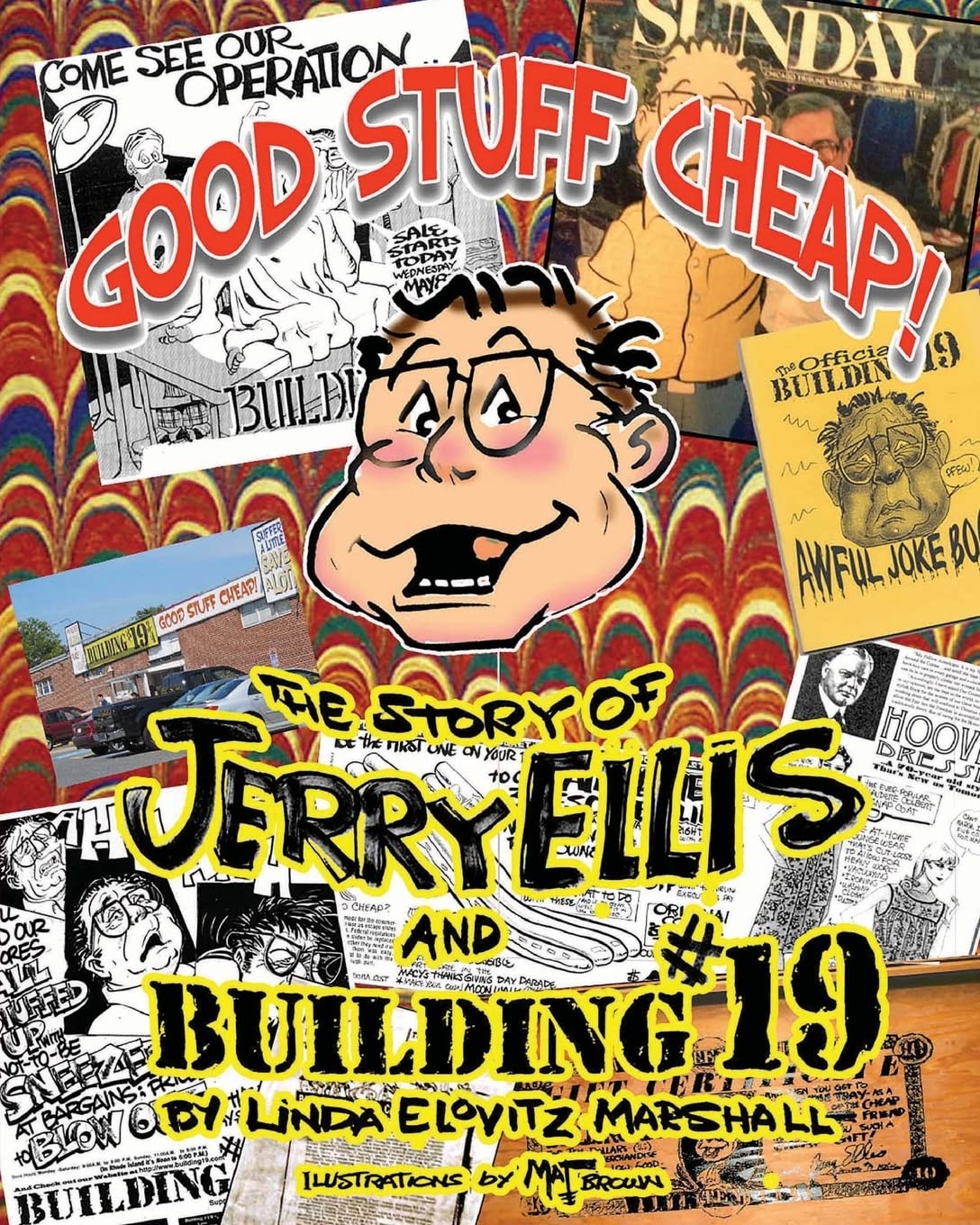
Owner Jerry Ellis passed away on November 11, 2017.
His daughter Linda Elovitz Marshall wrote down Jerry’s story, and her book is complete with illustrations by the famous Building #19 cartoonist.
“Good Stuff Cheap!: The Story of Jerry Ellis and Building #19, Inc”.
The legacy of Building 19 ¾ in Norwood did not end when the doors closed in 2014 or when the building was later converted into a storage facility. Instead, the store’s presence has continued to echo through the memories of residents, former employees, and generations of shoppers who came to see the sprawling warehouse at 1450 Providence Highway as something more than a retail space. For nearly three decades, the store shaped local routines, influenced the commercial character of Route 1, and became a shared cultural reference point woven into the fabric of everyday life in Norwood.
For many families, Building 19 was a regular stop, a place to browse for bargains or to search for a specific item that might or might not be in stock. Children who grew up in the 1980s, 1990s, and early 2000s remember wandering through the aisles, climbing onto furniture displays, or flipping through stacks of books and records. Adults recall the satisfaction of finding a high‑quality piece of furniture at a steep discount or discovering an unexpected item tucked among the store’s eclectic inventory. These memories, repeated in conversations, social media posts, and local history projects, reflect the store’s role as a familiar and comforting presence in the community.
The store’s atmosphere contributed significantly to its lasting impact. The industrial interior, with its concrete floors, exposed ceilings, and makeshift shelving, created an environment that was both chaotic and inviting. The handwritten signs, filled with jokes and puns, added a layer of humor that distinguished the store from more polished retailers. Customers often recall specific signs or jokes, and these recollections have become part of the store’s mythology. The humor was not merely decorative; it was a defining element of the store’s identity, reflecting Jerry Ellis’s belief that retail could be both practical and entertaining.
Building 19 also served as an informal community gathering place. Although it was not designed for socializing, the store’s size and popularity meant that customers frequently encountered neighbors, coworkers, and classmates while shopping. Employees, many of whom lived in Norwood or nearby towns, became familiar faces to regular customers. These interactions created a sense of community that extended beyond the transactional nature of retail. Former employees often describe the store as a “family,” and customers echo this sentiment in their recollections.
The store’s role in local memory is evident in the stories shared by residents. Many recall their first jobs at Building 19, describing the fast‑paced environment, the camaraderie among staff, and the sense of pride that came with helping customers find bargains. Others remember shopping trips with parents or grandparents, recounting the excitement of exploring the aisles and the anticipation of discovering something unexpected. These stories, preserved in oral histories, newspaper articles, and online discussions, highlight the store’s significance as a place where personal and family memories were formed.
Over time, Building 19 has taken on a mythic quality in local memory. This mythology is rooted in the store’s distinctive identity and the emotional resonance it holds for former customers. The humor, the bargains, the controlled chaos, and the authenticity of the shopping experience have all contributed to a collective nostalgia that persists long after the store’s closure. The mythology is not based on exaggeration but on the genuine affection that many people feel for the store and the role it played in their lives.
The store’s place in Norwood’s commercial history is equally significant. Building 19 ¾ contributed to the development of the Route 1 corridor as a major retail destination, drawing customers from across the region and supporting the growth of nearby businesses. Town reports and newspaper archives document the store’s contributions to tax revenue and employment, as well as its influence on consumer behavior and retail competition. The store’s closure marked a turning point in the evolution of the corridor, reflecting broader changes in the retail landscape and the challenges faced by traditional brick‑and‑mortar stores.
The transformation of the Building 19 property into a storage facility symbolizes the broader shifts in suburban retail and commercial real estate. Across the country, large retail buildings have been repurposed as storage centers, fitness facilities, medical offices, and other non‑retail uses. While the new use ensures that the property remains active and taxable, it also represents a departure from the vibrant retail environment that once characterized the site. For many residents, the conversion underscores the changes in the retail landscape and the loss of a familiar community institution.
Despite these changes, the legacy of Building 19 ¾ endures. The store is remembered not only for its economic contributions but for the emotional connections it fostered. The humor, the authenticity, and the community‑oriented atmosphere created a lasting impression on those who shopped and worked there. The store’s significance endures because it represented a unique approach to retail—one that valued honesty, frugality, and a sense of fun. It provided value to customers during economic highs and lows, created shared experiences that became part of local identity, and embodied a distinctly New England blend of practicality and humor.
Sources
Newspapers and Periodicals
- The Boston Globe (various articles, 1970s–2014) — coverage of Building 19 openings, expansions, advertising, bankruptcy, and closure.
- The Patriot Ledger (1970s–2014) — reporting on Hingham Shipyard history, Building 19 operations, and Mat Brown’s advertising work.
- The Norwood Messenger (1980s–2014) — local coverage of the Norwood store’s opening, economic impact, and community reactions.
- Providence Journal (1990s–2014) — regional reporting on Building 19’s Rhode Island locations and corporate developments.
- The Wall Street Journal (select articles on liquidation retail trends and surplus‑goods markets).
- New York Times (industry‑wide reporting on big‑box retail and just‑in‑time manufacturing).
Books and Memoirs
- Ellis, Ellen. Good Stuff Cheap!: The Story of Jerry Ellis and Building #19, Inc. (Memoir providing firsthand accounts of Jerry Ellis’s life, philosophy, and the company’s culture.)
- South Shore historical publications on the Hingham Shipyard and WWII emergency shipbuilding.
Government and Public Records
- Town of Norwood Annual Reports (1960s–2016) — commercial tax data, Route 1 development summaries, business listings, and economic impact statements.
- Norwood Planning Board Minutes (1980s–2016) — zoning decisions, redevelopment approvals, and Building 19 site reviews.
- Norwood Building Department Permits (1980s) — renovation, fire‑suppression, electrical, and occupancy permits for 1450 Providence Highway.
- Norwood Assessor’s Database — property cards and valuation history for 1450 Providence Highway.
- Commonwealth of Massachusetts Corporate Filings — Building 19, Inc. registration and annual reports.
- U.S. Bankruptcy Court, District of Massachusetts — Chapter 11 filings for Building 19, Inc. (Case No. 13‑12226).
- U.S. Navy and Maritime Commission Records — WWII Hingham Shipyard construction and production data.
Maps, Directories, and Archival Materials
- Sanborn Fire Insurance Maps (mid‑20th century) — land use and structural details for the Route 1 corridor.
- Historic Norwood street directories (1950s–1980s) — business listings and early commercial occupants of the 1450 Providence Highway site.
- Hingham Shipyard archival photographs and documents — Massachusetts state archives and local historical collections.
- New England business directories (1970s–2000s) — listings of Building 19 locations and regional competitors.
Advertising and Company Materials
- Building 19 advertising circulars (1970s–2013), including original illustrations by Mat Brown.
- Internal promotional materials and signage preserved by former employees and collectors.
- Newspaper inserts distributed through the Boston Globe, Patriot Ledger, and local weeklies.
Oral Histories and Interviews
- Interviews with former Building 19 employees (various local news features, 1990s–2014).
- Customer recollections published in regional newspapers and community forums.
- Statements from Jerry Ellis in interviews with The Boston Globe, Patriot Ledger, and local media.
Local Historical Organizations
- Norwood Historical Society — “This Day in Norwood History” entries referencing Building 19 and Route 1 commercial development.
- Hingham Historical Society — documentation of the Hingham Shipyard’s postwar reuse and commercial tenants.
- Weymouth and Burlington local historical groups — contextual material on other Building 19 locations.
Real Estate and Redevelopment Records
- Redevelopment filings for conversion to Extra Space Storage (2016–2017).
- Norfolk County Registry of Deeds — property transfers for 1450 Providence Highway, including sale to GRE Norwood LLC (2016).
Signs both in and outside the store poked fun at the company, their products and sometimes even the customers.
Ellis proudly called Building 19 “America’s Laziest and Messiest Department Store.
🛍️ This post is part of our historic business storytelling series. Like, comment, and share it on Facebook, Reddit, or in other Norwood related circles to help build a living archive. Someone out there still remembers the smell of that bakery or the bell above the door.
Discover more from Norwood Historical Society
Subscribe to get the latest posts sent to your email.
One thought on “Building 19: The Store That Became Folklore”
Comments are closed.