

The Norwood High School guidance department released a significant report on July 10, 1969, detailing the educational future of the school’s 419 graduates.

The data revealed that approximately 45 percent of the class planned to attend four-year colleges that fall, a figure the department noted was likely the highest percentage of four-year institution acceptances in the school’s history.
⠀
The Class of ’69 demonstrated a strong commitment to further education, with nearly four out of five graduates pursuing some form of post-secondary schooling. Beyond the 45 percent heading to four-year colleges, 63 graduates planned to attend one-year vocational or secretarial institutions, and 38 intended to go to junior colleges, many with the goal of eventually transferring to four-year schools. Additionally, 13 graduates planned to attend nursing schools. Of the remaining graduates, 16 entered the military and 69 entered the workforce. To provide historical context, the report noted that in 1967, 35 percent of the senior class had enrolled in four-year schools, while the figure for 1968 was 38 percent.
⠀
Local institutions were heavily represented among the college-bound students. The University of Massachusetts, at both its Amherst and Boston campuses, as well as the Stockbridge School of Agriculture, were slated to enroll 18 graduates. Various state colleges in Framingham, Lowell, and Bridgewater expected to enroll 39 graduates. Furthermore, approximately 23 students planned to attend Northeastern University, and 26 were set to attend the Blue Hills Regional Technical School in Canton.
⠀
In other town news reported that day, the Charter Commission, chaired by Daniel Callahan Jr., began its work to review the town charter and recommend potential changes to the town government’s structure. The commission, which had been granted $500 at the June special town meeting for administrative expenses, included members Mrs. Mary Hemman, James Holly, Edward P. Bamber, and George Usevich.
⠀
Meanwhile, the town’s Recreation Department was in the second full week of its summer program, which served children at 14 playgrounds across Norwood. The playgrounds were open Monday through Friday, from 9 a.m. to noon and 1 p.m. to 4 p.m.. In addition to playground activities, the department offered tennis instruction starting at the Civic courts on Washington Street and daily swimming classes at the town’s two pools. To manage these extensive summer offerings, the recreation department maintained a staff of 30 persons at the playgrounds and 16 at the swimming pools.
Archival Note: This article has been dynamically reconstructed from the original public record print archives of the Patriot Ledger
-
School Officials Seek $62,700 from Town Meeting to Fund Classroom Computers-September 10, 1982

School officials plan to ask town meeting for $62,700 to purchase 16 computers for elementary, junior high, and high schools to introduce students to computer technology.
-
Selectmen Target $82,500 for Gymnasium Repairs While Uncovering Wider $750,000 School Roof Crisis-September 9, 1982
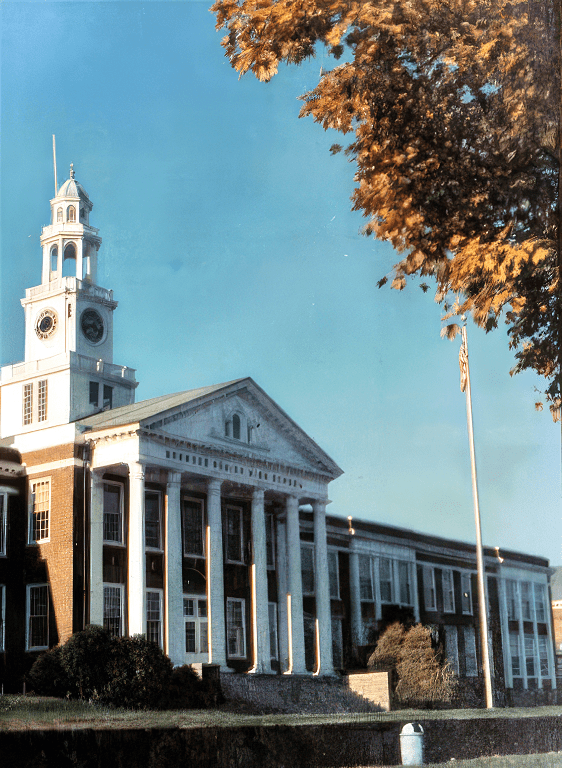
Facing extensive water damage at Norwood High School, selectmen tentatively agreed to recommend an $82,500 appropriation at the September 20 special town meeting—while a broader engineering survey revealed an estimated $750,000 in necessary roof repairs across the school district. Gym Floor Damage and Architectural Estimates An August 9 rainstorm caused severe rainwater leakage from a…
-
John Poce Appointed Acting Principal of Junior High School North-September 9, 1982
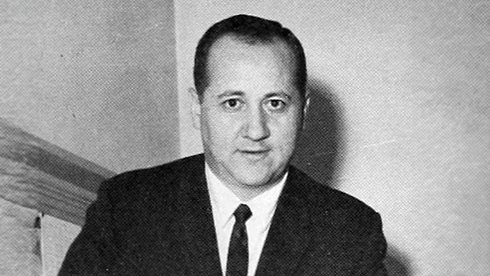
Junior High School North vice-principal John Poce is unanimously appointed acting principal by the school committee following James R. Savage’s promotion to superintendent.
-
Norwood Public School Students Score Strongly on State Basic-Skills Exams-September 2, 1982

Students across Norwood public schools have demonstrated exceptional academic performance, scoring remarkably well on state-mandated basic-skills tests for the second consecutive year. Released recently following examinations administered last spring, the district data reveals that only a very small handful of students across grades three, five, and eight failed to achieve minimum passing standards in reading,…
-
School Long-Range Planning Panel to Deliver Progress Report-August 24, 1982

Facing declining enrollments, Norwood’s school planning panel will deliver a progress report in October and final recommendations on grade configurations and potential school closures in January.
-
Norwood School Committee to Ask Teachers to Renegotiate Contracts-August 20, 1982

Citing finance commission opposition and Proposition 2 1/2 limits, the school committee will ask teachers to renegotiate 8 percent pay raises or face town meeting review on September 20.
-
Norwood School Committee Narrows Superintendent Search to Three Finalists, Including Junior High North Principal James R. Savage-August 11, 1982
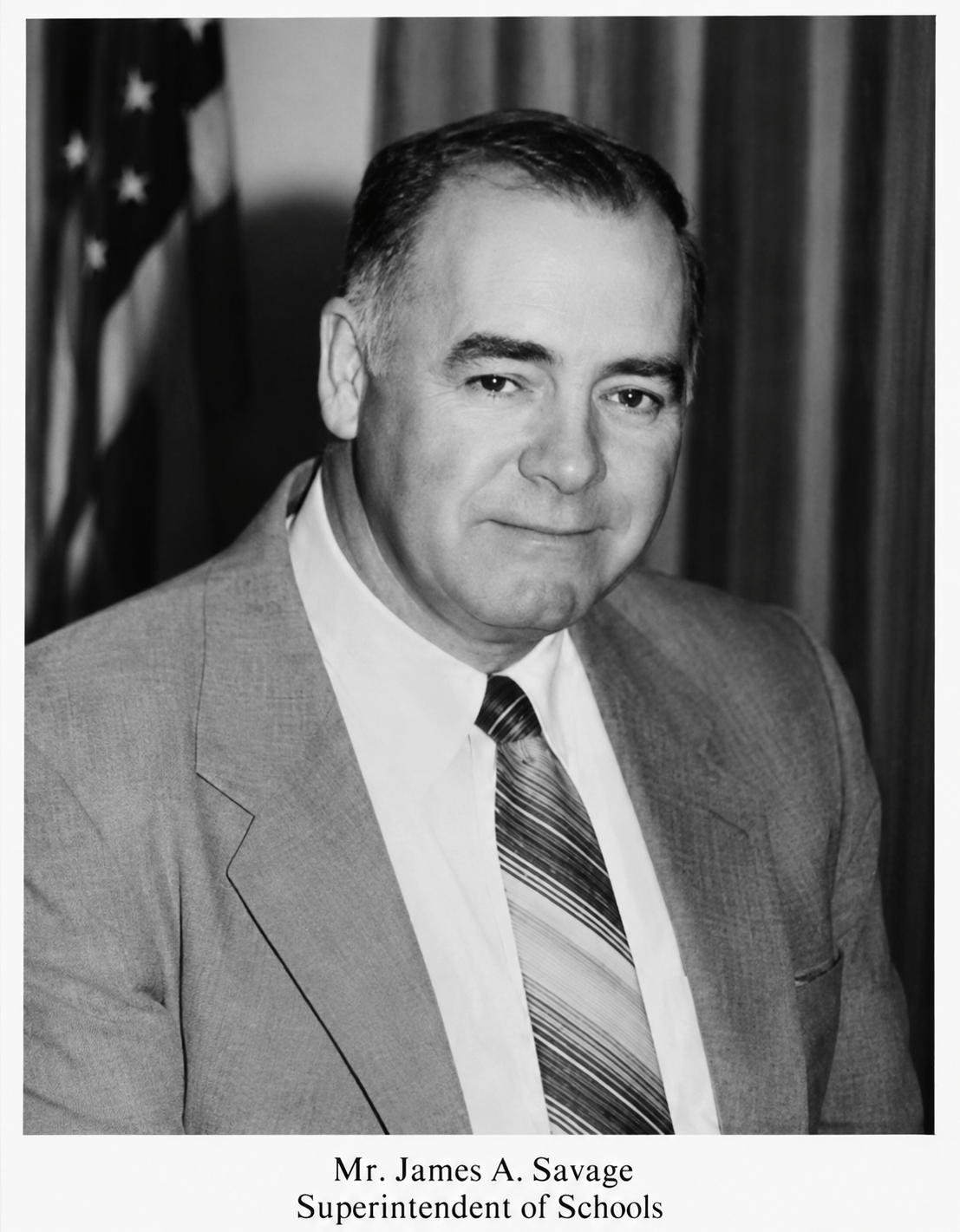
Junior High North Principal James R. Savage was named one of three finalists for Norwood superintendent of schools, alongside Arlington assistant superintendent William J. Birmingham and Rhode Island administrator Nora M. Walker.
-
Peabody School Graduates Told Of Obligation To Support Education-June 25, 1982

School officials emphasize community obligations and moral commitments to public education during exercises at Junior High School South.
-
Junior High South Approves ‘Project Adventure’ Obstacle Course Gym Class-October 15, 1981

Junior High South introduces “Project Adventure,” an outdoor physical education obstacle course designed to build teamwork and move away from competitive sports.
-
Norwood High School Senior Edward J. Skricki Named Merit Scholarship Semi-Finalist; Three Peers Commended-October 13, 1981

Norwood High senior Edward J. Skricki achieves National Merit Scholarship semi-finalist standing, joined by commended classmates Judith Martowska, Susan O’Brien, and Joseph Petrie Jr.
Discover more from Norwood Historical Society
Subscribe to get the latest posts sent to your email.