
Company Announces Energizing of Public Institutional Loop as Two-Year Rate Freeze Certification Process Approaches
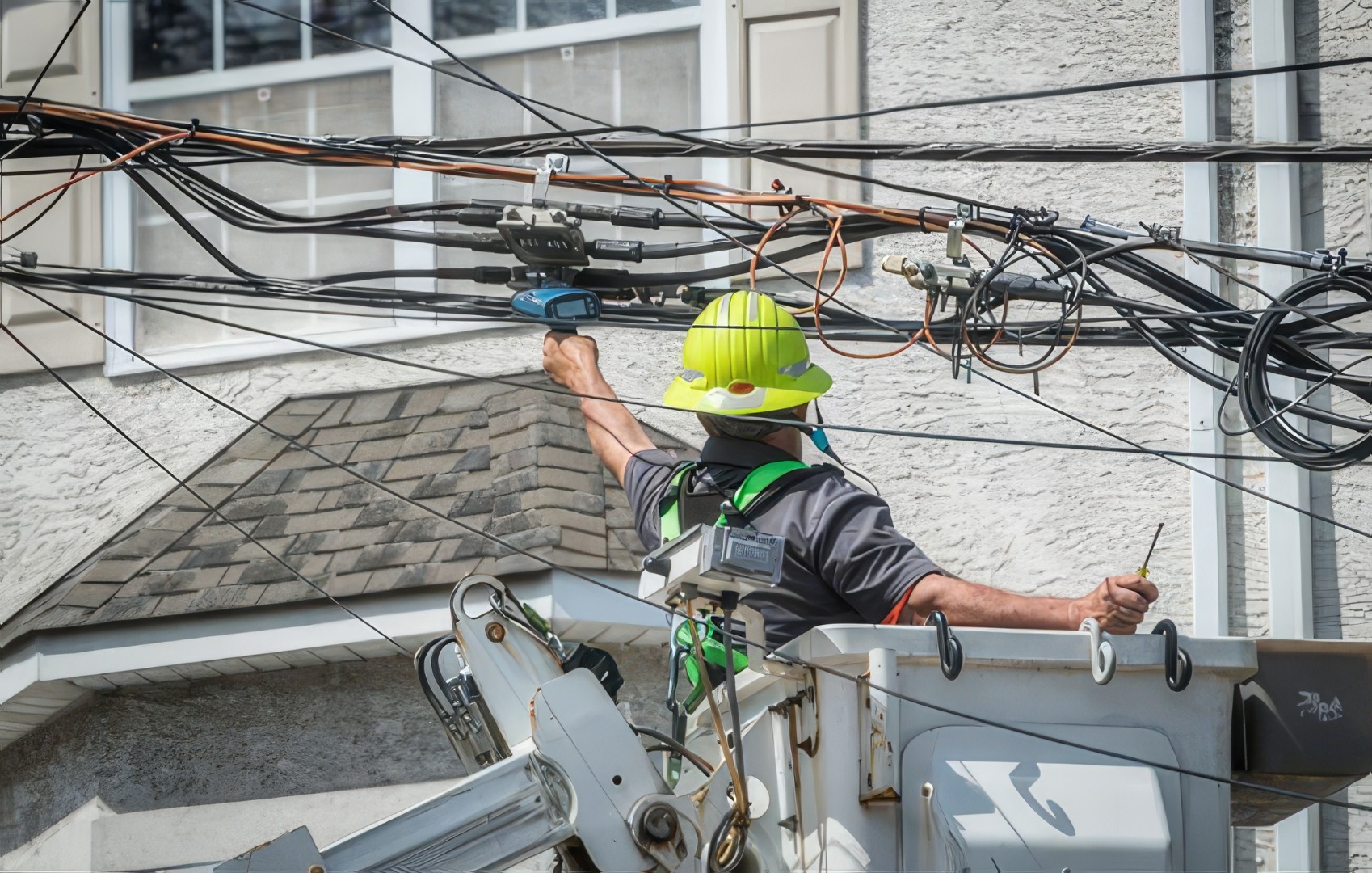
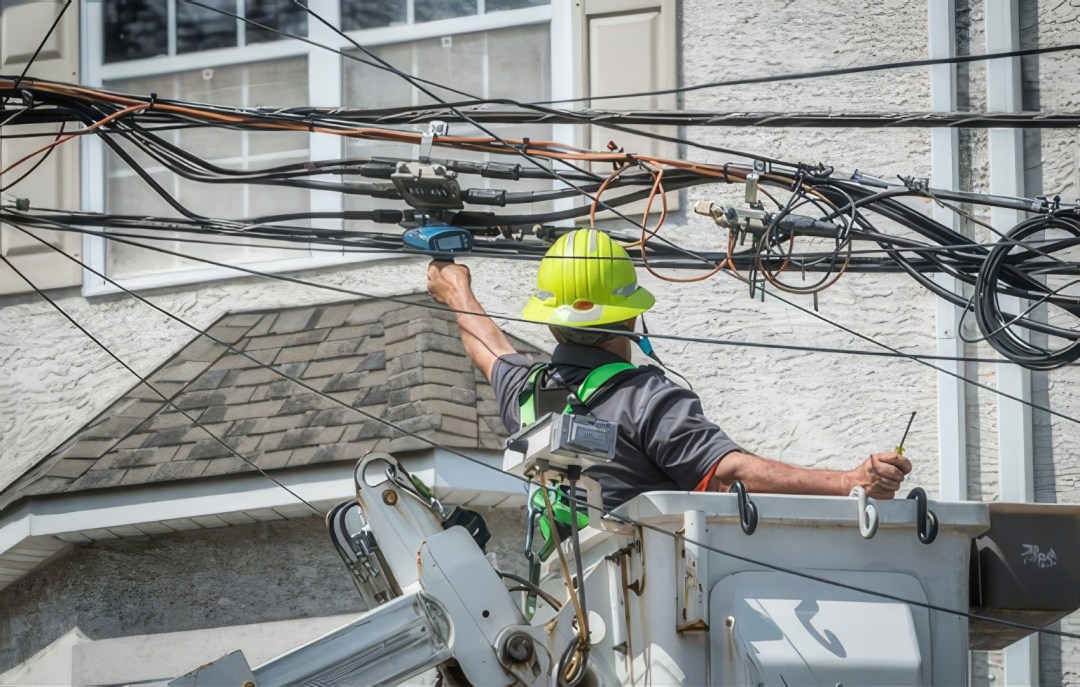
NORWOOD — Representatives from Adams-Russell Cable Services informed town selectmen last night that Norwood’s cable television system is officially complete. The declaration marks a critical milestone for both the Waltham-based company and local subscribers, as certification triggers the start of a two-year rate freeze mandated under the town’s franchise contract, barring any price hikes during that window. The completion timeline had been contested in June when town counsel ruled that formal certification should be withheld until the “institutional loop” connecting public municipal and school buildings was fully operational. Addressing the board, Adams-Russell manager Jay Somers stated, “My opinion is that the system is completed—so much so, that we energized the institutional loop last Friday.”
Somers acknowledged that the firm was still finalizing specific hookup locations for the institutional network, noting that pinpointing exact cable “drop” sites proved complex, and added that the company acted in good faith despite uncertainty regarding how the town intends to utilize the network. Meanwhile, Gordon Smith of the Cable Communications Commission noted that his panel had not been formally notified of the network’s completion and would review the matter to issue a recommendation to selectmen in September. Negotiations also touched upon a previously withdrawn $30,000 corporate offer to finance a second local cable studio—withdrawn in June after town officials deadlocked on a site location. When Selectman Chairman Walter J. Dempsey asked if the funding could be reinstated, Adams-Russell Vice President William C. Henchy declined, explaining that the firm had already exceeded projected installation costs by $900,000. Regarding subscriber complaints about missing channels, Somers explained that the company’s receiving tower was currently too low to capture them, though zoning permission was being sought to raise the structure. Henchy added that despite the missing signals, the company was actively broadcasting five more channels than originally promised in the contract.
Archival Note: This article has been dynamically reconstructed from the original public record print archives of the Patriot Ledger
More…
-
Norwood Public Access Dedicates Dick Kief TV Studio-January 3, 2013
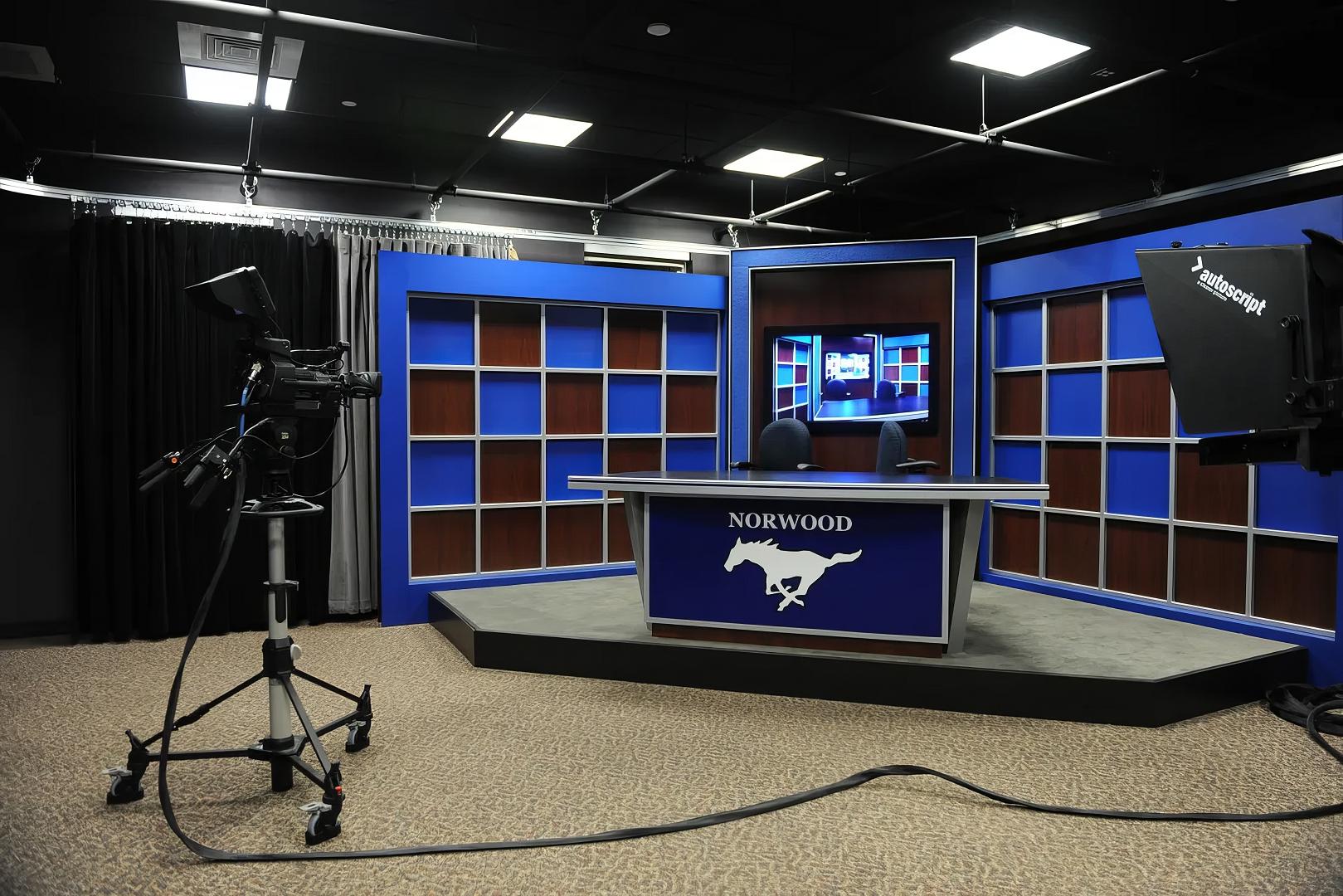
In a heartfelt dedication ceremony on Thursday, January 3, members of Dick Kief’s family celebrated the unveiling of the TV studio named in his honor at Norwood High School. Scott Murphy, President of the NPA-TV Board of Directors, emphasized Kief’s preference for being called “Dick” rather than Richard or Richard W. The plaque now proudly…
-
Lights, Camera, Summer: Norwood Public Access’s Youth Media Program-July 19, 2012
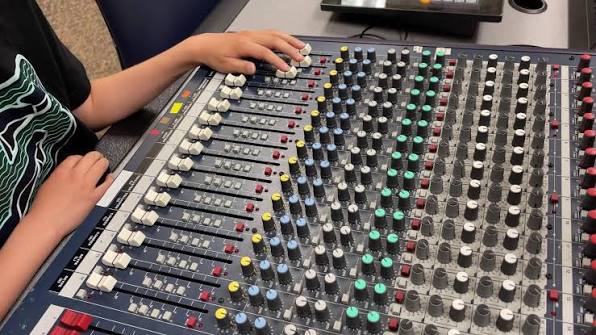
The Lights, Camera, Summer program was a huge success for Norwood Public Access (NPA) and its participants. The program allowed 15 students to learn about video production and create their own content, which was then broadcast on NPA-TV.
-
Norwood Public Access Television Finds a State-of-the-Art Home Inside the New Norwood High School-October 10, 2011
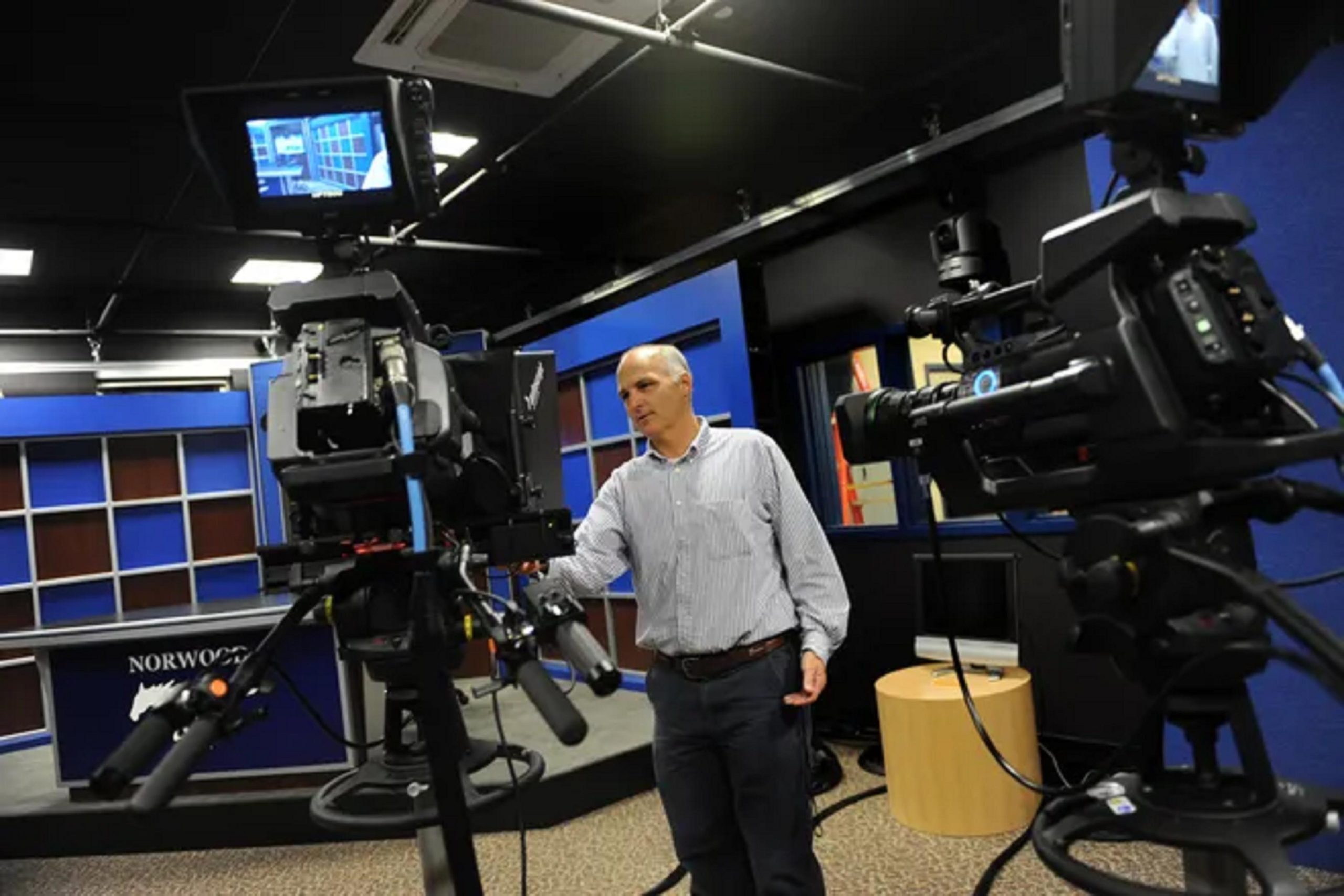
NPA-TV completes a $520,000 relocation into the new Norwood High School, providing state-of-the-art broadcast equipment for both student media classes and community programming.
-
Board of Selectmen Approves Verizon FiOS Cable Franchise-August 23, 2007
Norwood selectmen approved a cable franchise for Verizon, making it the 55th Massachusetts town to get FiOS and giving residents a third TV provider alongside Comcast and Norwood Light.
-
Cablevision Announces Rate Increases for Norwood Subscribers-August 5, 1992
Cable television rates for Norwood residents increased in September 1992 across basic, family, and premium packages as Cablevision simultaneously prepared for a corporate takeover by A-R Cable Services.
-
Norwood to Re-Examine Cable Request-July 18, 1992
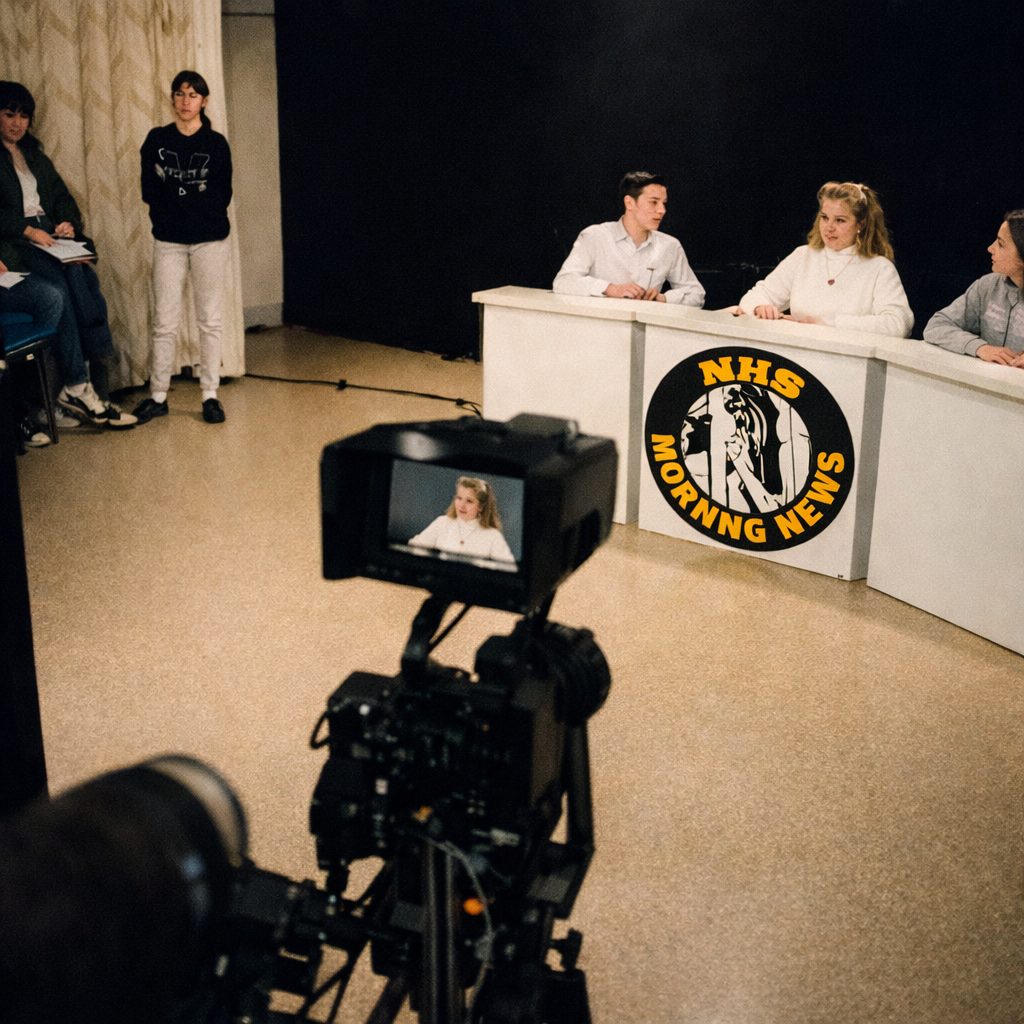
Norwood was on the cusp of a significant decision regarding its cable television infrastructure. On this fateful day, July 18, 1992, selectmen were poised to take action on a long-delayed and contentious request from the school system for $80,000 to upgrade the high school’s television studio into a community facility. The proposal had been in…
-
Norwood High Opens Communications Through TV-December 1, 1991
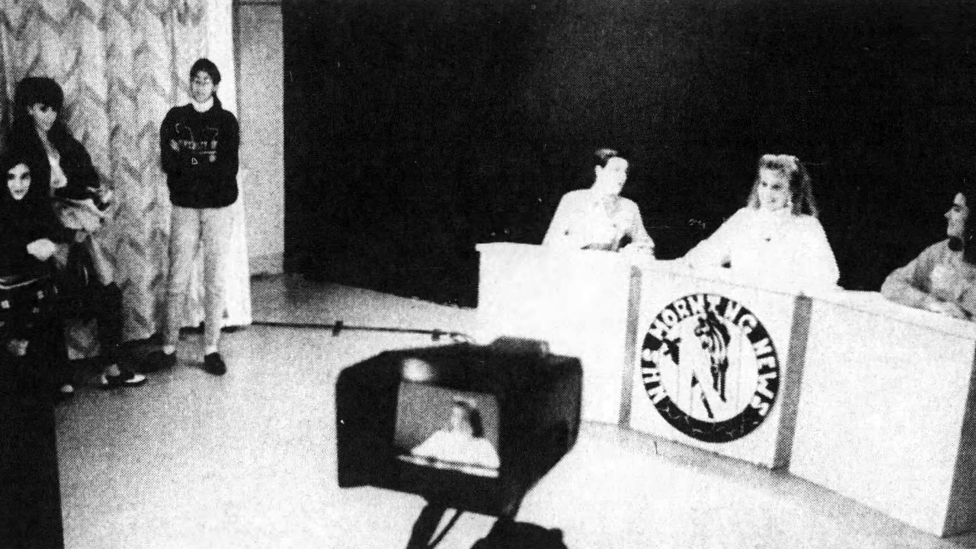
Producing a daily morning show and broadcasting live local events, Norwood High’s student-run TV studio combines hands-on media training with advanced satellite learning technology.
-
Norwood Schools Get Backing for Cable TV-July 24, 1991
The Norwood School Committee unanimously voted to pursue a $530,000 federal Even Start grant utilizing cable television to expand early childhood education for Norwood and Westwood.
-
$16,600 Grant Equips New Norwood High School Cable Television Studio-August 18, 1987
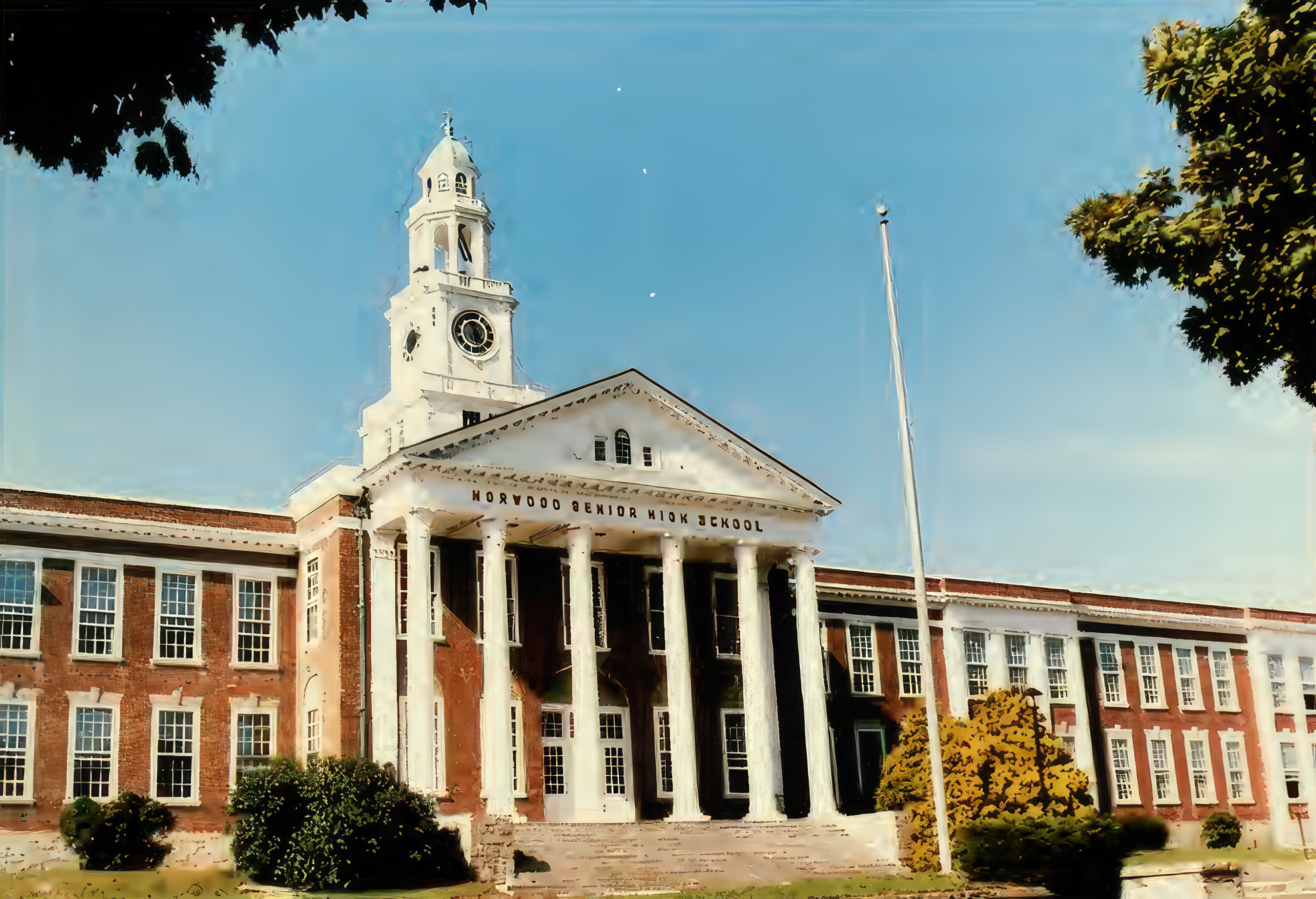
Norwood Community Television awarded a $16,600 grant to equip a new student-run television studio at Norwood High School, expanding local cable programming and production training.
-
Local Cable Television Program “For the Record” Wins National Defense Recognition-August 30, 1986
Norwood cable television program “For the Record,” hosted by Jeff and Debby Briggs, receives a U.S. Defense Department award for featuring the National Guard.
Discover more from Norwood Historical Society
Subscribe to get the latest posts sent to your email.