In the midst of the tumultuous 1960s and early 1970s, the need for community-based support systems became increasingly apparent.
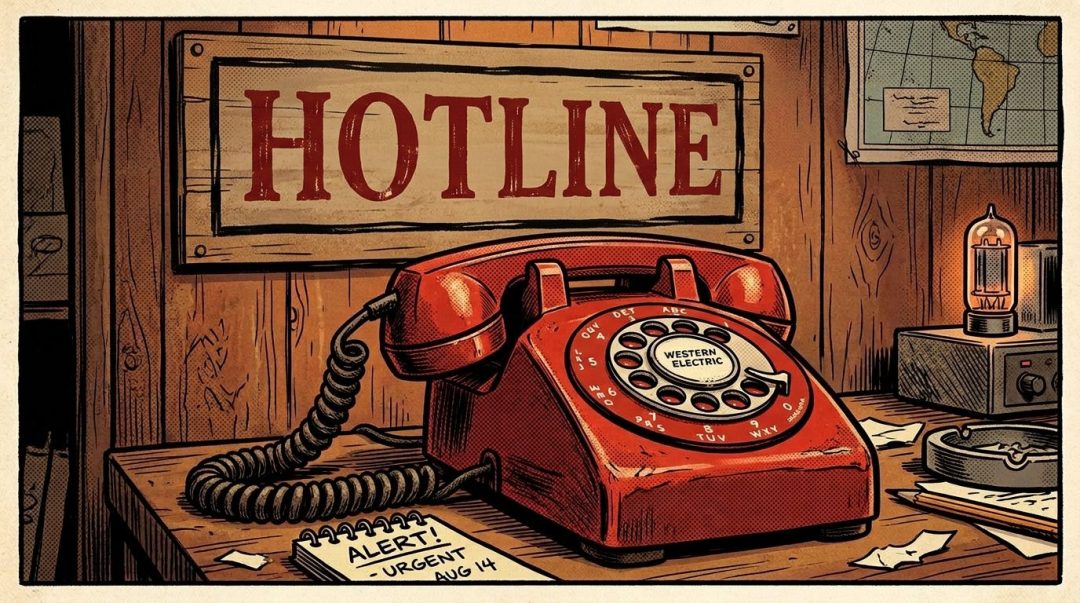
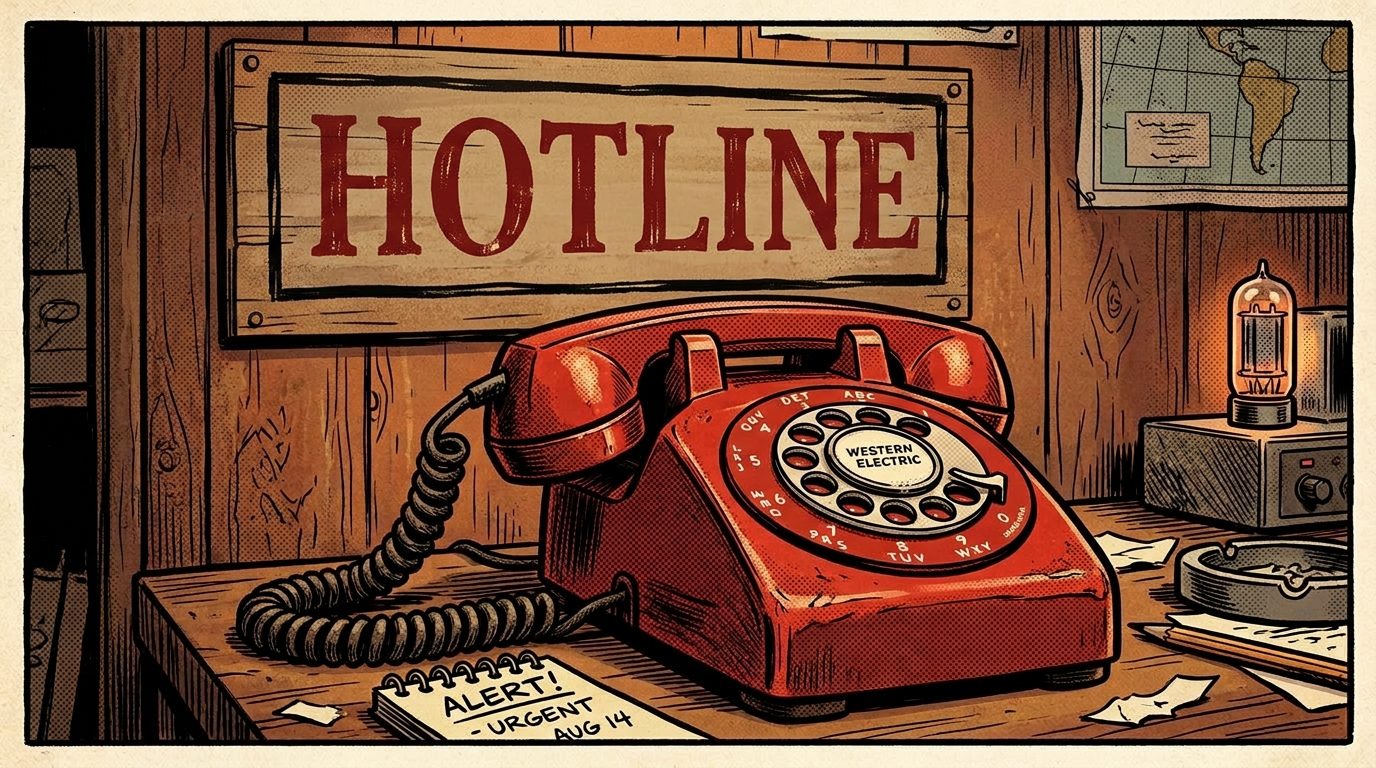
The residents of Norwood, Massachusetts, were no exception to this trend. On July 14, 1970, a group of concerned individuals came together to form a ‘hot line,’ a telephone service that would provide a safe and confidential space for young people to discuss their problems with trained counselors.
The idea for the hot line was born out of a community-wide meeting held at the Congregational Church in Norwood last winter. Rabbi Joel H. Meyers, committee chairman, had been approached by several individuals who were interested in establishing such a service. These included The Rev. Joseph McDermott of St. Catherine’s Church and Mrs. Eleanor Santoro, who was involved with the Community Action Program of the United Auto Workers.
Rabbi Meyers suggested that the Norwood program would likely be modeled after Needham’s Project Assist, which provided training classes for potential counselors. He also mentioned that the committee was searching for an office, preferably located in the center of Norwood, where individuals could walk in to discuss their problems without using the telephone.
The hot line was not intended solely to address drug-related issues, as some may have assumed. Rather, it aimed to provide a ‘friendly ear’ for young people who were struggling with various problems. Rabbi Meyers explained that the committee had realized that drugs were only one aspect of the program and that they hoped to lend a listening ear to anything that might be troubling the kids.
The committee was aware of the potential financial challenges associated with establishing such a service. However, they were hopeful that contributions from individuals and organizations in the community would help cover the costs. A subcommittee was working on securing funding for the operation, and a report was expected at the committee’s next meeting at the end of August.
Rabbi Meyers emphasized the importance of taking a cautious approach to avoid mistakes and ensure the success of the hot line. He noted that things were progressing slowly, but this was intentional, as it allowed them to be absolutely sure of everything before moving forward.
The formation of the hot line in Norwood marked an important step towards creating a supportive community environment for young people. The committee’s efforts demonstrated a commitment to providing a safe space for individuals to discuss their problems and seek guidance from trained counselors.
As Rabbi Meyers aptly put it, “Ideally, if we went out of business in six months because there were no more calls, everybody would be happy because there would be no need for us.” This sentiment highlighted the ultimate goal of the hot line: to provide a service that was so effective that it became unnecessary.
The hot line’s potential impact on the community was significant. Rabbi Meyers speculated that the program could involve special types of educational programs, such as interpersonal relations classes, to help people communicate with each other more effectively. He also mentioned that professional people who worked with young persons felt a general need for this type of program.
In conclusion, the formation of the hot line in Norwood on July 14, 1970, marked an important milestone in the community’s efforts to provide support services for young people. The committee’s dedication to creating a safe and confidential space for individuals to discuss their problems was a testament to the power of community-based initiatives.
Archival Note: This article has been dynamically reconstructed from the original public record print archives of the Patriot Ledger
More…
-
Legionnaire’s Disease Case Confirmed-July 9, 1977
Discover how local medical professionals successfully identified and treated a rare case of Legionnaire’s Disease in 1977, confirming the effectiveness of erythromycin treatment.

-
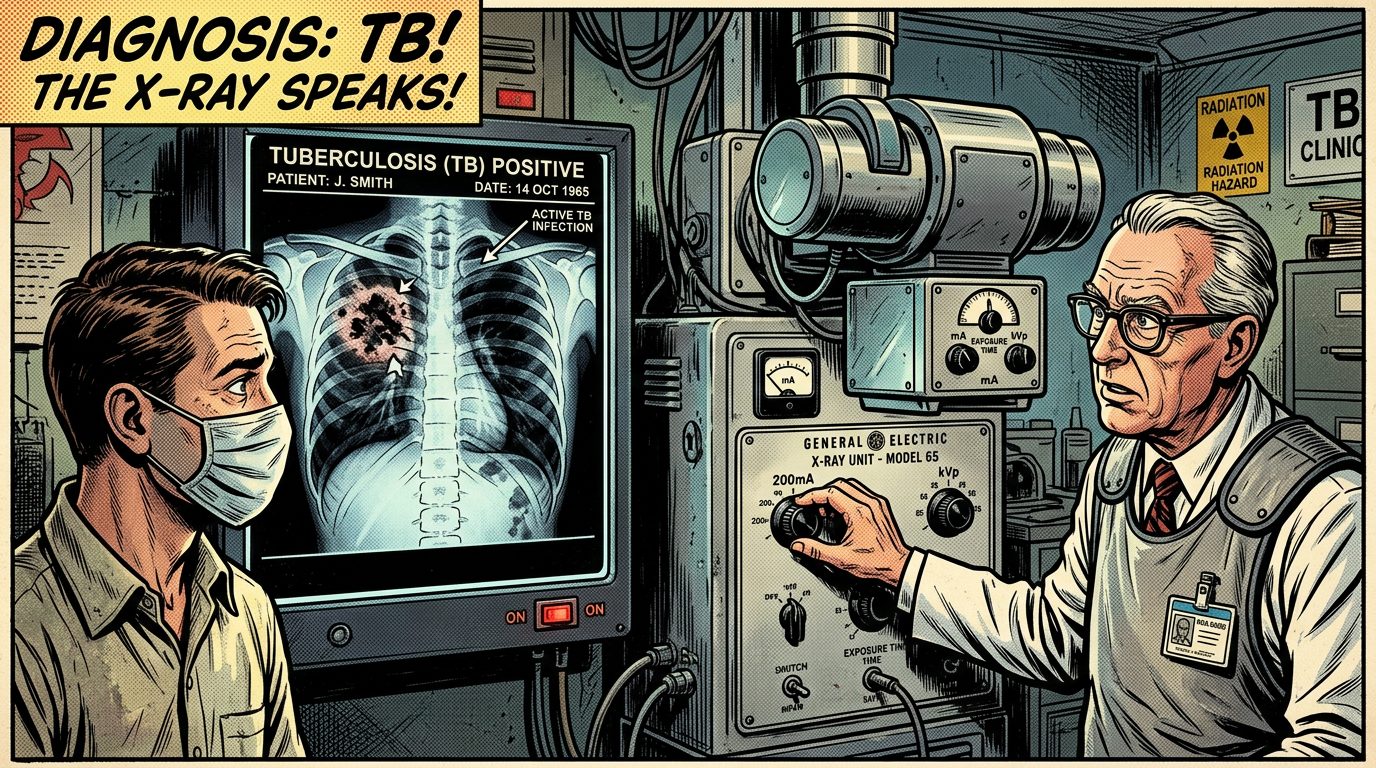
23 Positive TB Tests at High School-June 26, 1974
A massive public health sweep down at the high school tags twenty-three cases for clinical follow-up after an initial custodian exposure scare.
Discover more from Norwood Historical Society
Subscribe to get the latest posts sent to your email.