

Trial Set for Monday After Town Counsel Walter J. Gotovich and Polaroid Attorneys Oppose Delay Over $9 Million Industrial Complex Near Westwood Line
NORWOOD – A legal challenge pitting approximately 25 neighboring homeowners against the Town of Norwood and the Polaroid Company moved toward a rapid courtroom showdown in late November 1965 after Suffolk Superior Court Judge Edward A. Pecce rejected a defense request for a four-week delay. Reported in The Patriot Ledger on Tuesday, November 30, 1965 (with continuation on Page 18), Judge Pecce denied the continuance motion on Monday, November 29, in Boston and ordered the jury-waived trial to begin the following Monday.
The dispute centered on a proposed $9 million, 10-unit Polaroid industrial complex planned for acreage near the Norwood-Westwood boundary—land once owned by W. Cameron Forbes, a former United States Ambassador to Japan. At a Special Town Meeting on September 23, 1965, Norwood Town Meeting members had voted unanimously to rezone the tract from single residence to limited manufacturing, clearing the path for Polaroid’s film-processing and manufacturing facility.
Shortly thereafter, Norwood Building Inspector Henry Cronan issued two building permits to Polaroid, prompting roughly 25 abutting residents to file suit alleging illegal “spot zoning” and serving Cronan with a writ of mandamus on November 9. Following an initial preliminary hearing before Judge Joseph Ford at Dedham Superior Court on November 15, the case was scheduled for a jury-waived session in Suffolk Superior Court.
At Monday’s hearing in Boston, Atty. Lawrence F. Voke of Chelsea, representing the 25 protesting abutters, requested a month-long continuance to further prepare his case. Norwood Town Counsel Walter J. Gotovich, speaking for the town, joined Boston attorneys Clyde Cross and John Reed, representing Polaroid, in opposing any postponement and urging an immediate hearing. Judge Pecce sided with the town and company, ruling that the high stakes for Norwood, the neighboring residents, and the manufacturer required the case to be heard at the earliest possible date.
While Norwood officials prepared to defend the September 23 Town Meeting vote as serving the town’s best interests, the litigation had already affected Polaroid’s construction timetable. Facing a July 1966 deadline to bring new manufacturing capacity online for its expanding business, Polaroid officials decided to construct the complex’s initial buildings elsewhere rather than wait out the court battle.
Source: The Patriot Ledger • Tuesday, November 30, 1965 (Pages 1 & 18) • Boston / Norwood Coverage
| 1965 Polaroid Industrial Development Proposal | 1965 Amount | Est. 2026 Value |
|---|---|---|
| Proposed 10-Unit Polaroid Industrial Complex (Former W. Cameron Forbes Tract) | $9,000,000 | $92,700,000 |
*Equivalent purchasing power based on U.S. Bureau of Labor Statistics CPI data.
| Date / Venue | Key Action in the Norwood-Polaroid Zoning Dispute |
|---|---|
| Sept. 23, 1965 Norwood Special Town Meeting |
Town Meeting unanimously approves rezoning the former W. Cameron Forbes property near the Westwood line from single residence to limited manufacturing. |
| Nov. 9, 1965 Norwood Building Department |
After Building Inspector Henry Cronan grants two building permits to Polaroid, ~25 abutters file suit and serve him with a writ of mandamus. |
| Nov. 15, 1965 Dedham Superior Court |
Judge Joseph Ford hears initial charges and schedules a jury-waived trial in Suffolk Superior Court. |
| Nov. 29, 1965 Suffolk Superior Court, Boston |
Judge Edward A. Pecce denies Atty. Lawrence F. Voke’s four-week continuance request and sets trial for the following Monday. |
Archival Note: This article has been dynamically reconstructed from the original public record print archives of the Patriot Ledger
More…
-
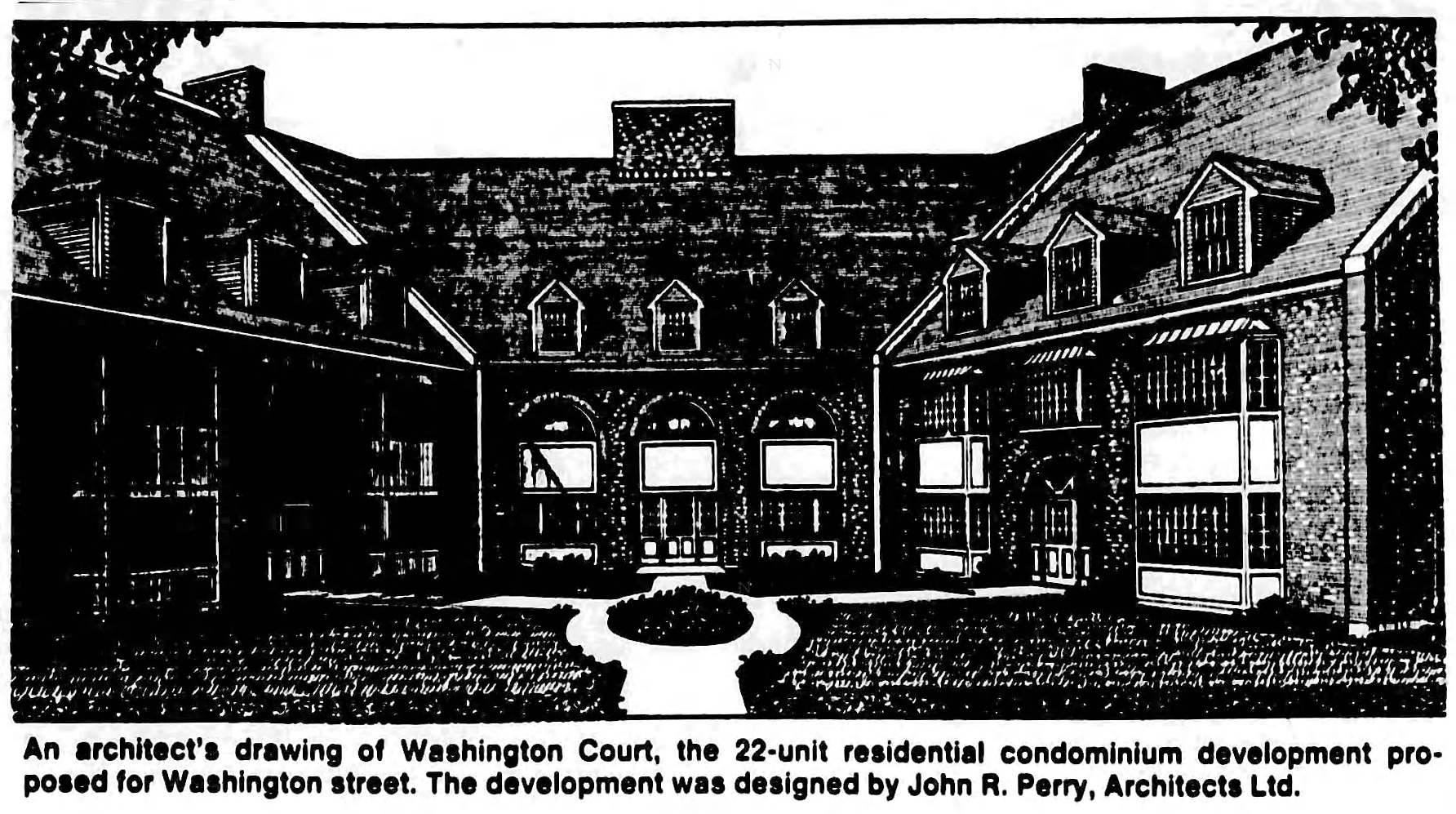
Neighbors Ask Zoning Board to Approve Variances for Winter Street Condominium Project-September 2, 1987
In an unusual display of consensus, residents from the Winter Street area appeared before the Zoning Board of Appeal to urge approval of zoning variances allowing developer James Brolly to construct a 22-unit residential condominium complex just three feet from adjacent property lines, well short of the normally required 25-foot buffer zone. Neighborhood Compromise Over…
-
McDonald’s Requests Special Permit for Broadway Drive-Through Window-September 2, 1987
An attorney representing the McDonald’s restaurant located at 32 Broadway in Norwood Center appeared before the Zoning Board of Appeal to request a special permit for the installation of a drive-through window. If approved, it would become the fourth drive-through facility established at local fast-food establishments following a contentious town meeting vote in May that…

-
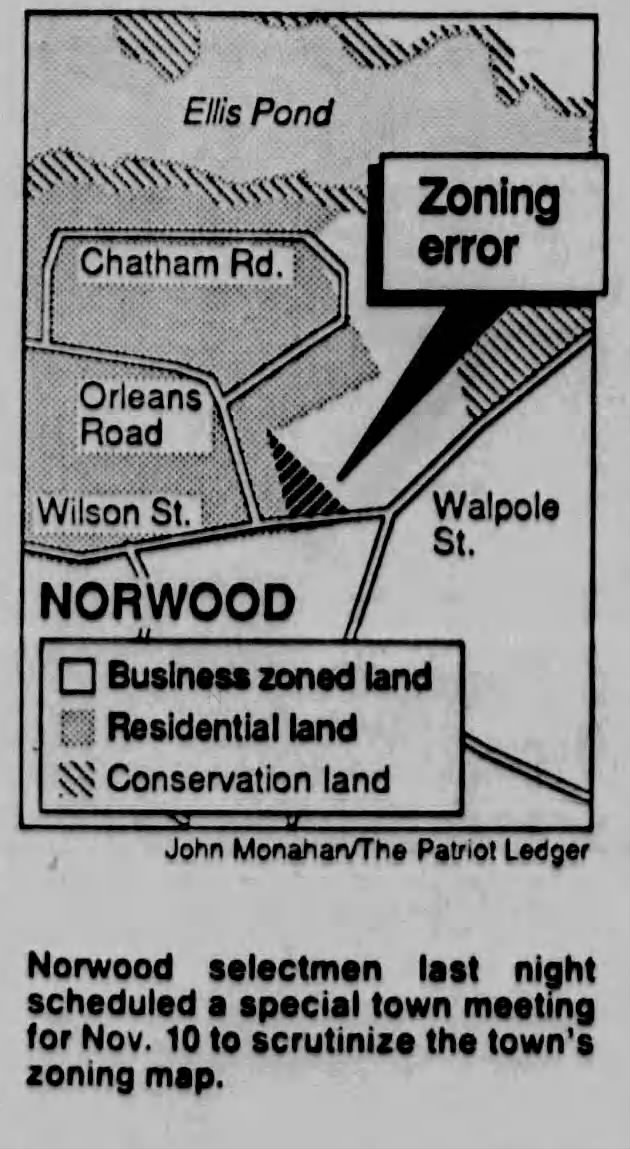
Zoning Map Error Threatens to Mix Homes and Businesses in South Norwood Neighborhood-October 9, 1986
A decades-old zoning map mistake sparks outrage among Orleans Road residents in South Norwood, prompting selectmen to call a special town meeting to prevent commercial encroachment.
-
Owner of Norwood Site Says He Was Unaware of Gravel Removal-July 24, 1985
The Norwood Zoning Board of Appeals clashed with property owner Paul C. Balboni over unpermitted gravel excavation at a University Avenue site flagged by Building Inspector John Grover.

-
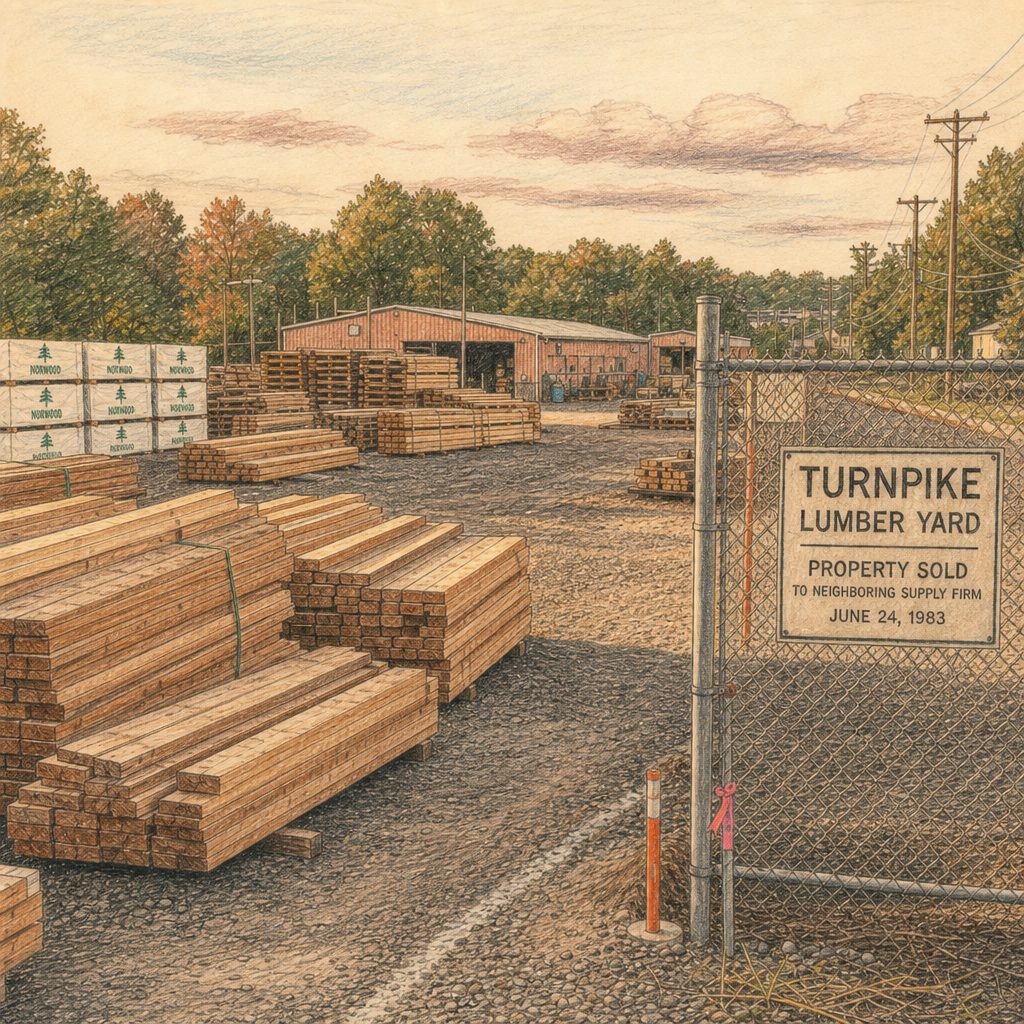
Turnpike Lumber Yard Property Sold to Neighboring Supply Firm-June 24, 1983
The commercial expansion follows two destructive, suspected arson fires that completely leveled the historic lumber yard buildings last year.
-
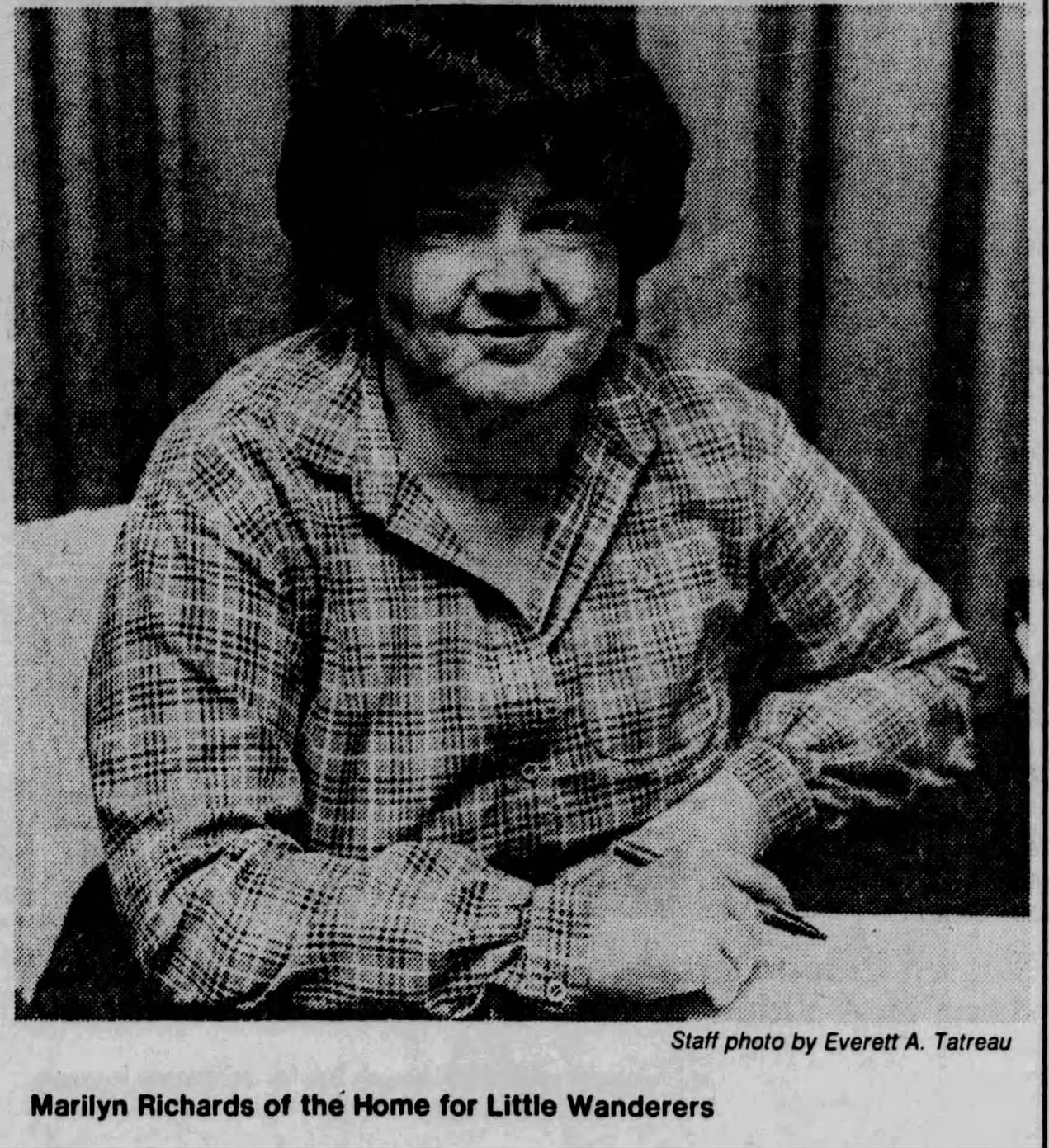
New England Home for Little Wanderers Fights to Keep Norwood Foster Program for Teenage Girls-October 15, 1982
Facing a cease and desist order from the building inspector, the New England Home for Little Wanderers appeals to keep its teenage foster home on Walpole Street.
-
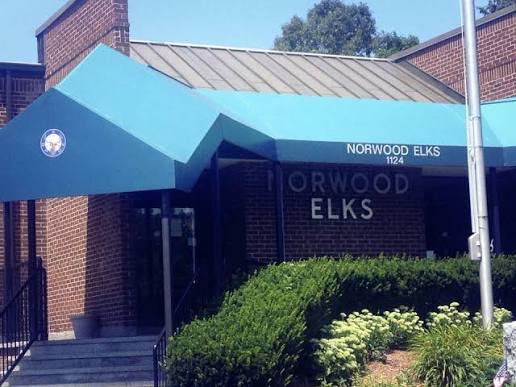
Norwood Briefs: Taxi Subsidy, East Hoyle Street Grant, Elks Parking, and Senior Activities-August 26, 1982
Norwood prepares to launch a taxi subsidy program for seniors and handicapped residents, receives a state grant to widen East Hoyle Street, and denies the Elks Club parking expansion.
-
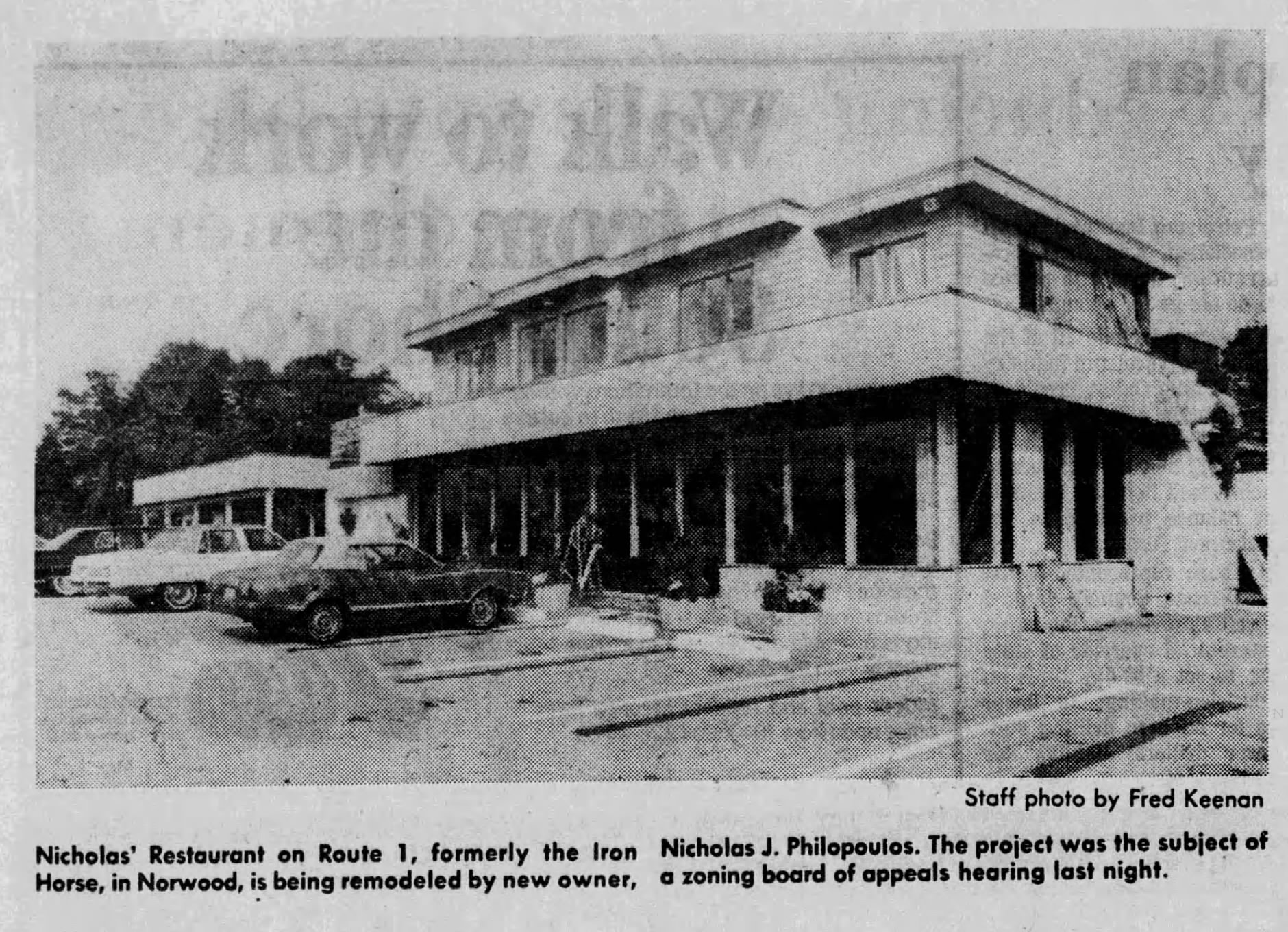
Building Inspector Takes Blame for Permit Snafu as Restaurant Expansion and Solar Home Plans Come Before Board—September 23, 1981
Norwood building inspector takes blame for a restaurant remodeling permit oversight, while the zoning board reviews expansions for The Nicholas and a novel solar home.
-
Star Market Withdraws Storage Permit Request Following Major Cardboard Warehouse Fire-July 29, 1981
Following a massive fire that took firefighters over 12 hours to extinguish, Star Market withdrew its permit request to store recycled cardboard at University Avenue.

-
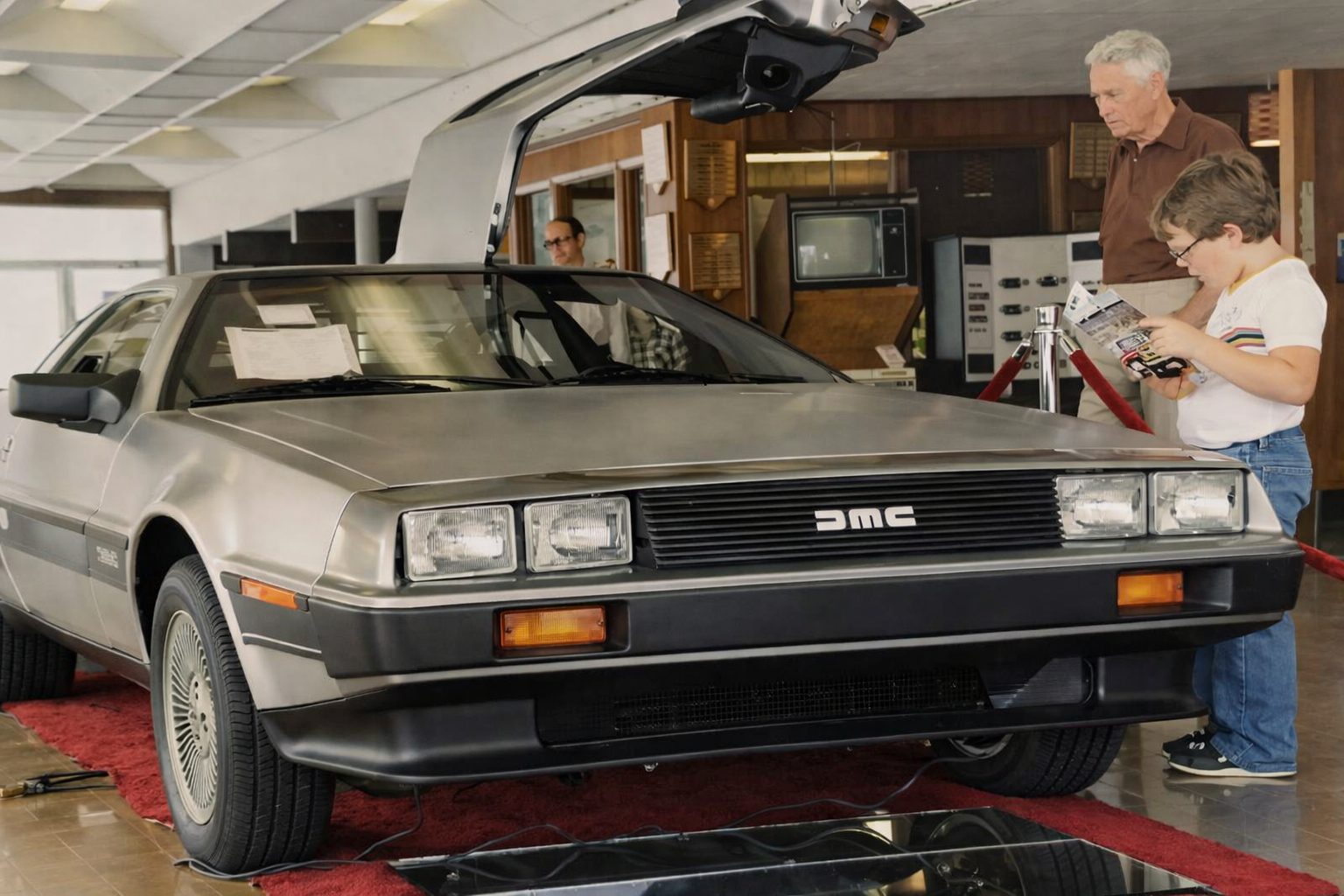
Planning Board Reviews Zoning Proposal for Route 1 Dealership-July 15, 1981
The Norwood Zoning Board of Appeals heard a controversial proposal for a DeLorian sports car dealership on Route 1, facing opposition from local residents.
Discover more from Norwood Historical Society
Subscribe to get the latest posts sent to your email.