
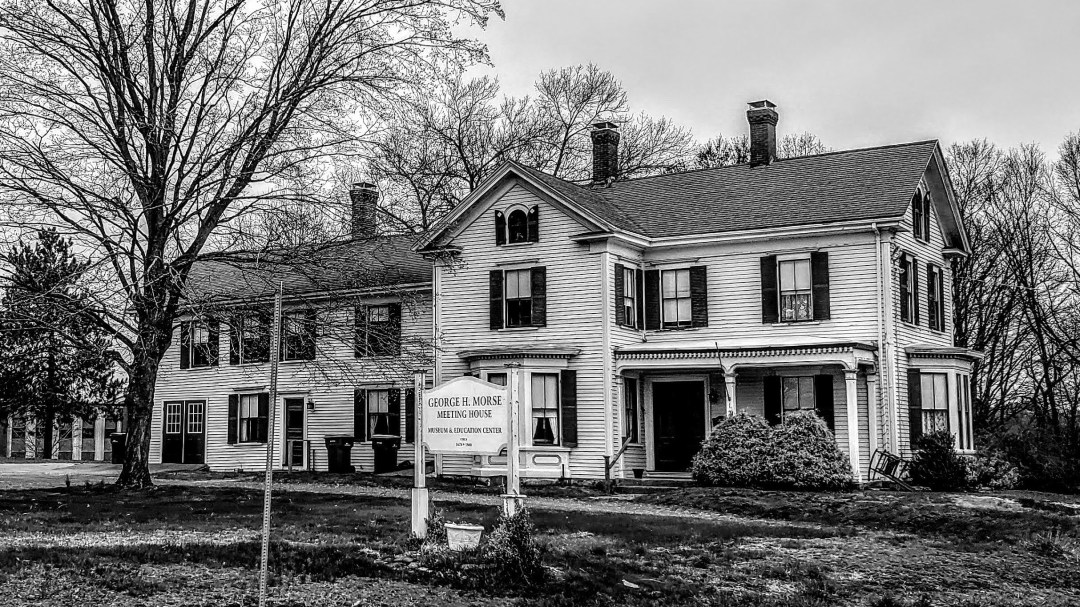

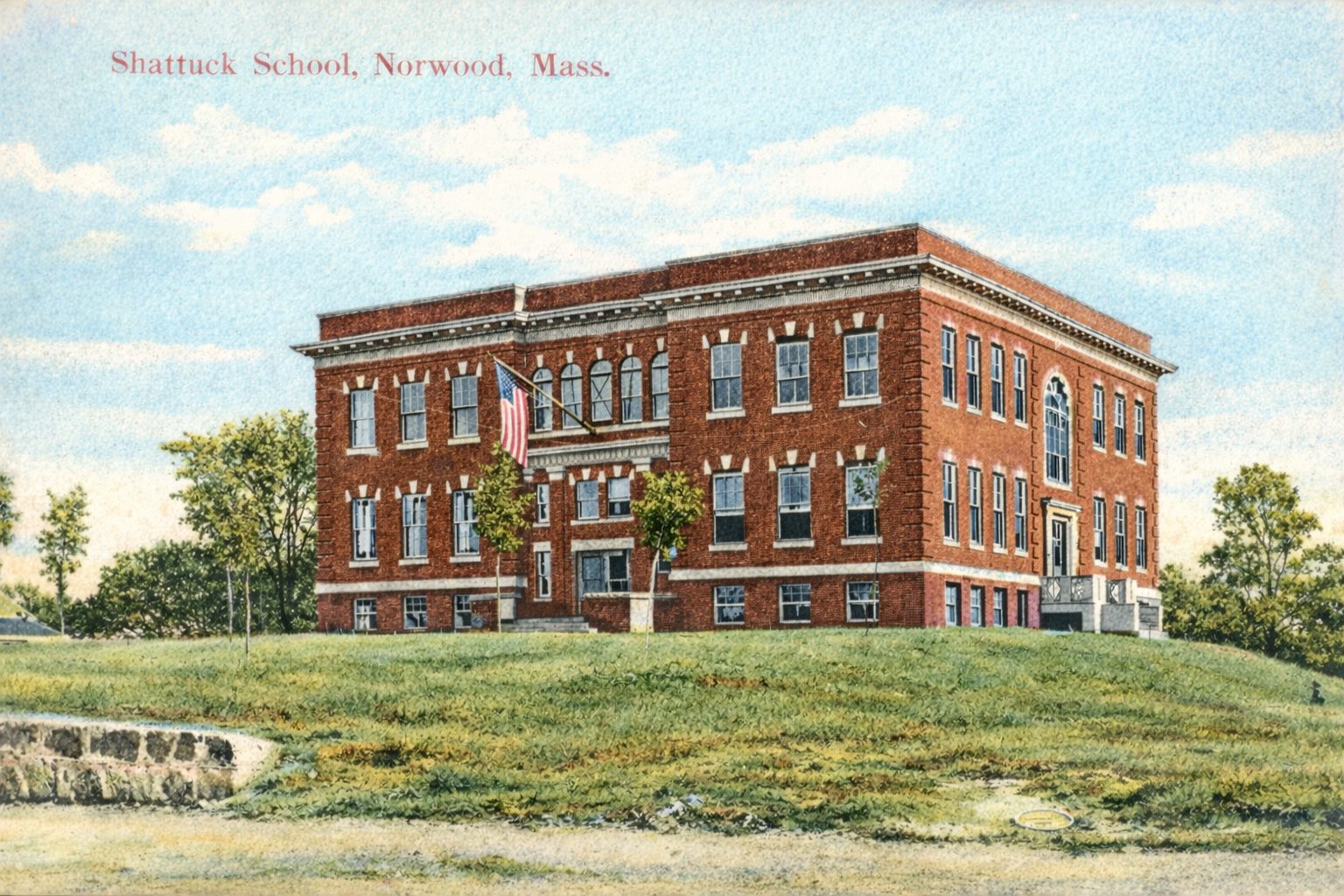
Pulse Inc., the local crisis hotline and referral agency, faced opposition from approximately 20 residents during an open meeting held at the Shattuck School regarding a proposal to relocate its headquarters to a town-owned house at 1285 Washington St. Selectmen had previously recommended the move following the planned future development of the Shattuck School into elderly housing.
Attorney George M. Ruboy of Norwood, volunteering legal services to the agency, prepared a proposed amendment to the town zoning bylaws to permit charitable, nonprofit social service agencies to operate in residential zones via a special permit from the zoning board of appeals. Selectmen endorsed the amendment for inclusion on a special town meeting warrant anticipated for September, sending it next to the planning board for public review and recommendation. If approved by town meeting, Pulse would still be required to secure a special permit from the zoning board. Ruboy noted that if the offices ever attracted undesirable elements, the appeals board retained the authority to rescind the special permit.
During the meeting, director Mary Merritt and outreach worker Jack Joubert sought to alleviate neighborhood concerns, explaining that the agency operates primarily via telephone rather than walk-in traffic. Merritt noted that the hotline takes between 150 and 200 calls a month, staffed by volunteers seven days a week from 7 p.m. to midnight on weekdays and until 1 a.m. on weekends, and estimated that only about two percent of clients ever require in-person contact, which occurs strictly by appointment—rarely exceeding one visit per week. Merritt emphasized that the Washington Street house represented the agency’s only affordable housing option, noting they currently pay just $10 a month to the town for their Shattuck School basement quarters.
Despite these assurances, residents voiced strong apprehensions. Adele Maloof and other neighbors expressed fear that the agency would act as a magnet for troublemakers and loiterers. One resident summarized the local sentiment: “I am not opposed to Pulse, but we have enough problems in South Norwood and I am afraid this will bring us more.” While acknowledging that large groups of youths currently congregating around the Shattuck School had no connection to Pulse, residents worried the presence of an office would draw crowds. A town meeting member from the district added that residents were already skeptical due to perceived historical neglect by town boards and a lack of local police protection. Joubert responded to the resistance, stating, “I see a lot of fear here which I think is founded on problems that won’t materialize. It would be sad for this town if this organization had to close its operation.” Several alternate locations were suggested during the discussion, including rooms at the Norwood Armory or Norwood Hospital.
Archival Note: This article has been dynamically reconstructed from the original public record print archives of the Patriot Ledger
More…
-
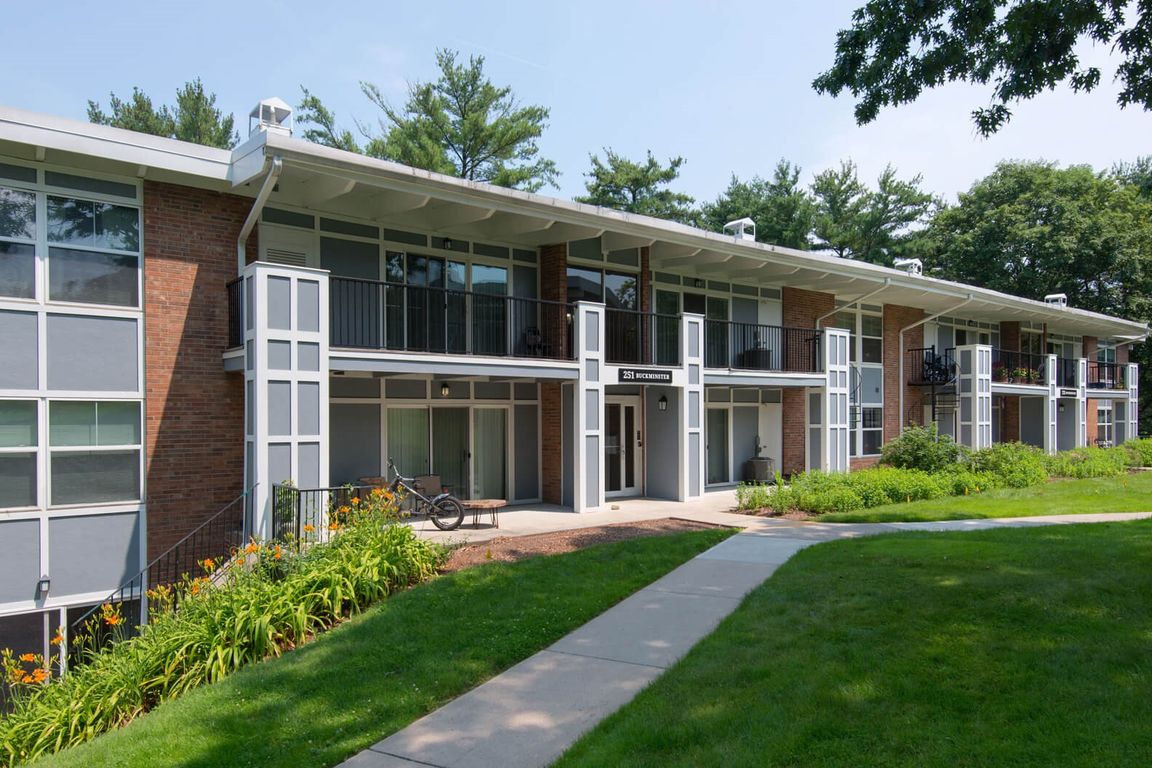
Two Public Housing Complexes Planned to Meet Growing Local Need-May 29, 1970
In 1970, the Norwood Housing Authority advanced two major projects—80 elderly units on Nahatan Street and 20 family units at a new site—while state bond delays and zoning changes shaped the timeline.
-
Norwood Voters To Consider Lighting Funds-June 26, 1968
The Finance Commission backs the utility expansion alongside a $163,000 sewer construction article, while the town master plan is deferred.

-
Norwood Planners To Postpone Article On Master Plan-June 25, 1968
Planners vote unanimously to defy a Finance Commission veto, taking an eight-thousand-dollar intersection study request straight to town meeting.
-
Planners Interpret Space Needs Of Proposed Apartment Complex-June 25, 1968
The zoning interpretation backs neighborhood abutters as Appeals Board Chairman James J. Drummey reviews demands to revoke the project’s permits.
-
Dean Street Residents Protest Business Encroachment-July 11, 1967
Dean Street Residents Protest Zoning Change On July 11, 1967, tensions escalated on Dean Street as more than 20 local residents attended a Planning Board hearing to protest a proposed zoning change that they argued would further erode their residential neighborhood. ⠀ The petition was submitted by Alexander Rossi, a contractor living at 181 Dean…
-
Norwood Planning Board Approaches Route 1 Zoning Solution-July 11, 1967
Planning Board Addresses Route 1 Zoning Violations On July 11, 1967, the Norwood Planning Board held a productive meeting with local residents to address long-standing zoning violations along Route 1. ⠀ The proposed resolution, introduced by Town Engineer Robert A. Hamilton, involves rezoning all commercially owned properties situated between East Cross Street and Dean Street…

-
Star Market Breaks Ground For Norwood Distribution Center-June 14, 1967
A grocery powerhouse selects a prime 55-acre parcel near Route 1 and the railroad, launching a massive development project that required 50 town meetings to approve.

-
Planning Board Considers Windsor Gardens Expansion-October 13, 1966
Windsor Gardens proposes a 239-unit expansion, Washington Street rezoning is debated, and American Steel and Aluminum announces a new industrial facility in Norwood.
-
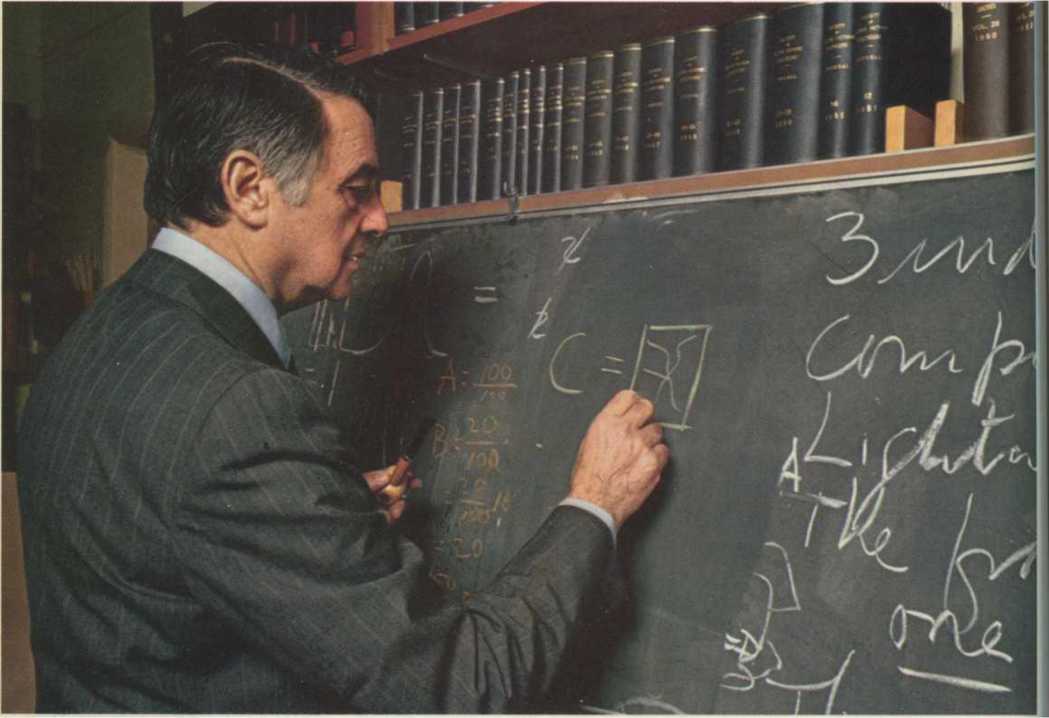
Polaroid Seeking To Work With Neighbors-October 7, 1965
Polaroid Seeking To Work With Neighbors-This Day In Norwood History-October 7, 1965
-
Norwood Planning Board Seeks Four Zoning Changes for Upcoming Special Town Meeting-August 9, 1965
The Norwood Planning Board submitted four zoning amendments for town meeting, covering residential rezonings, plastic footwear manufacturing for Consolidated Shoe, Route 1 uniformity, and apartment permits.

Discover more from Norwood Historical Society
Subscribe to get the latest posts sent to your email.