In the early 1930s, a group of West Side residents formed what became one of Norwood’s most active neighborhood organizations: the Shattuck School Improvement Association. Established on August 11, 1932, the Association dedicated itself to “promoting the welfare of the town of Norwood,” with a special focus on the Shattuck School district. Membership was open to anyone over eighteen—citizen or not—reflecting the group’s commitment to inclusiveness and community service.
From the beginning, the Association adopted a firm non‑political, non‑sectarian stance. Its leaders—beginning with first president Walter Blasenak, followed by Dennis O’Leary, William Flaherty, and current president William Connor—steered the group toward practical civic improvement rather than political debate. While the Association supported town initiatives such as skating facilities, it deliberately avoided involvement in elections or partisan issues.
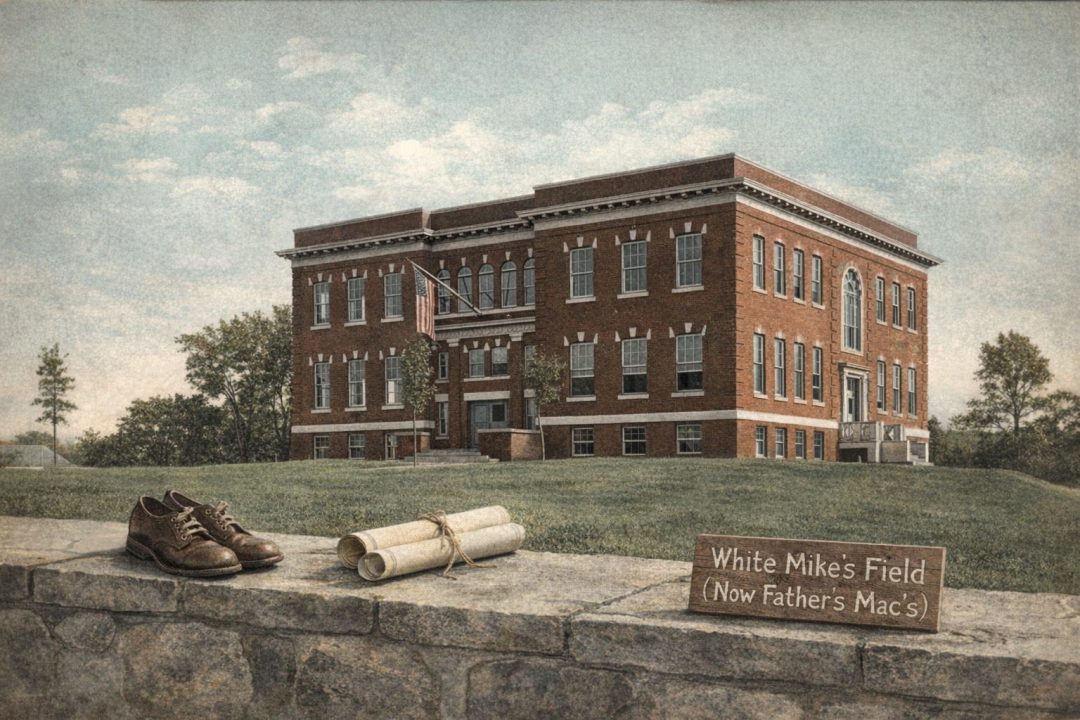
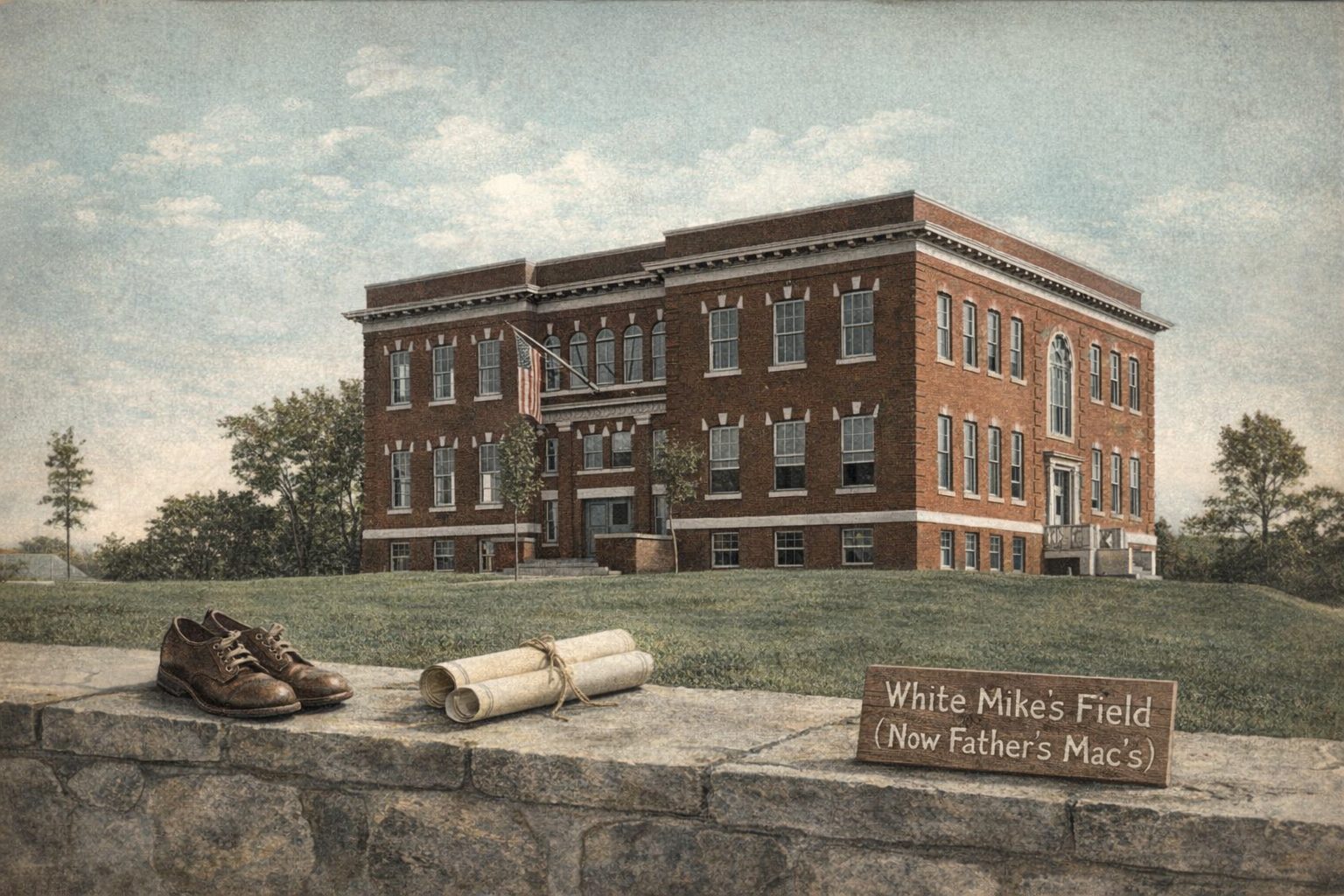
One of its most meaningful contributions was quiet, direct assistance to families in need. Through bridge parties and beano events, members raised funds that were turned over to the Shattuck School principal and nurse. These funds were used to purchase shoes for children who needed them—without fanfare and without the Association ever knowing which children received the help. The social events existed solely to support this charitable mission.
The Association also played a key role in Americanization efforts, helping residents who sought U.S. citizenship obtain proper instruction and guidance. Its civic involvement extended to major neighborhood improvements as well. The group was instrumental in securing the WPA‑funded auditorium at the Shattuck School and took the lead in acquiring White Mike’s Field, which, with $50,000 in federal support, was transformed into a park and playground featuring a large winter skating rink.
By 1964, the Association was actively advocating for better sidewalks, improved drainage, safer streets, and the removal of traffic hazards throughout the West Side. As President Connor noted, a coordinated group representing a substantial portion of the district’s voters could achieve far more than any individual acting alone.
Perhaps the most striking feature of the organization was its monthly meeting, held on the first Thursday of each month. With 150 active members—men and women, young and old—the gatherings served as a forum for discussing neighborhood concerns, planning improvements, and strengthening community ties. After formal business concluded, neighbors stayed to talk informally about town issues that affected their daily lives.
The Shattuck School Improvement Association stood as a powerful example of what neighborly cooperation could accomplish. Through shared effort, mutual support, and a commitment to the common good, the West Side community built lasting improvements that benefited both the district and the town of Norwood as a whole.
Discover more from Norwood Historical Society
Subscribe to get the latest posts sent to your email.