
Thomas A. Riolo Urges Precautionary Winter Town Meeting Action, While John F. Kinnaly Favors Stricter License Transfer Checks and Chairman William F. Butters Objects to Any Zoning Concession
NORWOOD – Members of Norwood’s Board of Selectmen voiced differing strategies on Sunday, November 28, 1982, over how to keep adult bookstores, movie theaters, and strip clubs out of town as the Massachusetts Senate prepared to act on a state anti-pornography zoning bill sparked by a bitter citizen battle in neighboring Stoughton. Reported in The Patriot Ledger on Monday, November 29, 1982, by Norwood correspondent Rick Moriarty, the debate pitted Selectman Thomas A. Riolo‘s call for precautionary local adoption against Selectman John F. Kinnaly‘s reliance on tighter liquor-license scrutiny and Chairman William F. Butters‘ refusal to grant adult businesses any legitimate zoning foothold.
Although selectmen had gone on record in October supporting state legislation giving municipalities authority over establishments specializing in hard-core pornography—a measure sponsored by Rep. William R. Keating (D-Sharon) after an adult bookstore opened in Stoughton in August 1982—the board divided over whether Norwood should immediately adopt the enabling statute at a special winter Town Meeting in January or February 1983.
“It doesn’t hurt to be safe. Put it on the books now to make it easier” to confront a potential problem “years down the road” when business licenses might change hands, Riolo argued, pointing directly to the neighboring town’s controversy: “Look what happened in Stoughton. It could happen here.”
Selectman Kinnaly agreed that Norwood did not want a repeat of Stoughton’s dispute—“We don’t want to see it happen here. We don’t want to see what happened in Stoughton happen in Norwood”—but contended that an emergency bylaw was unnecessary because current operators of Norwood bars and lounges were of a caliber that would not introduce adult entertainment. Rather than adopting a new zoning law, Kinnaly suggested selectmen tighten their review of future license transfers by examining applicants’ references and past operating records instead of relying solely on routine credit and police background checks.
Selectmen Chairman William F. Butters, meanwhile, explained that he viewed the Stoughton-inspired bill solely as a gesture of moral support for Stoughton residents rather than a zoning tool for Norwood. Because Rep. Keating’s legislation allowed towns to restrict adult book and film outlets to designated zones rather than banning them outright, Butters argued that passing such a bylaw implicitly acknowledged pornography’s right to exist somewhere in town—a concession he refused to make.
Archival Note: This article has been dynamically reconstructed from the original public record print archives of the Patriot Ledger
More…
-
Neighbors Ask Zoning Board to Approve Variances for Winter Street Condominium Project-September 2, 1987
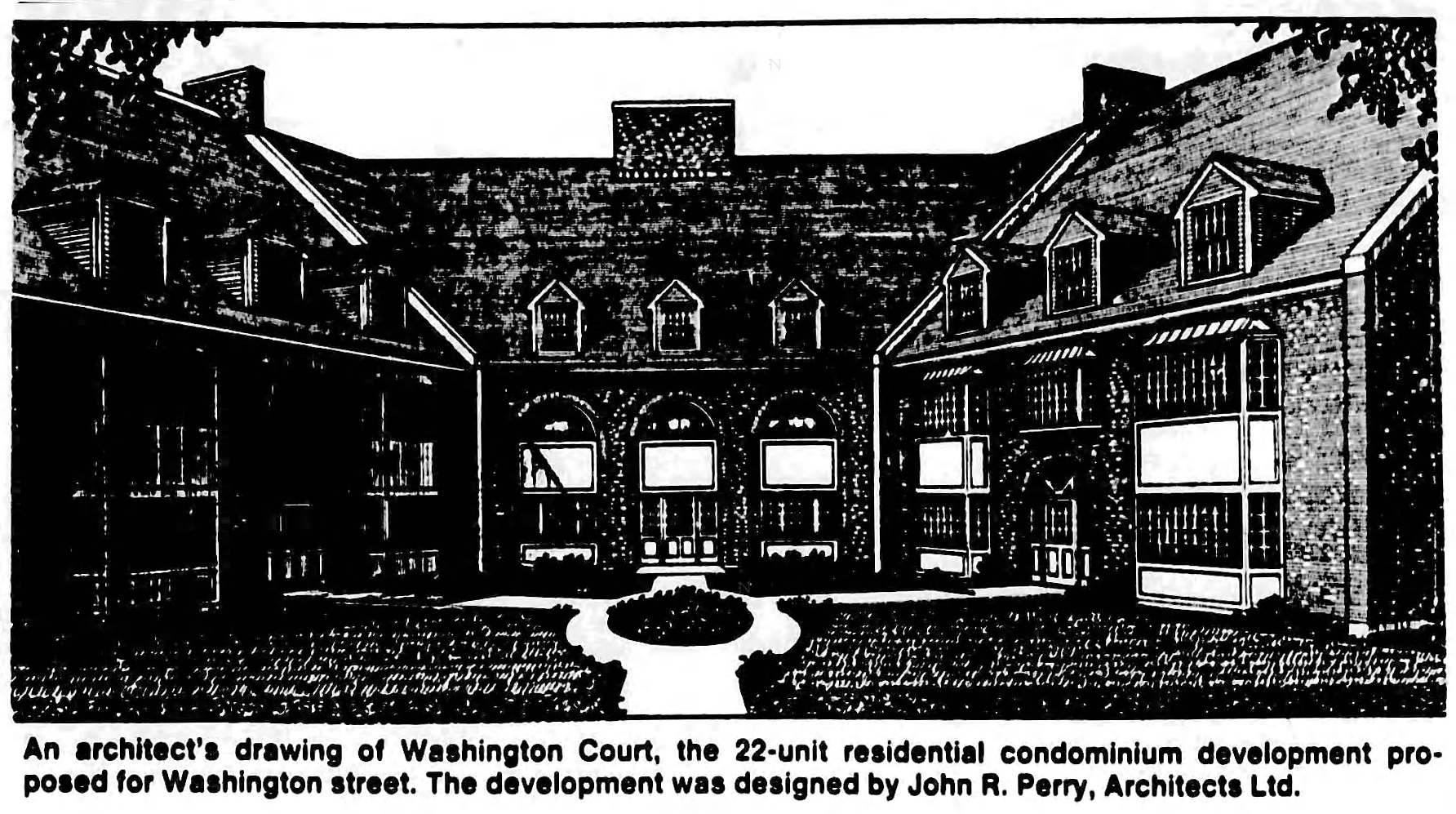
In an unusual display of consensus, residents from the Winter Street area appeared before the Zoning Board of Appeal to urge approval of zoning variances allowing developer James Brolly to construct a 22-unit residential condominium complex just three feet from adjacent property lines, well short of the normally required 25-foot buffer zone. Neighborhood Compromise Over…
-
McDonald’s Requests Special Permit for Broadway Drive-Through Window-September 2, 1987
An attorney representing the McDonald’s restaurant located at 32 Broadway in Norwood Center appeared before the Zoning Board of Appeal to request a special permit for the installation of a drive-through window. If approved, it would become the fourth drive-through facility established at local fast-food establishments following a contentious town meeting vote in May that…

-
Zoning Map Error Threatens to Mix Homes and Businesses in South Norwood Neighborhood-October 9, 1986
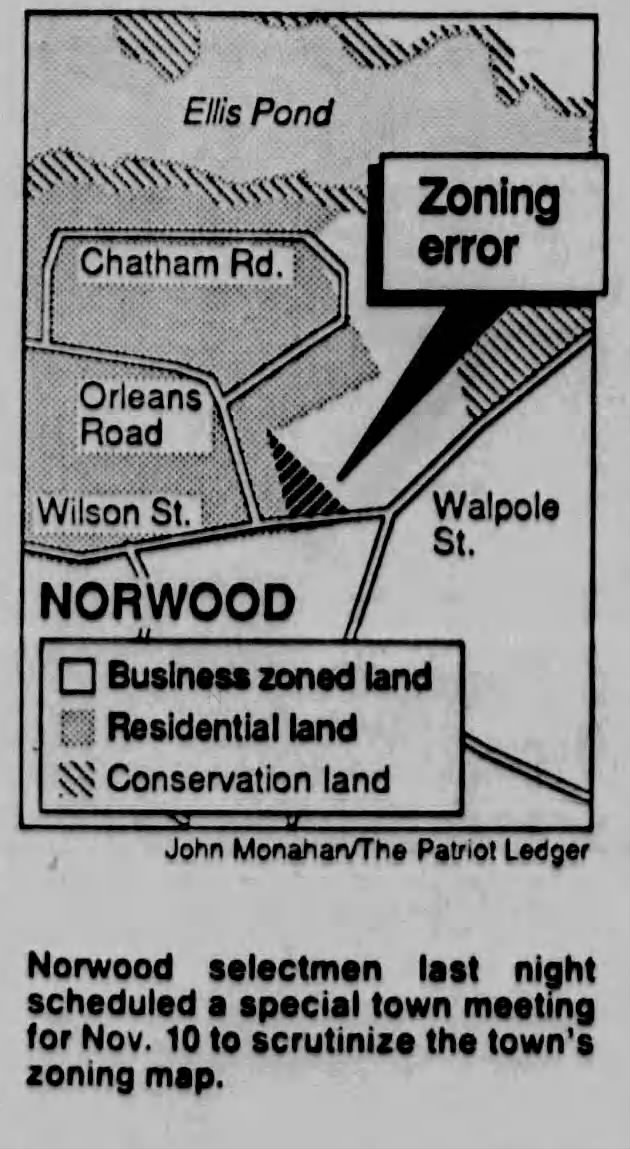
A decades-old zoning map mistake sparks outrage among Orleans Road residents in South Norwood, prompting selectmen to call a special town meeting to prevent commercial encroachment.
-
Owner of Norwood Site Says He Was Unaware of Gravel Removal-July 24, 1985
The Norwood Zoning Board of Appeals clashed with property owner Paul C. Balboni over unpermitted gravel excavation at a University Avenue site flagged by Building Inspector John Grover.

-
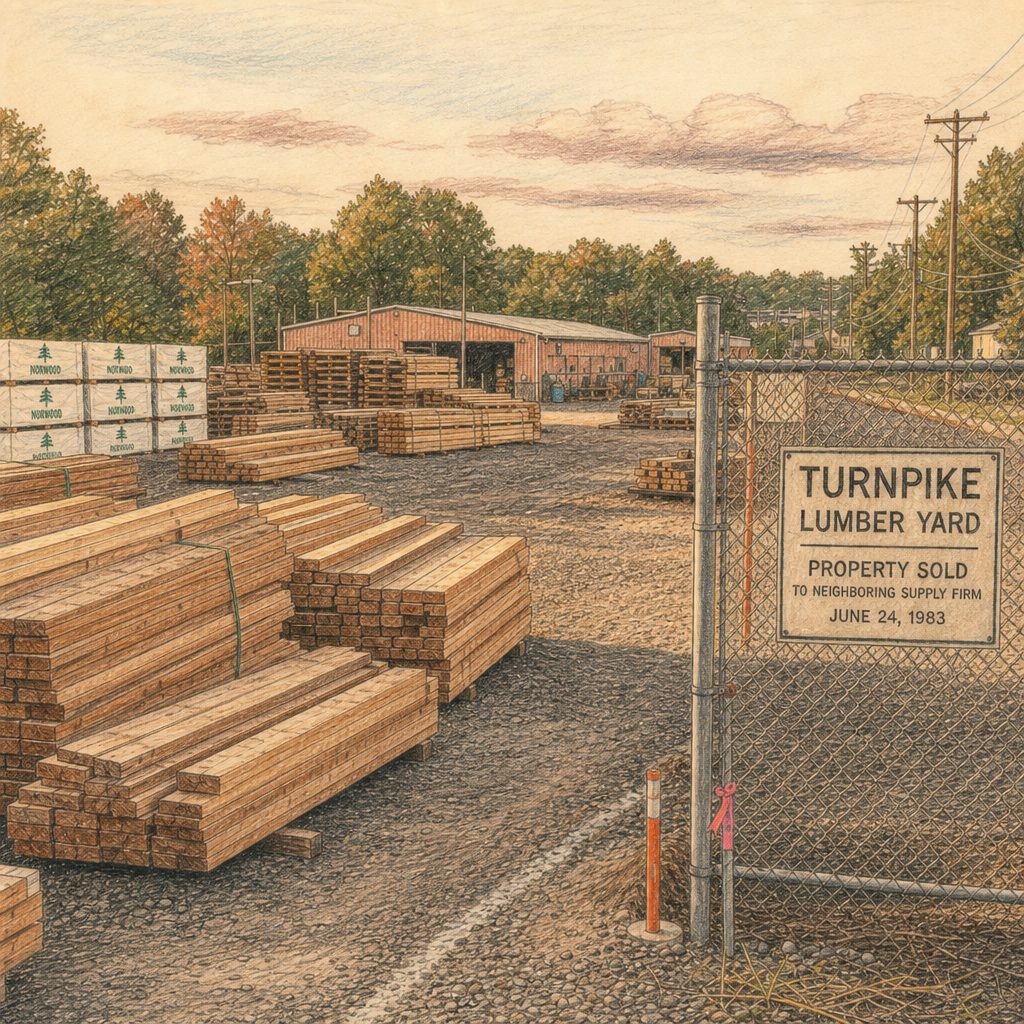
Turnpike Lumber Yard Property Sold to Neighboring Supply Firm-June 24, 1983
The commercial expansion follows two destructive, suspected arson fires that completely leveled the historic lumber yard buildings last year.
-
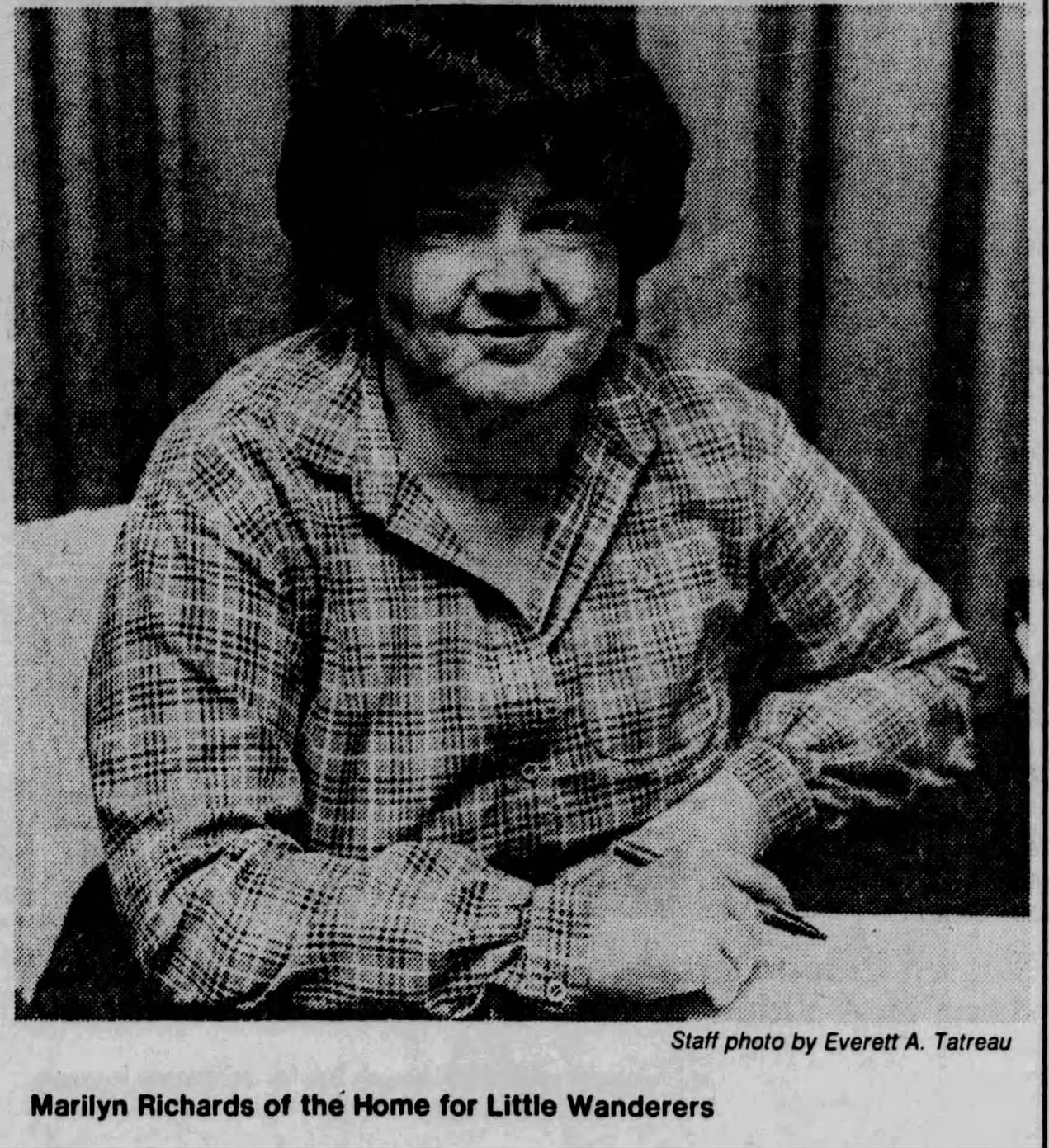
New England Home for Little Wanderers Fights to Keep Norwood Foster Program for Teenage Girls-October 15, 1982
Facing a cease and desist order from the building inspector, the New England Home for Little Wanderers appeals to keep its teenage foster home on Walpole Street.
-
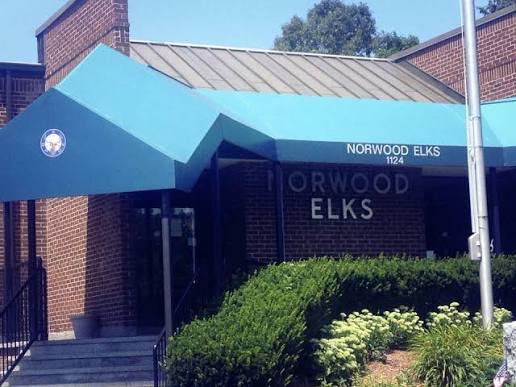
Norwood Briefs: Taxi Subsidy, East Hoyle Street Grant, Elks Parking, and Senior Activities-August 26, 1982
Norwood prepares to launch a taxi subsidy program for seniors and handicapped residents, receives a state grant to widen East Hoyle Street, and denies the Elks Club parking expansion.
-
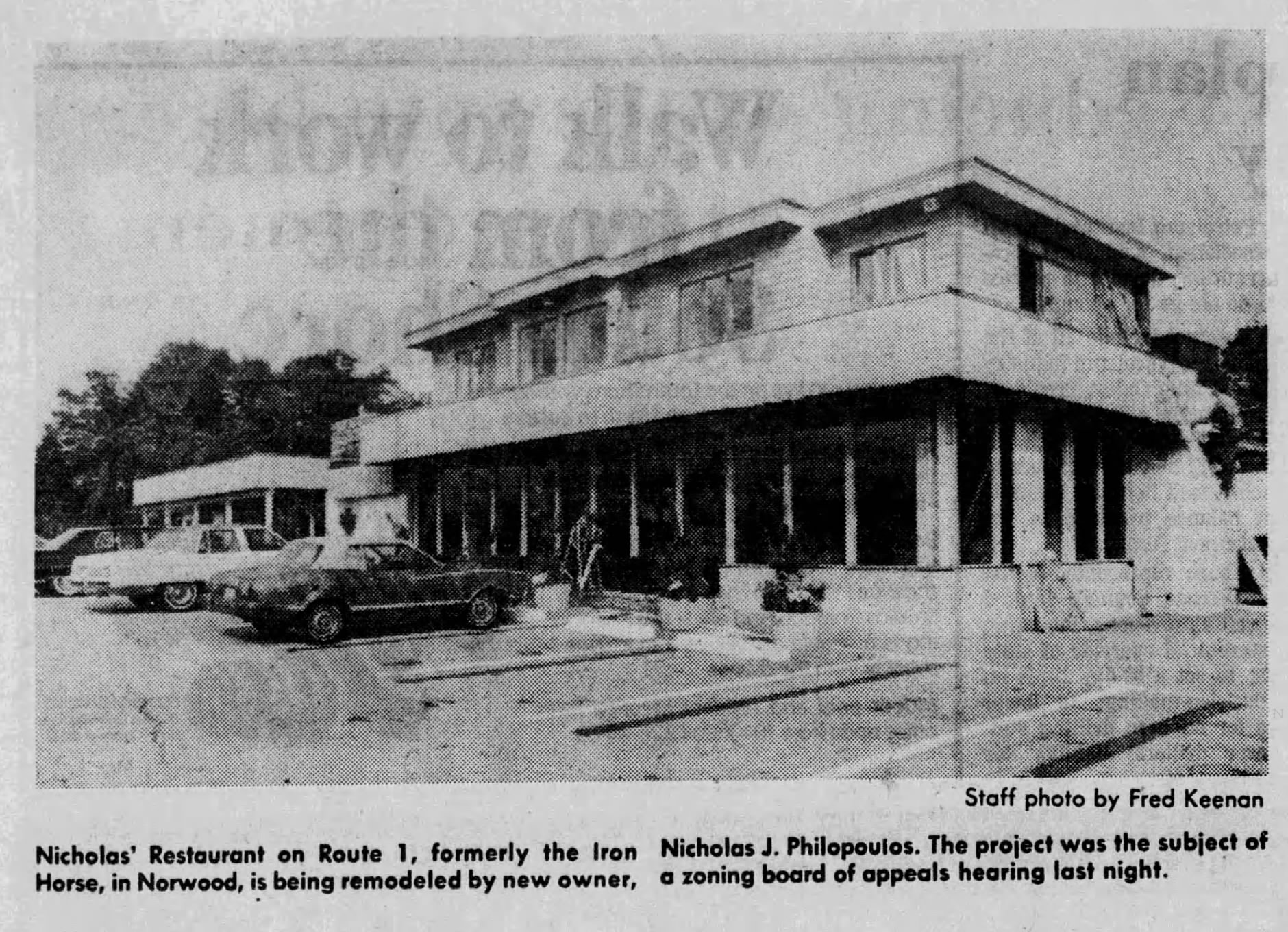
Building Inspector Takes Blame for Permit Snafu as Restaurant Expansion and Solar Home Plans Come Before Board—September 23, 1981
Norwood building inspector takes blame for a restaurant remodeling permit oversight, while the zoning board reviews expansions for The Nicholas and a novel solar home.
-
Star Market Withdraws Storage Permit Request Following Major Cardboard Warehouse Fire-July 29, 1981
Following a massive fire that took firefighters over 12 hours to extinguish, Star Market withdrew its permit request to store recycled cardboard at University Avenue.

-
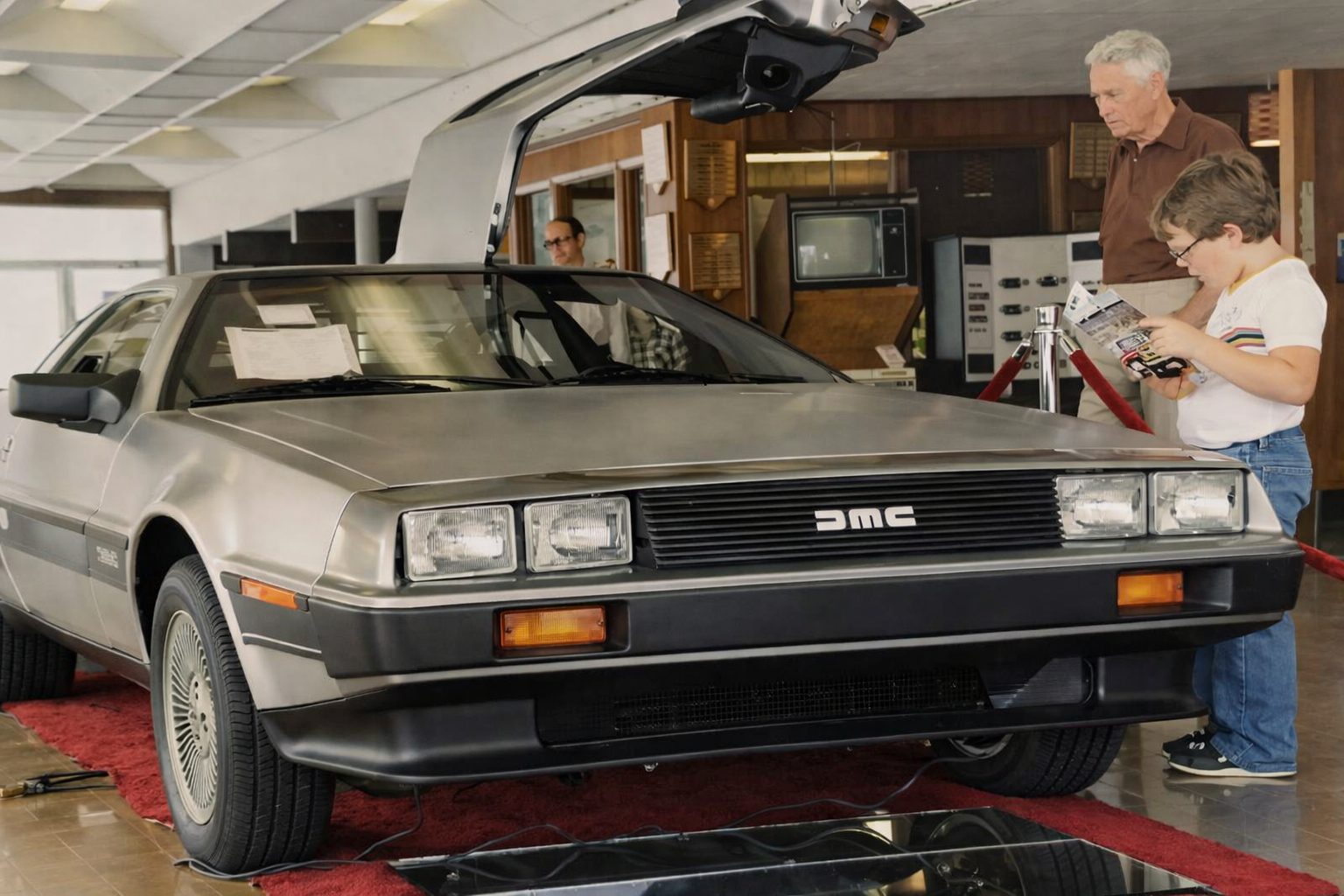
Planning Board Reviews Zoning Proposal for Route 1 Dealership-July 15, 1981
The Norwood Zoning Board of Appeals heard a controversial proposal for a DeLorian sports car dealership on Route 1, facing opposition from local residents.
Discover more from Norwood Historical Society
Subscribe to get the latest posts sent to your email.