
Church Objections Stall South Norwood Delicatessen Transfer While McDonald’s Demands Paid Police Details
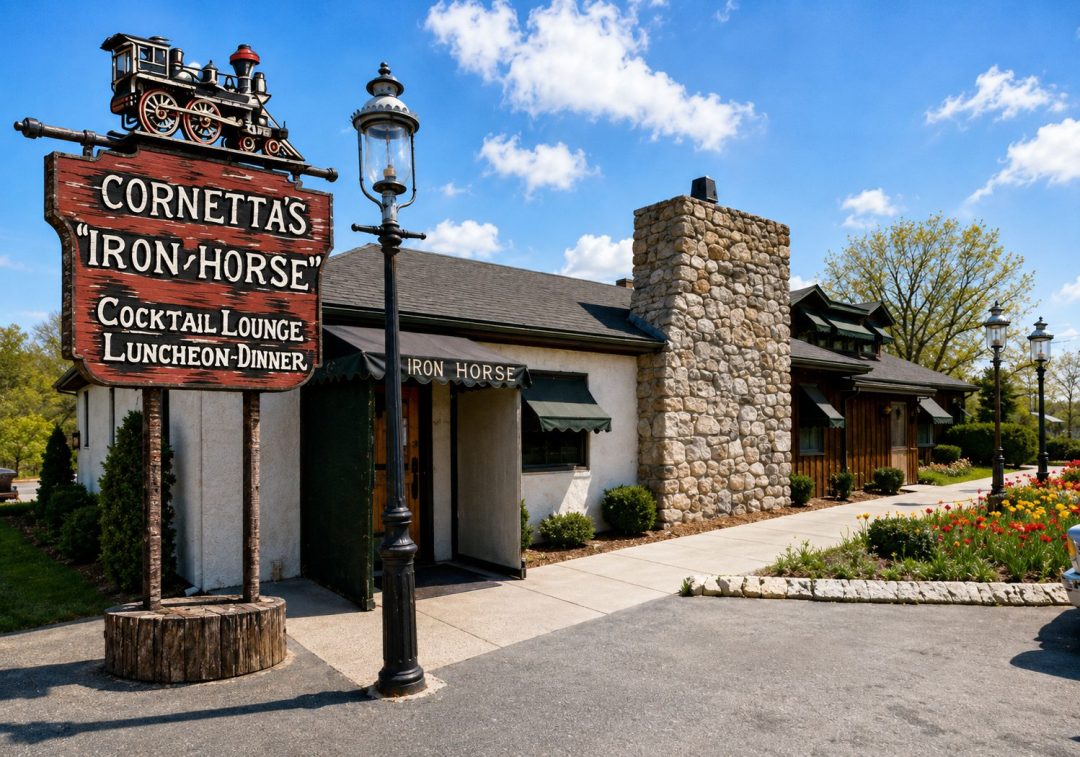
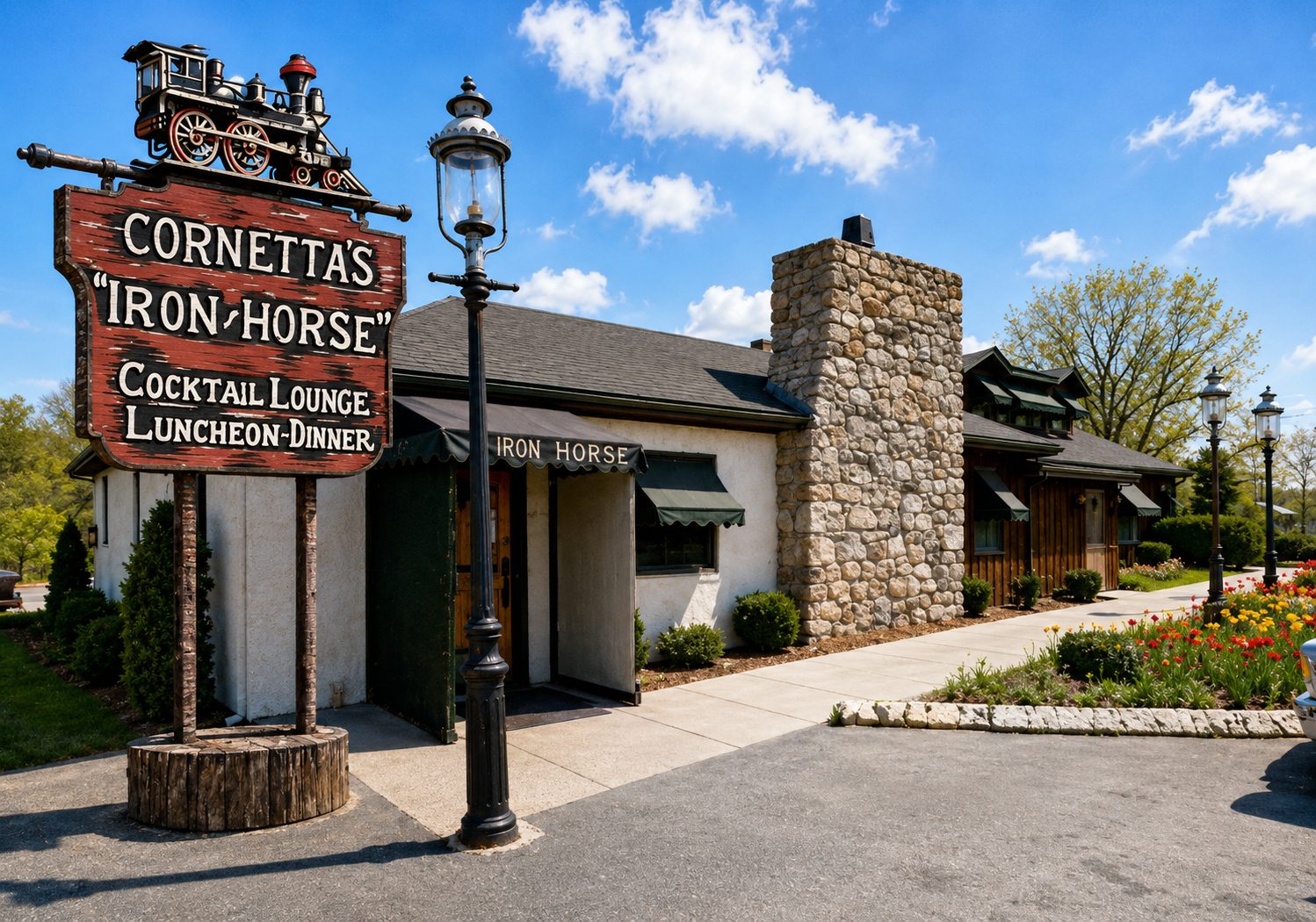
Liquor license requests fared poorly before selectmen last night as the board denied a series of high-profile restaurant and all-alcoholic expansion applications. The board formally denied a special request for an outdoor extension of restaurant and alcoholic privileges submitted by John Cornetta for his establishment, “Mia Piazza Gardens,” located at the Iron Horse restaurant on Route 1. The board also flatly refused a separate petition to transfer an active wine and beer license from the closed King’s Market location to Wiseman’s Delicatessen situated on Washington Street in South Norwood. Upon leaving the tense hearing, John Cornetta’s attorney, John J. Mulvehill, stated he intends to immediately appeal the selectmen’s adverse decision to the state Alcoholic Beverages Control Commission (ABCC). Philip H. Macchi, the attorney representing the owners of Wiseman’s Delicatessen, stated he was uncertain whether his clients would file a similar state appeal. The board’s explicit denial means a full mandatory year must pass before either request can be legally brought back before town officials.
The Wiseman’s Delicatessen transfer—pushed by owners Mr. and Mrs. Joseph DeCastro—faced intense community pushback because the proposed location sits within the restricted 500-foot perimeter of both the Balch Elementary School and St. George’s Orthodox Church. A formal letter of objection from David Franciosi, president of the church board of trustees, was delivered directly to the selectmen’s office. The letter outlined several sharp neighborhood complaints, stating: “The South Norwood area is deteriorating very rapidly. It has become a troubled area, not such a pleasant place to live any more. As a religious organization, we teach and maintain a high standard. We don’t want to see our church sitting in the middle of a liquor row”. Local resident Alice Kelly expressed deep surprise and dismay that the school committee had registered no formal objection to the alcohol transfer near the schoolyard. Richard Joseph, speaking strictly as an individual school committee member and not a representative of that body, voiced strong personal objections to the deal. He noted that while the old King’s Market site was also within the 500-foot limit, there were at least physical buildings and a street “acting as a buffer” between the storefront and the school grounds. Selectman William F. Butters‘ motion to deny the transfer passed on a unanimous roll-call vote, with William F. Butters noting he foresaw beer drinkers lounging directly on the elementary school lawn.
The board also split 3-2 to deny John Cornetta‘s outdoor patio expansion at the Iron Horse. Selectman William F. Butters fiercely questioned the board’s legal right to grant an extension of premises over intense neighborhood static, reasoning, “If the information is not brought to us, the proper thing to do is vote against it”. Selectmen Charles L. Rich and Joseph F. Curran opposed the denial, while John J. Mulvehill argued unsuccessfully that the outdoor facility constituted a standard accessory use under zoning laws. Neighbors had previously aired complaints regarding loud music piped over outdoor loudspeakers and worsening traffic congestion along East Cross Street. Town Counsel Justin C. Barton and George Newland, secretary of the state ABCC, confirmed the town held the legal right to interpret the extension as a new license action.
In separate commercial business, selectmen were visited by a delegation of corporate officials from the Broadway McDonald’s franchise, who reported severe public safety problems caused by large, rowdy groups of teenagers congregating late at night. Restaurant Manager Robert T. Parsons stated that teenage vandalism costs were averaging a steep $300 a month at the location, noting that beer-drinking youths were turning the restaurant into a chaotic “hangout” and severely hurting nightly business. Robert T. Parsons requested the immediate assignment of paid, off-duty police details to patrol the restaurant property, particularly on Friday and Saturday nights.
Police Chief James F. Curran verified that his department was severely shorthanded and could not supply extra-duty officers for the fast-food site. Citing “higher priority details,” James F. Curran stated he could not legally force his men to accept such private commercial assignments. When asked by McDonald’s official William Saggio if off-duty police officers could be brought in from neighboring towns to handle the details, James F. Curran responded, “I doubt if you’ll ever get one”. William Saggio noted the franchise had previously attempted to hire private security guards, stating, “We’ve gone that route. The kids walk all over them”. Town Manager John P. Mogan suggested the restaurant look into hiring specialized private security firms that deploy trained guard dogs, but McDonald’s Area Supervisor Roger Lexell rejected the idea, stating, “I don’t think guards with dogs project the image we’re looking for”. Chief James F. Curran suggested the department might be able to provide standard detail coverage after the July 4 holiday when things quiet down. Selectman William F. Butters subsequently moved to table the matter, but Selectman John F. Wall moved to have the town manager and police chief study the feasibility of conferring temporary police powers on other town officials—such as the recreation director, cemetery superintendent, or jail matron—to alleviate the town’s severe law enforcement shortage. John F. Wall‘s study motion passed on a 4-1 vote, with William F. Butters dissenting and terming the expansion of police powers “a heavy subject” involving serious false arrest liabilities.
Archival Note: This article has been dynamically reconstructed from the original public record print archives of the Patriot Ledger
More Norwood Business History
-
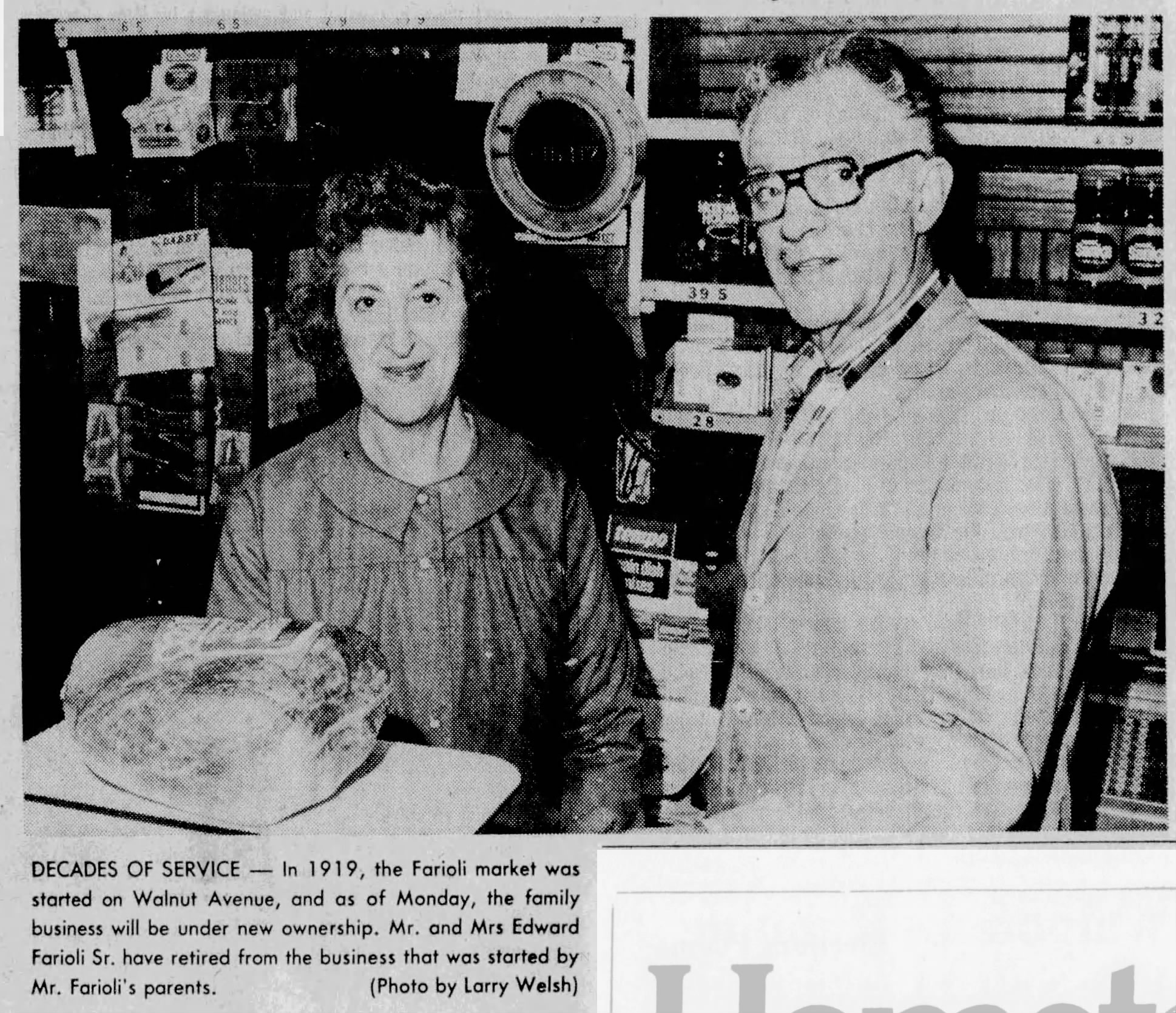
Edward And Edith Farioli Retire After 58 Years Of Family Ownership At Farioli’s Market On Walnut Avenue-November 25, 1977
Founded in 1919 by Edward Farioli’s parents, Farioli’s Market at Walnut and Winslow Avenues changed hands in November 1977 as Ed and Edie Farioli retired and sold the beloved corner store to Louis and Debby Columbo Jr.
-
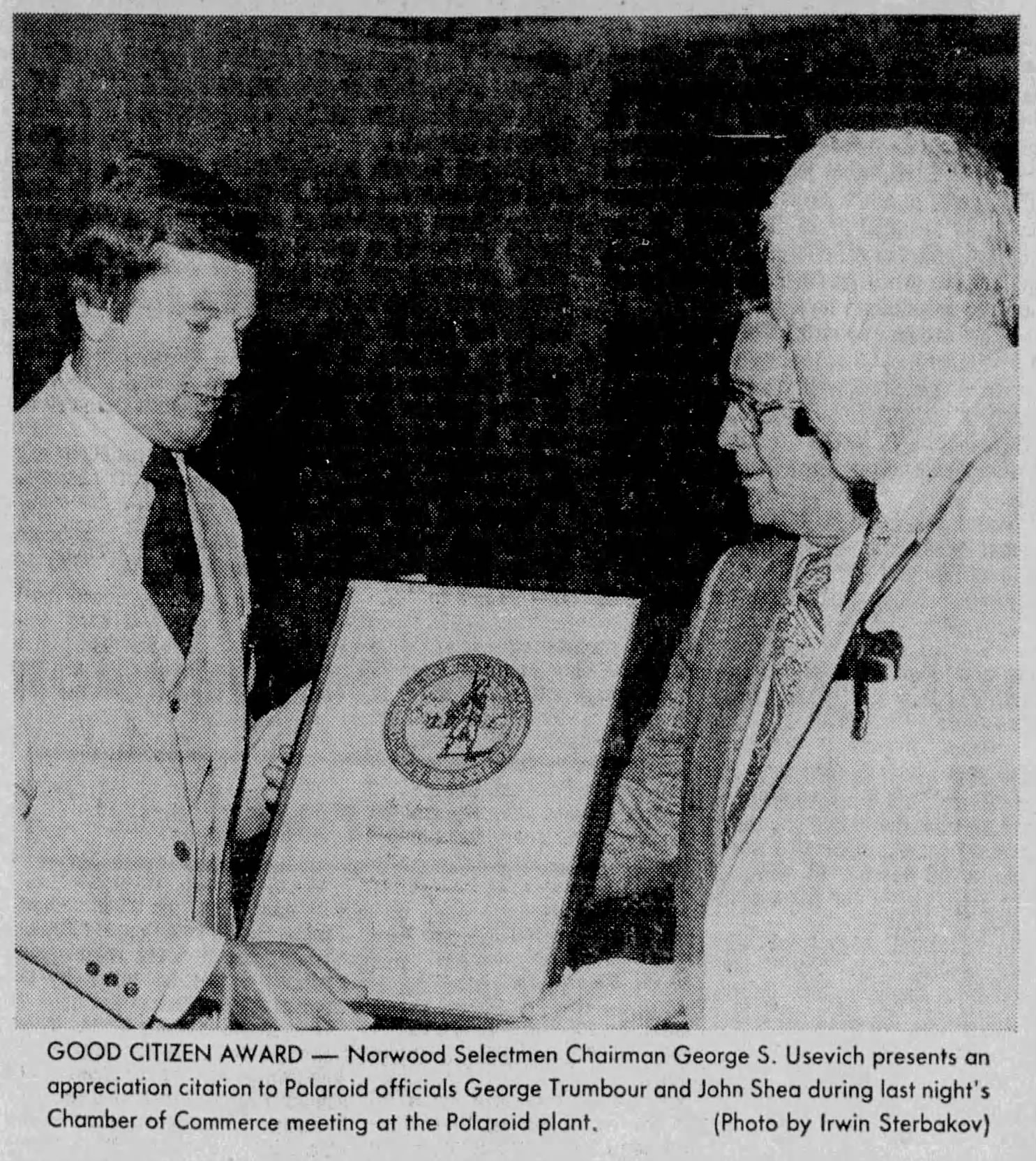
Polaroid Studies Route 1A Access Road to Resolve Expansion and Traffic Concerns-November 2, 1977
Responding to resident protests over Nahatan Street traffic, Polaroid is studying a Route 1A access artery to clear the way for plant expansions that could grow employment to 5,000.
-
Kline’s Announces Major Expansion into Woolworth’s Space-September 2, 1977
The uptown shopping district is slated for a major retail transformation by the Christmas holiday season as Kline’s Department Store, located at 678 Washington Street, undertakes a comprehensive expansion and renovation project absorbing the adjacent former Woolworth’s building. Retail Expansion and Renovation Timeline According to Kline’s manager Norman Treckman, F.W. Woolworth Co. will close its…
-
Roller Skaters Roll Up $3,200 in 24-Hour Skate-A-Thon for Muscular Dystrophy-August 31, 1977
Endurance, enthusiasm, and a whole lot of wheels came together at Roll-Land as approximately 30 dedicated skaters successfully completed a grueling 24-hour skate-a-thon, raising at least $3,200 for the Jerry Lewis telethon drive in the fight against muscular dystrophy. Marathon Success and Community Spirit Kicking off at 6:00 p.m. Monday, the marathon concluded at approximately…

-
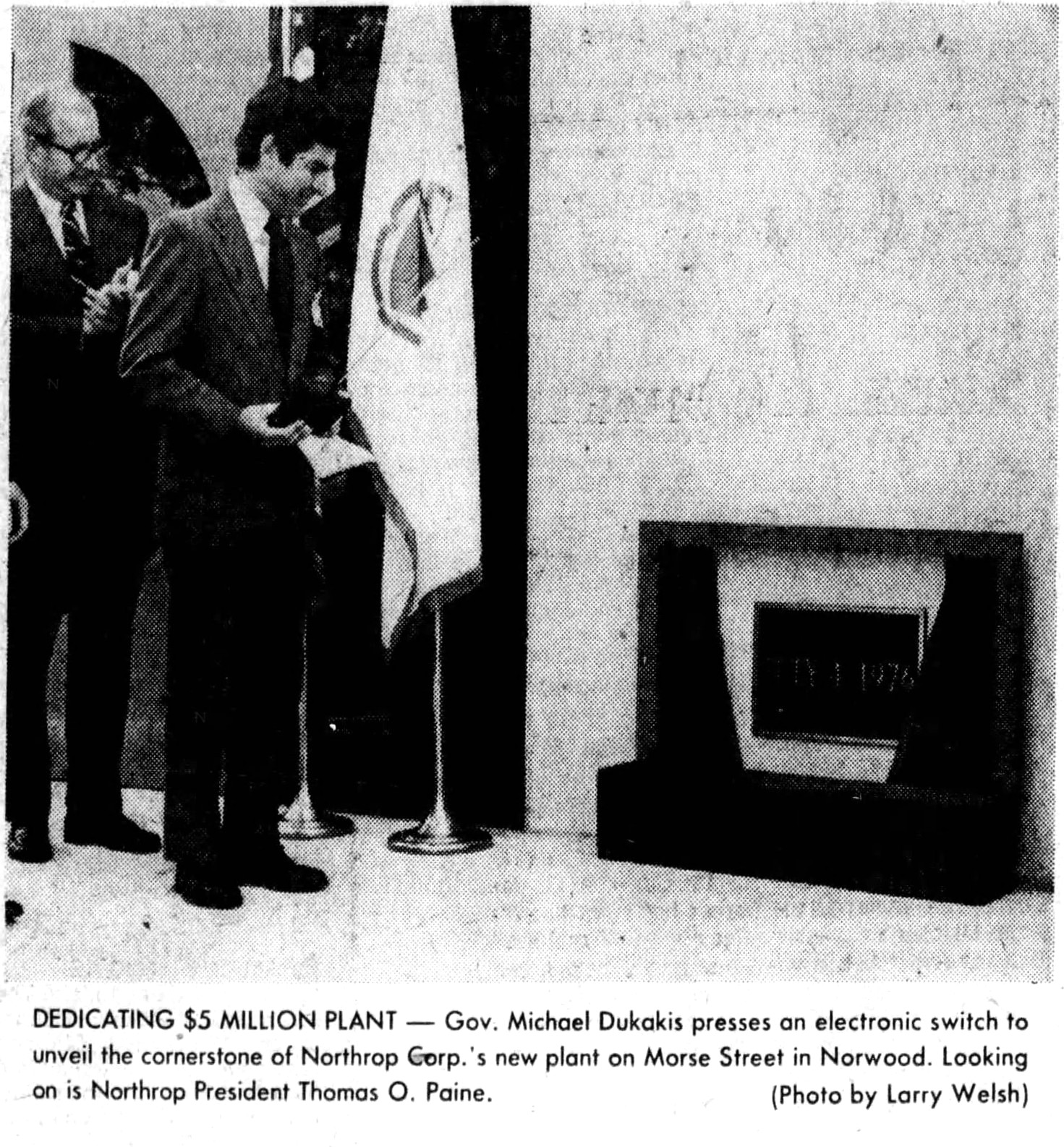
Northrop Corp. Dedicates $5 Million Facility Addition on Morse Street in Norwood-October 8, 1976
Governor Michael Dukakis and Northrop President Dr. Thomas O. Paine dedicate a $5 million expansion at Norwood’s Morse Street plant, boosting high-tech jobs and aerospace manufacturing.
-
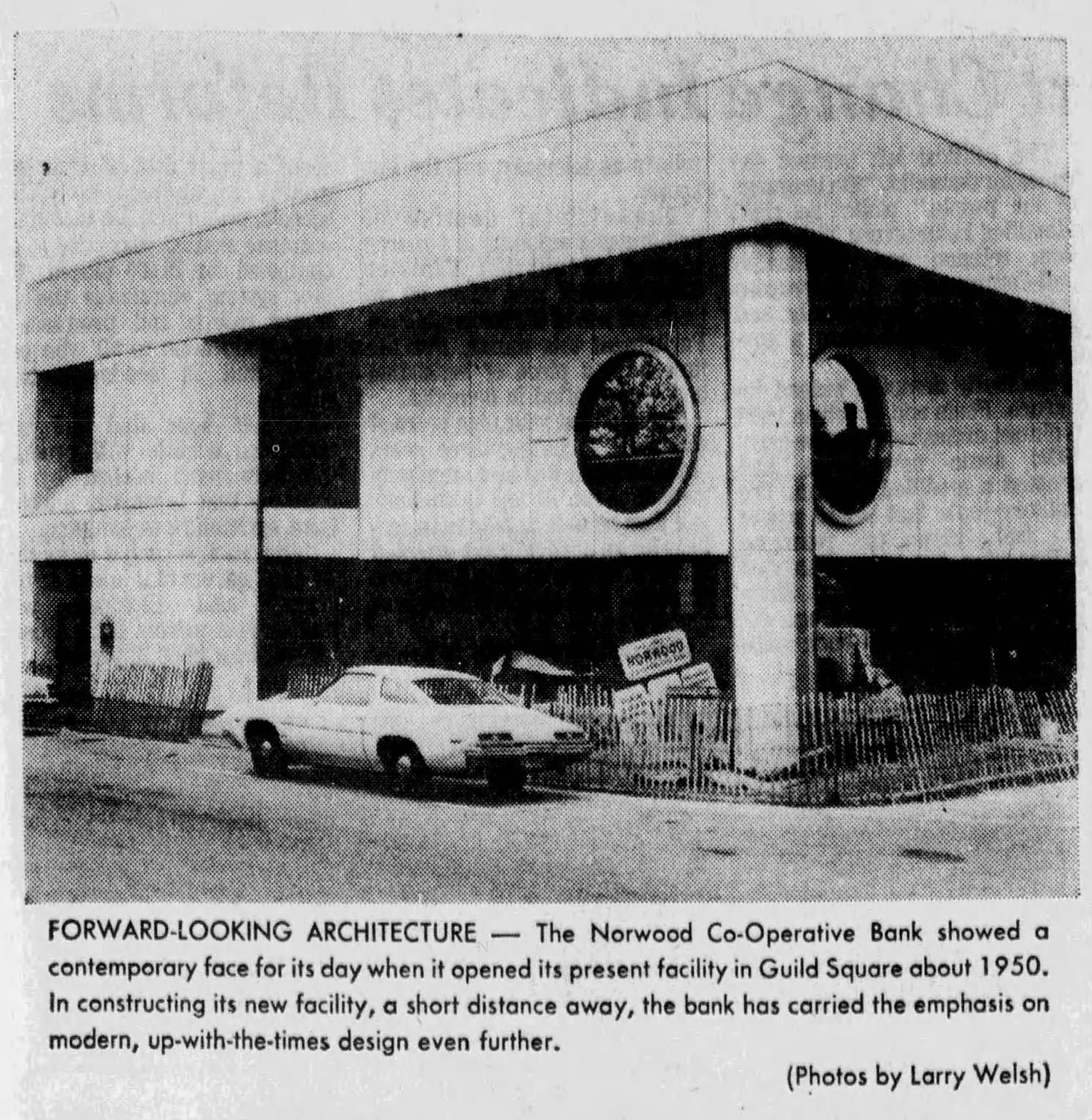
Norwood Co-Operative Bank Prepares for Striking Move to Modern New Quarters at Central and Park Streets-October 4, 1976
As assets approach $55 million, the Norwood Co-Operative Bank prepares to move into a striking, modern $1 million headquarters at Central and Park Streets featuring an indoor garden.
-
Factory Mutual Traffic Bottleneck on Route 1 Prompts Safety Concerns and Calls for Improvements-October 13, 1975
Route 1 traffic congestion surrounding Factory Mutual Engineering and Research Corp. prompts employee memo warnings, police scrutiny, and state corridor studies.
-
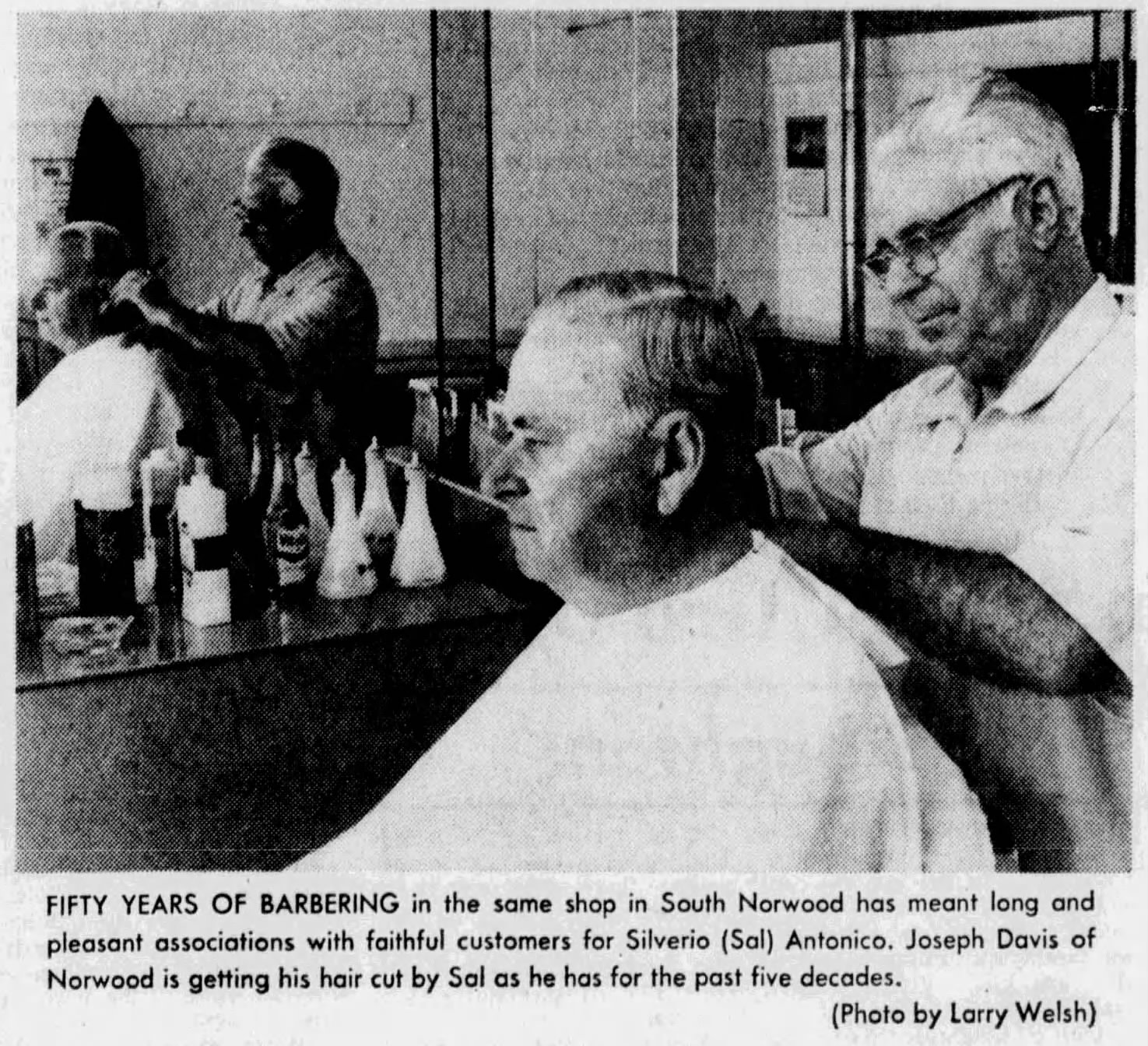
Barbering Ain’t What It Used To Be-September 22, 1975
Celebrating 50 years in South Norwood, barber Sal Antonico reflects on changing hairstyles, his musical passions, and a lifetime of serving loyal local customers.
-
Swampland Transformed Into Norwood Country Club Golf Course-August 29, 1975
Following a massive, self-directed engineering and construction effort, the new Norwood Country Club is scheduled to open for play today. Located on land adjacent to Route 1 and the Norwood Airport purchased in 1973 from the Foley family, the regulation golf course represents a triumph over difficult terrain by builder, contractor, designer, and engineer Frank…
-
Fate of South Norwood’s Dealers’ Cafe Rests on Upcoming Hearing-August 21, 1975
With the Dealers’ Cafe closed since winter, the state ABCC will review its license status while Norwood Selectman William F. Butters pushes to transfer the permit to Route 1.
Discover more from Norwood Historical Society
Subscribe to get the latest posts sent to your email.