

Plan Faces Skepticism From Council on Aging Chairman Waldo H. Nason Over Heating Costs and Federal Rules as AARP Member Martin G. Nee Rallies Support
NORWOOD – State Representative Gregory W. Sullivan, D-Norwood, was advancing a political campaign in November 1978 to acquire the state-owned Norwood Armory on Nahatan Street and transform the landmark yellow granite and brick building into a comprehensive, multi-purpose elderly affairs center. Reported in The Patriot Ledger on Monday, November 20, 1978, Sullivan’s proposal called for relocating the small Massachusetts National Guard company then stationed at the armory so the Commonwealth could transfer the historic property to the Town of Norwood at little or no purchase cost.
Serving on the Legislature’s Joint Committee on Human Services and Elderly Affairs, Sullivan envisioned far more than a simple senior lounge—proposing office space for the Norwood Visiting Nurses Association, a continuing education office, public health services, and a dining hall capable of hosting the federally subsidized hot lunch program then operating out of the Nahatan Village elderly apartments. He noted that the armory sat in an ideal central location near public transit, existing municipal parking, the current senior drop-in center, and both the Adams Street and Nahatan Village senior housing complexes, with room at the rear of the building for a spacious, ground-level accessible entrance—though he acknowledged a pedestrian traffic signal might be needed to help seniors cross busy Nahatan Street.
To advance the transfer, Sullivan had already consulted House Ways and Means Chairman Rep. John Finnegan, D-Dorchester—whom he described as “interested in the idea”—and planned further discussions with Finnegan and the state adjutant general, who oversaw state armory properties. “If we can get rights to the building, that’s the key,” Sullivan said, expressing confidence that newly elected U.S. Senator Paul Tsongas and Congressman J. Joseph Moakley, D-Mass., could secure Older Americans Act funding to “outfit the place from head to toe,” supplemented by state community development block grants for building renovations.
Despite Sullivan’s enthusiasm, the plan met stiff skepticism from Waldo H. Nason, chairman of the Norwood Council on Aging and a retired engineer. While Nason acknowledged shortcomings in the town’s existing senior drop-in center—located in the basement of the United Church of Norwood at Nahatan and Washington streets, which suffered from poor acoustics, lacked air conditioning, grew crowded when 70 or more seniors gathered for Bingo, and could not accommodate the hot lunch program—he maintained: “It isn’t bad; it isn’t good. For the number of people we have there, it serves adequately within a reasonable budget.” Paying just $800 a year in rent right on a bus line next to municipal parking without requiring seniors to cross a major thoroughfare, Nason objected strongly to the expense of heating and insulating a massive armory “unnecessarily large for the purpose.”
“I didn’t particularly care for it. I still don’t like the idea,” Nason declared, warning that accepting federal renovation grants invited burdensome regulatory mandates: “If you take federal funds, then they throw all kinds of books at you when you start to modify an older building,” quipping that “Washington pipeline” money came “with quite a service charge.” Nason noted that alternative sites had previously been floated—including the former firehouse next door at Nahatan and Central streets, an abandoned medical building on Washington Street near Maple Grove Manor convalescent home, and Nason’s own September “dream idea” of constructing a four-story senior center on the town-owned Cottage Street parking lot—though he stressed the Council on Aging was not actively hunting for a new site and had not been asked for a formal recommendation.
Conversely, Martin G. Nee of 665 Neponset Street, a member of the Norwood chapter of the American Association of Retired Persons (AARP) who had collaborated with Sullivan on the armory concept for two years, enthusiastically backed the conversion. Nee argued that Norwood needed a truly town-wide senior center rather than a drop-in room catering primarily to two downtown elderly housing developments—and suggested that local senior organizations, including the Senior Ladies, Senior Citizens, and AARP, could pool their rent payments to help cover the armory’s heating bills while also using spare rooms to relieve overcrowding at Norwood Town Hall.
1978 Senior Center Rent Adjusted to 2026 Dollars & Norwood Armory Legacy
Inflation-adjusted using U.S. Bureau of Labor Statistics CPI data ($1.00 in Nov. 1978 ≈ $4.86 in 2026)
| 1978 Norwood Council on Aging Facility Cost | 1978 Annual Rent | 2026 Equivalent |
|---|---|---|
| Senior Drop-In Center Basement Lease (United Church of Norwood) | $800 / yr | ~$3,888 / yr |
Archival Note: This article has been dynamically reconstructed from the original public record print archives of the Patriot Ledger
-
Housing Authority Unveils $2.6 Million Plan for 83 Elderly Housing Units at Old Shattuck School Site-October 21, 1983
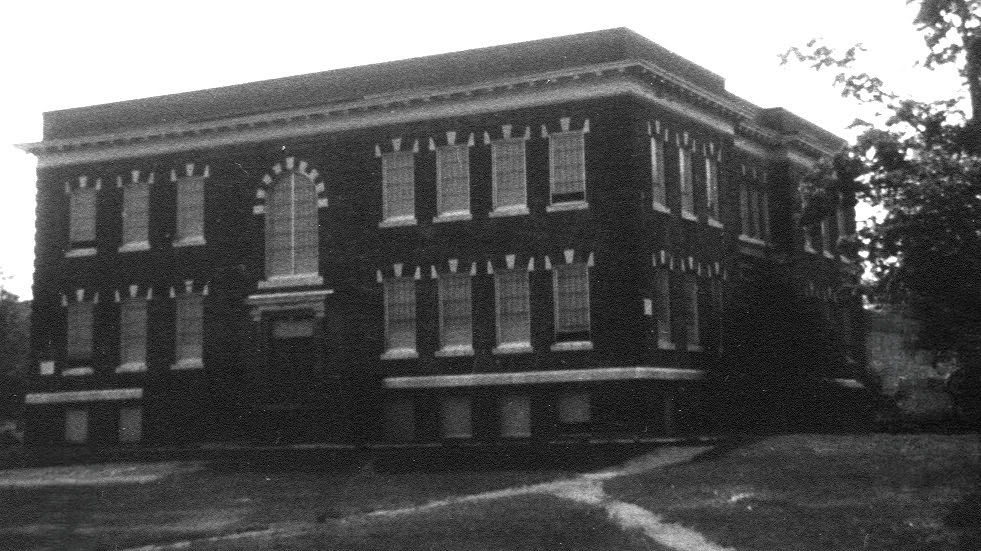
Architect Charles F. Jacobs unveiled plans to convert the old Shattuck School into 19 apartments and build 64 new units, creating an 83-unit elderly housing complex backed by $2.6 million in state funds.
-
Norwood Centenarian Mary Ferioli Celebrates 100th Birthday at The Ellis Nursing Center-October 8, 1982
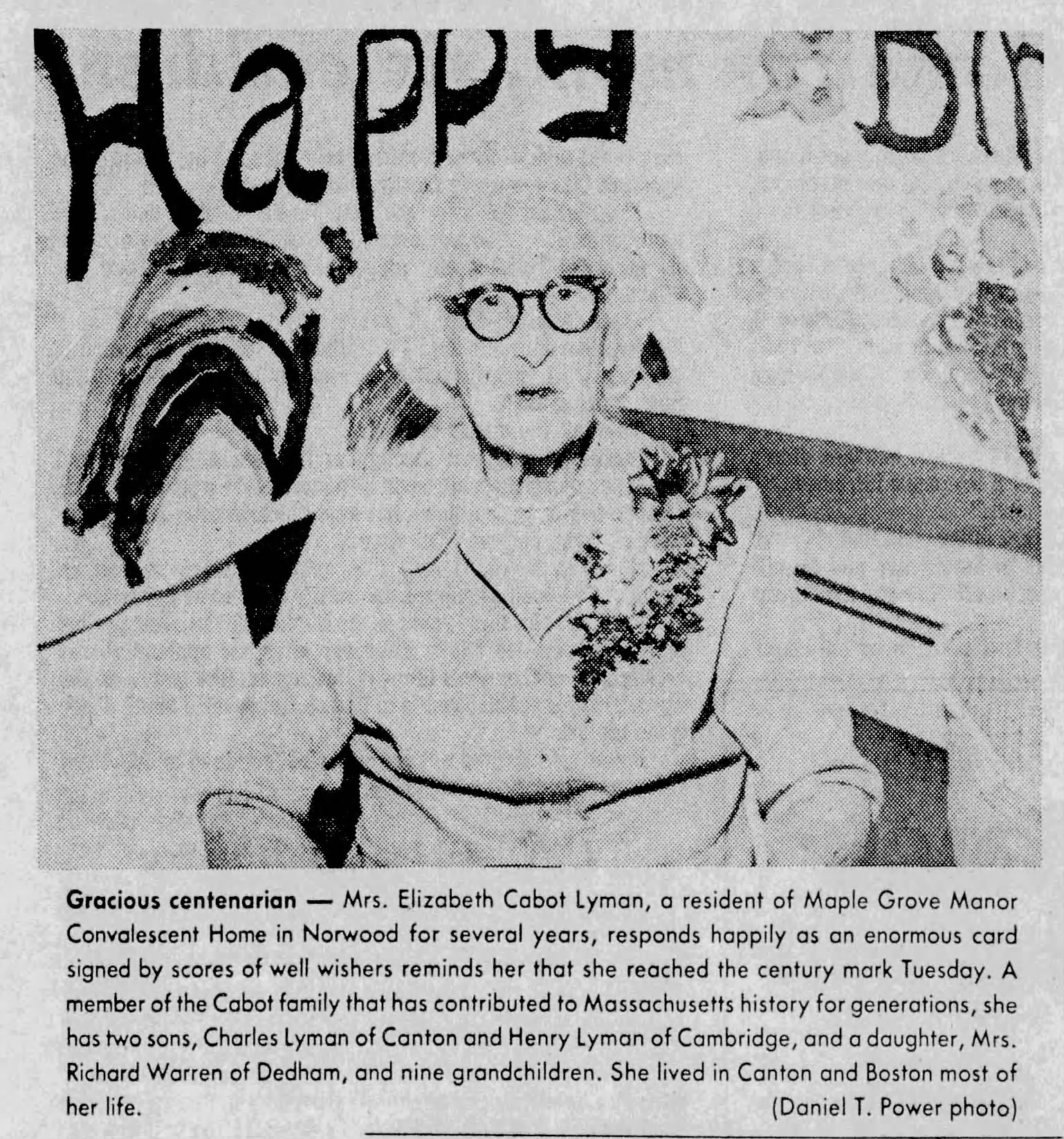
Mary Ferioli celebrates her 100th birthday surrounded by family at The Ellis Nursing Center, reflecting on a century marked by immigration, hard work at Norwood Hospital, and deep community ties.
-
Norwood Senior Citizens Log Impressive Mileage in Walking Fitness Program-August 14, 1982
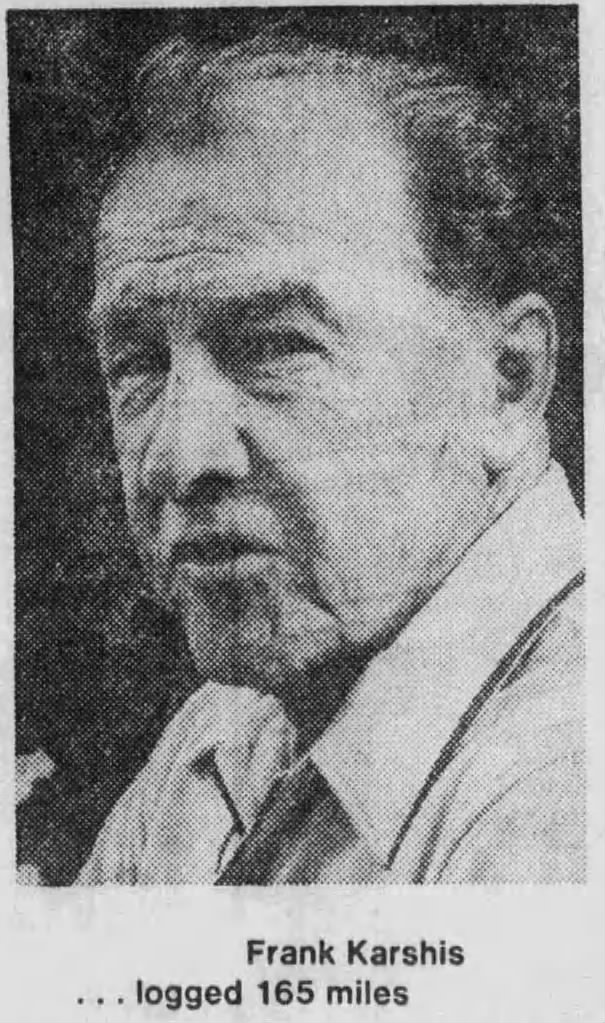
Sixteen Norwood seniors were honored by Recreation Director Robert Ivatts and William F. Butters for logging high mileage in a new walking fitness program.
-
Former Big Band Pianist Al Doddis Brings Music and Comfort to Ellis Nursing Center Residents-November 17, 1981
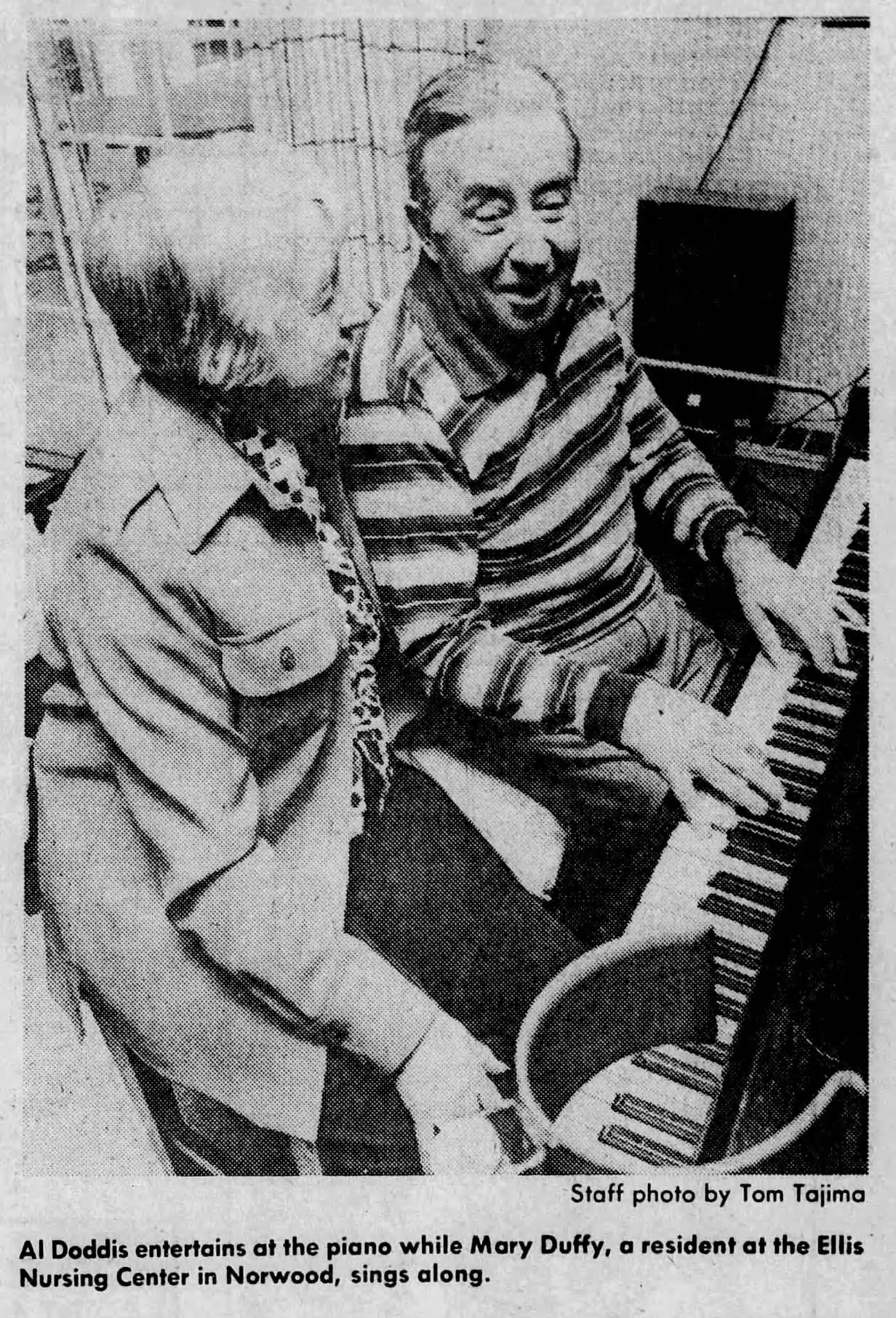
Battling terminal illness at age 69, former big band pianist Al Doddis played classic songs at Ye Eagle Pub inside Norwood’s Ellis Nursing Center for fellow residents and his wife, Florence.
-
Volunteer Bartenders Ted Madden and Bill Buckman Bring Cheer to Ellis Nursing Center’s “Ye Eagle Pub”-November 17, 1981
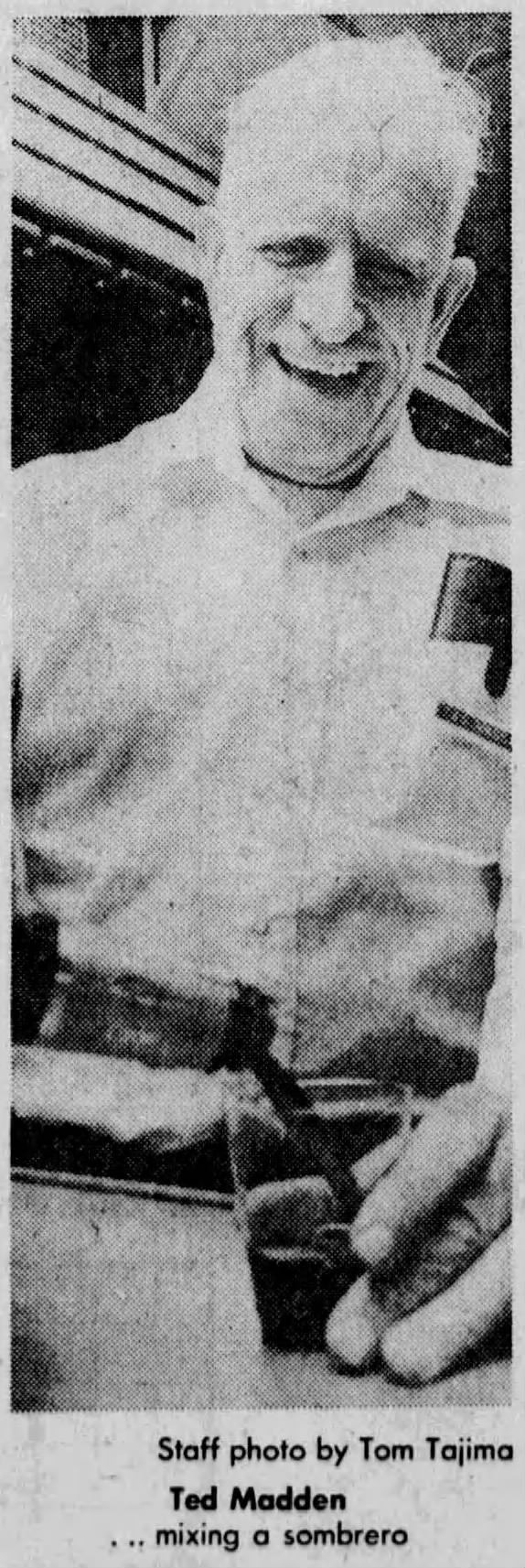
Retired Senior Volunteer Program members Ted Madden, Bill Buckman, and Eddie Wells brought companionship, free snacks, and 40-cent drinks to residents at Ye Eagle Pub inside Norwood’s Ellis Nursing Center.
-
Norwood Couple Gertrude and Louis Feldman Prove Retirement is for Achieving-August 4, 1981
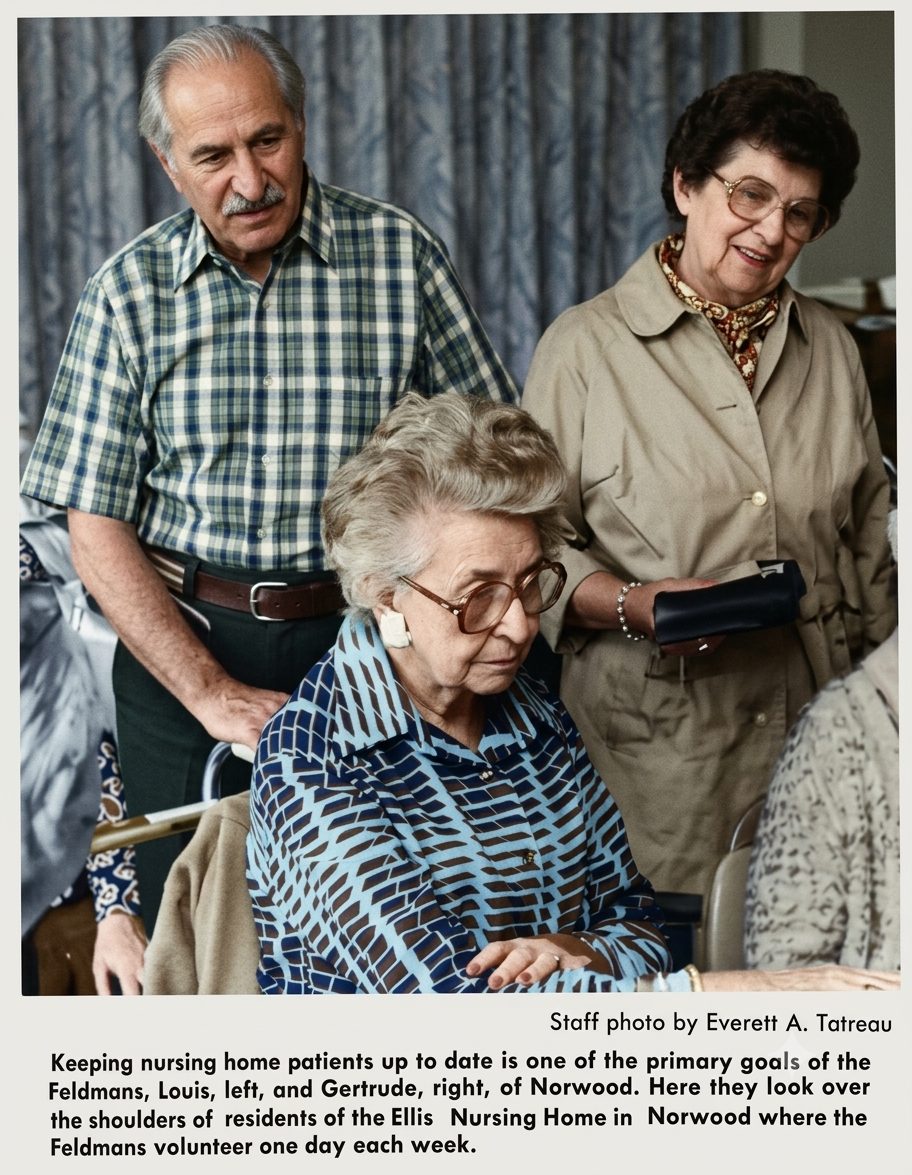
At 68 years old, Norwood residents Gertrude and Louis Feldman have thrown out the traditional retirement playbook, dedicating their time to tutoring schoolchildren in Roxbury and leading current-events discussions at the Ellis Nursing Center.
-
Norwood Christmas for the Elderly Program Prepares for Seventh Annual Holiday Outreach Despite Inflation-October 30, 1980

Undeterred by a $1,000 funding gap caused by inflation, committee chairman Paul Ward announced Norwood’s seventh annual Christmas for the Elderly program will provide holiday meals, gifts, and entertainment for over 2,000 seniors.
-
Happiness is a Low-Level Sink-October 23, 1980
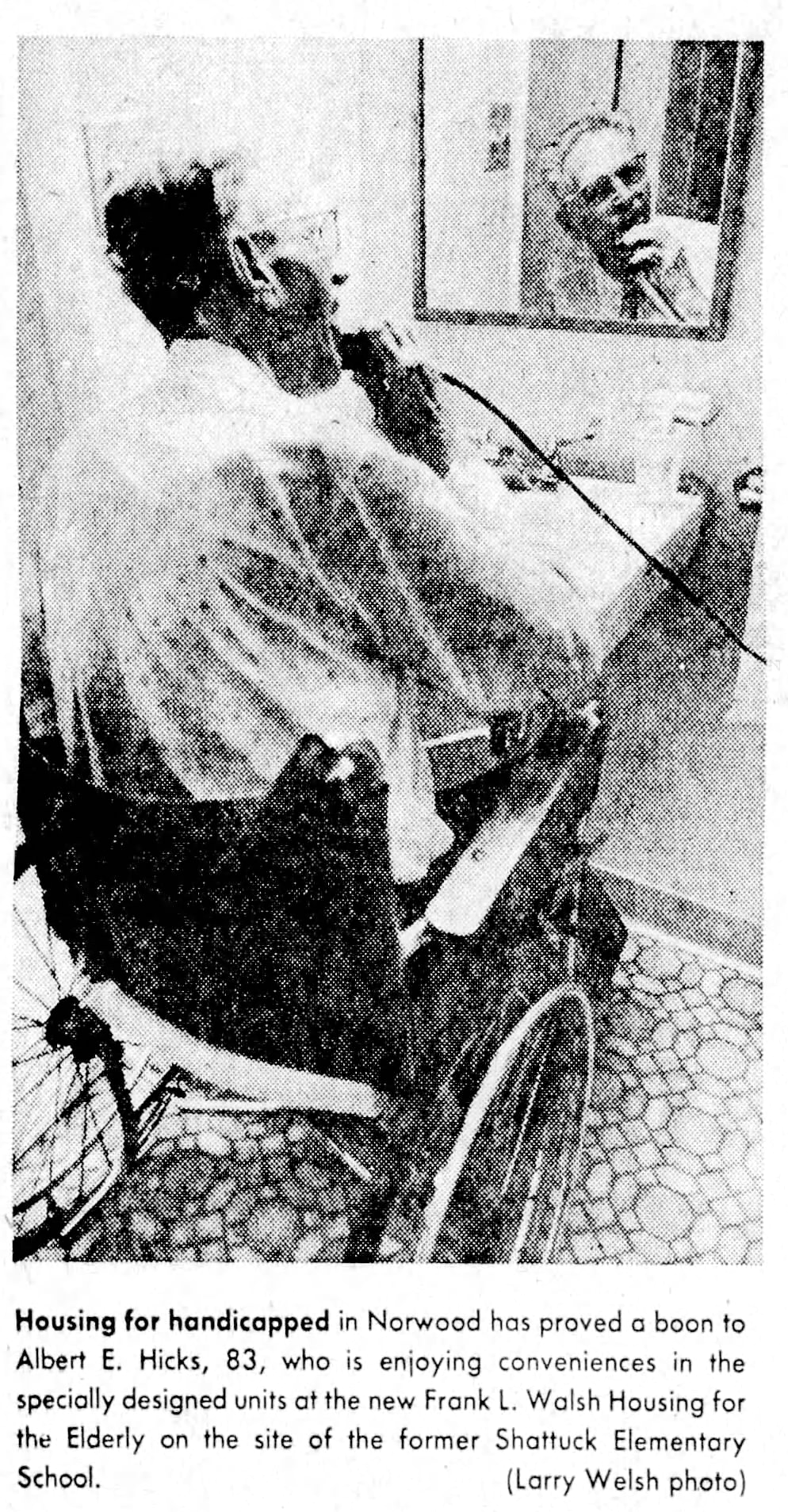
Built on the former Shattuck School site, the Frank L. Walsh Housing for the Elderly complex offers specialized, handicap-accessible apartments praised by residents like Albert E. Hicks for enhancing independence.
-
Project Hire Proposes Sheltered Piecework Program to Ease Financial Crunch for Norwood Seniors-October 3, 1980
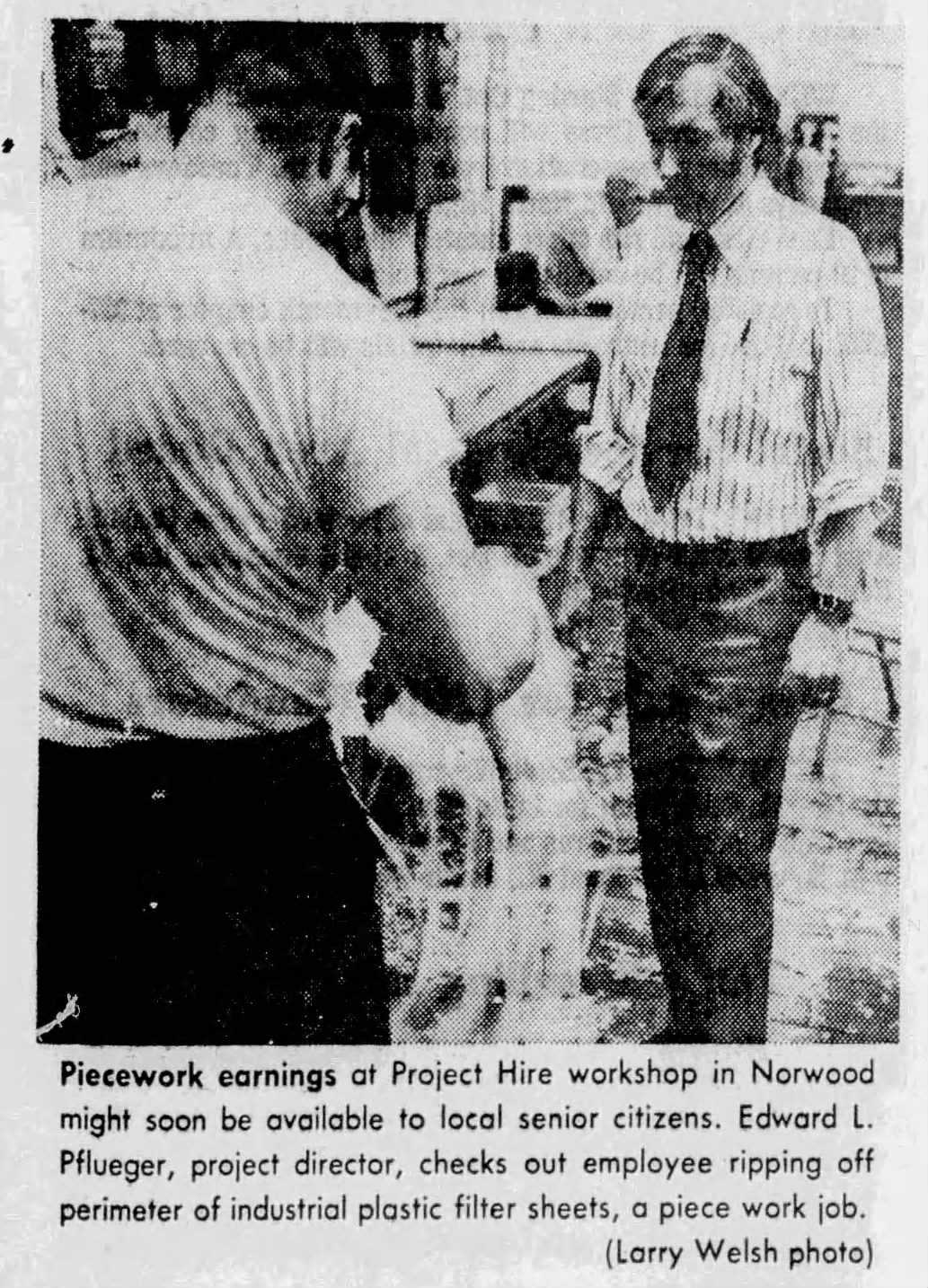
Project Hire proposes a new piecework employment program to help Norwood senior citizens earn supplemental income while working at their own pace.
-
Meet Diane Craig: The Dedicated “Library Lady”-September 10, 1979
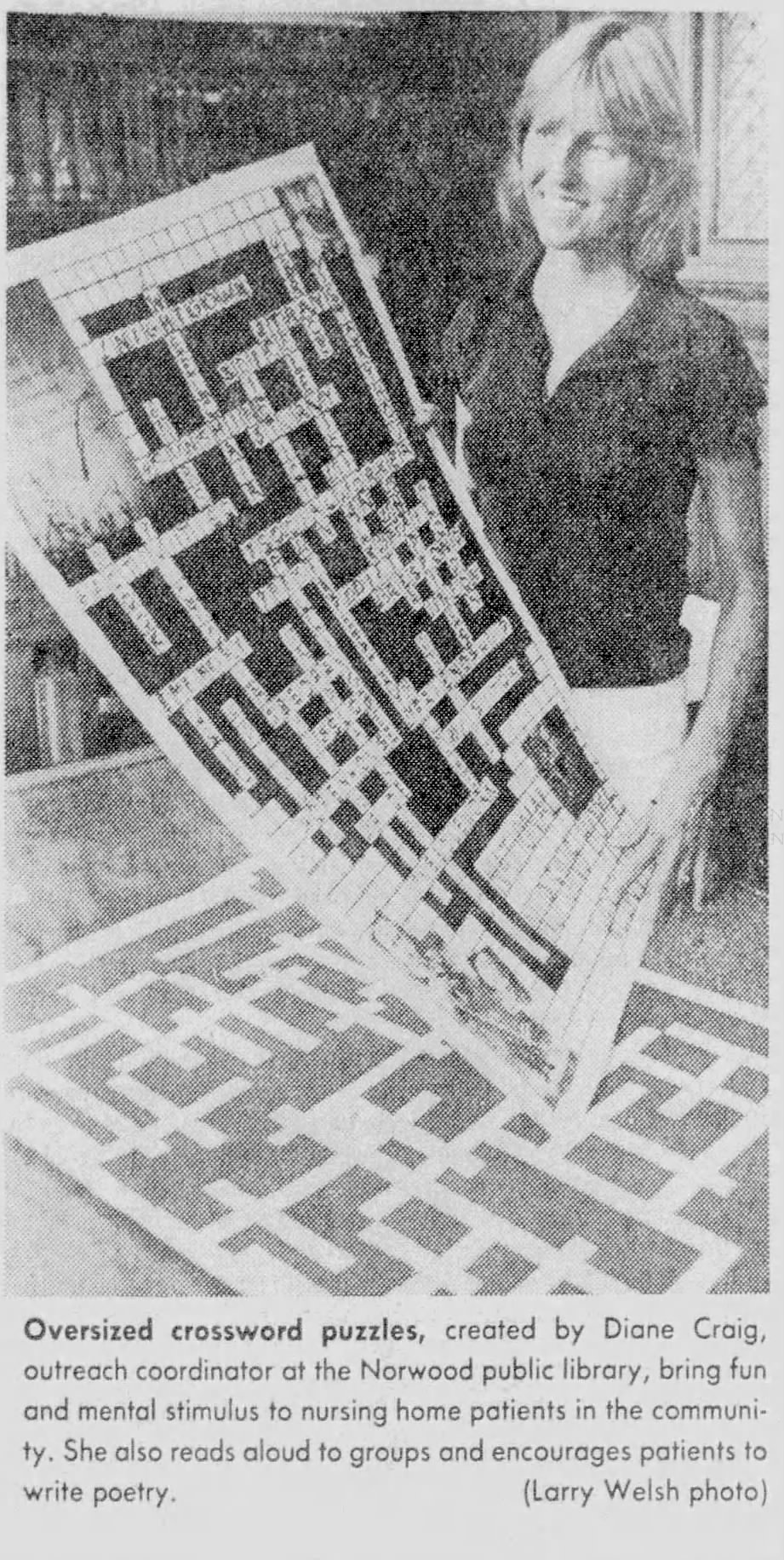
Morrill Memorial Library outreach coordinator Diane Craig organizes an extensive program bringing books, films, games, and companionship to Norwood shut-ins and nursing home patients.
Discover more from Norwood Historical Society
Subscribe to get the latest posts sent to your email.