

Into the gesticulating hand of a town employee speaking at a municipal meeting on Halloween, Selectman Walter J. Dempsey plopped a candied apple.
Stopping in at a recent reception for a visiting missionary priest was Selectman Walter J. Dempsey in tennis shoes.
Toying with a $1 pearly pipe that is never lit is Selectman Walter J. Dempsey, who, after 20 years in the public eye as the activist member of the Board of Selectmen, has succeeded in puzzling everyone in town.
He talks in smiles, warm little crumpled smiles as though he knows a joke no one else has heard. The laugh is gusty.
Yet he is a man of manila-foldered files of facts and figures who can ruthlessly puncture opposition and dismiss obstacles with a sarcastic aside.
A Boston University Law School graduate who never bothered to take the bar exam, a politician who doesn’t campaign for office, a Republican in a Democratic town, a jet-setting loner. Quaint Irish, people say fondly.
Selectman Walter J. Dempsey’s lined, tanned face, accented by whitening, wavy hair, is to be seen almost daily in Norwood center.
He is found in his insurance office, Town Hall, or jaywalking across Washington Street at a jaunty, purposeful gait in buff-colored shoes and yellow socks, a trademark for 15 years.
A former FBI man who began as a messenger in 1941 and left as a special agent in 1943 because, he says, he was becoming less free, Selectman Dempsey likes “to come and go as I please.”
The bar exam he didn’t take because, “I didn’t think I could be a very good lawyer, and if I couldn’t be a good one I didn’t want to be one at all.”
During his 20 consecutive years on the board, Walter Dempsey has been closely associated with most of the progressive steps the town has taken: new schools, recreation, and industry, either with his shoulder to the wheel of progress or on record in support.
He entered politics on January 20, 1947, the day he was elected selectman.
On that first election day, he left Boston University, where he was studying municipal corporations, to vote at the Norwood Armory at noon and was “astonished” at the banners, stickers, and campaigning of other candidates in front of the polls.
Selectman Dempsey, who has won five more elections since then, says he doesn’t campaign because he feels it is the duty of voters to investigate candidates on their own.
“I do what I think is right. I don’t believe in promising everything and a reduction in taxes at the same time.”
One man can only bring forth ideas. It takes a majority of three selectmen to make a decision, he says.
A few minutes later, however, he is illustrating the other side of the coin.
Dempsey says he is now grateful that he lost the two bids he made for the state legislature.
“In the legislature, it is almost hopeless for one individual to do anything. As a selectman you only need to get two others on your side,” he says.
Pointing out that he spends 40 hours a month attending government meetings, he adds, “If I lost an election I would have one extra work week a month for myself.”
Dempsey says he has no problems managing his time. He does things as they come up.
However, he carries a calendar on his watch and his eyes glance up to clocks at committee meetings as the hands approach 10:30 p.m.
Often, when the board becomes deadlocked over a question or bogged down with minor business, he “moves the usual.”
The “usual” usually means file it or refer the problem to the town manager to study. Sometimes the interpretation of “usual” is left up to the secretary or press.
In fact, Selectman Dempsey makes most of the motions.
Details he leaves to others, but to ensure that a board decision is implemented, he has been known to arrange even the time and date for town departmental meetings.
Everyone shows up.
At other times, he will sit in on conferences of department heads to see that red tape clogging government machinery is removed.
“Impatient with inaction and intolerant of ignorance,” Dempsey often knows the problem and has a solution before the situation has been described to his colleagues.
He does his homework, some say.
Others say it is easy for him because he works in Norwood, where he can keep abreast of town problems.
The insurance office on the main street he shares with realtor Albert P. Nelson has been dubbed the Town Hall Annex.
From behind the 12-paned miniature orange tree and two desks, Mr. Dempsey can look across his own desk at the comings and goings on the main street.
The orange tree alternates with a gardenia plant raised in his greenhouse.
Dominating his desk is a ringing telephone with gadgets such as an automatic dialer of familiar numbers and an amplifier so that phone conversations can be continued when the selectman is not at his desk.
While ignoring the reference to his office as the Town Hall Annex, he recalls that the preview for the 1965 “Polaroid” Town Meeting was held in his office the night before.
The session was a strategy conference on ways to get Town Meeting to rezone the Forbes estate near Westwood to industrial use.
Many commercial developments don’t require town assistance to settle in Norwood, he says, but the Polaroid Corporation, as well as Nortronics, Windsor Gardens, and Star Market, did, and Mr. Dempsey quarterbacked them all through Town Meeting.
At the Polaroid meeting, a long-standing rumor has him on the stage reading a newspaper while signaling his cohorts into action with hand, foot, and knee signals.
The lines around Dempsey’s eyes crinkle mischievously at the tale and he admits to the use of only one signal, one to end debate.
“Sometimes debate is good, but after a time it reaches the point of no return,” he says.
Mr. Dempsey has been known to advise colleagues facing Town Meeting that “the less you say the less you confuse.”
Town Meeting and a referendum endorsement of expenditures for Nortronics was a personal victory for him.
“I was accused of owning a large tract of land near Morse Street where the plant was to locate,” he says.
But he says he owned only a 3,000-square-foot strip of land which he had offered to give the town earlier for utility installations.
Generally critical of the Town Meeting form of government, he would support government by a smaller group of men.
Although this would put more power in fewer hands, officials would always be subject to recall, he says.
However, Dempsey says any change in town government would have to come from outside the selectmen.
“It would be impossible for us because everyone would say we’re just trying to get rid of Town Meeting,” he explains.
Despite his involvement in choreographing some of the commercial development in Norwood, Selectman Dempsey regards the town’s entry into the Metropolitan District Water system as the most important action the town has taken since he became a selectman.
It cost $1 million to join in 1954, “but it has solved our water problems for a good many years,” he says.
Puffing on the cigarette holder clamped between his teeth, he cites the lack of a sidewalk construction program, the I-95 exit onto Neponset Street, and the loss of Willett Pond as the major failings of his tenure.
Mr. Dempsey “chases the cobwebs away” by skiing, fishing, and playing tennis, on courts in his own backyard.
His family includes his wife, Mrs. Eleanor (Carlson) Dempsey; two sons, Bob, a junior in high school, and Peter, who graduated the previous June and was serving in the Army at Fort Jackson, South Carolina.
“Peter chose to rub noses with the hard world before continuing his schooling. I couldn’t criticize him for what I did myself,” he says.
Also a part of the Dempsey family is a donkey named Hee-Haw who “eats grass and chocolate cookies and follows you around like a dog.”
To many people he is an aloof, proud, plotting wheeler-dealer, but they concede he is a competent selectman.
To even his friends, he remains an enigma, and he likes it that way.
“You never can predict what he will do or know what he is thinking,” they say.
For example, Dempsey once owned the old Grace Episcopal Church building on Walpole Street.
It was called “Dempsey’s Folly” by some.
One druggist comments that if you asked him what he was going to do with the church, he would be likely to answer, “open a drug store.”
If the Dempsey antics turn people on in Norwood, he turns people on in the rest of the world with a Polaroid camera to his face.
Several times a year he flies off to Europe, Alaska, or the Caribbean, where he has taken hundreds of photographs but returned with none.
He recently toured Germany and Portugal with the Ancient and Honorable Artillery Company of Massachusetts.
Next year his agenda calls for Egypt, Greece, and Lebanon.
Sometimes he goes alone.
“I’m a loner,” he says.
Dempsey has been to Ireland only once, but to Italy six times and could go again.
He has also been to Japan, Hong Kong, and Macao.
“You know what a hopeless situation is when you have seen that the two water pipelines supplying Hong Kong come from Red China and could be turned off anytime,” says Dempsey, ever the selectman.
The Polaroid camera, he says, is very helpful in getting close to people, many of whom have heard of, but never seen, instant photography.
“They are happy to have me give them a picture. The gesture wins a fantastic reception. They can’t believe they are going to get it for nothing.”
Most people are disappointed on their first trip to another country, he says, because they expect people to come up to them.
“It’d be a hell of a world without people,” says Selectman Walter J. Dempsey, the loner, who returns to Norwood “where I know more people than anywhere else.”
Archival Note: This article has been dynamically reconstructed from the original public record print archives of the Patriot Ledger
-
Lincoln D. Lynch: The Superintendent Who Shaped a Generation-This Day In Norwood History-April 30, 1937
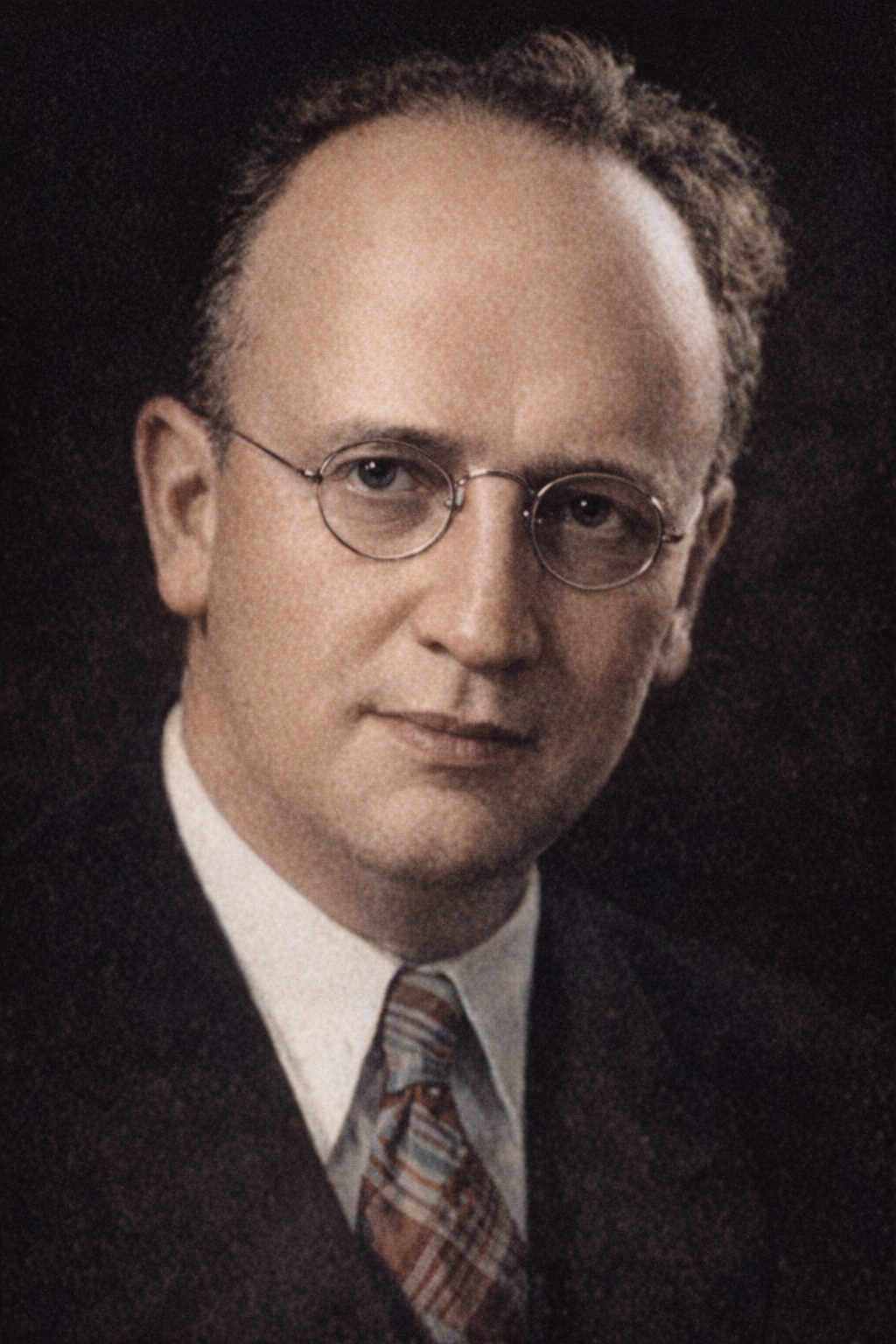
Lincoln D. Lynch, Norwood’s longtime Superintendent of Schools, brought to the community a rare blend of scholarship, wartime service, athletic leadership, and a lifelong devotion to the educational development of children. His path to Norwood began in Rockland, Massachusetts—the same town that produced both the Cambridge and Boston superintendents of schools—where he excelled as a…
-
Personality Portrait- Judge James A. Halloran-This Day In Norwood History-April 9, 1937
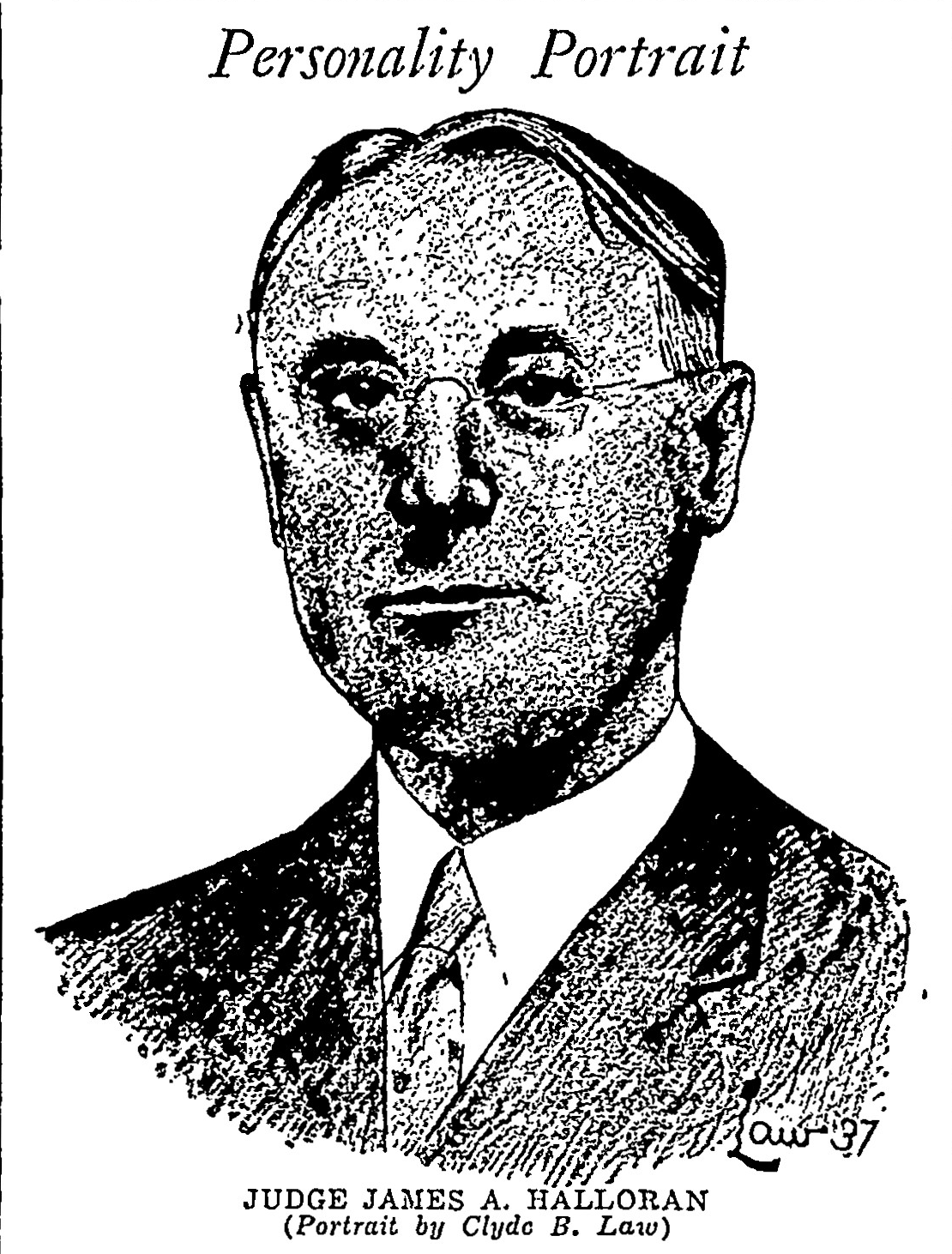
As he enters his nineteenth year as Town Moderator, the Norwood Free Press presents Judge Janies A. Halloran, lawyer, traveler, and scholarly gentleman . . . Since his graduation from Harvard Law School in 1897 when he took the degree of L. L.B, Cum Laude the judge has been a leading figure in Massachusetts legal…
-
Personality Portrait-Clement A. Riley-This Day In Norwood History-March 26, 1937
This week we wish to introduce to those few people who do not already know him one of the town’s most popular figures, Clem Riley of Central Street. . . born, brought up and educated in Norwood . . . freshman high school at B. C. High . . . played football for Norwood High…
-
Mulvehill Takes Over Duties as Postmaster-This Day In Norwood History- July 16, 1934
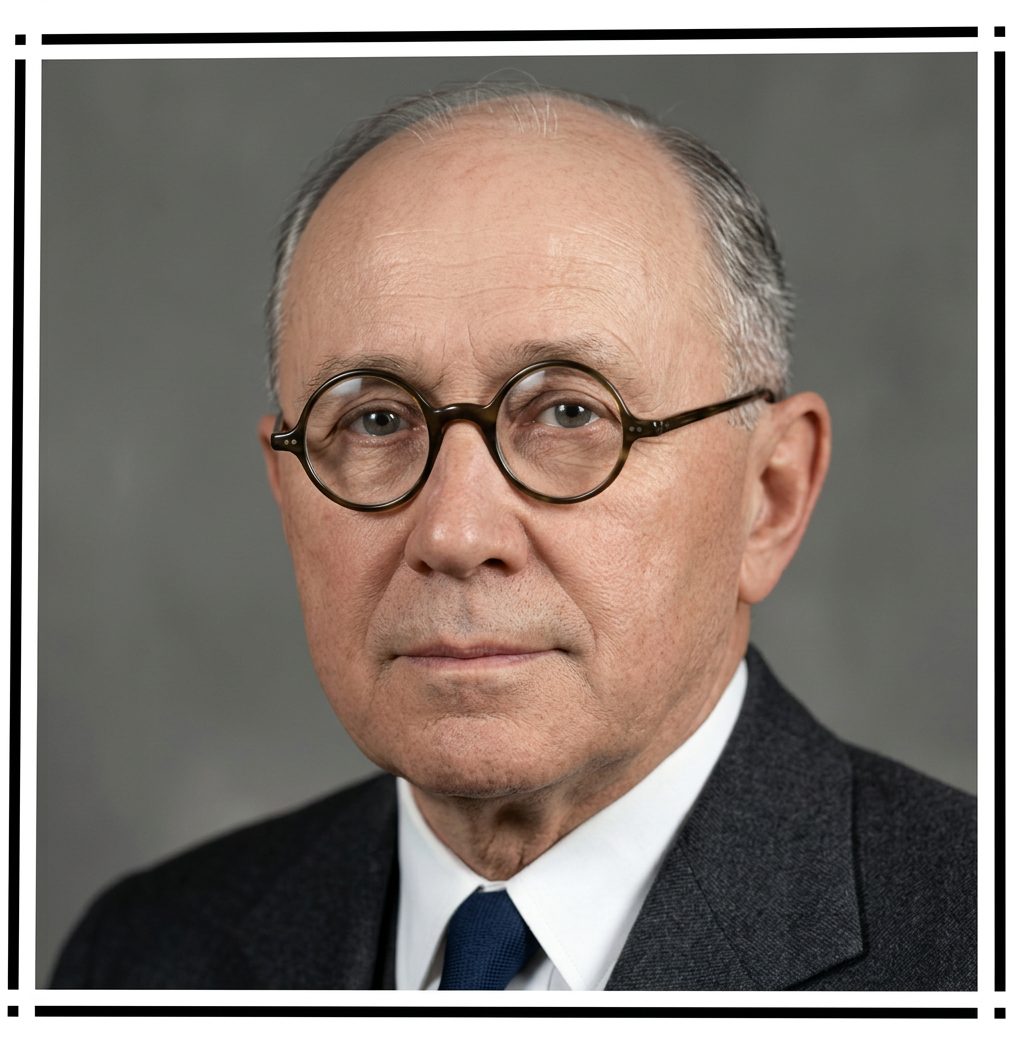
MULVEHILL ON JOB AT NORWOOD Takes Over His Duties as Postmaster NORWOOD. July 16—Thomas B. Mulvehill of 23 Cottage st took over duties as Postmaster this morning, in ceremonies at the new Post office building. He was appointed several weeks ago by Postmaster General Farley and was waiting only for confirmation by President Roosevelt, which…
Discover more from Norwood Historical Society
Subscribe to get the latest posts sent to your email.