
⠀
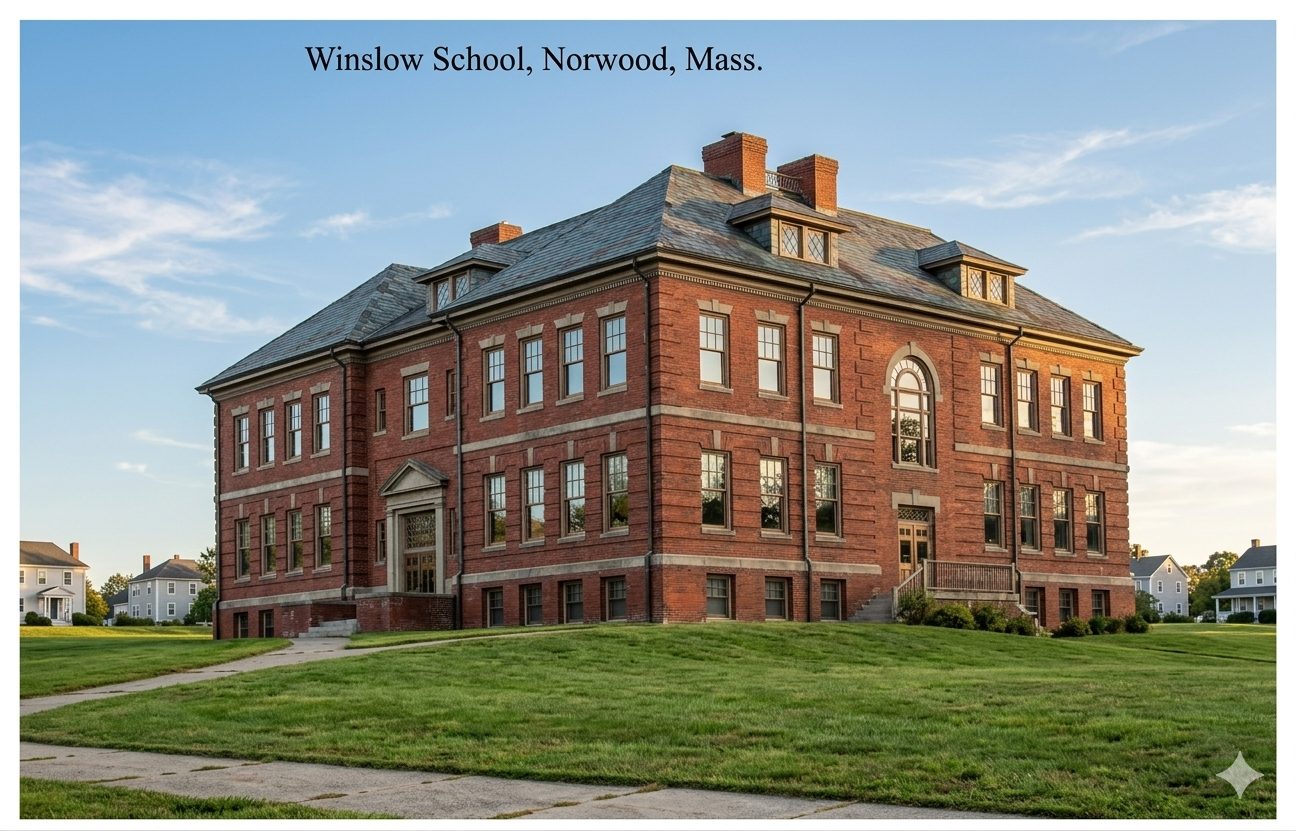
The Norwood School Committee voted 5 to 2 last night to relocate the town’s school administration offices to the Winslow School, contingent upon cost estimates proving favorable. The motion, introduced by William F. Egan, passed with support from most of the board, while committee members Richard Joseph and Joseph M. Pentowski cast the dissenting votes.
Along with housing central administration, the Winslow School would accommodate business operations, the supervisor of custodians, buildings and grounds, the director of food services, and office spaces for art, music, and physical education coordinators. The facility would additionally function as an audiovisual center, house a professional library, provide space for a bilingual education program, and serve as headquarters for a federally funded employment program covering fifteen towns. Furthermore, the board previously voted to allow a federally funded regional special education program from Medfield and Dedham to locate at the Winslow School.
Chairman Charles C. Saraca favored the move only after William F. Egan made the project contingent upon cost estimates to be delivered to the committee by Superintendent Philip O. Coakley the following week. Chairman Saraca criticized Philip O. Coakley for not having immediate figures available regarding potential rental income if the current administration building on Walpole Street were vacated. The board decided to meet at 7:00 p.m. Wednesday at the Shattuck School to tour both older, phased-out elementary schools before their next meeting.
Discussions regarding the future uses of the Winslow and Shattuck schools had been under study since the spring. Joseph M. Pentowski unsuccessfully attempted to convince the board to retain the Shattuck School for educational purposes, citing its suitability for pupil personnel services, pre-school screening, and special education compliance under Chapter 766. However, Philip O. Coakley indicated he would prioritize the Shattuck if forced to choose, while board member Patricia O. Prindle expressed strong unhappiness with the Shattuck proposal, arguing that the main thrust of Chapter 766 was to integrate children with special needs into regular classrooms rather than segregating them.
In other business, the committee voted to change its meeting format, opening with executive sessions on appointments and resignations when necessary before moving into open session for votes. Chairman Charles C. Saraca announced he had signed an application for $285,000 in state reimbursement for special education programs, while the board also addressed kindergarten and sixth-grade overcrowding concerns at the Willett School raised by PTA co-presidents Mr. and Mrs. Joseph Turner. Additionally, the committee directed Philip O. Coakley to consult legal counsel Francis L. Kelly of Weymouth regarding fifteen principals and vice principals whom the committee refused to recognize as members of the Norwood Teachers Association (NTA) collective bargaining group following a recent state law ruling them managerial personnel.
Archival Note: This article has been dynamically reconstructed from the original public record print archives of the Patriot Ledger
-
Junior High South Approves ‘Project Adventure’ Obstacle Course Gym Class-October 15, 1981

Junior High South introduces “Project Adventure,” an outdoor physical education obstacle course designed to build teamwork and move away from competitive sports.
-
Norwood High School Senior Edward J. Skricki Named Merit Scholarship Semi-Finalist; Three Peers Commended-October 13, 1981

Norwood High senior Edward J. Skricki achieves National Merit Scholarship semi-finalist standing, joined by commended classmates Judith Martowska, Susan O’Brien, and Joseph Petrie Jr.
-
Superintendent Taris Seeks to Curb Rising Costs of After-Hours School Building Use-September 4, 1981
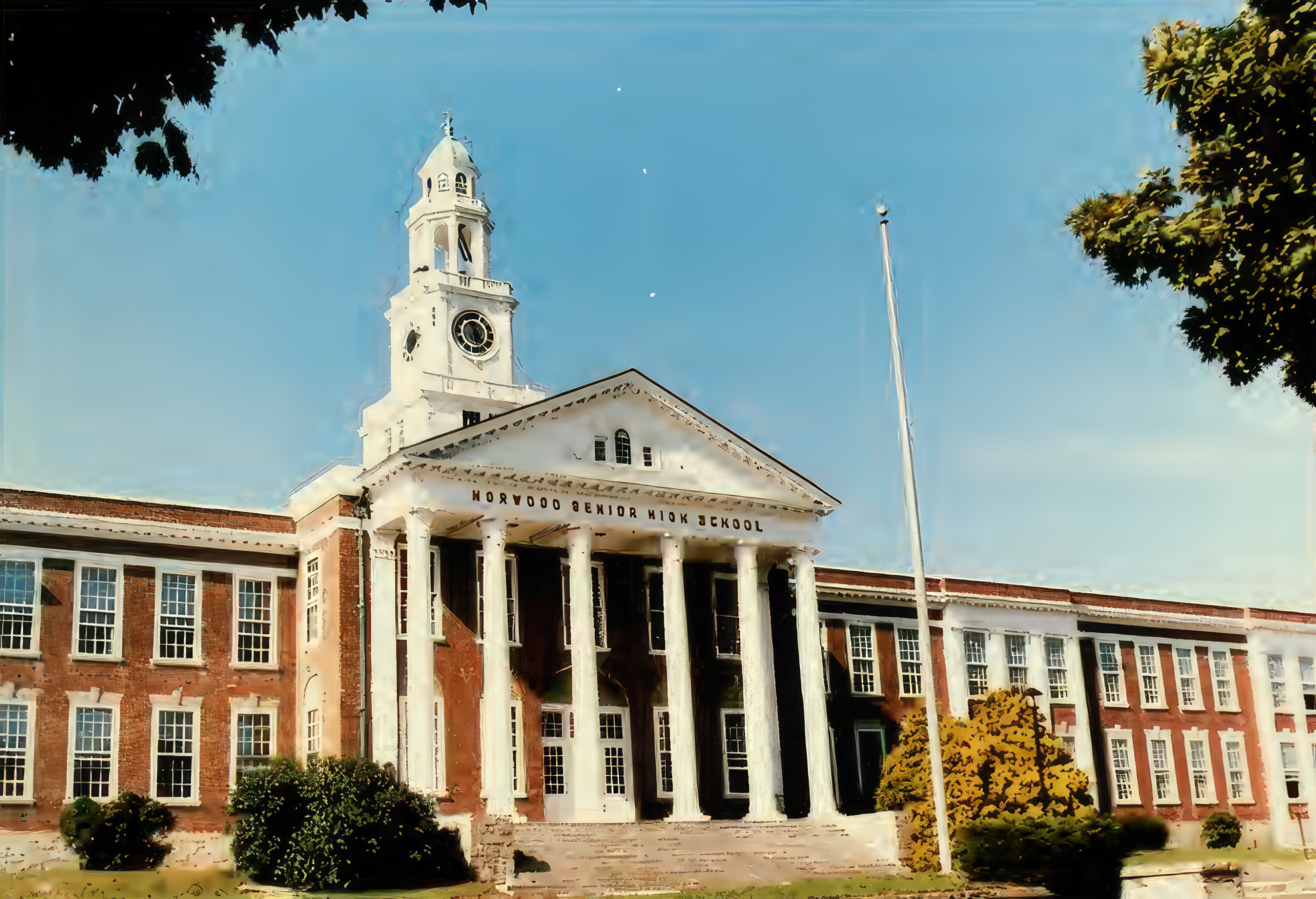
Superintendent of Schools Louis J. Taris is pushing to rein in the surging volume of outside organizations utilizing school facilities during evening and weekend hours, citing mounting financial burdens on the school department. Dr. Taris informed the school committee that dozens of local organizations currently utilize school buildings after hours, frequently without paying any rental…
-
Norwood School Committee Votes Eliminate Youth Hangout-July 31, 1981

Following rampant vandalism, late-night drinking, and brush fires near Callahan Elementary School, the Norwood School Committee voted to fund a $6,000 clearing project to eliminate a notorious youth hangout.
-
School Committee Awards New Transportation Contracts-July 16, 1981

After a difficult budget cycle in 1980, the committee avoided controversy by budgeting accurately and selecting trusted local transportation providers.
-
Winslow School eyed for elderly housing-September 3, 1980
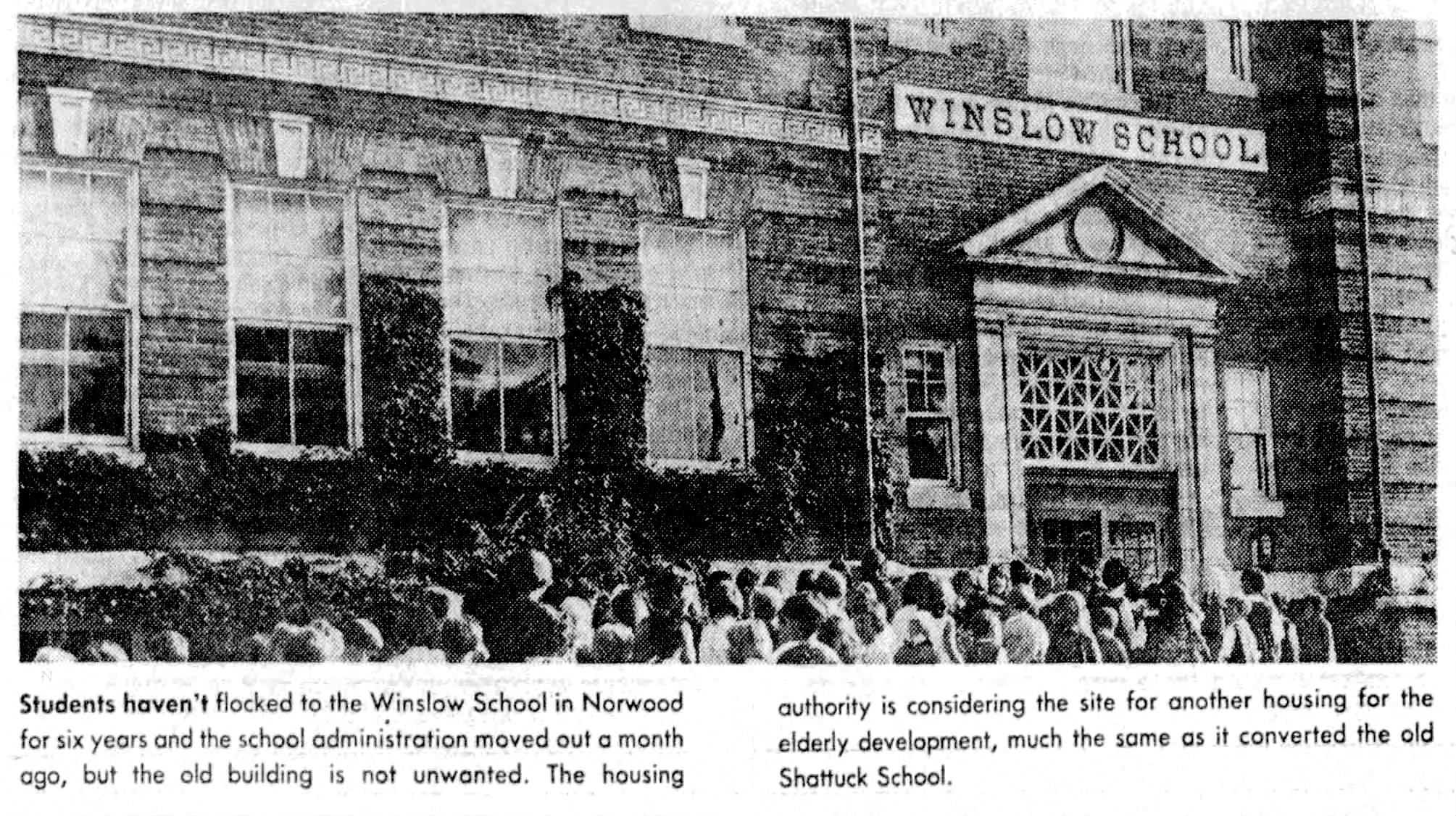
Following the closure of school administrative offices at the Winslow School, the Norwood Housing Authority is actively setting its sights on converting the historic four-acre property at the corner of Chapel Street and Winslow Avenue into much-needed housing for the elderly. During a unanimous vote last night, the housing authority agreed to submit a formal…
-
Norwood School Board Rejects All Special Needs Busing Bids-August 21, 1980
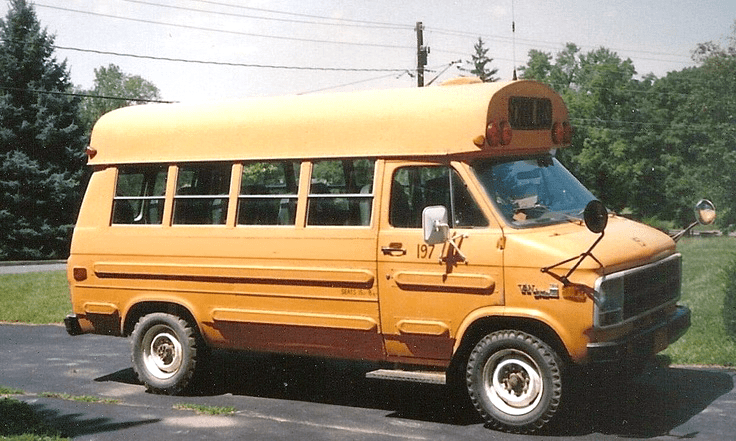
With opening day just two weeks away, the Norwood School Committee voted 4-3 to reject all bids received the previous week for special needs student transportation. Acting under emergency procedures, the board announced it will call for new bids by Tuesday, with a potential contract award scheduled for Wednesday night. The rejected proposals came from…
-
Henry O. Peabody School Director Ruth Shea Ponders Retirement After 14 Years-August 12, 1980
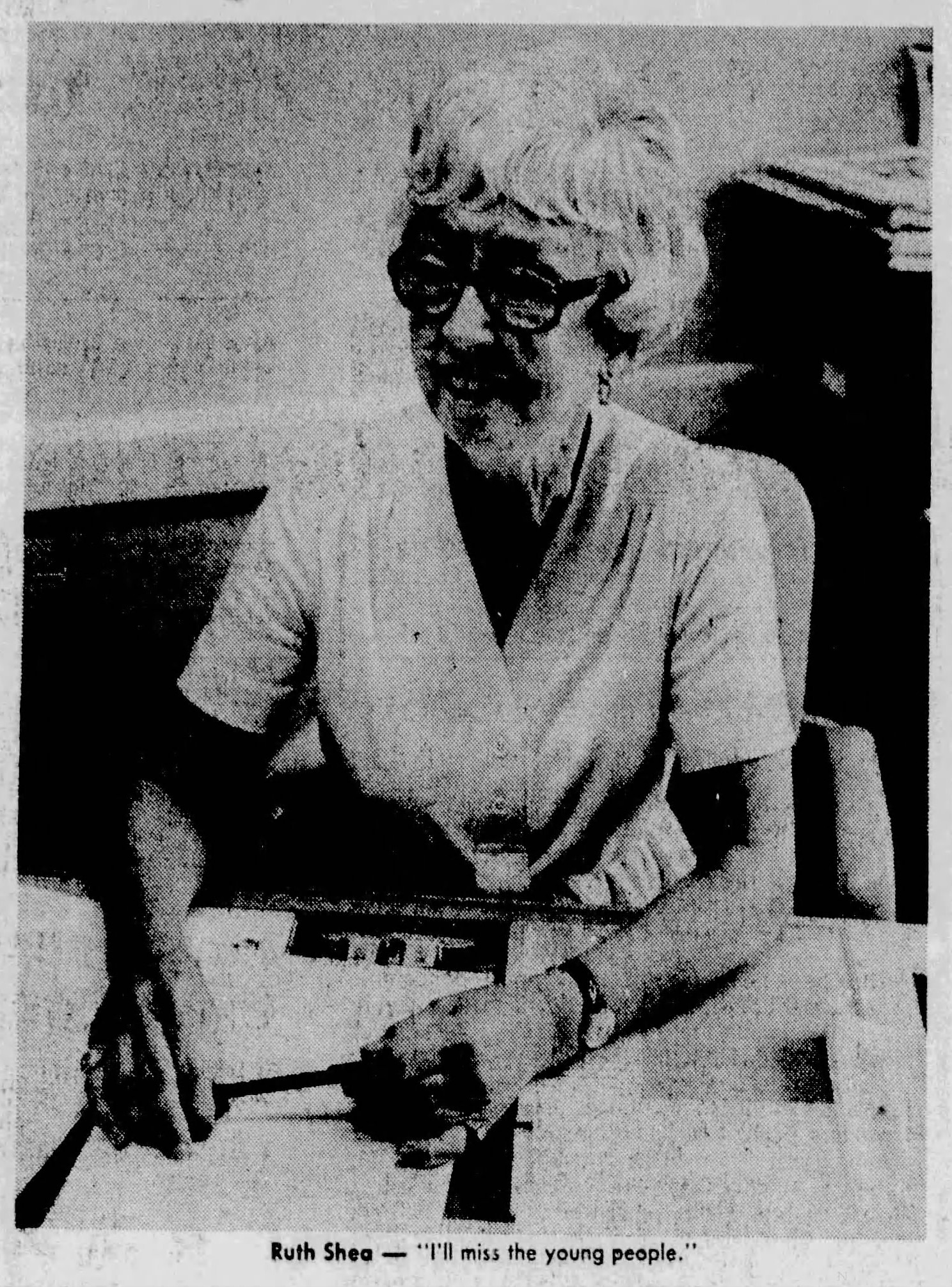
After 14 years expanding vocational education, Henry O. Peabody School director Ruth Shea ponders retirement while securing a 97 percent graduate job placement rate.
-
Norwood School Administration Relocates to Willett School-July 24, 1980

The Norwood School Administration relocated to the George F. Willett School and enacted strict new graduation credit requirements.
-
Students to Face Stiffer Standards-July 18, 1990

In 1990 the town of Norwood was on the cusp of a significant change in its educational system. The school administration, led by Superintendent Louis J. Taris, had been studying ways to improve academic standards for over a year and a half. The result of this study was a proposal to double the number of…
Discover more from Norwood Historical Society
Subscribe to get the latest posts sent to your email.