
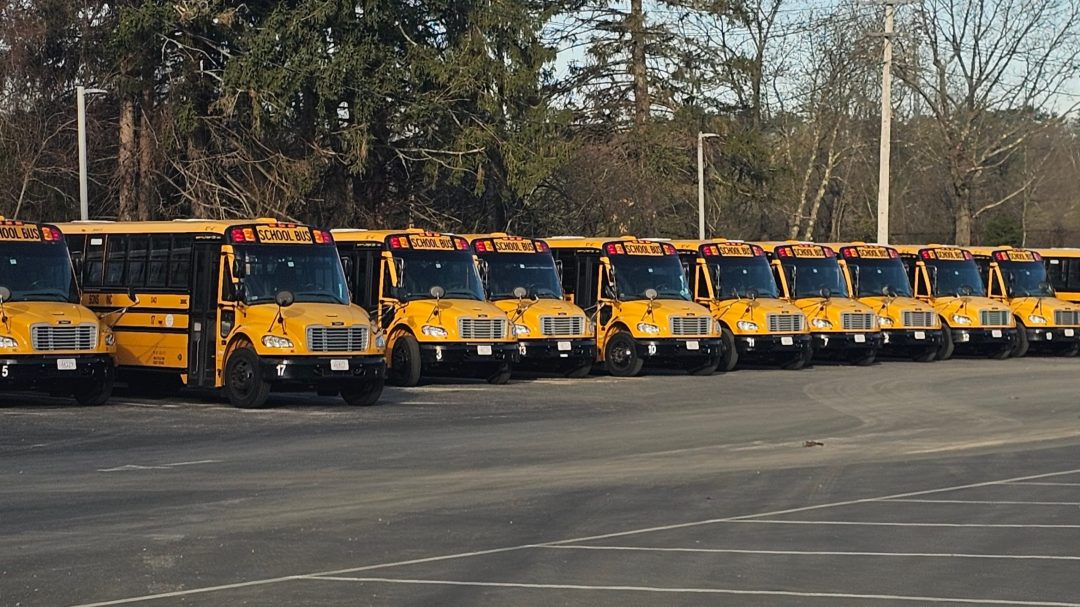
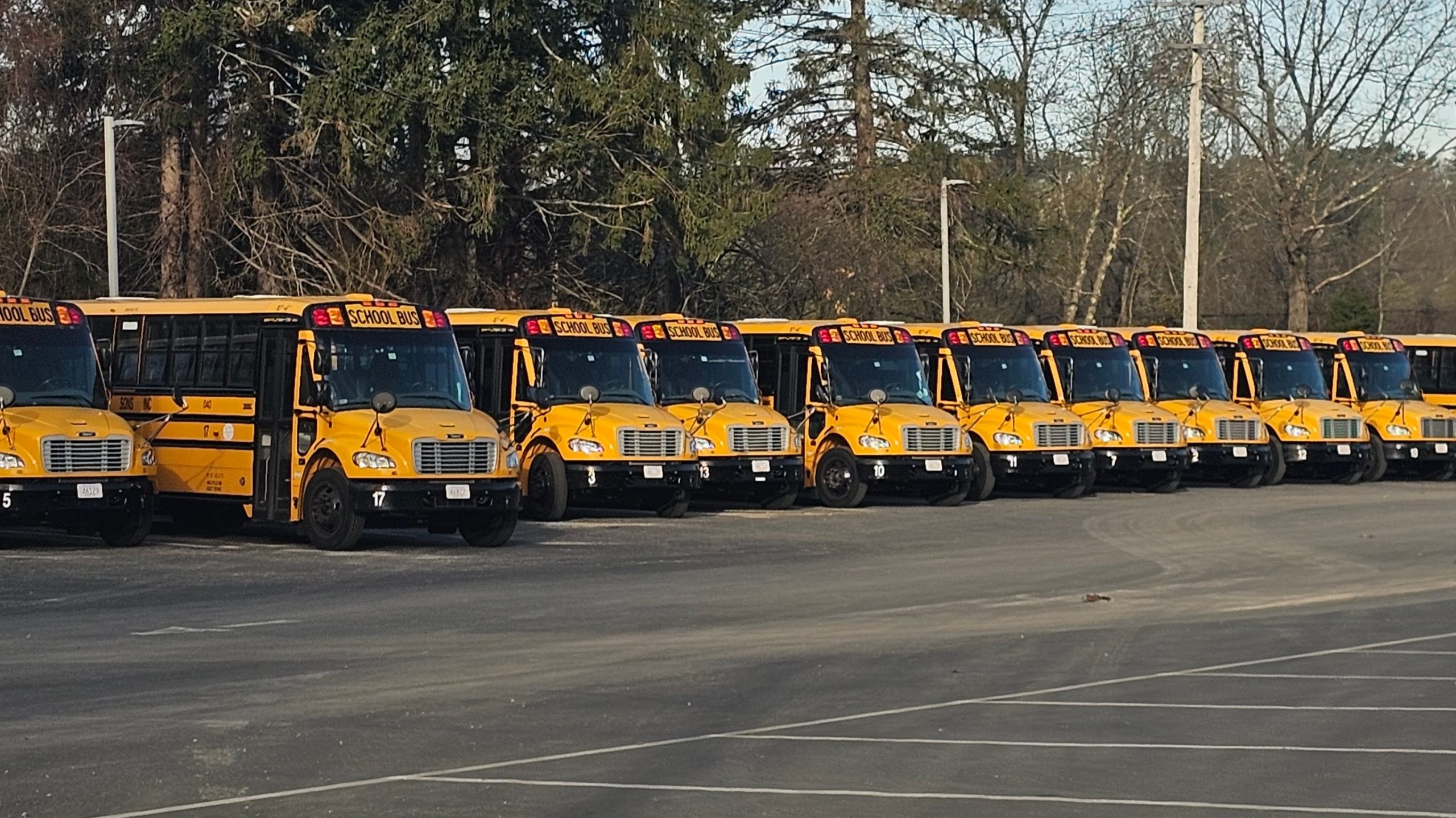
The Patriot Ledger’s July 31, 1979 edition brought to light a controversy surrounding the billing practices of Kiessling School Transportation of Dedham, which had been contracted by the town of Norwood to transport special needs children. The issue at hand was whether the company had overcharged the town for mileage on certain routes.
According to Carl Kiessling, owner of Kiessling School Transportation, his company may have “overcharged a few miles on one small route,” but he emphasized that this was not a widespread practice and that the records would need to be thoroughly examined before any conclusions could be drawn. This statement came in response to questions raised by Yellow Cab of Norwood about billing under a 1975-78 contract.
The controversy began when Richard Robert and Timothy Armour, owners of Yellow Cab, which had unsuccessfully bid for the special needs transportation contract, questioned the billing practices during the 1975-78 period. They contended that the town was charged for trip mileage from each student’s home to the drop-off point instead of for mileage for the entire route. This issue was particularly relevant on out-of-town routes, where Yellow Cab claimed that the town was charged as if every student attended school every day, despite the bid specifications requesting bills based on daily attendance.
The matter had been brought to light by School Business Manager Lawrence S. Canter, who had informed Kiessling about one route (taking several students to the high school) after the Armour brothers filed a court suit against the school department last year. However, Canter did not question the attendance records or any other routes at that time.
The Yellow Cab owners’ concerns were further exacerbated by the fact that their company had filed a lawsuit against the school department in August 1978, challenging the bidding procedures on the 1978-83 contract, which was awarded to Kiessling last July. This five-year contract was worth $68,000 annually.
In response to these allegations, Kiessling stated that he would need time to examine the records and determine whether any overcharging had occurred. He emphasized that his company’s billing practices were not intentionally misleading or deceptive, but rather a result of the complexities involved in transporting special needs children.
The controversy surrounding Kiessling School Transportation’s billing practices highlights the importance of transparency and accountability in public contracting. As the town of Norwood continues to grapple with this issue, it is essential that all parties involved work together to ensure that the rights of both the taxpayers and the service providers are protected.
In the context of the time period, the controversy surrounding Kiessling School Transportation’s billing practices was a significant event in the history of Norwood. The town’s residents were likely concerned about the potential overcharging and the impact it could have on their tax bills. The controversy also highlights the importance of due diligence in public contracting and the need for transparency and accountability.
The controversy surrounding Kiessling School Transportation’s billing practices was a complex issue that involved multiple stakeholders, including the school department, the town council, and the service providers. It is essential to examine this event within its historical context to gain a deeper understanding of the complexities involved.
Archival Note: This article has been dynamically reconstructed from the original public record print archives of the Patriot Ledger
-
School Building Committee Votes to Recommend Addition to Cleveland School-August 16, 1963
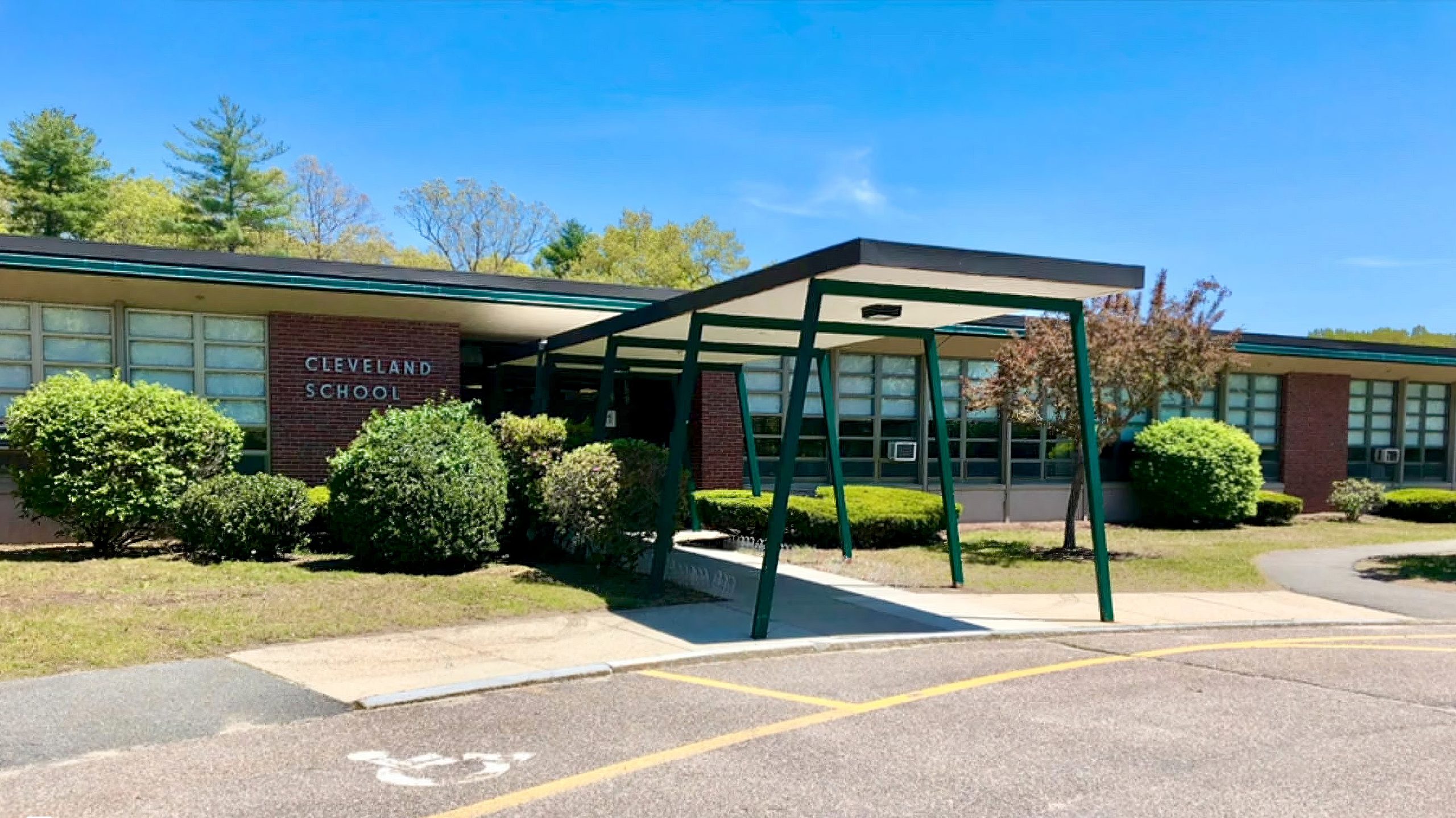
By a 3-2 vote, Norwood’s Elementary School Building Committee recommended an eight-room addition to the Cleveland School rather than constructing a new facility on Wilson Street.
-
Oldham School Building Committee Grapples with Defective Tile Work and Construction Delays-August 7, 1963
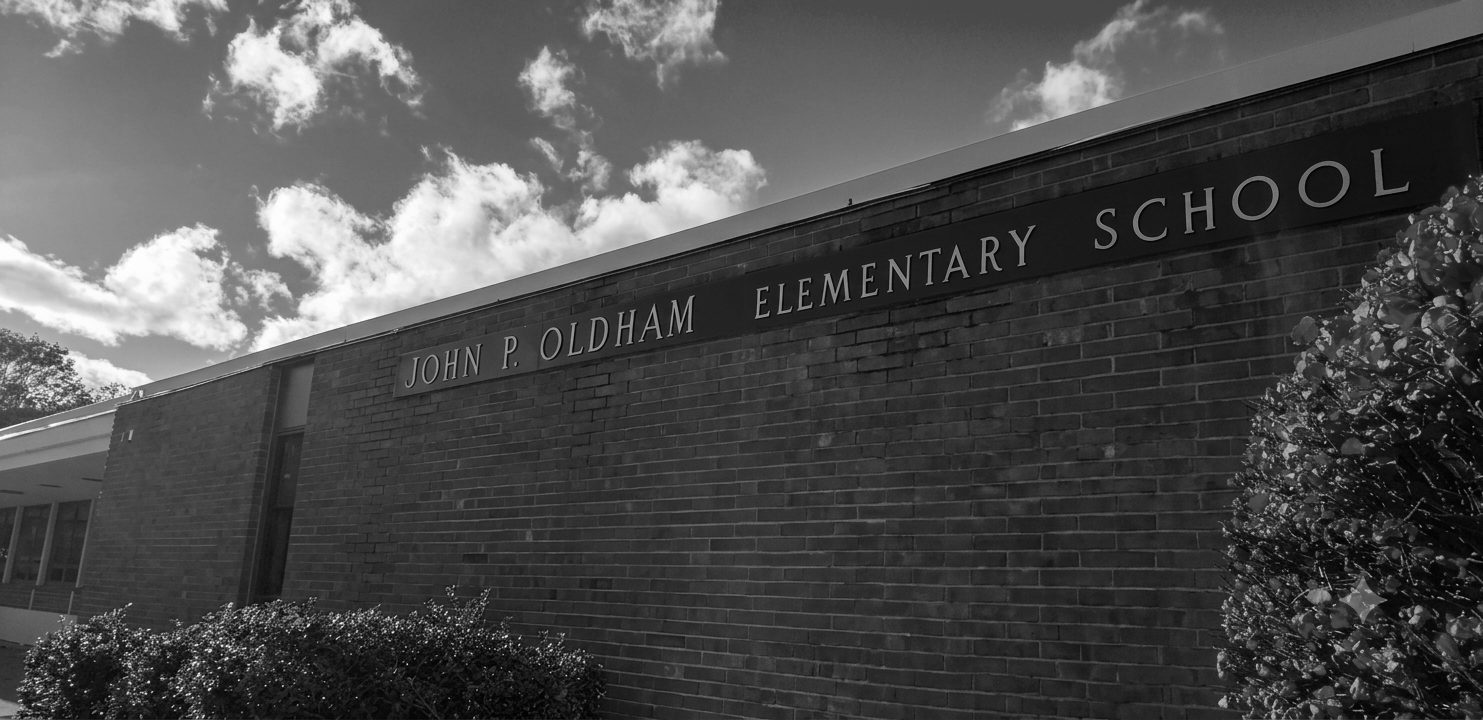
At a special meeting addressing 22 construction issues, the Oldham School Building Committee and architect George H. Stoner rejected 1,100 square feet of improperly installed exterior tile.⠀
-
Norwood Junior High Aerial View-October 9, 1957
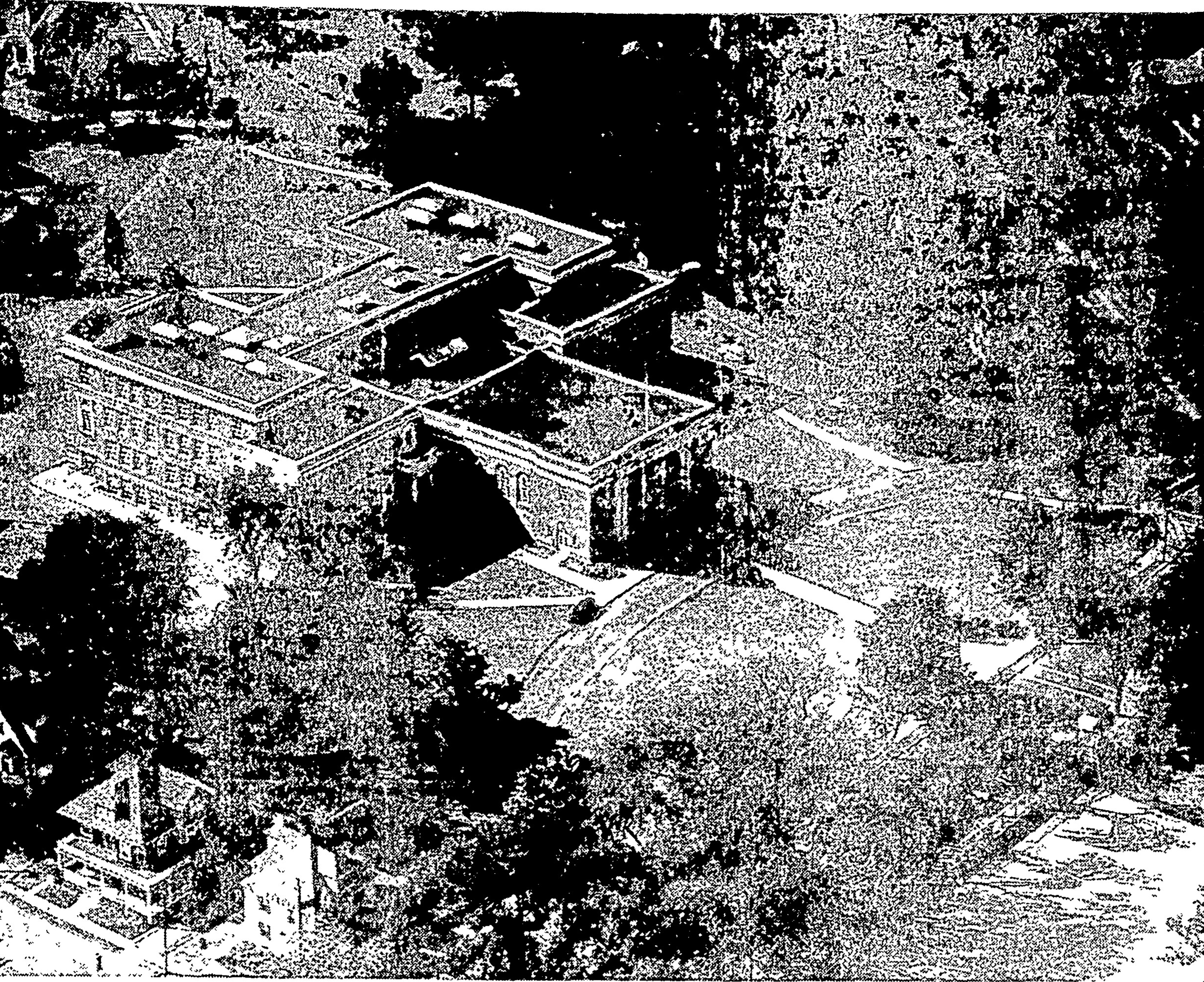
Norwood Junior High Aerial View-This Day In Norwood History-October 9, 1957
-
School Board Studies Hockey Rink For School, New Schools, Sets New Weather Policy-This Day in Norwood History-June 30, 1946

The Norwood School Committee institutes a firm new inclement weather academic policy, launches cost evaluations for a high school hockey rink, and updates educational equipment for the local schools.
-
Father Sues Town for $15,000 Because Proper Conveyance is Not Provided to School-November 22, 1895
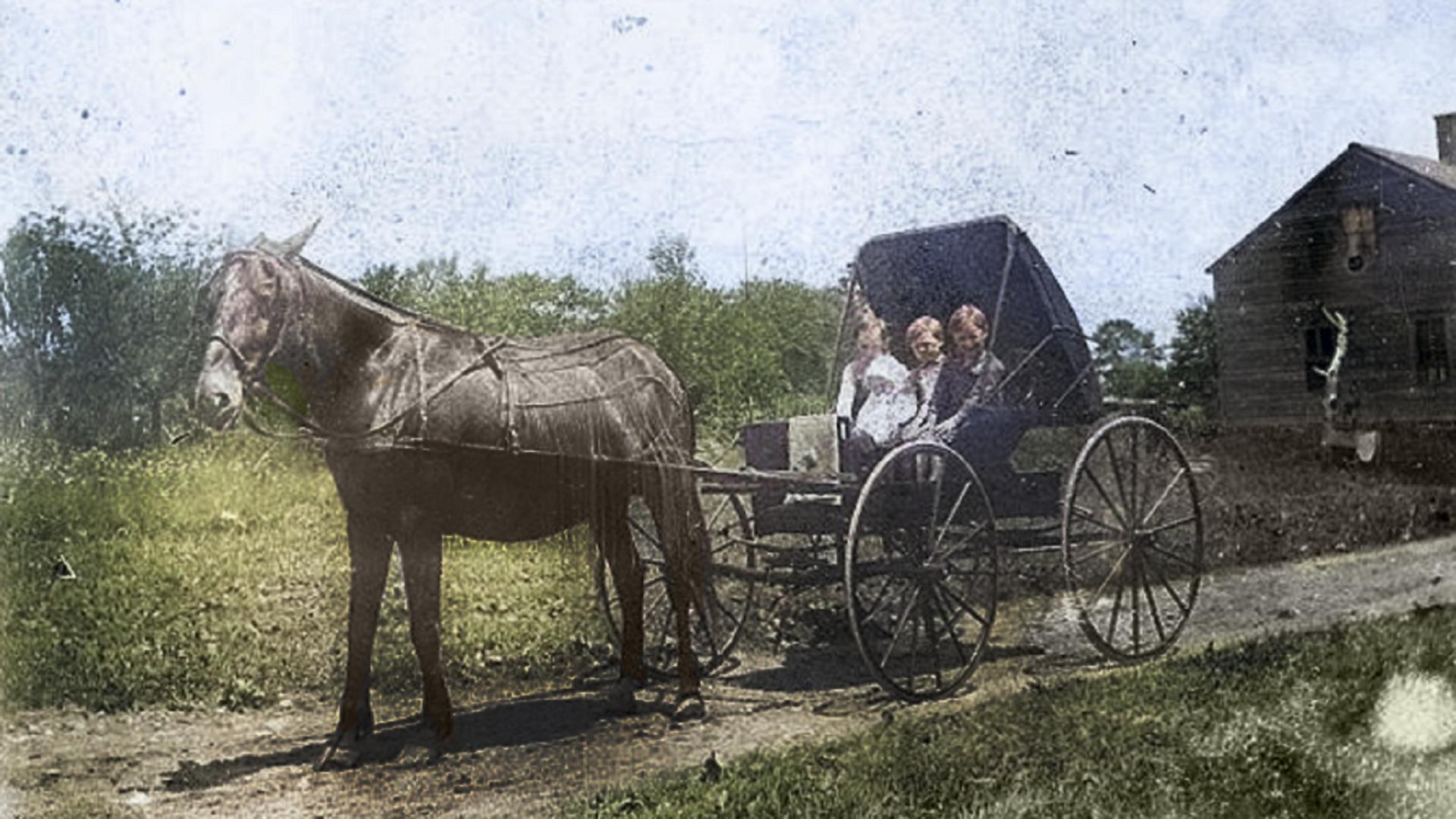
WANTS HIS CHILDREN CARRIED. This town is all in a ferment again over the so-called Gillin case. Away back in 1889 Rev George Hill, who was then chairman of the school board of Norwood, authorized Mr. James J. Gillon, who resides near the Dedham borderline and three miles from the nearest normal school house, to…
Discover more from Norwood Historical Society
Subscribe to get the latest posts sent to your email.