
Micmac Artist and Norwood Resident Joins Wampanoag Co-Founder Frank James at Plymouth Rock While Regional Native Scholars, Elders, and Historians Share Diverse Views on History, Heritage, and Mascots
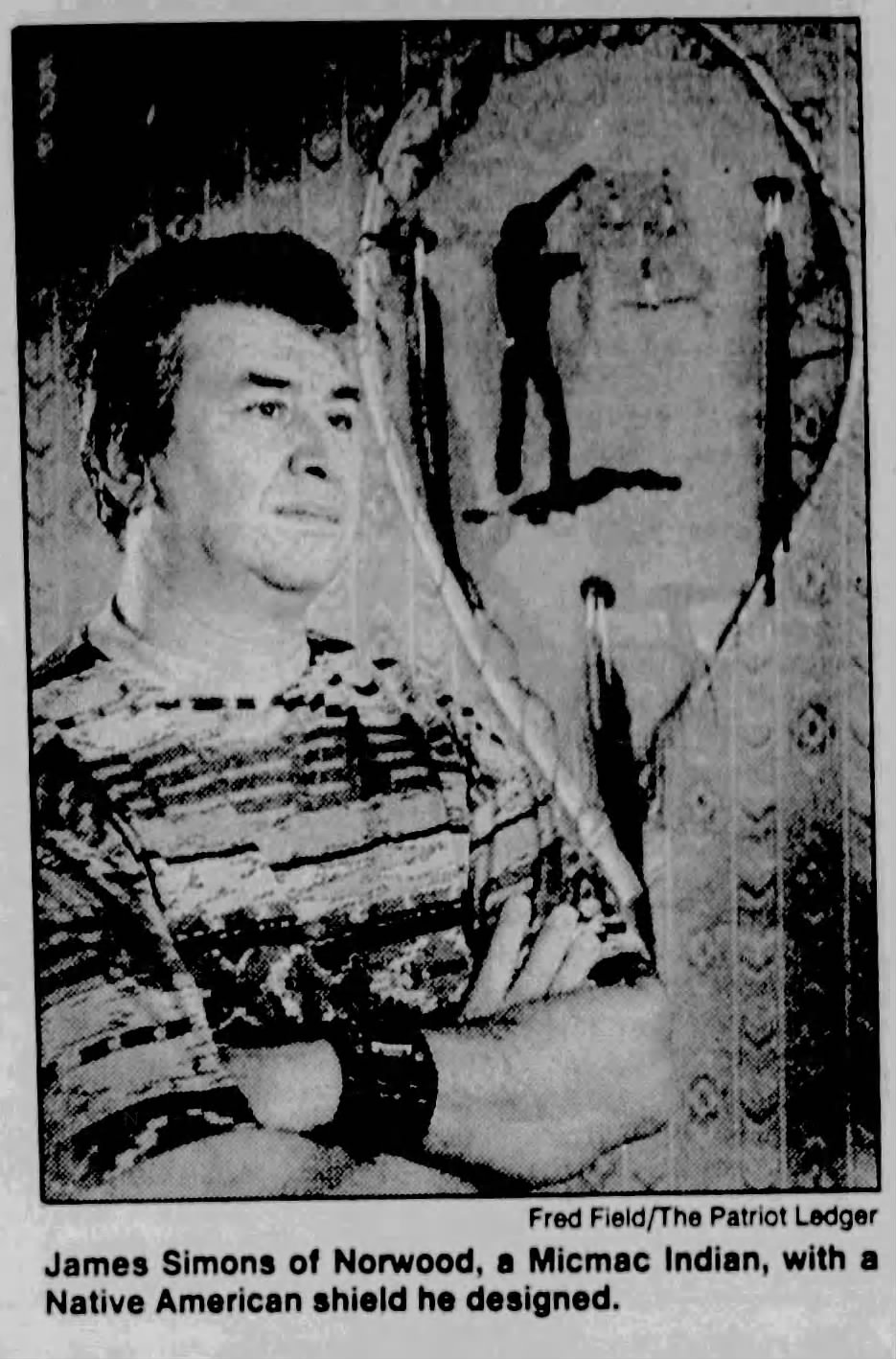
NORWOOD – While millions of families sat down to Thanksgiving dinner on Thursday, November 28, 1991, Norwood resident James Simons, a Micmac Indian, prepared to join fellow Native Americans on a hillside overlooking Plymouth Rock for the 21st annual National Day of Mourning. Reported in The Patriot Ledger on November 28, 1991, by staff writer Michael Berg—accompanied by photographs by Fred Field (showing Simons holding a Native American shield he had designed) and Tom Tajima—the regional feature examined how Native people across Southeastern Massachusetts viewed Thanksgiving, land rights, historical memory, and cultural stereotyping.
Co-founded 21 years earlier by Chatham resident Frank James of the Wampanoag nation, the Plymouth demonstration brought participants together to fast, listen to traditional songs and speeches, and protest centuries of dispossession following European colonization. “The grievance is that the same things done to Indians in 1620 are being done today,” James stated. “I’m talking about land grabs and racism and bigotry and the whole works.” Simons echoed that sentiment, explaining that he planned to attend the demonstration to help educate the public while spending a quiet day with family and friends rather than celebrating a festive holiday. “We are strangers in our own country,” Simons said. “The lands are still being taken in one way or another. It was the birth of a new country but the death of ours. That’s not too much to be happy about.”
At the same time, The Patriot Ledger highlighted that the roughly 12,000 American Indians living in Massachusetts (out of 1,878,285 nationwide counted in the 1990 U.S. Census, up from 273,000 at the turn of the twentieth century) held deeply varied perspectives rather than speaking with a single voice. Russell Gardner of Halifax—a Wampanoag tribal historian whose Indigenous name meant “Great Moose”—regarded the 1621 Plymouth harvest gathering as a meaningful symbol of cross-cultural goodwill despite the conflicts that followed. “I consider it one of our most important holidays, simply because two cultures that knew nothing of each other’s language or lifestyle celebrated the harvest in thanksgiving and brotherhood,” Gardner said. “It just seems to me it is a symbol that stands for all time and all people, not just for that time and those people.”
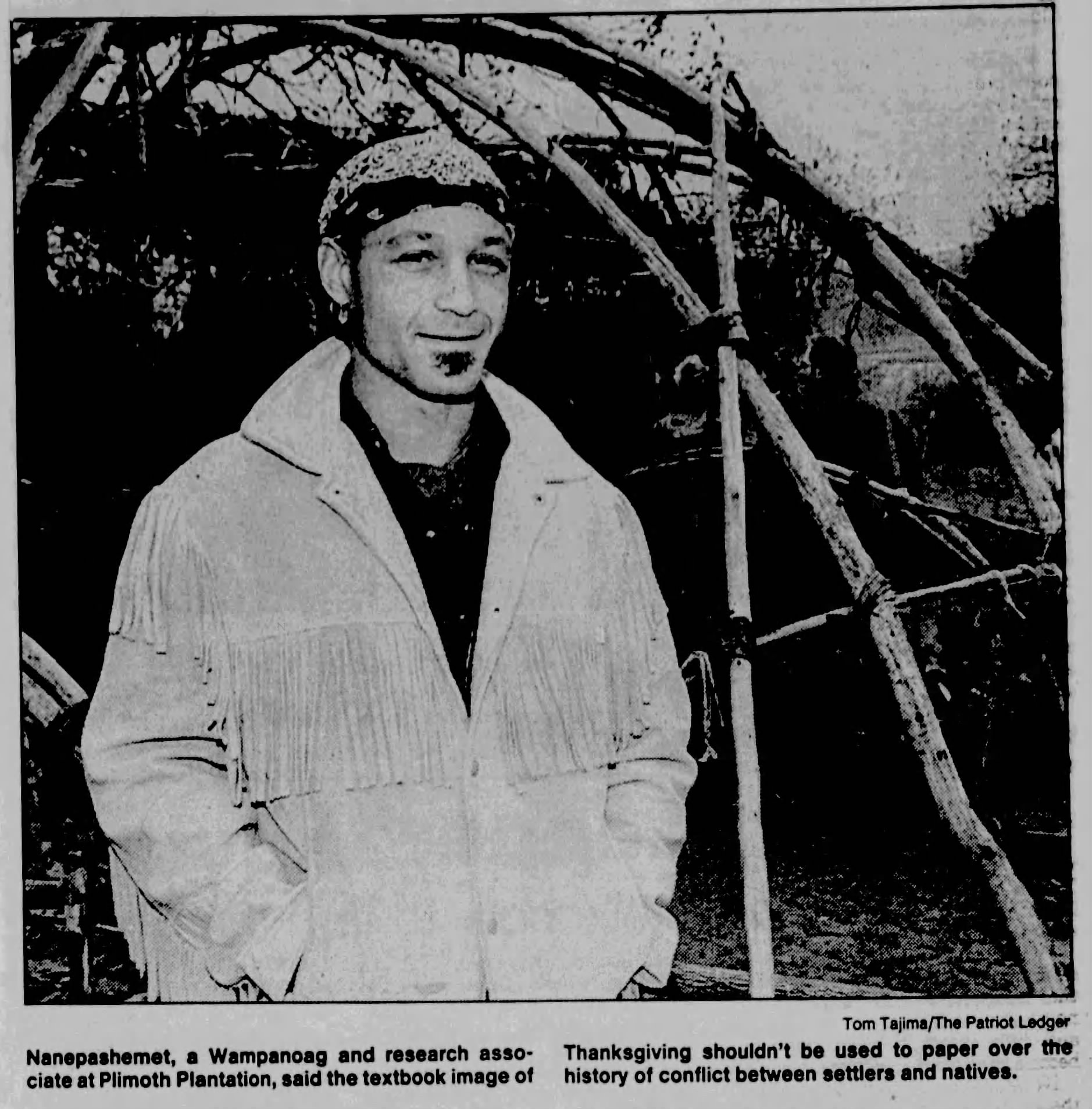
Other Indigenous scholars and educators framed the holiday in nuanced terms. Manley Begay, a Navajo doctoral student heading the Harvard Project on American Indian Economic Development, described the conventional textbook portrait of Pilgrim-Wampanoag friendship as incomplete—a “positive image” acting as “a mask to cover up the other side of the issue, which is the Native American holocaust and survival.” Similarly, Nanepashemet, a Wampanoag research associate at Plimoth Plantation, noted that while giving thanks for survival carried positive meaning, Thanksgiving should never be used “to paper over the history of conflict between European settlers and natives.” Both Begay and Nanepashemet also criticized Indigenous sports mascots—citing the Quincy School Committee’s recent vote to retain North Quincy High School’s “Yakoo” mascot and fans performing the “tomahawk chop” during the 1991 World Series with the Atlanta Braves—whereas Gardner said he did not find team mascots particularly offensive.
Meanwhile, Angela Gonzales, a Hopi sociology student at Harvard, viewed the holiday as a moment to recognize reciprocal Native contributions to American agriculture, crafts, and environmental stewardship: “Neither of us can change the past, but I really believe I have the power to influence the future.” Patricia Weeden of Mashpee, a nurse-educator with the Boston Indian Council in Jamaica Plain, urged non-Native neighbors to foster mutual understanding while supporting efforts against poverty, unemployment, and alcoholism: “We’re here to live with one another and learn from one another. Try to understand us, because we’ve tried for so many years to understand others.”
(Note: Multi-column newsprint OCR transpositions across the full-page spread—including interleaved photo captions, pull-quote fragments, and the companion sidebar article—have been cleanly separated and restored into continuous narrative order.)
Source: The Patriot Ledger • Thursday, November 28, 1991 • Byline: Michael Berg • Photos: Fred Field & Tom Tajima
“We are strangers in our own country. The lands are still being taken in one way or another. It was the birth of a new country but the death of ours.”
| Speaker & Affiliation | Perspective on Thanksgiving & Heritage (Nov. 1991) |
|---|---|
| James Simons (Norwood, Micmac) & Frank James (Chatham, Wampanoag) | Fast and gather at Plymouth Rock for the National Day of Mourning to protest ongoing land loss, racism, and historical injustice. |
| Russell Gardner “Great Moose” (Halifax, Wampanoag Historian) | Views the 1621 harvest feast as an enduring symbol of cross-cultural brotherhood between two distinct peoples. |
| Manley Begay (Harvard, Navajo) & Nanepashemet (Plimoth Plantation, Wampanoag) | Caution against using simplified holiday myths to mask historical conflict or excuse caricatured sports mascots. |
| Angela Gonzales (Harvard, Hopi) & Patricia Weeden (Boston Indian Council) | Emphasize reciprocal Native contributions, environmental harmony, and mutual cross-cultural education. |
Archival Note: This article has been dynamically reconstructed from the original public record print archives of the Patriot Ledger
-
St James Avenue to St George Avenue
South Norwood Photo Studio —1 St James Avenue (now gone) John Klukas was one of two photographers who operated photo studios in South Norwood. Alexander Lapinsky had a studio around the corner at 1084 Washington. Many of Norwood’s immigrant population liked to have their pictures taken, as it was an affordable way to memorial important…
-
Oolah Avenue to St. James Avenue
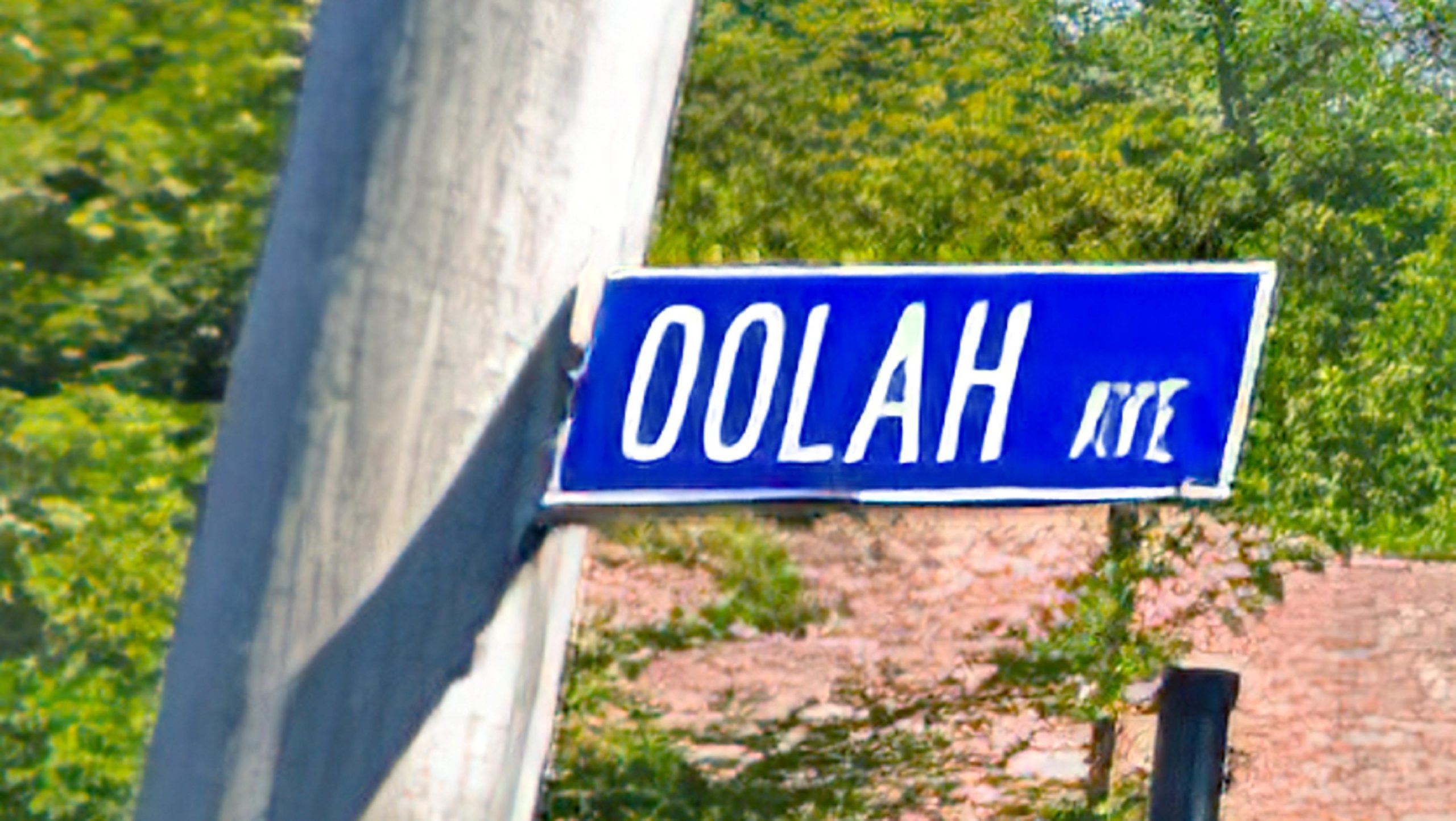
Oolah Avenue Named after the Abdallahs – “Oolah” is Syrian for Nicholas. Over the years, this street has been the home to waves of immigrants – Irish, Polish, Lithuanian, Italian, Portuguese, Brazilian, Egyptian, and Ecuadorian called this street home. At one time, Matt Drummey lived here and was known for the cellos he made by…
-
Dean Street to Oolah Avenue
Temple Shaare Tefilah – 935 Washington Street Although this building is located about a quarter of a mile north of Dean Street, it was an important place for many of South Norwood’s Jewish population. In 1908, seventeen Jewish families purchased a Torah and organized this temple. Initially they did not have a building of their…
-
Norwood’s Polish Immigrants
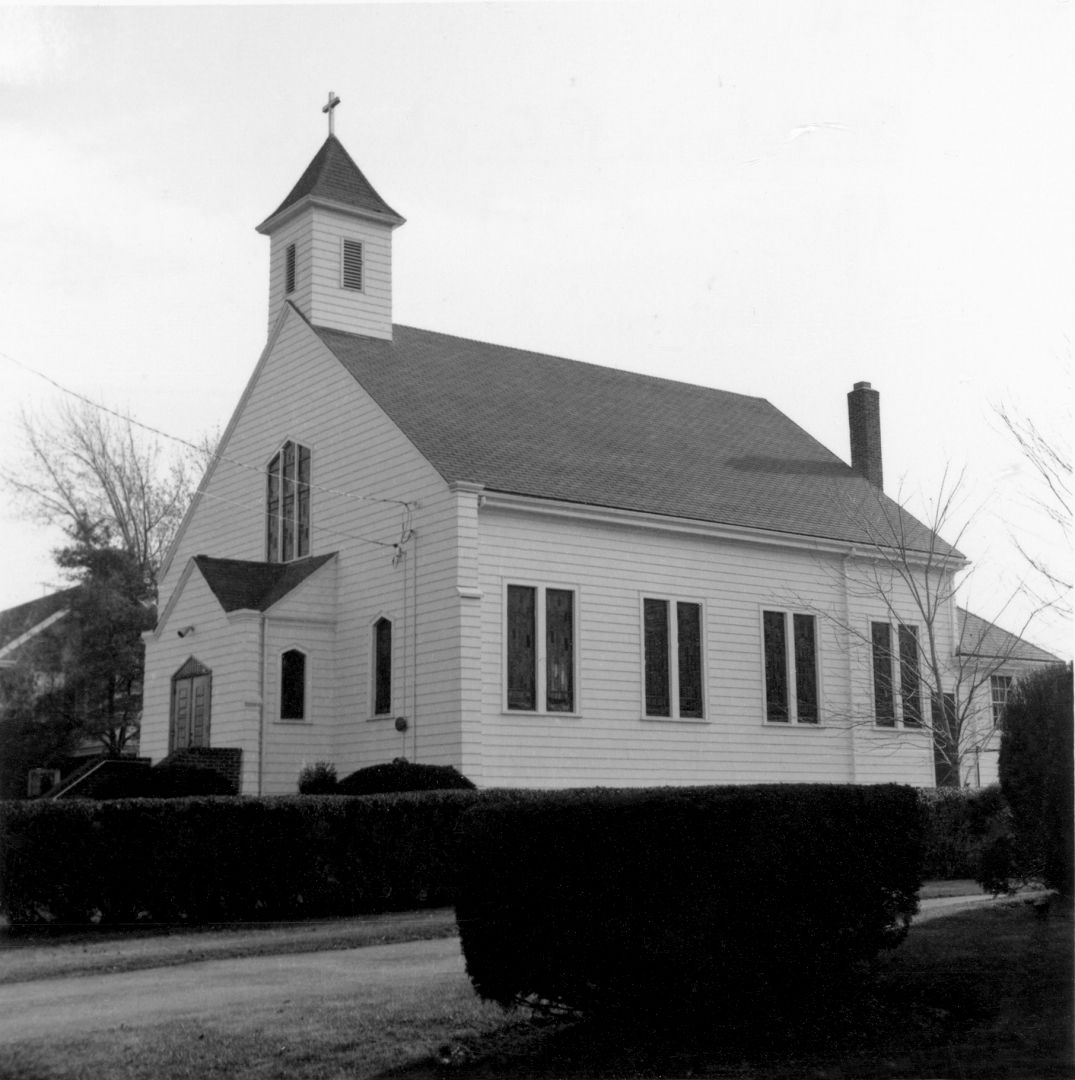
The Polish share much of their history and culture with the Lithuanians. Their long connection started in 1386 Lithuania’s Grand Duke Jogaila married Queen Jadwiga, of the Kingdom of Poland, then in 1569, the Polish-Lithuanian Commonwealth was formally formed. This Commonwealth was initially known for its ethnic diversity as well as religious freedom, but as…
-
Norwood’s Italian Immigrants

In over forty years, between 1880 and 1920 over four million Italians began arriving in The United States, many coming from the poor agricultural towns located in Mezzogiorno region (the “boot” area). Those who came to Boston settled in the North End. As early as 1905, Italian immigrants were settling in South Norwood. Like the…
-
Norwood’s Lebanese-Syrian Immigrants
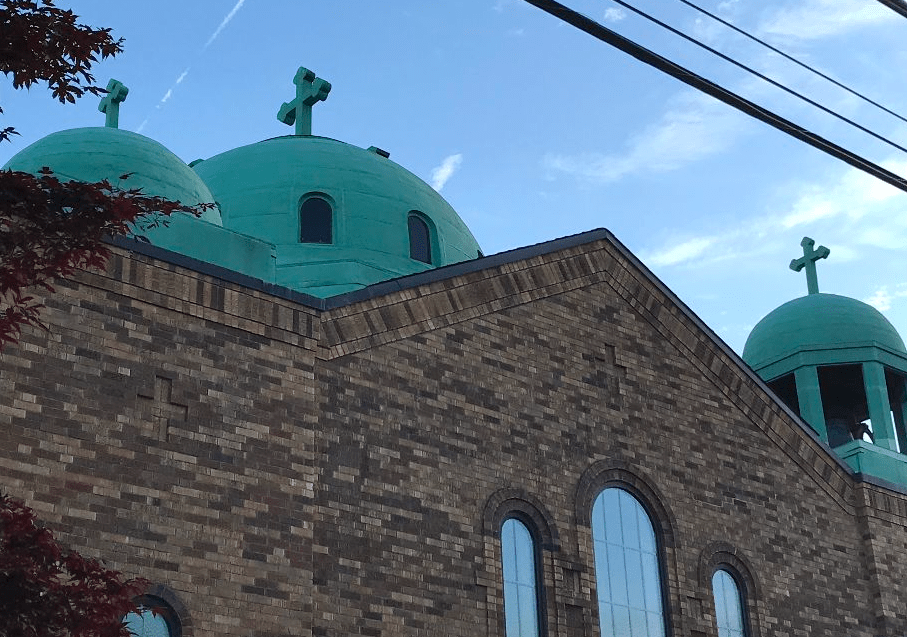
Syrians had been arriving in Massachusetts since the late 1880s. Many came from what is today, the countries of Lebanon and Syria, and these immigrants were mostly Christian. Traditionally, this area was a largely agricultural region. They settled in Boston where they found work as peddlers, lace makers, and in many of the area’s manufacturing…
-
Norwood’s Lithuanian Immigrants
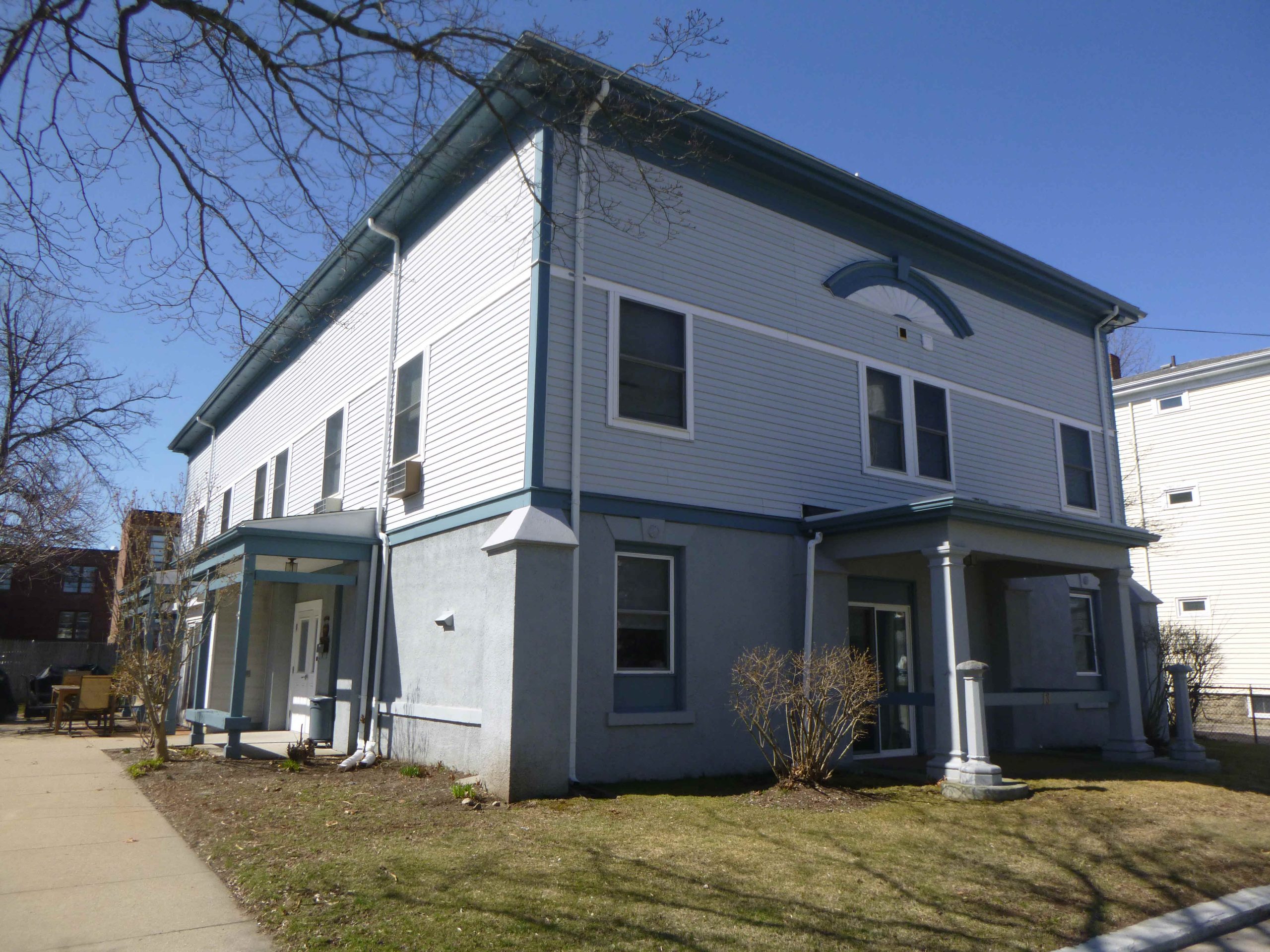
The history of Lithuania is long and complicated, but it needs to be understood as its roots illustrate when and why Lithuanians came to the United States. In 1795, The Polish-Lithuanian Commonwealth fell and was incorporated into Russia. The Commonwealth, which was made up of the Kingdom of Poland and the Grand Duchy of Lithuania,…
-
Norwood’s Portuguese Immigrants

The Portuguese began arriving in Massachusetts in the late 1800s, many coming from fishing villages in the Azores. They created Portuguese communities in Boston and Cambridge. In the late 1950s, Portuguese immigrants began settling in South Norwood, many finding homes in some of the triple-deckers in the area, but most arrived in the early 1970s.…
Discover more from Norwood Historical Society
Subscribe to get the latest posts sent to your email.