
Wiggins Airways Maintains Zero-Accident Safety Record Since World War II as Northeastern and Boston College Seniors Log 36.5 Flight Hours
NORWOOD – While helicopters by the dozen and row upon row of light observation aircraft and heavier transports sat on the apron at Saigon International Airport in Vietnam awaiting calls from the interior, Norwood Municipal Airport served as a vital stateside classroom preparing the next generation of U.S. Army aviators. Reported in The Patriot Ledger on Friday, November 25, 1966, by staff reporter Dick Devlin, fourteen college seniors enrolled in Army ROTC programs at Greater Boston universities were receiving their first taste of flying at the expanding Norwood airfield through the Army ROTC Flight Training Program.
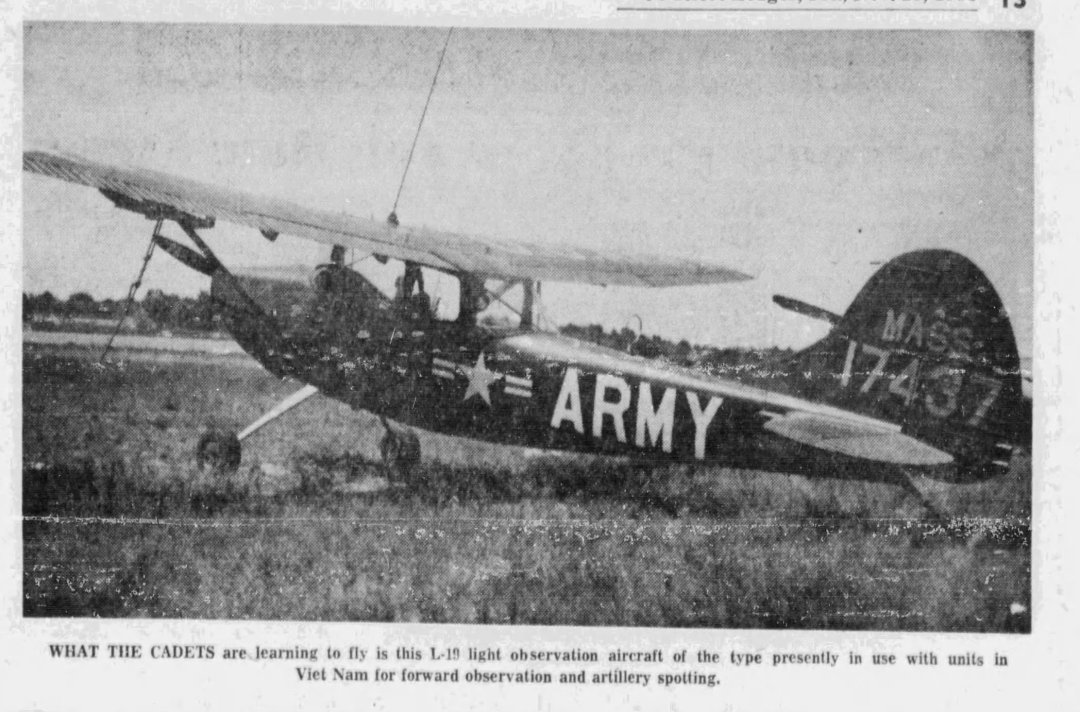
Operated under Army contract by E.W. Wiggins Airways Inc., based at Norwood, the program boasted a “zero accidents” safety record for cadet students ever since it was established following World War II. In a notable historical parallel, Norwood had also functioned during World War II as a training airfield where U.S. Navy pilots practiced carrier takeoffs and landings. Although the newspaper photograph illustrating Devlin’s report showed an L-19 light observation aircraft—the dull brown-and-green fixed-wing craft stenciled with “U.S. ARMY” and the red, white, and blue American insignia used in Vietnam for forward observation and artillery spotting—student pilots at Norwood trained in dependable two-place, single-engine Piper Cherokees.
Offered as an extracurricular elective to cadets entering the second year of advanced ROTC—typically their senior year of college—the flight program enforced strict entry standards. Applicants had to maintain strong academic standing, secure the endorsement of both their university dean and professor of military science, pass a school-administered flight aptitude exam, and clear a rigorous physical examination matching the standards used for active-duty Army aviators serving in Germany or Vietnam. Once admitted, each cadet carried the responsibility of balancing flight instruction with a full academic schedule.
Every participant completed 35 hours of ground school—conducted over four weeks of night classes—alongside 36.5 hours of actual flight time scheduled around academic and campus commitments. Instructors taught the fundamentals of pilotage, radio navigation, map and compass reading, federal aviation laws governing aircraft operation, and emergency procedures for unexpected in-flight incidents—with top priority placed on leaving the runway and returning to it “in one piece.”
While the U.S. Army absorbed the entire cost of flight manuals, flight clothing, aircraft hours, and instruction—on top of paying advanced-course cadets their regular $40-a-month retainer throughout the school year—students taking an equivalent course privately would have paid between $1,500 and $2,000 due to hourly aircraft and instructor expenses. In return, as Devlin noted, cadets had to volunteer for Army Flight Training upon graduation and commit to serving an additional year on active duty.
Local cadets from Northeastern University accounted for a major share of the 14-student class at Norwood:
- Donald Thieme of 277 Great Plain Avenue, Needham, a member of the Pershing Rifles, Scabbard and Blade honor societies, and Northeastern’s Counter Guerrilla Group—as well as a qualified parachutist—said he was looking forward to flying the Army’s new, heavily armed “Huey Cobra” combat helicopters scheduled for delivery to forces in Vietnam early in 1967.
- Thomas Lydon of 47 Willard Street, Quincy, a senior in Northeastern’s College of Engineering and a member of Pershing Rifles and Scabbard and Blade, said his primary objective was passing the “rigors of the course.”
- Peter Dalton of East Acton, an economics major at Northeastern and fellow Pershing Rifles member, stood out as the only married student among the 14 trainees.
- Also representing Northeastern were William H. Franklin Jr. of Easton, Connecticut; Robert B. Kean of Reading; George R. Savani Jr. of Medford; and Daniel J. Voner Jr. of Belmont.
Five cadets came from Boston College: Alfred Belliveau Jr. of Tewksbury, Richard P. Bergagna of Boston, John P. Keenan of Beloit, Wisconsin, John P. Osmond of Watertown, Connecticut, and Eustis Parcels of Keyport, New Jersey. Rounding out the group of 14 student pilots at Norwood were Ansi Telmanis of Boston’s Hyde Park neighborhood and John P. Silberman of Brookline.
(Note: Use the Expanded Feature Narrative above as the primary WordPress post body; its 814-word length exceeds the 785-word raw OCR clipping count.)
Source: The Patriot Ledger • Friday, November 25, 1966 • Byline: Dick Devlin
| 1966 ROTC Flight Training Benchmark | 1966 Amount | 2026 Equivalent |
|---|---|---|
| Advanced ROTC Cadet Monthly Retainer | $40 / mo. | ~$396 / mo. |
| Estimated Civilian Cost of Equivalent Flight Training (Low) | $1,500 | ~$14,850 |
| Estimated Civilian Cost of Equivalent Flight Training (High) | $2,000 | ~$19,800 |
Archival Note: This article has been dynamically reconstructed from the original public record print archives of the Patriot Ledger
More…
-
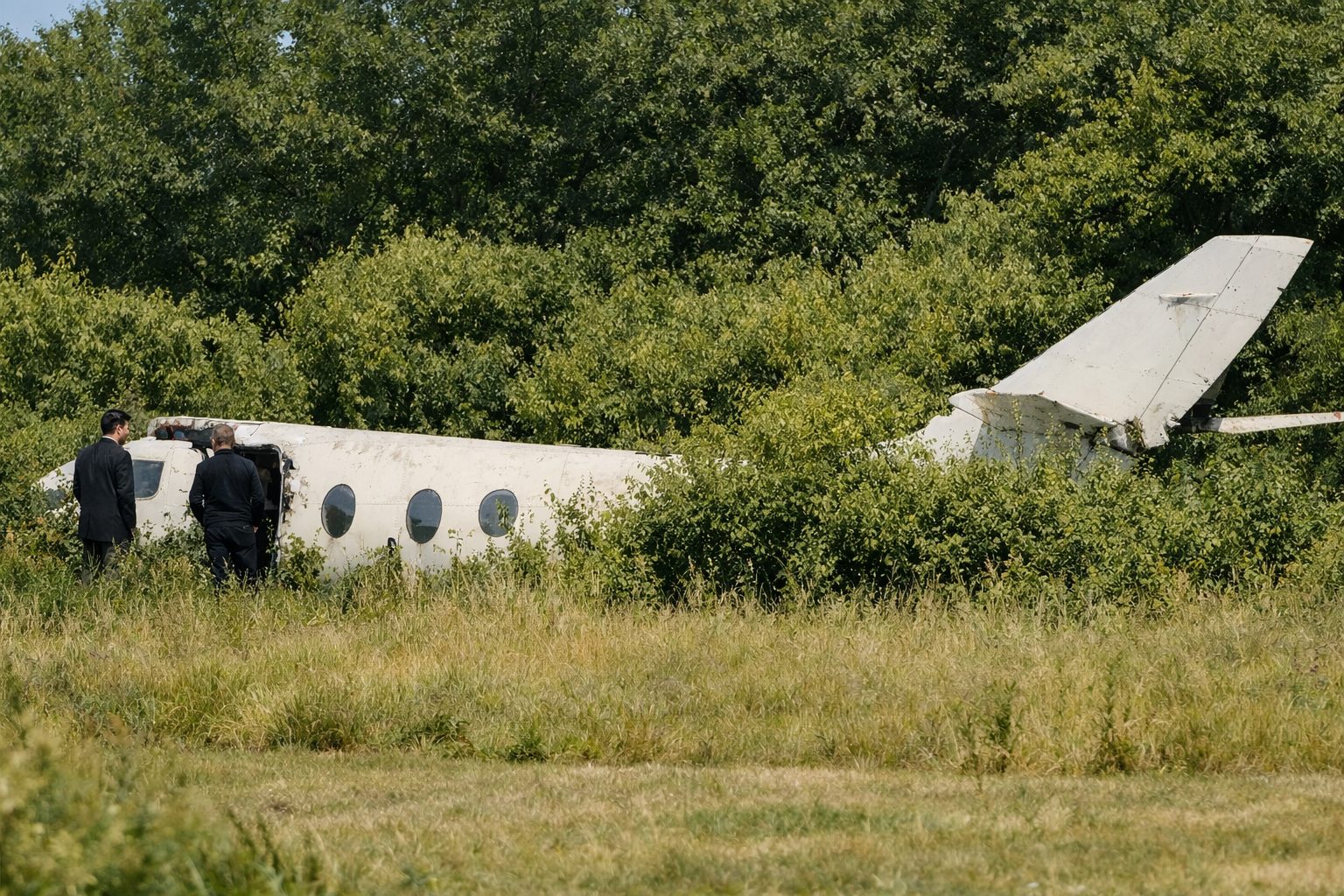
Plane Picking up Tom Brady Slides Off Norwood Runway-June 15, 2005
An aviation mishap at Norwood Memorial Airport leaves a twin-engine charter jet stuck in the mud 400 feet past the runway.
-
Norwood Airport Struggles Under Post-9/11 FAA Security Rules-October 18, 2001
Economic Pinch at Norwood Airport-October 18, 2001 The Norwood Airport is facing a severe financial squeeze brought on by sweeping new Federal Aviation Administration (FAA) security rules enacted in the wake of the September 11 terrorist attacks. “The airport is struggling economically,” stated assistant town manager Bernie Cooper. “There is no question that there has…
-
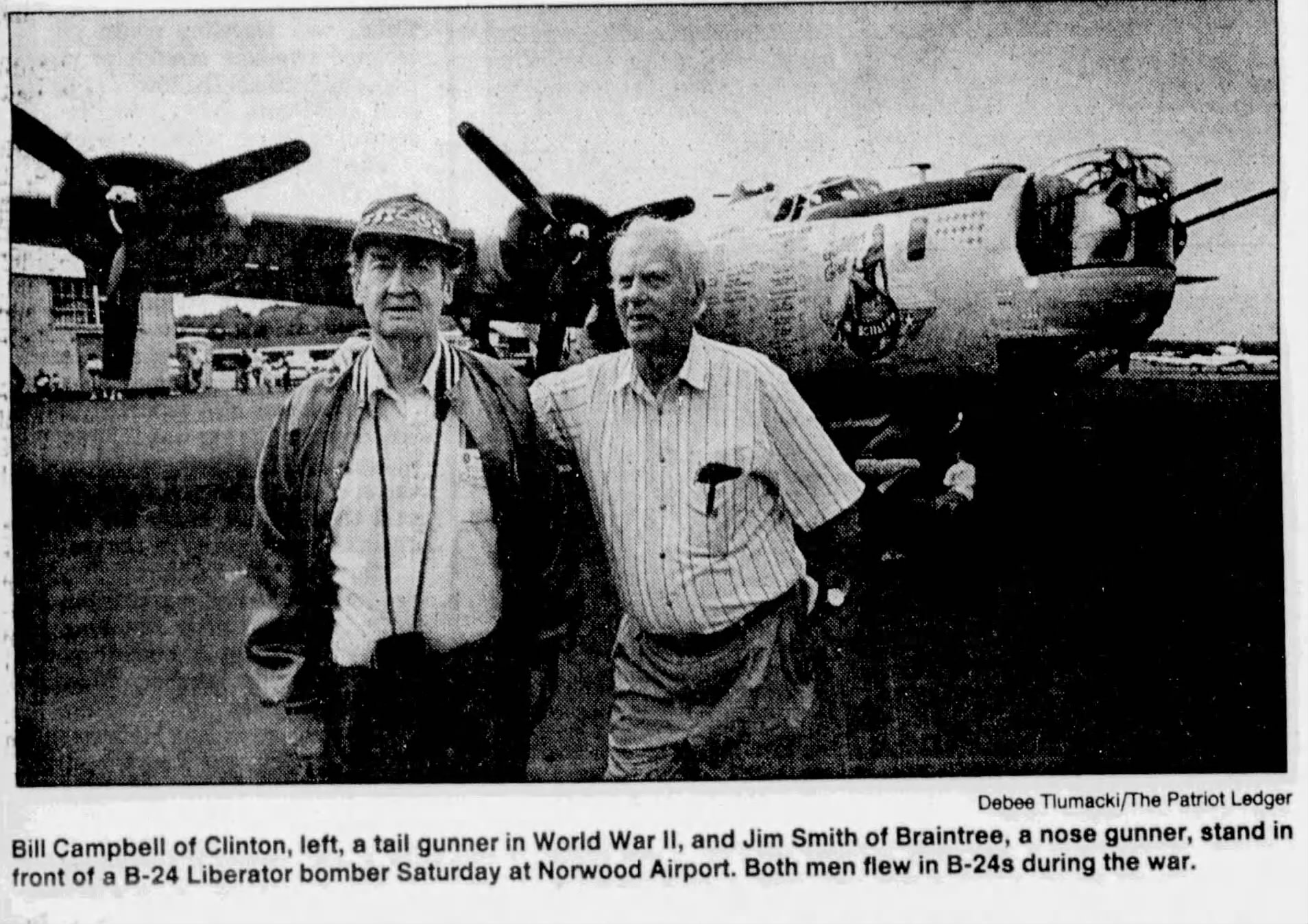
WWII Bombers Bring Back Glory Days for Aging Veterans at Norwood Airport-September 22, 1997
More than 2,000 visitors and World War II veterans gather at Norwood Airport to view historic B-24 and B-25 bombers and share wartime memories.
-
Restored World War II B-17 and B-24 Bombers on Display at Norwood Airport-September 19, 1997
Restored World War II B-17 and B-24 bombers brought by the Collings Foundation go on display this weekend at Norwood Airport’s Wiggins Terminal.

-
World War II B-24 Pilots Reunited After 49 Years-September 18, 1992
WWII veterans Frank Tedesco and Bob Anderson reunite after 49 years as Norwood Airport prepares to host a 50th-anniversary air show featuring rare B-24 and B-17 bombers.

-
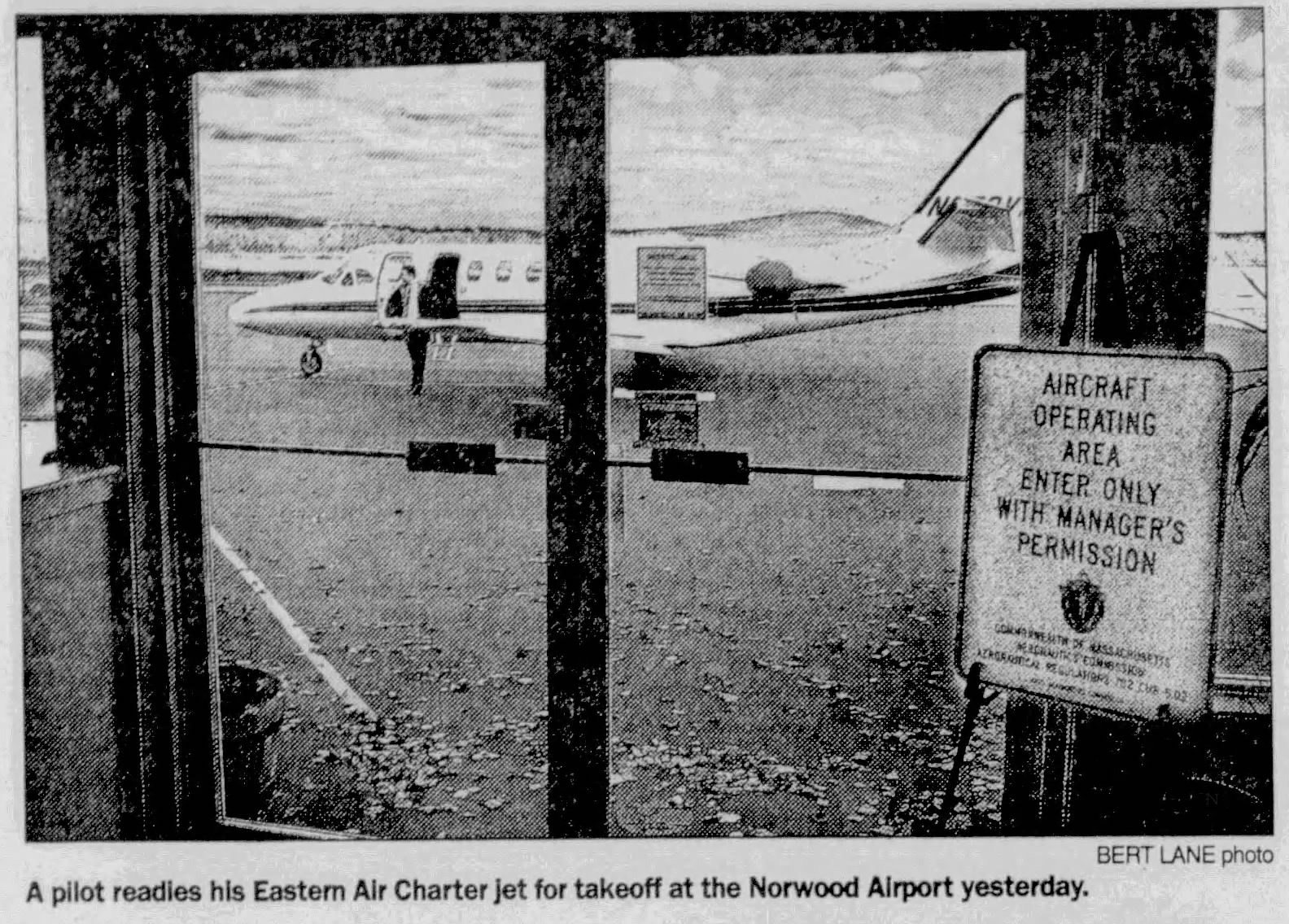
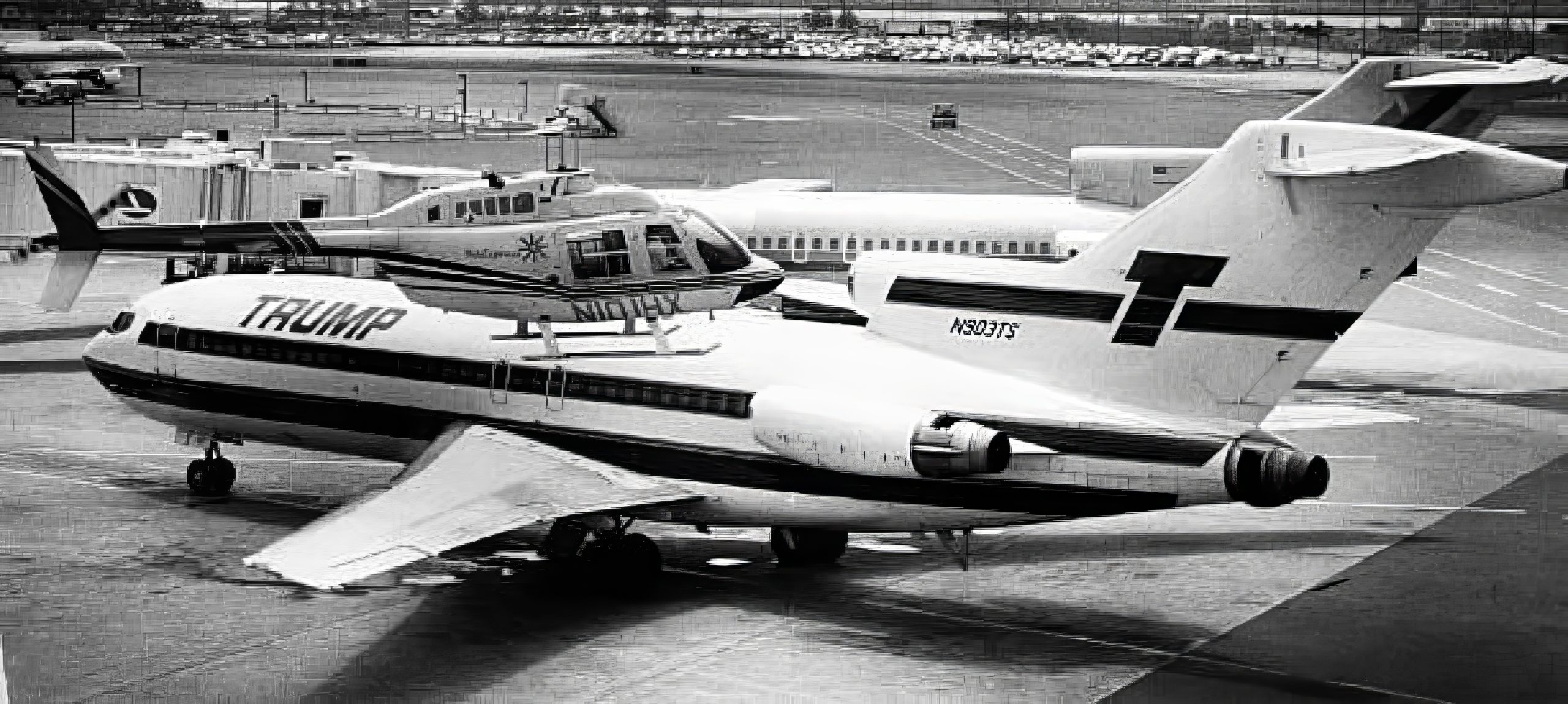
HubExpress Suspends Norwood-to-Logan Helicopter Shuttle-August 7, 1990
Citing low local ridership, equipment shortages, and parking constraints at Norwood Airport, HubExpress Airlines suspended its popular Norwood-to-Logan helicopter shuttle service.
-
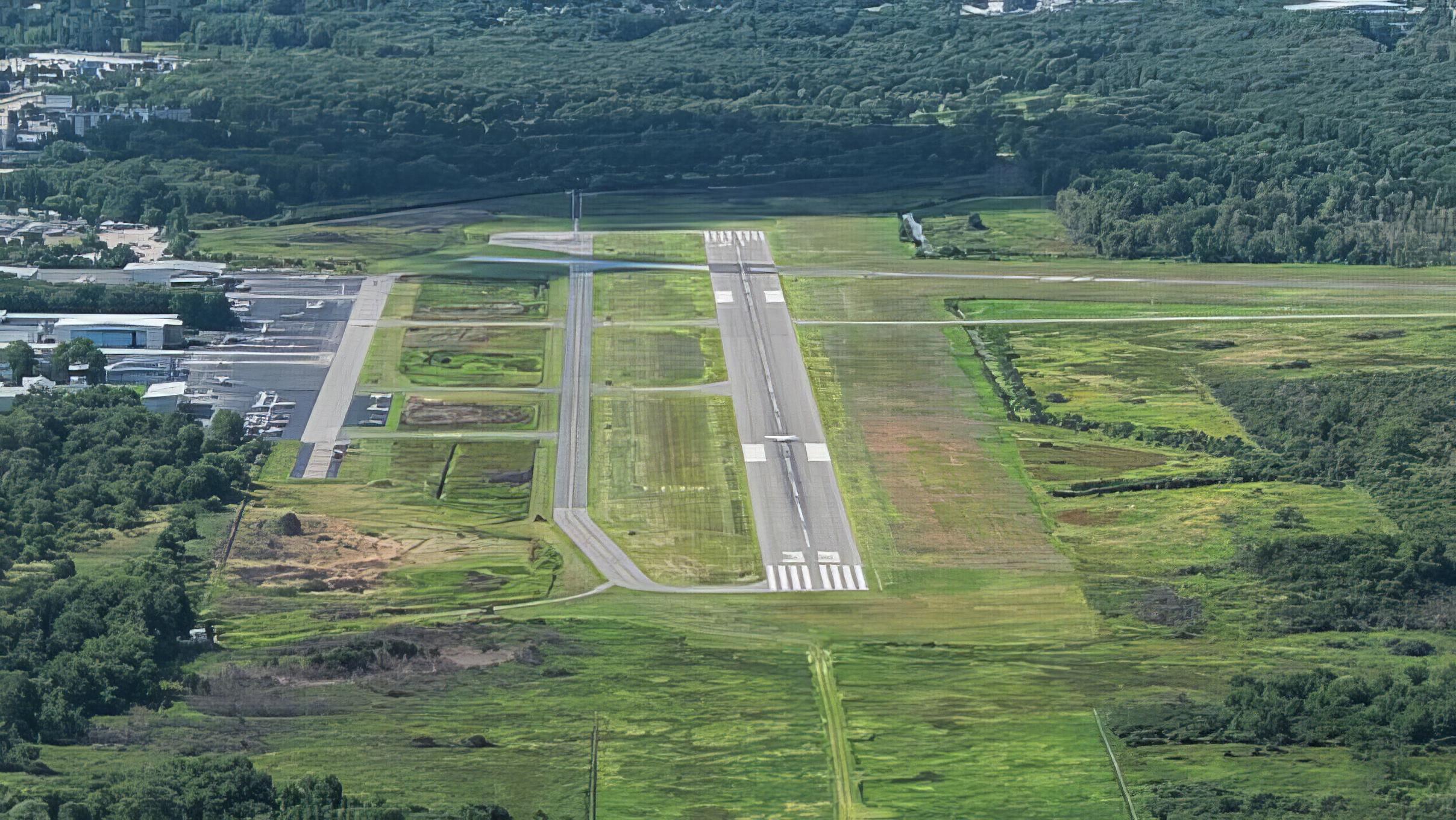
Aviation Day Held at Norwood Airport as Community Leaders and Pilots Clash Over Longstanding Noise Disputes-September 18, 1989
Norwood Airport hosts an open-house Aviation Day to improve community relations, while local leaders and pilots continue debating persistent aircraft noise issues.
-
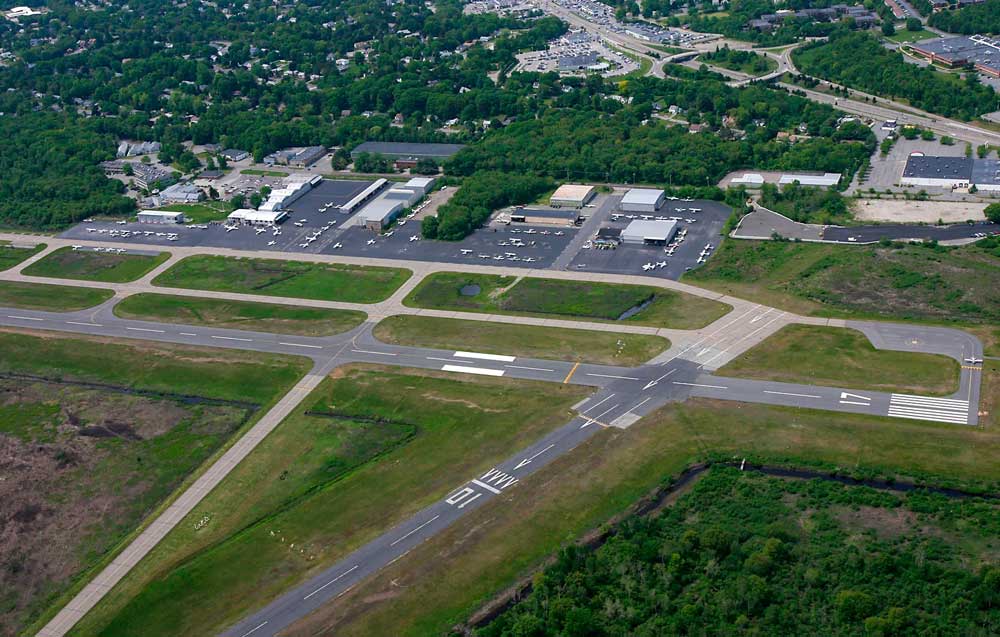
Airport Commission Faces Difficult Choice Between FAA Noise Study Funding and Night Flight Ban-September 4, 1986
Norwood airport commissioners are grappling with an ultimatum delivered by the Federal Aviation Administration (FAA): the town must either accept a multi-year delay on its voter-mandated night flight ban or forfeit a federally funded $127,800 noise study critical to defending the curfew against anticipated airline legal challenges. The FAA offered to finance the comprehensive noise…
-
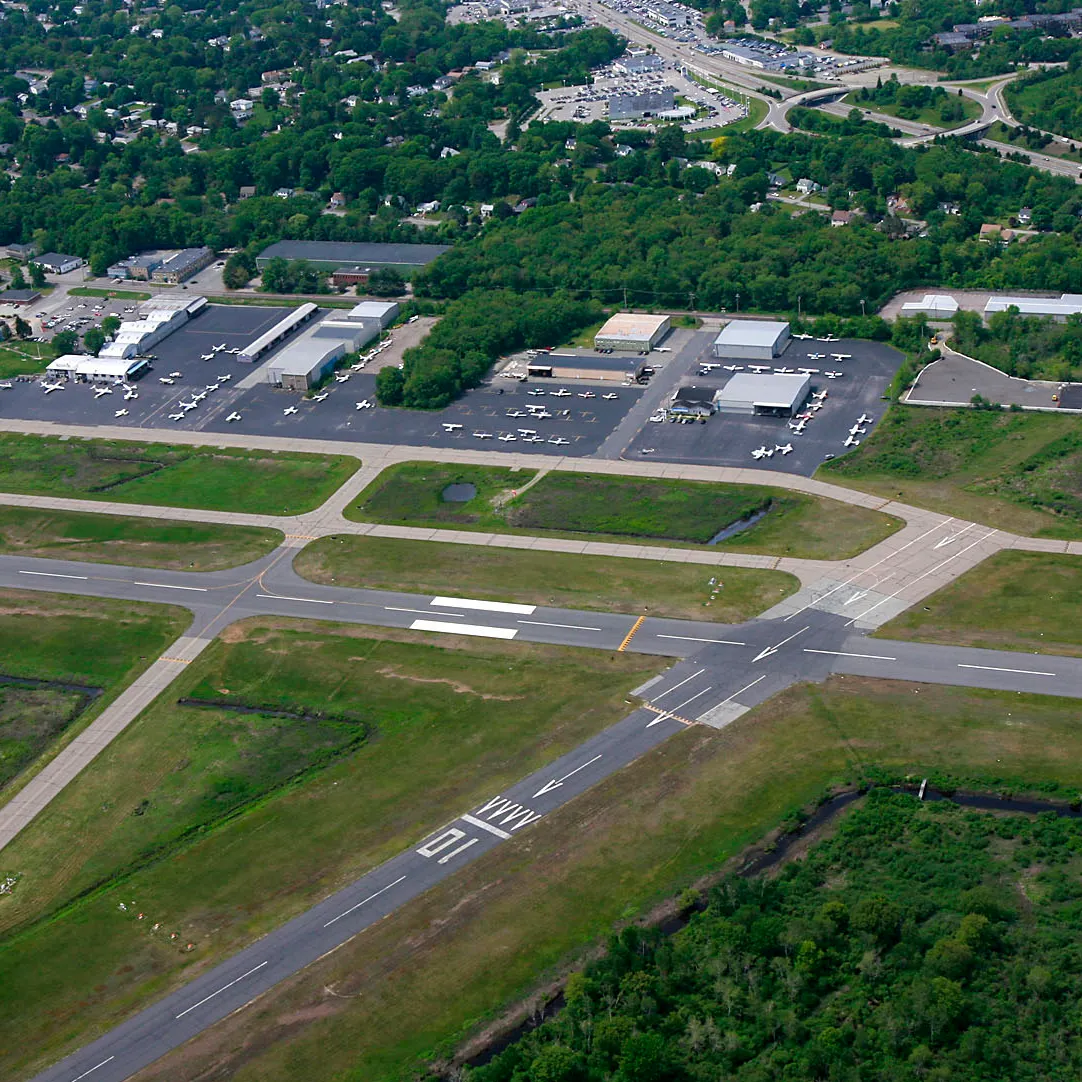
Norwood Airport Raises Tie-Down Fees for Private Plane Owners Starting in October-August 16, 1986
Citing prime location demand, Norwood Airport commission chairman Edwin Page announced fee increases for premium aircraft tie-down spaces beginning in October.
-
FinCom Explores Landing Fees to Offset Airport Liability Insurance Costs-August 7, 1986
Following a new five-year lease requiring the town to cover $19,356 in airport liability insurance, the Norwood Finance Commission asked town counsel if landing fees can be legally charged to pilots.

Discover more from Norwood Historical Society
Subscribe to get the latest posts sent to your email.