
Norwood’s school committee was warned last night that the town’s special education program faces a severe fiscal crunch for the upcoming academic year.

School Business Manager Lawrence Canter reported that the town may run short of funds to pay for specialized services and external placements mandated by the state’s landmark special education law, known as Chapter 766.
While the school department budgeted $70,000 for outside treatment agencies, preliminary estimates indicate that roughly $60,000 of that total is already earmarked. Canter warned that costs are expected to escalate further due to state funding cutbacks—including the loss of Department of Mental Health funding for a private nonprofit agency serving local children, which could force Norwood to cover increased tuition costs.
Legal Precedent and State Funding Lawsuit
Adding to the financial uncertainty, Canter noted that approximately $55,000 unspent from the 1974–75 special education budget is currently in question following a recent Supreme Judicial Court ruling against Worcester. The court nullified Worcester’s use of Chapter 766 funds to offset its tax rate, forcing the city to transfer $714,000 back into a special education account. Canter urged the committee to seek guidance from Town Counsel Justin C. Barton to determine if Norwood’s accounting practices are similarly affected.
In response to state under-funding of the mandated program—for which Norwood is expected to receive $128,416 this year—school committee member Richard Joseph proposed joining a multi-town lawsuit to compel the state to fully fund Chapter 766 mandates. Superintendent Dr. Philip O. Coakley agreed to confer with Town Counsel Barton regarding the proposal.
Special Education Transportation Contracts
During the meeting, the committee awarded three-year transportation contracts totaling $60,730 annually to two firms: Carl F. Kiessling Transportation Co. of Dedham and Kiessling School Transportation Co. of South Walpole. The awards were approved after rejecting one- and five-year terms. Committee member William Travers advocated for the three-year limit over competing Norwood-based bids to allow local providers an opportunity to re-bid sooner.
Archival Note: This article has been dynamically reconstructed from the original public record print archives of the Patriot Ledger
-
Norwood School Committee Votes to Relocate School Administration Offices-August 1, 1974
The Norwood School Committee voted 5-2 to relocate central school administration offices to the Winslow School, pending cost estimates from Superintendent Philip O. Coakley.
-
Uncertainty Looms Over Norwood Junior High South Opening Date-July 12, 1974

After three years of double sessions following a 1971 fire, Norwood officials faced the possibility of further delays for the new Junior High South.
-
Unfinished Junior High To Open On Schedule-July 8, 1974

Discover the construction history of the $4.5 million Junior High South project in 1974, detailing the challenges faced during the transition from the old Washington Street school.
-
School Board Rejects ‘Floating Principal’ Proposal-July 03, 1974
The Norwood School Committee held a contentious session on the evening of July 2, 1974, where, following two weeks of deliberation and a lengthy 90-minute executive session, the board voted 5-1 to reject a proposal to create a new administrative position titled “floating principal.“ The concept, initially championed by Committee Member Joseph M. Pentowski, was…
-
School Drop-In Centers Possible In Fall-June 24, 1974
Citing summer custodial constraints and a lack of air conditioning, town officials vote to survey local youths during the summer to prepare for a fall launch.
-
Superintendent Philip O. Coakley Reacts to NTA Grievance Statement Regarding Cleveland School Postings-November 15, 1973
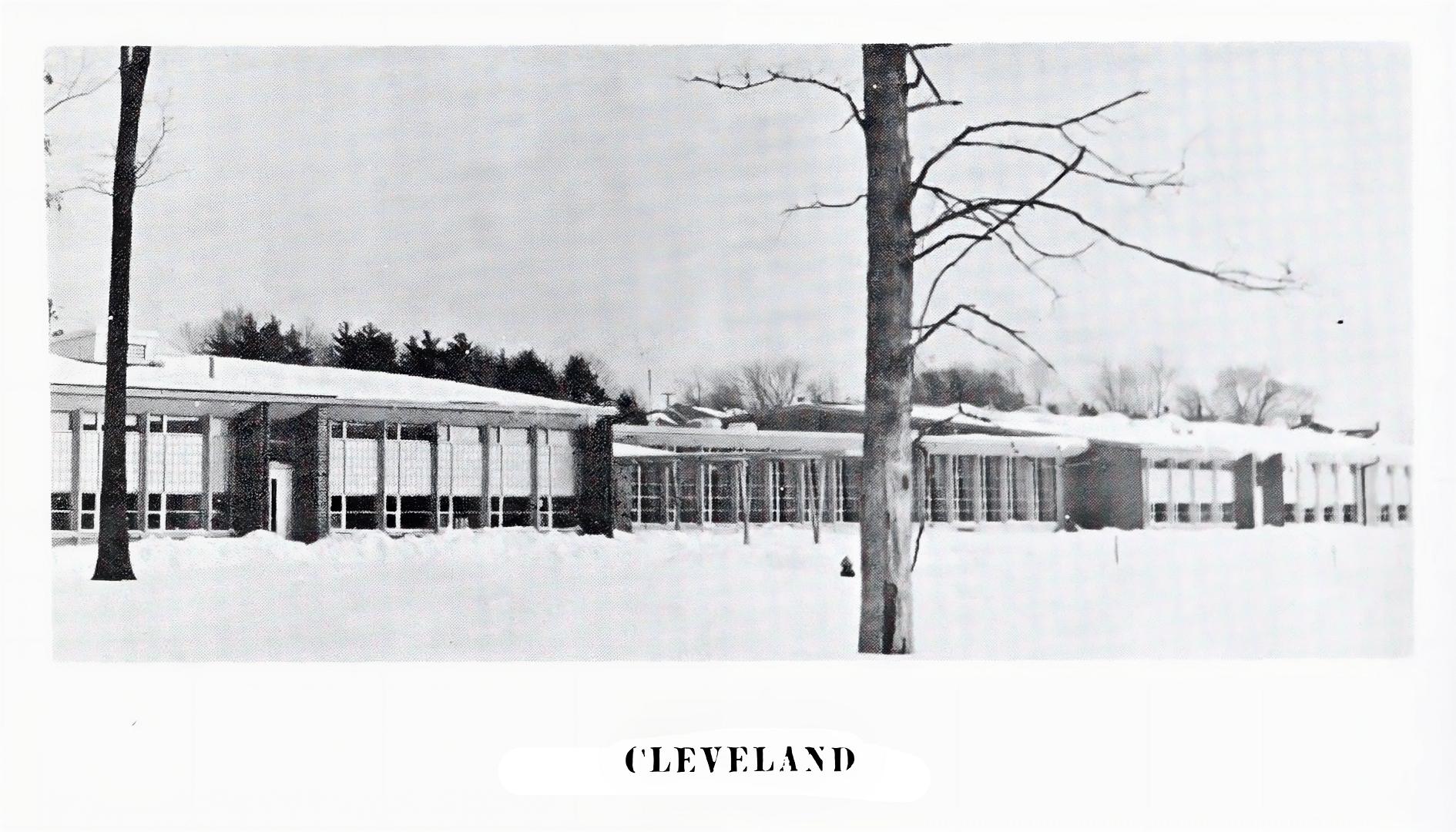
School Superintendent Objects to Public Characterization of Contract Settlement Concerning Unposted Faculty Vacancies NORWOOD – Tensions surfaced between the school administration and teachers’ representatives following a recent grievance settlement issued by David Reagon, chairman of the professional rights and responsibilities committee of the Norwood Teachers Association (NTA). Reacting during a school committee meeting on Tuesday…
-
School Committee Unanimously Approves Period of Silent Meditation Following State Legislative Act-October 25, 1973

Acting on a new state law permitting voluntary reflection, the Norwood School Committee unanimously approved a daily period of silent meditation for local students and teachers.
-
Proposal Would Combine High School and Henry O. Peabody School Facilities-October 4, 1973

The School Committee reviews a preliminary proposal to combine Norwood High School and Henry O. Peabody School facilities for a new career development and vocational program.
-
Public Schools Face Delays and Possible State Action on Mandatory Hot Lunch Program-August 31, 1973
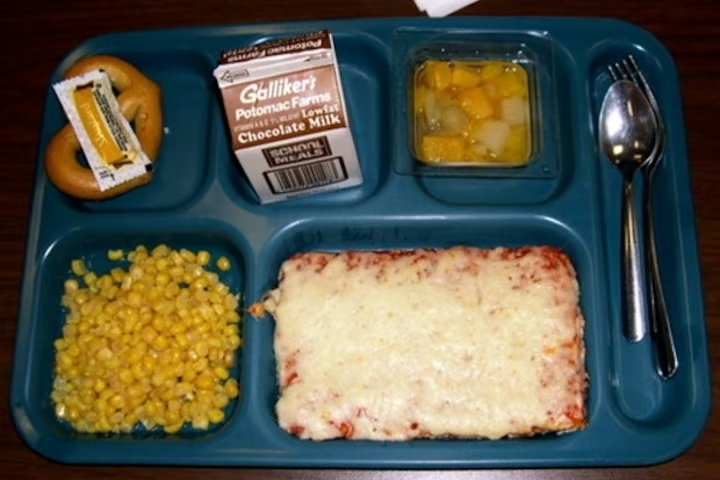
Parents of elementary school students in Norwood will need to continue packing brown-bag lunches for the start of the academic year. School Superintendent Philip O. Coakley announced that the town will fail to meet the state-mandated September deadline for implementing a universal public school hot lunch program, exposing the municipality to potential legal action by…
-
Norwood High School Refines Open Campus Program in Second Year of Operation-October 2, 1972

Entering its second year, Norwood High School’s open campus system sees tighter corridor rules, sophomore restrictions, and expanded academic seminars while undergoing state-mandated evaluation.
Discover more from Norwood Historical Society
Subscribe to get the latest posts sent to your email.