
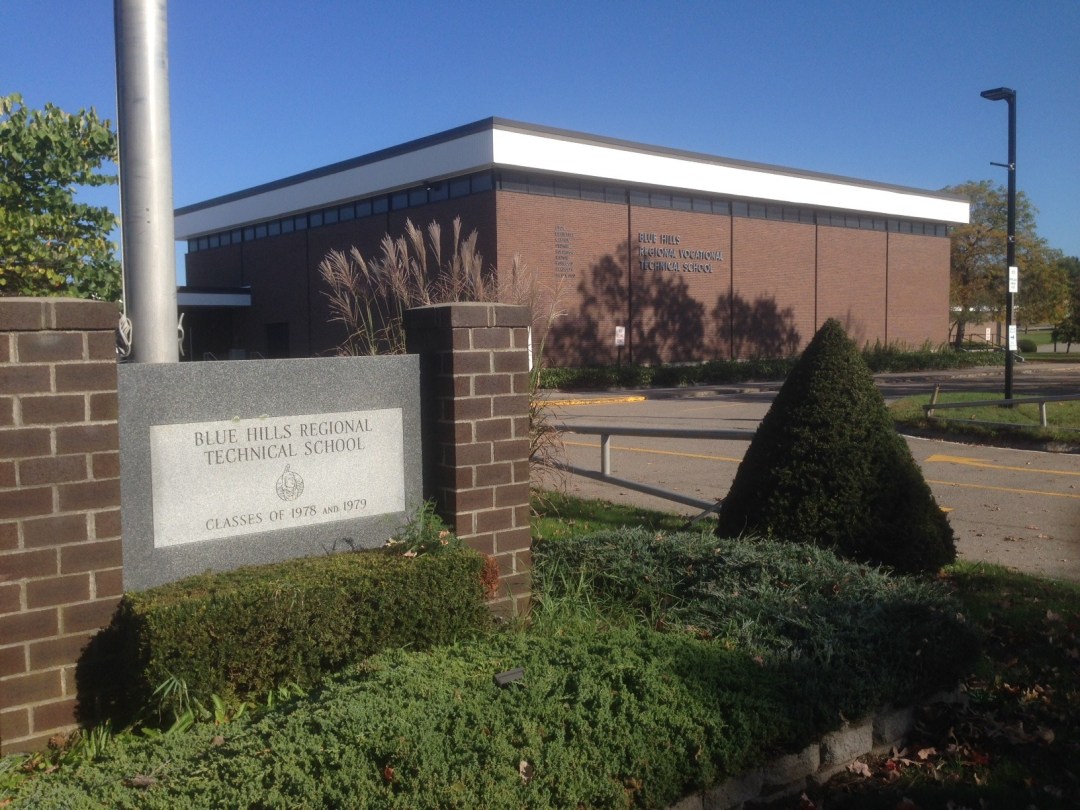
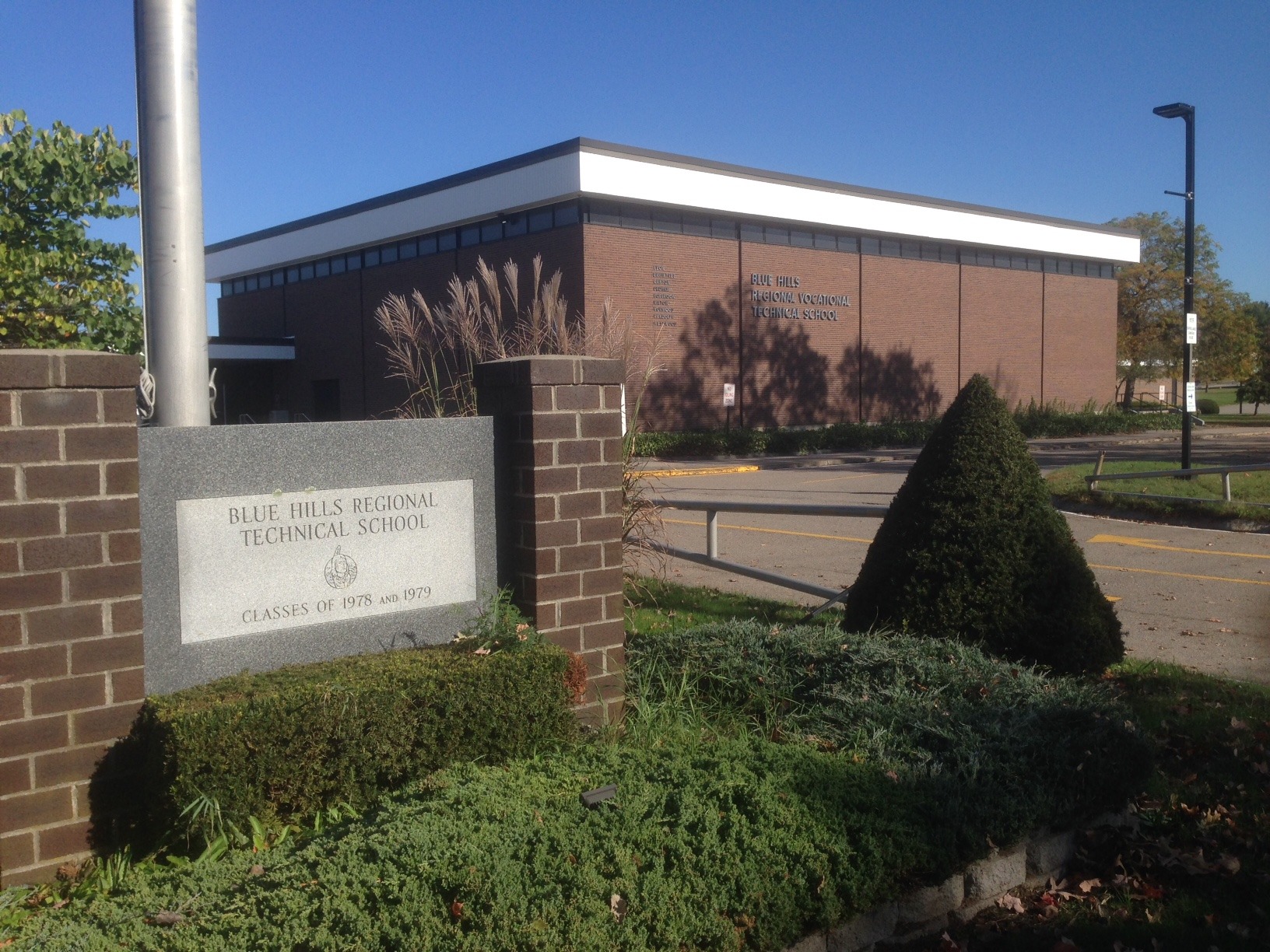
The summer of 1976 was a time of great change and uncertainty for the town of Norwood, Massachusetts. As the nation celebrated its bicentennial, local residents were grappling with issues of education, finance, and community involvement. One such issue that dominated the headlines in July 1976 was the proposed Blue Hills Collaborative, a vocational school program designed to train marginally employable students for jobs in the region.
The Blue Hills Regional Vocational School had been established in 1965 as part of an effort to provide specialized education and training to students in the surrounding towns. However, by the early 1970s, concerns began to arise about the effectiveness and efficiency of the program. In response, a group of educators and administrators proposed the creation of a collaborative program that would bring together local schools and businesses to provide job training and placement services for students with special needs.
The proposal for the Blue Hills Collaborative was met with enthusiasm by some in the community, but it also sparked intense debate and opposition. One of the main objections raised by critics was that the regional school committee had not fully backed the program or funded it. School Superintendent Philip O. Coakley, a vocal critic of the collaborative, argued that the program was essentially a “collaborative within a collaborative,” meaning that it would duplicate existing efforts and create unnecessary bureaucracy.
Coakley’s concerns were echoed by other members of the Norwood school committee, who voted unanimously to reject local participation in the Blue Hills Collaborative. The decision was based on several factors, including the lack of funding from the regional school committee and the perceived duplication of services offered by the program.
However, Coakley’s opposition to the collaborative went beyond mere bureaucratic concerns. He also took issue with the way that the regional school committee had managed its finances, pointing out that a recent state audit had revealed an $820,000 surplus account under the control of the committee. Coakley suggested that this surplus could be used to subsidize programs or provide tax relief to member towns, including Norwood.
Norwood’s contribution to the Blue Hills operating budget was significant, accounting for approximately 27 percent of the total. The audit report, which Coakley cited as evidence of the need for greater transparency and accountability in the regional school committee’s finances, recommended that the committee provide an annual recapitulation of its finances to member towns.
In following Coakley’s recommendation, the Norwood school committee agreed to advise the town’s Finance Commission about the audit report and its recommendations. This decision marked a significant turning point in the debate over the Blue Hills Collaborative, as it highlighted the need for greater transparency and accountability in the management of regional school funds.
Archival Note: This article has been dynamically reconstructed from the original public record print archives of the Patriot Ledger
-
Movement Underway Here For Public Kindergarten-November 7, 1946

Movement Underway Here For Public Kindergarten-This Day in Norwood History-November 7, 1946
-
School Board Studies Hockey Rink For School, New Schools, Sets New Weather Policy-This Day in Norwood History-June 30, 1946

The Norwood School Committee institutes a firm new inclement weather academic policy, launches cost evaluations for a high school hockey rink, and updates educational equipment for the local schools.
-
Father Sues Town for $15,000 Because Proper Conveyance is Not Provided to School-November 22, 1895
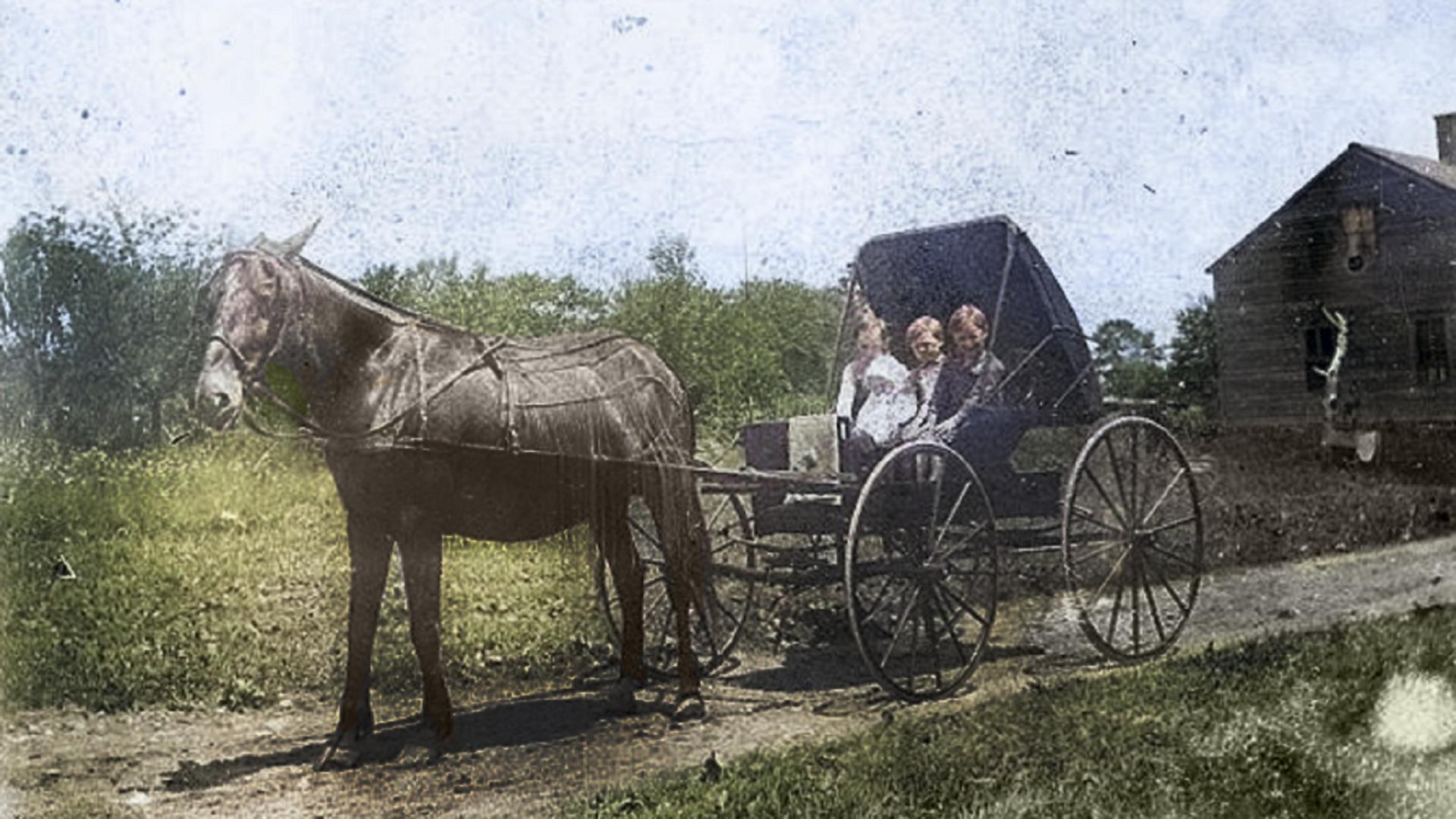
WANTS HIS CHILDREN CARRIED. This town is all in a ferment again over the so-called Gillin case. Away back in 1889 Rev George Hill, who was then chairman of the school board of Norwood, authorized Mr. James J. Gillon, who resides near the Dedham borderline and three miles from the nearest normal school house, to…
Discover more from Norwood Historical Society
Subscribe to get the latest posts sent to your email.