The year was 1972, and the town of Norwood was buzzing with excitement as it prepared to celebrate its centennial anniversary. As part of this momentous occasion, the Norwood Centennial Airport Committee had planned a three-day open house event at the local airport. This grand celebration would showcase the best of aviation, entertainment, and community spirit.
The open house, scheduled to take place from July 27 to 29, promised to be an unforgettable experience for visitors of all ages. The event was designed to highlight the rich history of aviation in Norwood and provide a unique opportunity for residents to engage with the latest developments in the field. The committee had spared no effort in organizing this extravaganza, which would feature a range of activities, demonstrations, and exhibits that catered to diverse interests.
One of the main attractions at the open house was the penny-a-pound plane rides offered by both Wiggins and Cessna Aviation planes. This unique experience allowed visitors to soar through the skies while enjoying breathtaking views of the surrounding landscape. The rides were available on all three days, with a flat rate charged for those who preferred not to disclose their weight.
In addition to the thrilling plane rides, the open house featured an impressive lineup of demonstrations and performances. On both Saturday and Sunday, weather permitting, spectators could witness awe-inspiring glider aerobatics and hot air balloon displays. These aerial stunts showcased the skill and precision of the pilots involved, leaving onlookers in wonder.
Another highlight of the event was a contest for hand-made model airplanes, which took place on Friday. Participants were required to submit their creations by noon, when they would be judged by George Bevilaqua of Cessna Aviation. The winner would receive a portable radio capable of picking up aircraft frequencies as a prize.
The open house also offered an opportunity for visitors to learn about aviation through educational materials provided by the Federal Aviation Agency and the Northeastern University extension school. These informative displays were available throughout the three-day event, offering insights into various aspects of aviation and its significance in modern society.
To add an element of excitement to the proceedings, the State Police would demonstrate their helicopter, while a pilot would conduct banner flying demonstrations, showcasing how banners are dropped from airplanes and picked up from the ground. Radio-controlled model airplane shows were scheduled to take place four times during Saturday and Sunday, providing entertainment for both children and adults.
Throughout the festivities, special radio communications between the control tower and aircraft in the area would be broadcast, allowing visitors to experience the thrill of air traffic control firsthand. Refreshments would also be served, ensuring that attendees remained energized throughout the event.
The Norwood Centennial Airport Committee’s open house was a testament to the town’s commitment to celebrating its rich history and promoting community engagement. By hosting this grand celebration, the committee aimed to bring residents together while showcasing the best of aviation in all its forms.
Archival Note: This article has been dynamically reconstructed from the original public record print archives of the Patriot Ledger
More…
-
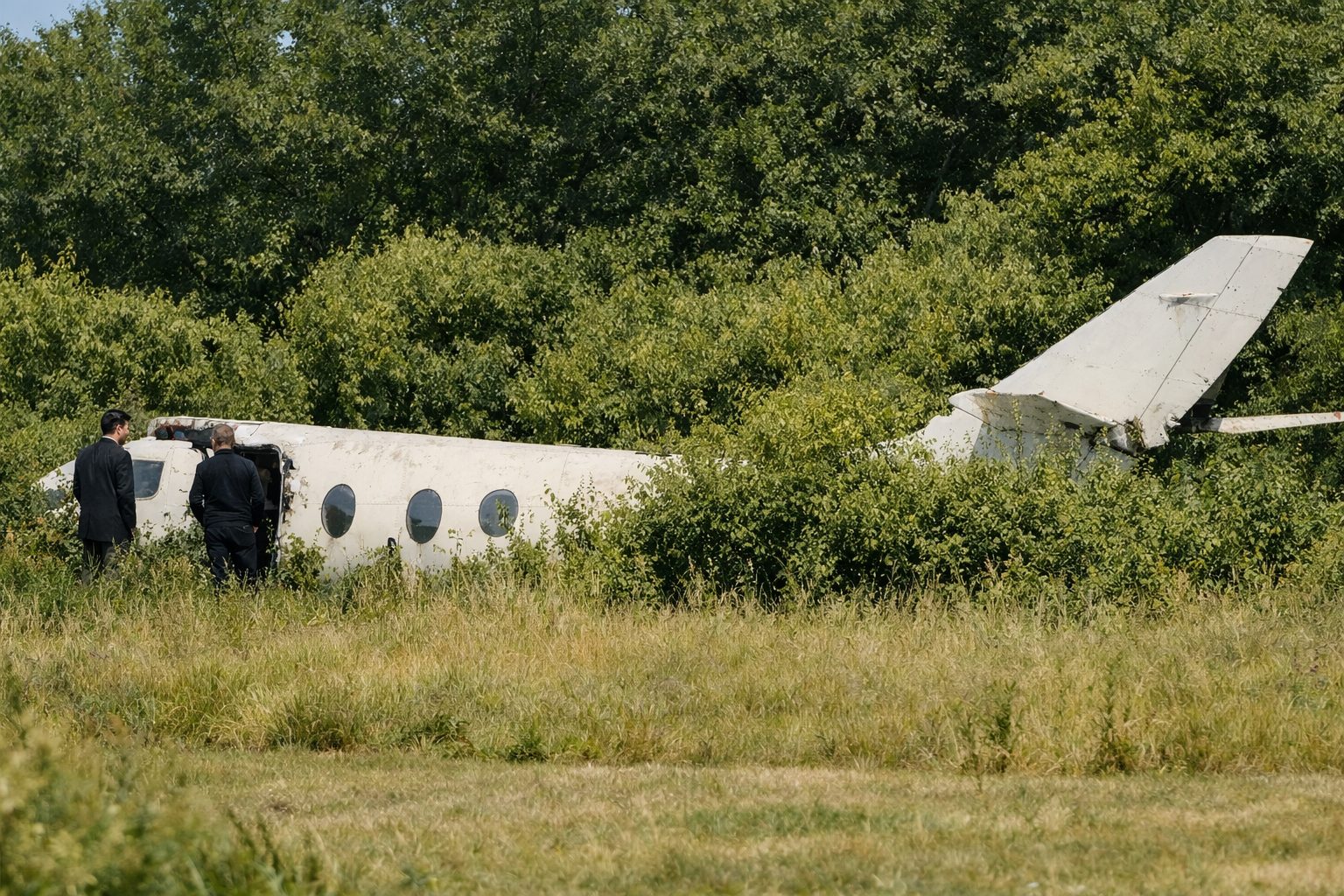
Plane Picking up Tom Brady Slides Off Norwood Runway-June 15, 2005
An aviation mishap at Norwood Memorial Airport leaves a twin-engine charter jet stuck in the mud 400 feet past the runway.
-
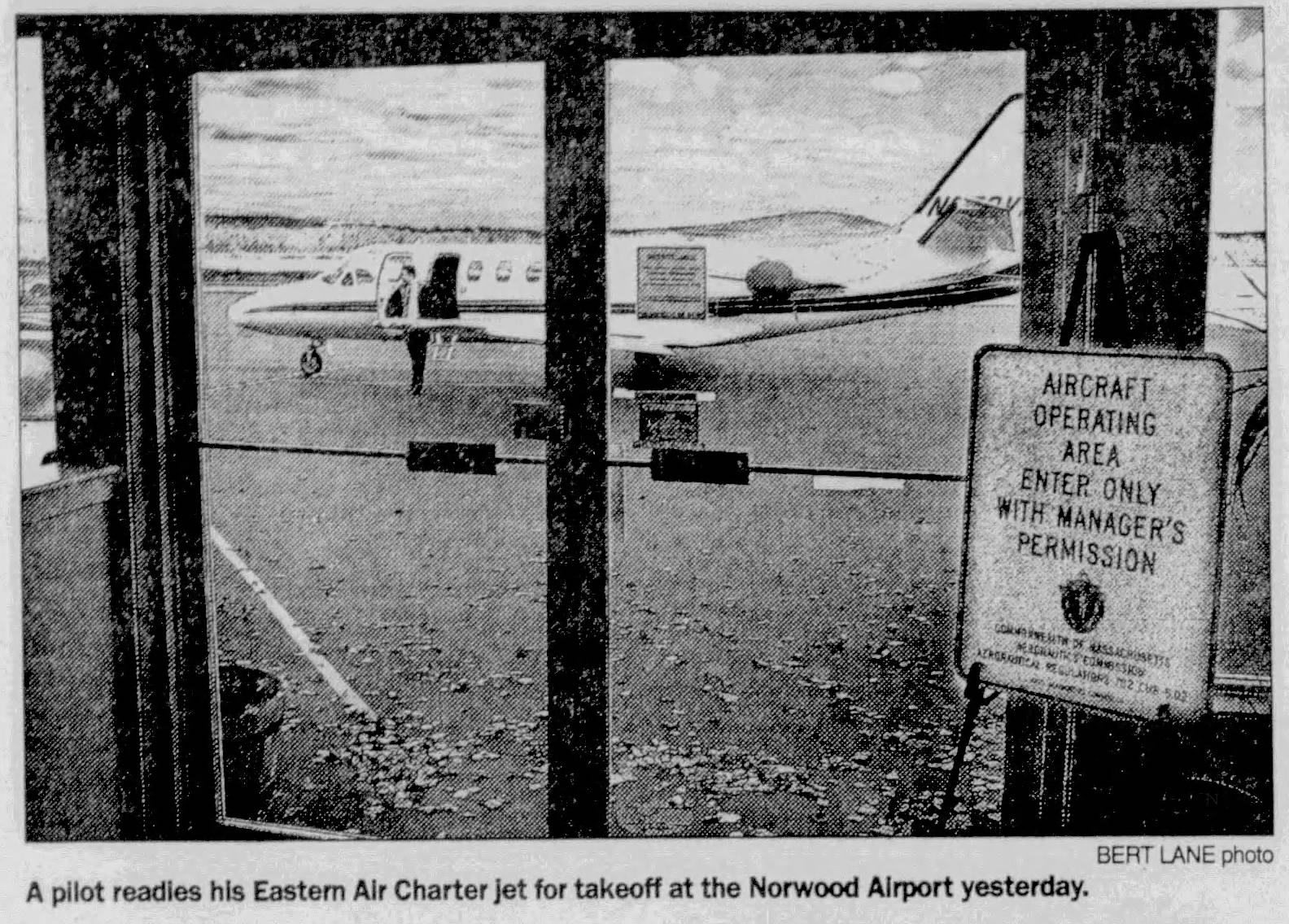
Norwood Airport Struggles Under Post-9/11 FAA Security Rules-October 18, 2001
Economic Pinch at Norwood Airport-October 18, 2001 The Norwood Airport is facing a severe financial squeeze brought on by sweeping new Federal Aviation Administration (FAA) security rules enacted in the wake of the September 11 terrorist attacks. “The airport is struggling economically,” stated assistant town manager Bernie Cooper. “There is no question that there has…
-
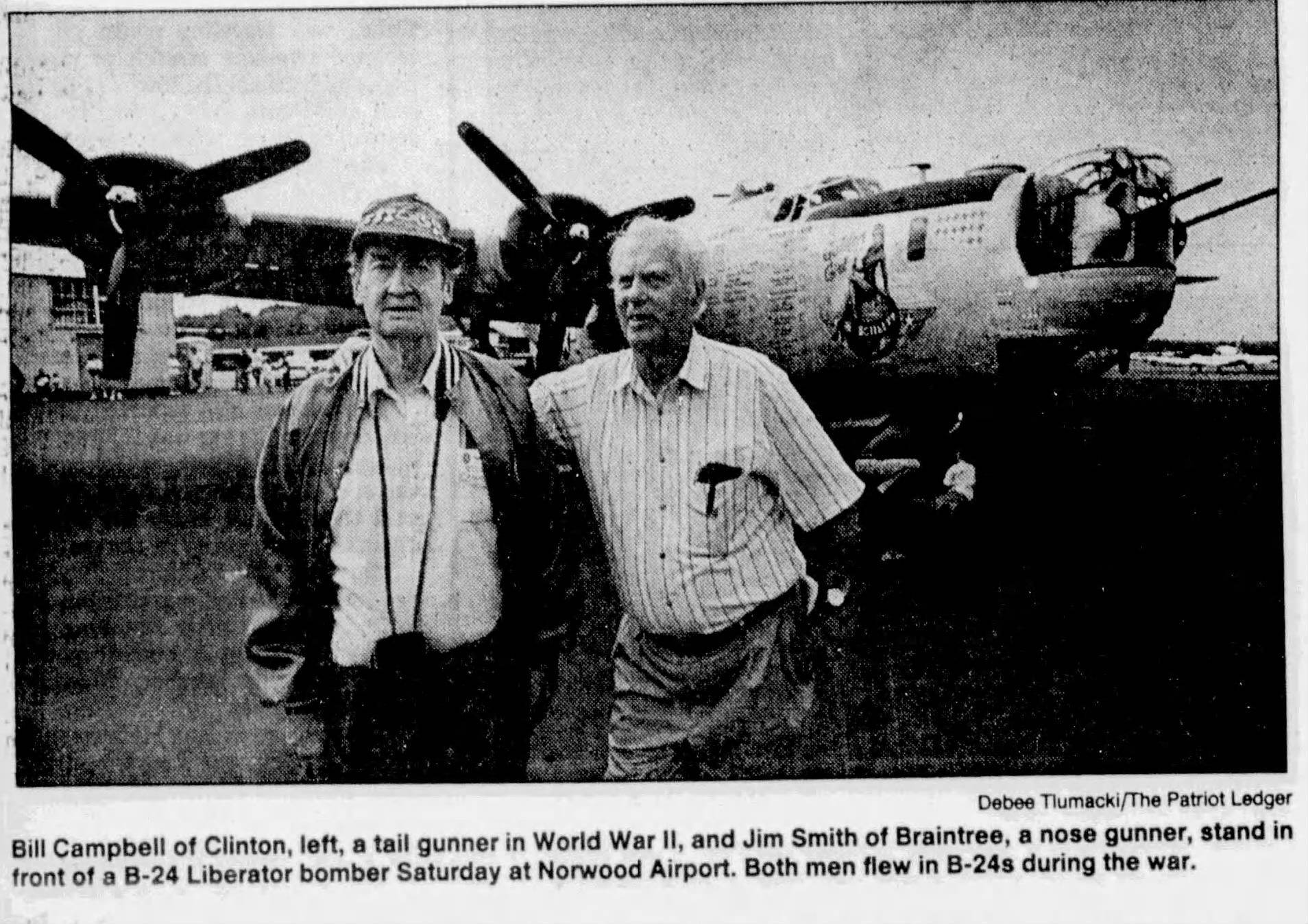
WWII Bombers Bring Back Glory Days for Aging Veterans at Norwood Airport-September 22, 1997
More than 2,000 visitors and World War II veterans gather at Norwood Airport to view historic B-24 and B-25 bombers and share wartime memories.
-
Restored World War II B-17 and B-24 Bombers on Display at Norwood Airport-September 19, 1997
Restored World War II B-17 and B-24 bombers brought by the Collings Foundation go on display this weekend at Norwood Airport’s Wiggins Terminal.

-
World War II B-24 Pilots Reunited After 49 Years-September 18, 1992
WWII veterans Frank Tedesco and Bob Anderson reunite after 49 years as Norwood Airport prepares to host a 50th-anniversary air show featuring rare B-24 and B-17 bombers.

-
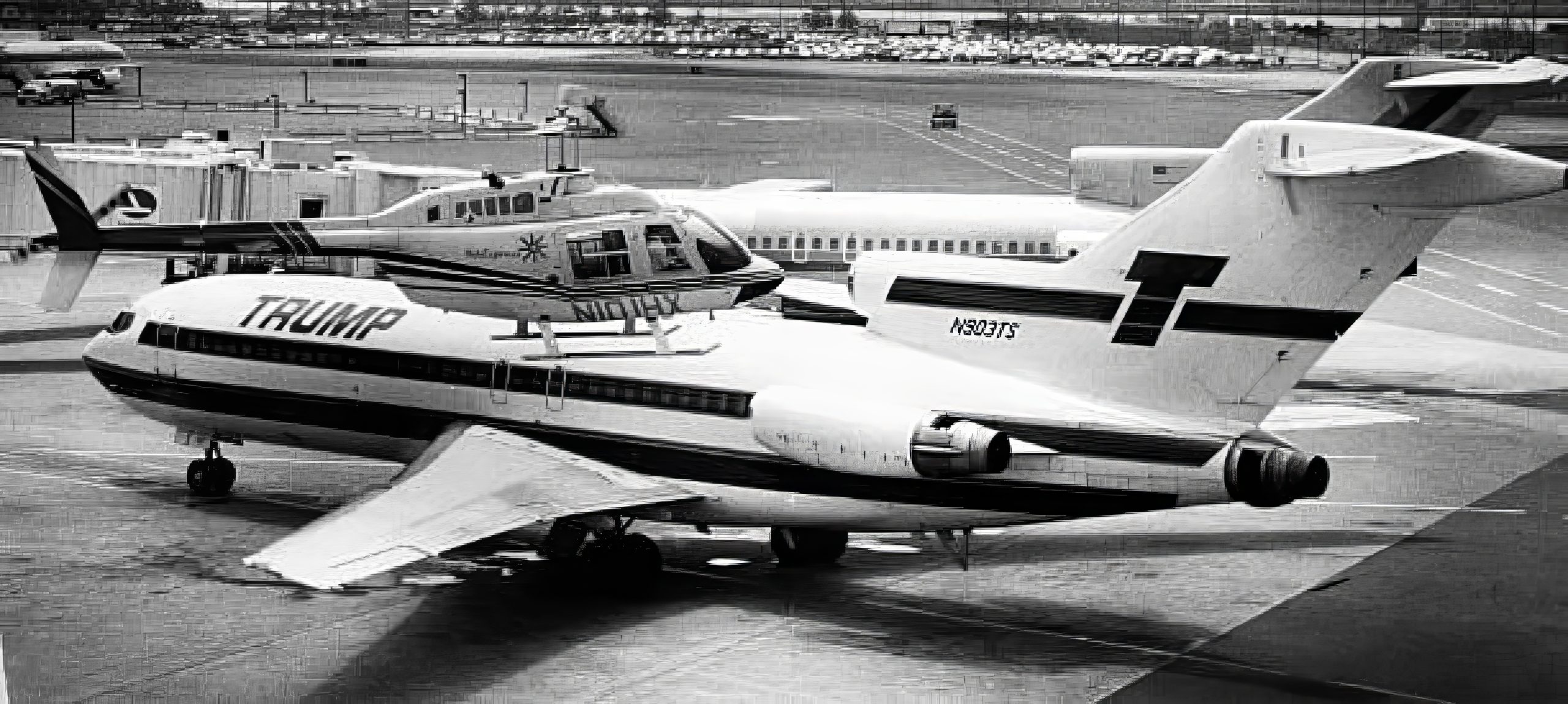
HubExpress Suspends Norwood-to-Logan Helicopter Shuttle-August 7, 1990
Citing low local ridership, equipment shortages, and parking constraints at Norwood Airport, HubExpress Airlines suspended its popular Norwood-to-Logan helicopter shuttle service.
-
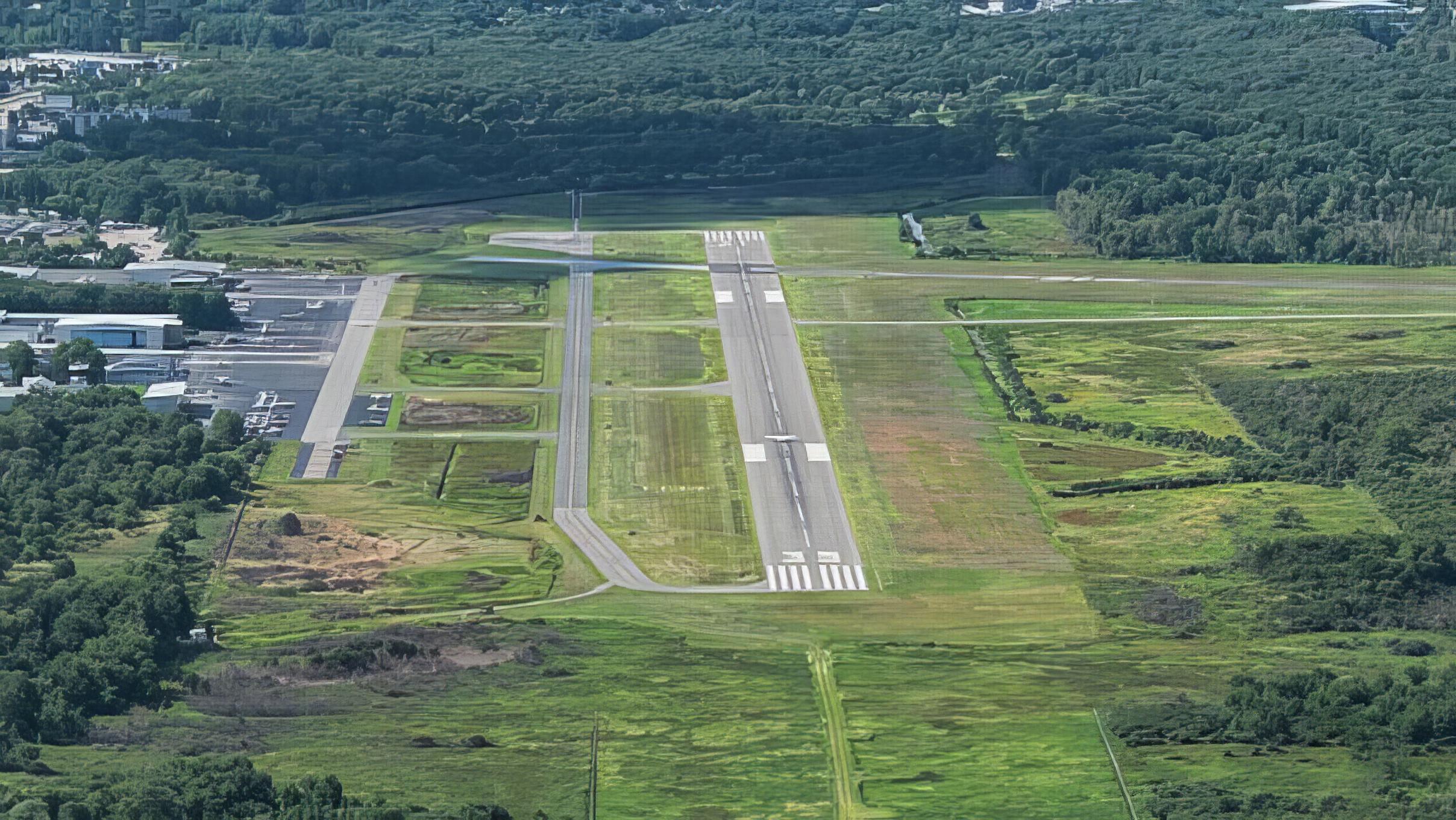
Aviation Day Held at Norwood Airport as Community Leaders and Pilots Clash Over Longstanding Noise Disputes-September 18, 1989
Norwood Airport hosts an open-house Aviation Day to improve community relations, while local leaders and pilots continue debating persistent aircraft noise issues.
-
Airport Commission Faces Difficult Choice Between FAA Noise Study Funding and Night Flight Ban-September 4, 1986
Norwood airport commissioners are grappling with an ultimatum delivered by the Federal Aviation Administration (FAA): the town must either accept a multi-year delay on its voter-mandated night flight ban or forfeit a federally funded $127,800 noise study critical to defending the curfew against anticipated airline legal challenges. The FAA offered to finance the comprehensive noise…
-
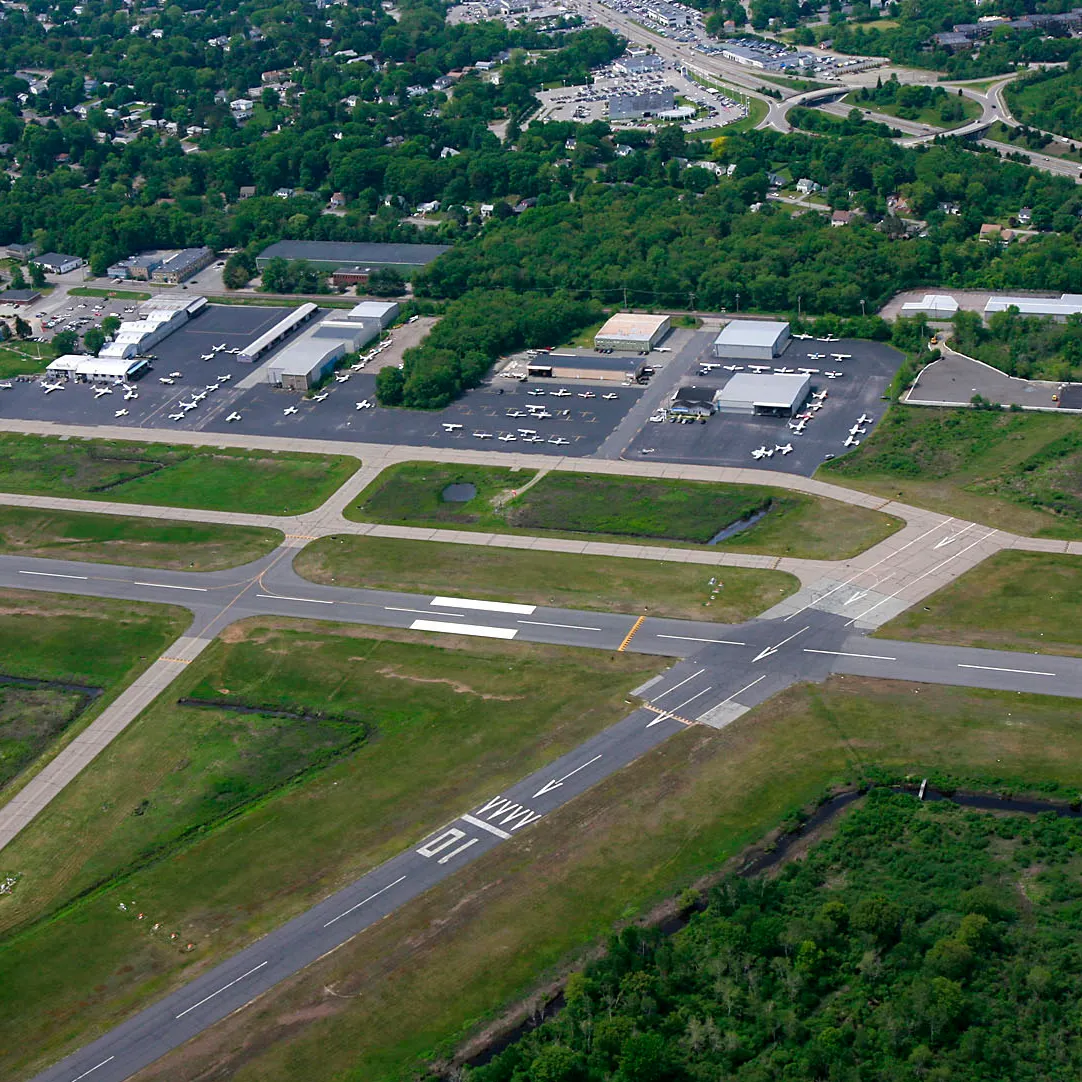
Norwood Airport Raises Tie-Down Fees for Private Plane Owners Starting in October-August 16, 1986
Citing prime location demand, Norwood Airport commission chairman Edwin Page announced fee increases for premium aircraft tie-down spaces beginning in October.
-
FinCom Explores Landing Fees to Offset Airport Liability Insurance Costs-August 7, 1986
Following a new five-year lease requiring the town to cover $19,356 in airport liability insurance, the Norwood Finance Commission asked town counsel if landing fees can be legally charged to pilots.
Discover more from Norwood Historical Society
Subscribe to get the latest posts sent to your email.