

The year was 1985, and the town of Norwood was on high alert due to a proposed new jet fuel tax in Boston that threatened to divert planes to their local airport for cheaper fuel.
The selectmen, led by Chairman John Kinnaly, were determined to take action and protect the interests of the town.
As reported in The Patriot Ledger on July 24, 1985, Kinnaly called for a similar local jet fuel tax to keep the small jets away from Norwood Airport. He warned that if no action was taken, the airport would become a hub for planes seeking cheaper fuel, and the noise from these jets could become a nuisance to neighbors.
The Boston financial bailout plan, enacted by the Legislature just last month, had imposed a 5 percent jet fuel tax and a 4 percent increase in hotel rooms tax. These taxes were designed to raise $22 million annually, but they also posed a threat to Norwood Airport’s business. Jet fuel at Wiggins Airways, located within the airport, sold for about $1.83 per gallon compared to $2 per gallon at Boston’s Logan International Airport.
Airport Commissioner Edward McKenna had previously called for close monitoring of jets flying into Norwood to see if their frequency increased as a result of the proposed tax. To avoid an influx of planes, he suggested that the town consider imposing the jet fuel tax. McKenna estimated that this tax could raise about $20,000 for Norwood.
However, not everyone was in favor of the proposal. Hotel owners in Norwood were concerned that the instituting of a jet fuel tax would hurt their business. There are two hotels in Norwood: the Best Western Conference Center and the Howard Johnson’s Motor Lodge, both located on Route 1. Chairman Kinnaly dismissed these fears, stating that he couldn’t see how the tax would negatively impact the hotel industry.
The selectmen decided to contact Town Counsel Justin C. Barton for details on how Norwood might impose a hotel tax as part of levying the jet fuel tax. This move was seen as a necessary step in protecting the town’s interests and ensuring that the airport remained a viable business hub.
As the debate surrounding the proposed jet fuel tax continued, one thing was clear: the town of Norwood was determined to take action and protect its airport from the potential consequences of the Boston financial bailout plan.
Archival Note: This article has been dynamically reconstructed from the original public record print archives of the Patriot Ledger
More…
-
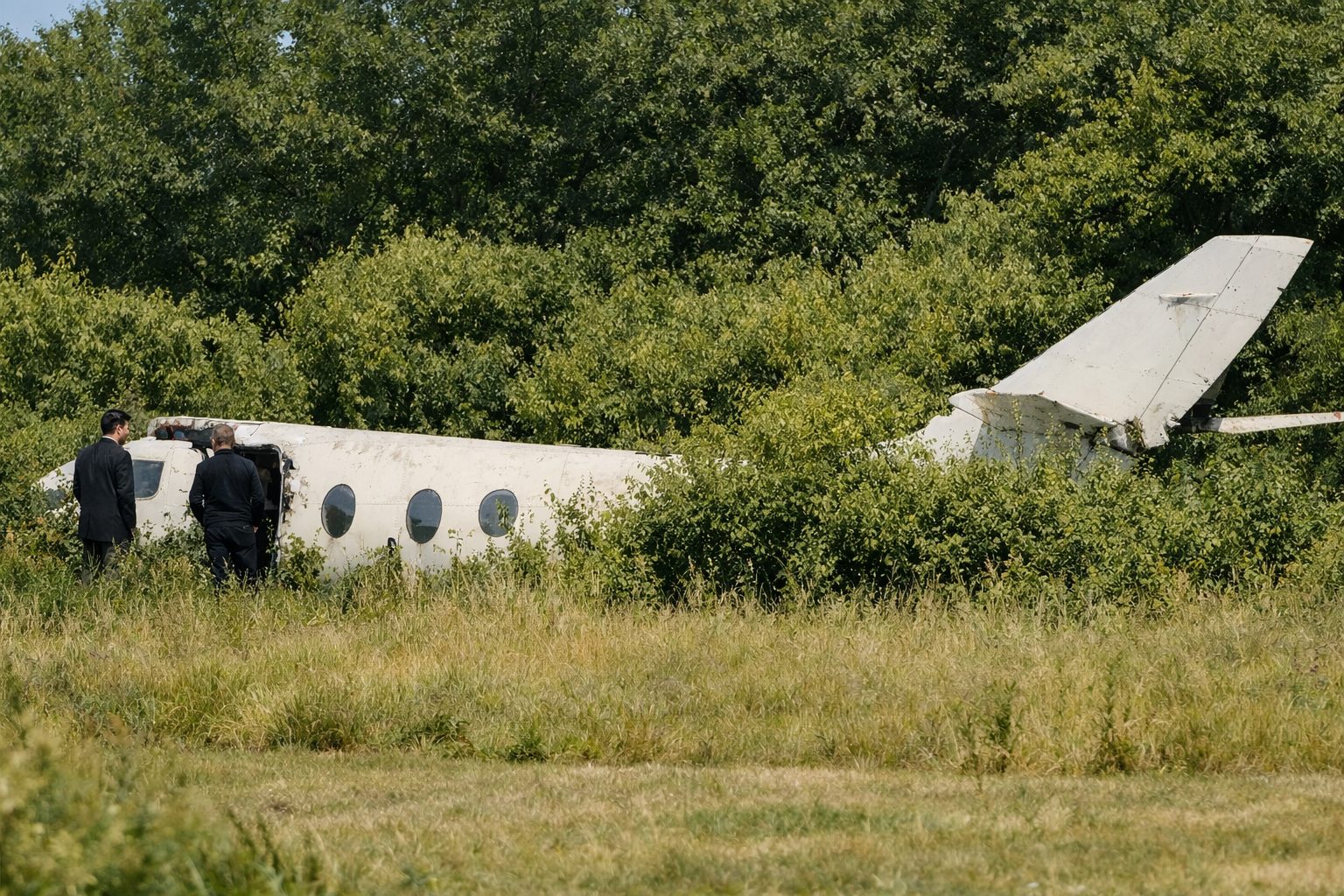
Plane Picking up Tom Brady Slides Off Norwood Runway-June 15, 2005
An aviation mishap at Norwood Memorial Airport leaves a twin-engine charter jet stuck in the mud 400 feet past the runway.
-
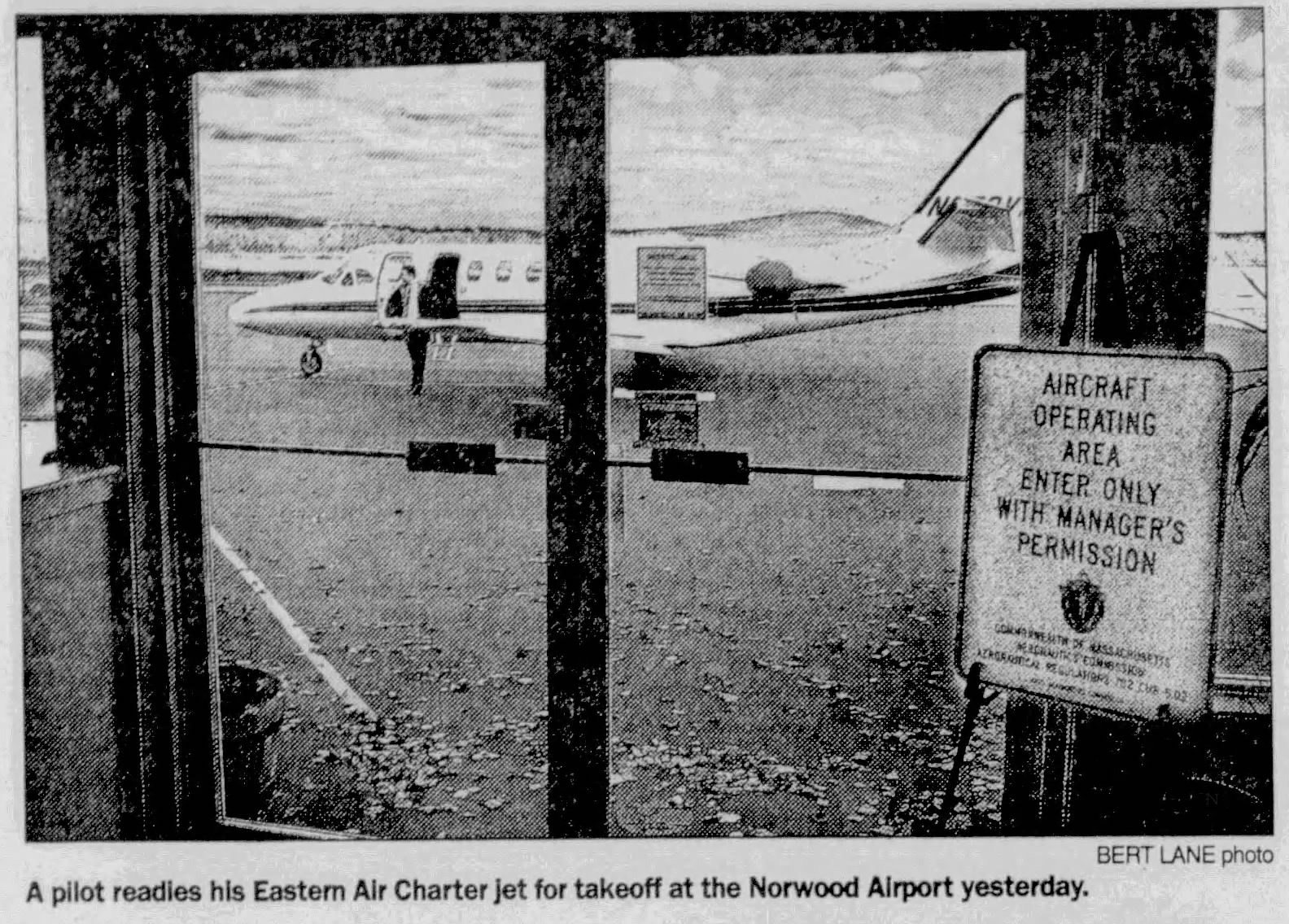
Norwood Airport Struggles Under Post-9/11 FAA Security Rules-October 18, 2001
Economic Pinch at Norwood Airport-October 18, 2001 The Norwood Airport is facing a severe financial squeeze brought on by sweeping new Federal Aviation Administration (FAA) security rules enacted in the wake of the September 11 terrorist attacks. “The airport is struggling economically,” stated assistant town manager Bernie Cooper. “There is no question that there has…
-
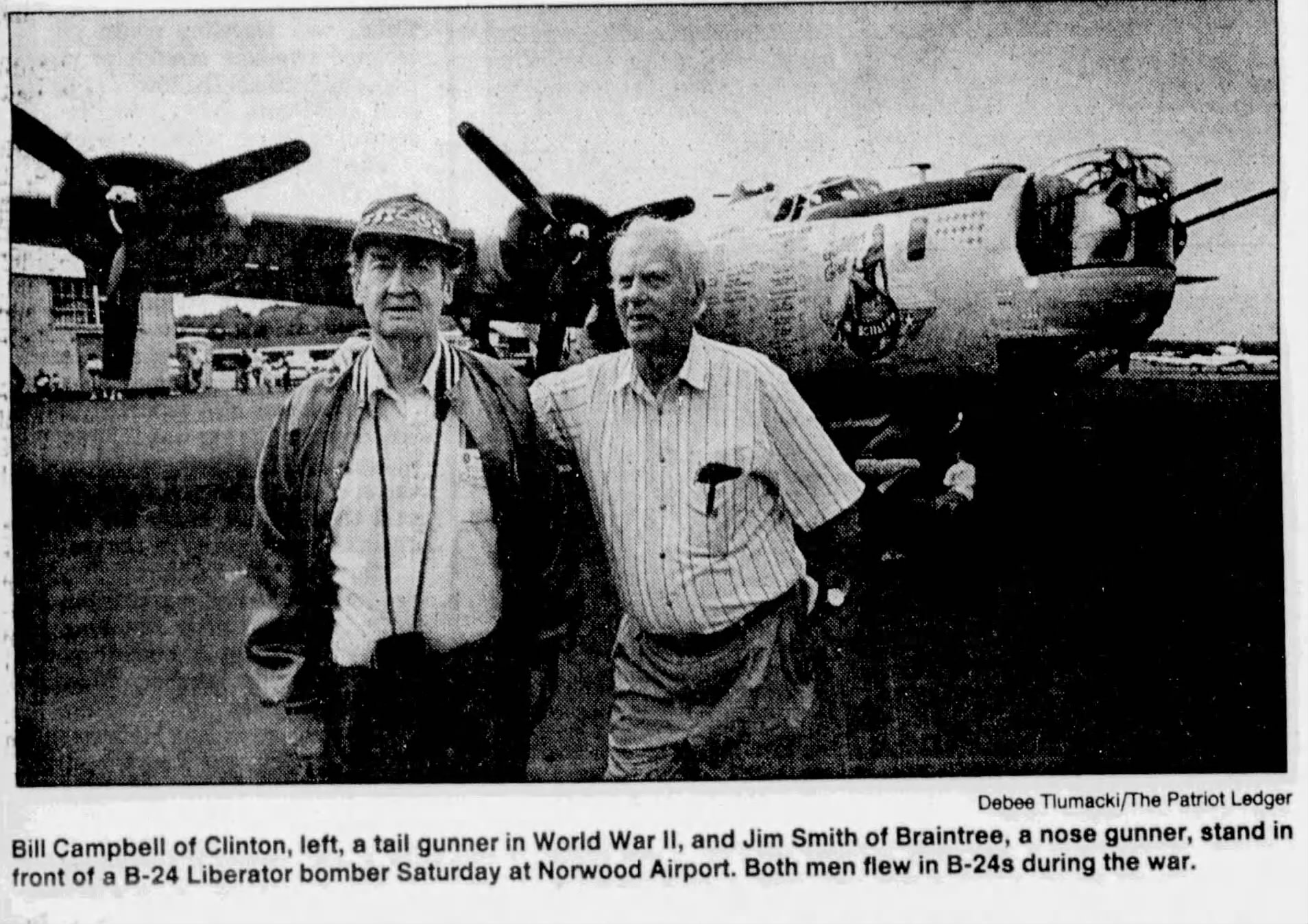
WWII Bombers Bring Back Glory Days for Aging Veterans at Norwood Airport-September 22, 1997
More than 2,000 visitors and World War II veterans gather at Norwood Airport to view historic B-24 and B-25 bombers and share wartime memories.
-
Restored World War II B-17 and B-24 Bombers on Display at Norwood Airport-September 19, 1997
Restored World War II B-17 and B-24 bombers brought by the Collings Foundation go on display this weekend at Norwood Airport’s Wiggins Terminal.

-
World War II B-24 Pilots Reunited After 49 Years-September 18, 1992
WWII veterans Frank Tedesco and Bob Anderson reunite after 49 years as Norwood Airport prepares to host a 50th-anniversary air show featuring rare B-24 and B-17 bombers.

-
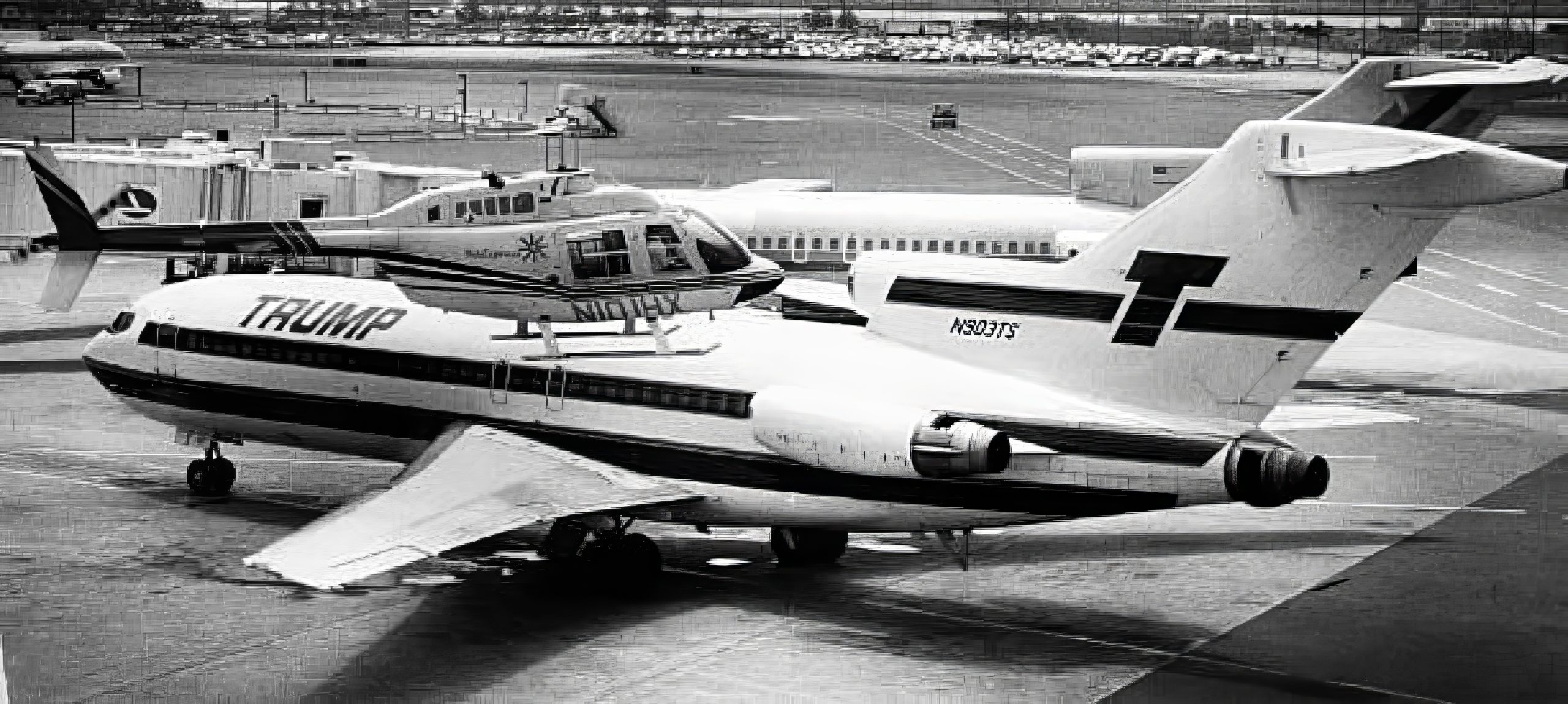
HubExpress Suspends Norwood-to-Logan Helicopter Shuttle-August 7, 1990
Citing low local ridership, equipment shortages, and parking constraints at Norwood Airport, HubExpress Airlines suspended its popular Norwood-to-Logan helicopter shuttle service.
-
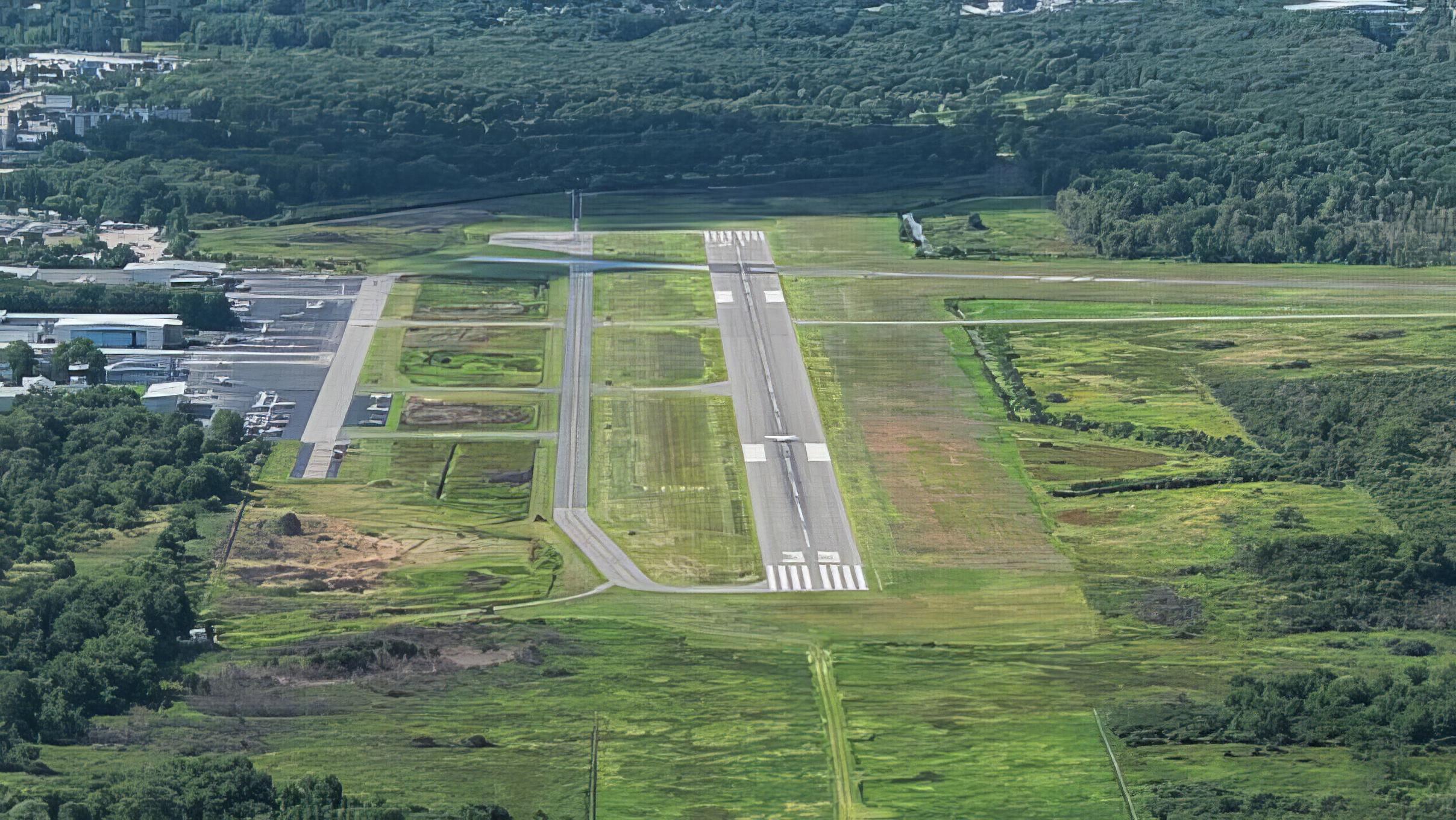
Aviation Day Held at Norwood Airport as Community Leaders and Pilots Clash Over Longstanding Noise Disputes-September 18, 1989
Norwood Airport hosts an open-house Aviation Day to improve community relations, while local leaders and pilots continue debating persistent aircraft noise issues.
-
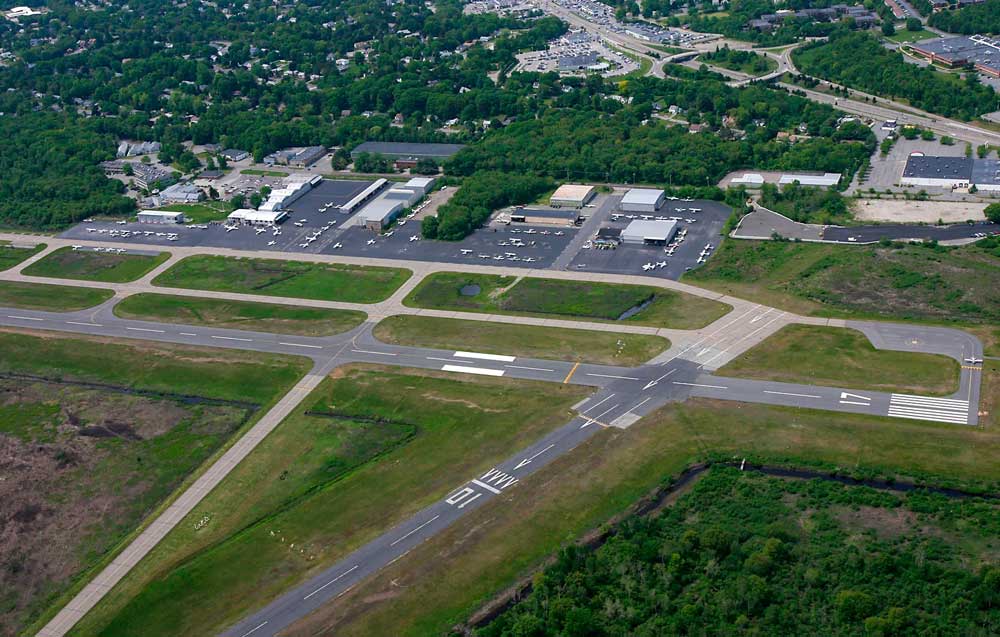
Airport Commission Faces Difficult Choice Between FAA Noise Study Funding and Night Flight Ban-September 4, 1986
Norwood airport commissioners are grappling with an ultimatum delivered by the Federal Aviation Administration (FAA): the town must either accept a multi-year delay on its voter-mandated night flight ban or forfeit a federally funded $127,800 noise study critical to defending the curfew against anticipated airline legal challenges. The FAA offered to finance the comprehensive noise…
-
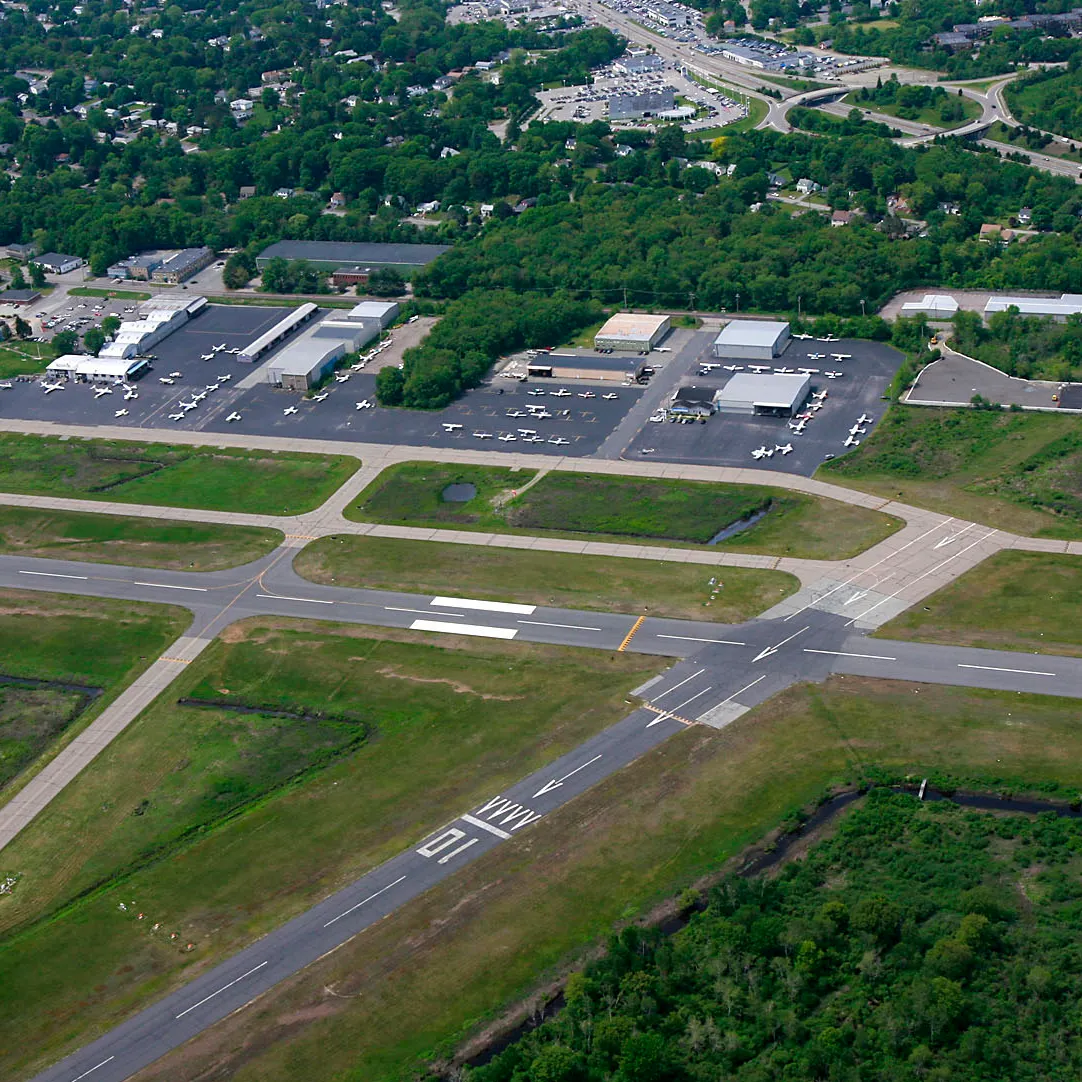
Norwood Airport Raises Tie-Down Fees for Private Plane Owners Starting in October-August 16, 1986
Citing prime location demand, Norwood Airport commission chairman Edwin Page announced fee increases for premium aircraft tie-down spaces beginning in October.
-
FinCom Explores Landing Fees to Offset Airport Liability Insurance Costs-August 7, 1986
Following a new five-year lease requiring the town to cover $19,356 in airport liability insurance, the Norwood Finance Commission asked town counsel if landing fees can be legally charged to pilots.
Discover more from Norwood Historical Society
Subscribe to get the latest posts sent to your email.