


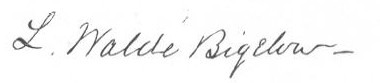
Lyman Waldo Bigelow: From Boxborough Roots to Norwood Pioneer
Lyman Waldo Bigelow was born in Boxborough, Massachusetts, on March 7, 1828. Raised in Boxborough and nearby Groton, he received a typical rural New England education before beginning his early business career. On September 12, 1849, he married Catherine B. Howard, and just a few years later the couple made a life‑changing move.
In 1853, Lyman and Catherine relocated to South Dedham—soon to become the town of Norwood—and opened a country store. The business quickly prospered, serving a growing community and establishing the Bigelow name as one of reliability, fairness, and civic-mindedness.
By the 1870s, Lyman had become one of the town’s most respected citizens. A devoted member of the Universalist Church, he supported social-improvement movements, including the temperance cause. His reputation for integrity led to his election as Norwood’s first Town Treasurer, a position he held from the town’s incorporation in 1872 until his death in 1886.
His tenure was not without controversy: Lyman claimed that interest earned on town deposits constituted part of his salary. Although the town voted to support this interpretation, the practice ended when his successor, C.E. Pond, took office in 1887. Despite this dispute, Bigelow remained widely respected for his dedication to the town’s financial stability during its formative years.
Lyman died on December 13, 1886, leaving behind a thriving business and a legacy of civic leadership.
The Rise of L.W. Bigelow’s Sons
After Lyman’s death, his sons—Erwin Augustus Bigelow and Edgar Laban Bigelow—took over the family dry goods store, located in Village Hall. They renamed it L.W. Bigelow’s Sons, continuing the family’s commitment to quality goods and community service.
A Cornerstone of Local Commerce
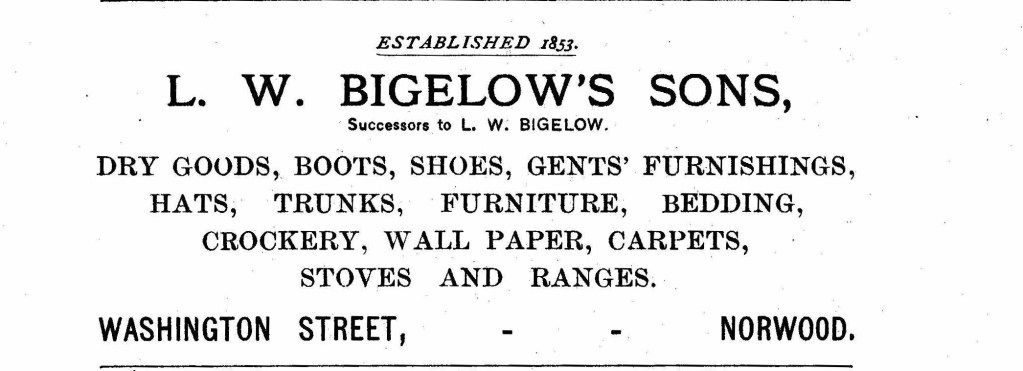
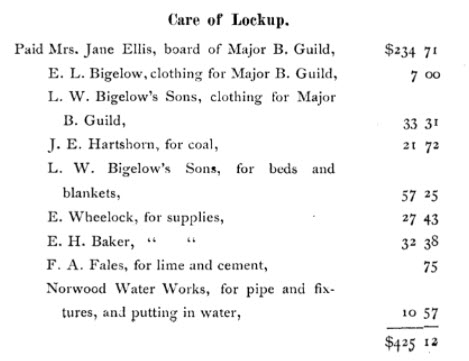
Town reports from the 1880s show regular payments to L.W. Bigelow’s Sons for municipal needs.
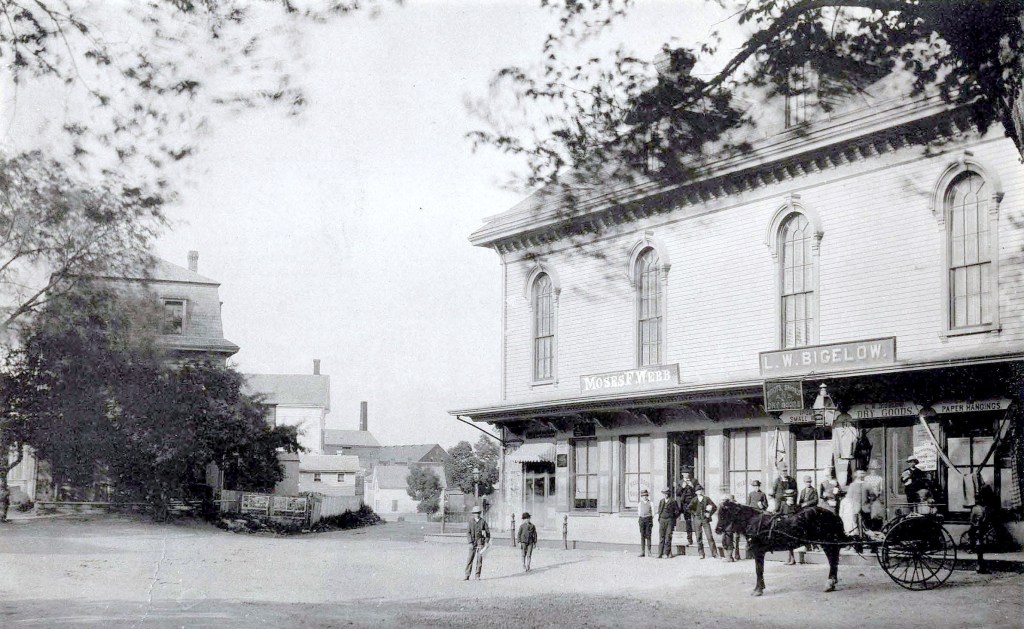
The store shared the ground floor of Village Hall with Moses F. Webb, as seen in an 1885 photograph.
The business supplied the town lockup with beds and blankets and provided clothing for Major Benjamin Guild, who oversaw the facility.
Expansion and the Bigelow Block
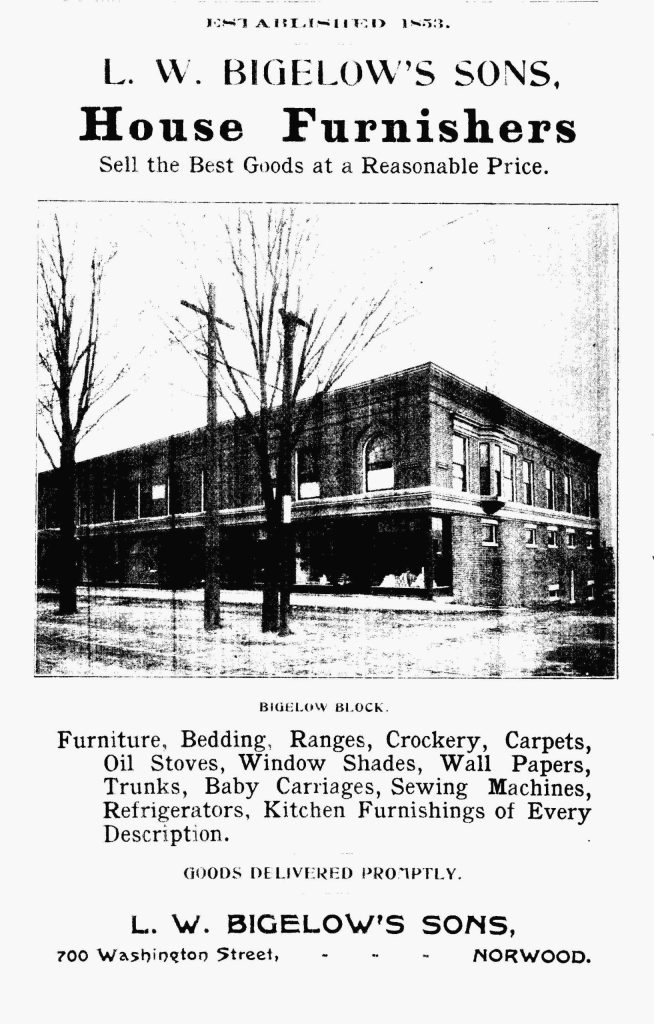
In 1899, the family constructed the Bigelow Block at the corner of Washington and Day Streets—today numbered 692–702 Washington Street. The building became a commercial anchor in downtown Norwood, housing the dry goods business, later the L.W. Bigelow’s Sons Furniture Company, and eventually Edgar’s real estate and surveying offices.
The Bigelow Block remains one of Norwood’s most recognizable historic commercial structures, largely unchanged for more than 120 years.

Erwin Augustus Bigelow
Erwin married Mary Cragin in 1890. They had three children: Catherine, Amy, and Harry.
Erwin died in 1907, but his son Harry Augustus Bigelow carried the family’s intellectual legacy to national prominence:
- Graduated from Norwood High School, Harvard University, and Harvard Law School.
- Joined the University of Chicago faculty in 1909.
- Became Dean of the University of Chicago Law School in 1929.
- Specialized in property and real estate law.
- Introduced interdisciplinary courses in economics, accounting, and psychology—innovations that helped shape modern legal education.
Edgar Laban Bigelow
After Erwin’s death, Edgar expanded into real estate and served as a Justice of the Peace. He married Abbie White, a Norwood schoolteacher, in 1878. They had three children: Bernice, Ednah, and Lyman Waldo Bigelow, named for his grandfather.
The younger Lyman became a civil engineer and operated his surveying office from the Bigelow Block, continuing the family’s presence in the building his father and uncle had constructed.
L.W. Bigelow’s Sons in Historical Context
The Bigelow family’s business reflects a broader pattern in 19th‑century New England, where general stores served as economic and social hubs. Dry goods merchants like the Bigelows supplied everything from clothing to household necessities, often extending credit and acting as informal community centers.
By the late 1800s, successful family-run stores frequently expanded into furniture, hardware, or real estate—exactly the path the Bigelows followed. Their longevity and adaptability mirrored Norwood’s own evolution from a rural village to a thriving industrial town.
A Lasting Legacy

Today, the Bigelow Block stands as a testament to the family’s enduring impact on Norwood’s commercial and civic life. Though the original store is long gone, the building remains a familiar landmark—one that connects modern residents to the entrepreneurial spirit of the town’s early years.
Lyman Waldo Bigelow and his descendants helped shape Norwood’s identity through business leadership, public service, and educational achievement. Their story is woven into the fabric of the town itself, reminding us how individual families can leave a lasting imprint on a community.
More Norwood Business History
-
Full Disclosure At Boch Dealerships-March 22, 1970
After odometer incident Dealer boosts ‘truth in used cars’ Somehow you would think that Ernie Boch would want to eliminate the word ‘odometer” from his vocabulary. A few weeks ago Boch had to make a court appearance on a charge that a car was found on the used car lot of Boch Motors in Norwood…

-
Norwood Plastics Firm Starts Full Operations-This Day In Norwood History-July 21, 1969,
The dawn of a new era in Norwood’s industrial landscape unfolded on July 21, 1969, as the Gamma Platics Corporation embarked on its full-scale manufacturing operations. Nestled at 370 Lenox St., this pioneering plastics firm was poised to revolutionize the industry with its custom injection molding services. At the helm of this innovative venture stood…

-
Goodyear Store Approved for Nahatan Street Alongside Town School and Church Updates-October 20, 1967
Board of Appeal Approves Goodyear Tire and Service Store-October 20, 1967 The Norwood Board of Appeal voted unanimously to approve a special permit requested by 153 Realty Trust to construct a $135,000 Goodyear Tire and Rubber sales and service store at 153 Nahatan St., subject to final review and approval by the Board of Selectmen.…

-
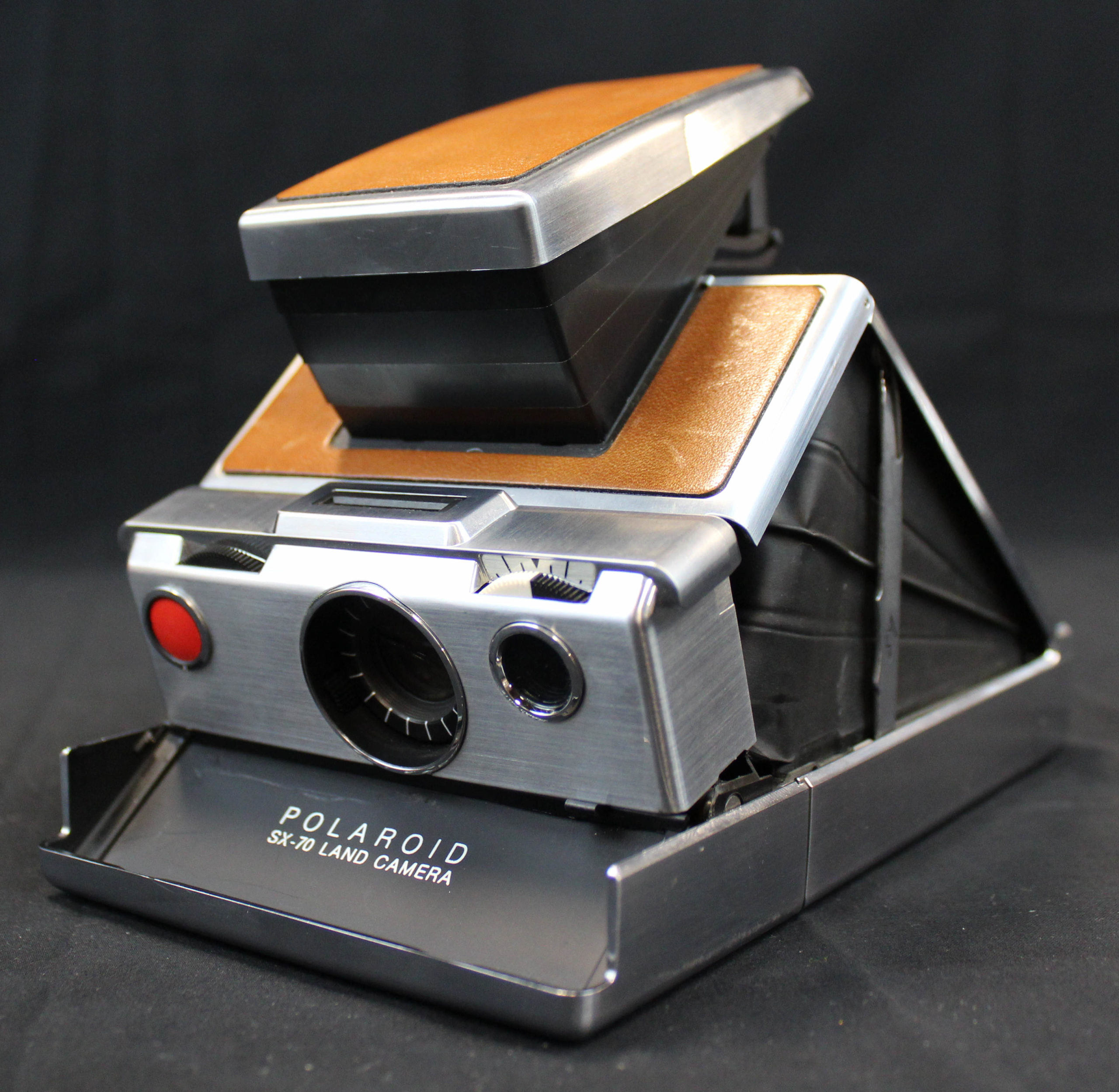
Polaroid Affirms Proposed Norwood Film Processing Complex Despite Watertown Expansion-August 31, 1966
Amid swirling local speculation, Polaroid Corporation officials have officially confirmed that the company’s recent announcement to acquire a 53-acre site in Watertown will have no negative impact on its ongoing efforts to establish a multi-million-dollar facility in Norwood. According to Dave W. Skinner, vice president and general manager of the corporation, Polaroid’s rapid corporate growth…

-
Polaroid to Hold Special Public Meeting on Proposed $9 Million Film Processing Complex-August 31, 1965
Representatives of the Polaroid Corporation met with town officials on Tuesday night, agreeing to host a special public informational meeting to outline their ambitious plans for a potential $9 million film processing complex. The proposed facility would be situated on the sprawling 200-acre estate of a former U.S. ambassador to Japan, located off Route 1A…
-
John Macchi Retires From Furniture Business Here-July 28, 1965
John Macchi, founder of Macchi Bros. Furniture & Appliance Co. one of the oldest appliance and furniture stores in Norwood and vicinity, has announced his retirement from the furniture business. Originally the store was located on 58 St. James Avenue, South Norwood. About 15 years ago, due to business expansion, Mr. Macchi built the present…

-
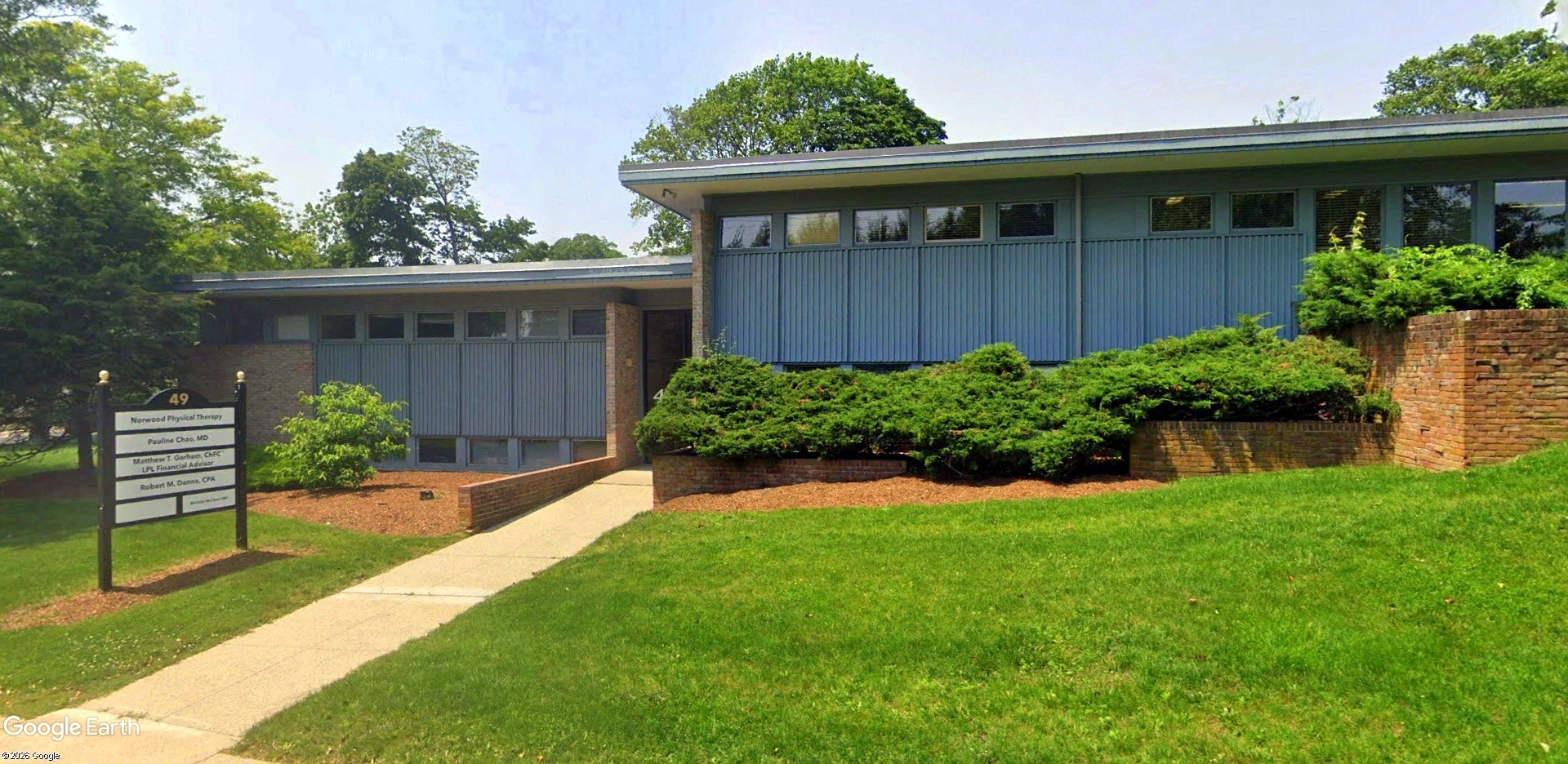
Medical Center Plans Expected-July 10, 1964
The development of a proposed medical building on Walpole Street reached a significant milestone on July 10, 1964, as organizers announced that final preliminary plans were approximately one month from completion. ⠀ Once this rough draft is finalized, the project will be handed over to an architect—who had not yet been designated as of that…
-
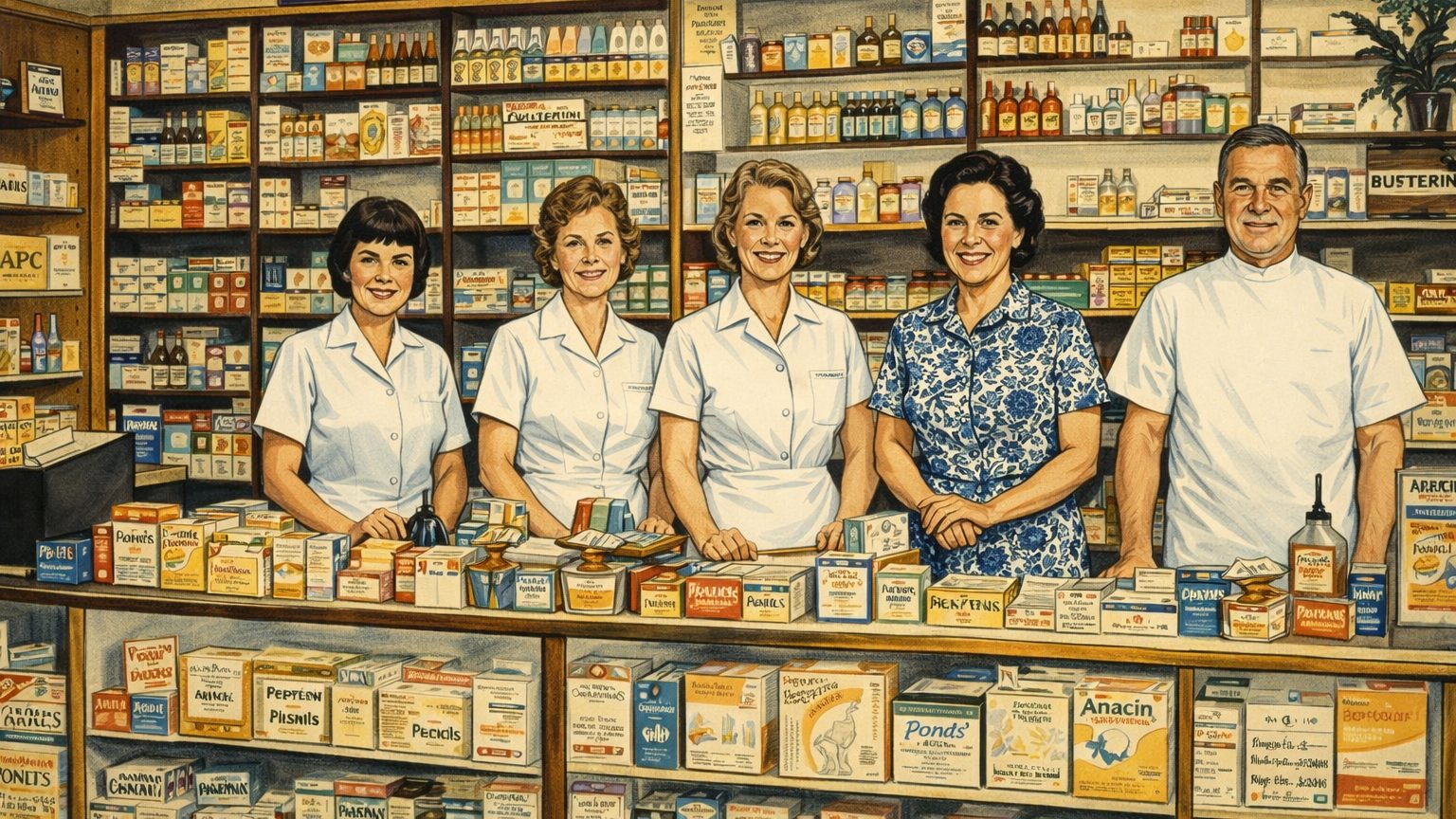
Guild Pharmacy Opens In New And Modern Quarters-This Day in Norwood History-May 27, 1964
— After eight successful years at 734 Washington Street, the Guild Pharmacy has officially moved next door to its newly renovated home at 732 Washington Street, where a gala opening last Wednesday marked the beginning of a new chapter for one of Norwood’s busiest drug stores. Owned by Paul Cohen, the Guild Pharmacy now occupies…
-
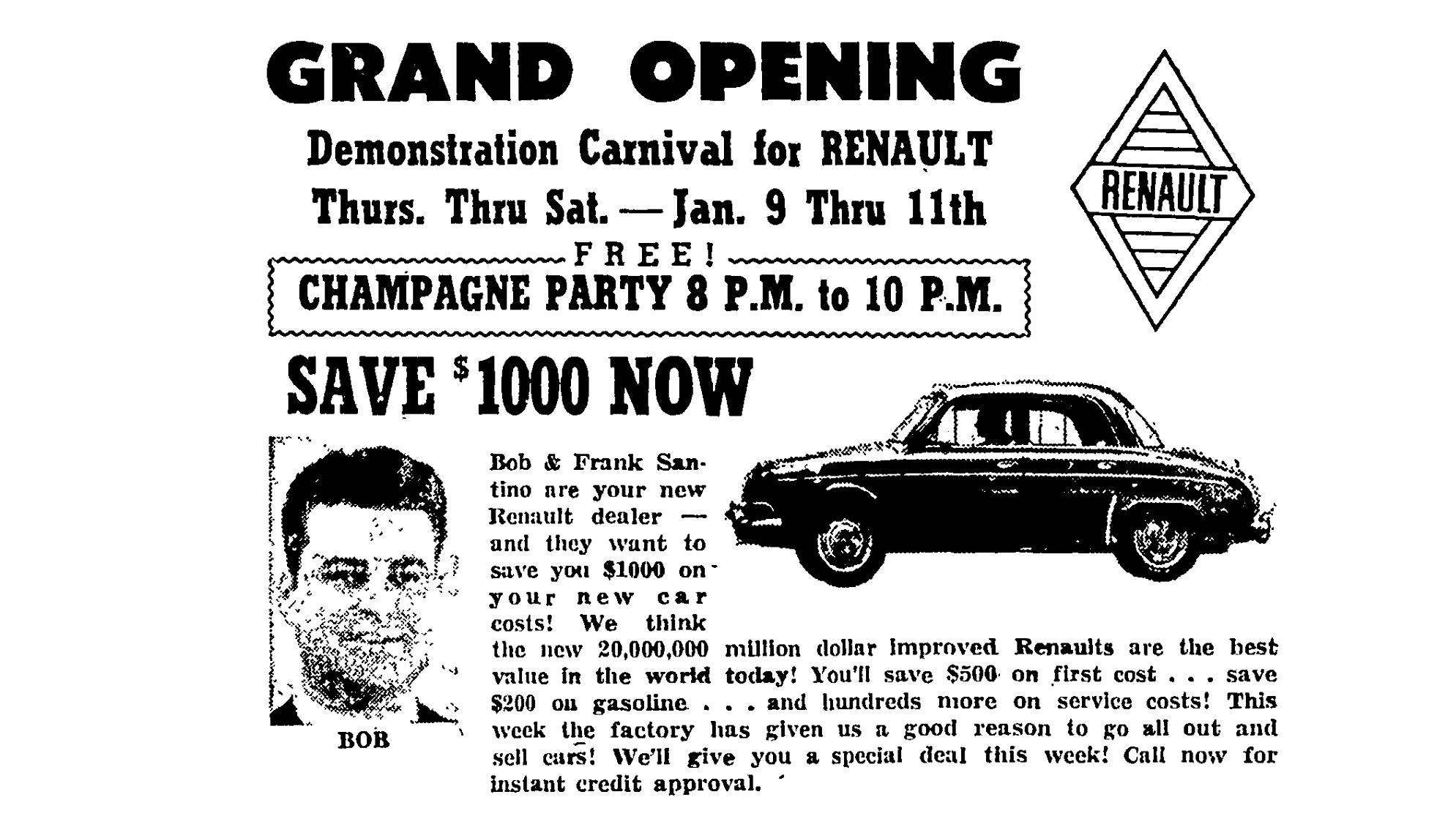
S&S Motors Grand Opening-This Day in Norwood History-January 9, 1964
Discover more from Norwood Historical Society Subscribe to get the latest posts sent to your email. Type your email… Subscribe
-
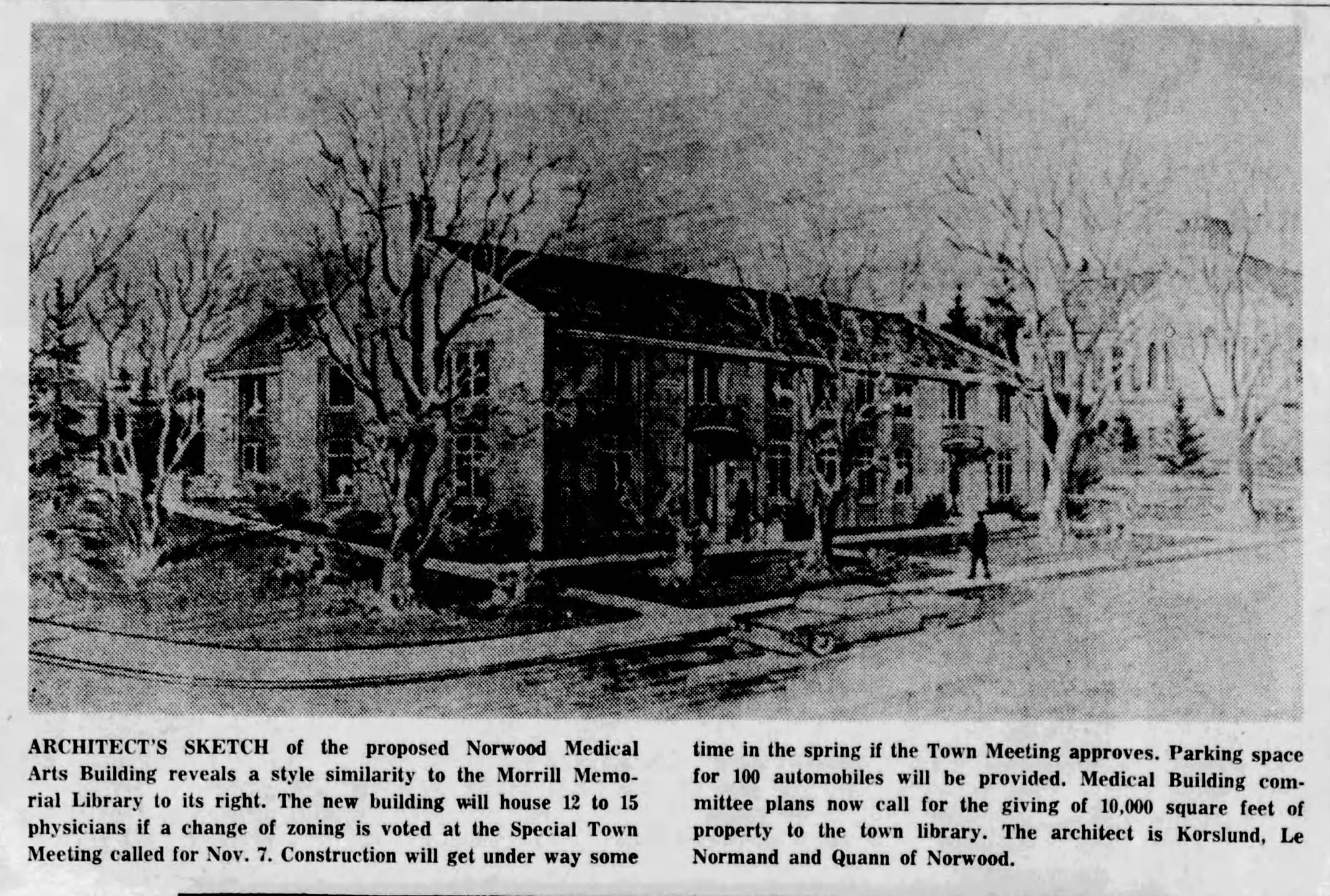
Proposed Norwood Medical Arts Building and School Committee Budget Decisions-October 31, 1963
Architectural plans were unveiled for the proposed Norwood Medical Arts Building, while the School Committee voted to release its 1964 budget and adopted a new extended sick leave policy for teachers.
Discover more from Norwood Historical Society
Subscribe to get the latest posts sent to your email.
One thought on “Lyman Waldo Bigelow & Sons”
Comments are closed.