
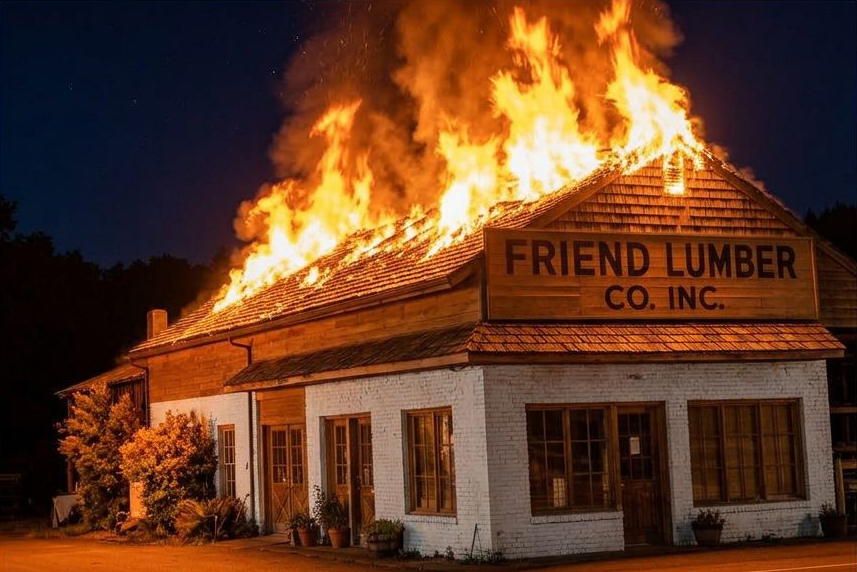
Early on the morning of Sunday, July 5, 1953, the tranquility of Norwood was shattered by a general alarm fire that swept through the Friend Lumber Company plant, situated prominently along Route 1. The conflagration, described by observers as the most spectacular fire in the local area in recent years, resulted in an estimated $100,000 in damages. The fire was first discovered by a passing motorist, who promptly telephoned an alarm to the Norwood Fire Station at 1:01 a.m.
Upon receiving the report, Norwood firefighting apparatus was dispatched to the scene under the command of Lt. John Howard. When the crews arrived, they were met with a daunting sight; flames were already breaking through a section of the roof in the middle of the 150-foot-long structure. Recognizing the severity of the situation, Lt. Howard ordered the recall whistle to be sounded at the fire station, a signal that summoned all off-duty firefighters back to their posts. As the intensity of the blaze grew, the department called upon the neighboring towns of Westwood, Dedham, and Walpole for critical assistance. The Walpole fire apparatus, led by Fire Chief Aaron Hill, arrived to “fill in” at the Norwood fire station, providing necessary coverage for the town while local crews fought the fire. Meanwhile, firefighters from Westwood and Dedham joined the Norwood contingent to battle the flames directly.
Despite the intensity of the inferno, which consumed the plant’s inventory of finished lumber, building supplies, and paints, crews were able to prevent the fire from spreading to the piles of lumber stored in the yard. Norwood Fire Chief Harry Butler, Deputy Chief Irving Dobson, and Capt. Joseph McCormack all responded to the scene while off-duty, helping to coordinate the firefighting efforts. Town Manager Walter Blasenak was also present to assess the emergency, conferring with Martin Feeney of the Water Department to ensure that there was an ample supply of water to feed the hundreds of feet of hoselines deployed. Furthermore, Howard Casler, the local Red Cross disaster officer, contacted his Boston headquarters, resulting in the arrival of a Red Cross truck to provide coffee and donuts to the exhausted firefighters who remained on the scene long after daybreak.
The fire’s impact necessitated significant traffic diversions. Norwood Police Chief Mark Folan ordered all off-duty policemen who could be located to report to the site. State Police from the Foxboro barracks arrived to assist local officers in shutting off all Route 1 traffic and re-routing vehicles down Dean Street and at Sumner Street. The highway was reopened to traffic in both directions only after firemen were able to pull the hoselines through a culvert under Route 1.
The company’s leadership acted quickly to mitigate the loss. The plant manager, John A. Kelly, was summoned from his home on Second Street. He successfully rescued some of the company’s vital books before the flames infiltrated the front office. He then notified Isaac Carny, one of the owners of the firm who also operated a plant in Medford. Mr. Carny arrived from Newton to confer with Mr. Kelly regarding plans to keep the plant operational and to ensure that customer orders could be filled via their Medford facility. Notably, in a display of community spirit, firemen managed to save two of the three trucks garaged at the rear of the building. These vehicles had been promised to the Norwood Lions Club and the Norwood Council, Knights of Columbus, for use in the upcoming Fourth of July parade.
The origin of the blaze remains undetermined and is currently being investigated by Lt. Detective Jeremiah Sullivan of the State Fire Marshal’s Office.
The incident highlights the long-standing practice of regional mutual aid between the Norwood, Dedham, Westwood, and Walpole fire departments, a collaborative safety pattern that has persisted in Norwood’s civic infrastructure for decades.
The Friend Lumber Company fire serves as a reminder of the vulnerability of Norwood’s early industrial corridor along the primary highway artery. It underscores the vital importance of the mutual aid agreements that define the cooperative spirit of Norfolk County’s emergency services.
Archival Note: This article has been dynamically reconstructed from the original public record print archives of the Patriot Ledger
More Norwood Fire Stories
-
Norwood Firemen Called Out 11 Times In 48 Hours-This Day In Norwood History-March 15, 1915
The Norwood Fire Department was on the jump Saturday and yesterday. An alarm Saturday afternoon was from box 59, corner of Walpole and Wilson sts, and the departments long run for a serious brush fire In Baldufs Grove, threatening German Turnverein Hall and the bowling alleys. The still alarms were: At 9:30 in the forenoon,…
-
Three Fires In Two Days-This Day In Norwood History-August 25, 1905

This Day In Norwood History-August 25, 1905-Three Fires In Two Days
-
Bigelow Furniture Co Damged By Smoke, Fire-This Day in Norwood History-July 14, 1905
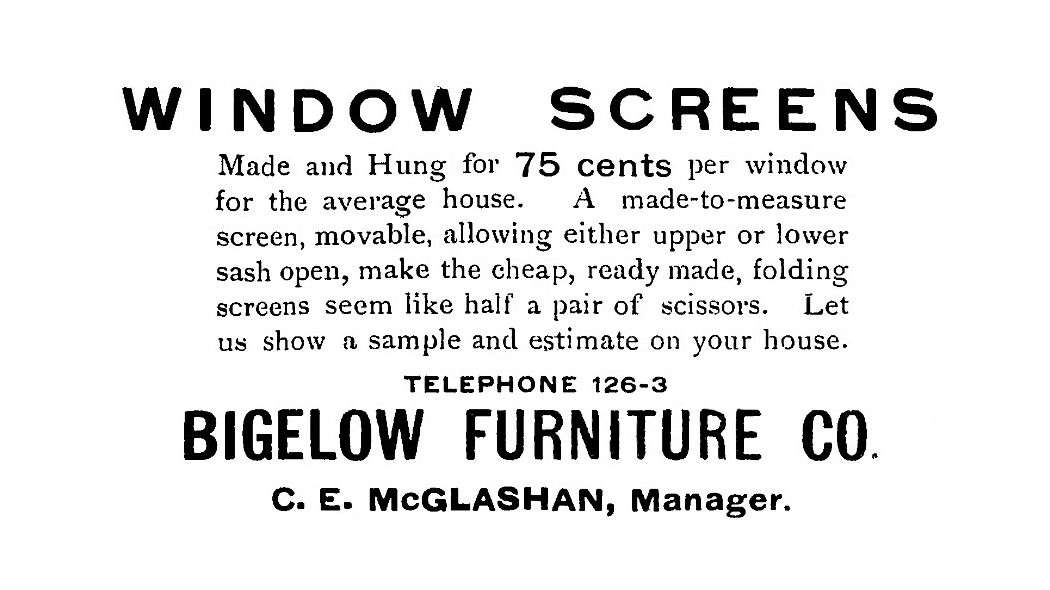
At about 4 o’clock last Tuesday morning J. E. Hartshorn, the milkman, while on his route saw a large volume of smoke issuing from the Norwood Cooperative store on Day Street No fire was evident, but smoke was pouring in dense clouds from the transom over the door. He at once started for Box 45…
-
Miss Agnes Tobin Rescues Family From Burning Home-October 17, 1902

Miss Agnes Tobin Rescues Family From Burning Home-This Day in Norwood History-October 17, 1902
-
Metcalf’s Icehouse Burned Down-This Day In Norwood History-July 24, 1895
Metcalf’s ice house on Flax Pond, near Norwood’s pumping station, was burned down on Wednesday morning, between one and two o’clock. The fire is supposed to be the work of an incendiary. The building was burned flat. It was fully insured with the Thos. E. Clary Ins. Co.. 3 and will likely be paid in…
-
This Day in Norwood History- September 3, 1879-Fire at Morrill Inkworks
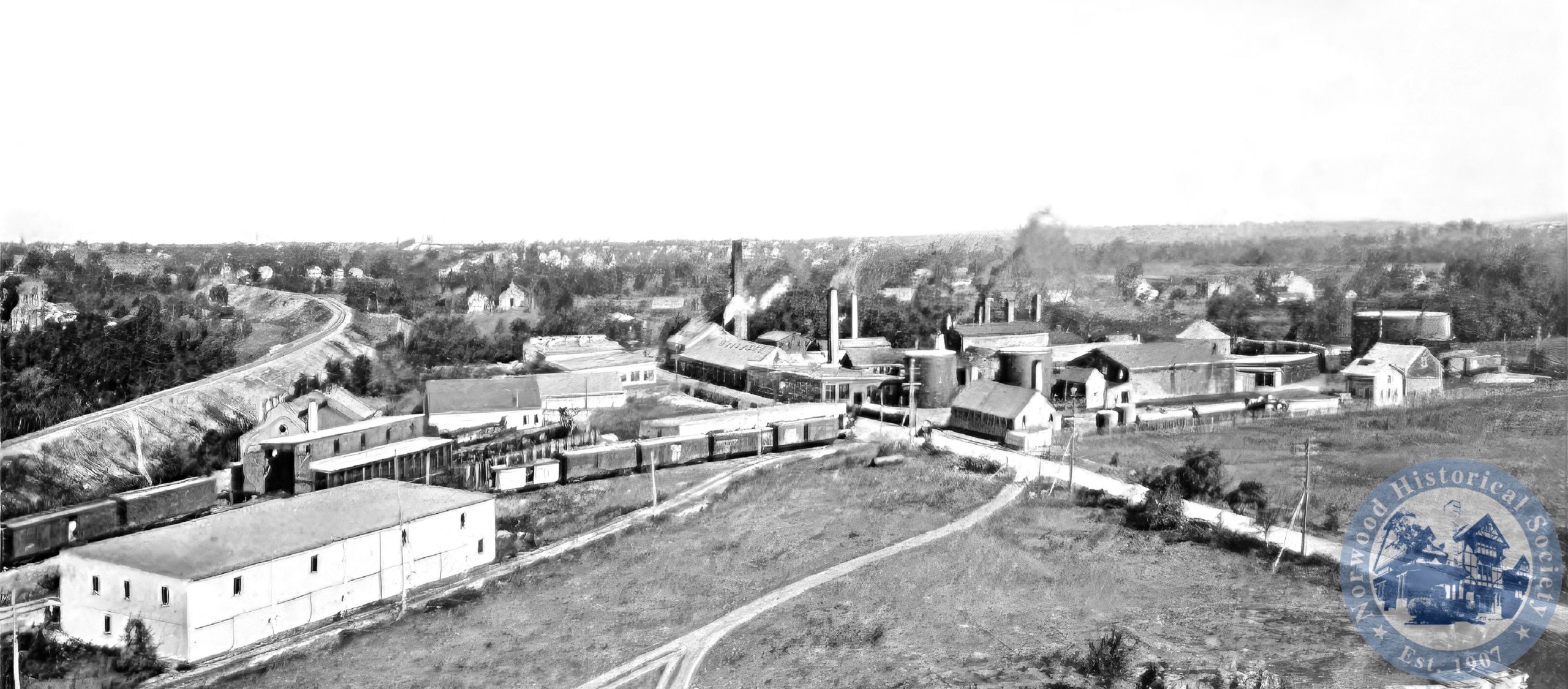
This Day in Norwood History- September 3, 1879-Fire at Morrill Inkworks
-
Fire Burns a Portion of the Talbot Oil Carpet Works-This Day In Norwood History-March 16, 1874
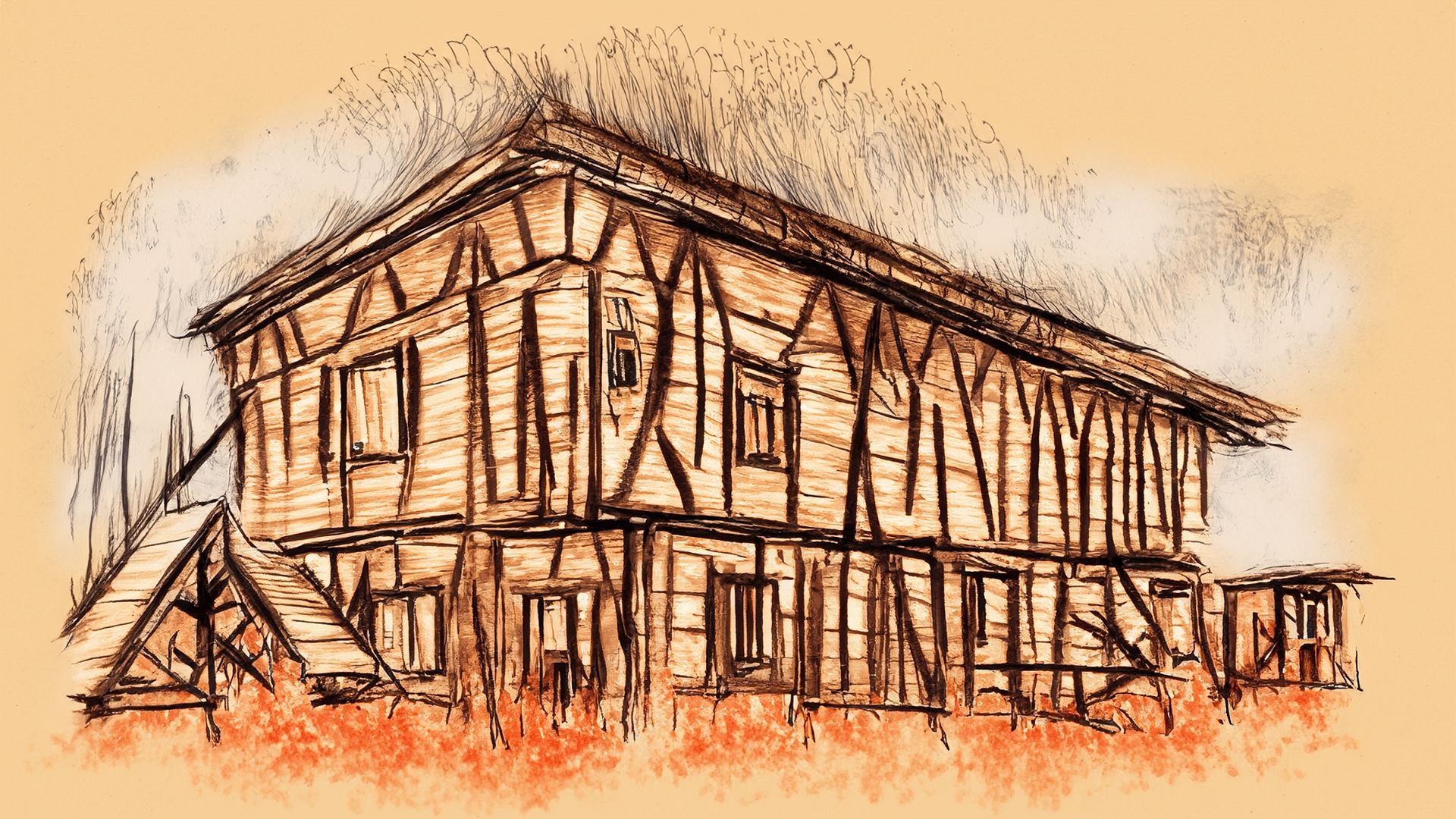
. Three buildings of the Talbot oil carpet works situated near the New York and New England Railway station in Norwood, were burned to the ground, Saturday morning, entailing a loss of nearly $20,000 upon Mr. E. F. Talbot, the sole proprietor, who has no insurance to cover it. The buildings were a dry shop,…
Discover more from Norwood Historical Society
Subscribe to get the latest posts sent to your email.