
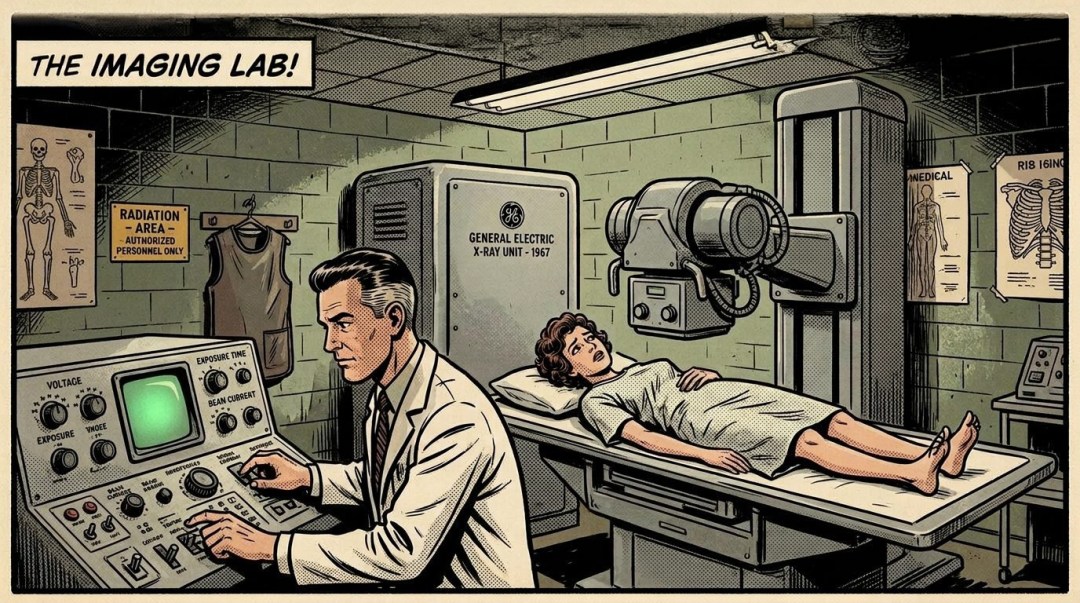
On July 6, 1964, the Norwood Hospital was reported to be at the forefront of medical diagnostics following the installation of a sophisticated Image Intensifier unit.

The device, which had been in operation for eight weeks at the time of the report, represented a significant capital investment of $12,000. This equipment replaced the traditional fluoroscopic unit, promising to enhance the quality of diagnostic care while prioritizing patient comfort and safety.
According to Charles A. Richardson, the hospital administrator, the advantages of the new technology far outweighed its substantial cost. One of the most critical benefits of the Image Intensifier was the reduction of radiation exposure; the system required 60 percent less x-ray energy to perform examinations than previous models. Furthermore, the system operated using a specialized tube that converted x-ray energy into light energy, which was then concentrated through an optical system for viewing on a mirror. This process allowed the radiologist to see a clear, distinct image of a patient’s interior without the need for high levels of radiation.
The shift in technology also provided significant logistical benefits for medical staff. In traditional fluoroscopy, radiologists were required to wear special goggles for 30 to 40 minutes before testing to allow their eyes to adjust to a totally dark room. The Image Intensifier eliminated this necessity, as testing could be performed in subdued light. This transition to a better-lit environment served a dual purpose: it made the experience less apprehensive and more relaxing for the patient, who could see their surroundings throughout the procedure.
The hospital’s modernization efforts were ongoing. At the time of the report, plans were already in place to integrate a television monitor system paired with the Image Intensifier. This addition was projected to provide instantaneous video tapes, which the radiologist could play back for on-the-spot analysis. Unlike the conventional spot-picture method, which required time-consuming film development and manual review, the combination of the Image Intensifier and video recording offered a continuous, dynamic image. This allowed for more immediate and positive diagnostic results, marking a major leap forward in the hospital’s operational capabilities.
Archival Note: This article has been dynamically reconstructed from the original public record print archives of the Patriot Ledger
More Norwood Hospital Stories
-
Norwood Hospital Demolition-August 4, 2022
Do you have photos or videos of the demolition work at Norwood Hospital you would like to share? Please send them to us! Include your name and the date they were taken and you will receive credit in the captions. Thank you! Discover more from Norwood Historical Society Subscribe to get the latest posts sent…

-
Norwood Hospital Demolition-August 2, 2022
Do you have photos or videos of the demolition work at Norwood Hospital you would like to share? Please send them to us! Include your name and the date they were taken and you will receive credit in the captions. Thank you! Discover more from Norwood Historical Society Subscribe to get the latest posts sent…
-
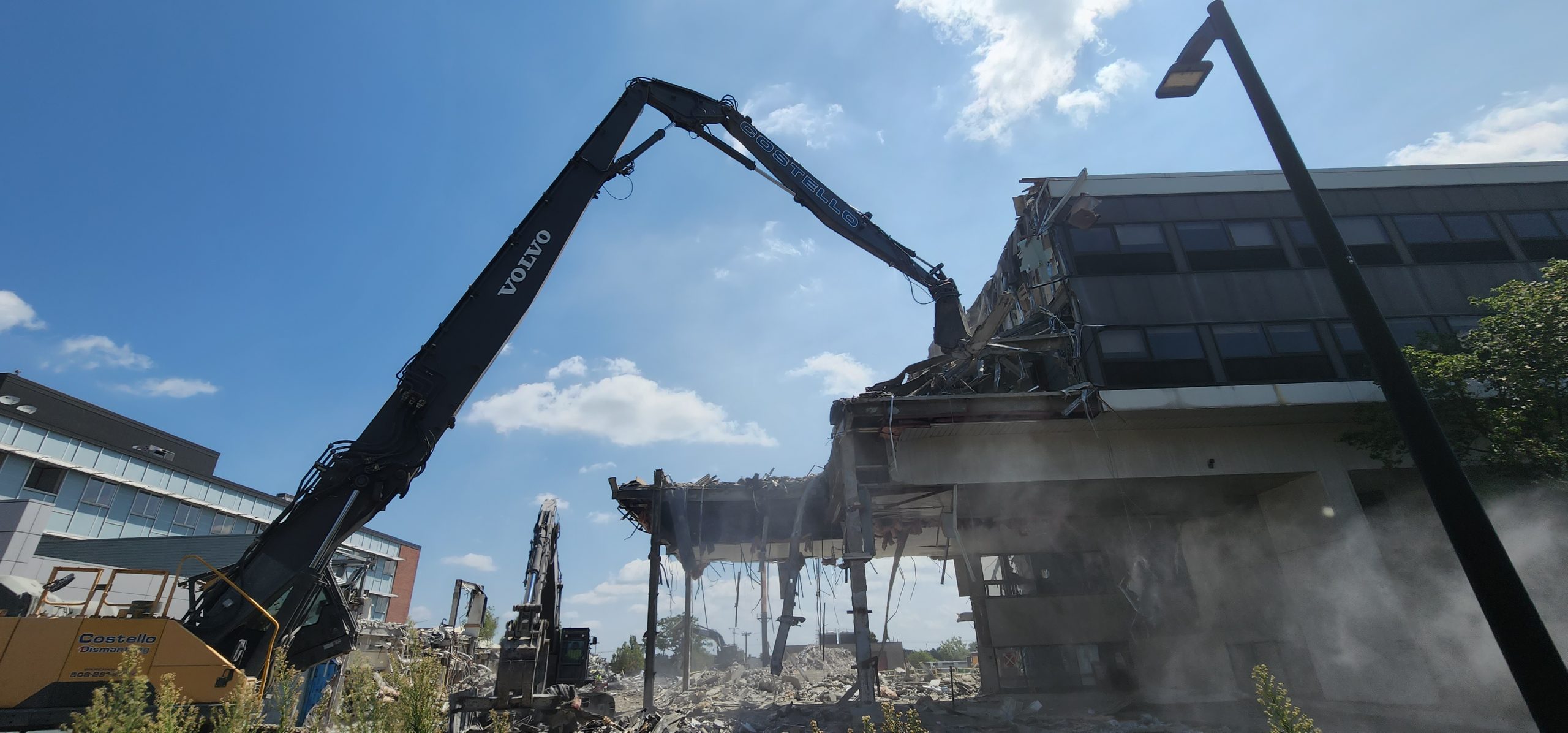
Norwood Hospital Demolition-July 29, 2022
Do you have photos or videos of the demolition work at Norwood Hospital you would like to share? Please send them to us! Include your name and the date they were taken and you will receive credit in the captions. Thank you! Discover more from Norwood Historical Society Subscribe to get the latest posts sent…
-
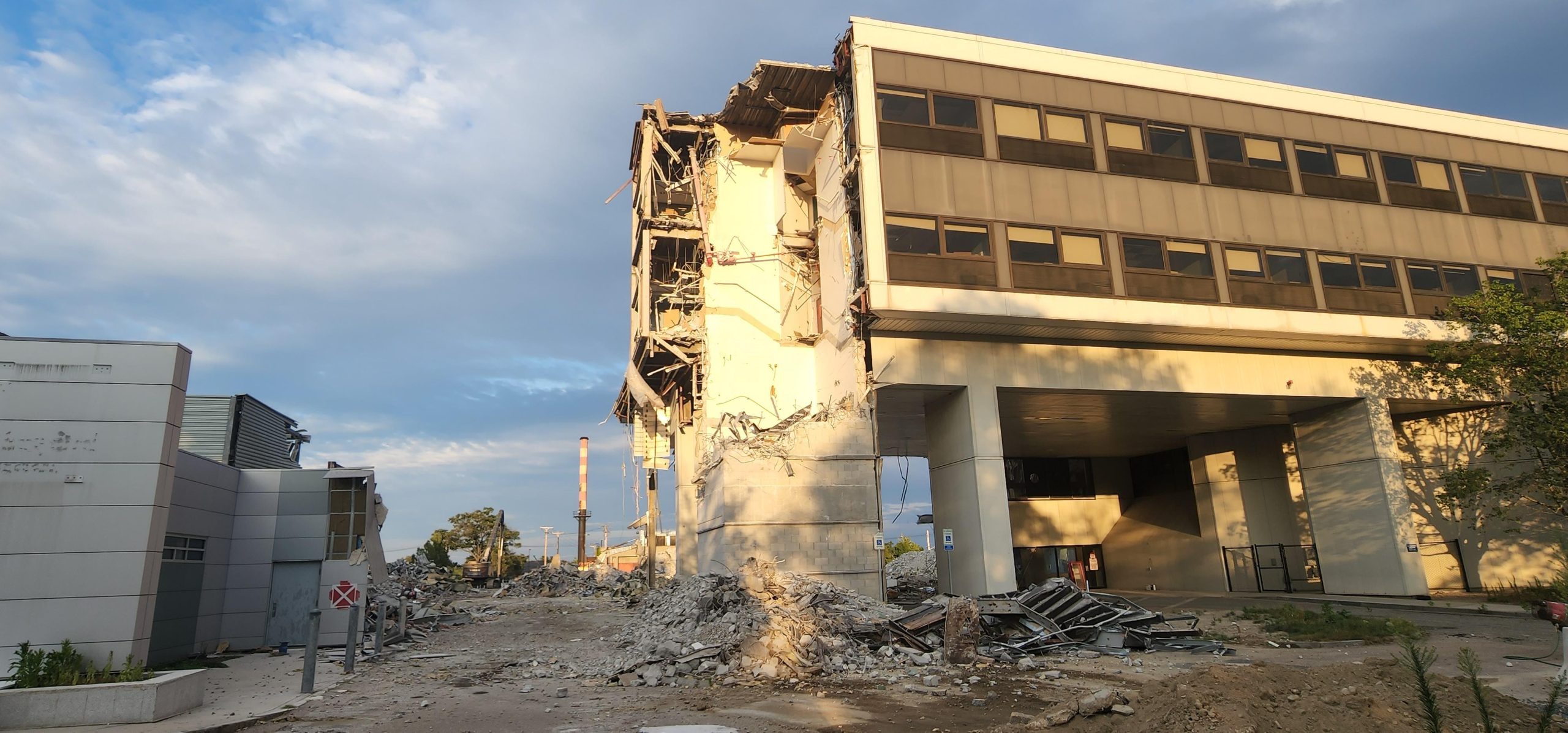
Norwood Hospital Demolition-July 25, 2022
Do you have photos or videos of the demolition work at Norwood Hospital you would like to share? Please send them to us! Include your name and the date they were taken and you will receive credit in the captions. Thank you! Discover more from Norwood Historical Society Subscribe to get the latest posts sent…
-
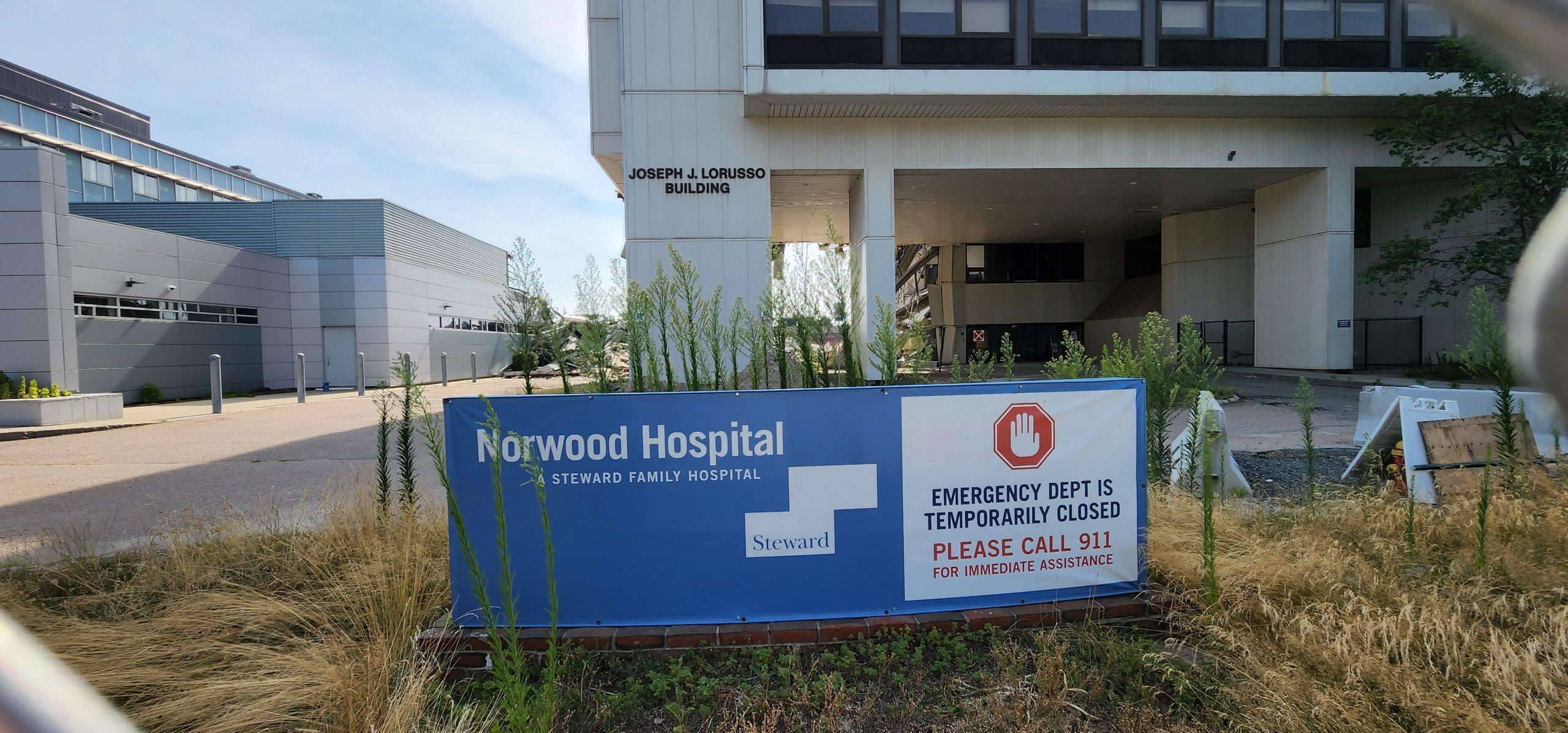
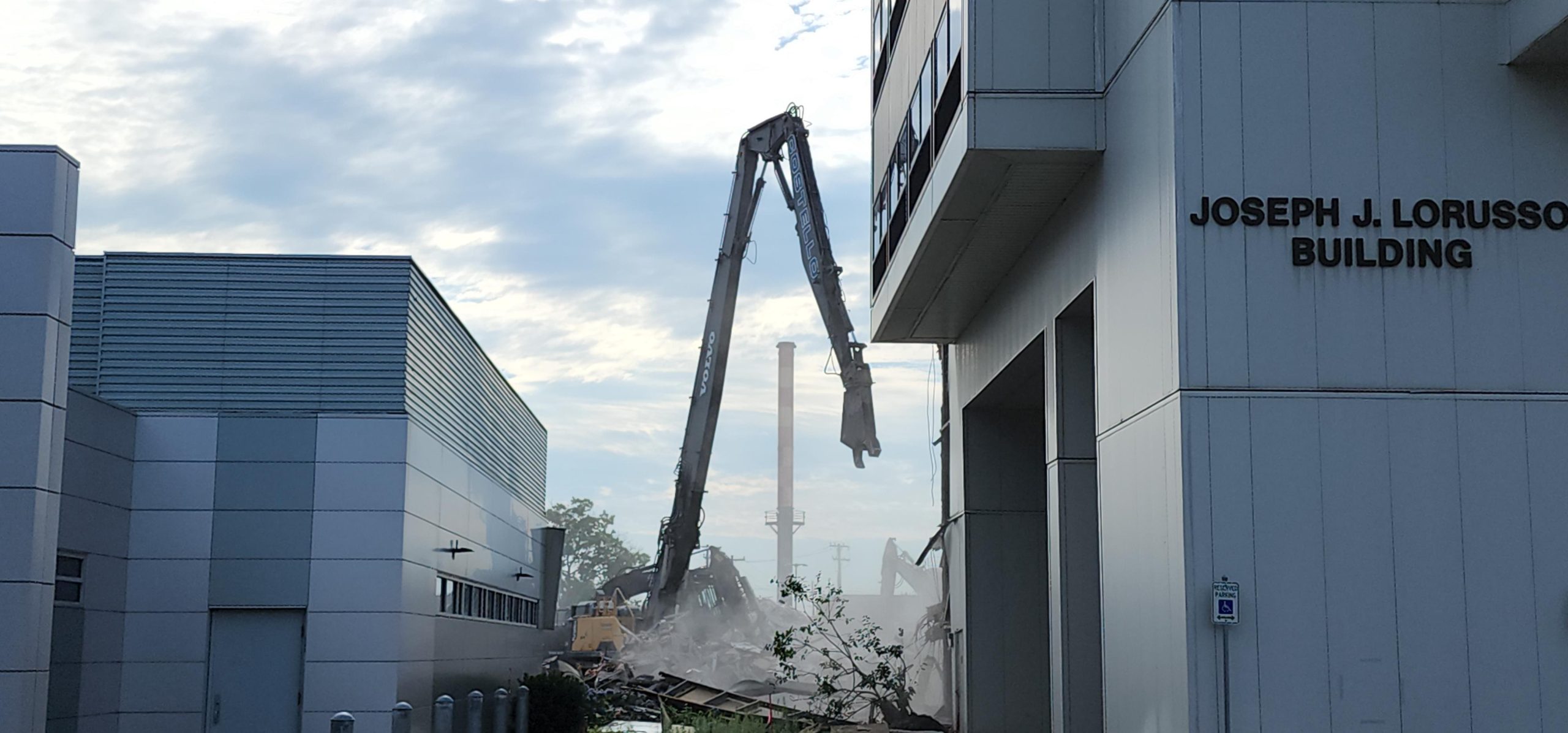
Norwood Hospital Demolition-July 20, 2022
This view of the Lorusso building shows the demolition of Norwood Hospital from the Washington Street side. The crossover that connected the Lorusso and Draper buildings on the ground and first floors has been completely removed. Do you have photos or videos of the demolition work at Norwood Hospital you would like to share? Please…
-
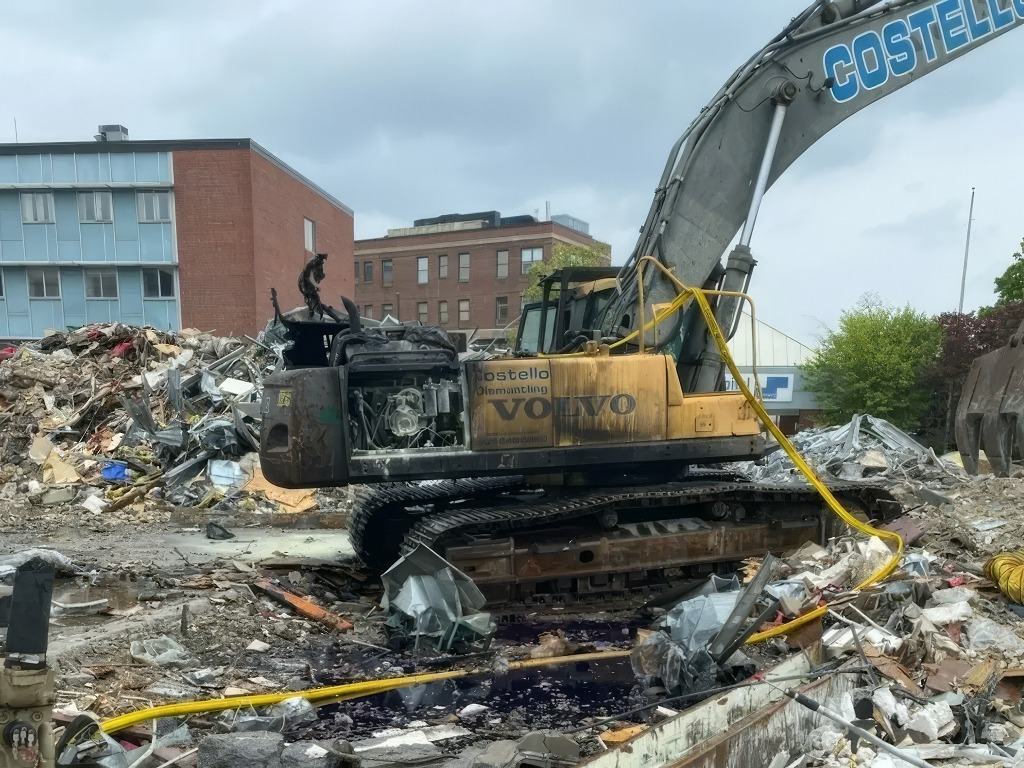
Vacuum Truck Heads To Norwood Hospital Site After Morning Fire-July 18, 2022
A vacuum truck is expected to arrive by 3 p.m. to clean up an oil spill following a fire involving an excavator on Monday morning. The vacuum truck, dispatched by the demolition company working on the Norwood Hospital site, will remove the spilled oil after the excavator caught fire around 11:30 a.m., according to Norwood’s…
-
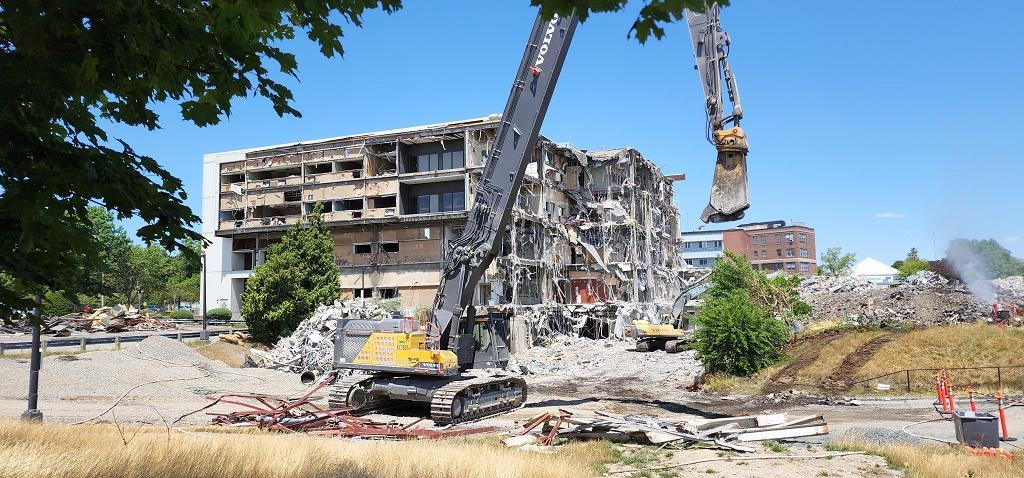
Norwood Hospital Demolition-July 15, 2022
Discover more from Norwood Historical Society Subscribe to get the latest posts sent to your email. Type your email… Subscribe
-
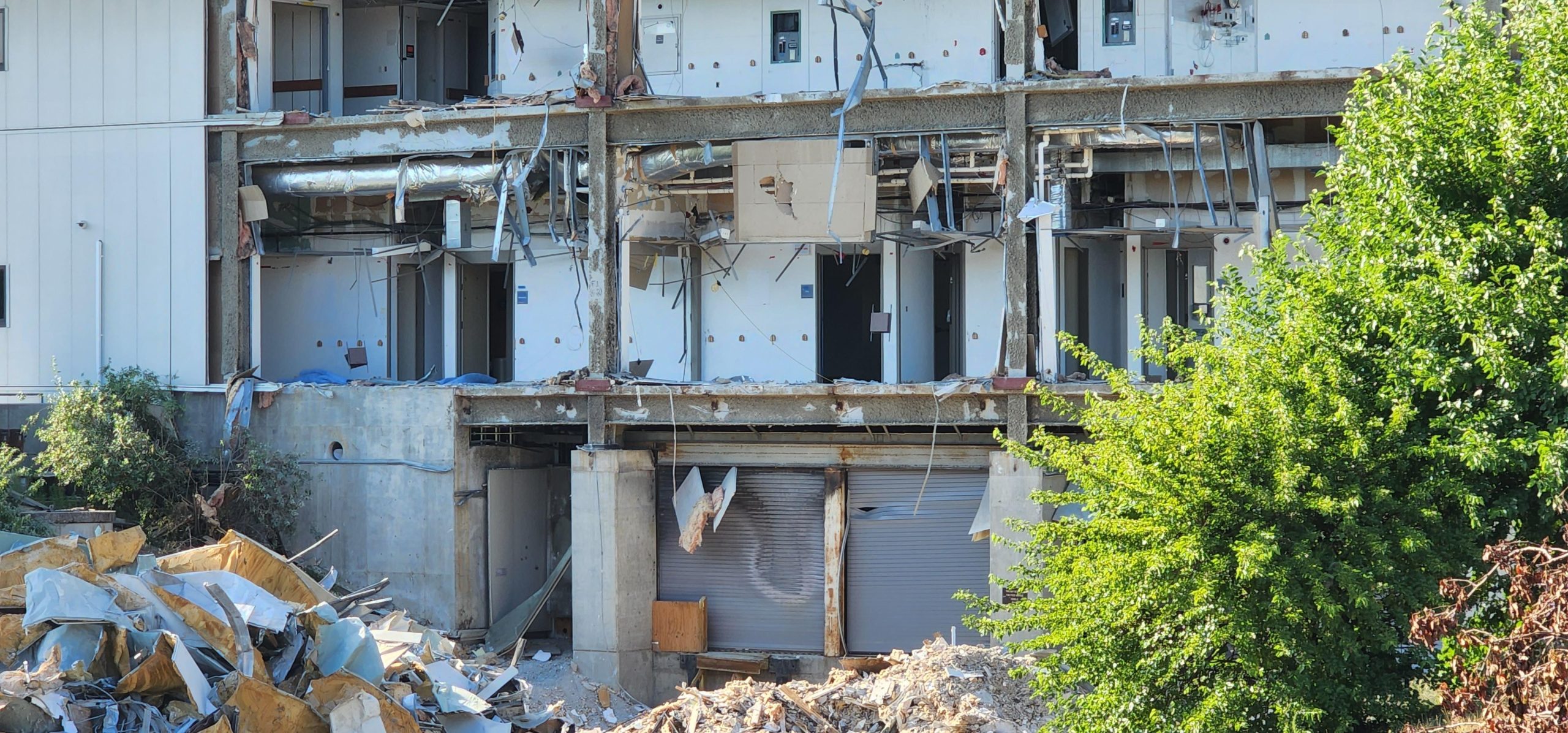
Norwood Hospital Demolition-July 11, 2022
Demolition work on the Lorusso Building at Norwood Hospital included ground floor areas today. On the ground level, the exterior of the building was partially dismantled from the Emergency Room’s ambulance entrance through the Emergency Room waiting area. Around the corner parts of the rear of the Radiology department are now exposed, where the doorways…
-
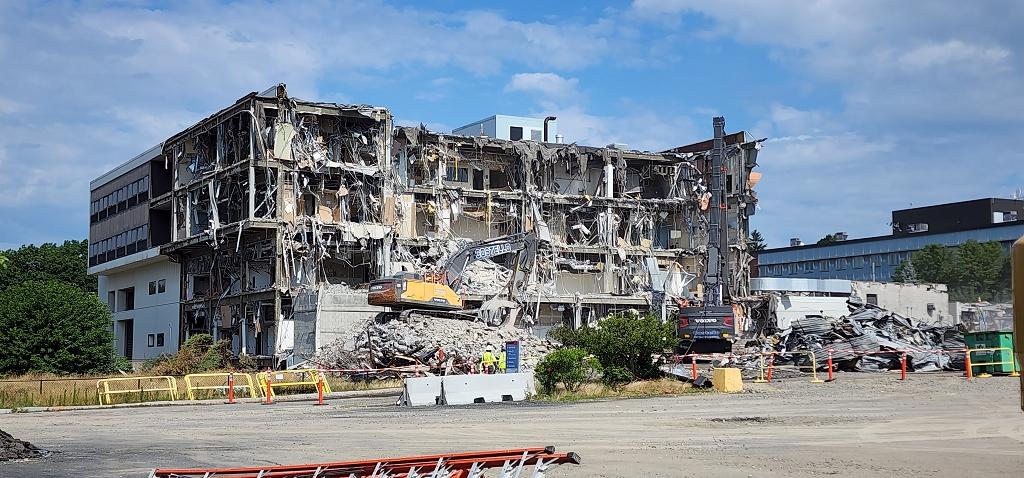
Norwood Hospital Demolition-July 8, 2022
The demolition of the rear side of Norwood Hospital’s Lorusso building continued today. Do you have photos or videos of the demolition work at Norwood Hospital you would like to share? Please send them to us! Include your name and the date they were taken and you will receive credit in the captions. Thank you!…
-
Norwood Hospital Demolition-July 5, 2022
The demolition of Norwood Hospital continues. More walls were removed in the rear and side of the Lorusso building today, exposing many former patient rooms on the second and third floors and a few operating rooms on the first floor. The ground floor ambulance entrance to the Emergency Room is blocked by a rubble pile…

Discover more from Norwood Historical Society
Subscribe to get the latest posts sent to your email.