

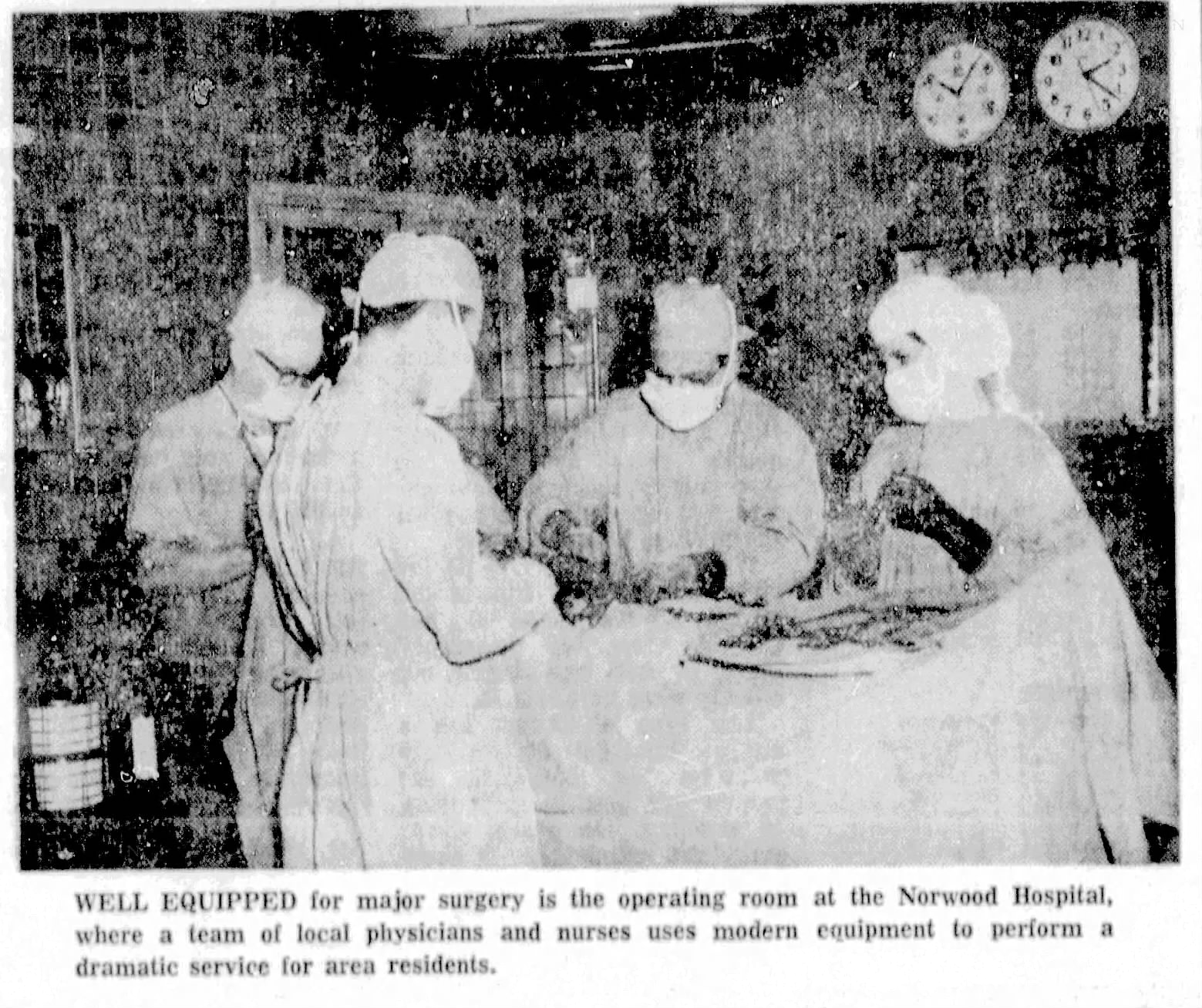
For most people, an encounter with a hospital operating room happens while flat on their back. However, hospital officials at Norwood Hospital shed light on the upright reality behind the surgical suites, revealing the complex daily drama, intricate equipment, and rigorous protocols that support nearly 4,200 operations each year.
Anatomy of the Operating Suites
Popular culture often paints operating rooms with an aura of theatrical mystery—bright lights, dramatic tensions, and masked figures snapping crisp orders. In actual practice, however, a typical day of surgery at Norwood Hospital operates with an atmosphere of quiet confidence rather than high-stakes drama.
The hospital’s surgical department is divided into six basic units:
- Four general surgical suites.
- An orthopedic unit.
- A specialized cystoscopy room.
Surrounding these primary operating rooms are auxiliary and support spaces, including a sterile supplies storeroom, a nurse-managed instrument sterilization workshop, sub-sterilizing rooms, and scrubrooms where physicians and surgical nurses prepare. Additionally, a 12-unit recovery room accommodates 14 to 20 postoperative patients daily, working in tandem with the central supply area.
Each operating suite is equipped with specialized instrumentation and hardware, anchored by a 6-foot-long, stainless steel, hydraulically operated surgical table. Standard room equipment includes two mobile general service tables, two Mayo stands for holding instruments, a ring stand for basins, an anesthesia table and machine, an X-ray viewing screen, and a specially designed, adjustable surgical light. Life support is integrated directly into the infrastructure via piped-in oxygen and suction units.
High Volume and Specialized Care
The hospital maintains a staff capable of handling up to six operations simultaneously, supporting general surgeons, orthopedic surgeons, urologists, ophthalmologists, and other specialists alongside a 24-hour anesthesia service.
While emergency cases are handled around the clock, the vast majority of surgery at Norwood Hospital is non-emergency, “elective” procedures performed Monday through Friday between 7:30 a.m. and 2:00 p.m., booked in advance through the admitting office. During the previous year, the hospital performed 4,244 operations, occasionally reaching up to 22 procedures in a single day. Advancements in medical procedures have enabled local surgeons to tackle increasingly long and complex operations, including surgeries involving the chest, lungs, and major blood vessels.
Stringent safety and sanitation protocols govern every procedure. Scrub zones are scrupulously observed, and the hospital adheres strictly to regulations set by the Joint Commission on Accreditation of Hospitals—including mandates requiring two physicians to be present during all major surgeries and the mandatory pathological examination of all tissue removed from patients.
Behind the scenes, logistical support is immense. Laundry manager Charles Philips reported an average of 8,000 pounds of linen is laundered and processed weekly exclusively for the operating rooms, while modern pre-packaged disposable items and advanced equipment have streamlined preparation times.
Archival Note: This article has been dynamically reconstructed from the original public record print archives of the Patriot Ledger
More Norwood Hospital Stories
-
Norwood Pupils To Attend Double Sessions After $2M Fire-January 25, 1971
Blaze at junior high ‘was set’ Seven hundred fifty pupils from Norwood South Junior High School, which was gutted by a $2 million general alarm fire Saturday night, will start double sessions with the pupils at North Junior High later this week. Norwood Fire Chief Irving J. Dobson said yesterday, after a preliminary investigation: “The…

-
General-Alarm Fire Destroys Junior High School in Norwood-January 23, 1971
A general-alarm fire swept through Norwood Junior High School last night, threatening to destroy the four-story brick building. There were no injuries. The blaze was punctuated by an explosion of chemical supplies in a science laboratory. Firemen from Norwood and nine surrounding communities responded. Smoke was so thick that the first firemen to respond were…

-
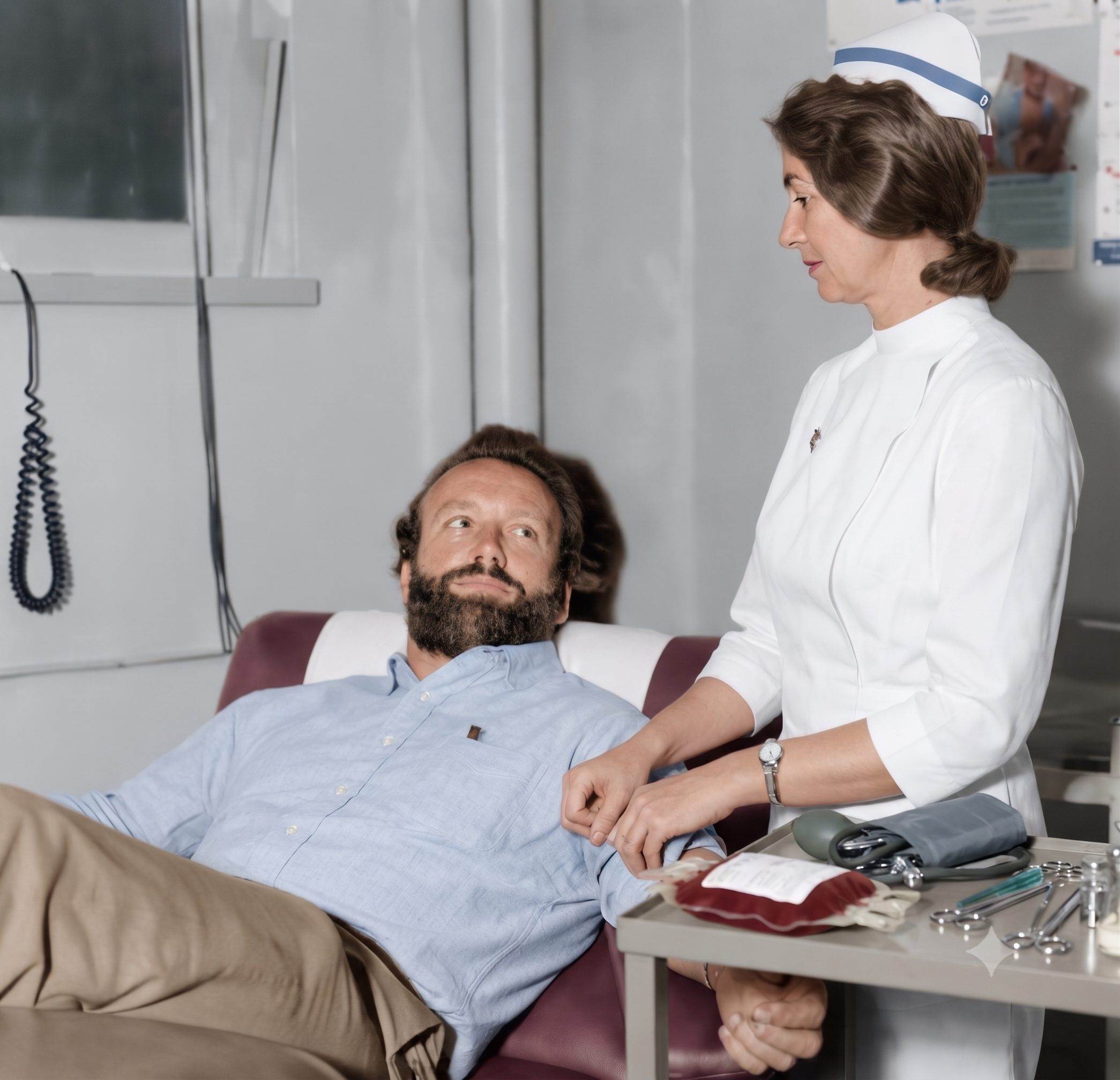
Norwood Hospital Keeps Up With Blood Needs-July 8, 1969
Learn how Norwood Hospital’s unique “suggested cooperation” maternity blood donation policy solved critical supply shortages that plagued other area medical facilities in the late 1960s.
-
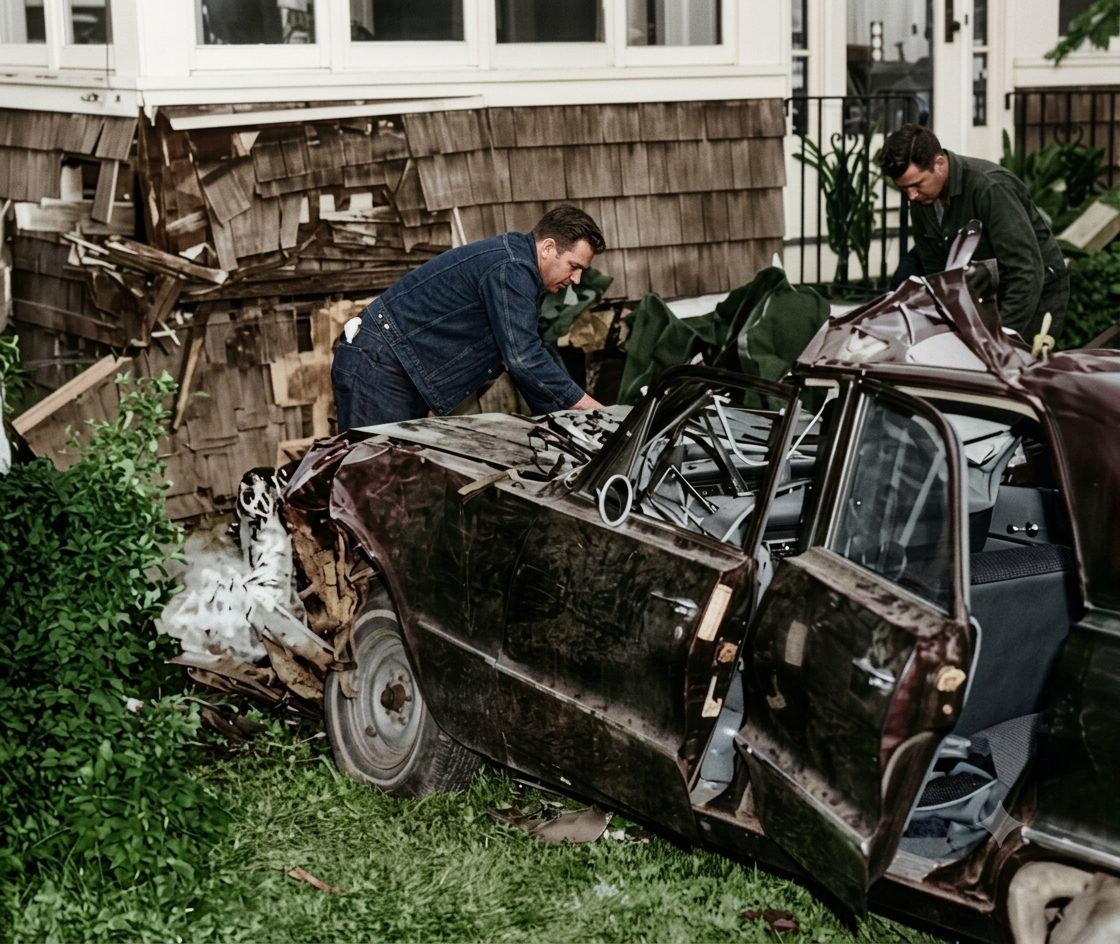
Car Rams House In Norwood-June 20, 1969
Firefighters extricate a Brockton driver trapped in structural wreckage as escaping gas fills a neighborhood residence.
-
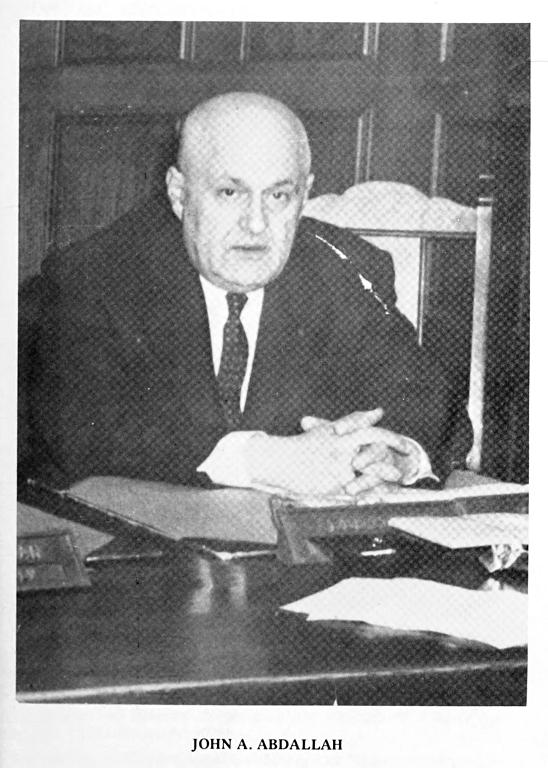
John Abdallah Dies In Parade At Norwood-November 11, 1968
John Abdallah Dies In Parade At Norwood This Day In Norwood History-November 11, 1968
-
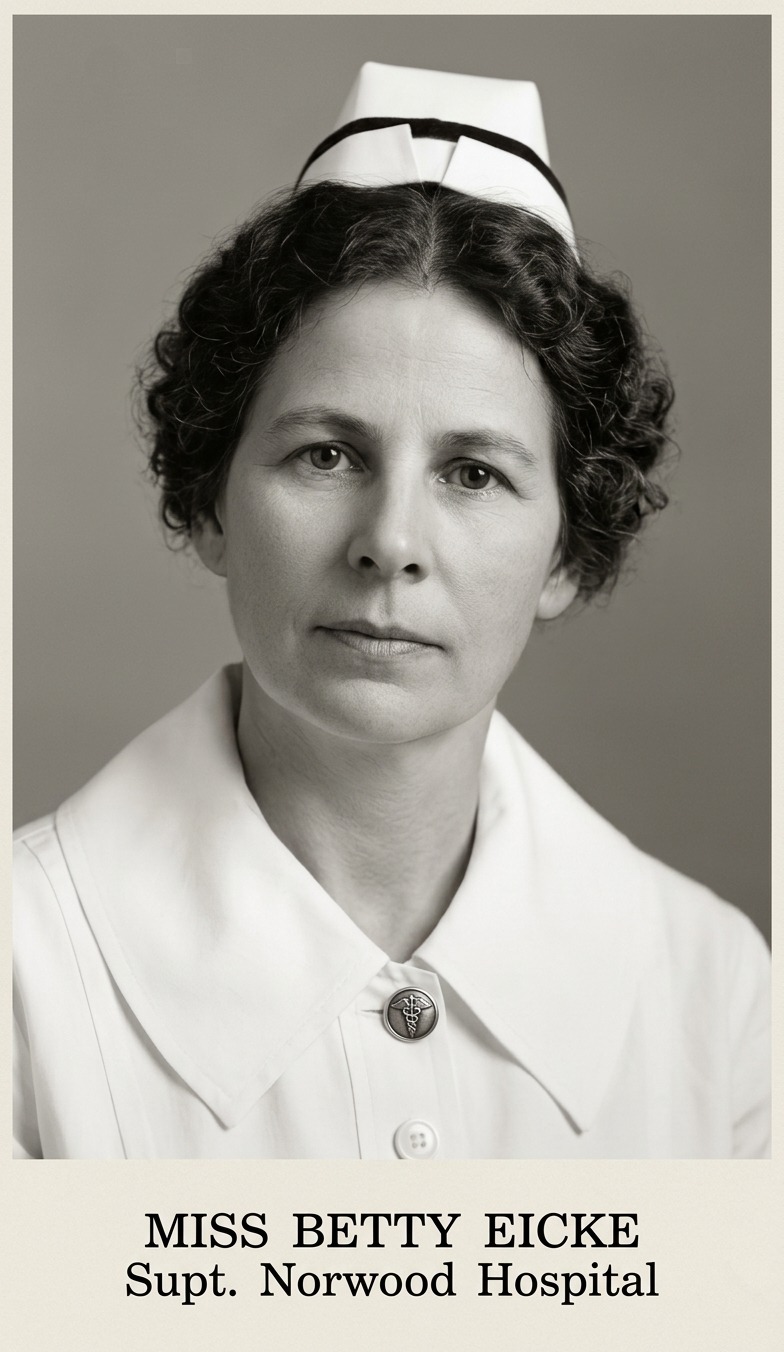
Miss Betty Eicke, 95, Former Norwood Hospital Superintendent and Nursing Leader-September 11, 1968
Memorial services are set for Betty Eicke, 95, former superintendent and director of nurses at Norwood Hospital who dedicated decades to nursing and hospital administration.
-
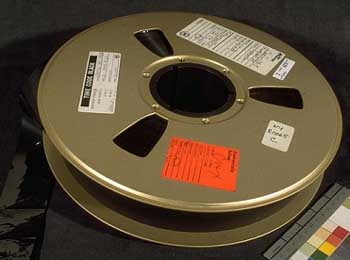
Norwood Hospital Equipped to Broadcast Educational Medical Videotapes for Staff-August 14, 1968
Hospital administrator Charles A. Richardson announced that Norwood Hospital has installed video equipment to broadcast professional medical training tapes.
-
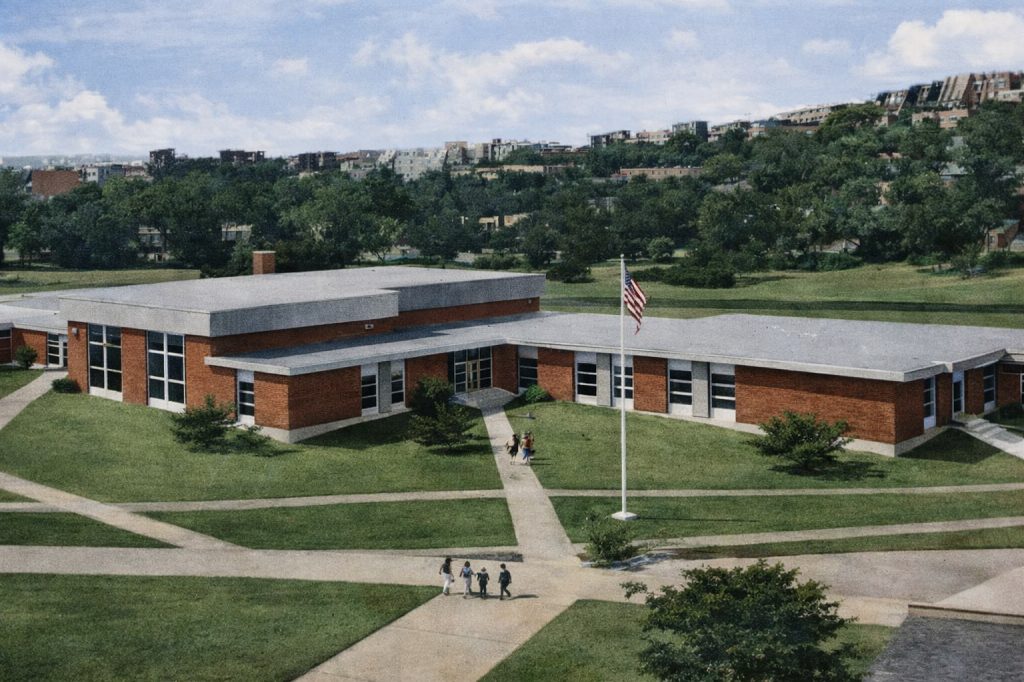
Is Norwood’s Willett School Crowded Before It Opens?-June 8, 1968
On the eve of its grand opening, a newly constructed neighborhood school faces immediate scrutiny over surging class size projections and miscalculated local birth rates.
-
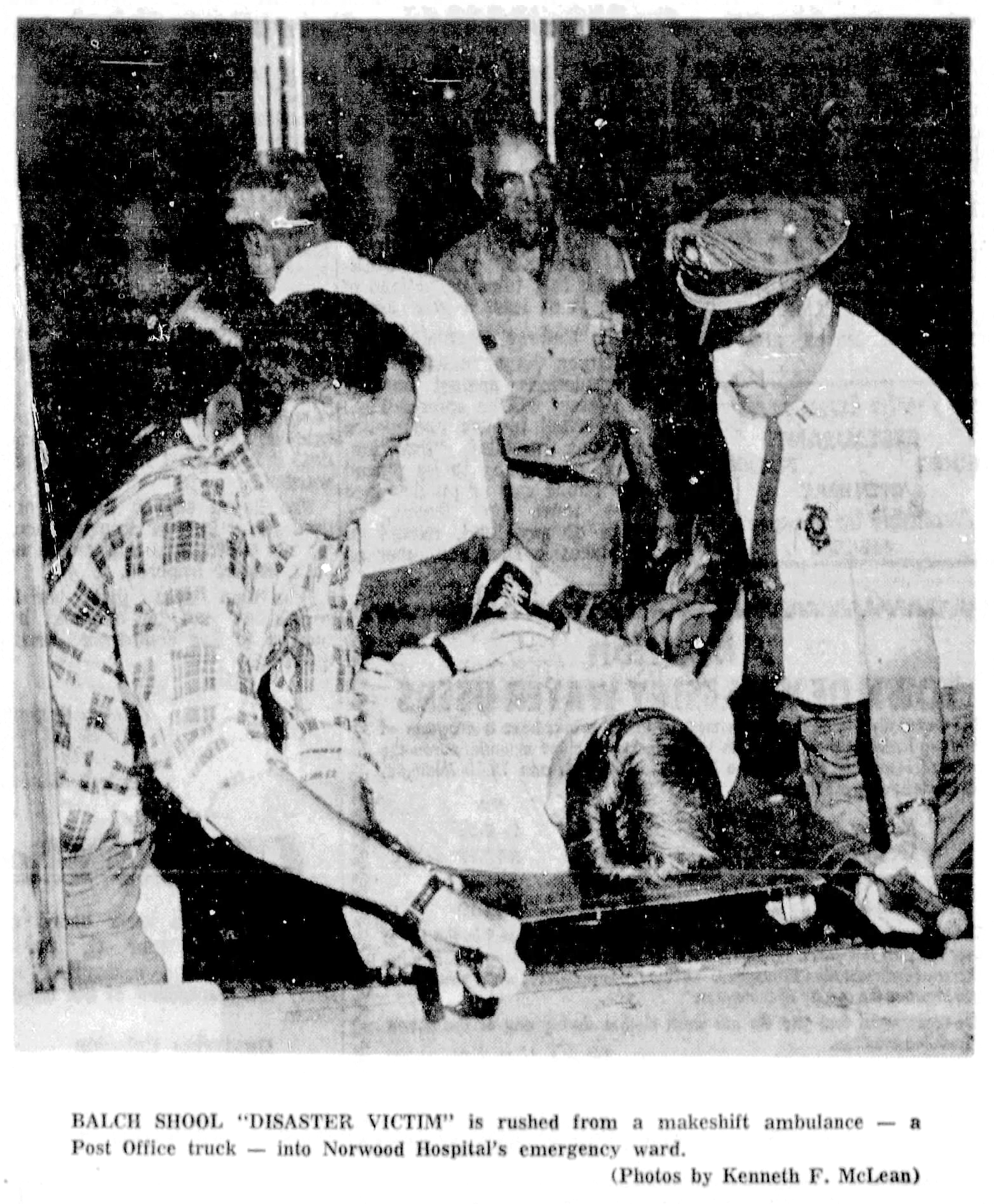
Norwood Hospital Successfully Executes Mass Casualty Disaster Drill After Simulated Balch School Collapse-September 29, 1967
Norwood Hospital successfully executes a surprise mass casualty disaster drill simulating a structural collapse at Balch School, testing emergency coordination and staff response.
-
Hospital Officials Detail the Daily Drama of Hospital Surgery-September 2, 1967
For most people, an encounter with a hospital operating room happens while flat on their back. However, hospital officials at Norwood Hospital shed light on the upright reality behind the surgical suites, revealing the complex daily drama, intricate equipment, and rigorous protocols that support nearly 4,200 operations each year. Anatomy of the Operating Suites Popular…
Discover more from Norwood Historical Society
Subscribe to get the latest posts sent to your email.