
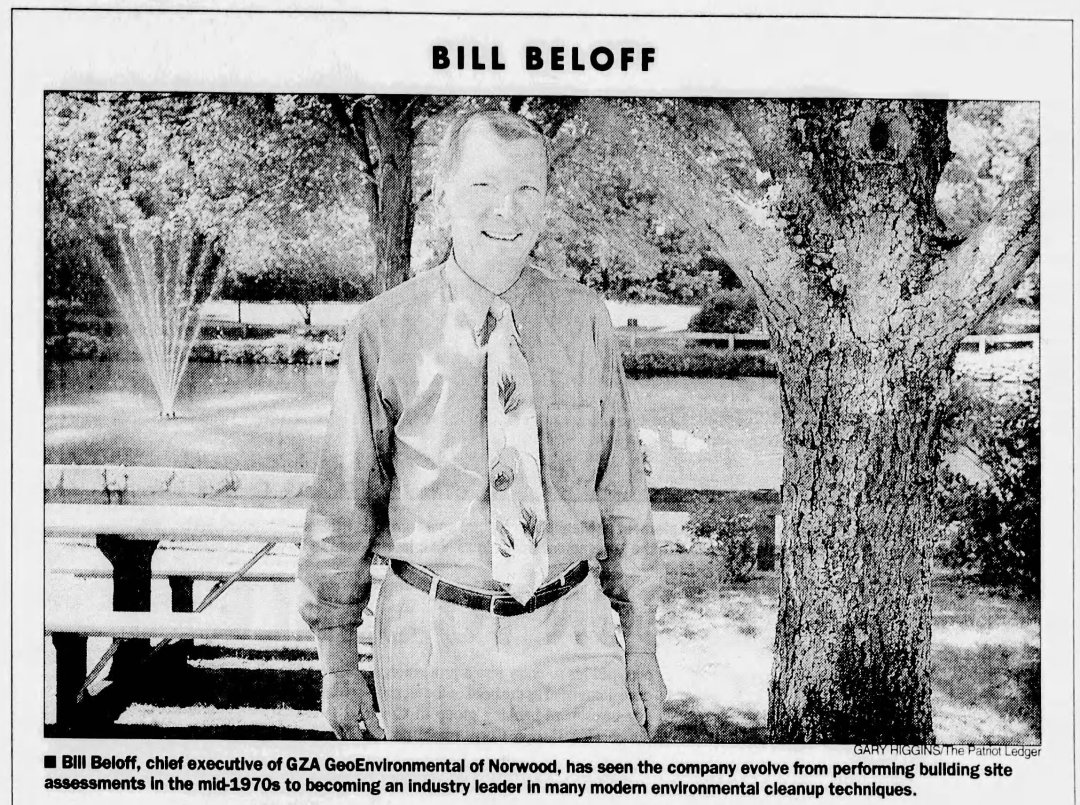
From its roots performing building site assessments in the mid-1970s, GZA GeoEnvironmental Inc. has evolved into a premier national force in the environmental cleanup and pollution remediation industry. Headquartered in Norwood, the firm employs approximately 500 professionals—including engineers, biologists, toxicologists, and human health assessors—across 22 offices nationwide, with nearly 200 personnel based in eastern Massachusetts.
Led by president and CEO Bill Beloff, who joined the company as a foundation engineer in 1974 and took the helm in 2000, GZA expanded rapidly following the enactment of federal Superfund legislation in 1980. While maintaining its strong footprint in the Northeast, the firm has established growing offices in regions like New York and New Jersey to meet mounting demands for environmental assessment and brownfield redevelopment.
Brownfield Redevelopment and Remediation Techniques
GZA’s core operations frequently involve remediating former industrial manufacturing facilities that have left behind legacies of soil and groundwater contamination. As Beloff noted, much of the industry’s modern work is driven by the urgent need to reuse abandoned urban parcels—such as old mills dating from the 1700s to the 1900s—and transform them into mixed-use residential and commercial spaces. A prominent local example cited by Beloff is the massive redevelopment of the former industrial shipyard in Hingham into a mixed-use retail and housing complex, where GZA assisted developers in managing soil lead contamination to clear the way for construction.
To tackle complex contaminants, GZA employs advanced remediation methodologies, including bioremediation. This innovative technique introduces specific microorganisms into the ground to consume pollutants. Once the contamination is gone and their food supply is exhausted, the microbes naturally die off, providing an efficient and cost-effective cleanup solution. Unlike emergency spill response contractors such as Norwell-based Clean Harbors, GZA specializes in long-term site assessments, human health risk analyses, and regulatory compliance. Notably, the firm previously held a 10-year response contract managing unexpected hazardous materials uncovered during construction on Boston’s Central Artery “Big Dig” project.
Local Impact: The Grant Gear Superfund Site
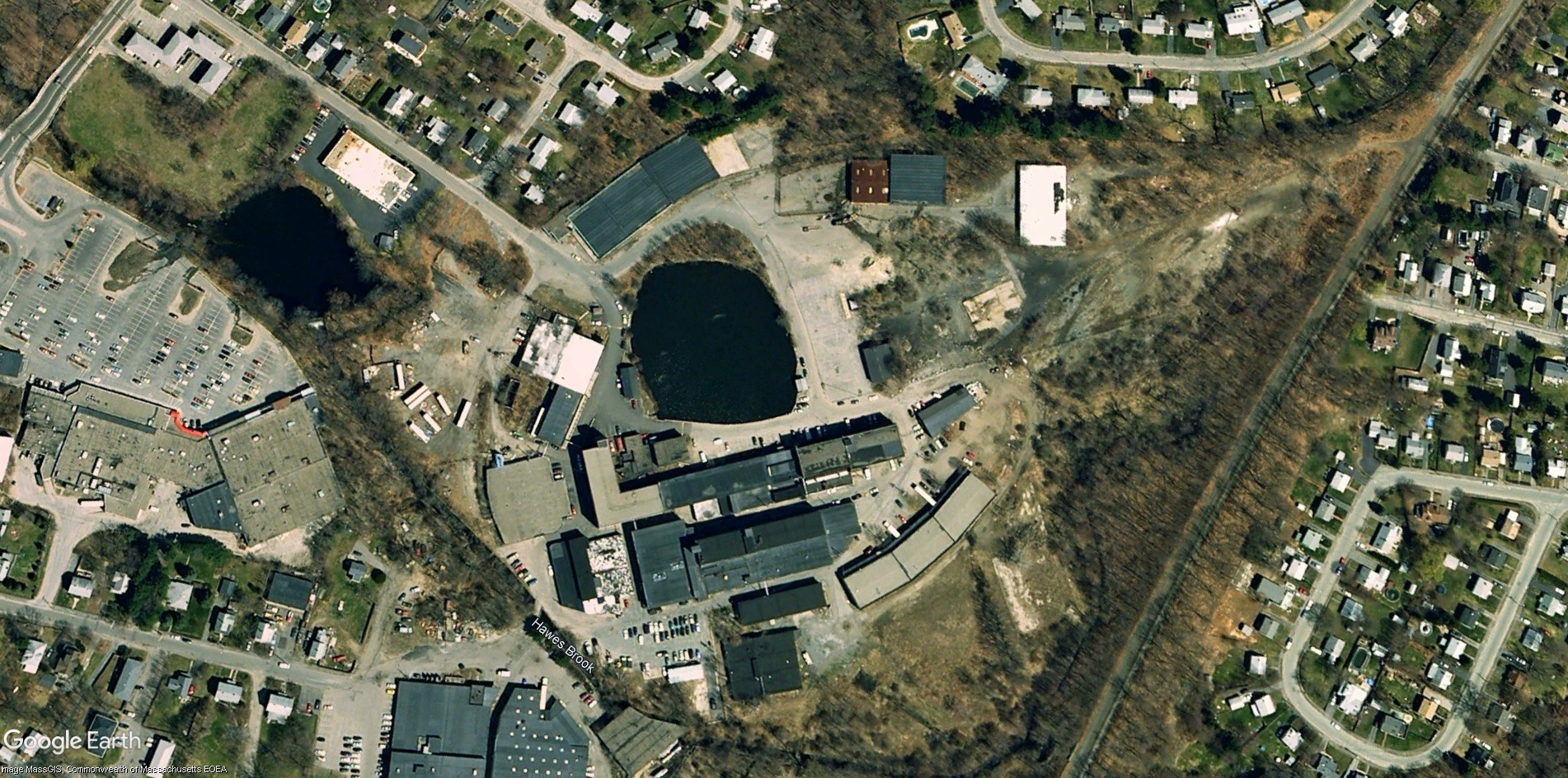
GZA’s expertise has also directly served its home region through high-profile local projects, such as the cleanup and ongoing monitoring of the Grant Gear Superfund site along Route 1 in Norwood. The former manufacturing facility had accumulated large quantities of carcinogenic PCBs in the ground adjacent to a residential neighborhood, prompting a major remediation effort led by GZA in 1998 and 1999, with long-term monitoring continuing years later.
Reflecting on how the industry has transformed over the decades, Beloff highlighted the shift toward risk-based standards rather than rigid numerical thresholds. Under modern protocols, remediation targets are calculated through rigorous human health and environmental risk assessments tailored to specific land uses—evaluating, for instance, how a contaminant might impact a young child playing in a proposed park versus an adult in an industrial setting. (Reporting by Kaitlin Keane, The Patriot Ledger).
Archival Note: This article has been dynamically reconstructed from the original public record print archives of the Patriot Ledger
More…
-
Zimble Co. Owners Address Noise and Air Pollution Complaints at Planning Board Meeting-August 16, 1972
Responding to resident complaints at a planning board meeting, Mitchell Zimble announced that the J. Zimble Co. scrap metal plant is implementing machinery adjustments to reduce noise.
-
Bird & Son Issued Two Pollution Citations-July 19, 1971
On a sweltering summer day in July 1971, the residents of Norwood, Massachusetts, were abuzz with concerns about air pollution. The local newspaper, The Patriot Ledger, reported on the issuance of two citations to Bird & Son, Inc., a prominent industrial firm in the area, for violating state regulations regarding smoke and odor emissions. The…

-
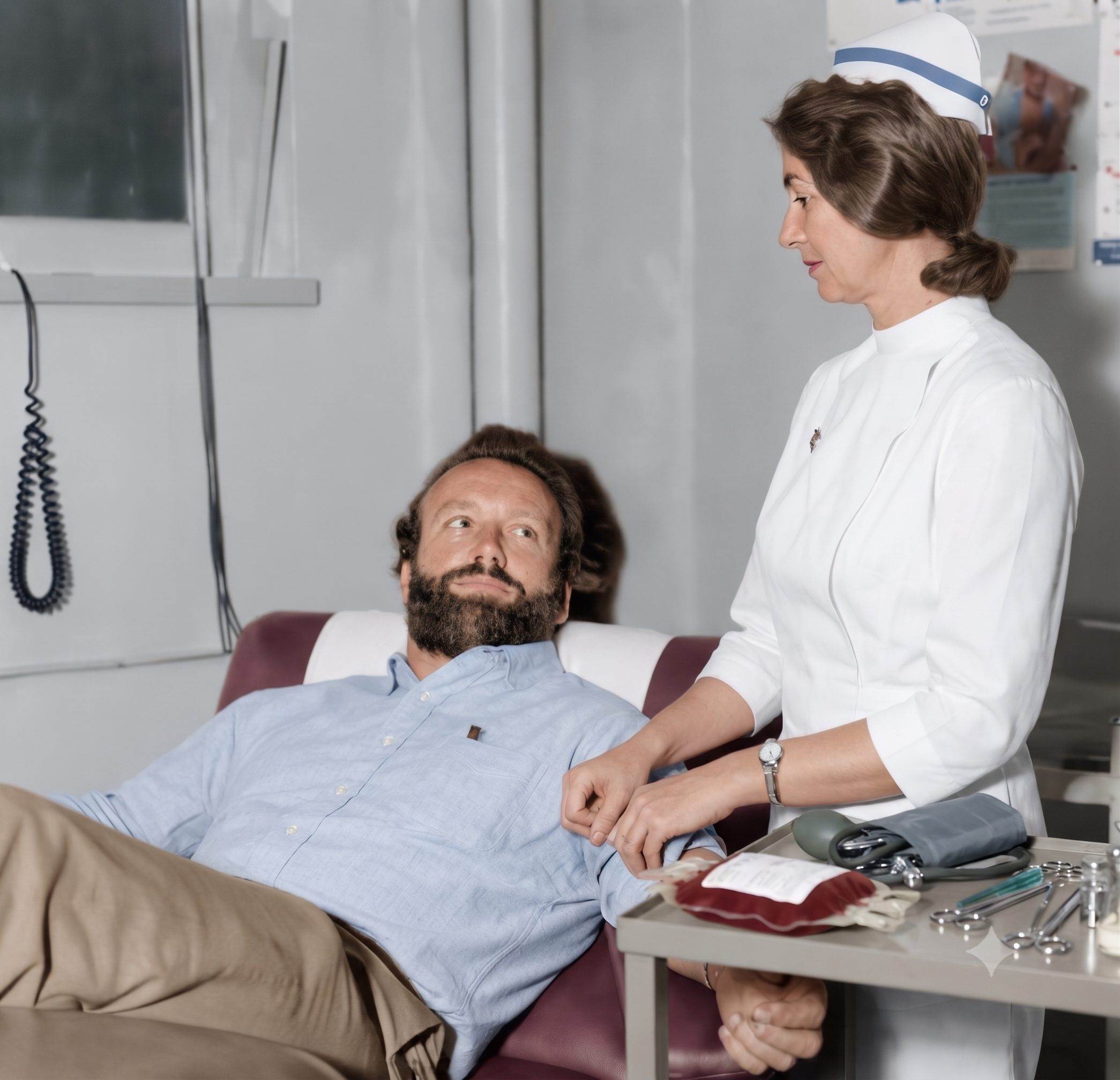
Norwood Hospital Keeps Up With Blood Needs-July 8, 1969
Learn how Norwood Hospital’s unique “suggested cooperation” maternity blood donation policy solved critical supply shortages that plagued other area medical facilities in the late 1960s.
-
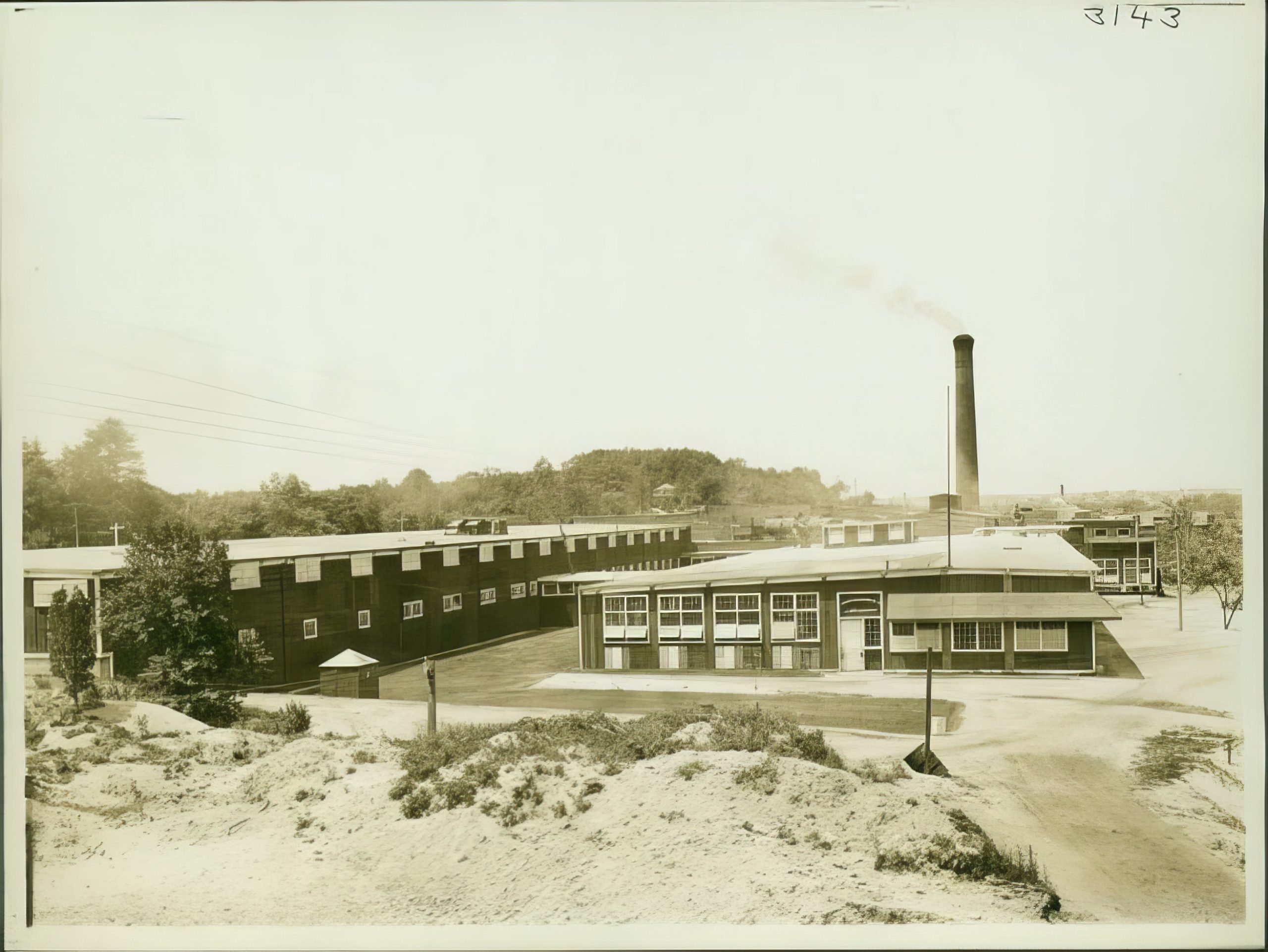
State Health Officials Back Norwood Board of Health in Drive to Curb Neponset River Industrial Pollution-August 11, 1966
The State Department of Public Health backed Norwood Health Director Bartley J. King in organizing talks with Bird & Son and Hollingsworth & Vose to curb industrial paper pulp waste polluting the Neponset River.
-
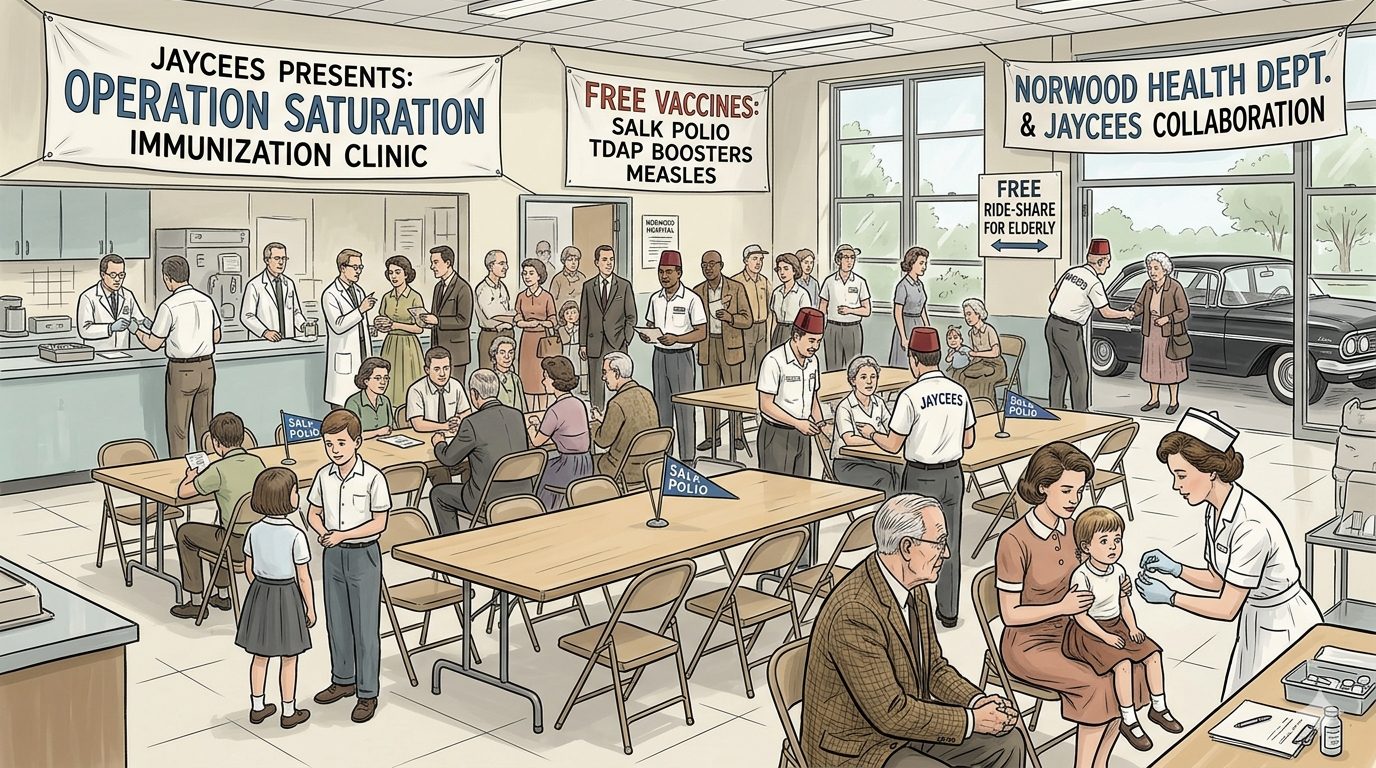
Jaycees’ “Operation Saturation”-April 22, 1964
Jaycees’ “Operation Saturation” Aims to Broaden Community Immunity On this day in 1964, the Norwood Junior Chamber of Commerce (the Jaycees), in a powerful display of community engagement and public service, made a final plea to residents: protect yourself and the town by attending the upcoming “Operation Saturation” immunization clinic. This local push was part…
-
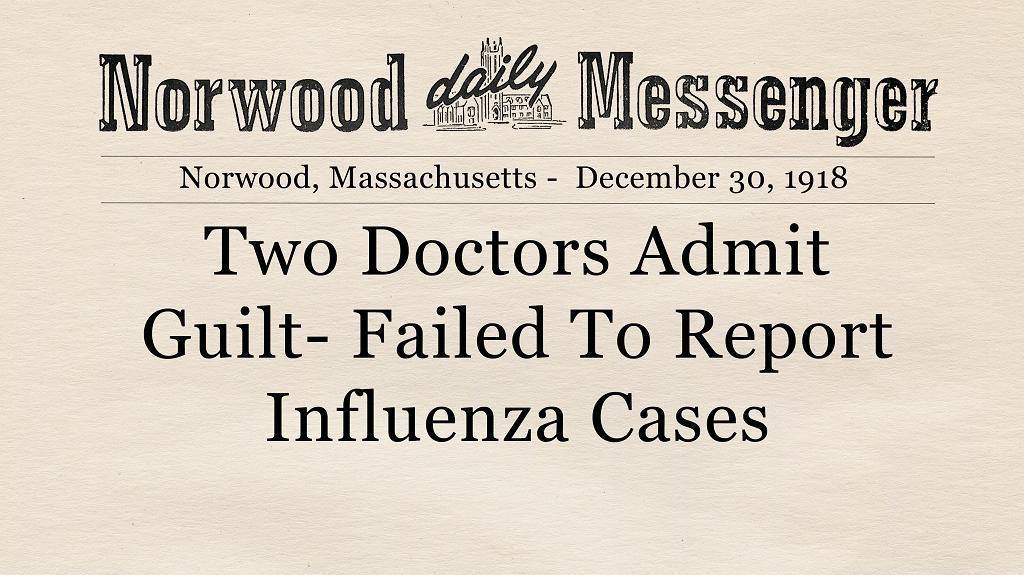
Two Doctors Admit Guilt- Failed To Report Influenza Cases-This Day In Norwood History-December 30, 1918
Another Cleared by Court DEDHAM, Dec 30— Dr. Clement Hollowell and Dr. Richard E. Winslow, both of Norwood, were arraigned in the District Court before Judge Emory Grover this morning and both pleaded guilty to failing to notify about influenza cases. Their cases were placed on file. Dr. George Klein, also of Norwood, was in…
Discover more from Norwood Historical Society
Subscribe to get the latest posts sent to your email.