
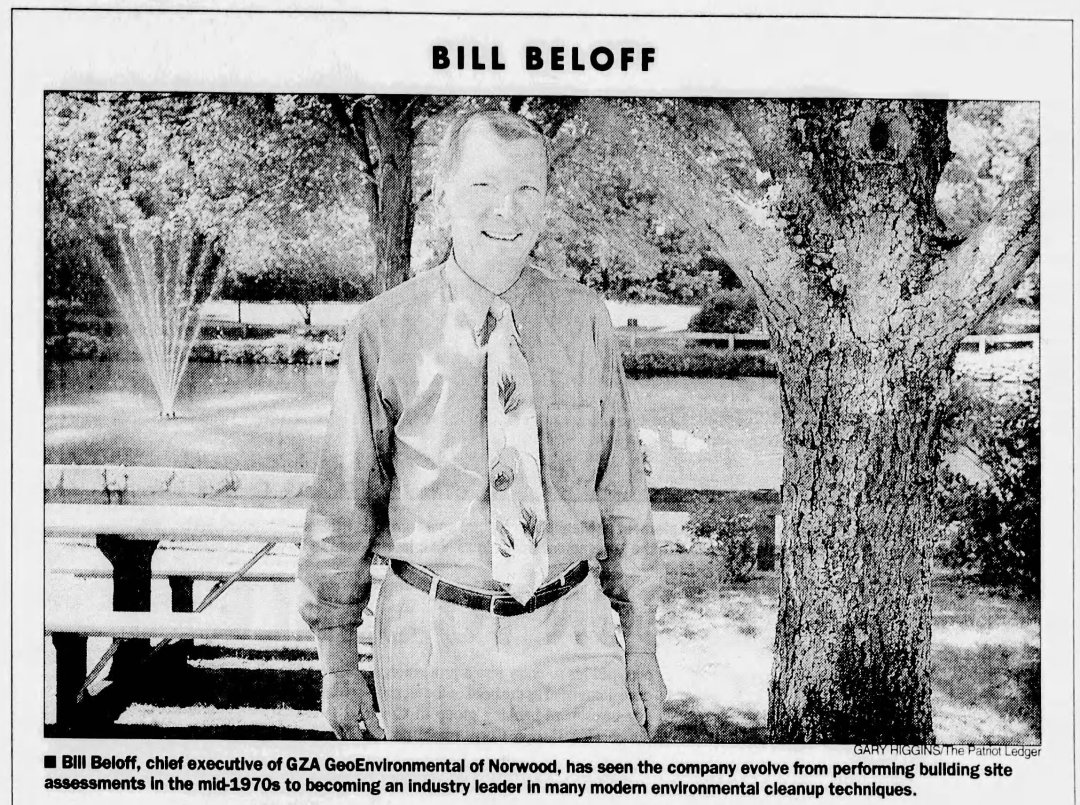
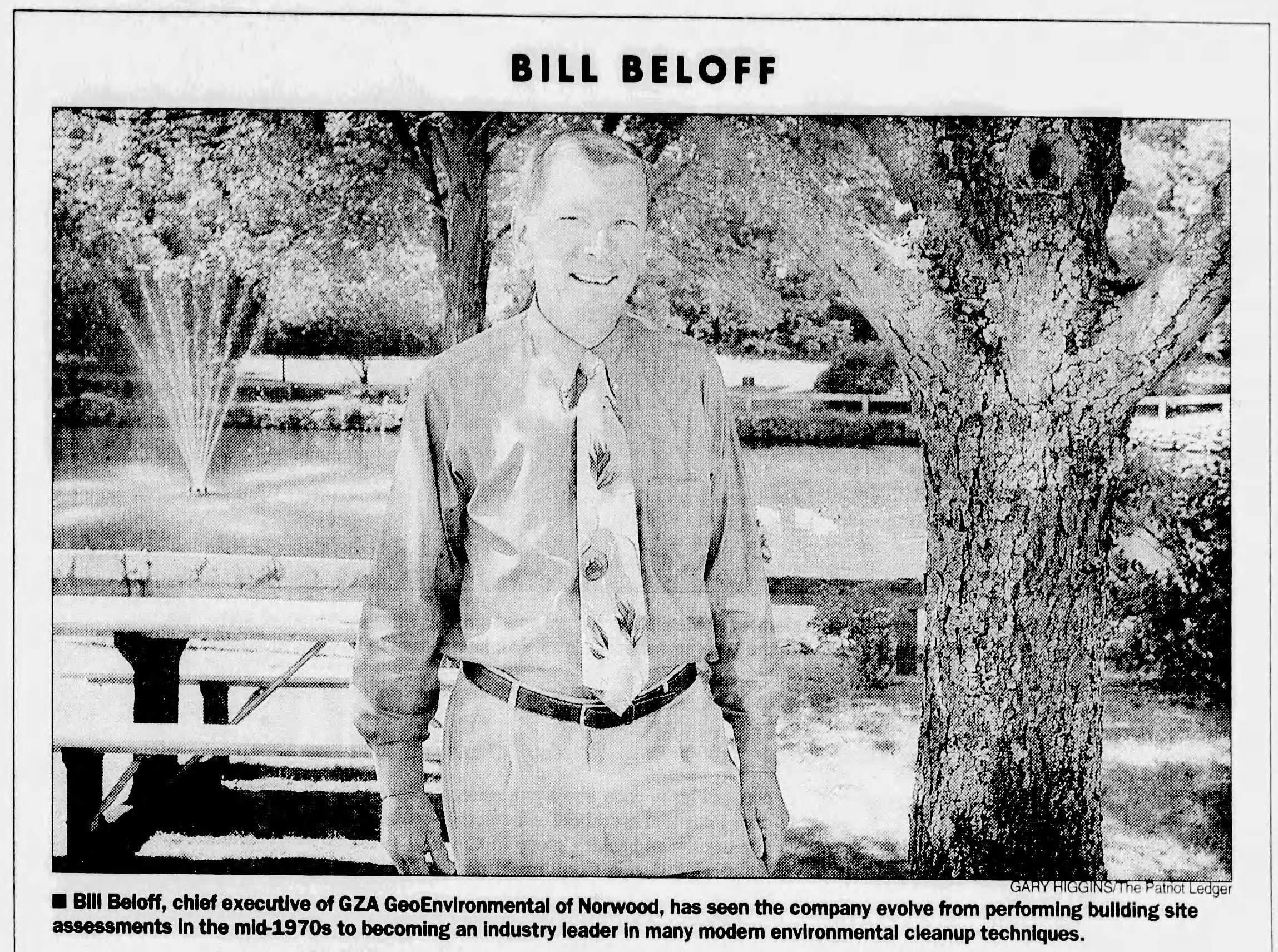
From its roots performing building site assessments in the mid-1970s, GZA GeoEnvironmental Inc. has evolved into a premier national force in the environmental cleanup and pollution remediation industry. Headquartered in Norwood, the firm employs approximately 500 professionals—including engineers, biologists, toxicologists, and human health assessors—across 22 offices nationwide, with nearly 200 personnel based in eastern Massachusetts.
Led by president and CEO Bill Beloff, who joined the company as a foundation engineer in 1974 and took the helm in 2000, GZA expanded rapidly following the enactment of federal Superfund legislation in 1980. While maintaining its strong footprint in the Northeast, the firm has established growing offices in regions like New York and New Jersey to meet mounting demands for environmental assessment and brownfield redevelopment.
Brownfield Redevelopment and Remediation Techniques
GZA’s core operations frequently involve remediating former industrial manufacturing facilities that have left behind legacies of soil and groundwater contamination. As Beloff noted, much of the industry’s modern work is driven by the urgent need to reuse abandoned urban parcels—such as old mills dating from the 1700s to the 1900s—and transform them into mixed-use residential and commercial spaces. A prominent local example cited by Beloff is the massive redevelopment of the former industrial shipyard in Hingham into a mixed-use retail and housing complex, where GZA assisted developers in managing soil lead contamination to clear the way for construction.
To tackle complex contaminants, GZA employs advanced remediation methodologies, including bioremediation. This innovative technique introduces specific microorganisms into the ground to consume pollutants. Once the contamination is gone and their food supply is exhausted, the microbes naturally die off, providing an efficient and cost-effective cleanup solution. Unlike emergency spill response contractors such as Norwell-based Clean Harbors, GZA specializes in long-term site assessments, human health risk analyses, and regulatory compliance. Notably, the firm previously held a 10-year response contract managing unexpected hazardous materials uncovered during construction on Boston’s Central Artery “Big Dig” project.
Local Impact: The Grant Gear Superfund Site
GZA’s expertise has also directly served its home region through high-profile local projects, such as the cleanup and ongoing monitoring of the Grant Gear Superfund site along Route 1 in Norwood. The former manufacturing facility had accumulated large quantities of carcinogenic PCBs in the ground adjacent to a residential neighborhood, prompting a major remediation effort led by GZA in 1998 and 1999, with long-term monitoring continuing years later.
Reflecting on how the industry has transformed over the decades, Beloff highlighted the shift toward risk-based standards rather than rigid numerical thresholds. Under modern protocols, remediation targets are calculated through rigorous human health and environmental risk assessments tailored to specific land uses—evaluating, for instance, how a contaminant might impact a young child playing in a proposed park versus an adult in an industrial setting. (Reporting by Kaitlin Keane, The Patriot Ledger).
Archival Note: This article has been dynamically reconstructed from the original public record print archives of the Patriot Ledger
More…
-
DPH Reports Normal PCB Blood Test Results for 90 Norwood Residents-August 12, 1983
State health officials announced that blood tests for 90 Norwood residents living near a Route 1 toxic site showed normal PCB levels well within safe ranges.

-
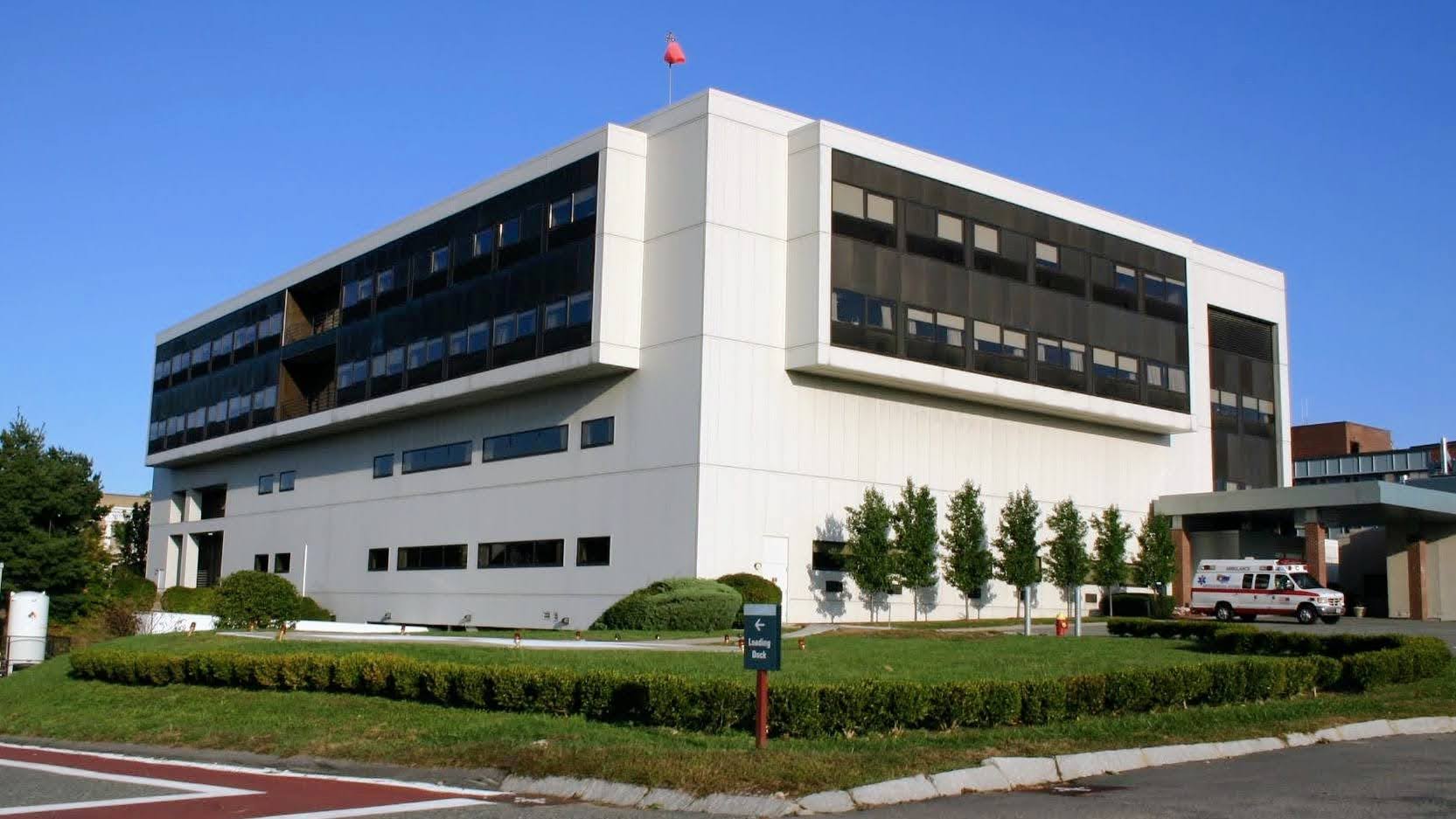
Norwood Hospital’s Response to PCBs Case Praised-July 29, 1983
Norwood Hospital addressed community concerns regarding the effects of toxic wastes. The hospital’s swift action and provision of facilities for sampling blood from residents earned praise from State Health Commissioner Bailus Walker Jr. In a letter to David Kinzer, president of the Massachusetts Hospital Association, Walker emphasized the importance of hospitals taking proactive measures to…
-
Norwood Hospital Stroke Club Hosts Second Annual Clambake-August 11, 1981
Surrounded by family and friends, the Norwood Hospital Stroke Club celebrated its second annual clambake in Sharon, highlighting community support, rehabilitation milestones, and the upcoming opening of a new hospital stroke unit.

-
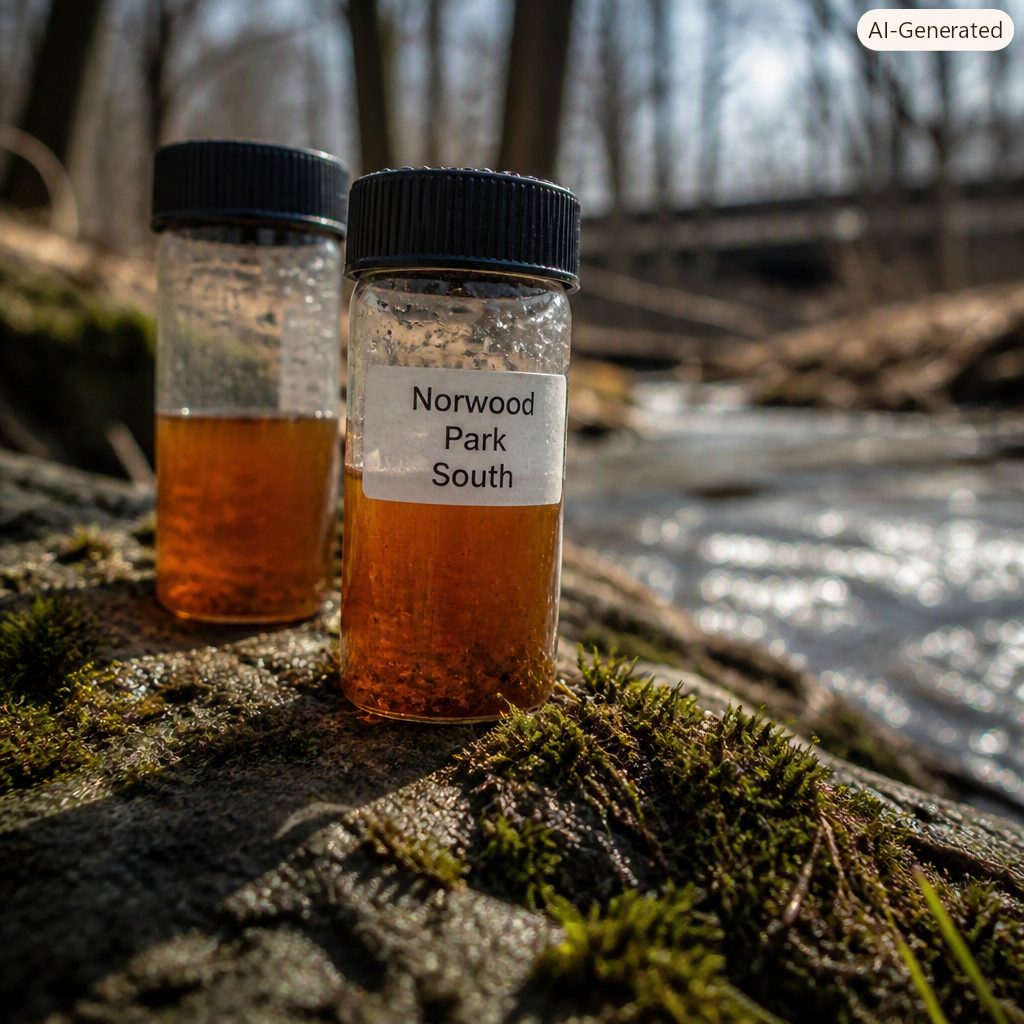
State DEQE Confirms Seepage is Harmless-July 29, 1981
The state DEQE confirmed that orange-colored seepage at Norwood Park South is harmless iron leachate originating from decades of former waste disposal by Bird and Son Co.
-
School Committeeman Pentowski Leads Push to Ban Smoking at Board Meetings-July 23, 1980
Norwood School Committee member Joseph Pentowski is continuing his fight to ban smoking during board meetings, citing health and student example concerns.
-
Norwood Teens Answer Blood Drive Challenge at First Congregational Church-August 8, 1978
Norwood teenagers challenged adult residents to a summer blood drive at the First Congregational Church, rallying 68 donors despite rainy weather.

-
Norwood Visiting Nurses Association Champions Home Care and Expands Community Services-October 24, 1977
Celebrating a legacy dating back to 1906, the Norwood Visiting Nurses Association provides comprehensive home healthcare, medical equipment loans, and free monthly wellness clinics.

-
Board of Health Reverses Decision and Agrees to Release Food Service Establishment Inspection Reports-September 13, 1977
Norwood Board of Health votes unanimously to release food service establishment inspection reports to the press following a ruling by state public records officials.

-
Norwood Health Board Clashes With Director Over Restaurant Inspections-August 23, 1977
Norwood Health Board Chairman Kenneth Webber criticizes Public Health Director Bartley King over faulty restaurant inspection logs.

-
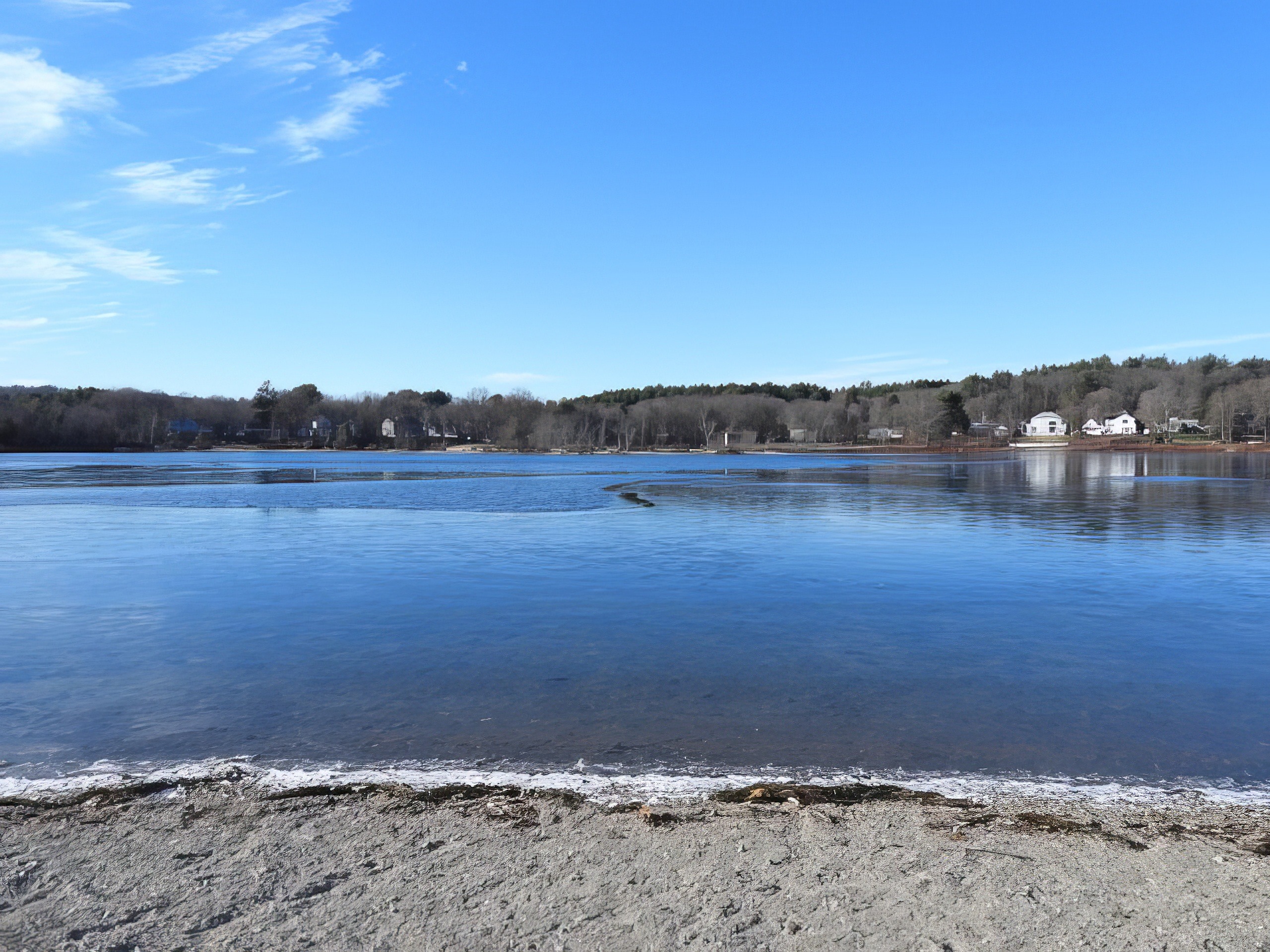
Norwood Approves Final Draft of Buckmaster Pond Agreement With Westwood-August 21, 1974
The Norwood Board of Selectmen approved a final pact draft for Buckmaster Pond, retaining water rights dating to the 1880s while allowing Westwood recreational easements in exchange for full property maintenance.
Discover more from Norwood Historical Society
Subscribe to get the latest posts sent to your email.