
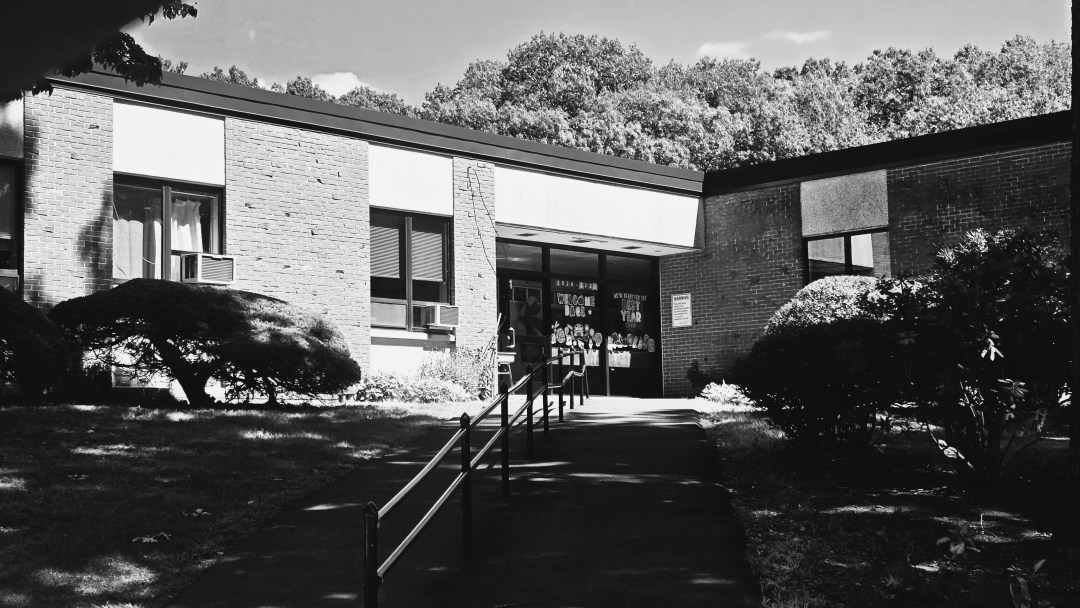
Enrollment and Space Questions Revive Closing Debate-October 18, 1979
The future of the George F. Willett School is back under intense scrutiny. Although the School Committee voted on January 17 to shutter the facility in 1980, School Superintendent Louis J. Taris told the committee last night that the timeline might be flexible.
“The timing hinges on whether enrollment and space considerations warrant it,” Taris stated, instantly reviving an emotional community debate and sparking renewed hopes, fears, and political maneuvering among local families.
Parents representing the Cleveland, Willett, Oldham, and Callahan schools packed last night’s committee meeting, waiting patiently through routine administrative business for any official word on the school’s fate. Taris announced he would deliver a final recommendation to the committee on October 31, following personal visits to every elementary school in town to evaluate classroom space utilization firsthand.
The announcement caught leadership off guard. “The committee voted to close the Willett. Are you saying that decision could change?” asked Committee Chairman Rudith Berkowitz, registering clear surprise.
“No, the decision stands, but I want to be sure we are not crushing school programs by overcrowding,” Taris clarified. “The question now is ‘when’ as far as closing the second school is concerned.”
Under the same January vote, the Aaron Guild School was successfully closed in June. Taris explained that subsequent discussions among the committee revealed an apparent consensus that the exact timing of the Willett closure should depend on enrollment shifts and available space. He is currently auditing the effects of redistricting former Guild students to neighboring facilities to assess the true capacity situation.
Capacity Concerns and Logistical Hurdles-October 18, 1979
Committee Member Joseph M. Pentowski weighed in on the superintendent’s remarks, noting, “If there are space crunches, we could defer our action for a year or two.”
Initial plans suggested relocating Willett students into the Cleveland School, but Taris revealed that the Cleveland is already operating at maximum capacity. Observers following the meeting pointed out that room at the Cleveland has grown severely limited since displaced Guild students were redistricted there. Meanwhile, Committee Member Richard Joseph urged Taris to explore alternative cost-saving measures, suggesting the closure of the Winslow School administration building instead.
Under the original January vote, the committee gave firm assurances that the Willett School, once closed, would not be repurposed for any public school-related use, with Taris previously confirming it would not house the school administration.
Additional School Committee Actions-October 18, 1979
Beyond the contentious school closing debate, the committee handled several other key items of business:
- Teacher Contracts: Formally signed the 1979-80 labor contract with the Norwood Teachers’ Association and agreed to immediately commence negotiations for the 1980-81 school year.
- Staff Appointments: Voted to hire two new instructional aides—Sandra Barner for a Prescott School first-grade classroom, and Carol Powers for kindergarten and second grade at the Willett School. Committee Member William J. Pudsey abstained from the vote because Sandra Barner is his sister.
- Grievance Hearings: Reached an agreement with the Norwood Teachers’ Association to conduct all future grievance hearings in executive session. In exchange, the teachers’ association agreed to drop pending charges of unfair labor practices previously filed against the committee regarding a grievance heard in an open session.
Archival Note: This article has been dynamically reconstructed from the original public record print archives of the Patriot Ledger
-
School Committee Reviews Standardized Test Results-September 18, 1975

Norwood School Committee reviews standardized test results, prompting officials to push for a return to basics in math and language skills across all grade levels.
-
Norwood Faces Fiscal Crunch Under Chapter 766 Special Education Mandates-August 28, 1975

School officials report that Norwood’s special education program faces a funding shortfall under state Chapter 766 mandates, prompting legal review and contract awards.
-
Norwood School Committee Approves Balch School Remedial Class and Eight-Period High School Day-July 31, 1975

The Norwood School Committee approved a pilot transitional first grade and modified kindergarten at Balch School to address kindergarten screening results and language needs.
-
School Committee Approves Shortened High School Day Format-July 16, 1975
The school committee of Norwood last night all but formally approved a switch to a shorter, eight-period day for the high school. The decision was made in response to a request from absent member Richard Joseph, who asked that the board defer its official vote on the plan until its next regular meeting in two…
-
Quality is The Main Ingredient: Inside the Henry O. Peabody School Culinary Arts Program-October 7, 1974
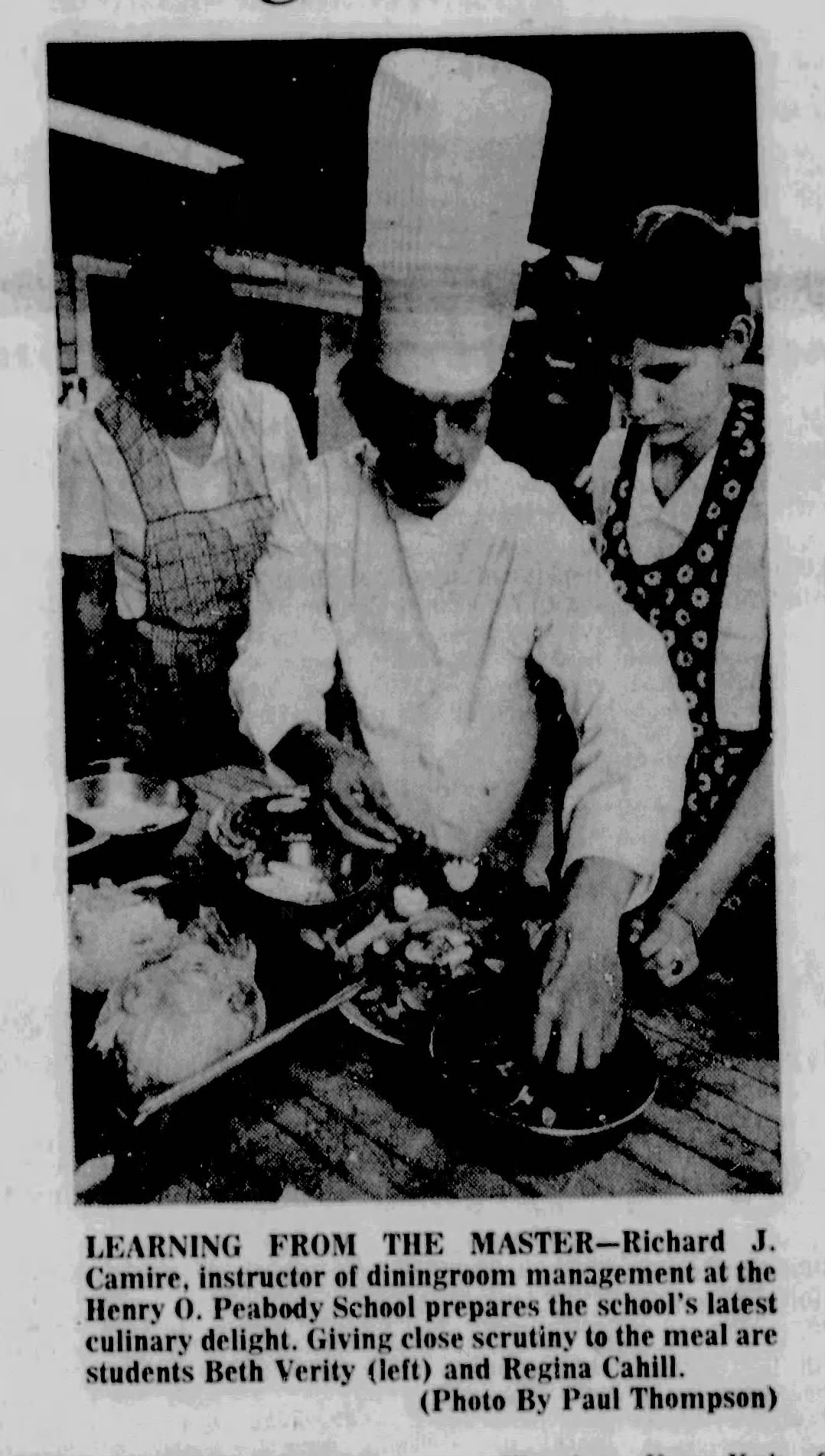
An inside look at the Henry O. Peabody School culinary arts program under instructor Richard J. Camire, featuring affordable student-cooked meals and a popular public bakery.
-
Willett School Overcrowding And Parent Protests-September 5, 1974
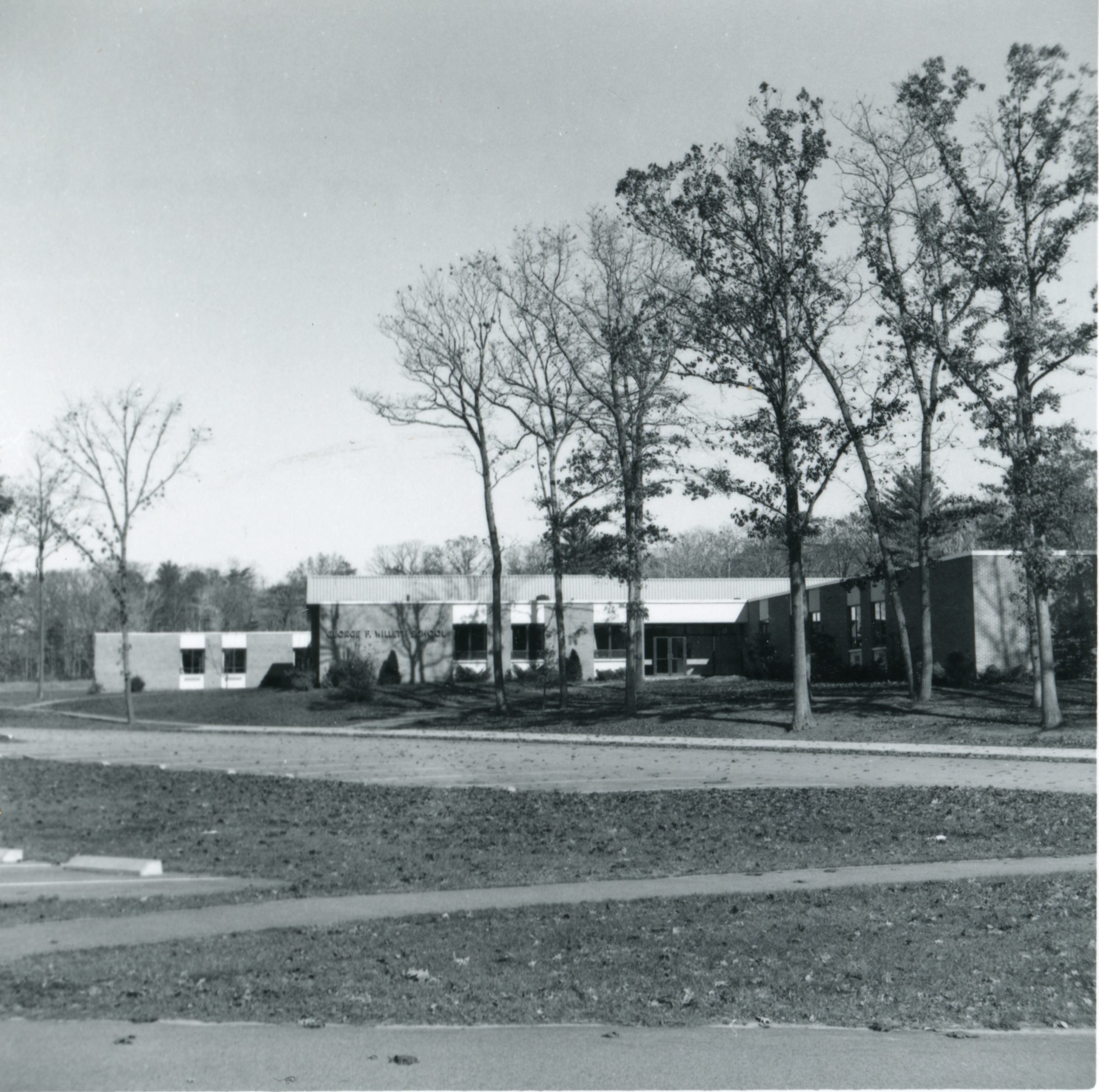
Angry parents confront the Norwood School Committee over severe overcrowding at the Willett School, while officials address elementary enrollment spikes and pedestrian safety.
-
Youth Enriched at Summer School-August 13, 1974
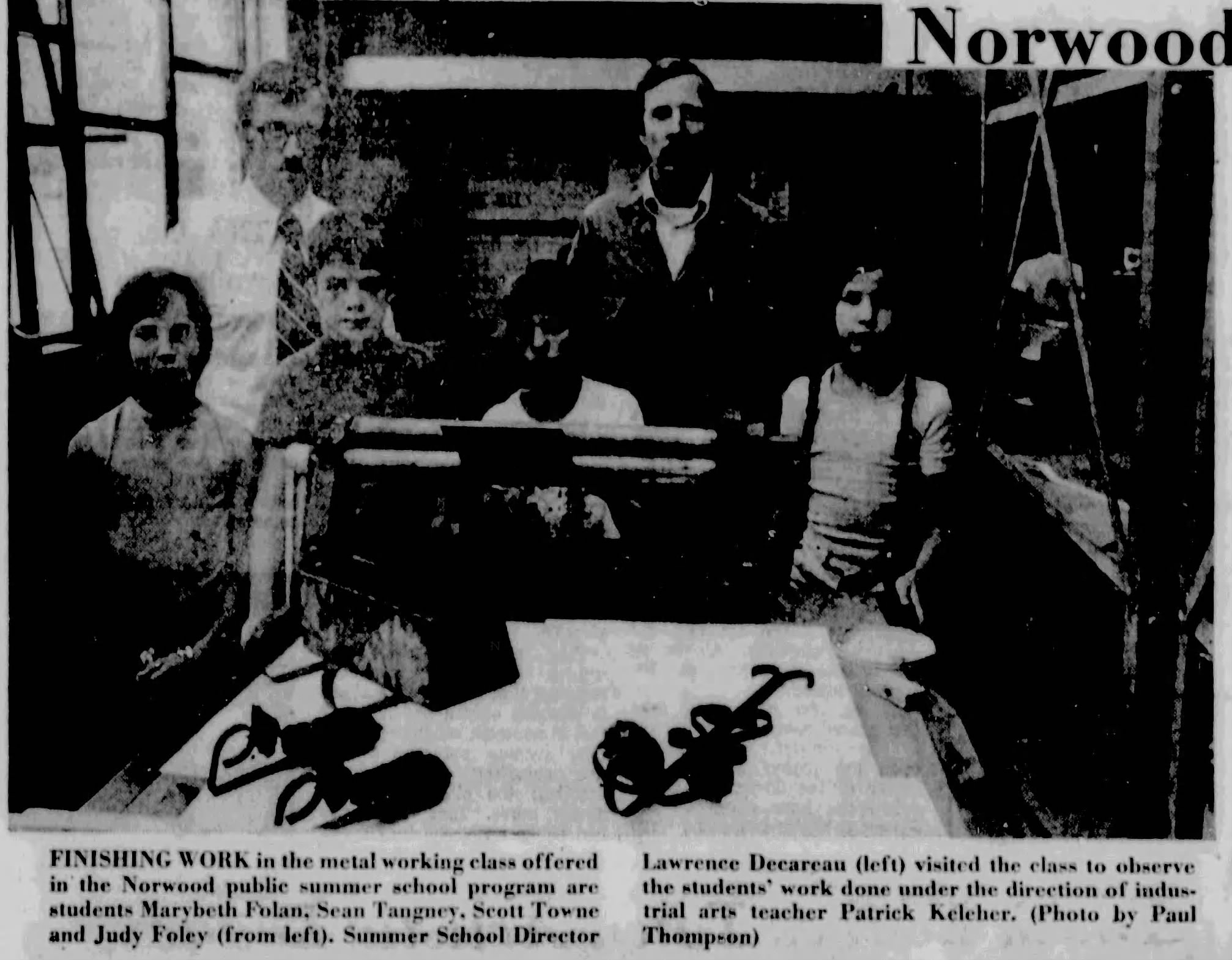
Directing over 600 local students, Norwood’s public summer school program completed its 30-day session, highlighting strong popularity for enrichment classes in arts and trades alongside vital remedial and special education tutoring.
-
Norwood School Committee Votes to Relocate School Administration Offices-August 1, 1974
The Norwood School Committee voted 5-2 to relocate central school administration offices to the Winslow School, pending cost estimates from Superintendent Philip O. Coakley.
-
Uncertainty Looms Over Norwood Junior High South Opening Date-July 12, 1974
After three years of double sessions following a 1971 fire, Norwood officials faced the possibility of further delays for the new Junior High South.
-
Unfinished Junior High To Open On Schedule-July 8, 1974

Discover the construction history of the $4.5 million Junior High South project in 1974, detailing the challenges faced during the transition from the old Washington Street school.
Discover more from Norwood Historical Society
Subscribe to get the latest posts sent to your email.