

Building Committee Spokesman Thomas C. Duffy Rejects Civic Pool Proposal and Urges Action on $142,000 Nahatan Street Community Center
NORWOOD – After more than 16 years of fundraising and debate, the long-delayed fate of a municipal fund totaling more than $95,000 (cited in photo captions as exceeding $96,000)—collected to honor Norwood’s World War II veterans—approached a decisive showdown in November 1962 ahead of a scheduled November 27 joint meeting between the Norwood Board of Selectmen and the Veterans’ Memorial Fund Study Committee. Reported in The Patriot Ledger on Monday, November 19, 1962, the study panel stood firmly behind the fund’s original mission: constructing a dedicated community memorial building at Dunn’s Field on Nahatan Street, even as Finance Commissioner George T. Mahoney and other townspeople promoted alternative uses ranging from upgrading the swimming pool at the Norwood Civic Building to donating the funds to Norwood Hospital or improving beach facilities at New Pond.
Speaking during an interview at his Cushing Road home on Saturday, November 17, building committee spokesman Thomas C. Duffy insisted his group would not abandon the donor mandate established when fundraising began in 1945-1946: “We owe it to the hundreds of persons who have donated to the fund since its inception in 1945-46.” Duffy recounted that on June 6, 1946, a group of prominent residents organized as the Norwood Veterans Memorial Building Committee circulated a letter proposing a permanent tribute to the 61 local boys who lost their lives during World War II. Originally envisioned as a two-story structure housing an auditorium, meeting rooms, and headquarters for the American Legion and Veterans of Foreign Wars (VFW), the project stalled over the years because rising construction costs outpaced initial donations.
In 1960, at the suggestion of selectmen, the Town Moderator appointed a seven-member study committee—comprising two members of the original veterans committee, two from the Veterans’ Council, and three at-large citizens—to chart a path forward using roughly $70,000 collected in cash (plus accrued interest pushing the total past $95,000) and $9,000 in outstanding pledges. Concluding that municipal tax support would be required to launch construction, the study group broadened the proposed Nahatan Street building into a general civic center serving all local organizations. Out of roughly 100 questionnaires sent to local clubs, 26 responded affirmatively—including the Boy Scouts, Girl Scouts, CYO, DeMolay, League of Women Voters, Democratic and Republican Clubs, Senior Citizens, and the Kiwanis Club—while 14 reported no need for space and the remainder did not reply. Current architectural estimates placed construction costs at $142,000, with annual operating expenses projected around $8,800, though Special Town Meeting had recently indefinitely postponed Article 19, which sought town matching funds to begin building.
Duffy sharply rejected Finance Commissioner Mahoney’s proposal to divert the memorial fund toward renovating the Civic Building swimming pool: “Pool improvements will only scratch the surface. The building is in poor condition. There are no dressing room facilities. I think it would cost $50-to-$60,000 to come up with the proper facilities and the town would still have an old building on its hands.” While willing to add a gymnasium if voters demanded it, Duffy questioned the need—noting Norwood had recently spent over $1 million on a high school addition featuring a new gym, and pointing out that while 150 boys tried out for football out of 600 students in 1932, far fewer turned out in 1962 despite enrollment reaching 1,400.
Calling it “a disgrace not to have a permanent tribute to World War II veterans” when Norwood Memorial Municipal Building displayed plaques honoring war dead from the American Revolution through World War I, Duffy also voiced frustration that study committee chairman Edward L. Fitzgerald had been inactive and “apparently dumped the responsibility in my lap.” Duffy stated he would contact Fitzgerald that week and was prepared to take over chairmanship himself to rally the committee before the November 27 selectmen’s meeting “in an effort to force the issue.”
1962 Veterans’ Memorial Building Figures Adjusted to 2026 Dollars & Site Legacy
Inflation-adjusted using U.S. Bureau of Labor Statistics CPI data ($1.00 in Nov. 1962 ≈ $10.72 in 2026)
| 1962 Memorial Fund / Construction Item | 1962 Amount | 2026 Equivalent |
|---|---|---|
| Estimated Veterans’ Memorial Building Construction Cost | $142,000 | ~$1,522,240 |
| Veterans’ Memorial Fund Balance (Cash + Interest) | ~$95,000–$96,000+ | ~$1,018,400–$1,029,120+ |
| Estimated Civic Building Pool Renovation Cost | $50,000–$60,000 | ~$536,000–$643,200 |
| Projected Annual Memorial Building Operating Cost | $8,800 / yr | ~$94,336 / yr |
Archival Note: This article has been dynamically reconstructed from the original public record print archives of the Patriot Ledger
-
Monument to Ancient Order of Hibernians Unveiled-This Day in Norwood History-May 31, 1915
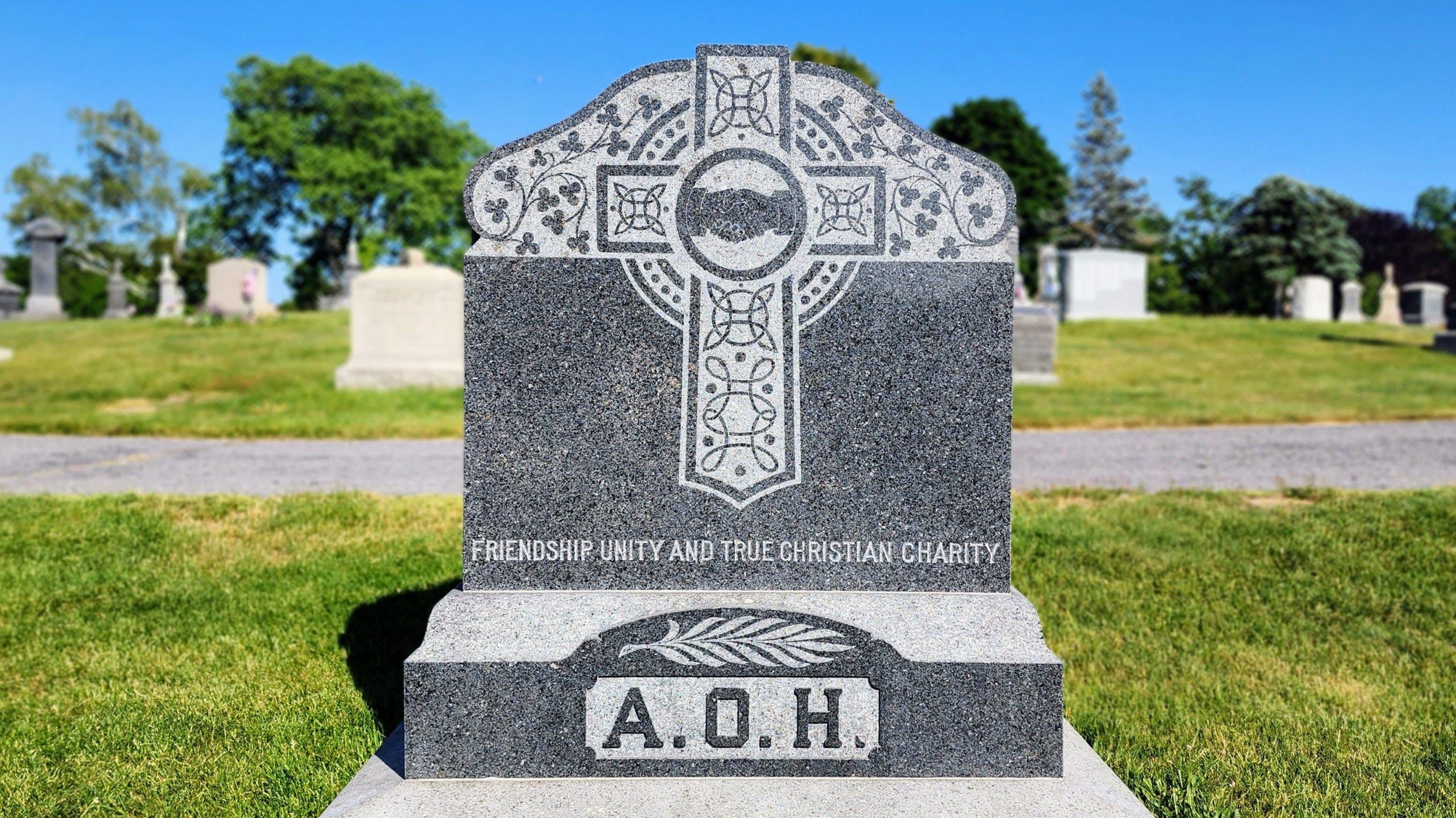
This Day in Norwood History-May 31, 1915- A monument to the Ancient Order of Hibernians, the first Society organized after Norwood became its own town, was unveiled at Highland Cemetery.
-
Guild Monument Unveiled at Norwood-This Day in Norwood History-July 30, 1903

This Day in Norwood History- July 30, 1903-Guild Monument Unveiled at Norwood
-
Norwood’s First Old Home Week Begins-This Day In Norwood History-July 28, 1903
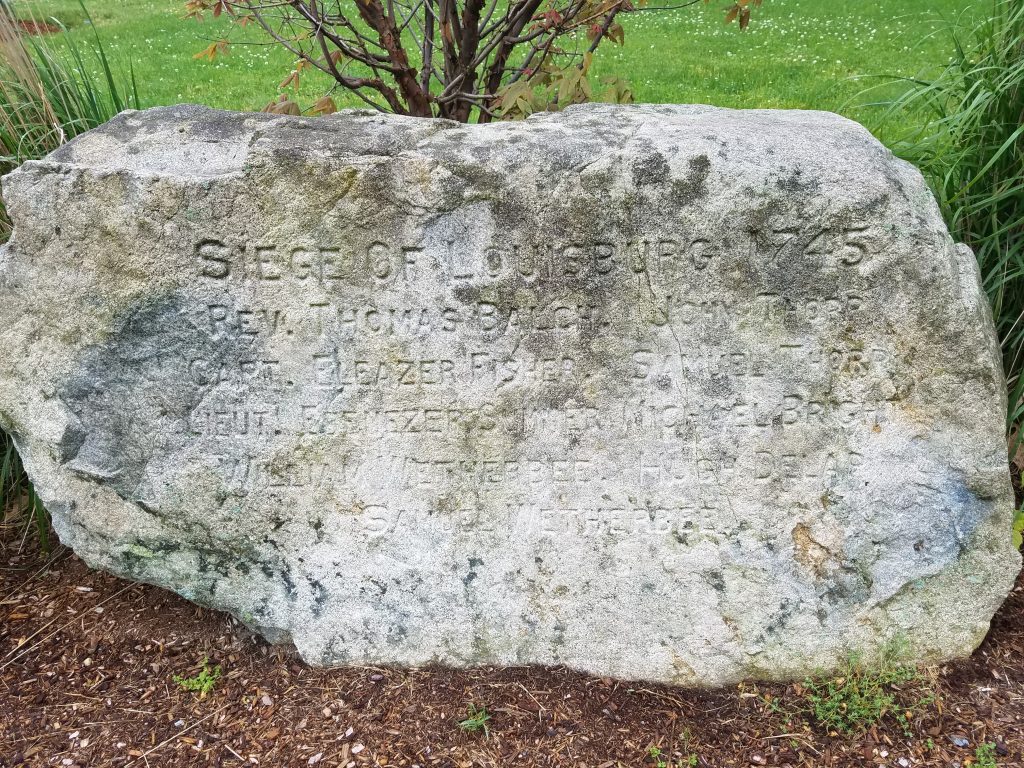
July 28, 1903—Today and tomorrow Norwood will celebrate old-home week, the celebration opening with…
Discover more from Norwood Historical Society
Subscribe to get the latest posts sent to your email.