
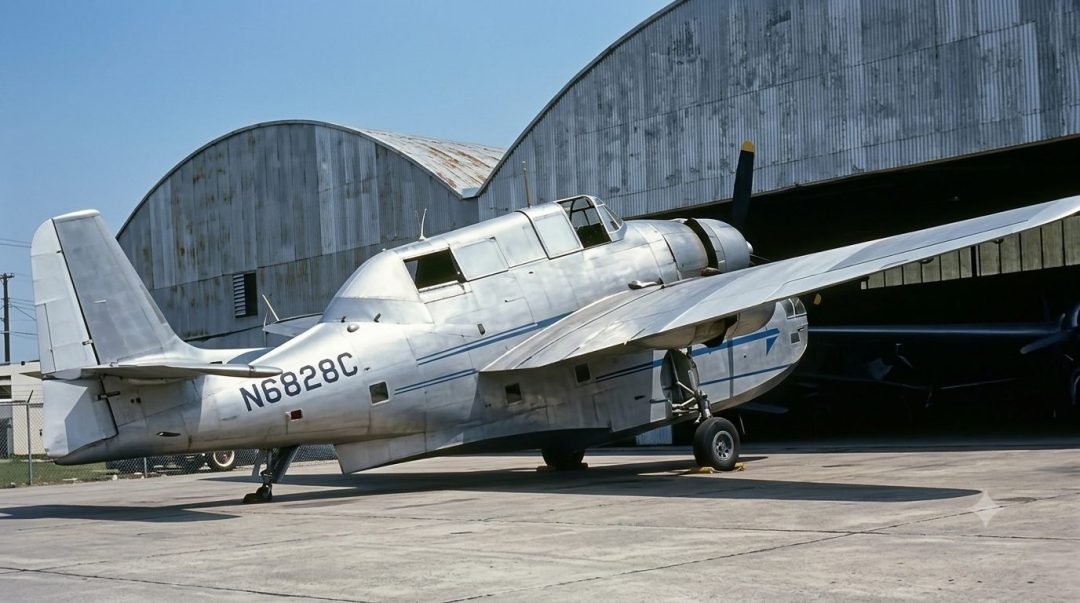
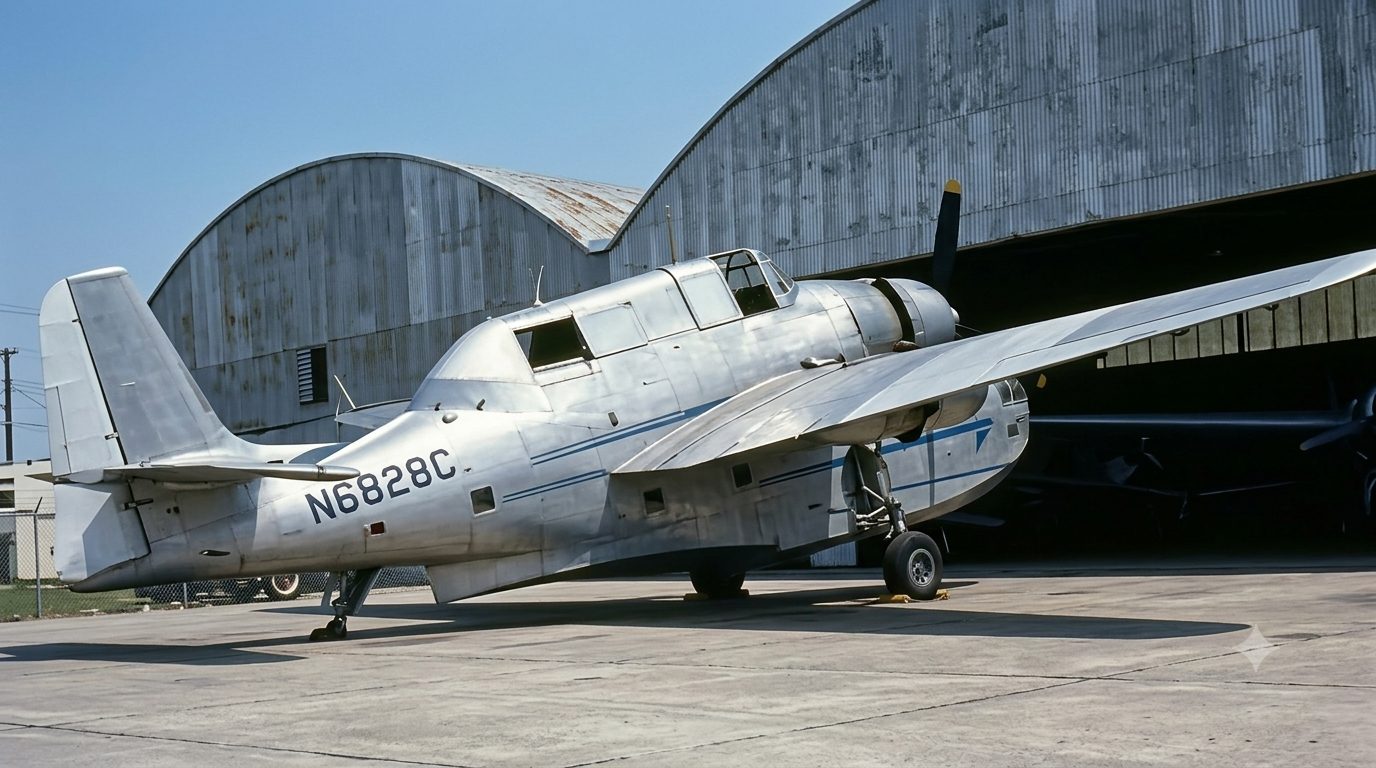
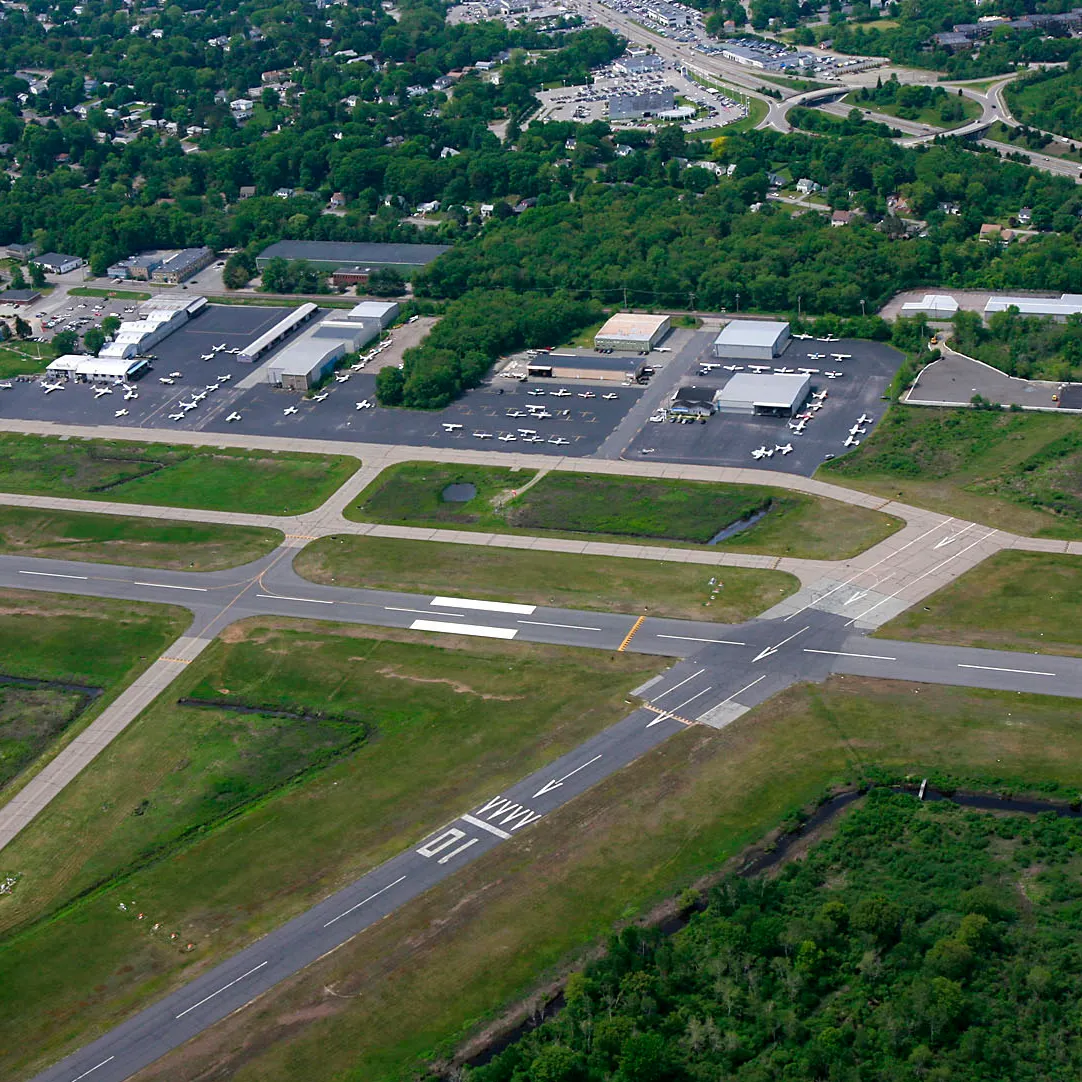
On July 23, 1965, a unique aviation spectacle was underway at Norwood Airport, where a converted World War II torpedo bomber affectionately nicknamed the “Nice Old Lady” was undergoing final preparations for a grueling 26-hour transatlantic flight to Athens, Greece. The aircraft, a former Grumman vintage bomber weighing in at a bulky nine tons, was extensively serviced by technicians at the Wiggins Airways installation. Once it arrives at its overseas destination, the heavy plane will be deployed for agricultural crop fertilizing and olive spraying by a Greek firm. While the bustling airstrip in the Neponset Meadows had previously served as a frequent departure point for smaller private craft being ferried across oceans by veteran pilot Walter “Walt” Moody of Lock Haven, Pennsylvania, this marked the airport’s very first direct flight to Athens.
Walter “Walt” Moody, a 48-year-old former World War II B-17 pilot with an impressive background of 611 ocean ferry trips under his belt, expressed deep respect for the rugged warbird. “She’s awkward looking to the point of ugliness and looks every inch of her nine tons,” reporter Marilyn Niering observed, contrasting the heavy bomber against the trim Piper models typically serviced at the field. To prepare the aircraft for the immense journey, the Wiggins Airways crew—led by service manager Fred Valentine—resealed the plane’s massive fuel tanks (originally utilized as a torpedo bay), installed portable radio gear, and resolved minor electrical issues. The modified bomber was outfitted to carry 1,300 gallons of fuel and a 40-gallon auxiliary oil tank to support the engine, which consumed roughly three and a half gallons of oil per hour.
Piloting the heavy machine required considerable physical exertion, with Walter “Walt” Moody noting that flying the unpowered controls demanded heavy muscle force compared to standard light aircraft. His itinerary involved a single refueled stop at Santa Maria in the Azores, covering a distance three times the normal operating range of the aircraft, while the pilot himself planned to survive the crossing sustained only by sandwiches and a thermos of water. Once he successfully touched down in Athens and completed the delivery, Walter “Walt” Moody intended to immediately board a commercial flight back home before embarking on his next assignment: ferrying a lightweight Piper aircraft—a “nice young lady weighing less than two tons”—across the Pacific to Australia.
Archival Note: This article has been dynamically reconstructed from the original public record print archives of the Patriot Ledger
More…
-
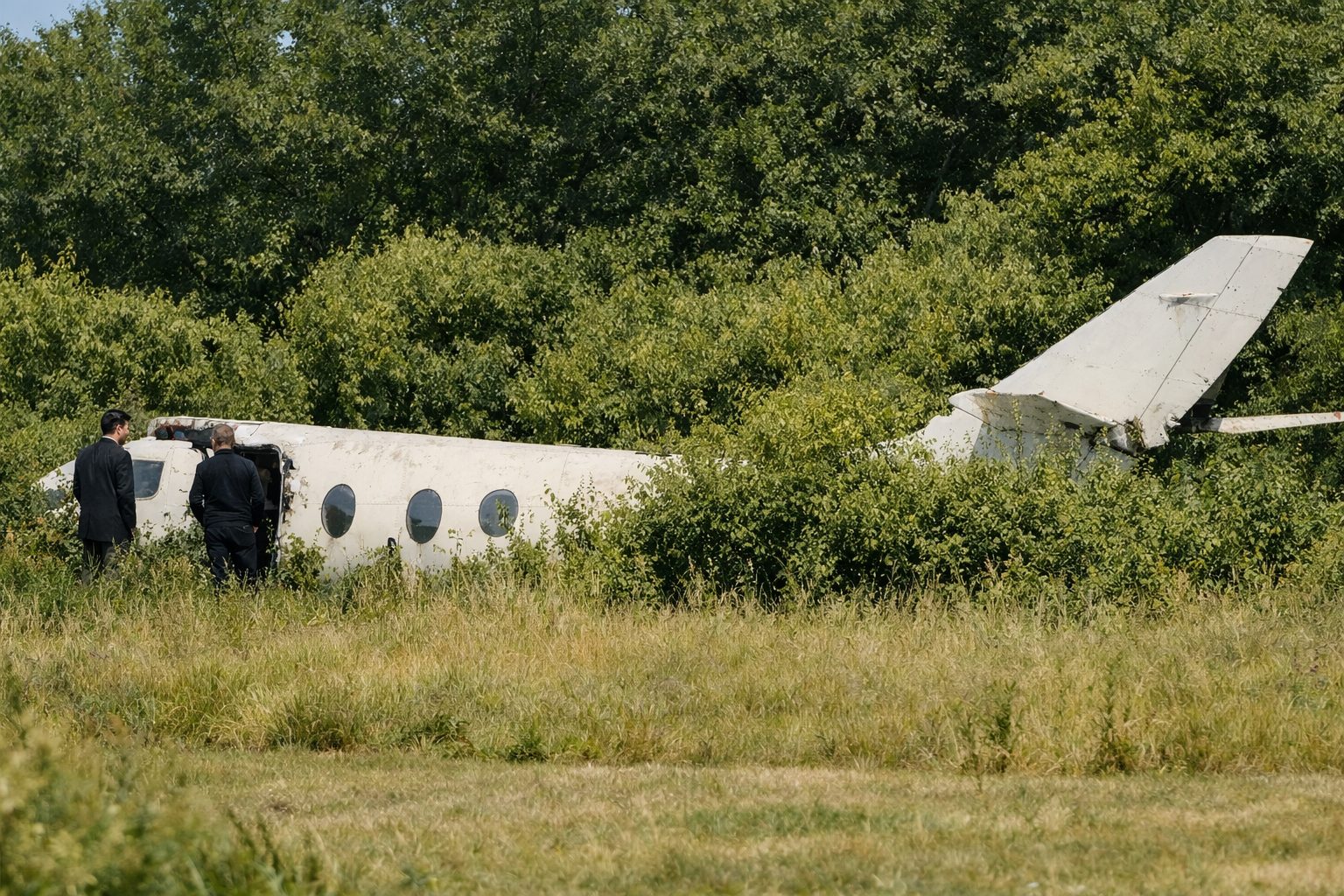
Plane Picking up Tom Brady Slides Off Norwood Runway-June 15, 2005
An aviation mishap at Norwood Memorial Airport leaves a twin-engine charter jet stuck in the mud 400 feet past the runway.
-
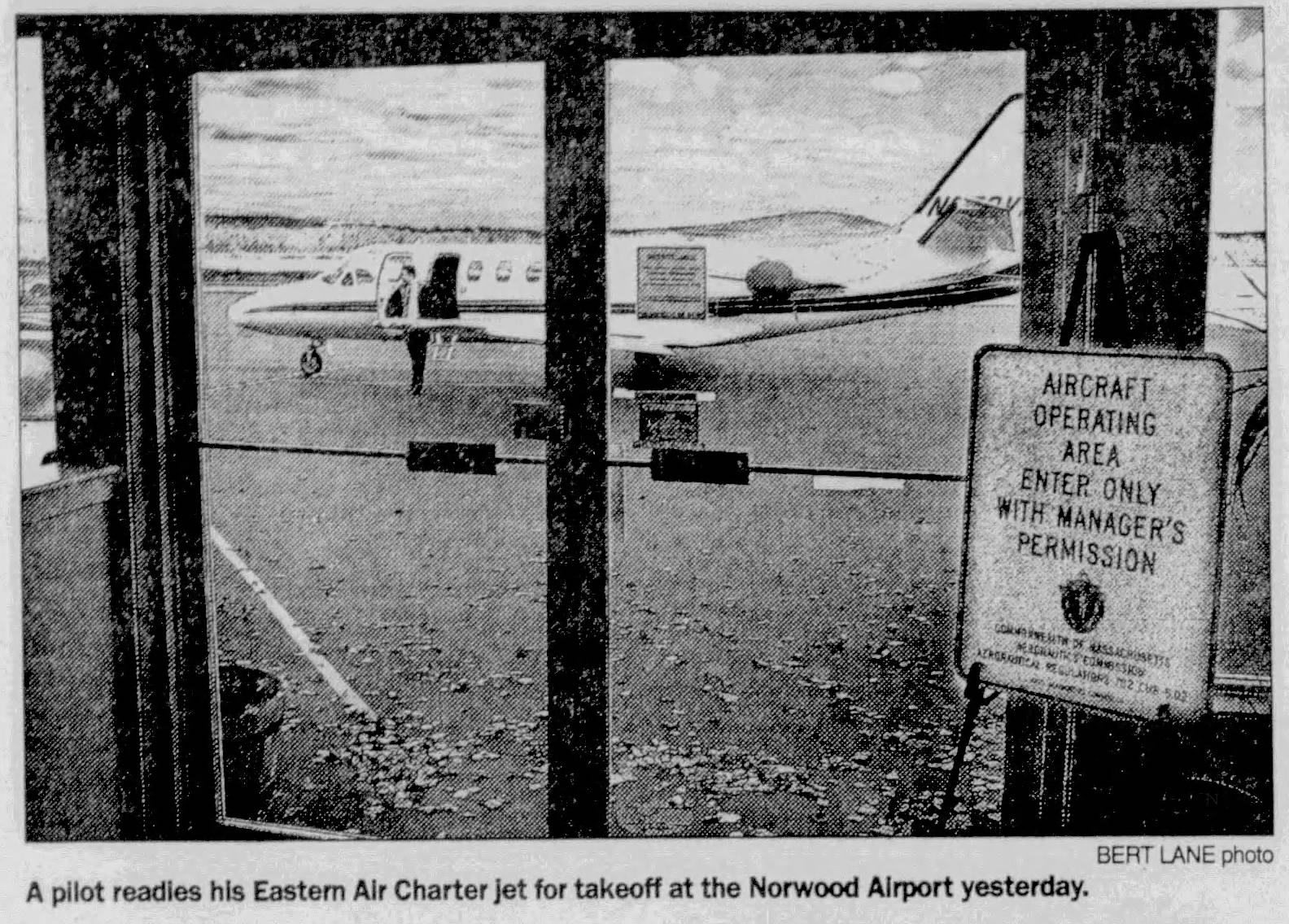
Norwood Airport Struggles Under Post-9/11 FAA Security Rules-October 18, 2001
Economic Pinch at Norwood Airport-October 18, 2001 The Norwood Airport is facing a severe financial squeeze brought on by sweeping new Federal Aviation Administration (FAA) security rules enacted in the wake of the September 11 terrorist attacks. “The airport is struggling economically,” stated assistant town manager Bernie Cooper. “There is no question that there has…
-
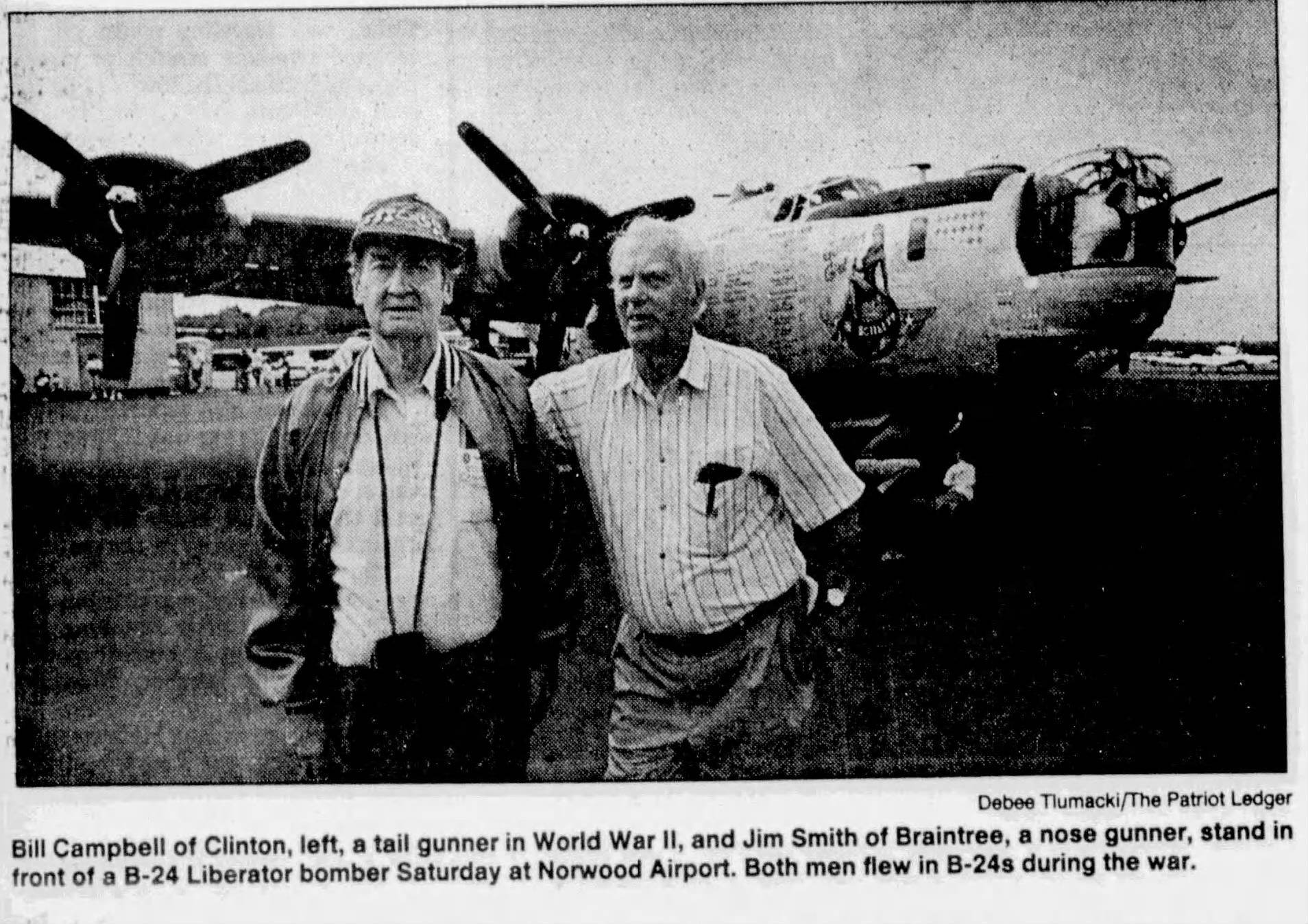
WWII Bombers Bring Back Glory Days for Aging Veterans at Norwood Airport-September 22, 1997
More than 2,000 visitors and World War II veterans gather at Norwood Airport to view historic B-24 and B-25 bombers and share wartime memories.
-
Restored World War II B-17 and B-24 Bombers on Display at Norwood Airport-September 19, 1997
Restored World War II B-17 and B-24 bombers brought by the Collings Foundation go on display this weekend at Norwood Airport’s Wiggins Terminal.

-
World War II B-24 Pilots Reunited After 49 Years-September 18, 1992
WWII veterans Frank Tedesco and Bob Anderson reunite after 49 years as Norwood Airport prepares to host a 50th-anniversary air show featuring rare B-24 and B-17 bombers.

-
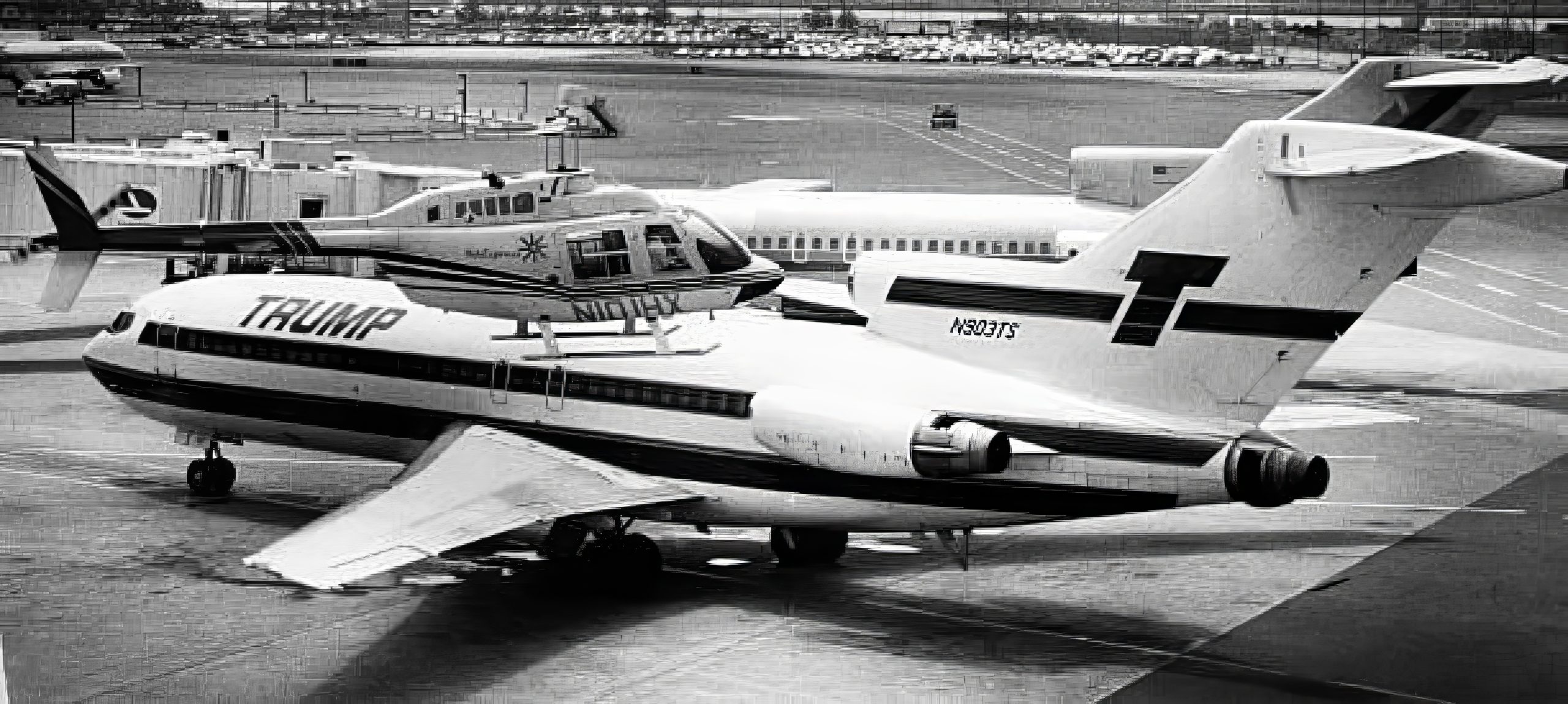
HubExpress Suspends Norwood-to-Logan Helicopter Shuttle-August 7, 1990
Citing low local ridership, equipment shortages, and parking constraints at Norwood Airport, HubExpress Airlines suspended its popular Norwood-to-Logan helicopter shuttle service.
-
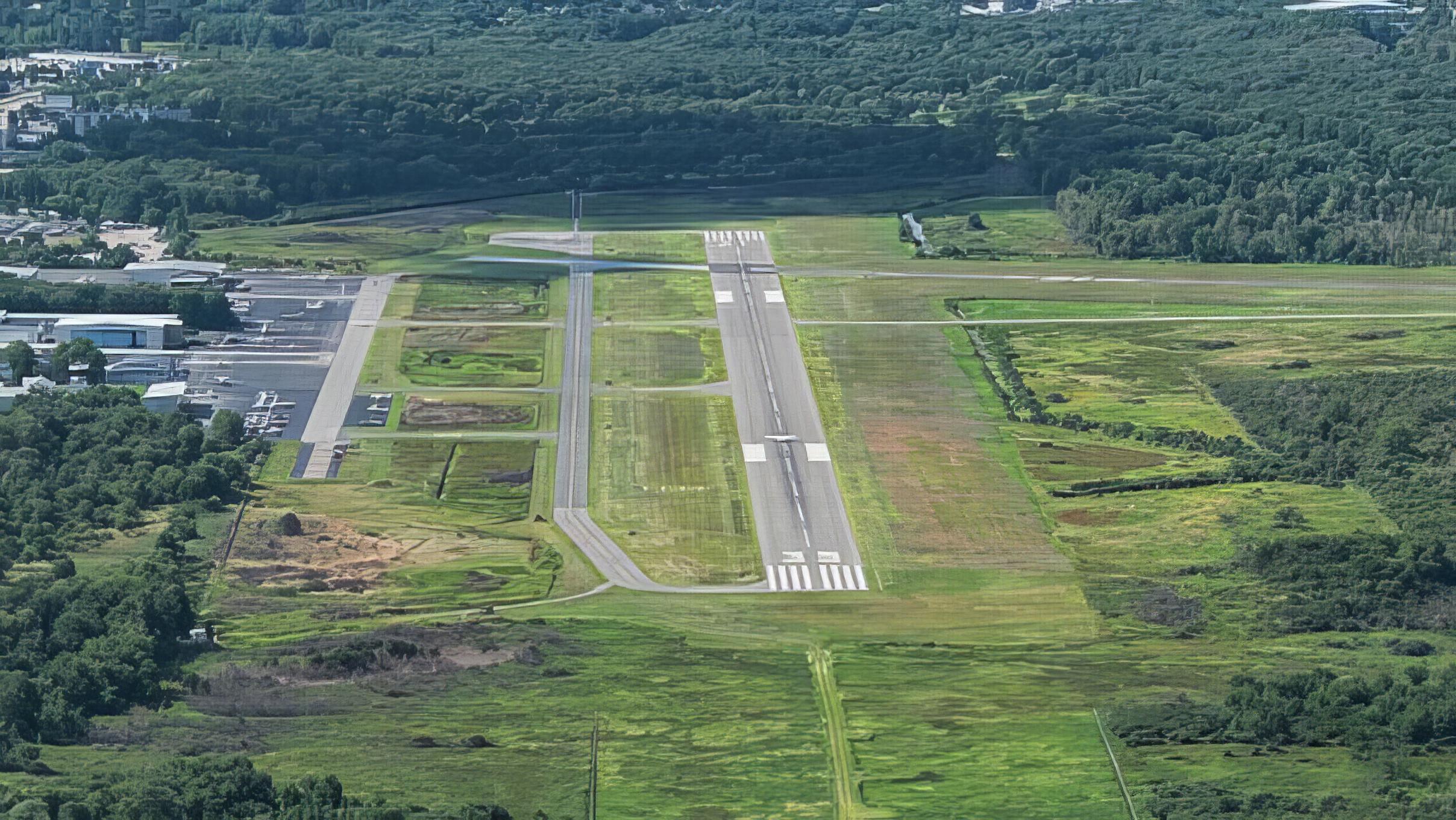
Aviation Day Held at Norwood Airport as Community Leaders and Pilots Clash Over Longstanding Noise Disputes-September 18, 1989
Norwood Airport hosts an open-house Aviation Day to improve community relations, while local leaders and pilots continue debating persistent aircraft noise issues.
-
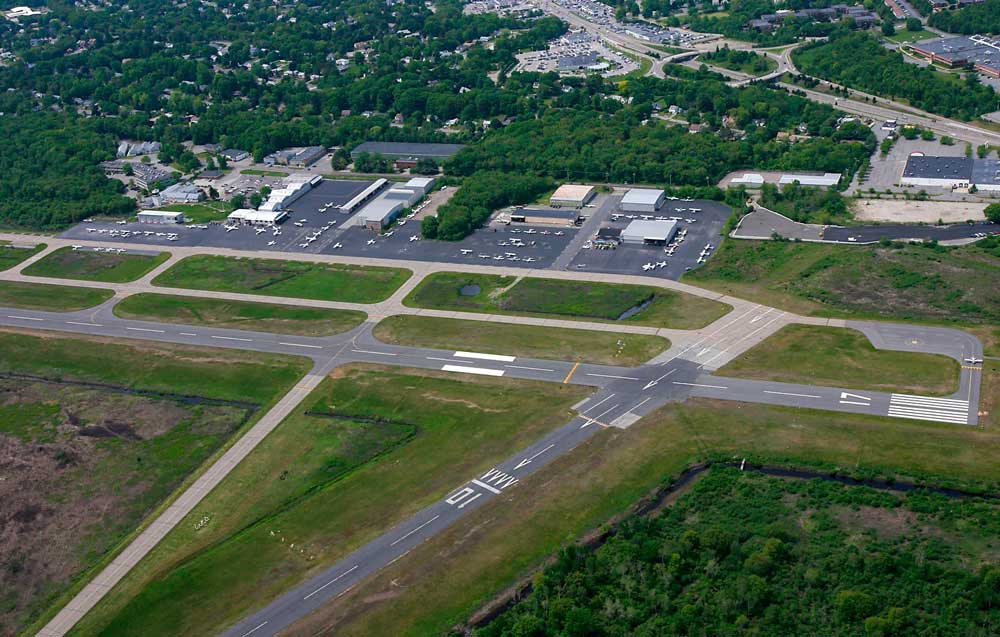
Airport Commission Faces Difficult Choice Between FAA Noise Study Funding and Night Flight Ban-September 4, 1986
Norwood airport commissioners are grappling with an ultimatum delivered by the Federal Aviation Administration (FAA): the town must either accept a multi-year delay on its voter-mandated night flight ban or forfeit a federally funded $127,800 noise study critical to defending the curfew against anticipated airline legal challenges. The FAA offered to finance the comprehensive noise…
-
Norwood Airport Raises Tie-Down Fees for Private Plane Owners Starting in October-August 16, 1986
Citing prime location demand, Norwood Airport commission chairman Edwin Page announced fee increases for premium aircraft tie-down spaces beginning in October.
-
FinCom Explores Landing Fees to Offset Airport Liability Insurance Costs-August 7, 1986
Following a new five-year lease requiring the town to cover $19,356 in airport liability insurance, the Norwood Finance Commission asked town counsel if landing fees can be legally charged to pilots.

/
Discover more from Norwood Historical Society
Subscribe to get the latest posts sent to your email.