
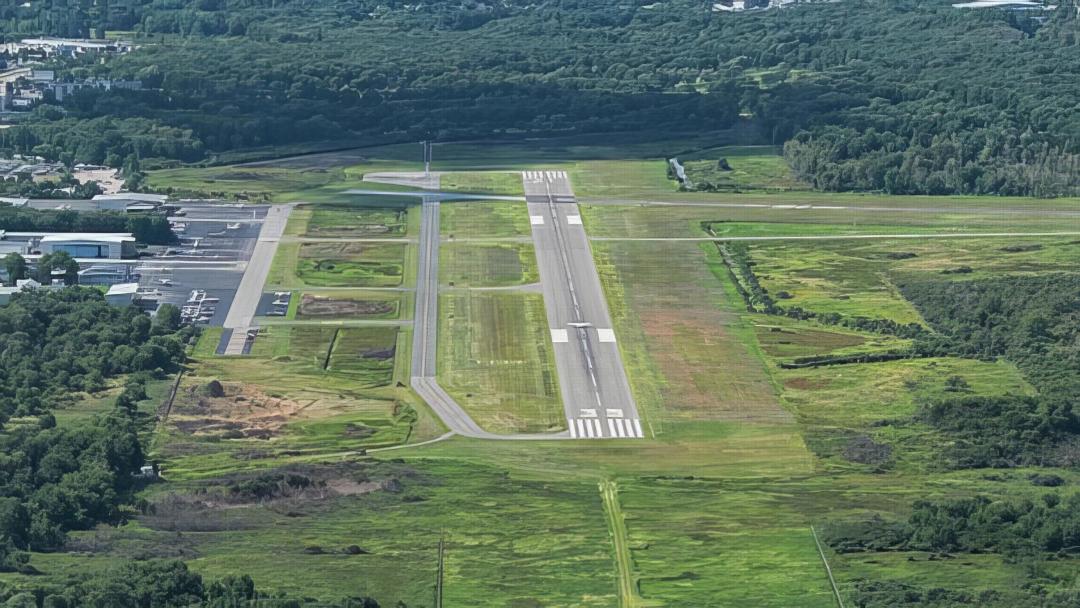
Tension ran high at the municipal airport commission meeting as members deadlocked in a 3-3 tie vote over a Federal Aviation Administration proposal to reduce minimum visual clearance requirements at Norwood Airport. The FAA suggestion aimed to lower the required pilot visual range from one mile down to three-quarters of a mile once a modernized lighting system is installed later in the year, effectively allowing aircraft to land during inclement weather and keeping the facility operational for an estimated 35 additional hours annually.
However, sharp division emerged among commissioners. Opposing the change, member Walter J. Grady argued that the FAA mandate to clear seven acres of mature trees near the runway perimeter to achieve the reduced clearance would inflict unacceptable environmental and aesthetic damage. Michael Lauer, chief of navigational and visual aids for the FAA’s Burlington airway facilities division, acknowledged the tree-clearing requirement but defended the proposal, noting the safety buffer and asserting that the expanded hours would not trigger a massive surge in local air traffic. Commission member Pauline M. Grasso countered that town meeting had previously received explicit assurances that visual minimums would not be altered without direct legislative approval, suggesting the controversial measure be brought before voters. With Chairman Wilfred C. Chesebrough abstaining from the ballot, the tie vote defeated the clearance reduction measure.
Despite the setback on visual minimums, airport modernization pressed forward on other fronts. Chairman Chesebrough announced that a major $2 million runway rehabilitation project is officially slated to break ground in late spring or early summer of 1982, contingent on congressional fund releases for fiscal year 1982. Town meeting previously appropriated Norwood’s $48,700 local cost share in March, and the commission plans to interview prospective engineering firms on September 30 to draft technical specifications for completely rebuilding the primary runway, taxiway, and aircraft parking aprons.
Additionally, Lauer reported that a $250,000 FAA-funded airfield lighting system could be fully operational by Christmas if installation commences by October, replacing a 13-year-old legacy system plagued by scarce replacement parts. On the administrative front, Chesebrough delivered welcome news regarding airport tower staffing, reporting that Air Traffic Control Chief Robert Ferrara anticipates roughly six military air traffic controllers will be reassigned to Norwood within three months. The temporary military augmentation will help offset the 11 civilian controllers who were terminated for participating in the illegal Professional Air Traffic Controllers strike, which had previously forced the tower to curtail operations to a 12-hour schedule three days a week.
Archival Note: This article has been dynamically reconstructed from the original public record print archives of the Patriot Ledger
More…
-
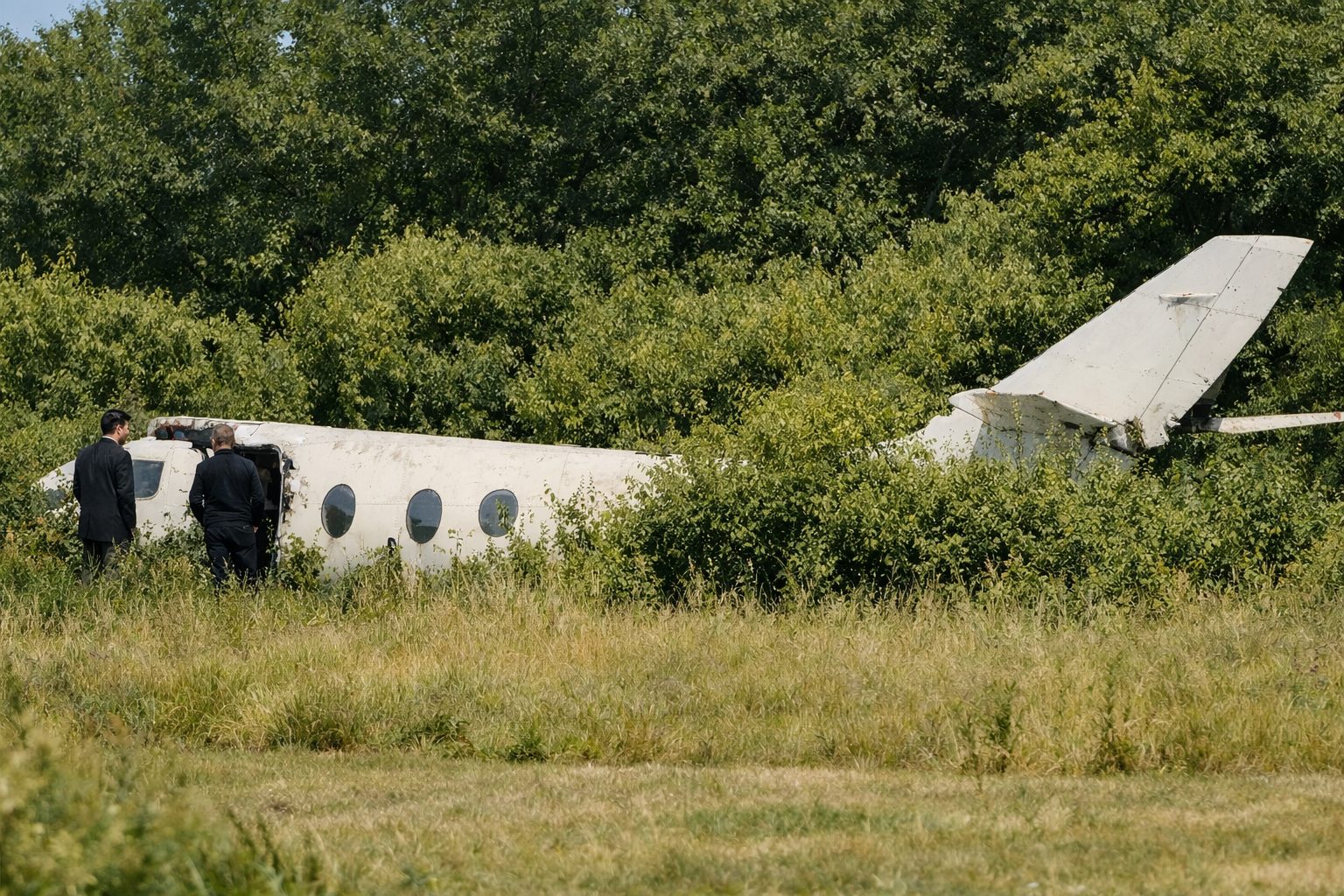
Plane Picking up Tom Brady Slides Off Norwood Runway-June 15, 2005
An aviation mishap at Norwood Memorial Airport leaves a twin-engine charter jet stuck in the mud 400 feet past the runway.
-
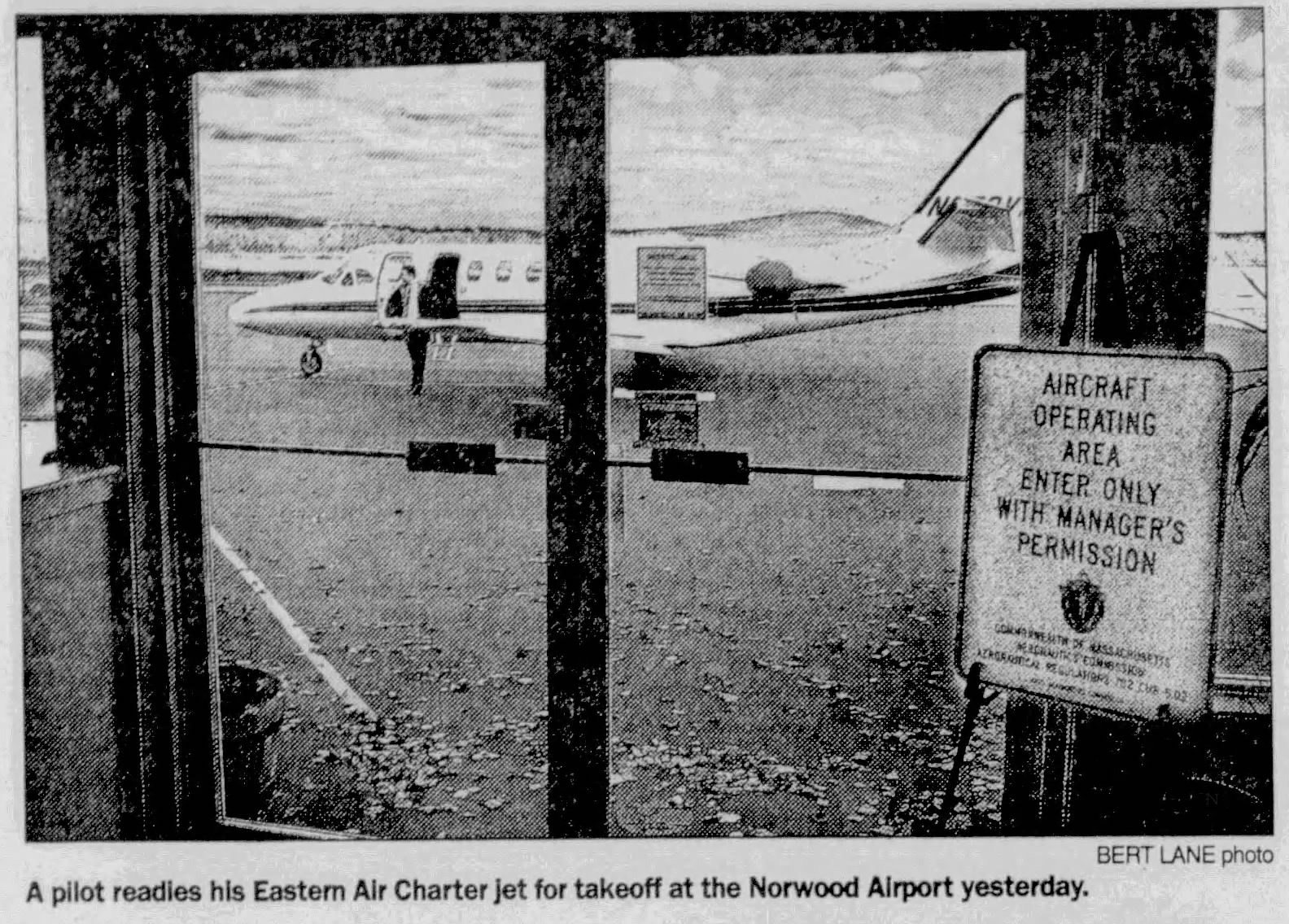
Norwood Airport Struggles Under Post-9/11 FAA Security Rules-October 18, 2001
Economic Pinch at Norwood Airport-October 18, 2001 The Norwood Airport is facing a severe financial squeeze brought on by sweeping new Federal Aviation Administration (FAA) security rules enacted in the wake of the September 11 terrorist attacks. “The airport is struggling economically,” stated assistant town manager Bernie Cooper. “There is no question that there has…
-
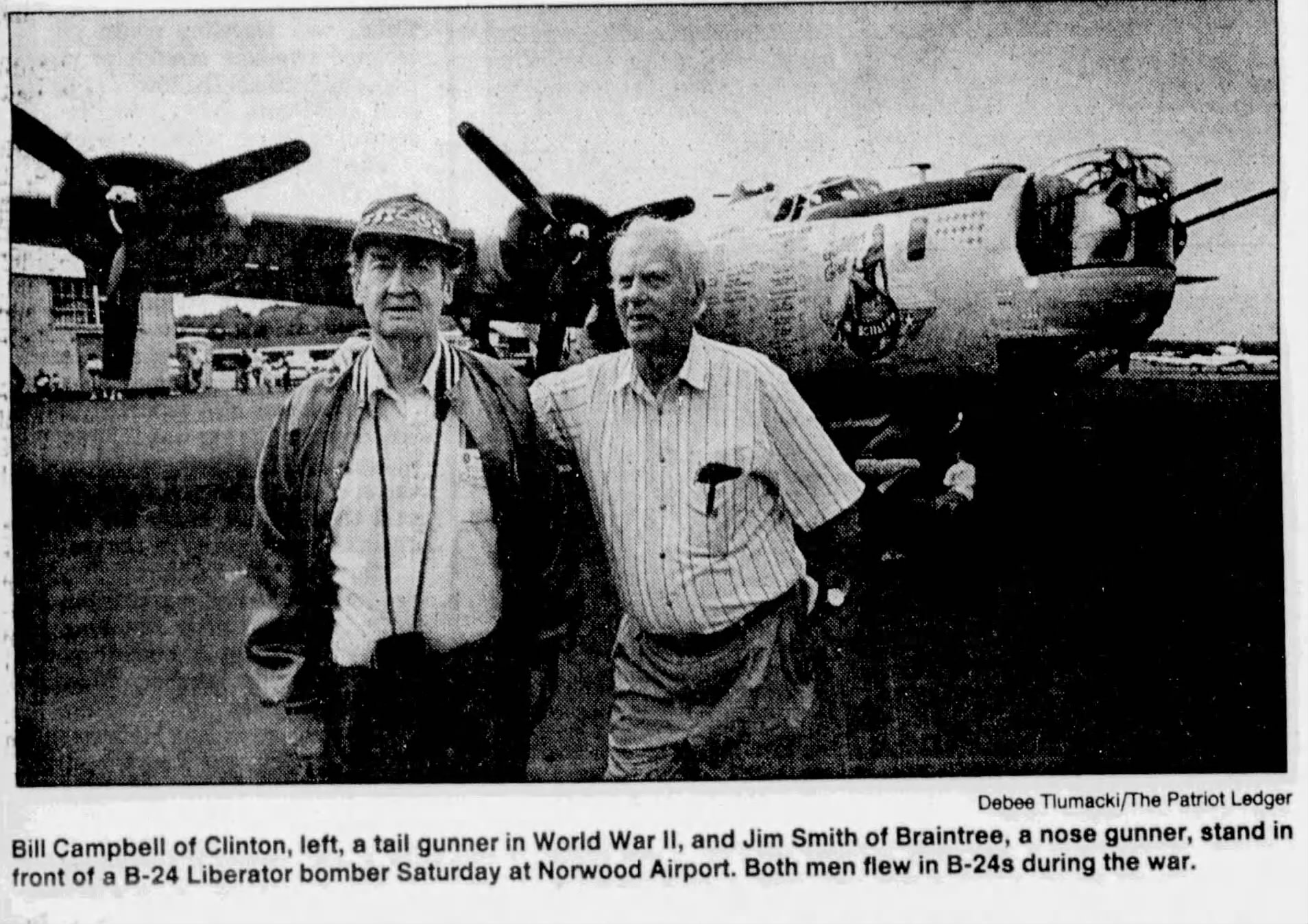
WWII Bombers Bring Back Glory Days for Aging Veterans at Norwood Airport-September 22, 1997
More than 2,000 visitors and World War II veterans gather at Norwood Airport to view historic B-24 and B-25 bombers and share wartime memories.
-
Restored World War II B-17 and B-24 Bombers on Display at Norwood Airport-September 19, 1997
Restored World War II B-17 and B-24 bombers brought by the Collings Foundation go on display this weekend at Norwood Airport’s Wiggins Terminal.

-
World War II B-24 Pilots Reunited After 49 Years-September 18, 1992
WWII veterans Frank Tedesco and Bob Anderson reunite after 49 years as Norwood Airport prepares to host a 50th-anniversary air show featuring rare B-24 and B-17 bombers.

-
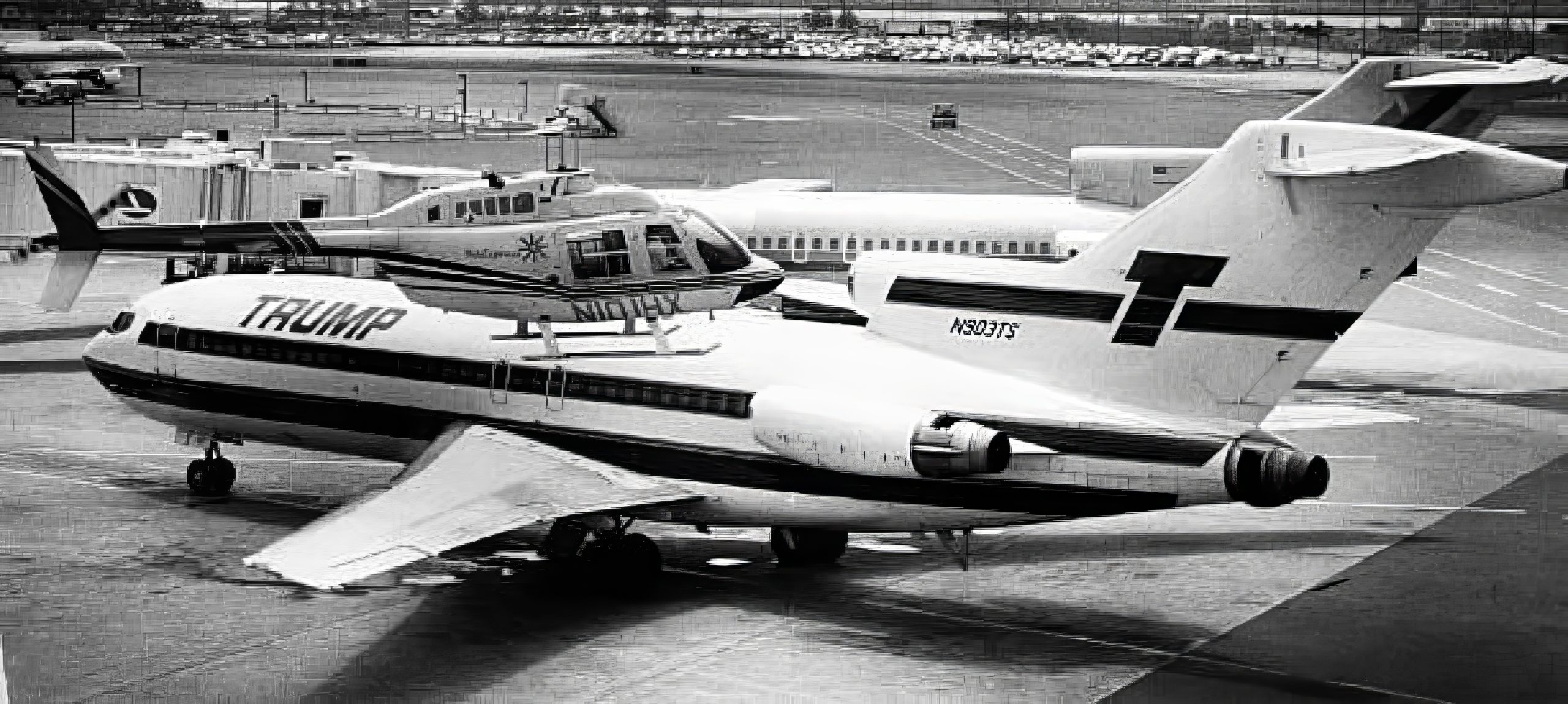
HubExpress Suspends Norwood-to-Logan Helicopter Shuttle-August 7, 1990
Citing low local ridership, equipment shortages, and parking constraints at Norwood Airport, HubExpress Airlines suspended its popular Norwood-to-Logan helicopter shuttle service.
-
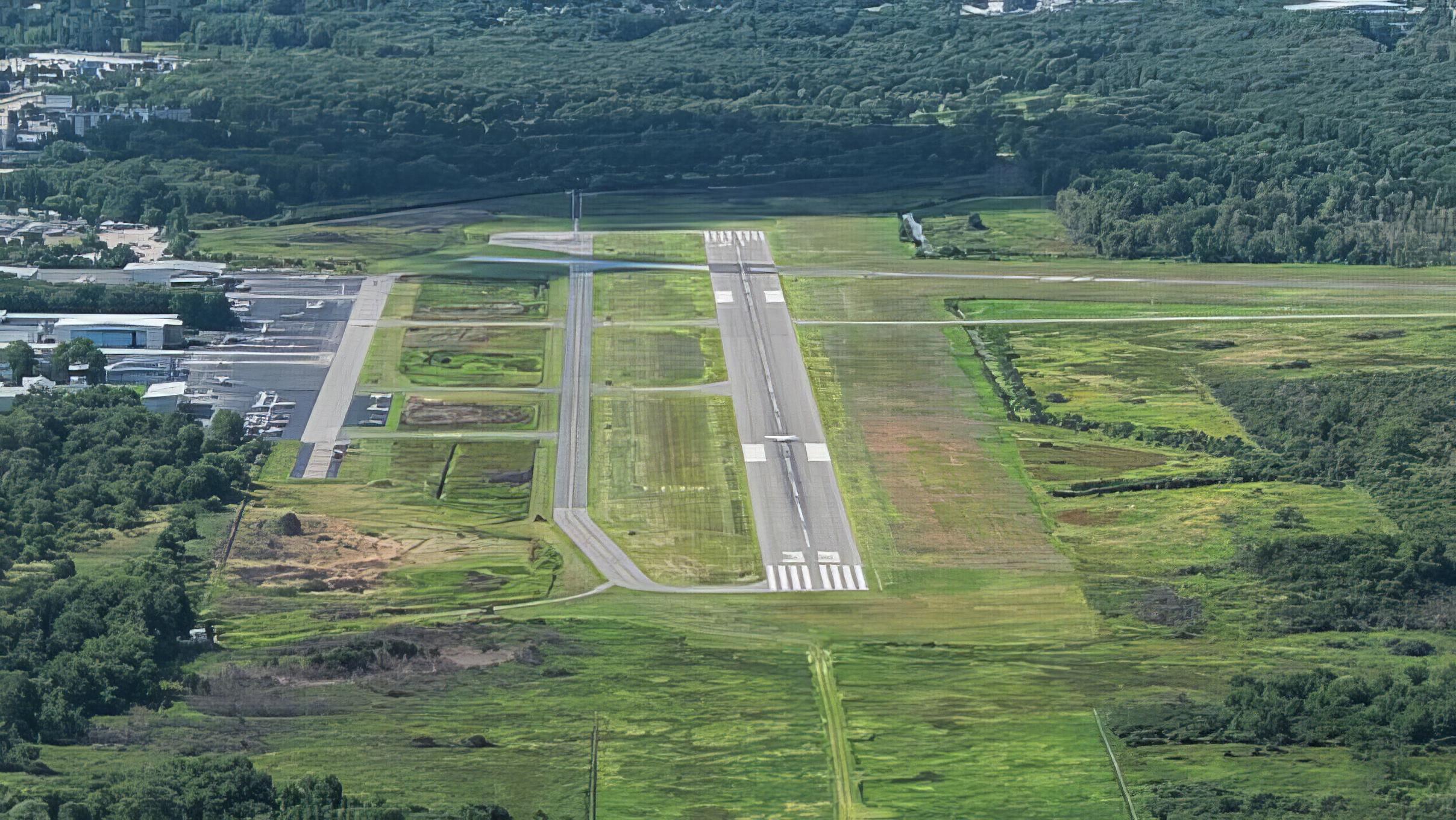
Aviation Day Held at Norwood Airport as Community Leaders and Pilots Clash Over Longstanding Noise Disputes-September 18, 1989
Norwood Airport hosts an open-house Aviation Day to improve community relations, while local leaders and pilots continue debating persistent aircraft noise issues.
-
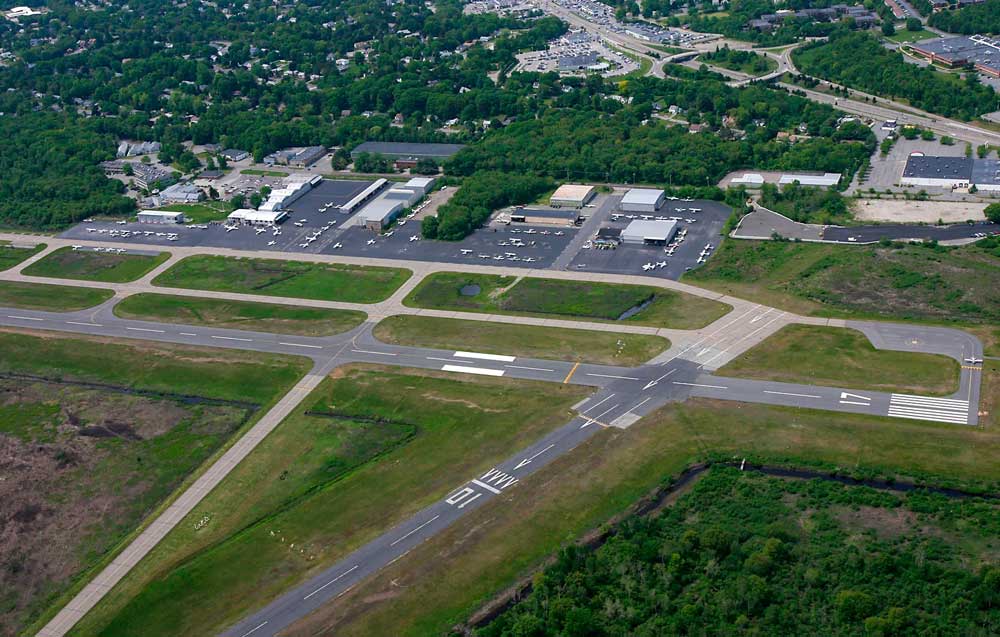
Airport Commission Faces Difficult Choice Between FAA Noise Study Funding and Night Flight Ban-September 4, 1986
Norwood airport commissioners are grappling with an ultimatum delivered by the Federal Aviation Administration (FAA): the town must either accept a multi-year delay on its voter-mandated night flight ban or forfeit a federally funded $127,800 noise study critical to defending the curfew against anticipated airline legal challenges. The FAA offered to finance the comprehensive noise…
-
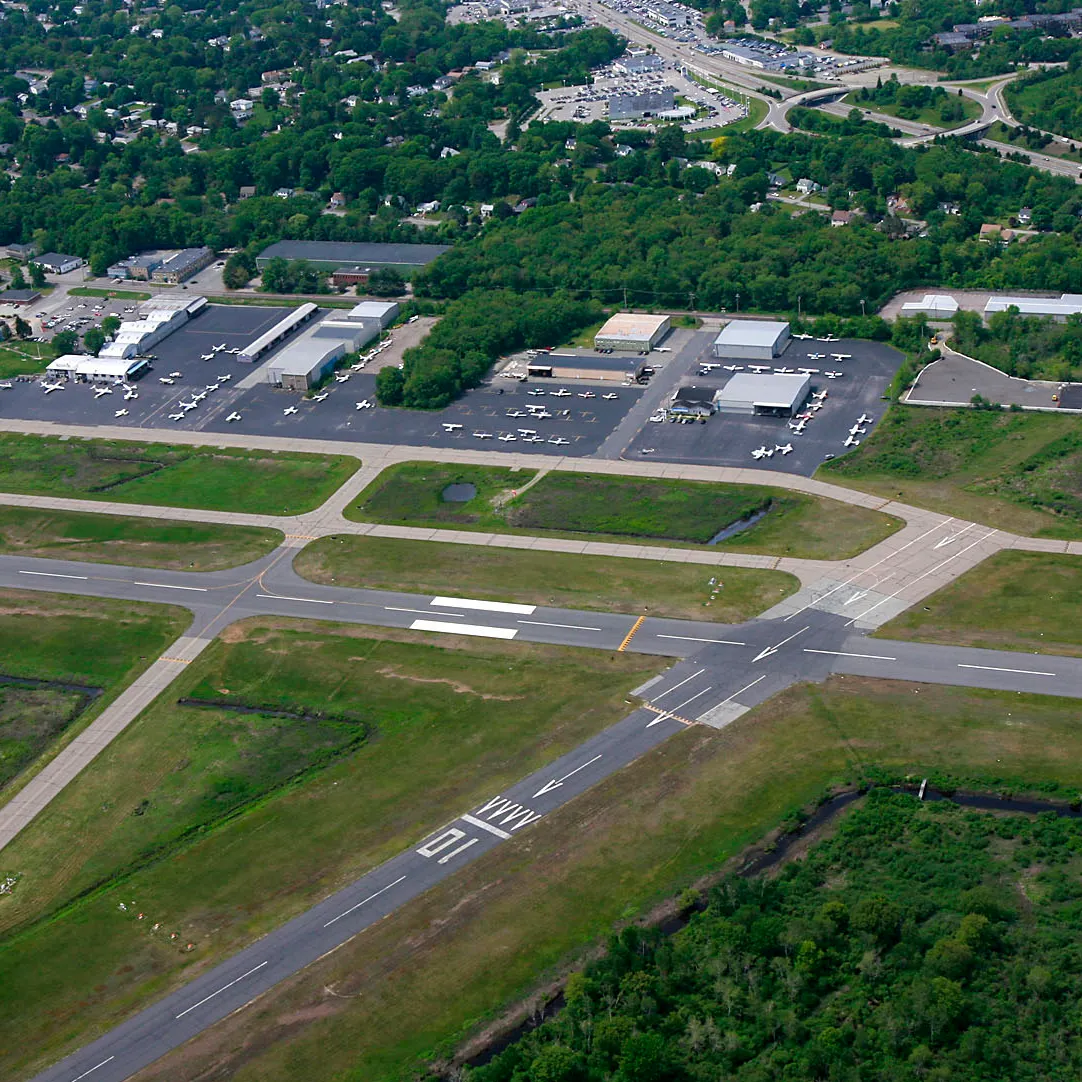
Norwood Airport Raises Tie-Down Fees for Private Plane Owners Starting in October-August 16, 1986
Citing prime location demand, Norwood Airport commission chairman Edwin Page announced fee increases for premium aircraft tie-down spaces beginning in October.
-
FinCom Explores Landing Fees to Offset Airport Liability Insurance Costs-August 7, 1986
Following a new five-year lease requiring the town to cover $19,356 in airport liability insurance, the Norwood Finance Commission asked town counsel if landing fees can be legally charged to pilots.

Discover more from Norwood Historical Society
Subscribe to get the latest posts sent to your email.