
SNARC and Town Counsel Justin Barton Debate Educational Zoning Exemption Ahead of ZBA Appeal Over St. George Avenue Building Permit
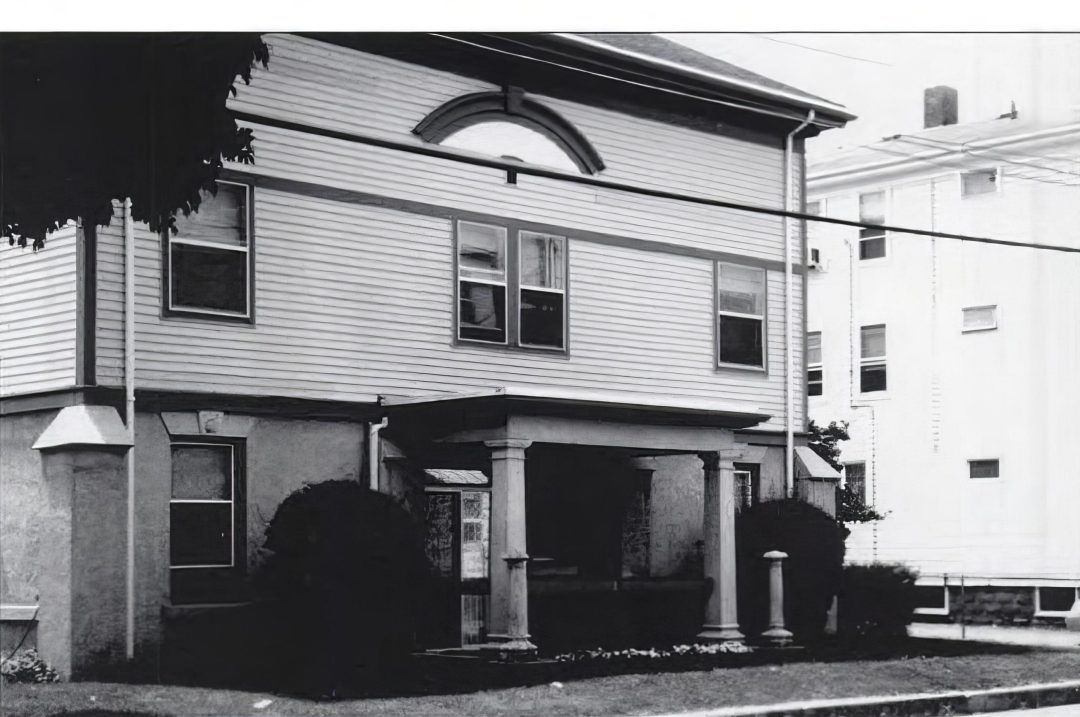
NORWOOD – Community support for the mission of serving adults with developmental and learning disabilities was not in dispute in Norwood in November 1980—but the legal and zoning pathway for bringing a proposed group residence to town stood squarely at the center of an upcoming Zoning Board of Appeals (ZBA) hearing. Reported for The Patriot Ledger by Neil McGhee on Monday, November 17, 1980, the South Norfolk Association for Retarded Citizens (SNARC) sought to convert the historic Lithuanian Hall on St. George Avenue into a supervised group home for nine adults with mental retardation, offering structured daily-living instruction under resident counselors that could not be replicated at home with aging parents or in traditional boarding and nursing facilities.
While SNARC Executive Director William Able acknowledged that Norwood had consistently supported the agency’s humanitarian goals, municipal officials objected to the procedural route SNARC had taken. The ZBA appeal—scheduled for Tuesday night, November 18—stemmed from Building Inspector John Grover’s September 23 denial of a renovation building permit. Grover ruled that Norwood’s existing zoning bylaws contained no classification for “Group Residences” and noted that any such facility required licensing from the state Department of Mental Health (DMH), which SNARC did not yet possess. SNARC countered that it would secure state licensing within 60 to 90 days after receiving a certificate of occupancy, which itself could not be issued until permitted renovations were completed.
At the heart of the legal dispute was a recent Massachusetts Supreme Judicial Court ruling holding that municipalities could not invoke local zoning bylaws to block the DMH or regional mental health associations from establishing community residences, because teaching self-care constituted an exempt “public education use.” SNARC legal counsel Kenneth Margolin cited “a five-year string, virtually unbroken, of Superior Court decisions saying local zoning laws can’t be used to prevent community residences,” warning that while SNARC hoped to reassure ZBA members about the program’s residents, “The board has only one clear choice. And we have not ruled out litigation.”
Town Counsel Justin Barton, however, maintained that Superior Court rulings bound only the specific parties involved rather than establishing universal statutory law, and challenged SNARC to substantiate its status as an educational institution. “We agree plainly and simply that educational institutions are exempt from zoning bylaws,” Barton stated. “We are asking SNARC to prove they are, in fact, an educational institution.” Executive Director Able pushed back against a narrow reading of education, arguing, “We’ll be teaching functional academics and living skills. If education is thought of only as school for 5- to 18-year-olds, then there ought to be a new definition of education.” Barton also questioned SNARC’s legal standing to bring the appeal because the permit denial had been issued to Able personally rather than the agency—a point Able dismissed on counsel’s advice that any aggrieved party held appellate standing. Noting he had previously offered to join SNARC in seeking a clarifying Superior Court declaratory judgment before the agency chose the administrative ZBA route, Barton concluded, “We have offered them the olive branch, and if they choose to throw down the gauntlet, well, they’re grown-ups. They know what they’re doing.”
Archival Note: This article has been dynamically reconstructed from the original public record print archives of the Patriot Ledger
Discover more from Norwood Historical Society
Subscribe to get the latest posts sent to your email.