
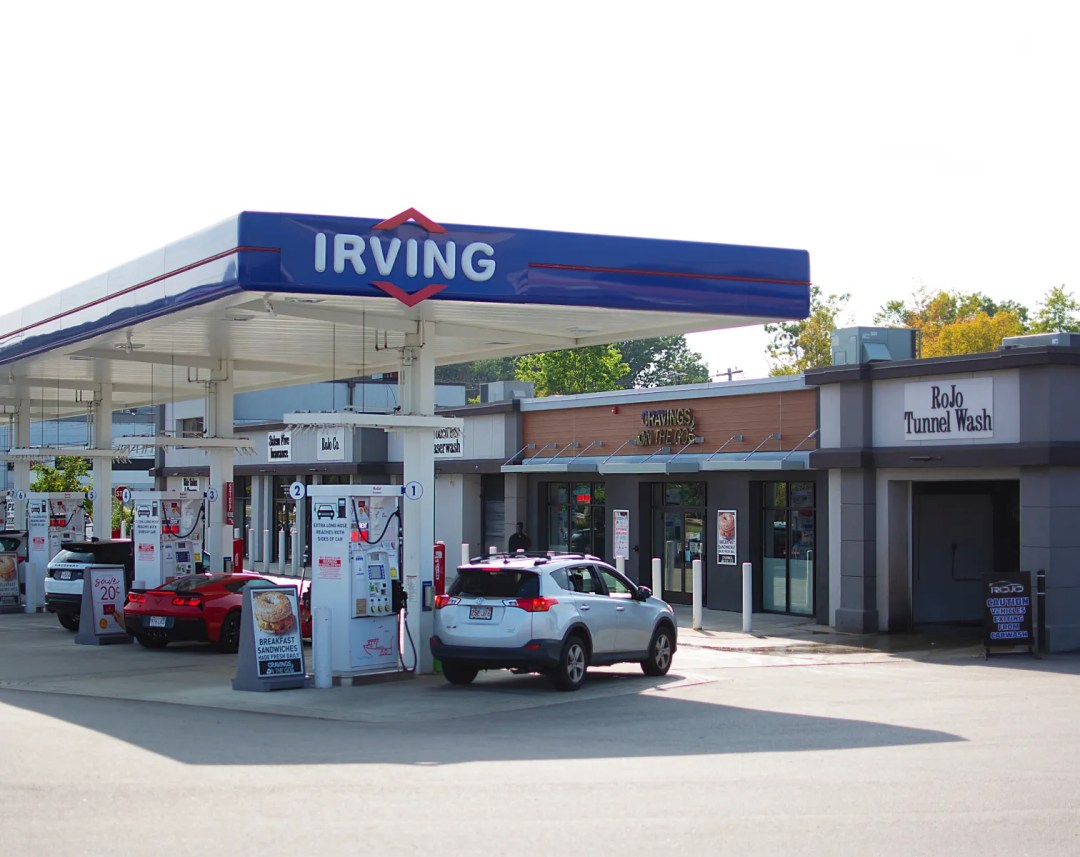
Underground gasoline storage tanks excavated this week from Rojo’s Car Wash on Route 1 showed no evidence of structural leaks, according to Fire Chief Thomas Barry.
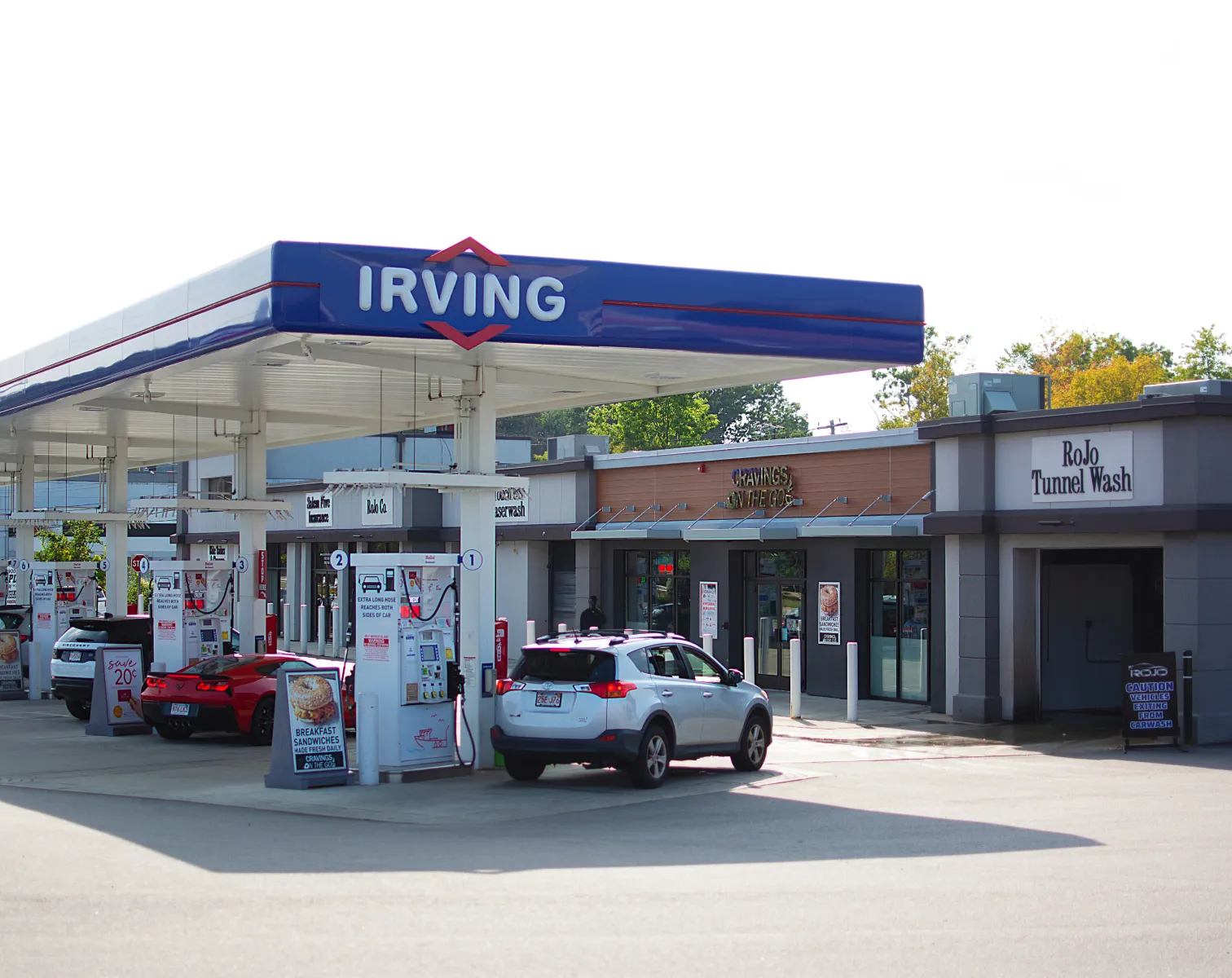
Rojo’s, one of the town’s largest independent service stations, is currently replacing five large subterranean fuel vessels: four 10,000-gallon gasoline tanks and one 10,000-gallon diesel tank. Having remained in the ground for up to 17 years, the tanks were found to be in remarkably good condition, still bearing their original paper stickers and displaying no signs of corrosion. Chief Barry confirmed that the final tank was successfully removed on Tuesday.
While the tanks themselves were intact, Barry noted that a minor leak was detected in the delivery piping connecting the storage tanks to the above-ground pumps. Rating the pipe leak a four on a scale of one to 10, Barry remarked, “It didn’t look like a big deal. There was evidence of something, but it really wasn’t too bad.” He explained that pipe wear is relatively common and typically occurs before tank degradation, with new piping scheduled for installation as part of the month-long upgrade project.
State environmental officials are reviewing soil and site data compiled by Corporate Environmental Advisors, a private engineering firm retained by Rojo’s. Mark Casey of the state Environmental Protection Agency (EPA) stated that the state is not conducting independent testing due to the case’s low priority. Authorities are examining whether any petroleum seepage reached nearby Purgatory Brook, a tributary of the Neponset River that flows roughly 200 feet from the tank site. Officials emphasized that local drinking water supplies face no contamination threat, as Norwood’s municipal water is sourced from the distant Quabbin Reservoir via the Massachusetts Water Resources Authority (MWRA) rather than local groundwater wells. (Reporting by Lyndsey Layton, The Patriot Ledger).
Archival Note: This article has been dynamically reconstructed from the original public record print archives of the Patriot Ledger
More…
-
Reliance Electric Company Relocates Regional Service Center to Norwood-July 17, 1979
Reliance Electric Company is moving its regional industrial motor repair center from South Boston to the Park Place industrial park off Route 1.

-
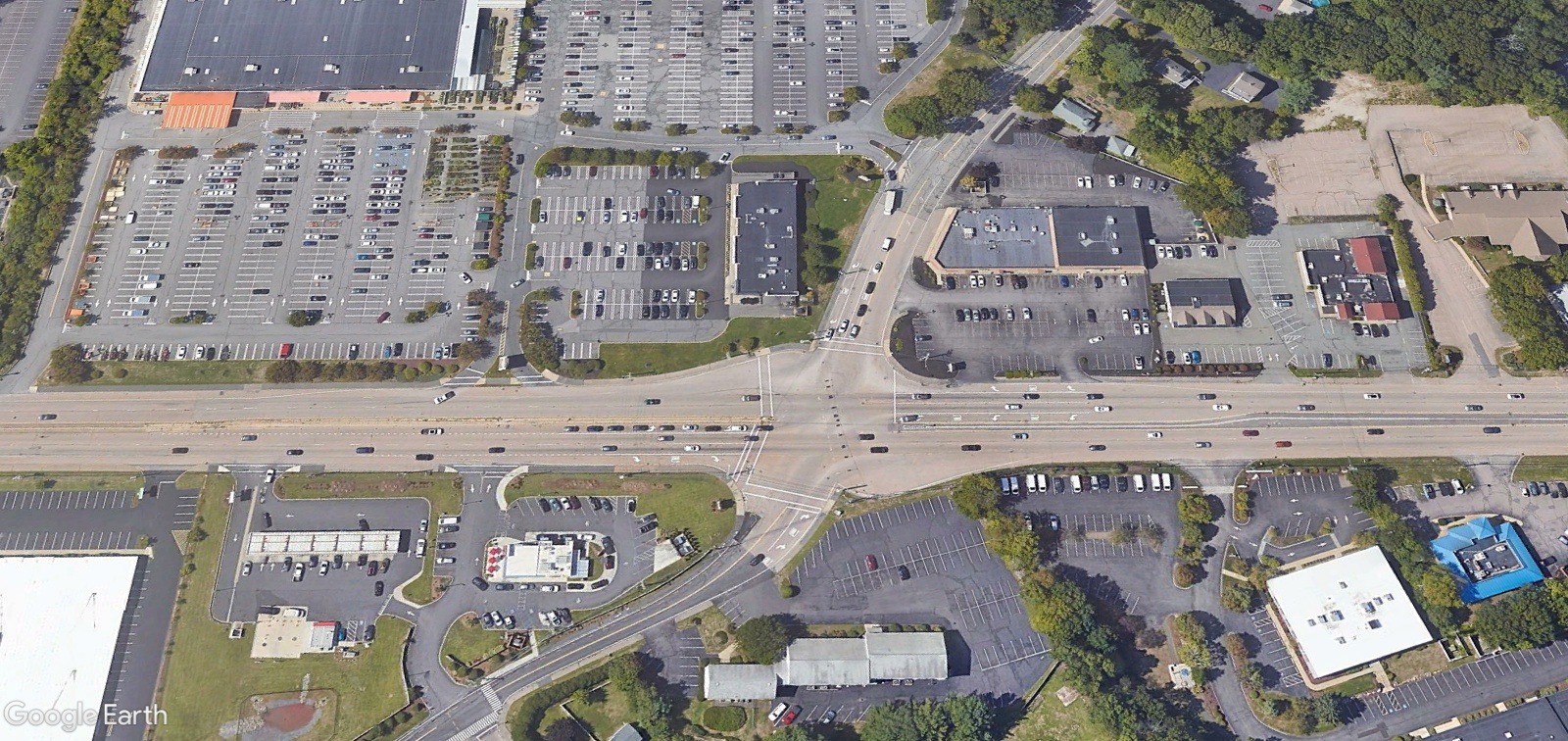
Zoppo Realty Trust Petitions for Rezoning at Route 1 and Union Street-July 17, 1979
The planning board heard initial plans for a potential small industrial park, though a final decision was deferred to allow for feedback from Walpole residents.
-
Town Scraps Plan to Extend University Avenue-July 11, 1979
University Avenue Extension Plan Scrapped ⠀ On July 11, 1979, Norwood selectmen officially abandoned the long-debated plan to extend University Avenue through the Ellis Well Field area to Route 1. This reversal marks a major shift in town development, following persistent environmental concerns raised by residents regarding the potential threat to the town’s water supply.…

-
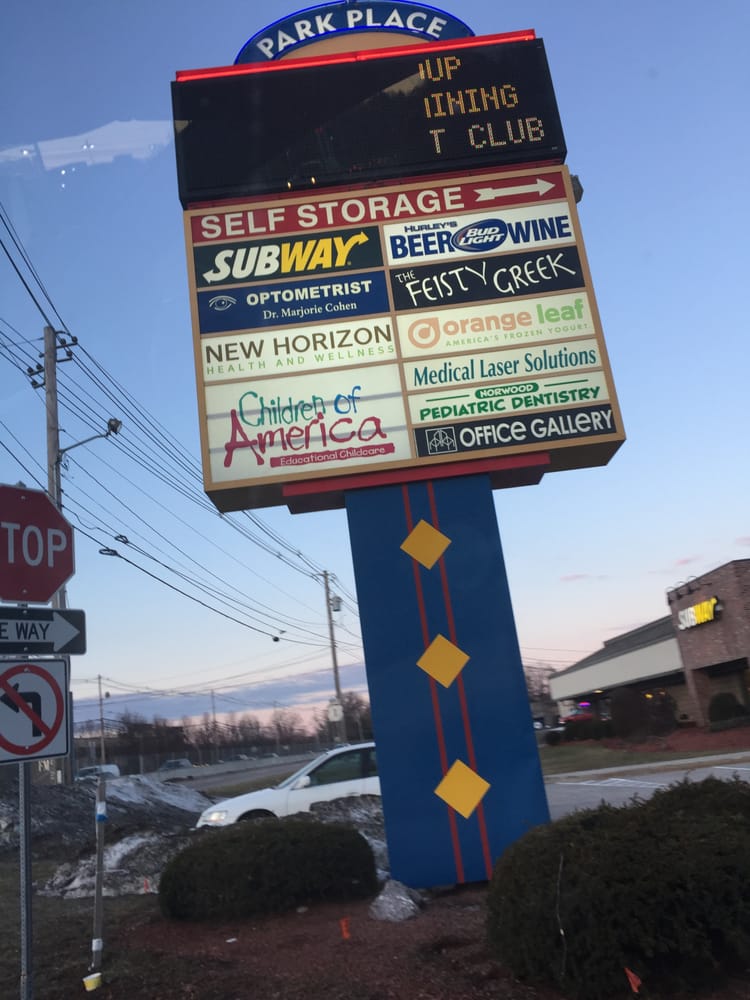
Norwood Park Place Industrial Park Advances-September 12, 1978
Norwood Planning Board releases $50,000 in performance bonding for the Park Place industrial park on Route 1 as roadway and building construction progresses.
-
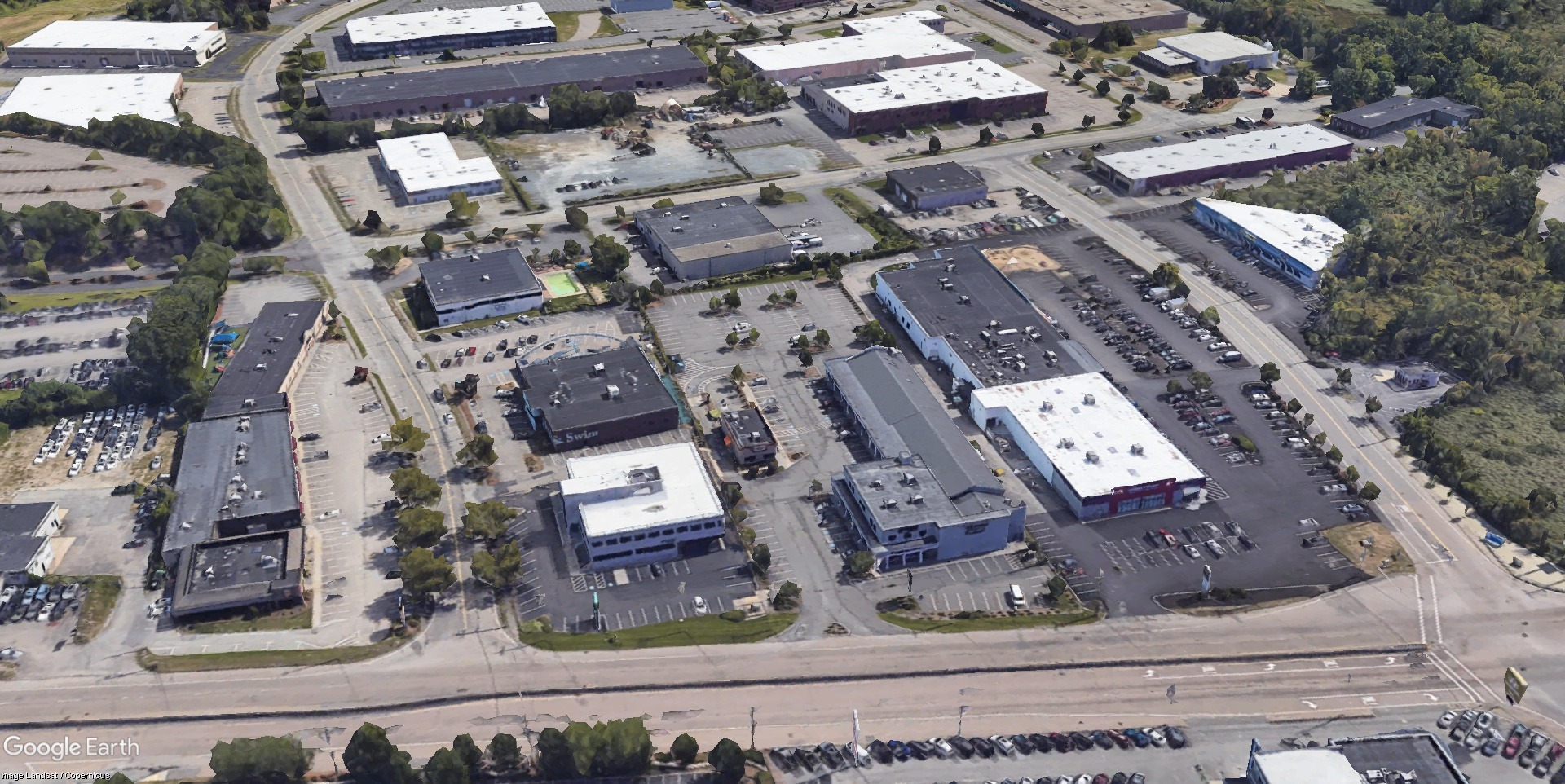
Sewer Infiltration Fixed, Opening Doors for Park Place Industrial Development-August 29, 1978
Municipal and state officials have confirmed that long-standing sewer capacity hurdles facing the Park Place Industrial Park are finally easing. According to the state Division of Water Pollution Control, the town successfully eliminated 14,000 gallons per day of extraneous groundwater infiltration leaking into the town-MDC sewer system. The breakthrough follows an enforcement action last May…
-
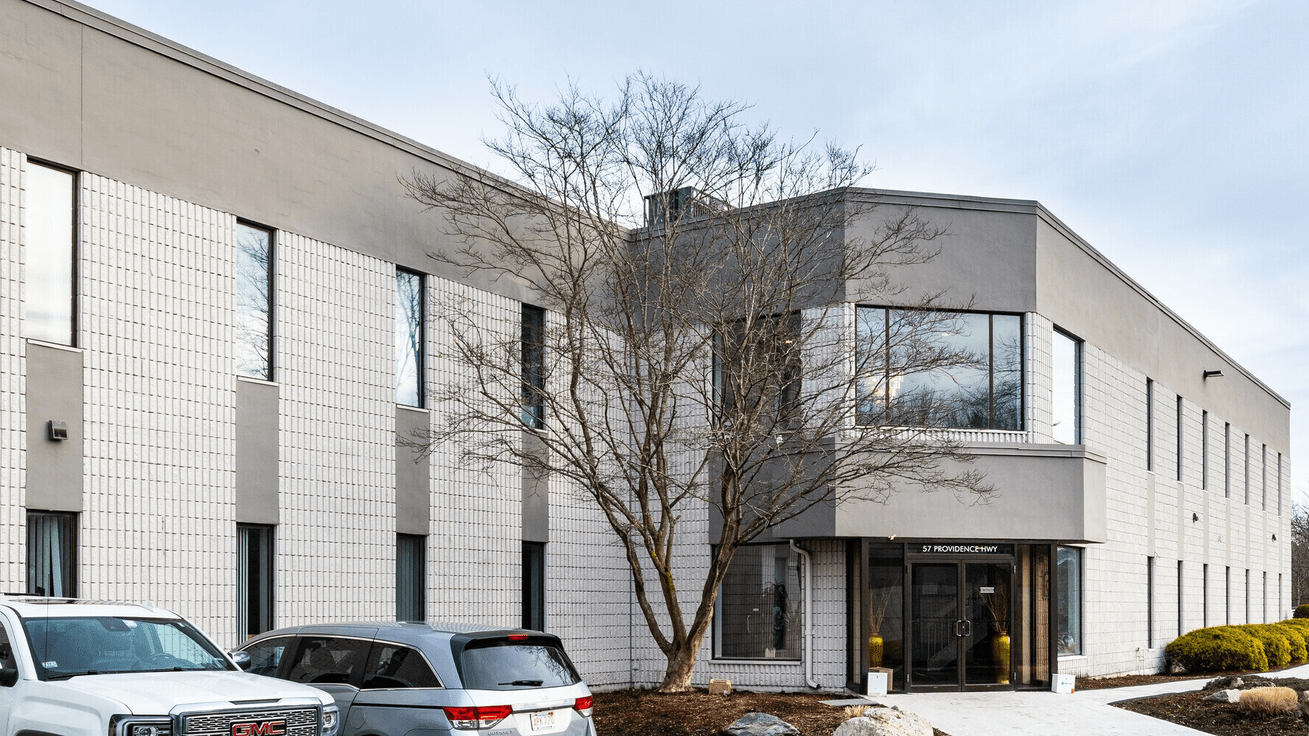
John Shalbey Jr. Proposes Office Building Behind Ro-Jo Car Wash-August 9, 1978
Local businessman John Shalbey Jr. faced mixed reactions from David Terrace residents while seeking a zoning variance for an office building behind his Route 1 car wash.
-
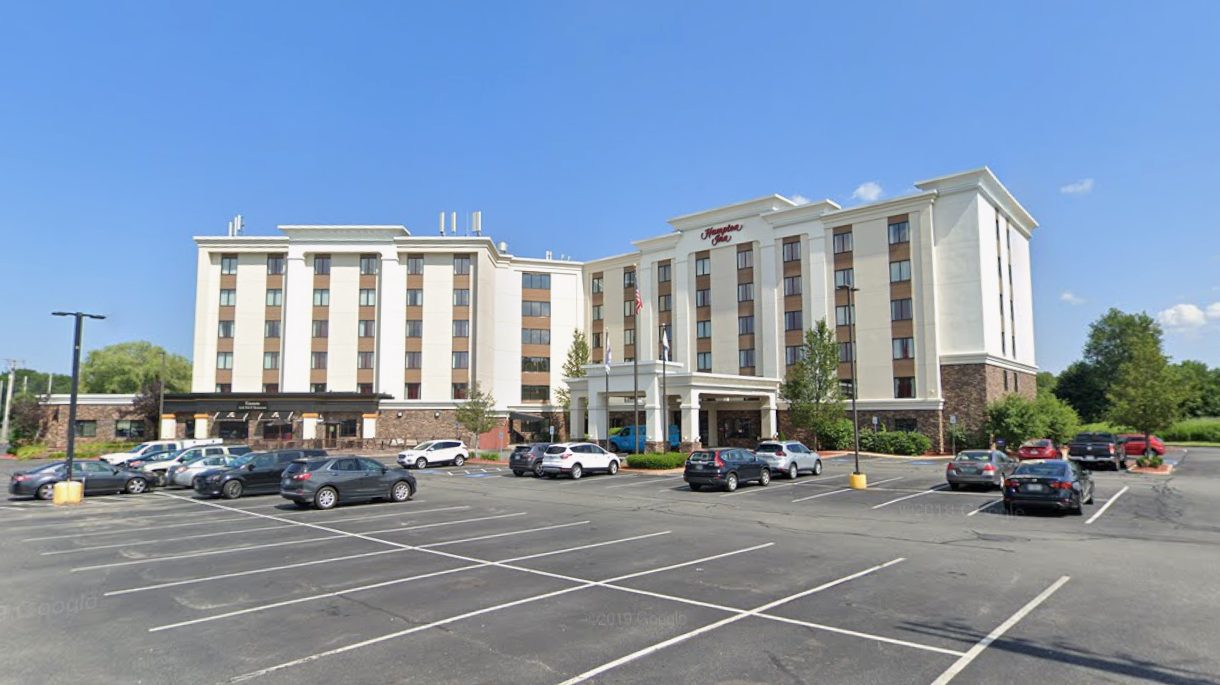
Simoni Denied Permission to Build Motel Near Norwood Airport-August 3, 1978
Citing airport safety concerns and protected runway approach zones, the Massachusetts Aeronautics Commission unanimously denied developer Frank R. Simoni’s request to build a 63-foot-tall motel near Norwood Airport.
-
Hazardous Shooting Incident On Route 1-July 22, 1978
On July 22, 1978, Stephen Pacheco was sought after a van was struck by gunfire near the Norwood-Canton exit.

-
High-Stakes Overhaul for the Historical Village Inn-This Day in Norwood History-June 28, 1978
A 1978 town hall showdown unloads a $100,000 renovation plan for The Village Inn amidst a staggering $700,000 municipal energy deficit.

-
Former Norwood Athlete Ralph Haddad Reflects on New England Golf from Colorado PGA-June 17, 1978
A dominant mid-century schoolboy golfer balances high-level Rocky Mountain competitions with local roots.

Discover more from Norwood Historical Society
Subscribe to get the latest posts sent to your email.