

In 1990 the town of Norwood was on the cusp of a significant change in its educational system. The school administration, led by Superintendent Louis J. Taris, had been studying ways to improve academic standards for over a year and a half. The result of this study was a proposal to double the number of courses students in grades 9 through 12 must pass.
This proposal was announced at the school committee meeting on July 18, 1990, and it sent shockwaves throughout the community. The proposed new requirements were designed to be more demanding, with the goal of producing better-prepared graduates. According to Taris, “We have a good system here, but we want to make it even better by being even more demanding.”
The proposal outlined several key changes to the existing curriculum. Firstly, students would now be required to pass English courses in grades 9 through 12. Currently, students only had to pass two English courses in high school. Secondly, students would have to pass two math courses, whereas previously they were only required to take one year of math but not necessarily pass it.
Thirdly, students would have to pass two years of social studies, rather than just one year as was currently the case. Finally, students would have to pass two years of science, a requirement that did not exist before. Additionally, students in grades 7 through 12 would have to obtain 20 credits instead of the present 17 credits to be promoted to the next grade.
The increase in credits was equivalent to an elective course, and it marked a significant shift in the way students were expected to perform academically. Students who did not meet these new requirements would have to attend summer school, which added an extra layer of pressure on those struggling with their coursework.
Several members of the school committee were eager to make the new requirements even tougher. Chairman William F. Pudsey suggested that students should be required to pass English in every grade, starting from kindergarten. Members Rudith Berkowitz and Joan H. Cuff also advocated for junior high school students to be required to pass certain subjects, rather than just getting 20 credits.
Berkowitz pointed out that a student could fail English and still get 35 credits, highlighting the need for more stringent requirements. However, Assistant Superintendent James Donovan countered that junior high students were not mature enough to be expected to pass certain courses, particularly English and math.
The proposal was met with a mix of reactions from the community, with some welcoming the idea of tougher standards while others expressed concerns about the potential impact on students. The school committee would continue to study the proposals further before deciding whether to approve them.
In the end, the decision to implement these new requirements would depend on various factors, including the availability of resources and the willingness of teachers and administrators to adapt to the changes. However, one thing was clear: the town of Norwood was about to embark on a significant journey towards improving its educational system.
Archival Note: This article has been dynamically reconstructed from the original public record print archives of the Patriot Ledger
-
Norwood School Administration Relocates to Willett School-July 24, 1980

The Norwood School Administration relocated to the George F. Willett School and enacted strict new graduation credit requirements.
-
Students to Face Stiffer Standards-July 18, 1990
In 1990 the town of Norwood was on the cusp of a significant change in its educational system. The school administration, led by Superintendent Louis J. Taris, had been studying ways to improve academic standards for over a year and a half. The result of this study was a proposal to double the number of…
-
George F. Willett School Faces Potential Temporary Reprieve-October 18, 1979
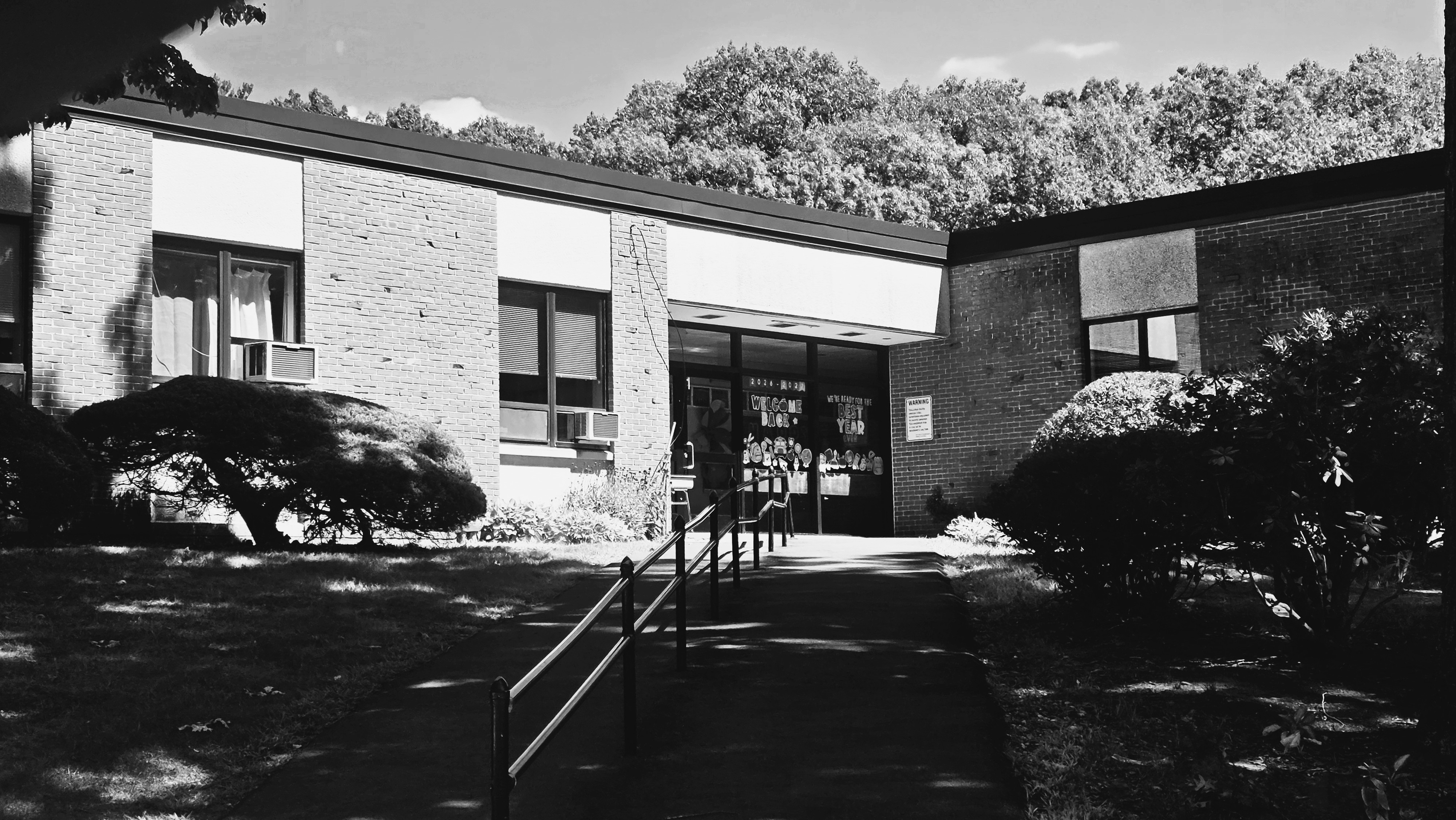
Enrollment and Space Questions Revive Closing Debate-October 18, 1979 The future of the George F. Willett School is back under intense scrutiny. Although the School Committee voted on January 17 to shutter the facility in 1980, School Superintendent Louis J. Taris told the committee last night that the timeline might be flexible. “The timing hinges…
-
Prescott School Security Roadway Proposal Sparks Opposition from Residents &PTA-September 14, 1979
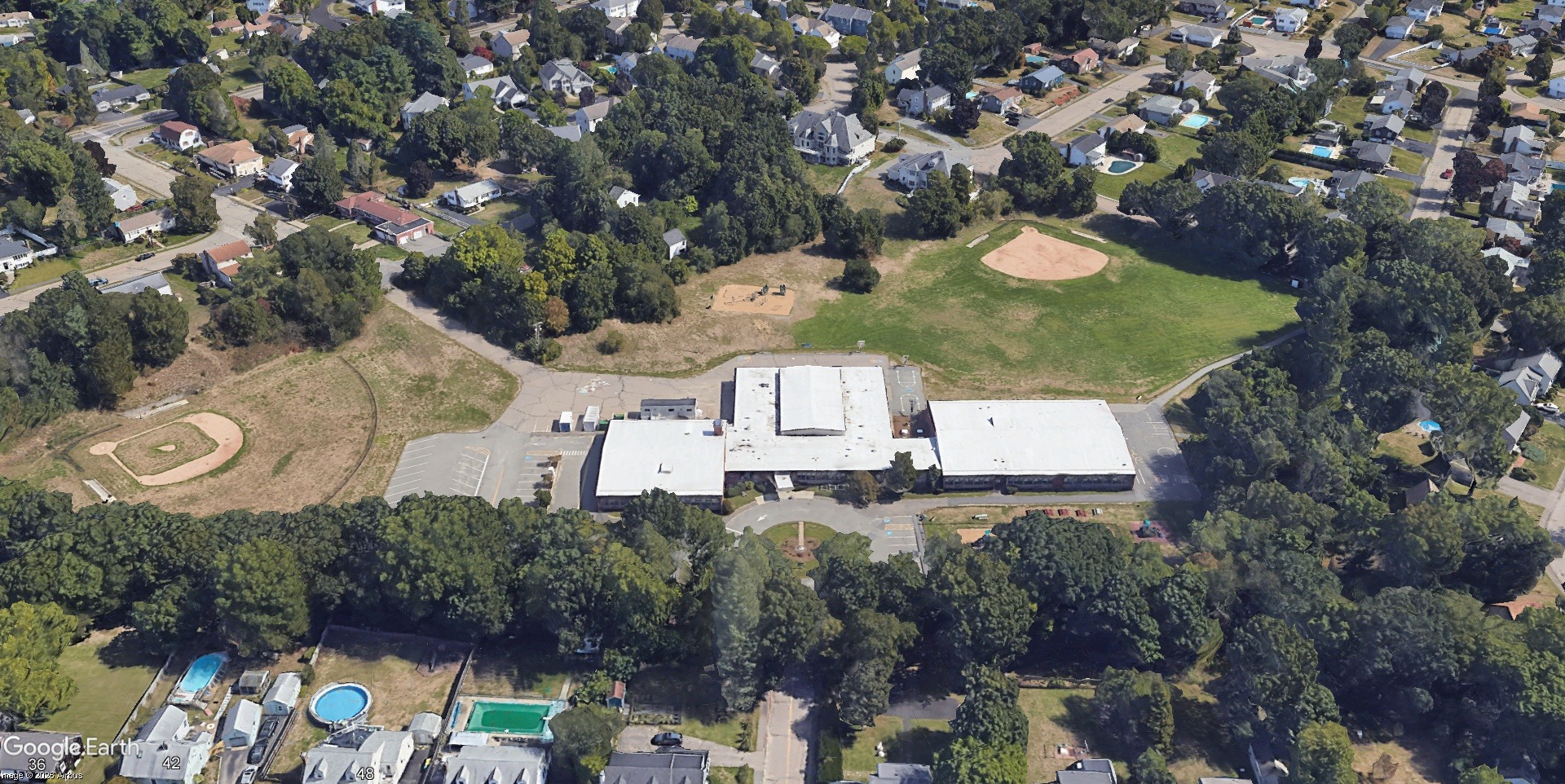
Prescott School neighbors and the PTA oppose a security committee proposal to pave a perimeter roadway for police patrols, citing student safety and vandalism concerns.
-
School Enrollment Shows Drop of 382 from Last Year-September 6, 1979
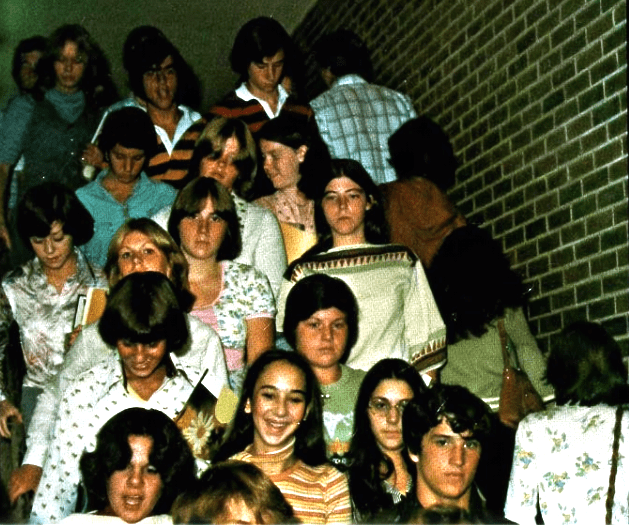
Norwood public school enrollment drops by 382 students to 5,078, while administrators outline major scheduling and open-campus policy changes at the senior high school.
-
Aaron Guild School Leased to Norwood CETA Consortium and EdCo for One Year-August 1, 1979

Norwood selectmen voted unanimously to lease the closed Aaron Guild School for one year to the Norwood CETA Consortium and the Educational Collaborative of Greater Boston (EdCo) for $148,000.
-
Norwood School Bus Billing Questioned-July 31, 1979
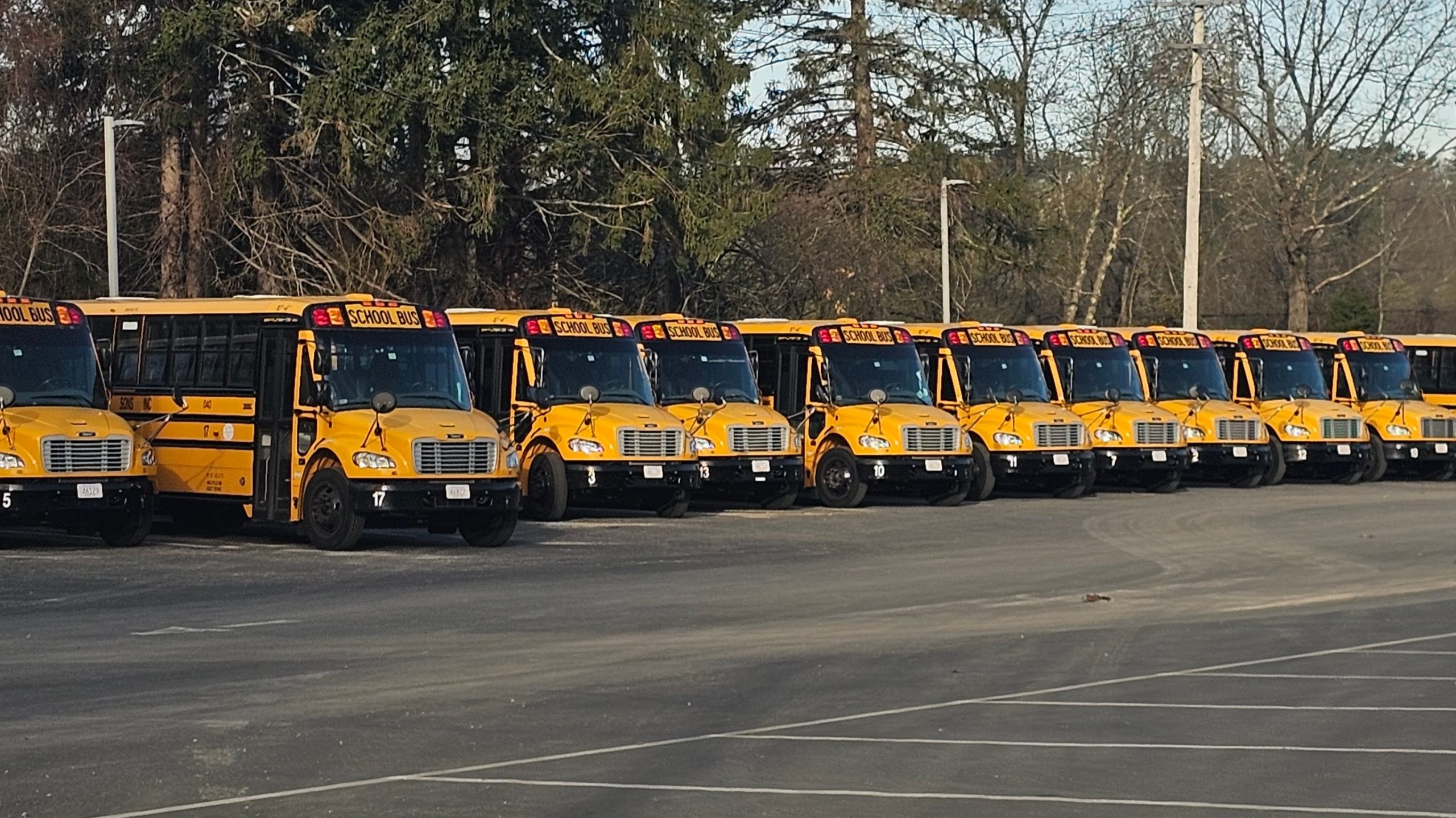
The Patriot Ledger’s July 31, 1979 edition brought to light a controversy surrounding the billing practices of Kiessling School Transportation of Dedham, which had been contracted by the town of Norwood to transport special needs children. The issue at hand was whether the company had overcharged the town for mileage on certain routes. According to…
-
School Supplies Budget Maintained at Prior Year Level Amid Spending Pressures and Utility Shortfall Concerns-September 14, 1978

Superintendent Louis J. Taris reports that Norwood’s school instructional supplies budget maintains prior-year per-pupil rates despite tight spending constraints.
-
School Department Releases Bus Routes and Eligibility Rules-August 30, 1978

As the late-summer excitement of a new academic year approached in 1978, the Norwood School Department officially released its comprehensive student transportation schedules, route mappings, and eligibility guidelines for the upcoming school term. Designed to ensure safe and orderly transit for thousands of local students, the announcement established clear boundaries and behavioral expectations for families…
-
Norwood School Committee Considers Staggered School Closing Plan-July 14, 1978
The school housing needs committee last night recommended a second school closing plan that would close the doors of the Callahan School in September, shut down the Balch School in 1981 and close a third, unnamed elementary school in 1983. The plan was backed by seven of the nine members voting and was billed as…
Discover more from Norwood Historical Society
Subscribe to get the latest posts sent to your email.