
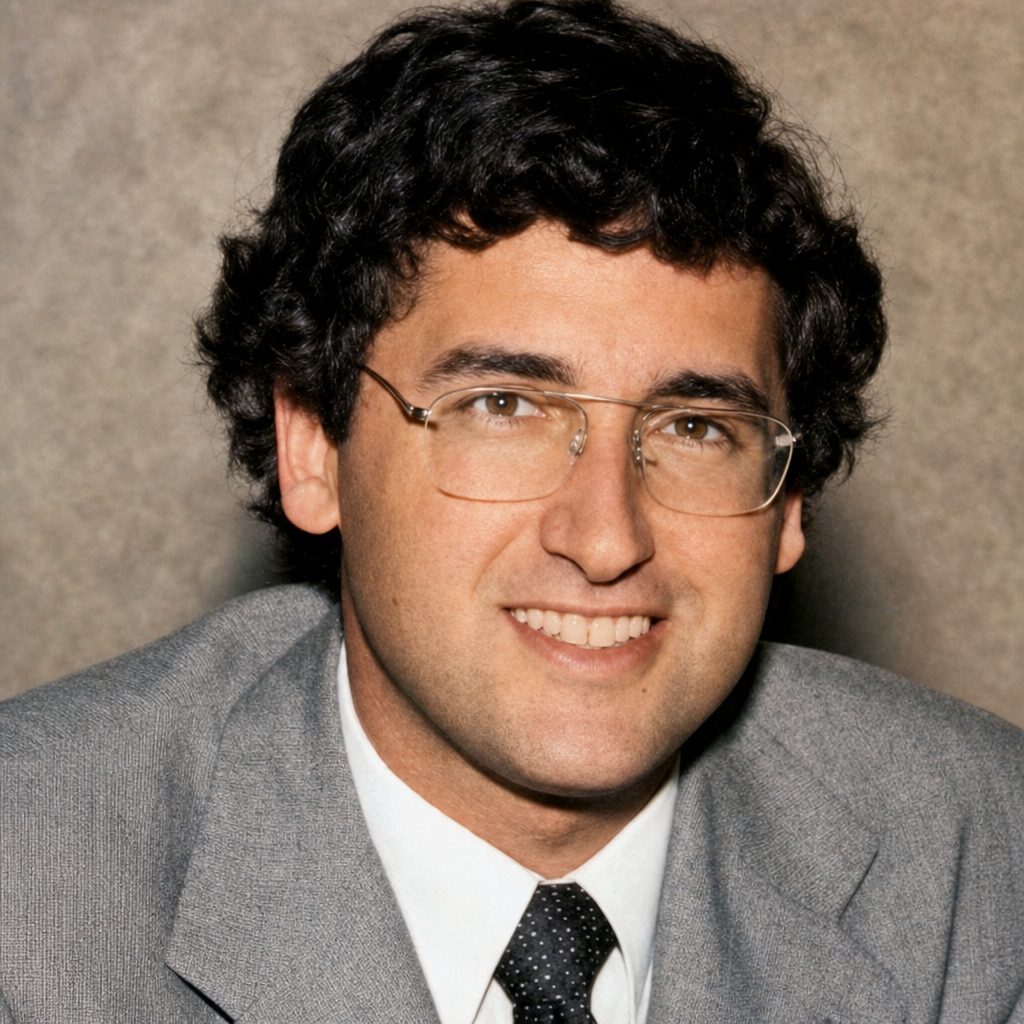
State Representative Gregory W. Sullivan is facing a primary election challenge for the first time in four years as he seeks re-election in the newly configured 12th Norfolk District, which combines all of Norwood with Westwood’s Precinct 3. His Democratic opponent is fellow Norwood resident William J. McCarthy.
At 26 years old, Sullivan is already an established two-term legislator whose political career began with a hard-fought 1974 primary victory under the old 17th Norfolk District. His challenger, 25-year-old political novice William J. McCarthy of 6 Saunders Road, grew up in the new district—where his parents have resided on Alder Road in Westwood’s Precinct 3 since 1963—and graduated from Roxbury Latin in 1971 and Colgate University in 1975. While McCarthy balances his grassroots campaign with full-time employment at the Sunnyside Package Store in Foxboro, Sullivan is a part-time student at Harvard’s Kennedy School of Government, from which he graduated in 1974.
Despite his legislative experience, Sullivan is not taking his tenure for granted. The primary challenge prompted him to hold his first major campaign fundraiser—a buffet and dance at Concannon’s Village that drew roughly 200 supporters—with an additional VFW social planned on Dean Street. Sullivan continues to lean heavily on his built-in campaign network consisting of his nine brothers and sisters in the Judge George A. Sullivan Jr. family, alongside his wife Marion, daughter of former Sharon Selectmen Chairman Frank Sullivan. The couple resides at 44 Highview St.
During his tenure, Sullivan has championed numerous local initiatives, including securing $875,000 in state school aid for Norwood in 1977, restoring full funding for the Shattuck School apartments for the elderly, establishing a federally subsidized senior hot lunch program, and sponsoring legislation to transfer a portion of Foxboro State Hospital property to Norwood Hospital. His legislative record also includes pushing for Franklin commuter rail improvements, securing funds for Norwood Airport runway repairs, co-sponsoring a budget amendment for $20 million in local aid, and authoring a House Ethics Code amendment to restrict lobbyist gifts. Operating under the campaign theme of “accessibility and full-time representation,” Sullivan maintains periodic office hours in the basement of Town Hall and emphasizes close cooperation with municipal officials.
Challenger McCarthy, however, targets accessibility as Sullivan’s primary vulnerability, charging that the incumbent is only available to the “politically well connected.” “It’s fine to sit down in the basement of town hall and say, ‘come to me.’ I don’t think he’s made an effort to go out to people since the ‘74 campaign,” McCarthy asserted. Furthermore, McCarthy positions himself as a fiscally conservative Democrat, criticizing Sullivan’s record as that of a “big spender” adhering to an “old liberal ethic.” McCarthy advocates for strict tax limitations, supporting both a constitutional amendment to cap state taxes and a proposition concept to limit property taxes to 2.5 percent of market value, dismissing Sullivan’s support for spending caps as an election-year crowd-pleaser. With no Republicans running in the district, the September 19 primary will decide the representative seat.
(Reporting by Barry N. Smith, The Patriot Ledger Staff Reporter).
Archival Note: This article has been dynamically reconstructed from the original public record print archives of the Patriot Ledger
-
Amedio DeFlaminis Marks 50 Years as an Election Poll Worker in Norwood-November 1, 1982
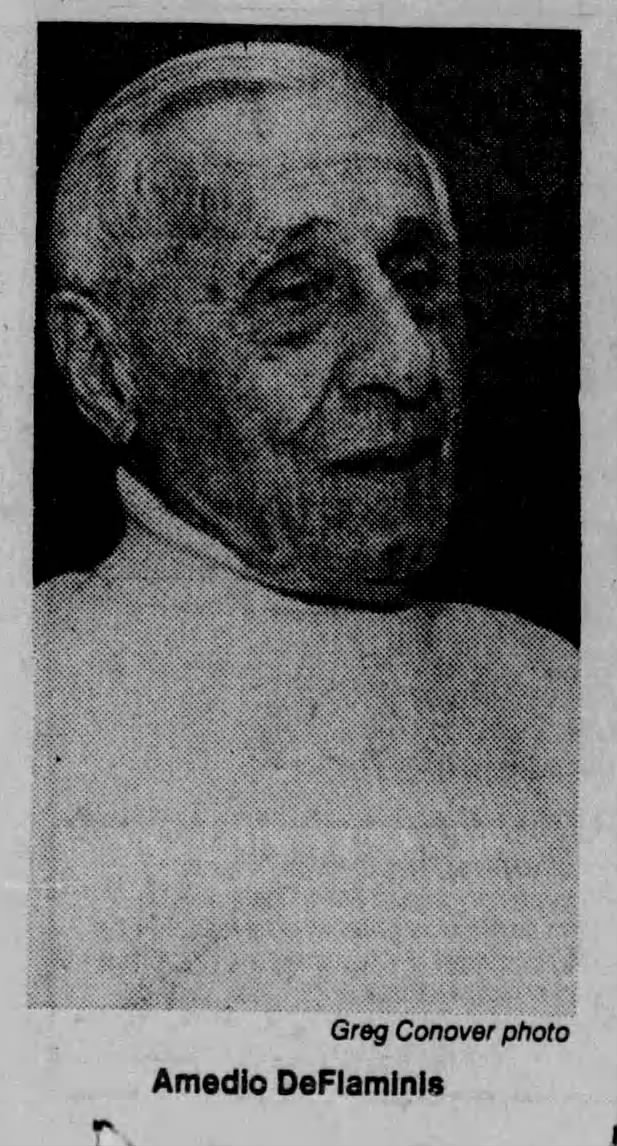
Celebrating 50 years working at Norwood’s election polls, Precinct E warden Amedio DeFlaminis shares memories of a half-century serving voters at the Callahan School.
-
Civic Recreation Center Plans Survive Referendum Challenge, Water and Sewer Rate Hikes Debated, and Murray Field Lights Set for Removal-September 16, 1981

Plans for a $2.2 million civic recreation center at the former Aaron Guild School survive a referendum test, while selectmen debate utility rate hikes and Murray Field lights.
-
Norwood Voters Visit Armory for Last Time-November 6, 1968
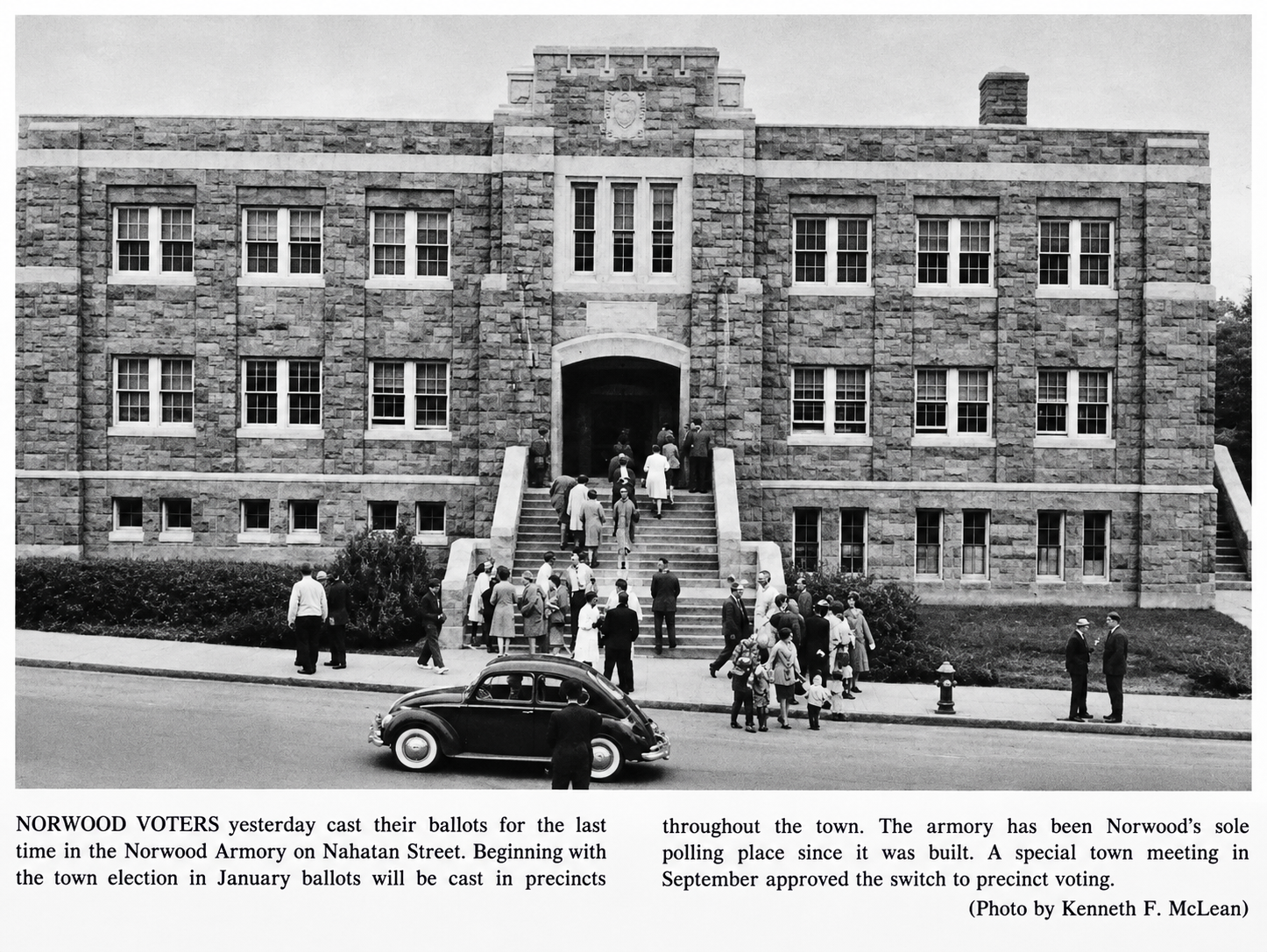
Marking the final election held at the historic Nahatan Street Armory, 90 percent of Norwood voters cast ballots to re-elect state representatives, back national tickets, and approve precinct-based voting.
-
Proposition 2 1/2 Debate at Town Hall Sparks Heated Clash Over Tax Reform-October 2, 1980
Francis “Chip” Faulkner and State Rep. Gerald Cohen clash in a heated debate at Norwood Town Hall over the tax-cutting ballot initiative Proposition 2 1/2.
-
Norwood Voters to Test Computerized Punch-Card Ballots in State Primary Election-September 12, 1980
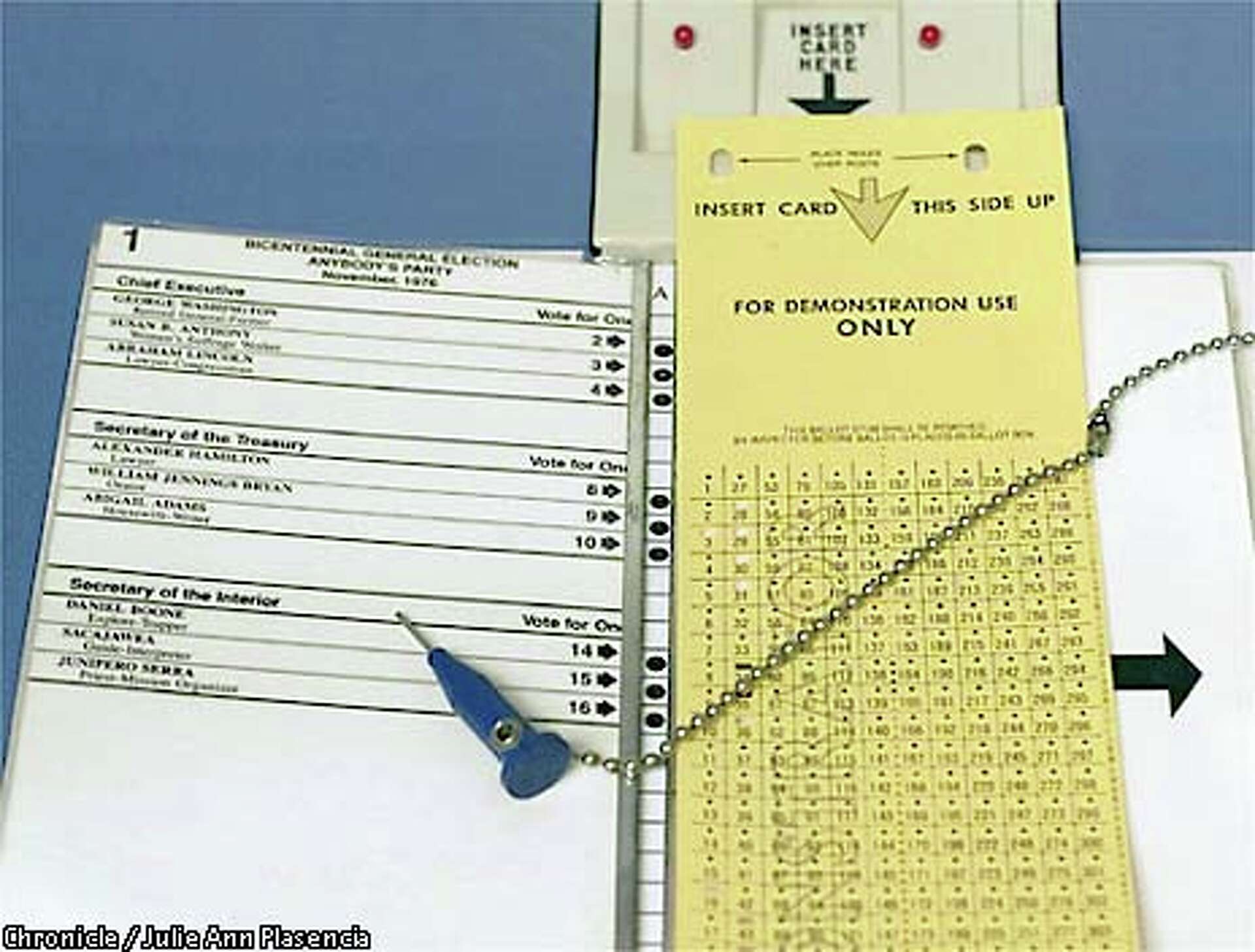
Norwood voters will use a new computerized punch-card ballot system provided by Factory Mutual Engineering Company for the upcoming state primary election.
-
Town Officials Warn of Disastrous Cuts from Proposed Proposition 2 1/2-August 20, 1980
Facing a potential $3 million budget shortfall, Norwood town officials are mobilizing an educational campaign to warn residents about the severe municipal cuts threatened by Proposition 2 1/2.
-
State DPW Commissioner John J. Carroll Appointed Norwood Town Manager-November 1, 1978
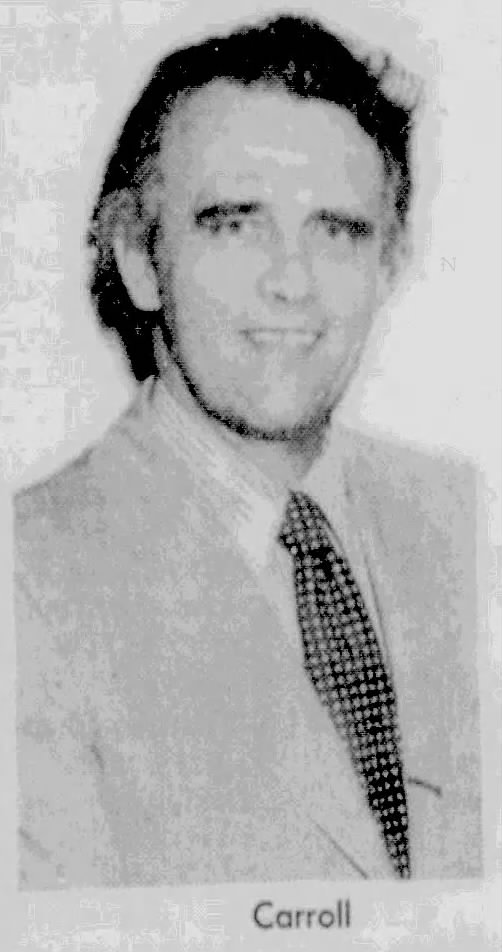
Leaving the outgoing Dukakis administration, State DPW Commissioner John J. Carroll was appointed Norwood’s new town manager by a 4-1 vote of the Board of Selectmen.
-
Retiring Congressman James Burke Bids Farewell to Federal Retirees at Norwood VFW Hall-October 31, 1978
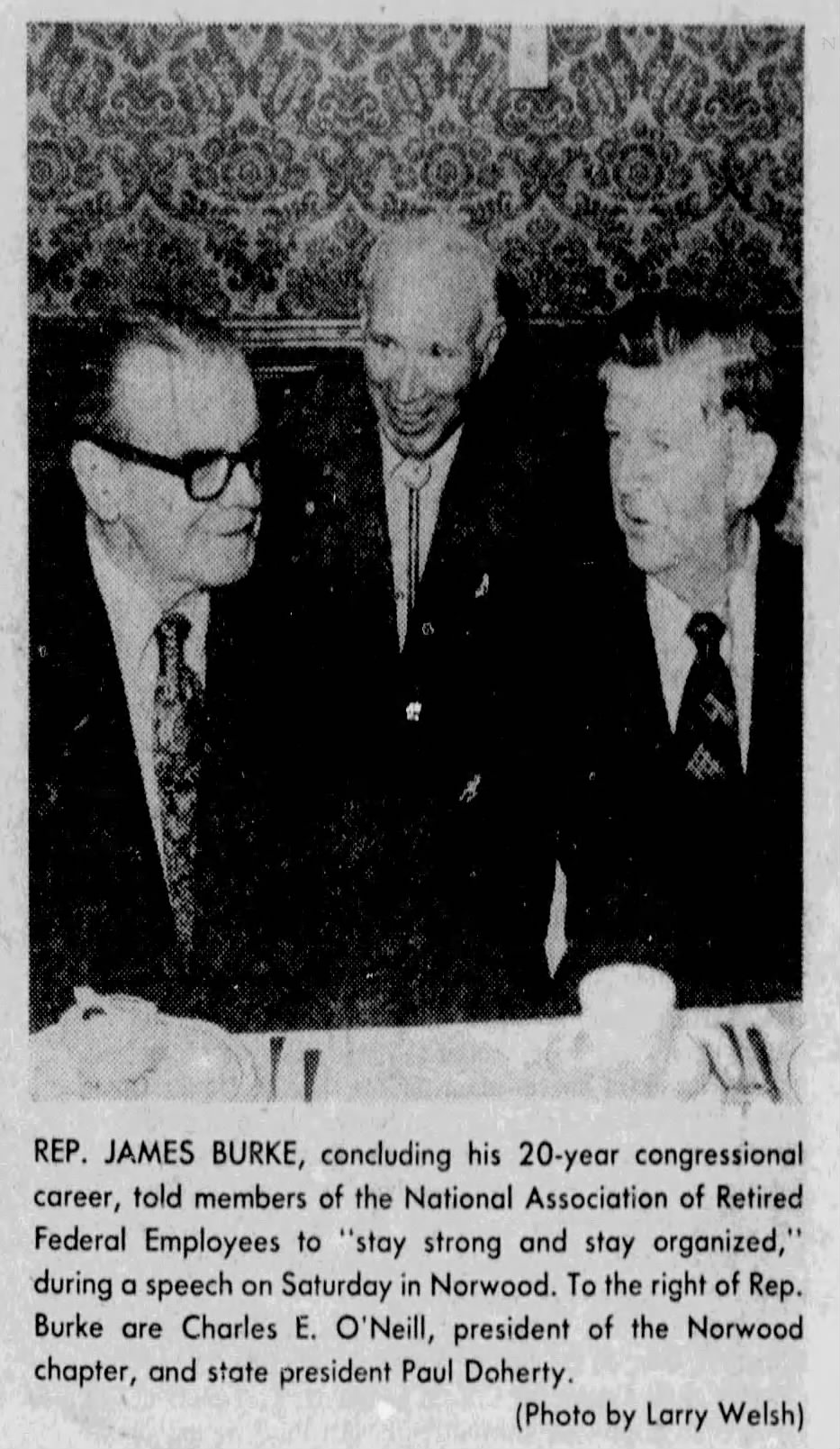
Retiring 11th District U.S. Rep. James Burke reflected on his 20-year career, Medicare battles, and advocacy for seniors during an emotional farewell address to federal retirees in Norwood.
-
Republican Town Committee Delays Nominations for Board of Registrars-October 24, 1978

The Republican Town Committee delayed nominations for the Board of Registrars by one week to review candidate qualifications and procedures following A. Franklin Swift’s departure due to office-holding conflicts.
-
Property Taxes Dominate Norwood’s 1978 Special Election Amid School Committee Recall and Selectman Race-October 23, 1978
Soaring property taxes take center stage in Norwood’s special municipal election, featuring a high-stakes school committee recall, a four-way selectmen race, and a finance commission contest.
Discover more from Norwood Historical Society
Subscribe to get the latest posts sent to your email.