
Attorney John J. Mulvehill Files With Secretary of State After ABCC Halts Hearing Over Dissolved 1912 Charitable Charter
NORWOOD – The Lithuanian Club in South Norwood moved on Friday, November 26, 1976, to regain its formal corporate designation—a critical legal step required to preserve its municipal liquor license. Reported in The Patriot Ledger on November 26, 1976, the club’s legal counsel, Attorney John J. Mulvehill, announced that he planned to file paperwork that day with the Massachusetts Secretary of State’s office seeking corporate reinstatement, noting that while the law permitted reinstatement, the procedure was legally complex.
The question of the organization’s standing as a charitable corporation surfaced the previous week during a hearing before the state Alcoholic Beverages Control Commission (ABCC) concerning the club’s liquor license operations at its St. George Avenue hall in South Norwood. Testimony and records introduced at the hearing revealed that the Norwood Lithuanian American Citizens Association, originally organized in 1912, had allowed its charitable corporate charter to be dissolved four years earlier.
Upon learning of the lapse, the ABCC suspended the hearing and granted the association seven days to present proof of active corporate status, with one commissioner warning that the liquor license could be voided if it were held by what had effectively become a “phantom corporation.” Although the initial seven-day window had already expired, Mulvehill stated that he intended to submit proof of corporate reinstatement directly to the ABCC, which would then determine whether to resume the licensing hearing.
(Note: Source OCR merged four distinct news stories from the November 26, 1976 edition—including an embedded subhead artifact “10 Year-Old Lawsuit” belonging to Story 3; all four stories have been separated and reconstructed independently below.)
Source: The Patriot Ledger • Friday, November 26, 1976
Archival Note: This article has been dynamically reconstructed from the original public record print archives of the Patriot Ledger
More…
-
Tremont Street to St. Joseph Avenue
Tremont Street On November 5, 1954, the partially nude body of fifteen-year-old Geraldine Annesse was found in the garage of #13 Tremont Street. She had been raped and strangled. Early newspaper articles speculated this might be the work of a serial sexual marauder (a sex maniac). Within two days the police had arrested 15-year-old Peter…

-
St James Avenue to St George Avenue
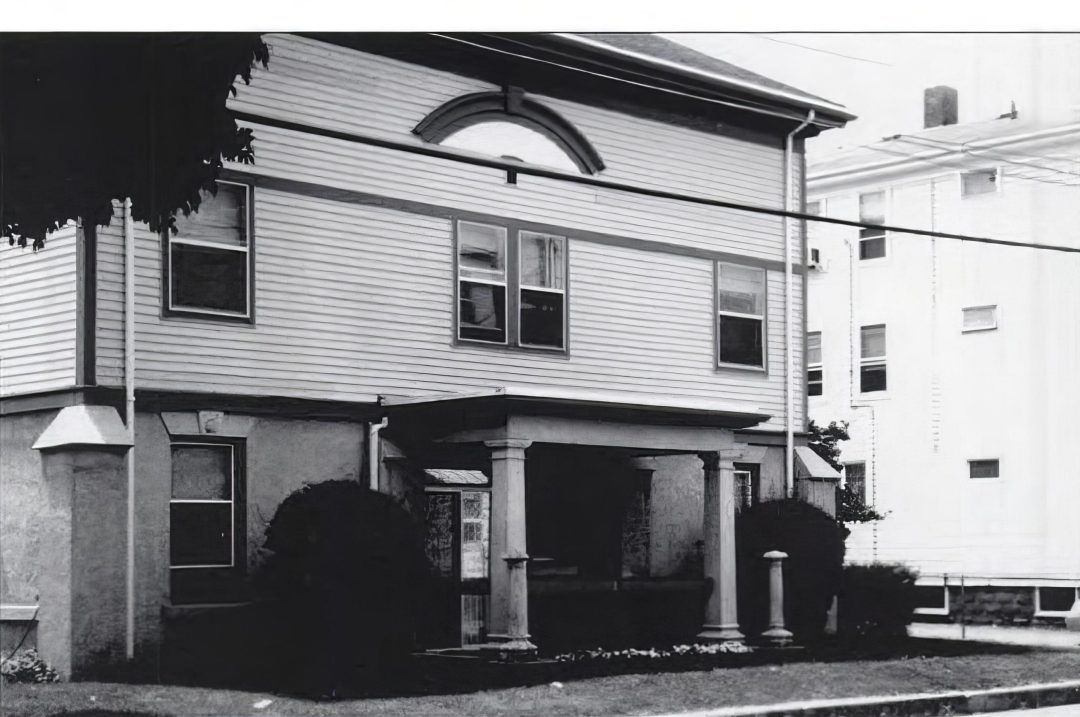
South Norwood Photo Studio —1 St James Avenue (now gone) John Klukas was one of two photographers who operated photo studios in South Norwood. Alexander Lapinsky had a studio around the corner at 1084 Washington. Many of Norwood’s immigrant population liked to have their pictures taken, as it was an affordable way to memorial important…
-
Oolah Avenue to St. James Avenue
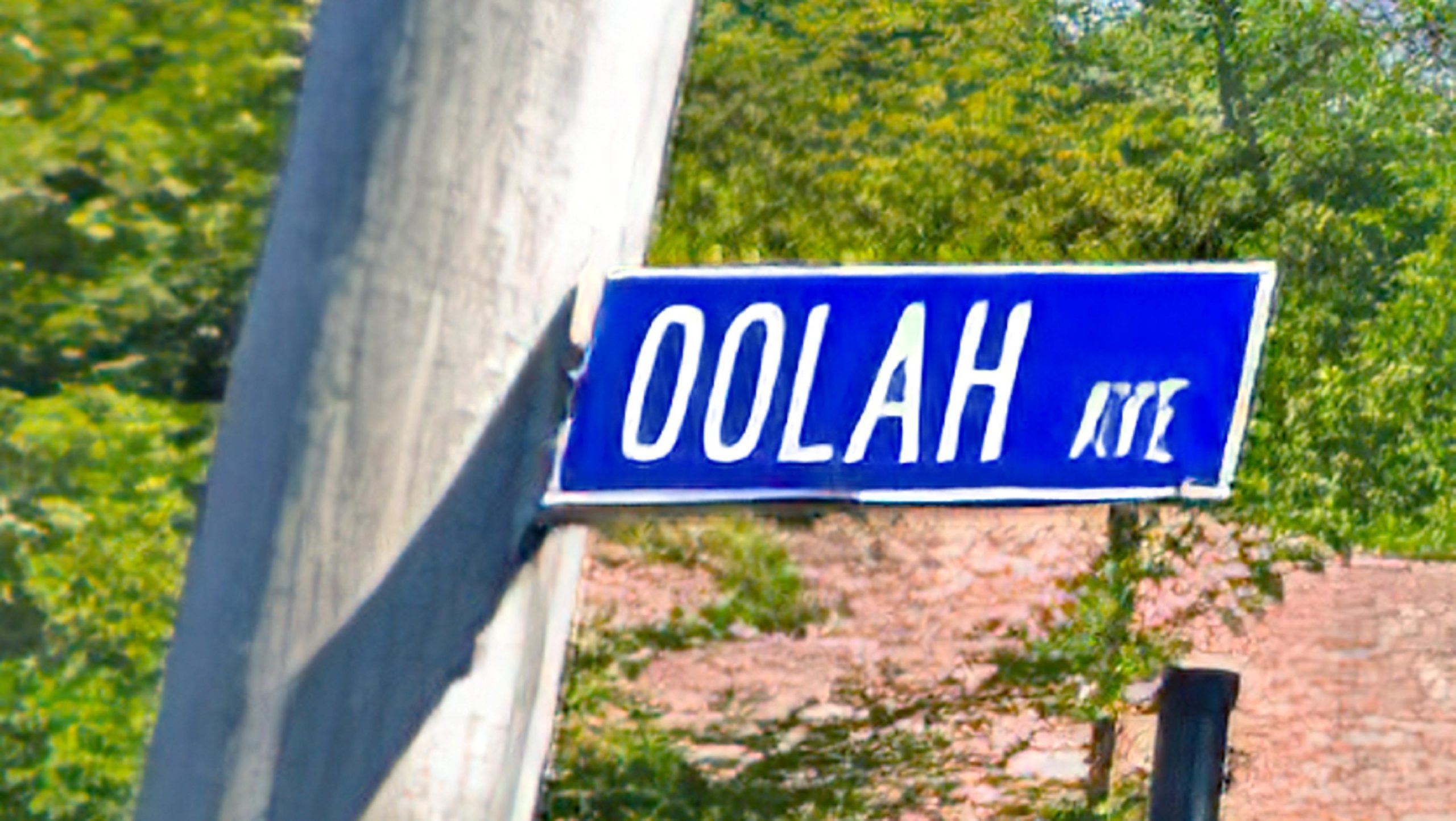
Oolah Avenue Named after the Abdallahs – “Oolah” is Syrian for Nicholas. Over the years, this street has been the home to waves of immigrants – Irish, Polish, Lithuanian, Italian, Portuguese, Brazilian, Egyptian, and Ecuadorian called this street home. At one time, Matt Drummey lived here and was known for the cellos he made by…
-
Dean Street to Oolah Avenue
Temple Shaare Tefilah – 935 Washington Street Although this building is located about a quarter of a mile north of Dean Street, it was an important place for many of South Norwood’s Jewish population. In 1908, seventeen Jewish families purchased a Torah and organized this temple. Initially they did not have a building of their…
-
Points of Interest: South Norwood’s Changing Street Scape
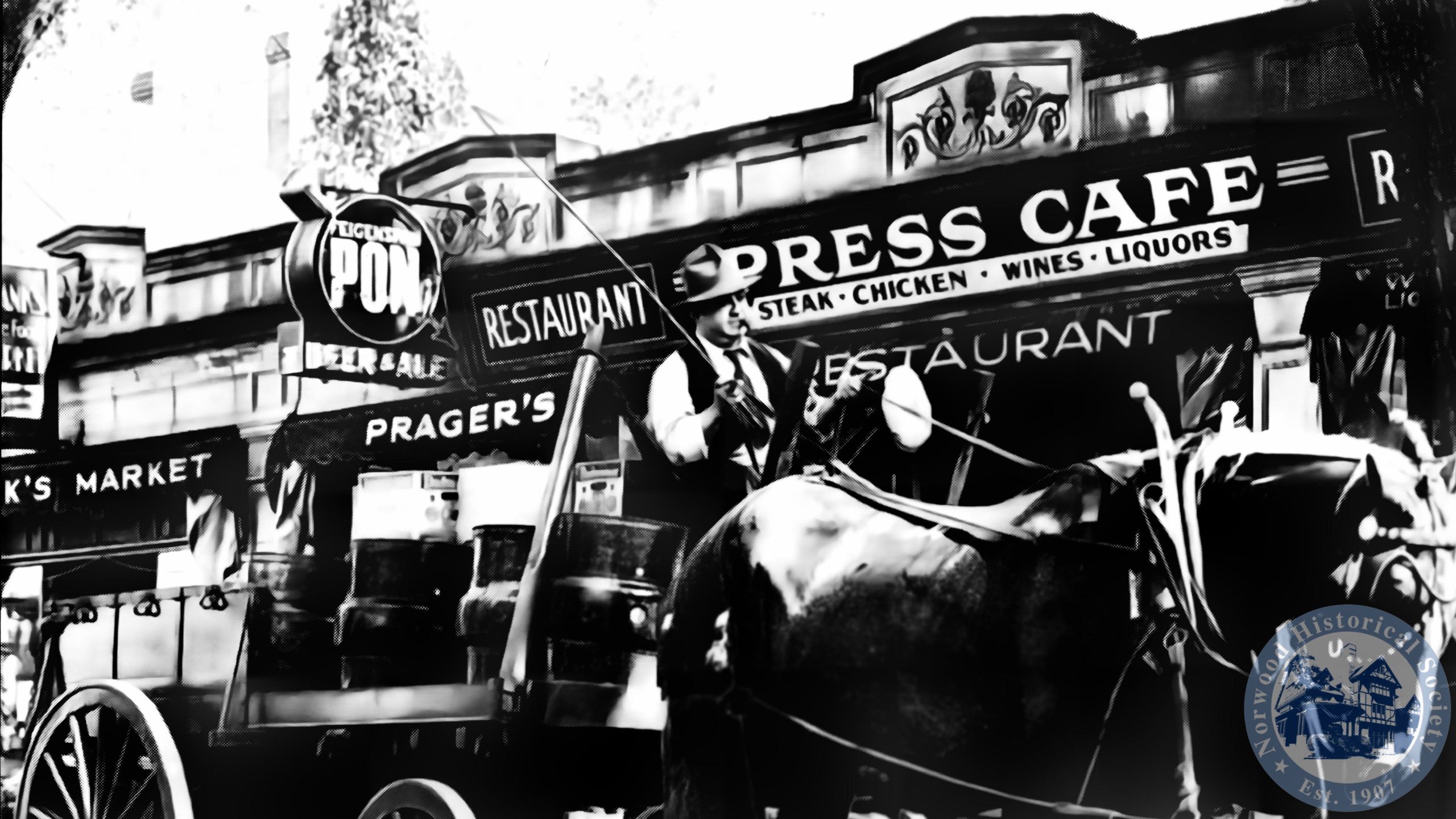
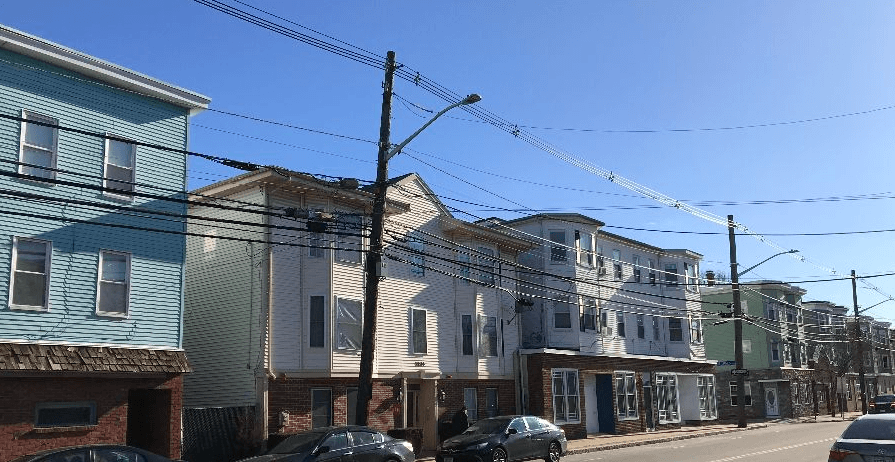
To travel from one end of South Norwood to the other, basically from Dean Street to Mylod Street, the length is only eight-tenths of a mile (.08), but so much is packed into this area! Over the years, Washington Street has been home to many small businesses, which contributed to the vibrancy of the neighborhood.…
-
Norwood’s Polish Immigrants
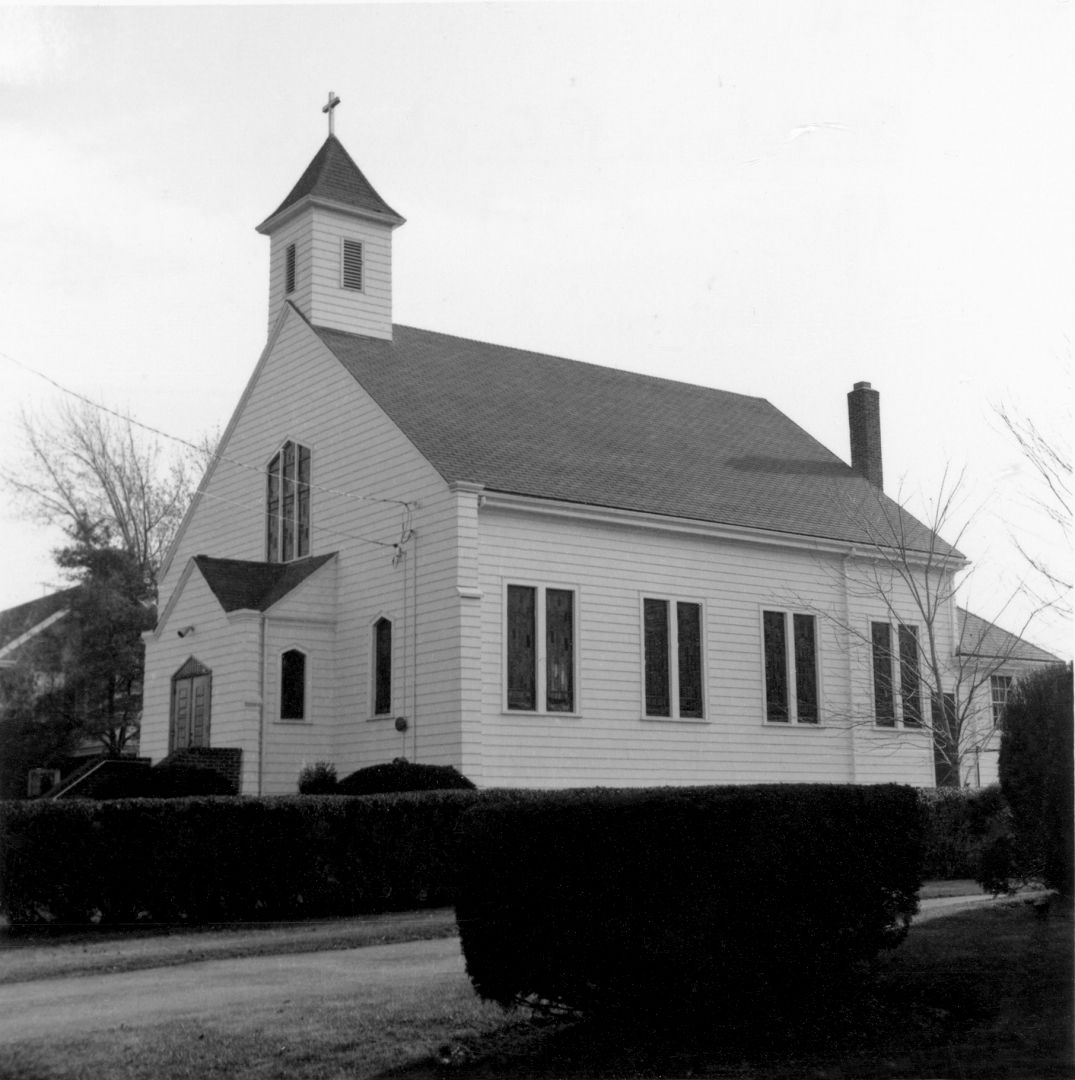
The Polish share much of their history and culture with the Lithuanians. Their long connection started in 1386 Lithuania’s Grand Duke Jogaila married Queen Jadwiga, of the Kingdom of Poland, then in 1569, the Polish-Lithuanian Commonwealth was formally formed. This Commonwealth was initially known for its ethnic diversity as well as religious freedom, but as…
-
Norwood’s Italian Immigrants
In over forty years, between 1880 and 1920 over four million Italians began arriving in The United States, many coming from the poor agricultural towns located in Mezzogiorno region (the “boot” area). Those who came to Boston settled in the North End. As early as 1905, Italian immigrants were settling in South Norwood. Like the…

-
Norwood’s Lebanese-Syrian Immigrants
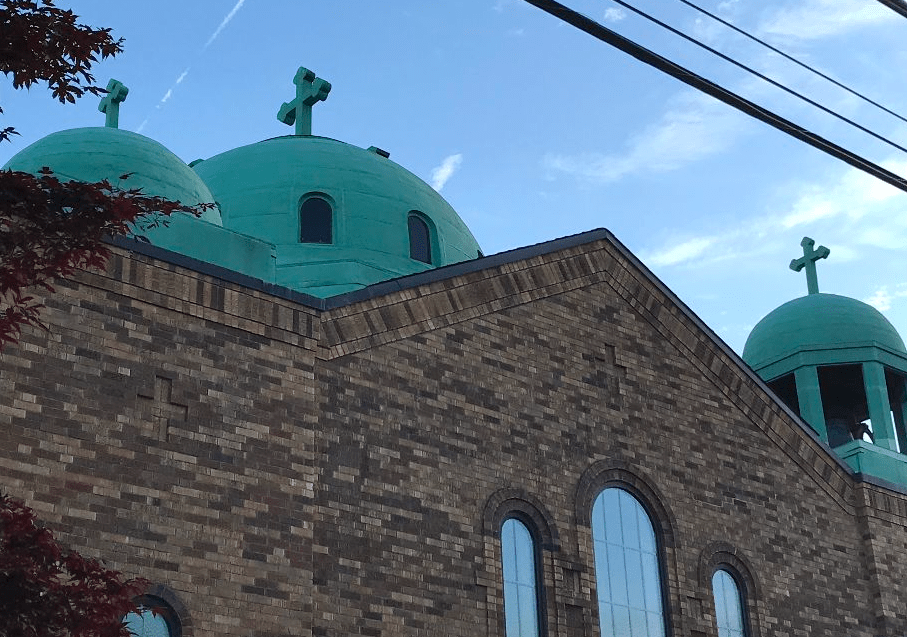
Syrians had been arriving in Massachusetts since the late 1880s. Many came from what is today, the countries of Lebanon and Syria, and these immigrants were mostly Christian. Traditionally, this area was a largely agricultural region. They settled in Boston where they found work as peddlers, lace makers, and in many of the area’s manufacturing…
-
Norwood’s Lithuanian Immigrants
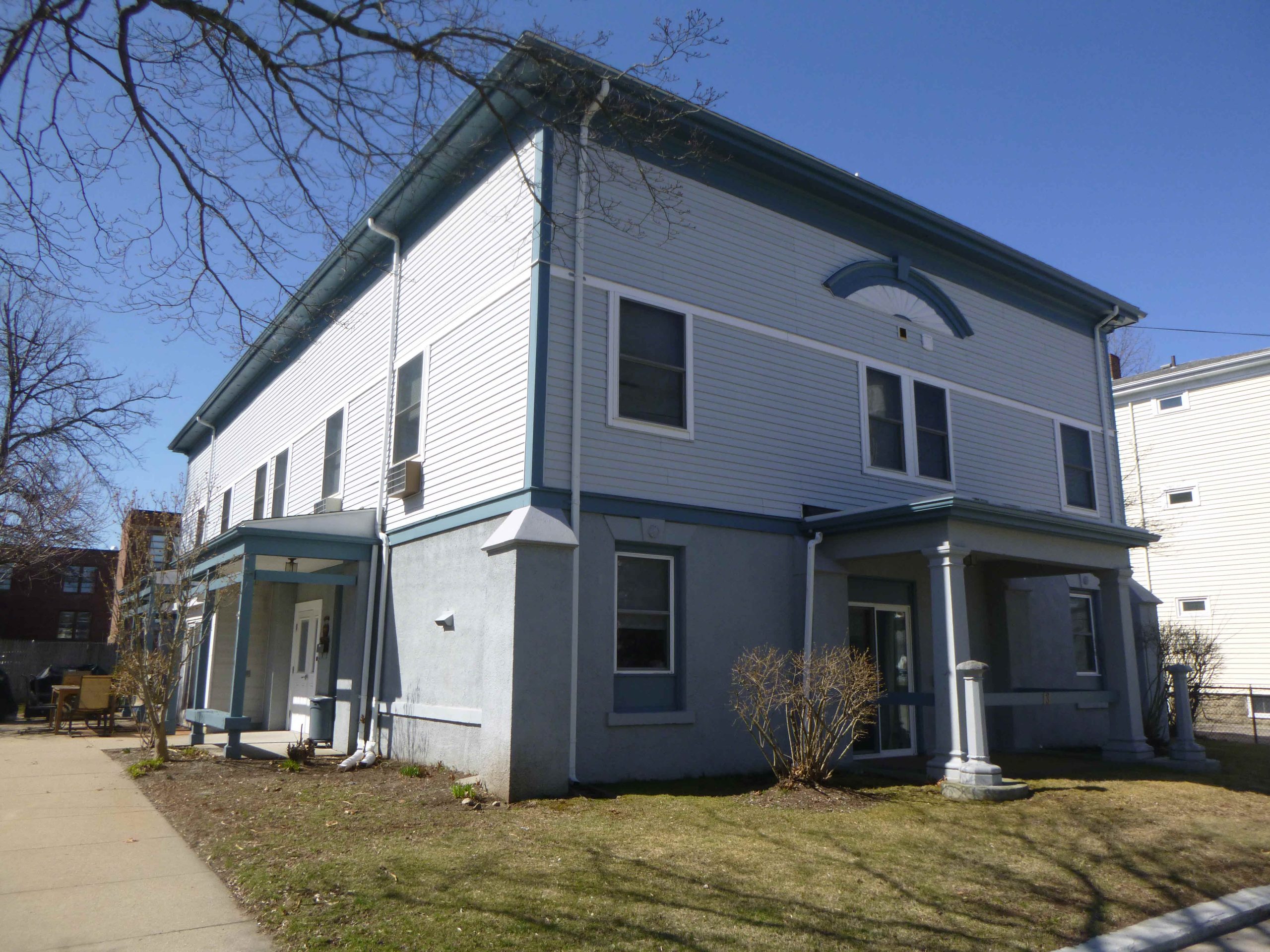
The history of Lithuania is long and complicated, but it needs to be understood as its roots illustrate when and why Lithuanians came to the United States. In 1795, The Polish-Lithuanian Commonwealth fell and was incorporated into Russia. The Commonwealth, which was made up of the Kingdom of Poland and the Grand Duchy of Lithuania,…
-
Norwood’s Portuguese Immigrants
The Portuguese began arriving in Massachusetts in the late 1800s, many coming from fishing villages in the Azores. They created Portuguese communities in Boston and Cambridge. In the late 1950s, Portuguese immigrants began settling in South Norwood, many finding homes in some of the triple-deckers in the area, but most arrived in the early 1970s.…

Discover more from Norwood Historical Society
Subscribe to get the latest posts sent to your email.