
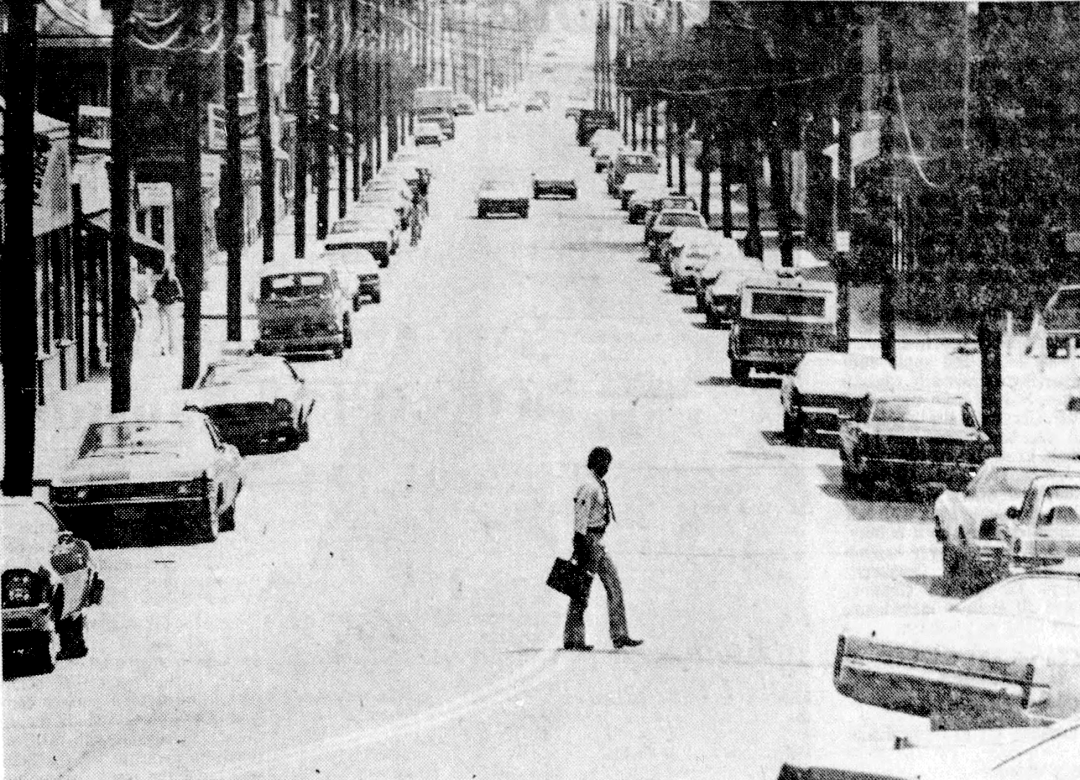
Residents Alleged Neglect as Town Proposes $12,000 Downtown Business Study
Following the announcement of a planned comprehensive study for Norwood’s central business district, residents and town meeting members from South Norwood voiced growing frustration, arguing that their neighborhood continues to be overlooked in municipal planning and capital improvements.
“Just one year ago we complained to selectmen that all the improvements stop short of South Norwood at Subway Hill, and now we hear this $12,000 study will also stop at Lenox Street,” one District 6 town meeting member remarked. The proposed study—unveiled by A. Franklin Swift, chairman of the Industrial Development Commission—calls for a $12,000 evaluation funded equally by the town and the Norfolk County Development and Tourist Council. The project is designed to analyze traffic patterns, parking, and retail layout upgrades to handle heavy traffic congestion. While the county has committed its $6,000 share, the town’s portion requires appropriation at an upcoming special town meeting.
Coming on the heels of previous grievances, the timing of the downtown study reinforced local perceptions that tax dollars disproportionately benefit “uptowners.” District 6 members emphasized that South Norwood is in desperate need of local services like a bank and a drugstore, with Shirley Reardon noting, “The request for $6,000 does seem unfair since the main street, Washington Street, does go all the way through town to Morse Hill.” Mary Frederick, temporary chairman of the District 6 group, added, “Once again our problems will be dropped. They will appropriate $6,000 for the uptown area but not here.”
Commission Defense and Community Concerns Over Neighborhood Needs
In response to the criticism, A. Franklin Swift maintained that municipal improvements benefit the entire community, emphasizing, “We are not talking about two separate Norwoods, we are one town.” Swift explained that the study’s geographic scope extends southward to Walnut Avenue and eastward to Lenox Street, naturally excluding the southern commercial district. Furthermore, Swift noted that District 6 representatives had never previously sought assistance or guidance from the Industrial Development Commission regarding past proposals, such as requests for underground electrical wiring on Washington Street or a traffic light near the Balch School.
The underground wiring proposal—which Town Manager John P. Mogan estimated would carry a prohibitive price tag of roughly $3 million—drew mixed acknowledgments from local advocates. While District 6 member Monica Phillips Bartell conceded that the multi-million-dollar wiring estimate was unrealistic, she stressed that pressing neighborhood priorities remain unaddressed: “There are a lot more important things to be done here such as improving the streets, parking, and the playgrounds.” Most South Norwood representatives indicated they would likely drop the underground wiring push to focus on more urgent infrastructure needs.
Archival Note: This article has been dynamically reconstructed from the original public record print archives of the Patriot Ledger
More…
-
Tremont Street to St. Joseph Avenue
Tremont Street On November 5, 1954, the partially nude body of fifteen-year-old Geraldine Annesse was found in the garage of #13 Tremont Street. She had been raped and strangled. Early newspaper articles speculated this might be the work of a serial sexual marauder (a sex maniac). Within two days the police had arrested 15-year-old Peter…

-
St James Avenue to St George Avenue
South Norwood Photo Studio —1 St James Avenue (now gone) John Klukas was one of two photographers who operated photo studios in South Norwood. Alexander Lapinsky had a studio around the corner at 1084 Washington. Many of Norwood’s immigrant population liked to have their pictures taken, as it was an affordable way to memorial important…
-
Oolah Avenue to St. James Avenue
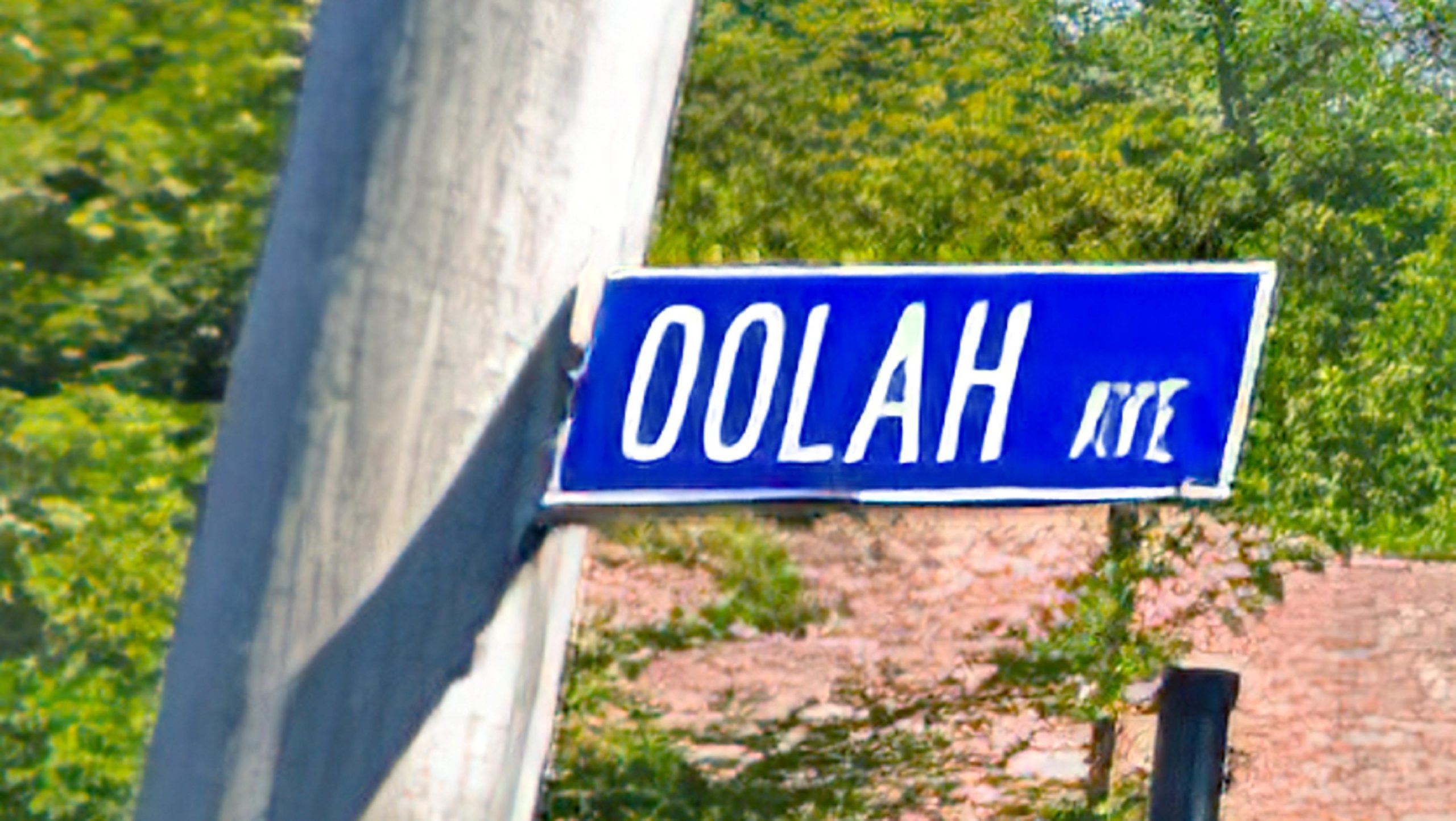
Oolah Avenue Named after the Abdallahs – “Oolah” is Syrian for Nicholas. Over the years, this street has been the home to waves of immigrants – Irish, Polish, Lithuanian, Italian, Portuguese, Brazilian, Egyptian, and Ecuadorian called this street home. At one time, Matt Drummey lived here and was known for the cellos he made by…
-
Dean Street to Oolah Avenue
Temple Shaare Tefilah – 935 Washington Street Although this building is located about a quarter of a mile north of Dean Street, it was an important place for many of South Norwood’s Jewish population. In 1908, seventeen Jewish families purchased a Torah and organized this temple. Initially they did not have a building of their…
-
Points of Interest: South Norwood’s Changing Street Scape
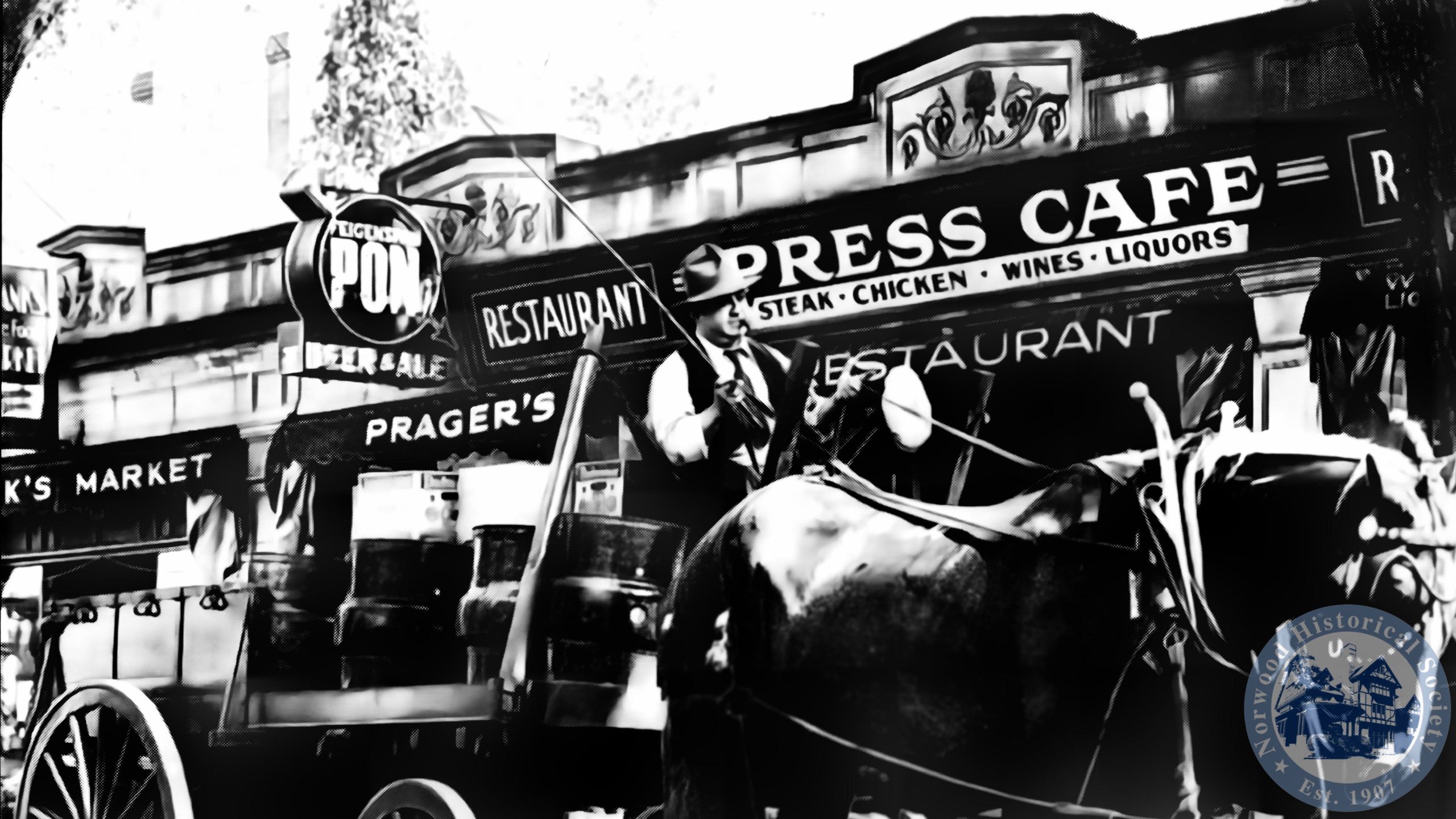
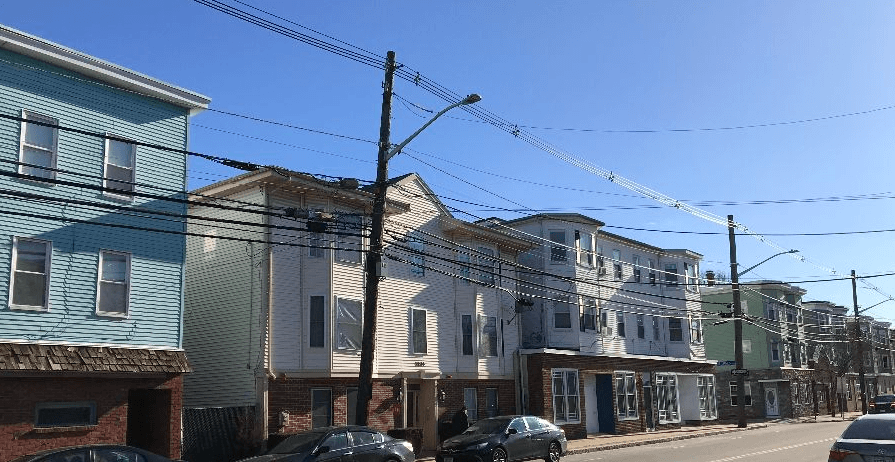
To travel from one end of South Norwood to the other, basically from Dean Street to Mylod Street, the length is only eight-tenths of a mile (.08), but so much is packed into this area! Over the years, Washington Street has been home to many small businesses, which contributed to the vibrancy of the neighborhood.…
-
Norwood’s Polish Immigrants
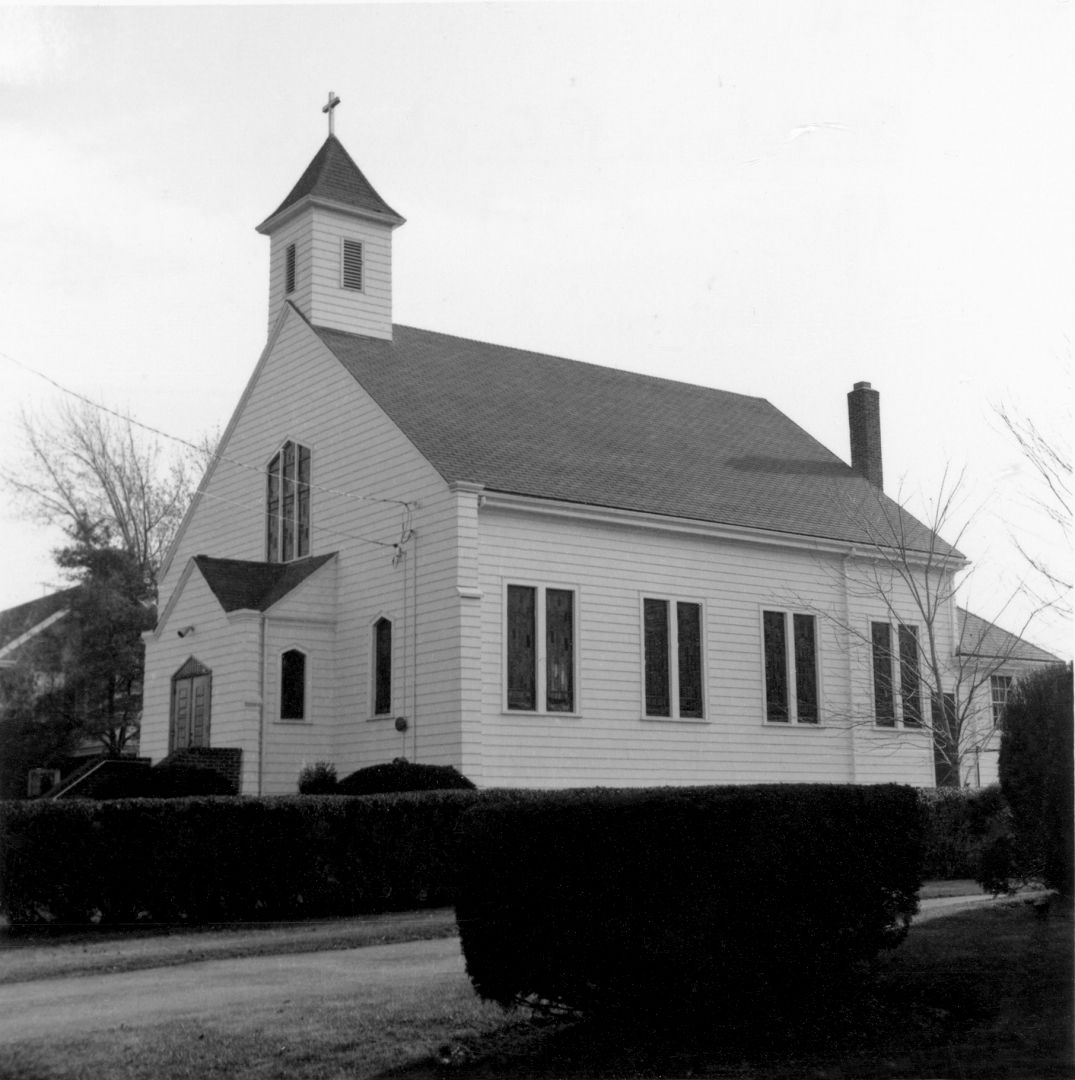
The Polish share much of their history and culture with the Lithuanians. Their long connection started in 1386 Lithuania’s Grand Duke Jogaila married Queen Jadwiga, of the Kingdom of Poland, then in 1569, the Polish-Lithuanian Commonwealth was formally formed. This Commonwealth was initially known for its ethnic diversity as well as religious freedom, but as…
-
Norwood’s Italian Immigrants
In over forty years, between 1880 and 1920 over four million Italians began arriving in The United States, many coming from the poor agricultural towns located in Mezzogiorno region (the “boot” area). Those who came to Boston settled in the North End. As early as 1905, Italian immigrants were settling in South Norwood. Like the…

-
Norwood’s Lebanese-Syrian Immigrants
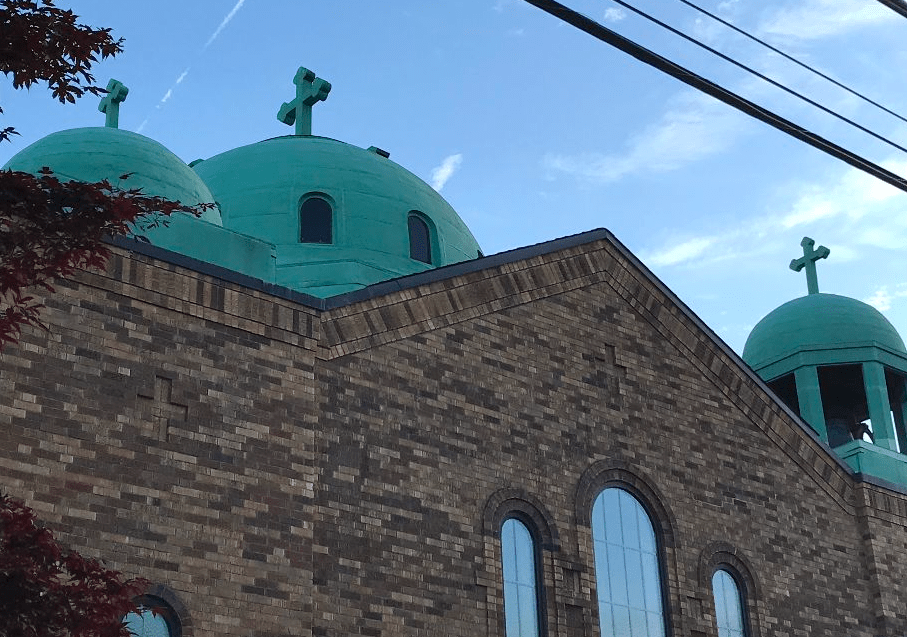
Syrians had been arriving in Massachusetts since the late 1880s. Many came from what is today, the countries of Lebanon and Syria, and these immigrants were mostly Christian. Traditionally, this area was a largely agricultural region. They settled in Boston where they found work as peddlers, lace makers, and in many of the area’s manufacturing…
-
Norwood’s Lithuanian Immigrants
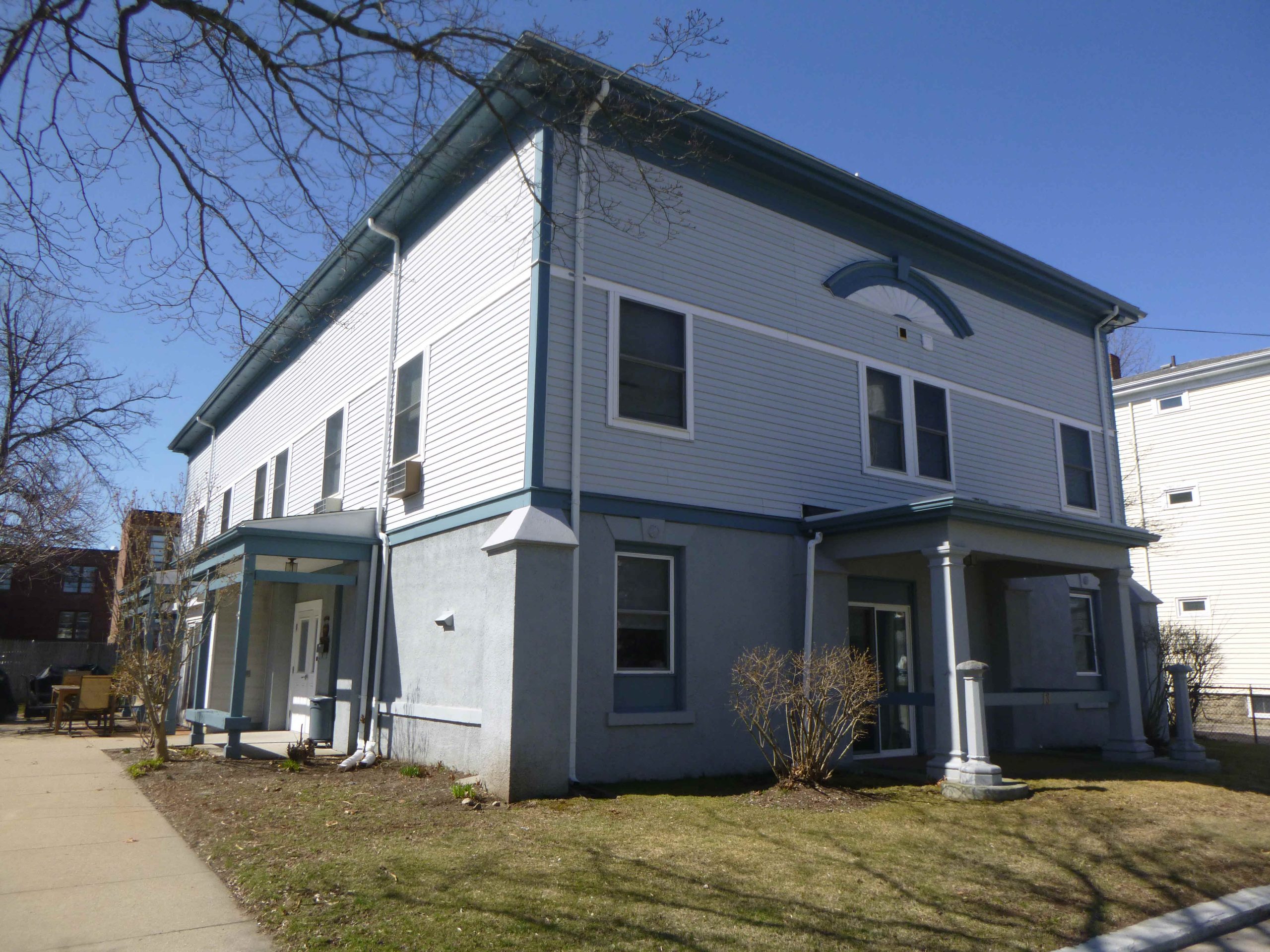
The history of Lithuania is long and complicated, but it needs to be understood as its roots illustrate when and why Lithuanians came to the United States. In 1795, The Polish-Lithuanian Commonwealth fell and was incorporated into Russia. The Commonwealth, which was made up of the Kingdom of Poland and the Grand Duchy of Lithuania,…
-
Norwood’s Portuguese Immigrants
The Portuguese began arriving in Massachusetts in the late 1800s, many coming from fishing villages in the Azores. They created Portuguese communities in Boston and Cambridge. In the late 1950s, Portuguese immigrants began settling in South Norwood, many finding homes in some of the triple-deckers in the area, but most arrived in the early 1970s.…

Discover more from Norwood Historical Society
Subscribe to get the latest posts sent to your email.