
Economic Headwinds Challenge a Local Technology Giant

The year 1998 was a period of intense transformation for the global technology sector, defined by rapid innovation but also punctuated by volatile market cycles.
For Analog Devices Inc., a preeminent manufacturer of integrated circuits headquartered in Norwood, Massachusetts, the summer of 1998 brought sobering news that illustrated the fragility of the semiconductor market. As the industry grappled with a significant global downturn, the company found itself navigating a challenging fiscal environment that tested its resilience and long-term strategy.
On July 21, 1998, reports confirmed that the financial performance of Analog Devices Inc. for the third quarter had fallen short of analyst expectations. The company, a bellwether for local technological manufacturing, cited a confluence of global pressures for the downturn. Primary among these was the economic instability within Asian markets and a “dramatic downturn” in the demand for automatic testing equipment. Because the broader semiconductor industry had decelerated on a worldwide scale, manufacturers were drastically reducing their orders for the high-precision integrated circuits that formed the core of the Norwood company’s output.
The ripple effects of this industry-wide contraction were felt throughout the supply chain. Chris Chaney, an analyst with A.G. Edwards based in St. Louis, provided essential context for the decline, explaining that the weakened demand for computer chips naturally cascaded into reduced requirements for testing machinery, which directly eroded Analog Devices Inc.’s sales volume. Furthermore, the company’s digital signal processors—specialized chips essential for the burgeoning communications sector, including wireless telephone technology—were also facing a slump in demand. The financial market’s reaction was swift and unforgiving. Following a weak earnings report earlier in May 1998, which had triggered an 18 percent decline in the company’s share price, investors reacted to the new data with further skepticism. On July 20, 1998, the company’s stock on the New York Stock Exchange fell by nearly 12 percent, closing at $23.75, a decrease of $3.19.
Professional assessments of the company’s immediate future remained cautious. David Wu, an analyst from ABN AMRO in San Francisco, expressed a lack of optimism, indicating that he did not anticipate a significant recovery for Analog Devices Inc. until the following year. Conversely, some market observers pointed to the rebounding stock price of Intel Corp. as a potential harbinger that the most severe aspects of the semiconductor slowdown had finally peaked.
Management at Analog Devices Inc. suggested that the upcoming quarter could represent the “trough” of the cycle. However, analysts like Chris Chaney cautioned that the path to recovery might be more protracted. Chaney projected that the downturn in the test equipment market would likely persist for another six months, with signs of improvement potentially appearing toward the end of the year, driven by a forecasted rebound in consumer electronics and wireless telephone sales.
Amidst the financial turbulence, a point of stability remained for the local workforce. Analog Devices Inc. made the strategic decision to avoid job cuts, providing a measure of security for its employees during an uncertain time. This stance contrasted with other regional entities in the sector, such as Robotic Vision Systems Inc. in Canton and ADE Corp in Westwood, both of which had been forced to implement layoffs in recent months. While Chaney speculated that the pressure of the market might eventually compel Analog Devices Inc. to downsize, Wu maintained that he did not foresee the company taking such action.
The struggles of Analog Devices Inc. served as a poignant reminder of the interconnected nature of the global economy in the late 1990s. As technology evolved with unprecedented speed, businesses were forced to adapt to cyclical shifts that were often beyond their control. For the town of Norwood, the financial health of one of its largest employers remained a subject of intense focus for residents, investors, and analysts alike. While the future remained shrouded in uncertainty during that July, the commitment of the company to weather the semiconductor storm underscored the broader endurance of the region’s technological sector during a decade of immense change.
Archival Note: This article has been dynamically reconstructed from the original public record print archives of the Patriot Ledger
More Norwood Business History
-
Kline’s Department Store Marks Ten Years in Downtown Norwood-July 11, 1983
Kline’s Department Store Celebrates a Decade in Norwood On July 11, 1983, Kline’s Department Store marked a significant milestone, celebrating ten successful years of operation in downtown Norwood. ⠀ When the 25-store retail chain first moved into the building formerly occupied by the Park Snow store, local observers were initially skeptical. At the time, the…

-
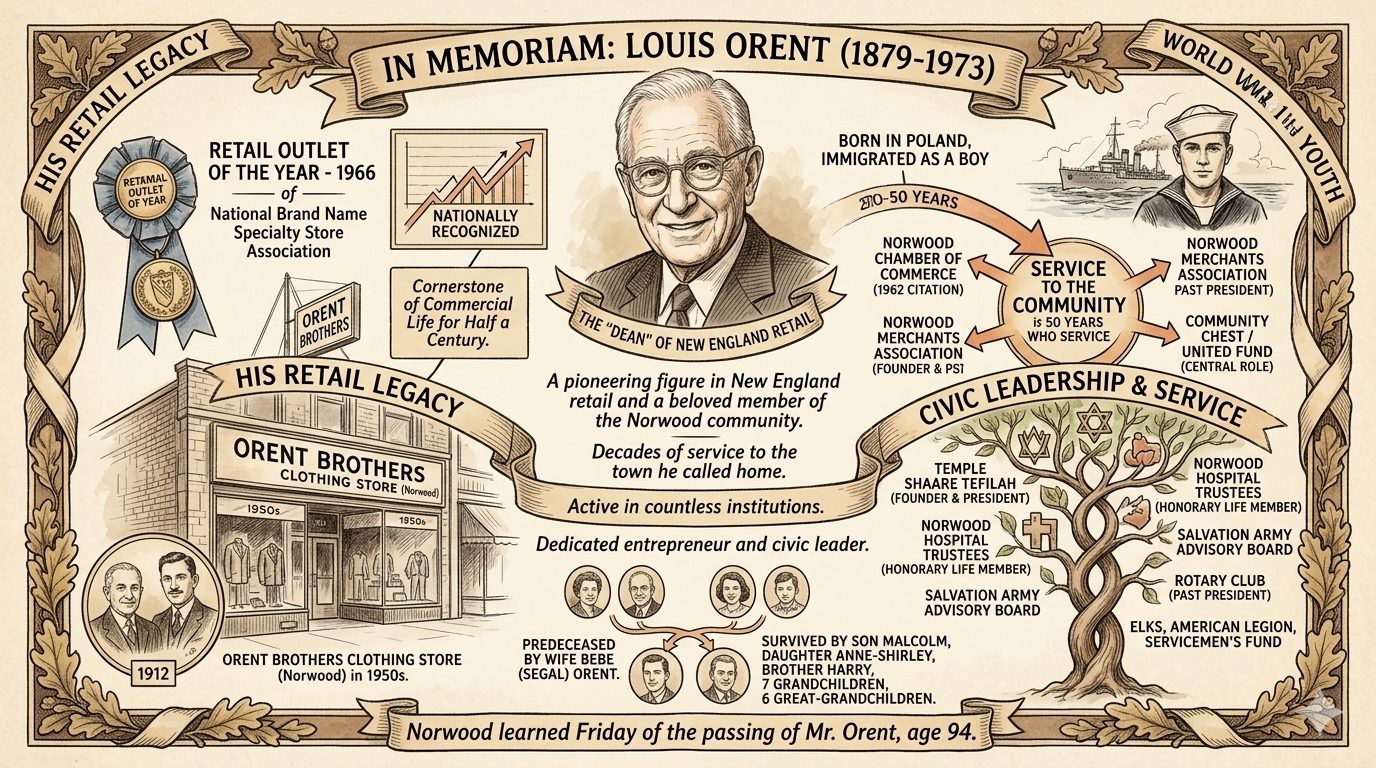
In Memoriam: Louis Orent, 94, Founder of Orent Brothers Clothing Store-May 15, 1983
Louis Orent, a pioneering figure in New England retail and a beloved member of the Norwood community, passed away Friday in Hollywood, Florida, at the age of 94. Known widely as the “dean of New England retail clothing merchants,” Mr. Orent leaves behind a legacy defined by entrepreneurship, civic leadership, and decades of service to…
-
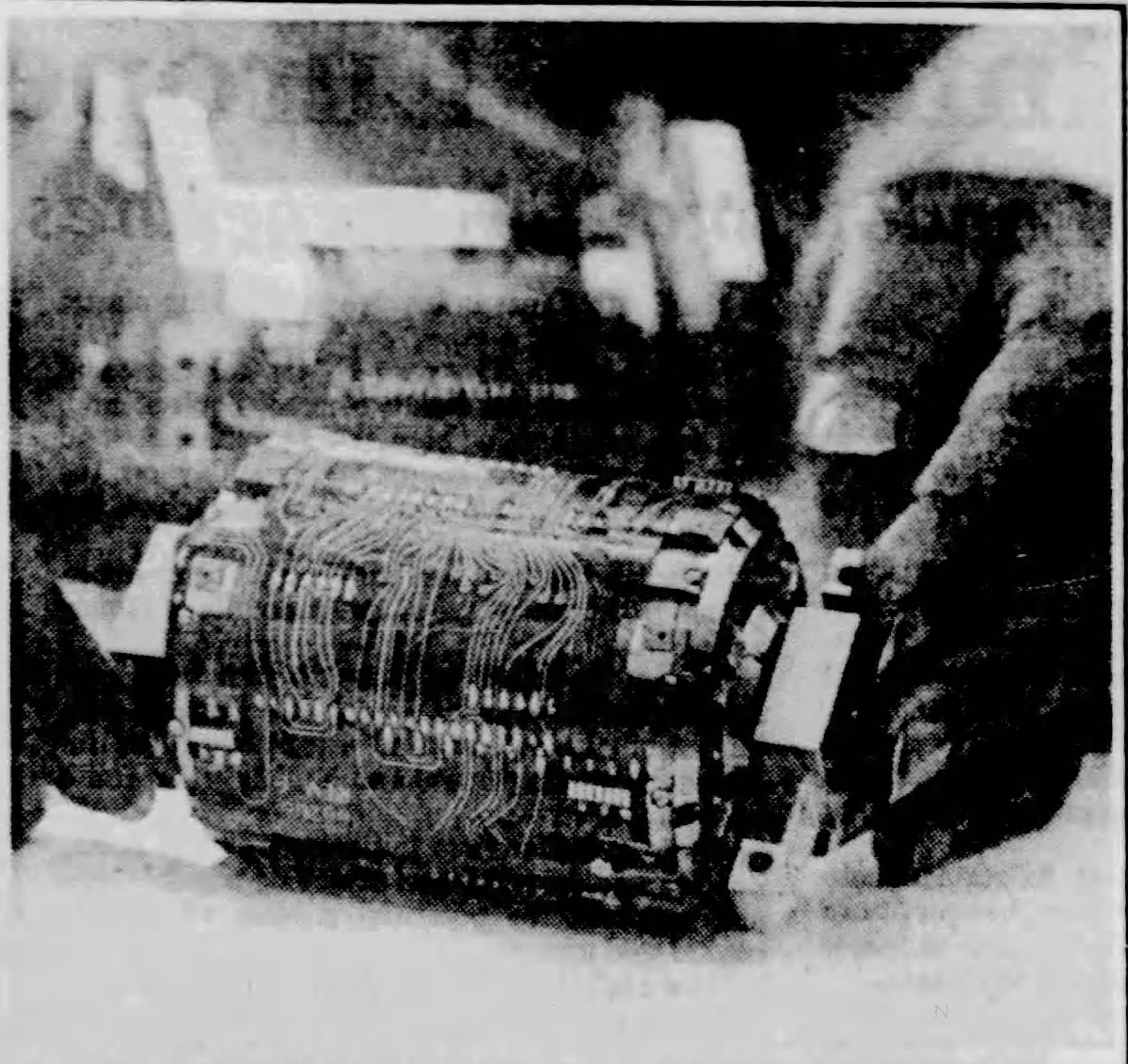
Northrop Corp.’s Norwood Precision Products Division Develops Gyroscopes for MX Missile Program-November 23, 1982
Employing roughly 1,200 workers in Norwood, Northrop Corp.’s Precision Products Division held engineering development contracts in November 1982 to build guidance gyroscopes for the MX missile program.
-
November 1981-Sanco Toy
Sanco Toy wants you to know… Discover more from Norwood Historical Society Subscribe to get the latest posts sent to your email. Type your email… Subscribe
-
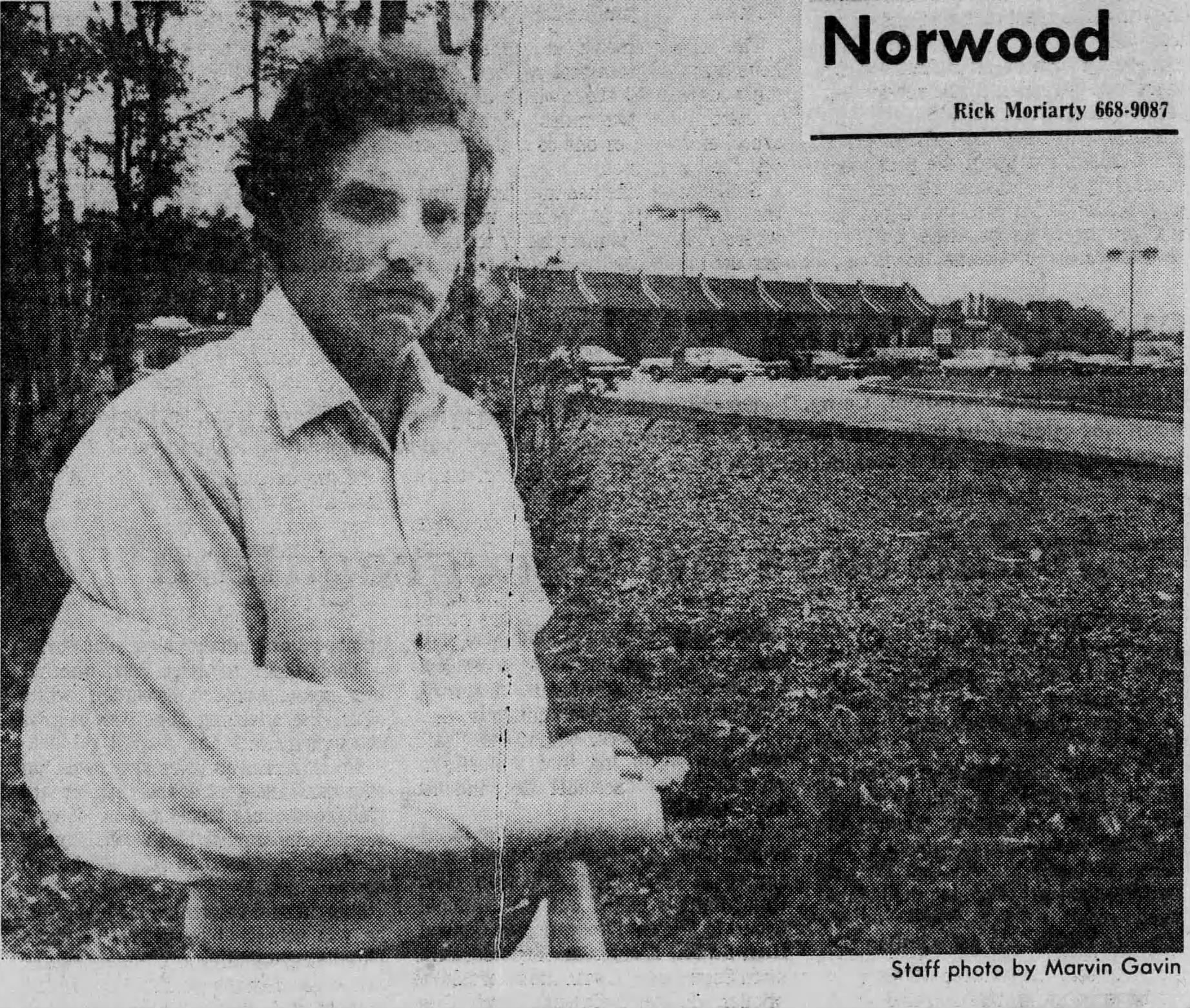
Neighbors Demand McDonald’s Shutdown Following Brutal Assault-September 4, 1981
The vicious late-night beating of a local resident by three youths has ignited fierce outrage among homeowners in a residential development off Union Street, prompting an organized neighborhood campaign to demand that selectmen revoke the operating license of the neighboring McDonald’s restaurant located at the corner of Route 1 and Union Street. Arthur Sansone of…
-
Sidewalk Sale in Norwood-July 24, 1981
Dozens of Downtown Norwood Businesses took part on a sidewalk sale.

-
7-Eleven Store Owners File Lawsuit Over 24-Hour Operating Permit-October 15, 1979
Owners of Norwood’s 7-Eleven store file a Norfolk Superior Court lawsuit seeking an injunction against selectmen attempting to revoke their 24-hour retail permit

-
Conservation Commission Approves Proposed Auto Body Shop Near Hawes Brook-August 22, 1979
Despite angry protests from South Norwood residents over flooding and pollution risks near Hawes Brook, the Conservation Commission approved strict environmental conditions for a new auto body shop.

-
Proposed Papa Gino’s to be Dry-August 21, 1979
Facing a neighborhood petition and skeptical selectmen led by Joseph F. Curran and Mary J. Fox, Papa Gino’s application for a beer and wine license on Nahatan Street appears unlikely to pass.

-
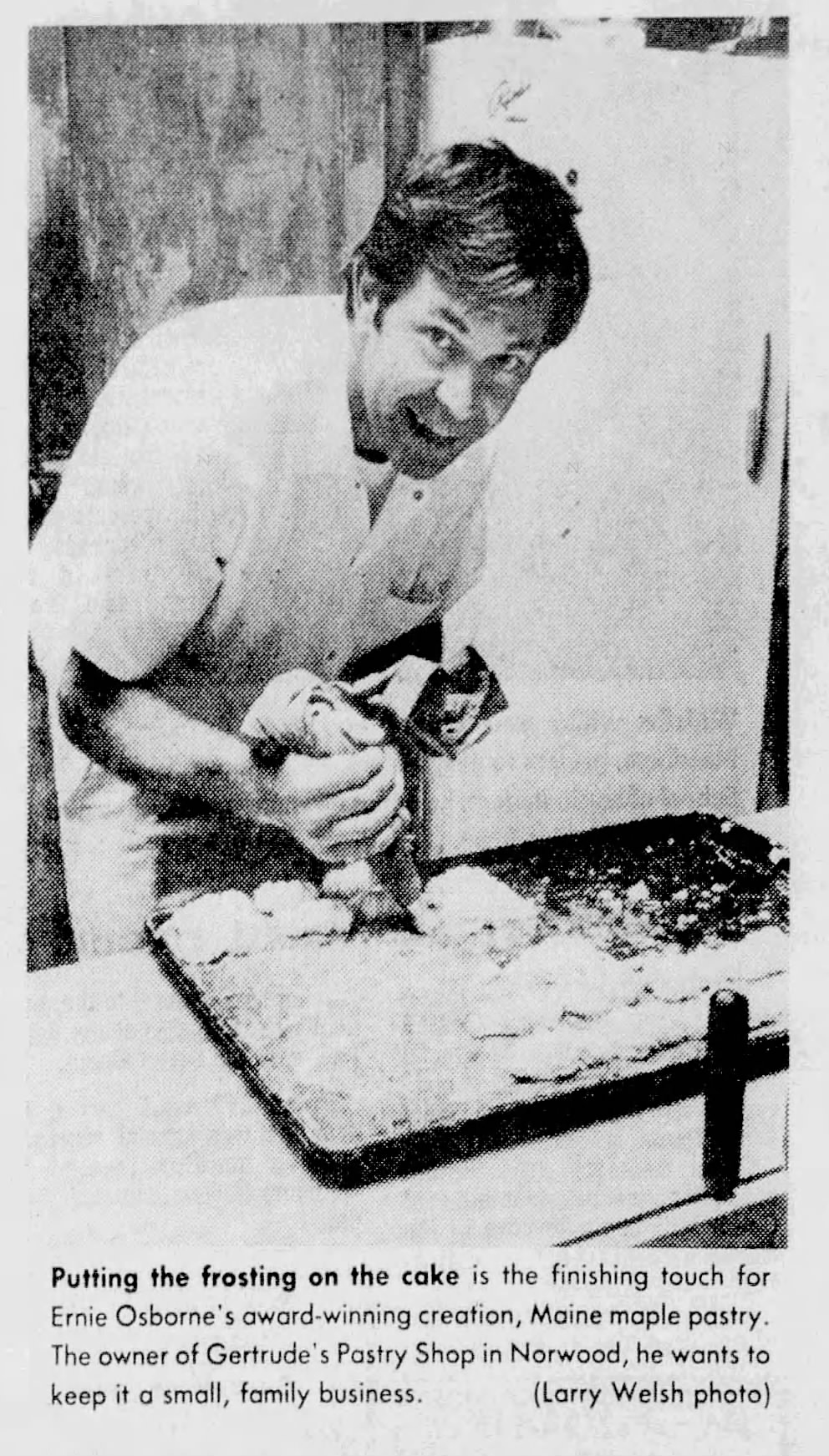
Gertrude’s Pastry Shop Owner Bernie Osborne Wins State Award for Maine Maple Pastry and Cherishes Small-Town Family Business-August 19, 1979
Bernie Osborne, owner of Gertrude’s Pastry Shop in Norwood Center, won top honors at the Massachusetts Retail Bakers Association contest with his signature Maine Maple pastry judged by Julia Child.
Discover more from Norwood Historical Society
Subscribe to get the latest posts sent to your email.