
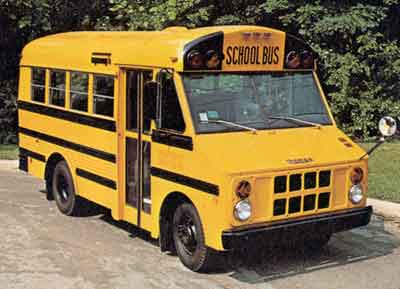
The dispute between the Norwood school committee and Security Transportation Inc., a transportation firm from Medford, Massachusetts, has reached a boiling point.
The company filed a lawsuit against the committee for allegedly improperly denying them the contract to transport special needs students. The controversy centers around the bid specifications, which require each bidder to submit three separate bonds, one for each part of the contract.
Security Transportation Inc., led by President Richard Zimmerman, claims that only one bond should have been required, citing a technicality in the bid process. According to Zimmerman, his firm’s bid was the lowest among all six bidders, with an estimated cost of $174,654 per year to $195,930, depending on the number of vehicles needed.
The school committee, however, awarded the three-year contract to Yellow Cab of Norwood, citing that Security Transportation Inc.’s bid did not meet the bid specifications. School business manager John F. Monahan rejected bids by Security Transportation and Cambridge Taxi due to their alleged failure to submit the required bonds.
Monahan stated that Town Counsel Justin C. Barton advised him that the bid could be rejected because three bonds should have been submitted. Kiessling School Transportation of WalpoleSecurity Transportation Inc. Lawsuit Challenges Norwood School Committee Bus Contract Award-July 31, 1981
⠀
A contentious public procurement dispute unfolded in Norwood as Security Transportation Inc. launched a legal challenge against the School Committee‘s decision regarding lucrative student transportation contracts. Another competing bidder alongside Yellow Cab had formally protested Security‘s initial bid, which might have led to its outright rejection even earlier if attention had not been called to specific administrative details.
The brewing controversy sparked a heated debate among local residents, with many publicly questioning the committee’s decision-making process and transparency. Zimmerman, representing the aggrieved firm, expressed deep frustration, stating that only a very small technicality was used to reject his company’s lower bid, resulting in an estimated loss of $127,000 in potential savings for the town of Norwood. The dispute highlighted the intricate complexities and financial stakes involved in municipal public procurement processes, especially as the school committee ultimately opted to award the contract to Yellow Cab despite Security Transportation Inc. submitting a lower financial bid.
Defending the committee’s broader strategy in an effort to reduce operational costs, School Superintendent Louis J. Taris suggested that consolidating all three parts of the transportation contract under a single firm could lead to more efficient operations and reduced administrative expenses. Meanwhile, Monahan strongly defended Yellow Cab‘s performance during the previous school year, noting that they maintained an excellent track record and did a fantastic job serving the district.
The formal lawsuit filed by Security Transportation Inc. sought to have the disputed contract completely rebid, with the firm additionally requesting that the committee be ordered to pay damages covering the profits they would have earned had they secured the contract. Legal experts noted that the outcome of the dispute would carry significant implications for the town of Norwood and its taxpayers. Observers also pointed to the broader historical context of public procurement in Massachusetts during the early 1980s, where tight municipal budgets and fiscal pressures—heavily influenced by tax limitation measures like Proposition 2 1/2—forced local governments to balance rigorous cost-efficiency with strict fairness, transparency, and adherence to bidding regulations.
Archival Note: This article has been dynamically reconstructed from the original public record print archives of the Patriot Ledger
-
Students to Face Stiffer Standards-July 18, 1990

In 1990 the town of Norwood was on the cusp of a significant change in its educational system. The school administration, led by Superintendent Louis J. Taris, had been studying ways to improve academic standards for over a year and a half. The result of this study was a proposal to double the number of…
-
George F. Willett School Faces Potential Temporary Reprieve-October 18, 1979
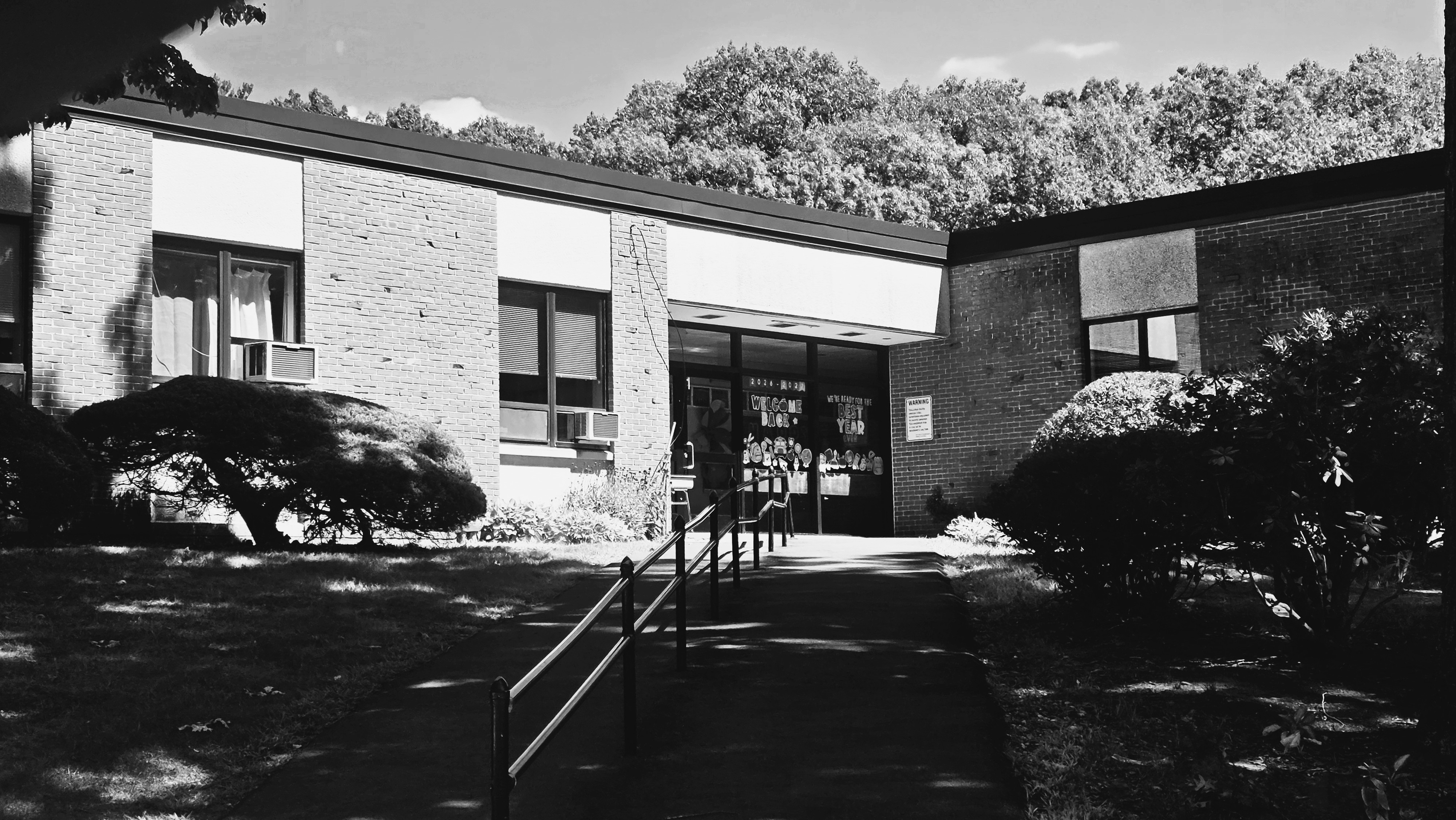
Enrollment and Space Questions Revive Closing Debate-October 18, 1979 The future of the George F. Willett School is back under intense scrutiny. Although the School Committee voted on January 17 to shutter the facility in 1980, School Superintendent Louis J. Taris told the committee last night that the timeline might be flexible. “The timing hinges…
-
Prescott School Security Roadway Proposal Sparks Opposition from Residents &PTA-September 14, 1979
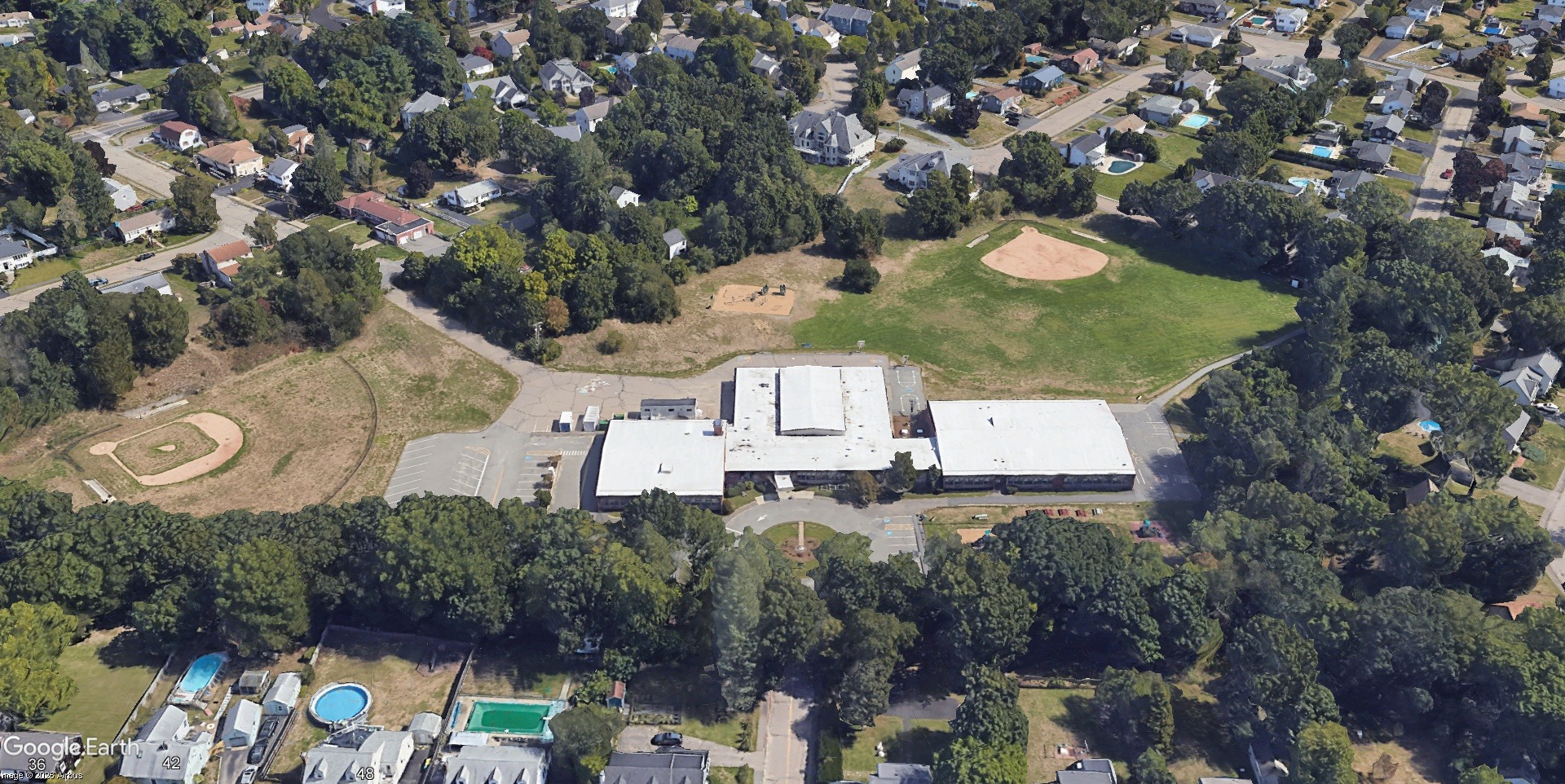
Prescott School neighbors and the PTA oppose a security committee proposal to pave a perimeter roadway for police patrols, citing student safety and vandalism concerns.
-
School Enrollment Shows Drop of 382 from Last Year-September 6, 1979
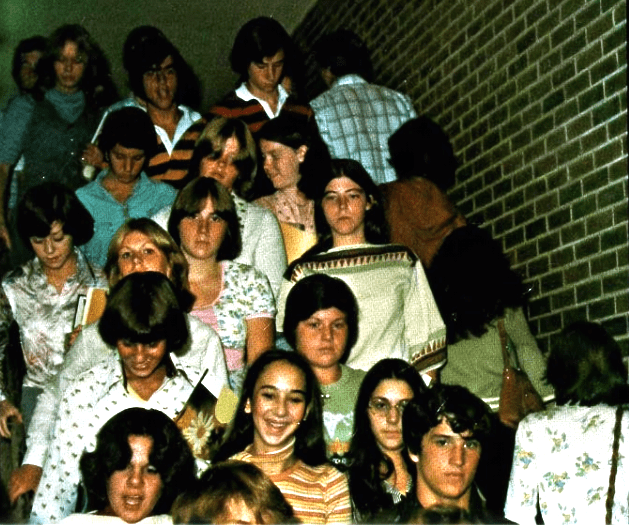
Norwood public school enrollment drops by 382 students to 5,078, while administrators outline major scheduling and open-campus policy changes at the senior high school.
-
Aaron Guild School Leased to Norwood CETA Consortium and EdCo for One Year-August 1, 1979

Norwood selectmen voted unanimously to lease the closed Aaron Guild School for one year to the Norwood CETA Consortium and the Educational Collaborative of Greater Boston (EdCo) for $148,000.
-
Norwood School Bus Billing Questioned-July 31, 1979
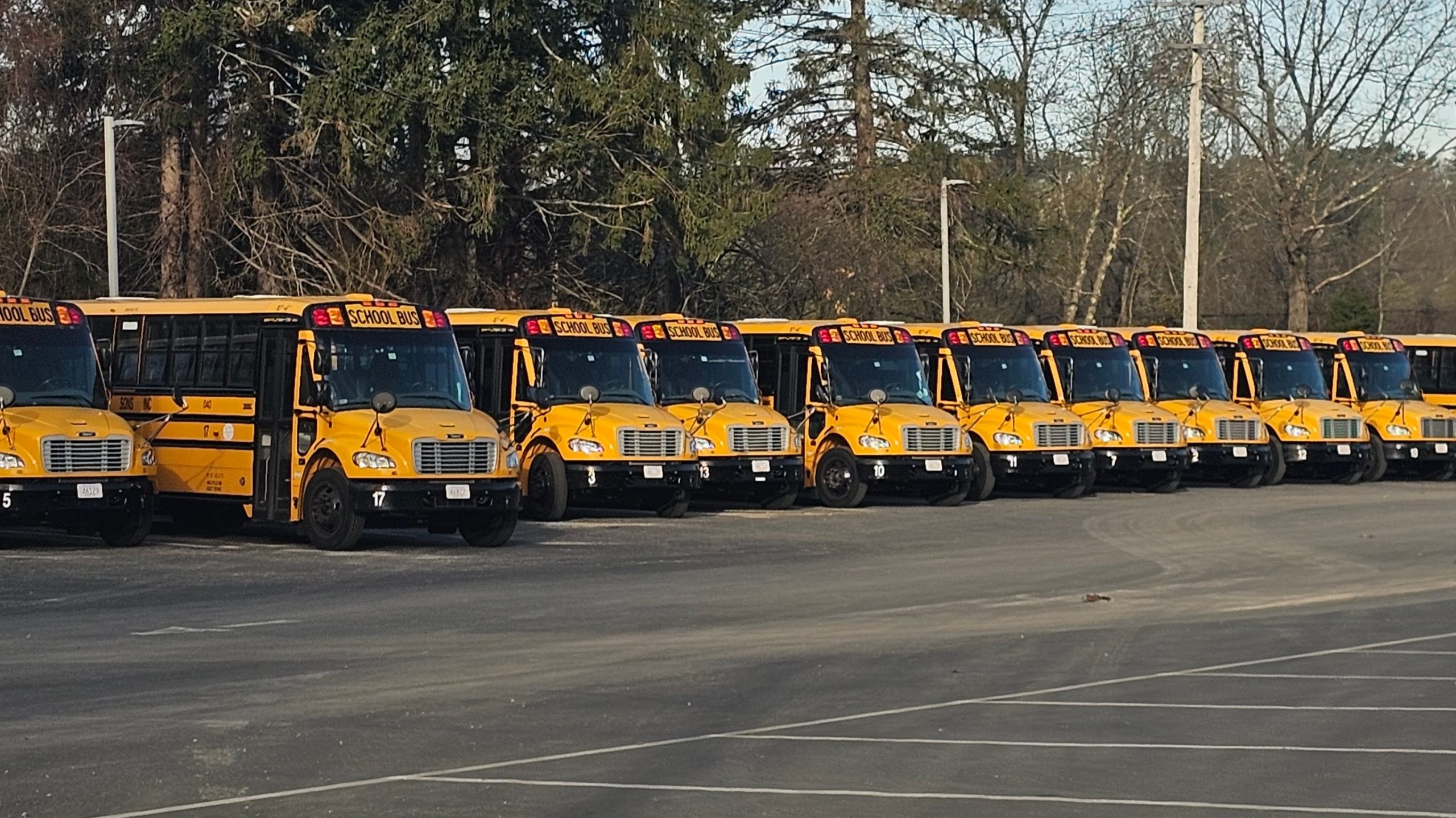
The Patriot Ledger’s July 31, 1979 edition brought to light a controversy surrounding the billing practices of Kiessling School Transportation of Dedham, which had been contracted by the town of Norwood to transport special needs children. The issue at hand was whether the company had overcharged the town for mileage on certain routes. According to…
-
School Supplies Budget Maintained at Prior Year Level Amid Spending Pressures and Utility Shortfall Concerns-September 14, 1978

Superintendent Louis J. Taris reports that Norwood’s school instructional supplies budget maintains prior-year per-pupil rates despite tight spending constraints.
-
School Department Releases Bus Routes and Eligibility Rules-August 30, 1978

As the late-summer excitement of a new academic year approached in 1978, the Norwood School Department officially released its comprehensive student transportation schedules, route mappings, and eligibility guidelines for the upcoming school term. Designed to ensure safe and orderly transit for thousands of local students, the announcement established clear boundaries and behavioral expectations for families…
-
Norwood School Committee Considers Staggered School Closing Plan-July 14, 1978
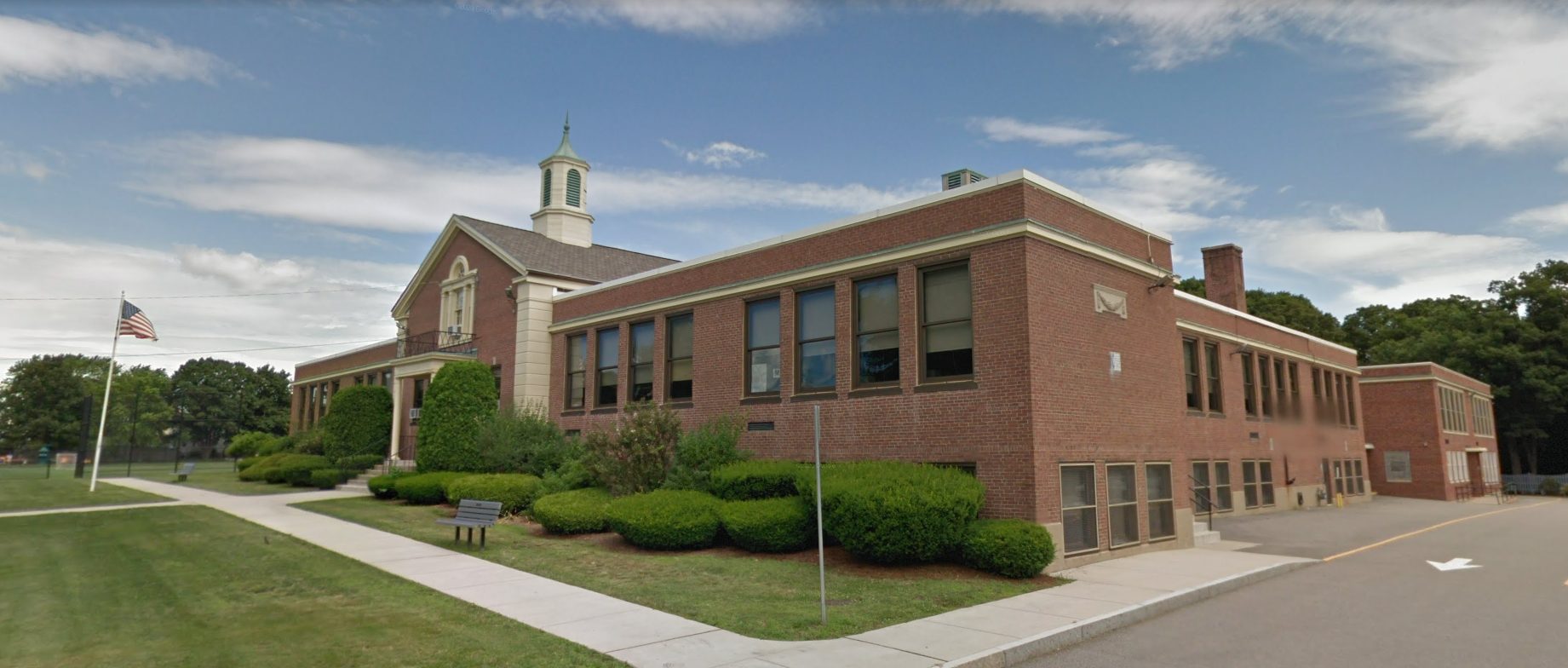
The school housing needs committee last night recommended a second school closing plan that would close the doors of the Callahan School in September, shut down the Balch School in 1981 and close a third, unnamed elementary school in 1983. The plan was backed by seven of the nine members voting and was billed as…
-
Norwood High School Accessibility Concerns-July 10, 1978

On July 10, 1978, parents of handicapped students in Norwood voiced serious concerns regarding the lack of physical accessibility at the local high school. Mrs. Charlotte Haskell, president of the Norwood Special Needs Parents Group, recently sent a formal letter to School Superintendent Philip O. Coakley. In the communication, she urged the district to take…
Discover more from Norwood Historical Society
Subscribe to get the latest posts sent to your email.