

School Board Conducts 90-Minute Inspection and Accepts Partial Blame for Balch Conditions
Following a 90-minute inspection of the 50-year-old Balch Elementary School, the Norwood School Committee acknowledged partial responsibility for the building’s “deplorable” condition, while also assigning blame to the finance commission, selectmen, the school building committee, and Town Meeting. Committee Chairman William F. Egan successfully moved that repairs at the Balch School be given immediate priority over non-urgent maintenance work elsewhere in the district.
Among the severe eyesores documented by the committee during their tour were cracked and falling ceilings, rotting window casings, pockmarked blackboards, loose stair bannisters, peeling paint, and a decaying staircase siding that custodian supervisor John P. Maleiko noted would be inspected for termites. Committee members expressed particular shock over loose window sashes that rattled in the drafts. Dr. Thomas Couch remarked that he feared a window frame might collapse if someone leaned against it, noting the building had not been painted in 15 years.
Budget Cuts and Finger-Pointing Over Maintenance Deficits
To address crumbling plaster, committee members manually nailed fir strips across the ceilings of four classrooms to stabilize them, though no funds remain to attach finishing tiles. School Superintendent Dr. Philip Coakley explained that maintenance allocations for the Balch School had been severely curtailed during the previous year due to ongoing building renovations.
The school board had originally requested $150,000 as part of a five-year, $500,000 capital upgrade plan. While selectmen recommended $125,000, the Finance Commission and Town Meeting ultimately slashed the figure to $100,000. Committee member Francis X. Sheehan asked for a complete accounting of maintenance expenditures at the next meeting, while committeeman Charles Saraca urged that custodian Arthur Henry be shielded from any repercussions for exposing the school’s true condition.
Tensions also flared when Sheehan criticized the school department’s public relations policy after a Boston newspaper reporter was denied entry to the school by the principal acting under Dr. Coakley’s orders. “The paper wants to know what we are trying to hide down there,” Sheehan protested.
Light Department Seeks DPU Rate Cut for Proposed Electric Elderly Housing
In municipal utility business, Town Light Department Superintendent William Kates announced plans to petition the state Department of Public Utilities (DPU) for a lowered electricity rate to power the 72 proposed units of the town’s upcoming elderly housing complex.
Because the Housing Authority prefers electric heating, Kates noted that current residential rates would average about $17 per unit monthly, whereas bids for alternative heating sources stood at $13.70 for gas and $16.01 for oil. Kates believes the town-run light department can reduce its 1.9-cent-per-kilowatt-hour rate (set in 1963) by two dollars to remain competitive, following two rate reductions enacted by primary supplier Boston Edison. A formal DPU hearing is scheduled for December 13.
Archival Note: This article has been dynamically reconstructed from the original public record print archives of the Patriot Ledger
-
School Board Reverses Vote, Keeps NorWest Woods Pupils at Oldham-August 29, 1972
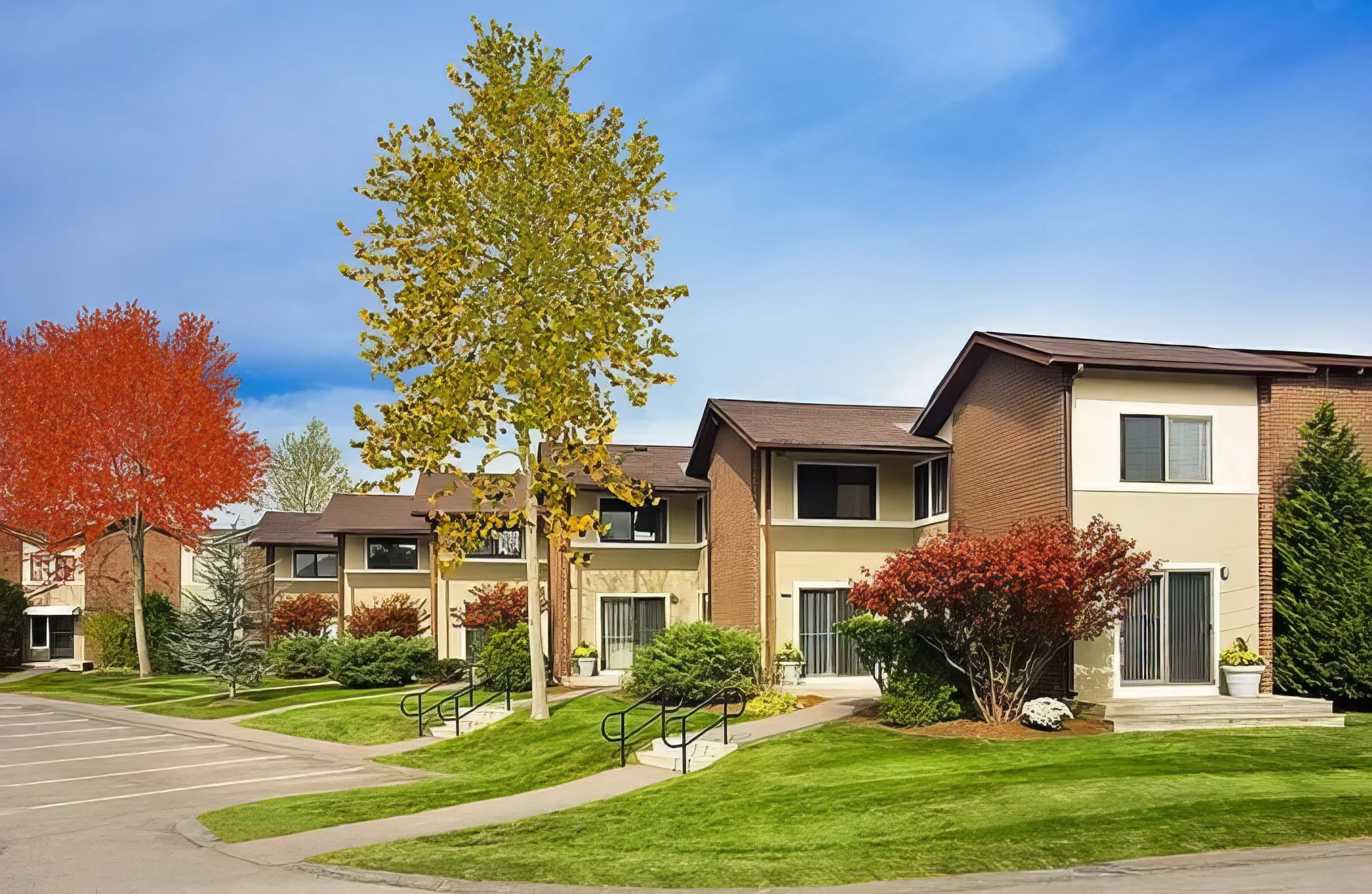
In a reversal of a previous decision, the School Committee has voted to keep 46 elementary school children from the Nor-West Woods apartment complex at the Oldham School, rescinding a July 5 vote that would have transferred them to the Shattuck School. Superintendent Dr. Philip O. Coakley explained that the committee revoted on the matter…
-
Norwood Sets $38 Tax Rate on Court-Ordered 100% Property Valuation for 1972-August 16, 1972

Announcing a 1972 tax rate of $38 per $1,000 under a court-ordered 100 percent property valuation, Assessor Chairman James J. Drummey concluded a major reassessment by Cole, Layer and Trumble.
-
Norwood Jr. High Offered Land At $9,500 An Acre-September 30, 1971
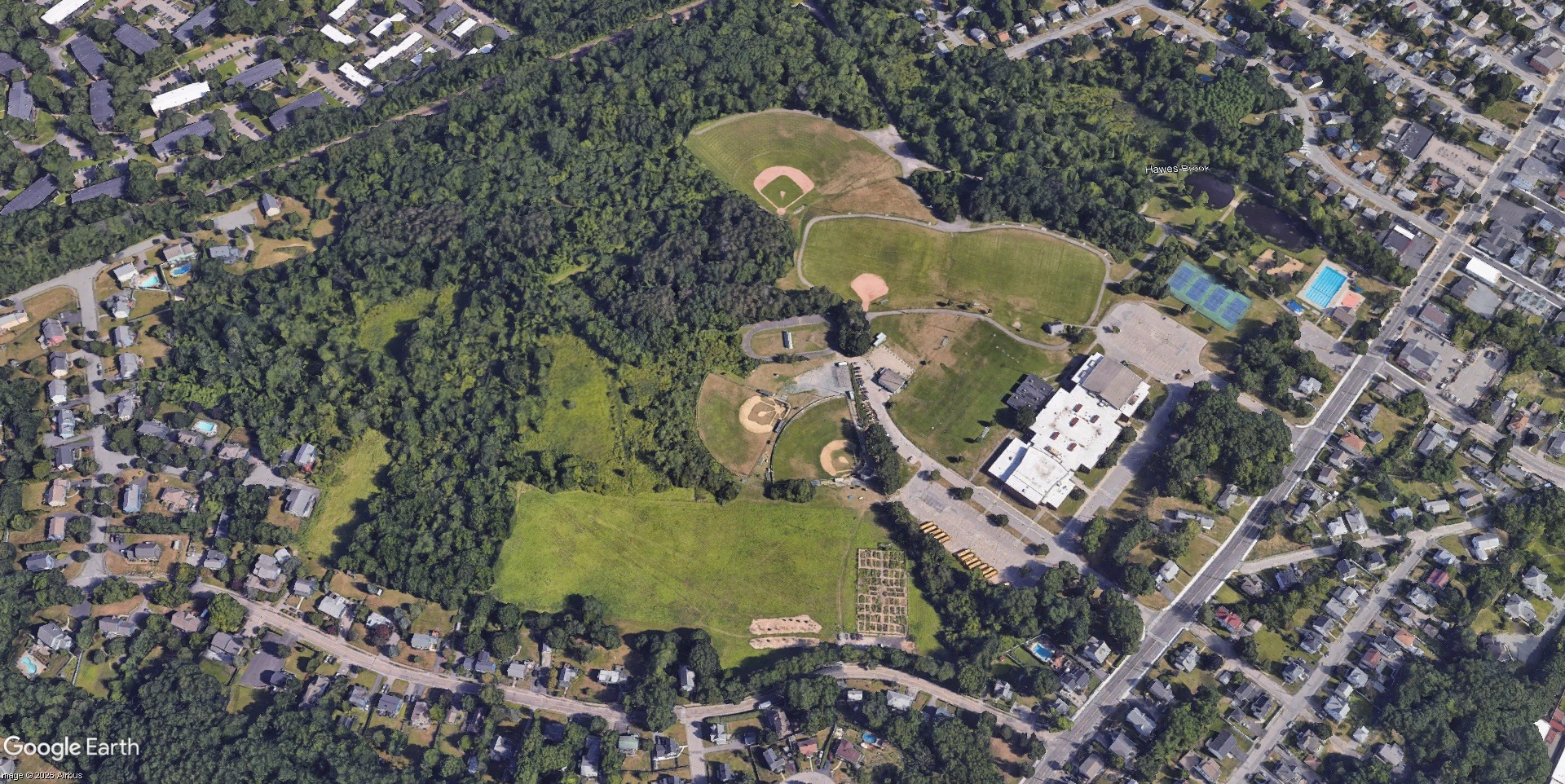
The Norwood School Committee recommends the Endean area in Walpole as the site for a new junior high school, facing sharp questioning from town meeting members over rising costs and site shifts.
-
Norwood High School Launches Innovative Open Campus Plan for Fall Term-September 8, 1971

Norwood High School opens the fall term by launching an innovative open campus and extended-day program designed by Principal John F. Monbouquette to foster student responsibility.
-
Junior High Alternate Estimates Sought-June 25, 1971

A sharp debate divides Town Manager Walter Blasenak and finance officials over mounting unappropriated architectural fees for Boston design firms.
-
Schools Face Heating Oil Shortage for Upcoming Winter, While Band Camp and Library Art Programs Make Headlines-August 6, 1970
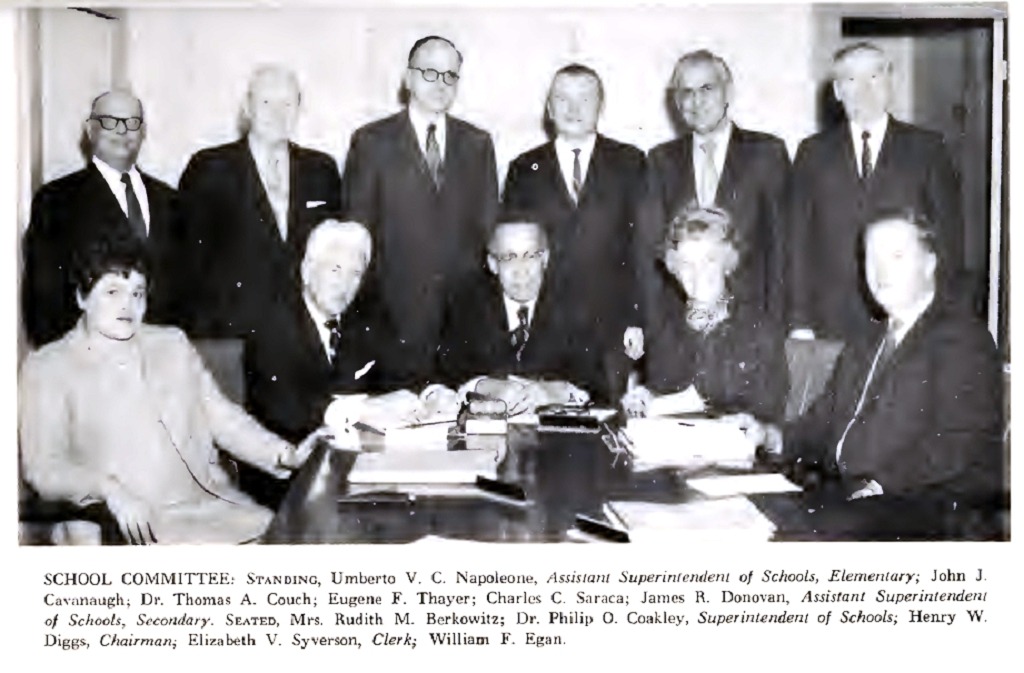
Superintendent Dr. Philip O. Coakley informed the Norwood School Committee that no companies submitted bids to supply 110,000 gallons of No. 5 heating oil for town schools due to quotas, shortages, and environmental regulations.
-
Bells Are Ringin’-July 3, 1970

The Norwood School Committee overhauled its student transportation system and faced an $8,000 wave of structural school vandalism in July 1970
-
Henry O. Peabody School of Practical Nursing Graduates 28 Students-October 13, 1969
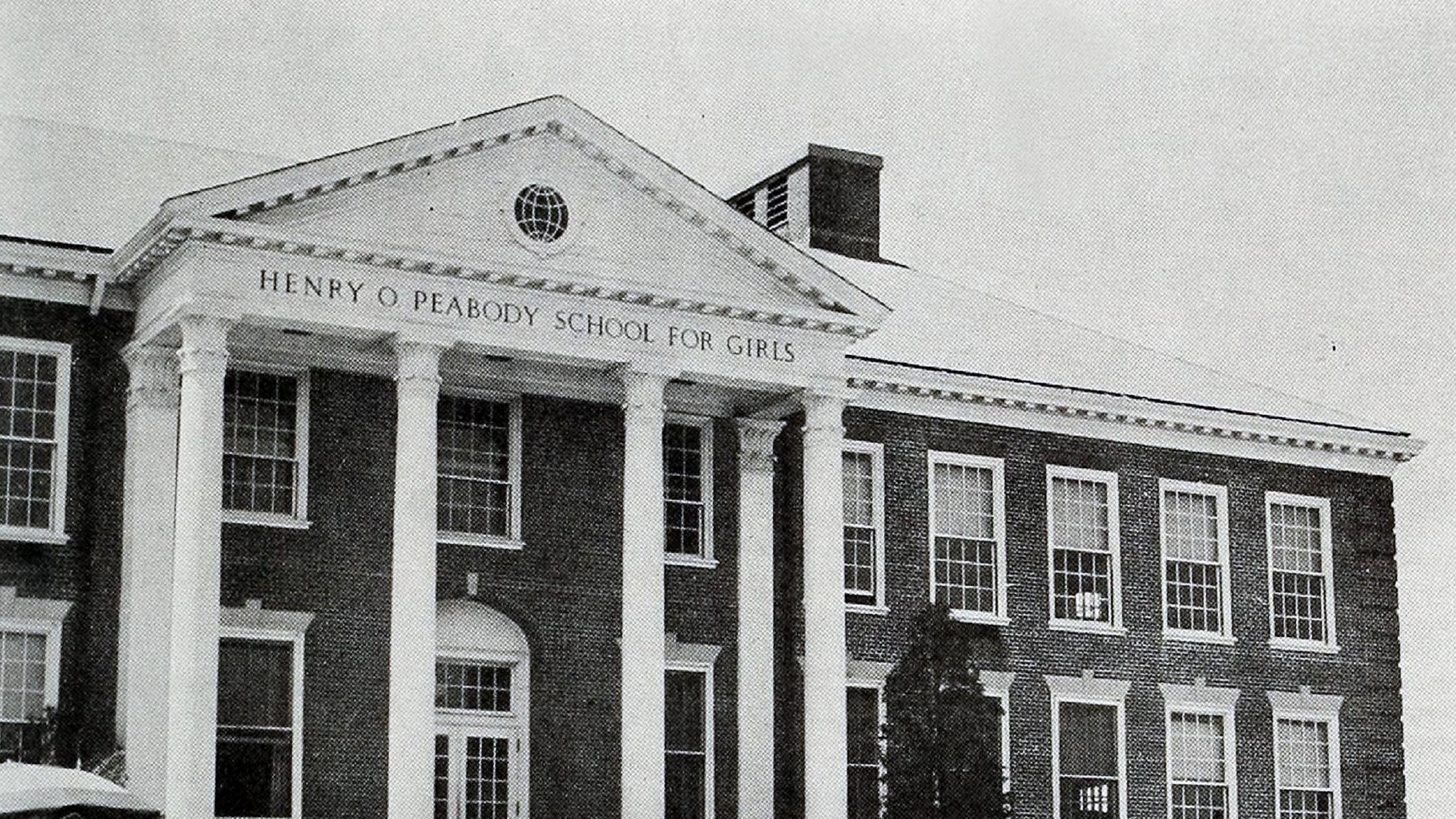
Twenty-eight practical nursing students graduate from Norwood’s Henry O. Peabody School, with special honors awarded to local standouts Gail Penza, Mary A. Paulin, and Grace Robinson.
-
Permanent Building Committee Suspends Planning For Norwood High Addition-September 5, 1969

The building committee pauses planning for a $6.1 million Norwood High School addition pending further review, while addressing low-bidding rules for school furnishings.
-
Almost 50% of Graduates Head To College-July 10, 1969

The Norwood High School guidance department released a significant report on July 10, 1969, detailing the educational future of the school’s 419 graduates. The data revealed that approximately 45 percent of the class planned to attend four-year colleges that fall, a figure the department noted was likely the highest percentage of four-year institution acceptances in…
Discover more from Norwood Historical Society
Subscribe to get the latest posts sent to your email.