

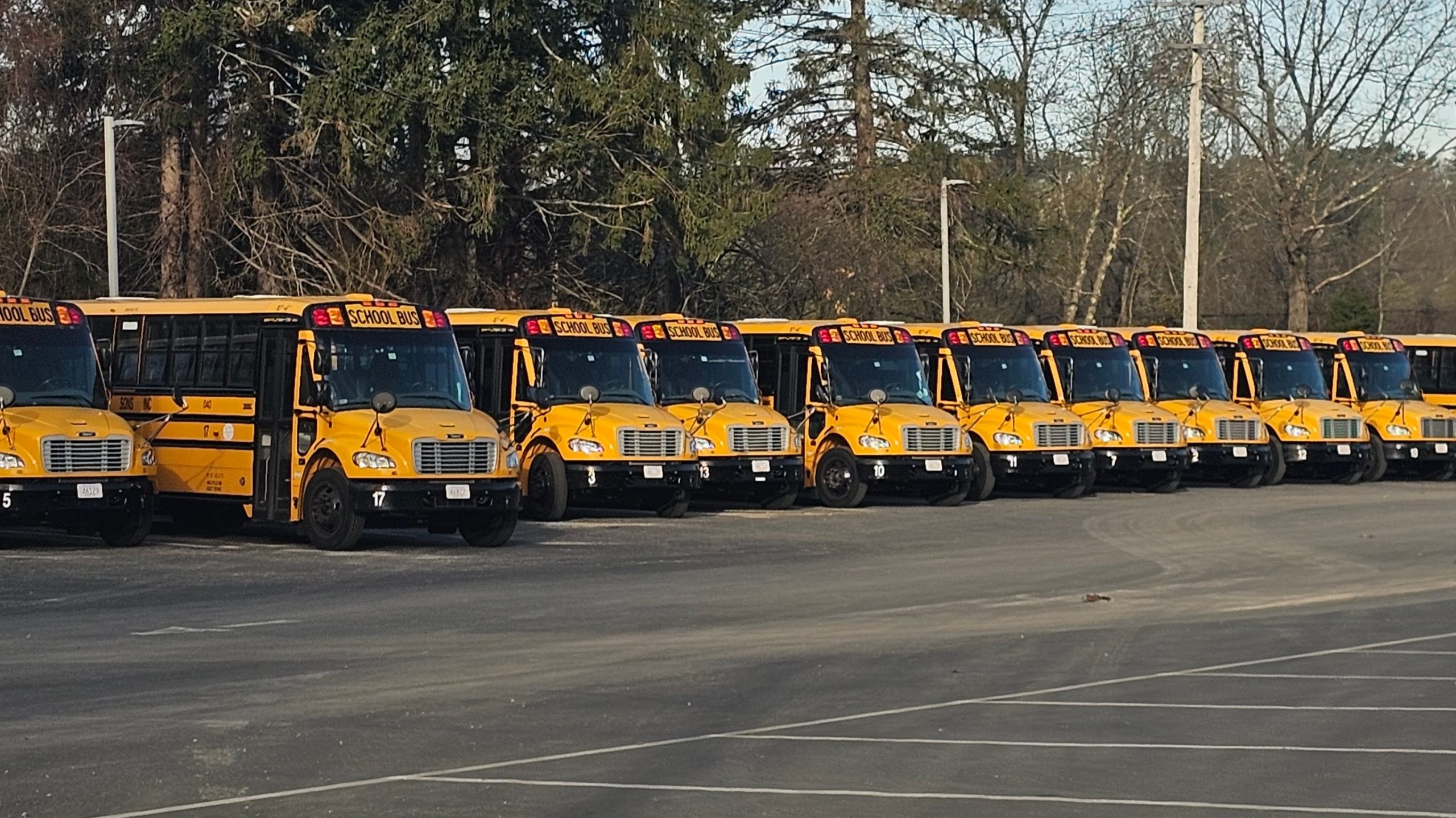
On July 16, 1981, the Norwood School Committee successfully awarded new three-year school bus contracts, marking a peaceful and efficient conclusion to a process that had been fraught with budgetary conflict only a year prior. Following the recommendation of School Superintendent Louis J. Taris, the committee awarded the contract for transporting special needs students to Yellow Cab of Norwood. The cost for this service was structured at $174,654 annually if six vehicles were utilized, scaling up to $195,930 if eight vehicles were required. Although Sansone Motors of Norwood and Kiessling School Transportation of Walpole also submitted bids for the special needs contract, Yellow Cab of Norwood ultimately secured the agreement.
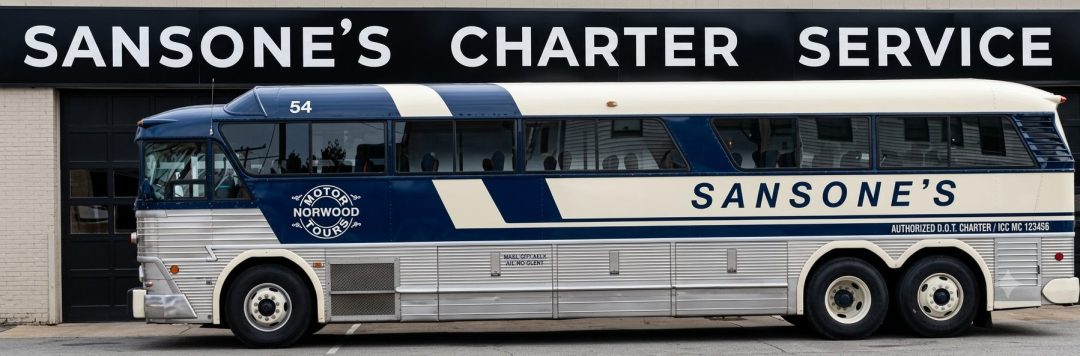
In a separate decision, the committee awarded the three-year contract for regular student transportation to Sansone Motors of Norwood at an annual cost of $281,509. This agreement was particularly notable as it marked the 44th consecutive year that Sansone Motors of Norwood had maintained this specific contract, a partnership stretching back to 1937. As the sole bidder for the regular transportation contract, Sansone Motors of Norwood provided a proposal that School Superintendent Louis J. Taris deemed entirely satisfactory. Business Manager John F. Monahan indicated that the committee had prudently budgeted $194,000 for special needs transportation, consistent with the spending levels from 1980. While the committee acknowledged that minor fund transfers from other line items might be necessary should costs exceed initial projections, they were confident that any shortfall would be minimal.
The success of the 1981 bidding process was a stark contrast to the 1980 experience, during which the committee had faced severe budget constraints that necessitated the reduction of vehicle counts and the staggering of school openings to reach a viable agreement with Yellow Cab of Norwood. Much of the credit for the smooth execution of the 1981 contracts was attributed to School Superintendent Louis J. Taris. Earlier in the planning phase, School Superintendent Louis J. Taris had actively rejected a proposal for the town to purchase or lease its own fleet of buses and hire its own drivers. While proponents of that plan argued it could lead to long-term savings, School Superintendent Louis J. Taris expressed concerns that such a shift would invite the unionization of drivers, potentially creating new collective bargaining units and leading to significantly higher salary obligations for the NORWOOD school system.
Following the vote, Committee Member Richard Joseph publicly commended School Superintendent Louis J. Taris and the administration for their thorough preparation and negotiation. The resolution of the transportation issue provided the NORWOOD School Committee with a stable foundation as they prepared for the 1981-1982 school year. By budgeting with greater accuracy and engaging established, reputable contractors, the committee successfully balanced the provision of essential services with fiscal responsibility. The peaceful awarding of these contracts served as a model for future school committees, establishing a milestone of administrative stability in the history of the NORWOOD school transportation system.
Archival Note: This article has been dynamically reconstructed from the original public record print archives of the Patriot Ledger
-
Winslow School eyed for elderly housing-September 3, 1980
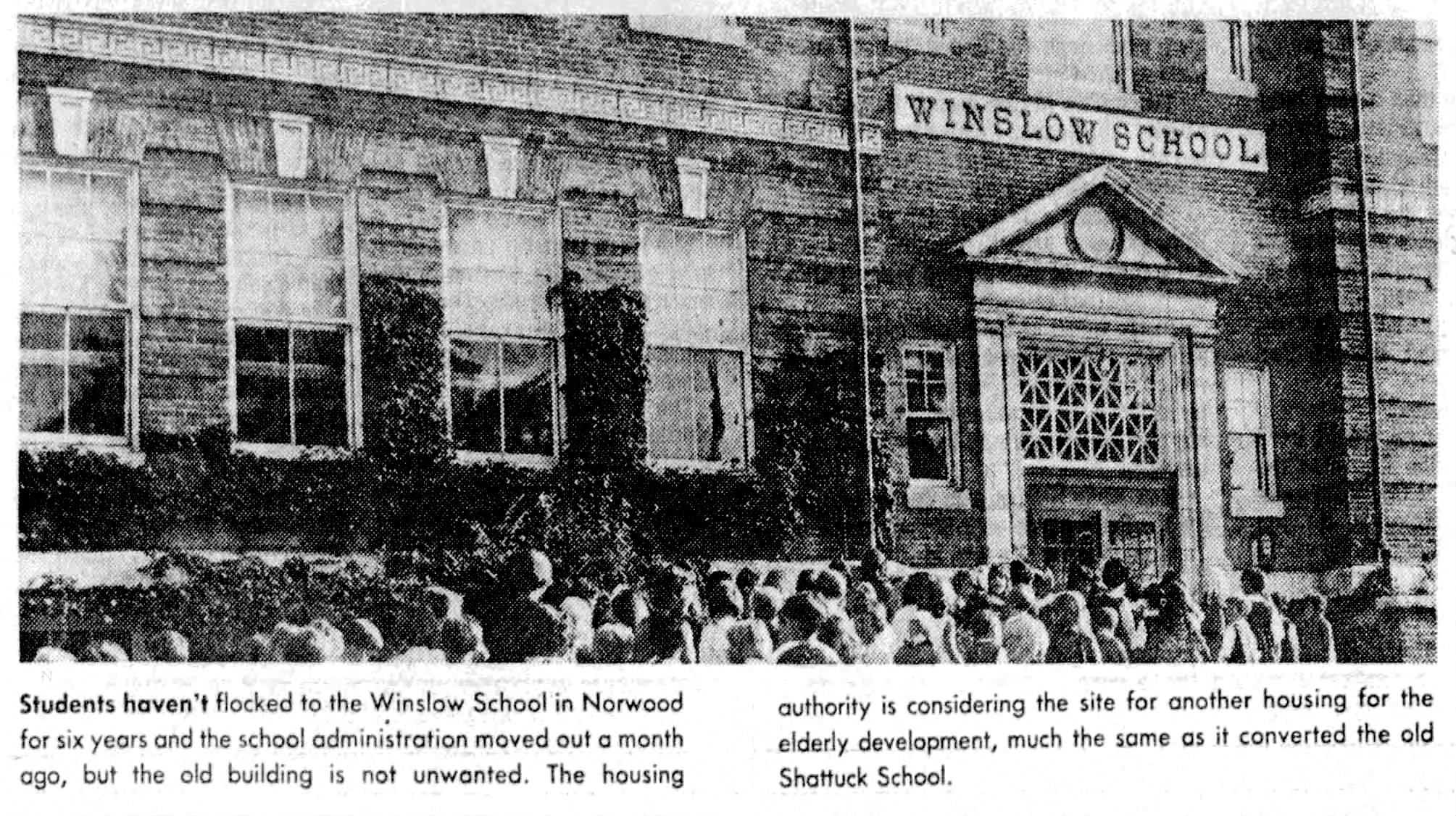
Following the closure of school administrative offices at the Winslow School, the Norwood Housing Authority is actively setting its sights on converting the historic four-acre property at the corner of Chapel Street and Winslow Avenue into much-needed housing for the elderly. During a unanimous vote last night, the housing authority agreed to submit a formal…
-
Norwood School Board Rejects All Special Needs Busing Bids-August 21, 1980
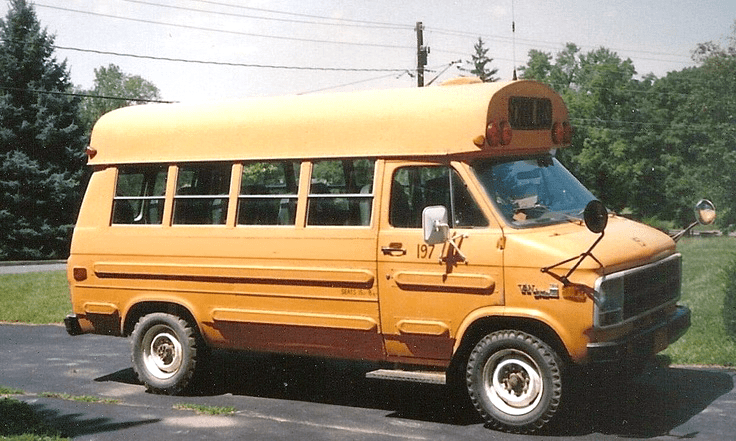
With opening day just two weeks away, the Norwood School Committee voted 4-3 to reject all bids received the previous week for special needs student transportation. Acting under emergency procedures, the board announced it will call for new bids by Tuesday, with a potential contract award scheduled for Wednesday night. The rejected proposals came from…
-
Henry O. Peabody School Director Ruth Shea Ponders Retirement After 14 Years-August 12, 1980
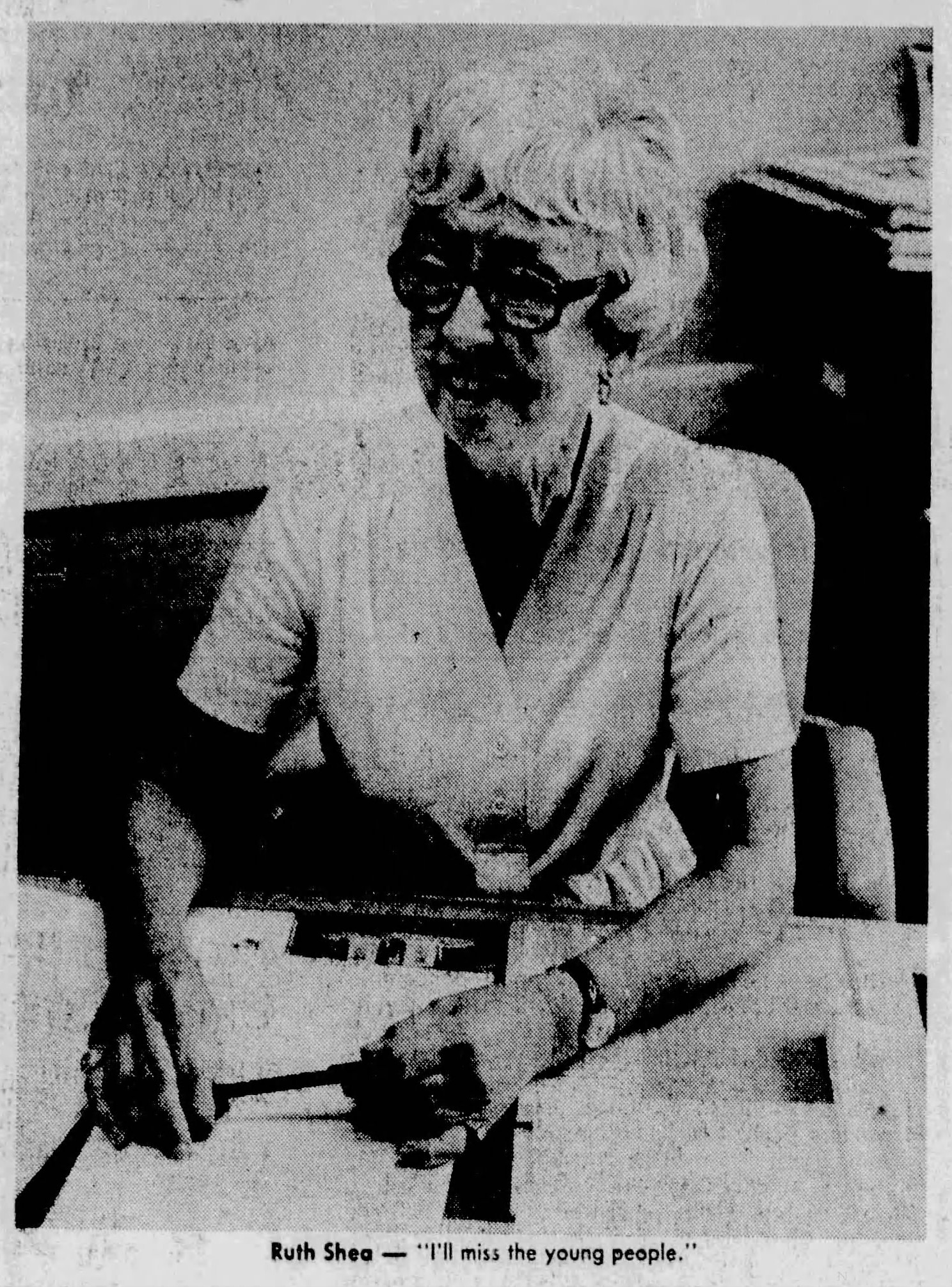
After 14 years expanding vocational education, Henry O. Peabody School director Ruth Shea ponders retirement while securing a 97 percent graduate job placement rate.
-
Norwood School Administration Relocates to Willett School-July 24, 1980
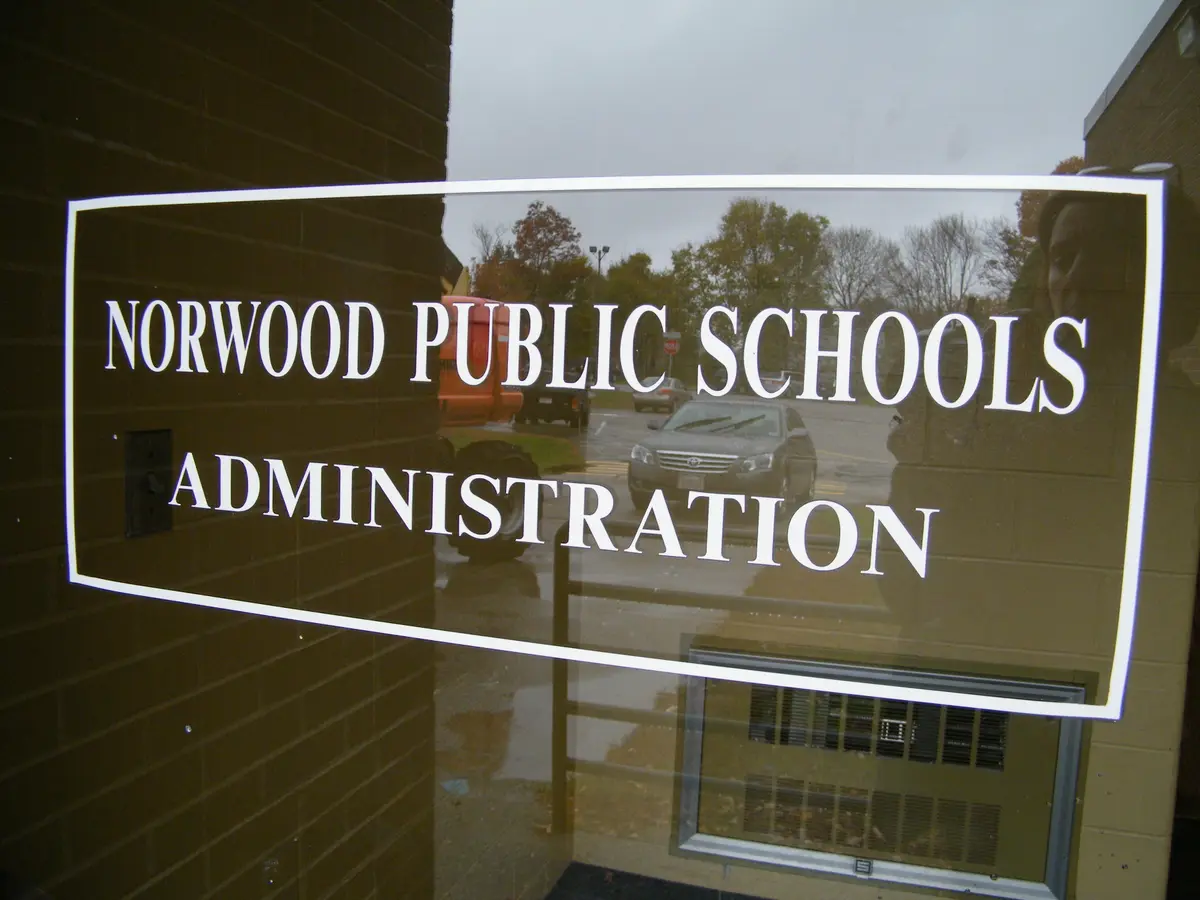
The Norwood School Administration relocated to the George F. Willett School and enacted strict new graduation credit requirements.
-
Students to Face Stiffer Standards-July 18, 1990

In 1990 the town of Norwood was on the cusp of a significant change in its educational system. The school administration, led by Superintendent Louis J. Taris, had been studying ways to improve academic standards for over a year and a half. The result of this study was a proposal to double the number of…
-
George F. Willett School Faces Potential Temporary Reprieve-October 18, 1979
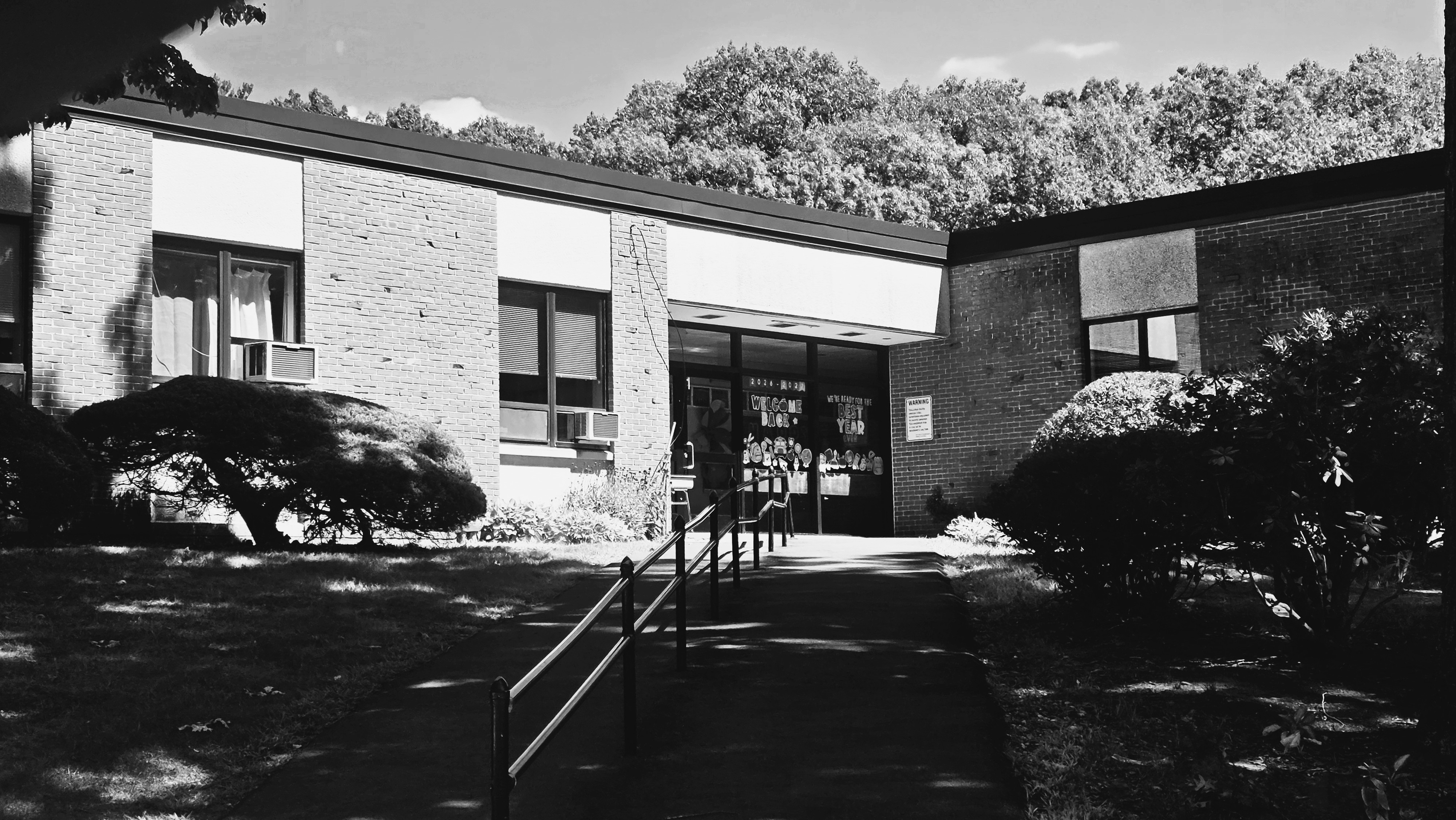
Enrollment and Space Questions Revive Closing Debate-October 18, 1979 The future of the George F. Willett School is back under intense scrutiny. Although the School Committee voted on January 17 to shutter the facility in 1980, School Superintendent Louis J. Taris told the committee last night that the timeline might be flexible. “The timing hinges…
-
Prescott School Security Roadway Proposal Sparks Opposition from Residents &PTA-September 14, 1979
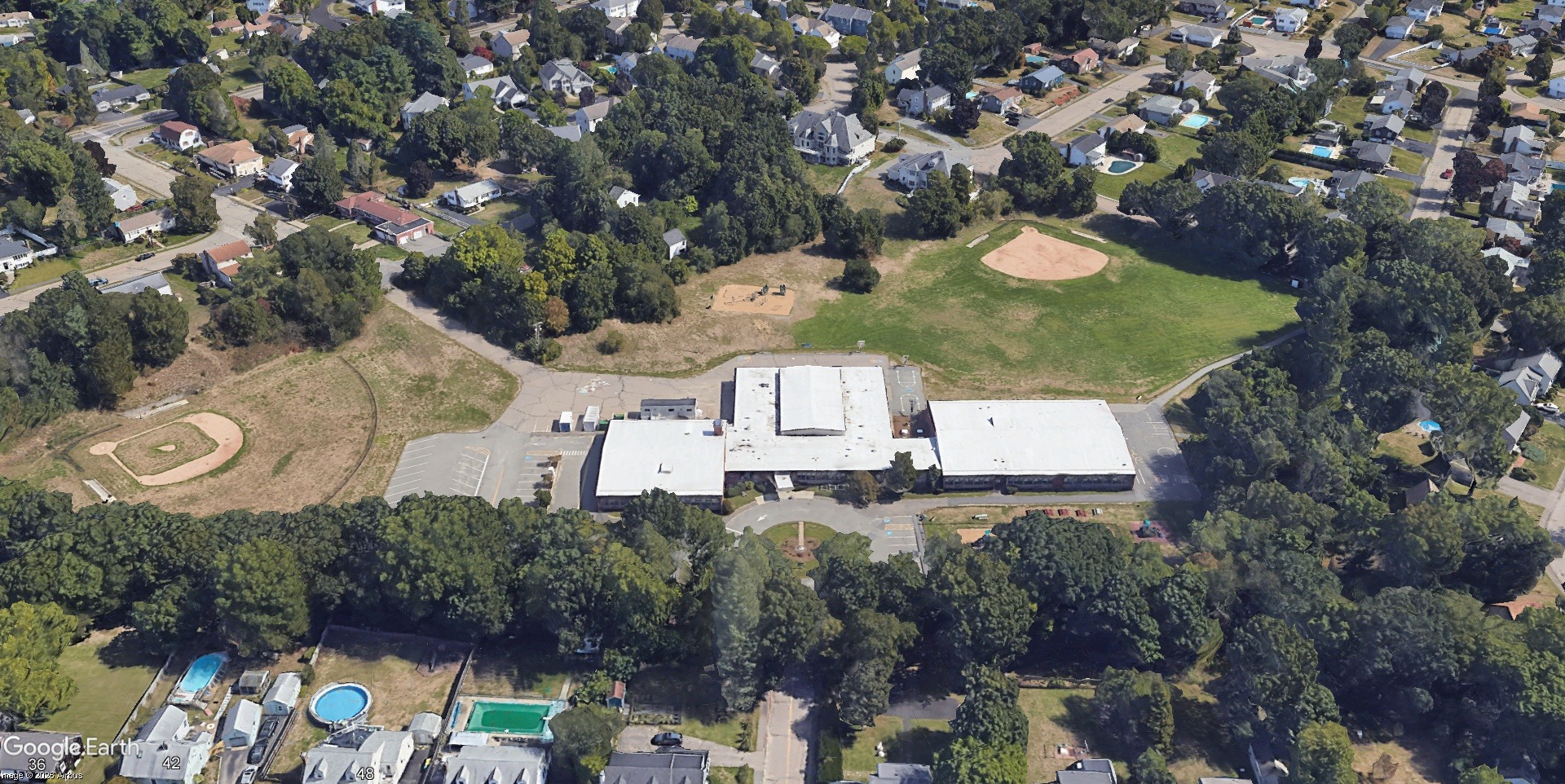
Prescott School neighbors and the PTA oppose a security committee proposal to pave a perimeter roadway for police patrols, citing student safety and vandalism concerns.
-
School Enrollment Shows Drop of 382 from Last Year-September 6, 1979
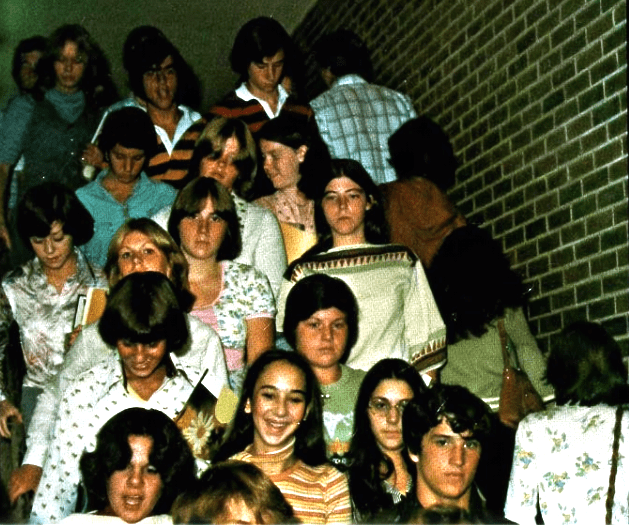
Norwood public school enrollment drops by 382 students to 5,078, while administrators outline major scheduling and open-campus policy changes at the senior high school.
-
Aaron Guild School Leased to Norwood CETA Consortium and EdCo for One Year-August 1, 1979

Norwood selectmen voted unanimously to lease the closed Aaron Guild School for one year to the Norwood CETA Consortium and the Educational Collaborative of Greater Boston (EdCo) for $148,000.
-
Norwood School Bus Billing Questioned-July 31, 1979
The Patriot Ledger’s July 31, 1979 edition brought to light a controversy surrounding the billing practices of Kiessling School Transportation of Dedham, which had been contracted by the town of Norwood to transport special needs children. The issue at hand was whether the company had overcharged the town for mileage on certain routes. According to…
Discover more from Norwood Historical Society
Subscribe to get the latest posts sent to your email.