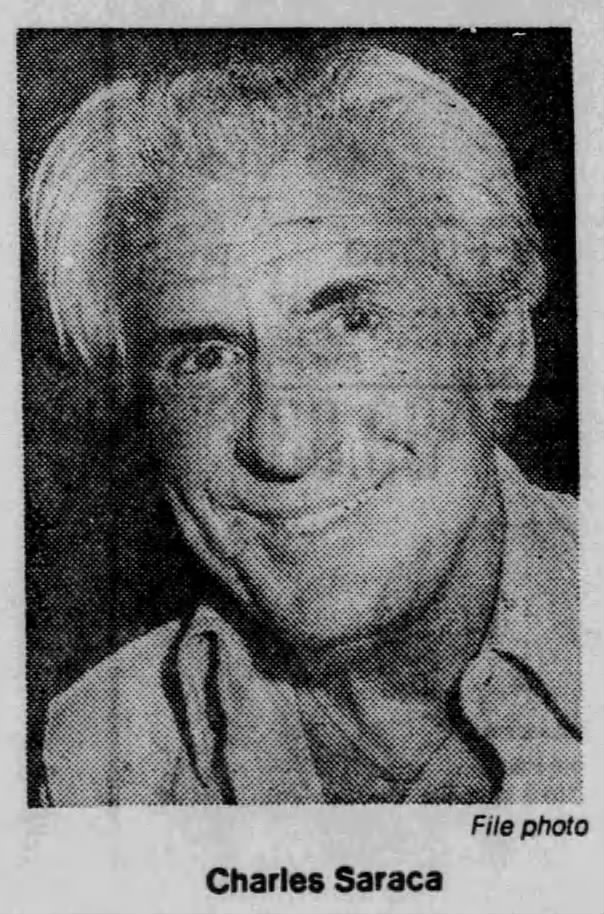
Following a sharp debate sparked by committee member Charles C. Saraca, the School Committee heard an elementary teacher’s grievance in an open public session last night, bucking initial plans to handle the matter behind closed doors.
The grievance was brought forward by Lee Armstrong, an elementary art teacher of six years whose position was slashed from full-time to three-fifths time due to declining student enrollment. Armstrong was advised during the meeting by Stephen Shinnick, chairman of the Norwood Teachers Association grievance committee.
Saraca strongly objected to holding an executive session, arguing that because the dispute did not involve matters impugning Armstrong’s character or reputation, public transparency demanded an open hearing so taxpayers could understand administrative decisions within the school district. When a preliminary vote on moving into executive session ended in a tie—with committee member William F. Egan absent—the rules required the board to proceed in open session.
Preference for Closed Proceedings
Upon arriving, Armstrong and Shinnick were asked for their preference. Shinnick informed the committee that “most grievances are best discussed in executive session” and asked if members would reconsider, noting that an open forum could complicate matters since another teacher’s name was referenced in the filings.
Although Committee Chairman Ruth Berkowitz invited the faction favoring an open session to move for reconsideration, neither Saraca nor supporting members William F. Pudsey and Joseph Pentowski made a motion to change course. The grievance was subsequently heard in relative quiet during the open session, and the committee took the matter under advisement.
Archival Note: This article has been dynamically reconstructed from the original public record print archives of the Patriot Ledger
More…
-
Norwood Scrapbook-August 3
A comprehensive daily compilation of historical news from Norwood, Massachusetts on August 3. Featuring stories of town planning, public safety efforts, regional transportation, local achievements, and community concert traditions.
-
12 Vernon Street – The Joel Metcalf Baker House
Joel M. Baker bought this house lot in 1854 from Joseph Day. It contained about a third of an acre and ran from Washington Street up the hill to Bullard Street. Baker built had local architect/builder, Tyler Thayer construct this Italianate style house in 1855. This house originally sat on the corner of Vernon &…
-
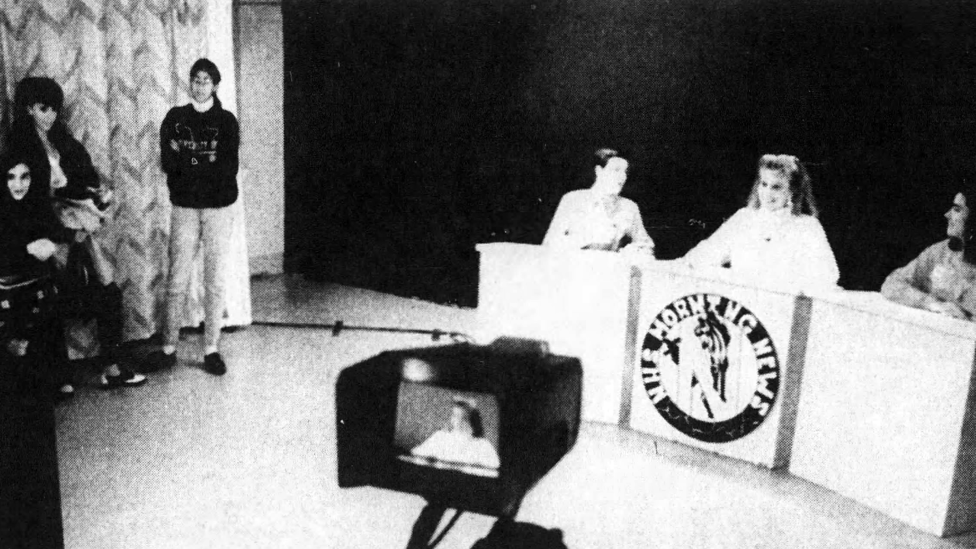
Norwood High Opens Communications Through TV-December 1, 1991
Course provides on-air education from school studio NORWOOD-At 7:30 a.m. Katy Kale, a high school senior, pasted on a smile, folded her hands, looked straight into the camera and said, “Good morning and welcome to Norwood High School News.” For the last four years, Norwood students have been learning what it takes to be a…
-
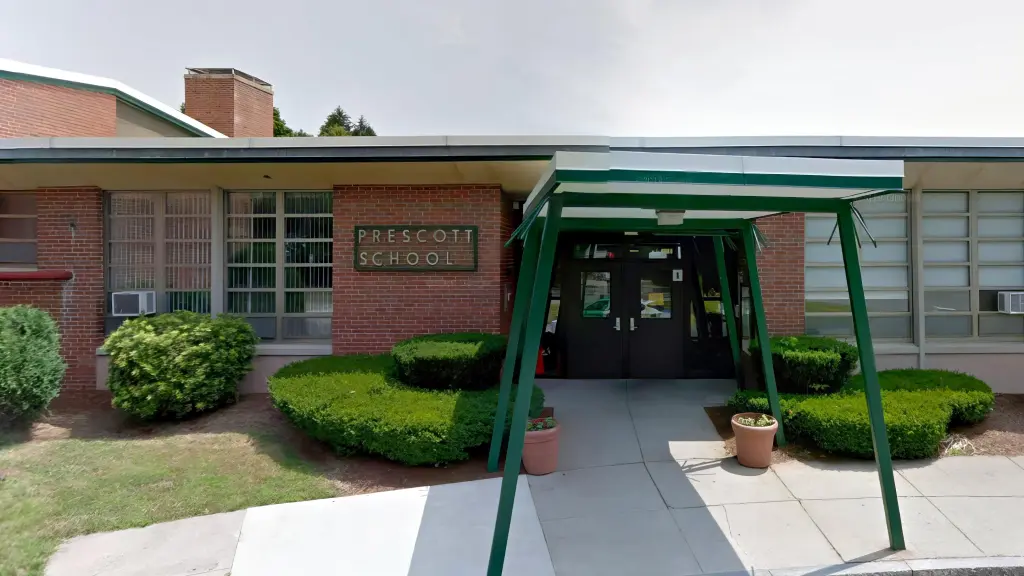
Prescott Elementary School Parents Urge School Committee to Alleviate Overcrowding-September 12, 1991
Prescott Elementary School parents petition the Norwood School Committee to hire a part-time teacher to alleviate overcrowded kindergarten classes.
-
Norwood Schools Get Backing for Cable TV-July 24, 1991
The Norwood School Committee unanimously voted to pursue a $530,000 federal Even Start grant utilizing cable television to expand early childhood education for Norwood and Westwood.

-
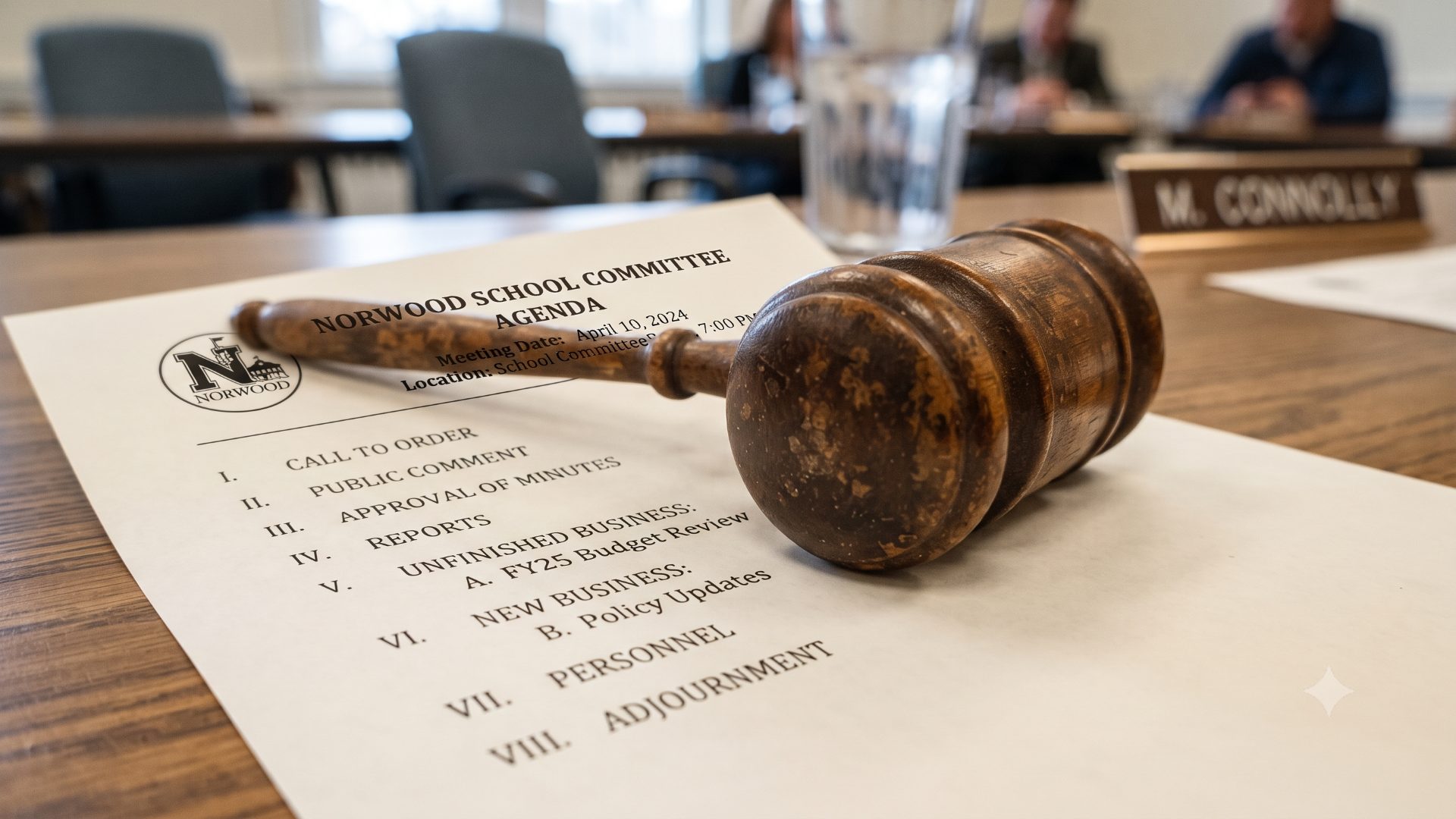
Search for Superintendent Stirs Conflict on Committee-July 24, 1991
The Norwood School Committee engaged in a tense debate over expanding the superintendent search committee to include PTA representation and broader community voices.
-
Norwood High School to Drop Latin Program Due to Dwindling Enrollment-September 27, 1990
Citing dwindling enrollment and a lack of cost-effectiveness, Norwood High School officials announce that Latin courses will be eliminated from the curriculum after June.

-
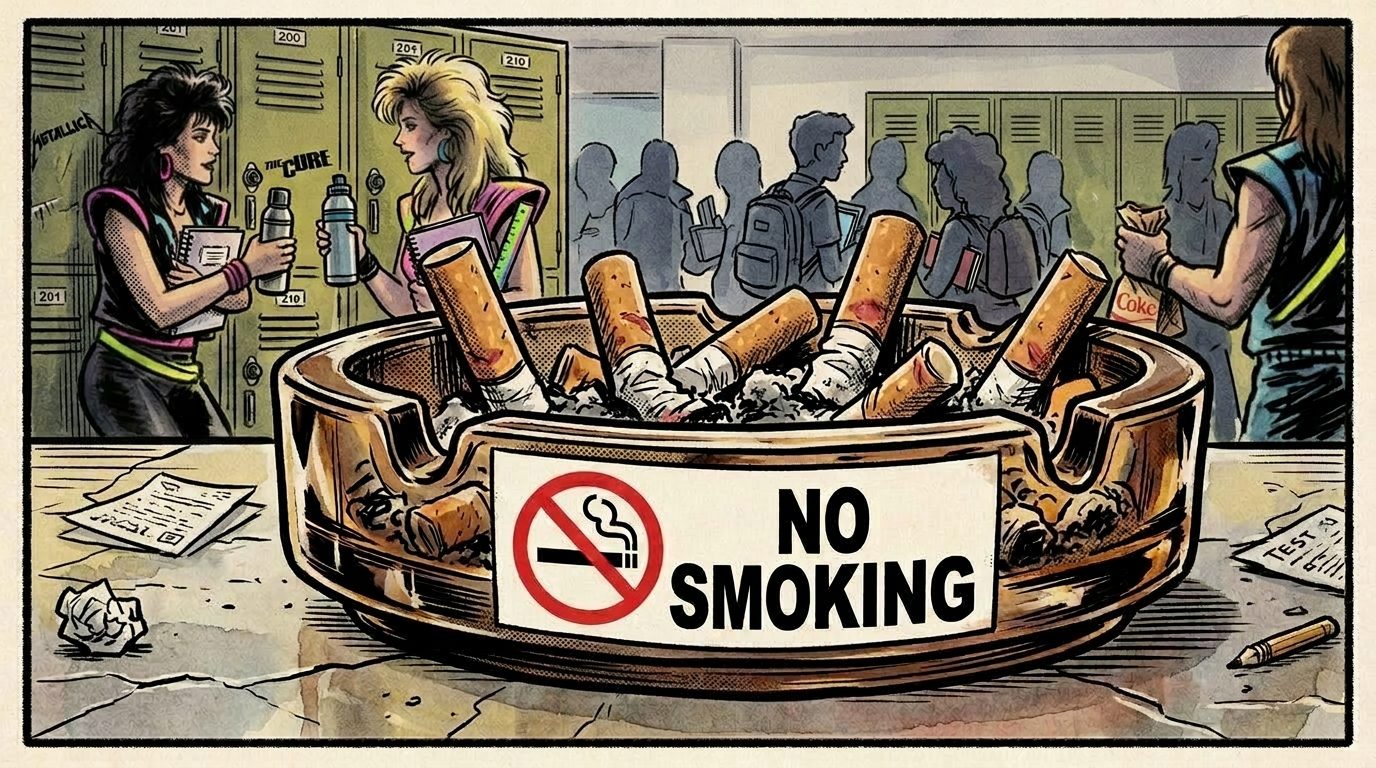
Norwood High School Implements Total Smoking Ban-July 3, 1985
In July 1985, the Norwood School Committee unanimously approved a total smoking ban at Norwood High School to begin in September, prioritizing the health of its students.
-
Gormley Named Norwood Ice Coach-June 25, 1984
Former BC High and Stoughton Mentor Tapped to Succeed Alvin Crowell at High School Helm James Gormley, former head hockey coach at Boston College High School and Stoughton High School, has been appointed head hockey coach at Norwood High School. James Gormley, who lives in Norwood, was previously a Norwood freshman-jayvee hockey coach, marking a…

-
Norwood School Committee to Ask Teachers to Renegotiate Contracts-August 20, 1982
Citing finance commission opposition and Proposition 2 1/2 limits, the school committee will ask teachers to renegotiate 8 percent pay raises or face town meeting review on September 20.

Discover more from Norwood Historical Society
Subscribe to get the latest posts sent to your email.